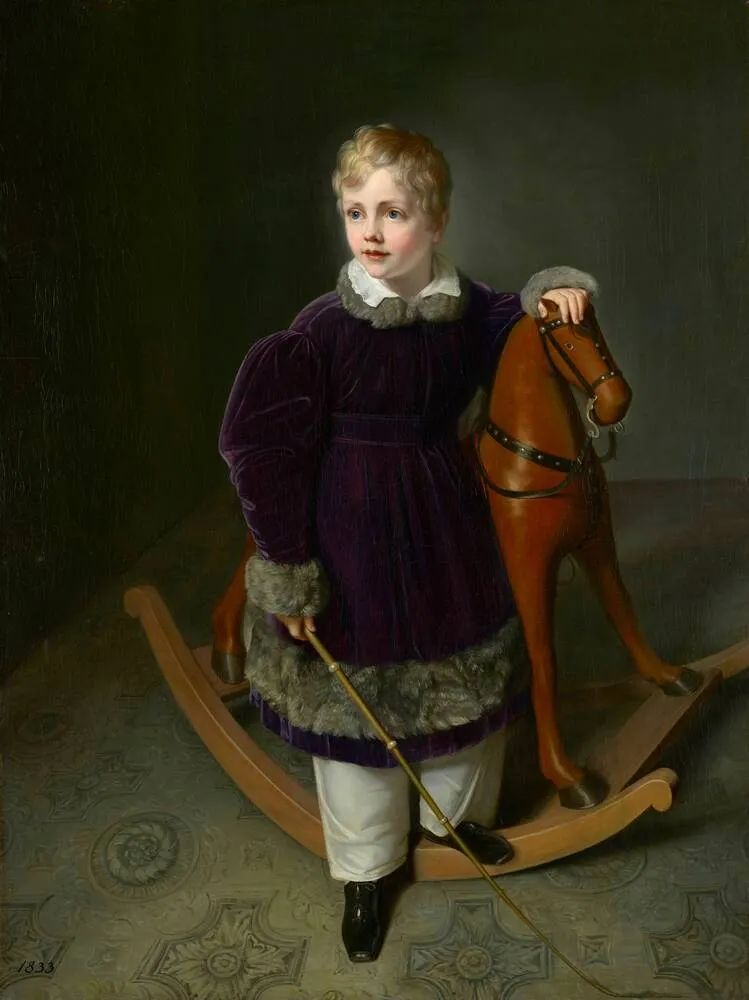
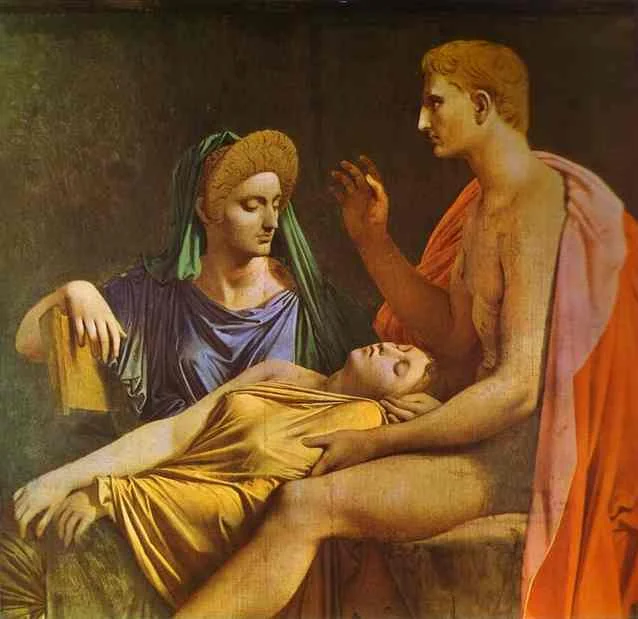
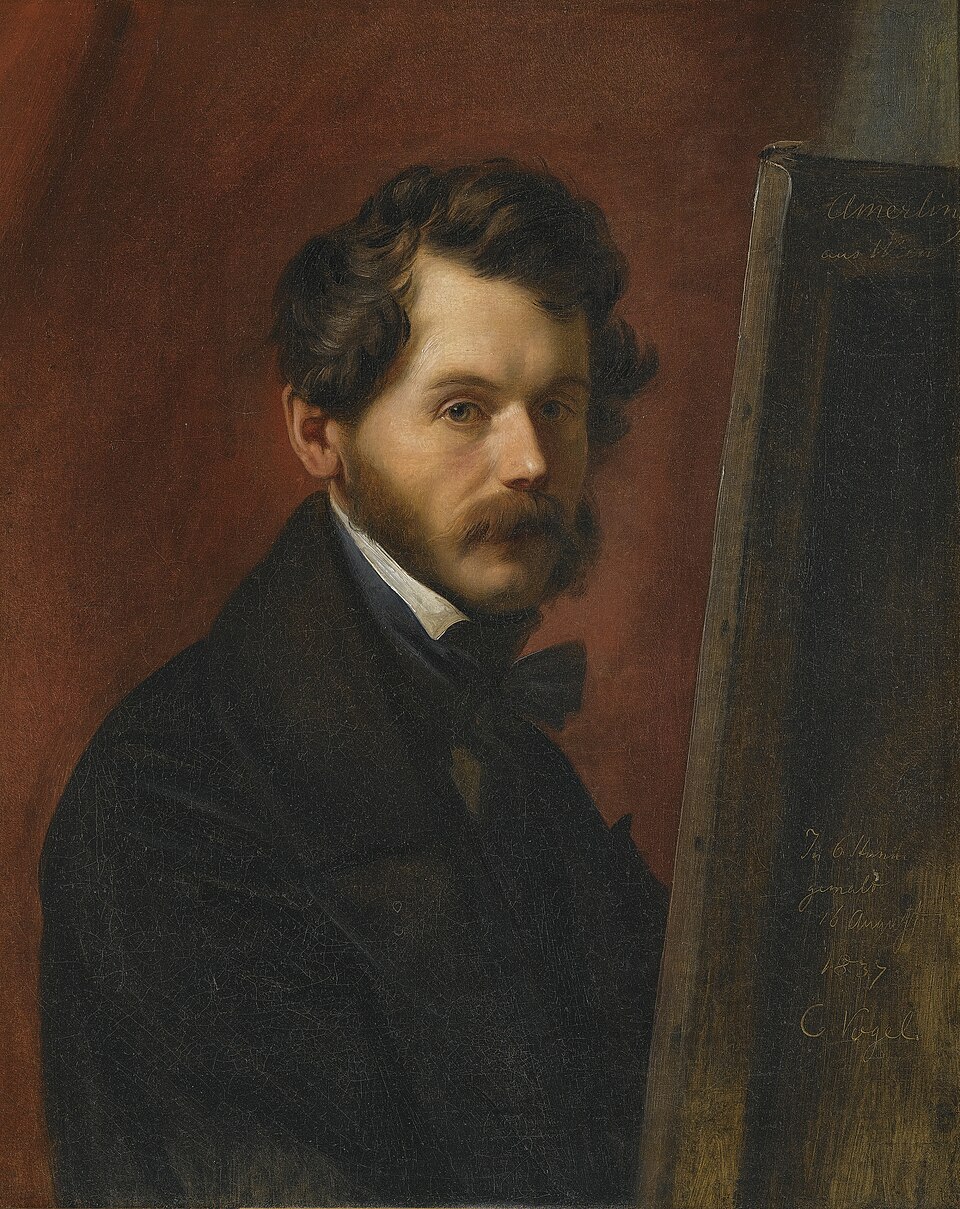
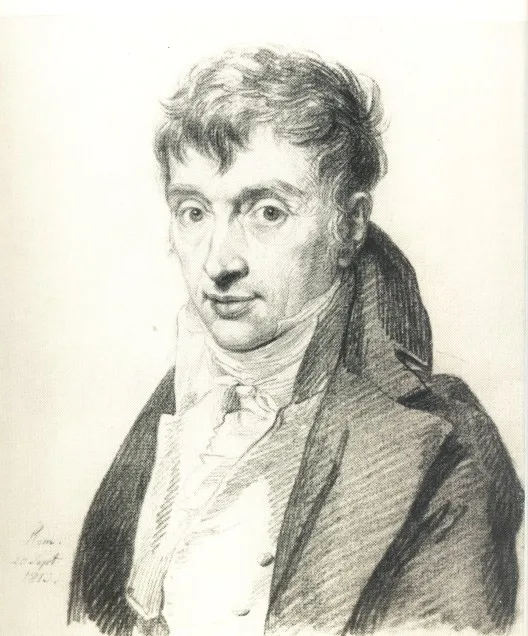
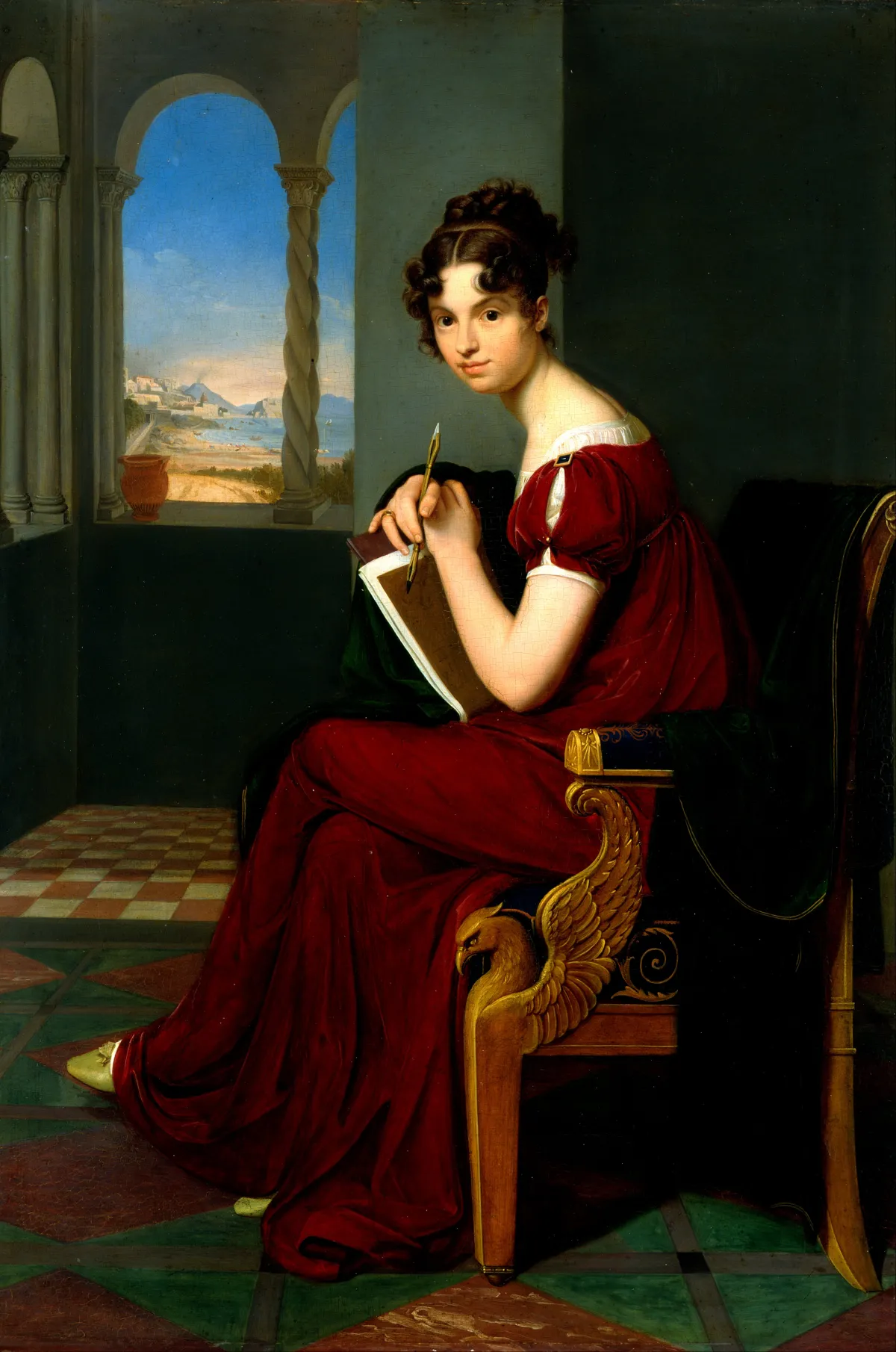
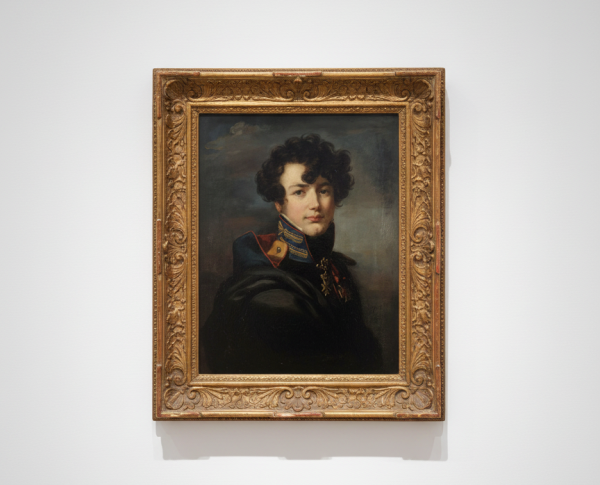
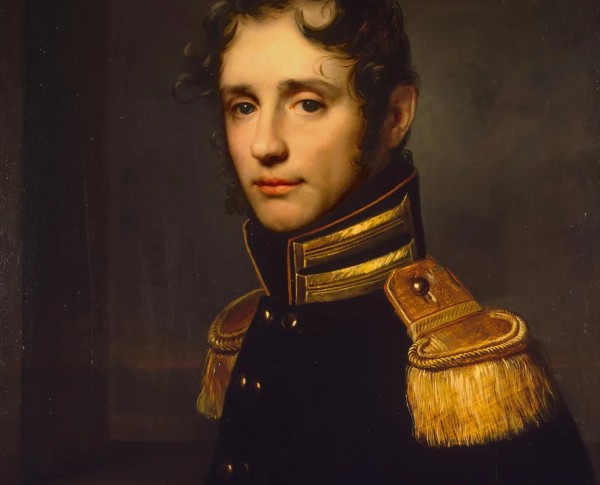
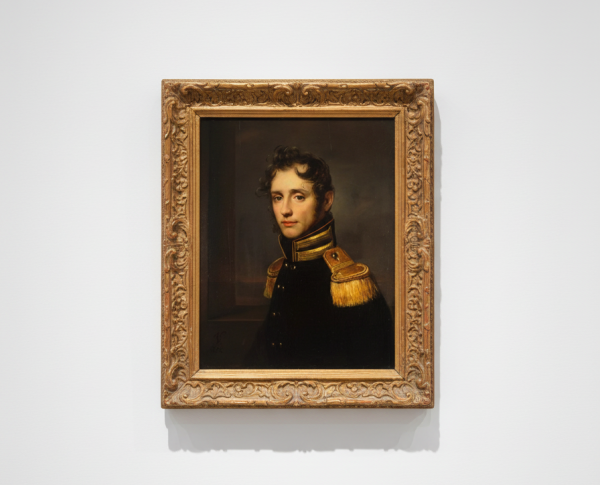
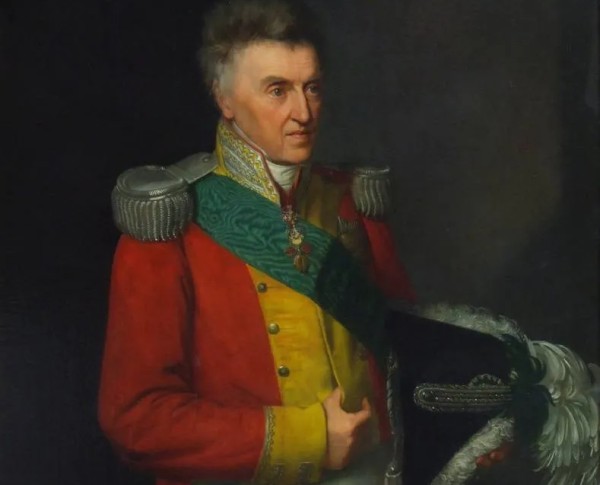
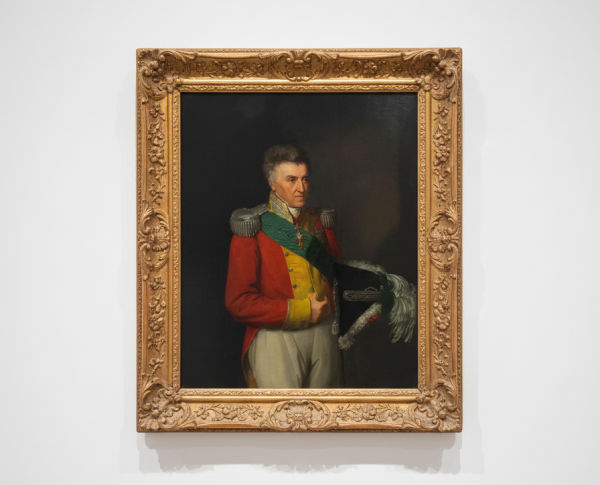
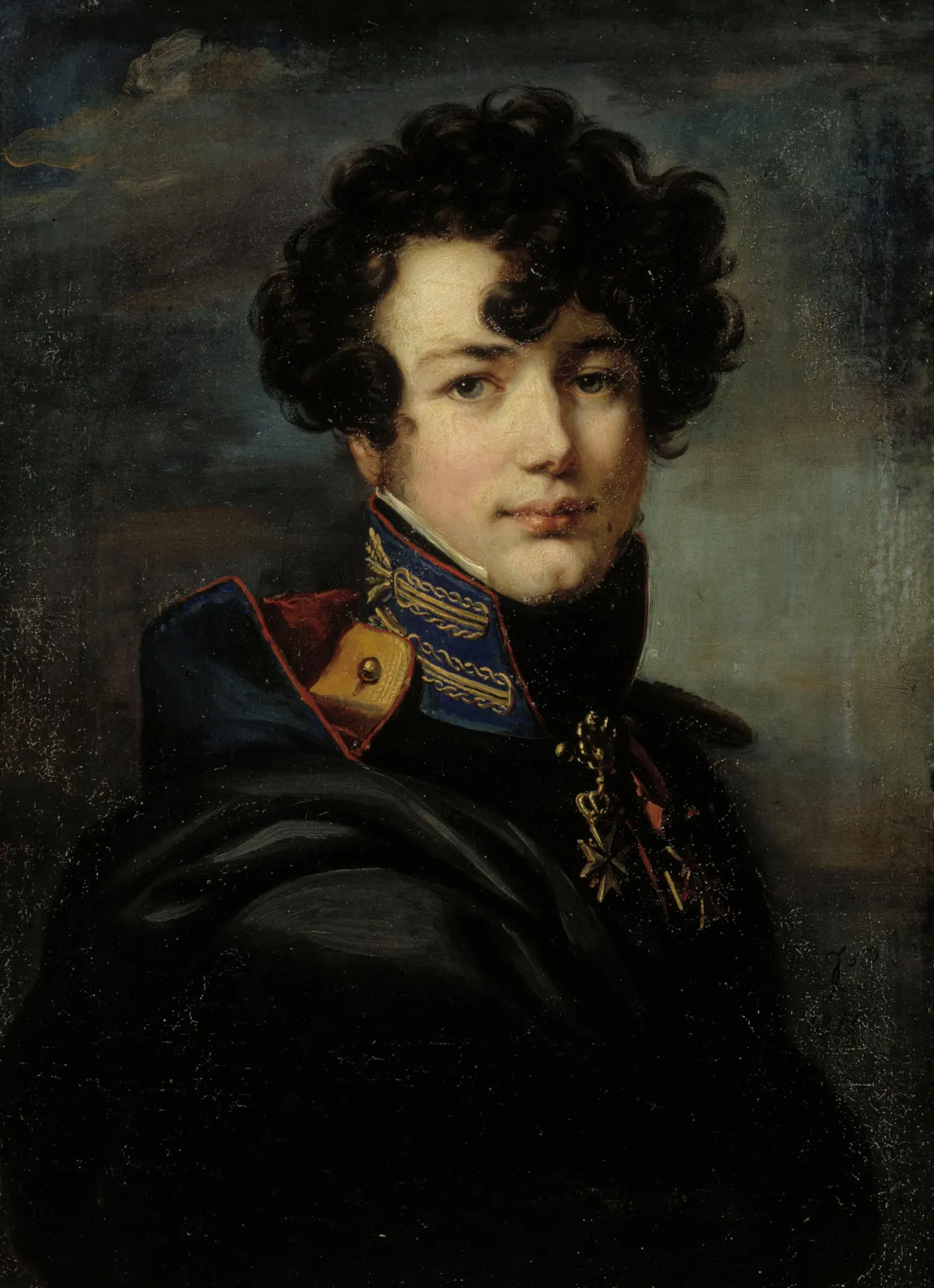
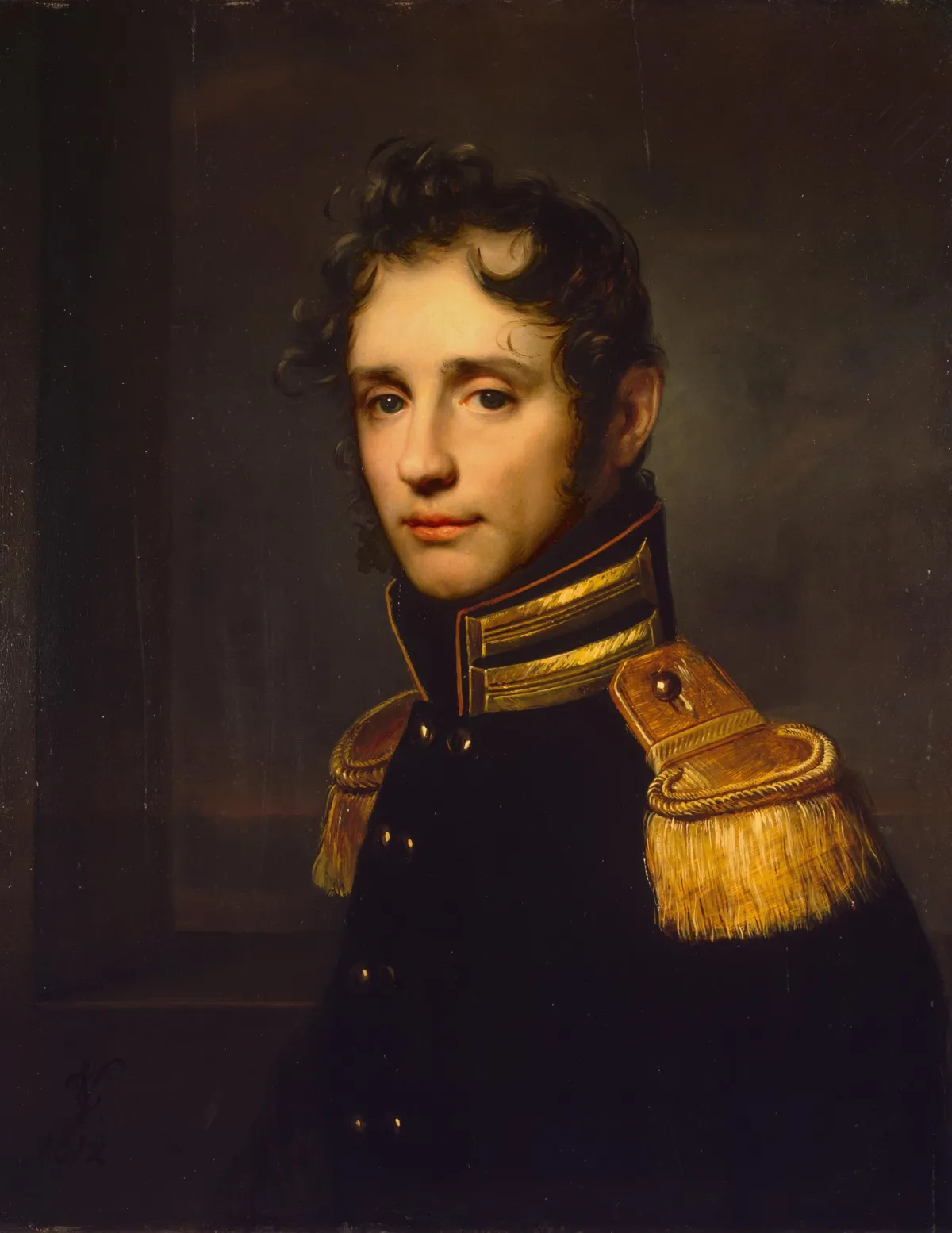
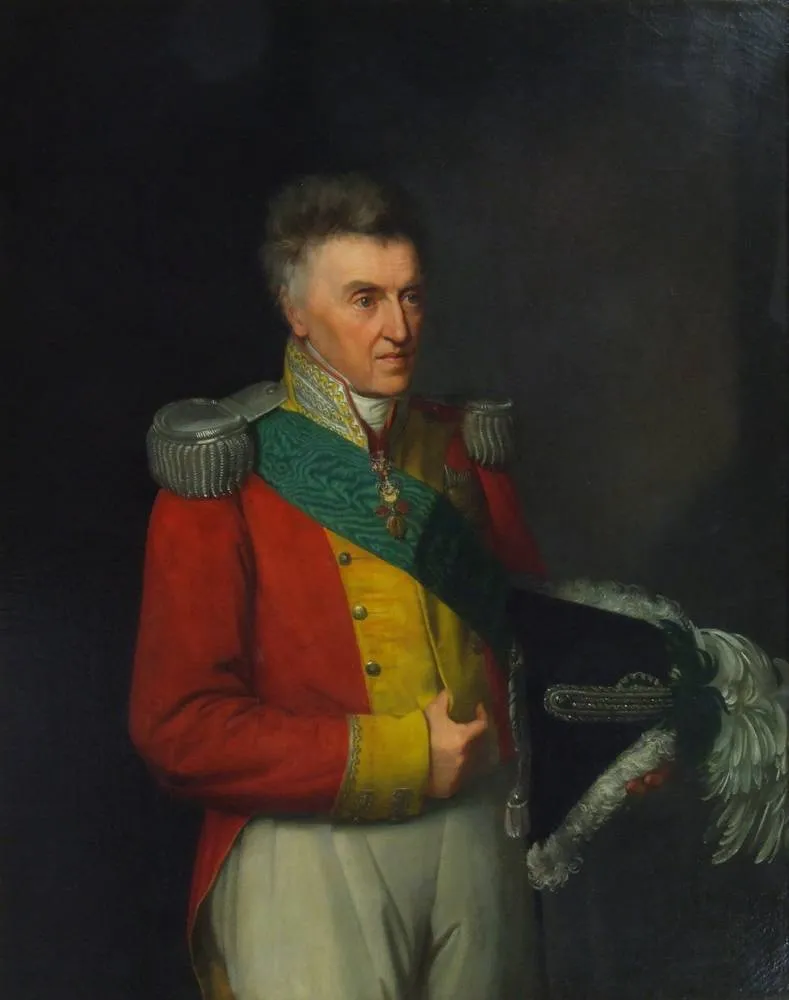
"Robert Watson, 1746 - . Adventurer" is a remarkable hand-painted oil painting by Carl Christian Vogel von Vogelstein, an esteemed artist of the Neo-Classical movement. This evocative portrait captures the adventurous spirit of its subject, blending historical depth with artistic mastery. Vogel von Vogelstein's dedication to the Neo-Classical style is evident in every detail, making this work a standout among fine art painting for sale, alongside related pieces like "Prince Vasili Vasiljevits Dolgoruki" and "Anton, König von Sachsen."
Carl Christian Vogel von Vogelstein’s skill is vividly displayed in this oil on canvas masterpiece. The artist’s precise brushwork and careful attention to form exemplify the Neo-Classical movement’s ideals of clarity, harmony, and proportion. Every aspect of "Robert Watson, 1746 - . Adventurer" reflects Vogel von Vogelstein’s expertise, making it a prime example among oil on canvas works and a desirable piece for collectors who appreciate related products.
Within this fine art painting for sale, subtle symbols and storytelling elements unfold. Vogel von Vogelstein imbues Robert Watson’s portrait with cues to his adventurous life, using Neo-Classical motifs to hint at valor and intellect. The careful placement of objects and the sitter’s gaze invite viewers to delve deeper into the narrative, much like the artist’s other significant works, including Q50328797 and "Prince Vasili Vasiljevits Dolgoruki," which share a similar depth of meaning.
For art enthusiasts, "Robert Watson, 1746 - . Adventurer" by Carl Christian Vogel von Vogelstein is an exceptional hand-painted oil painting that embodies the heights of Neo-Classical artistry. Owning such a piece connects collectors to a rich tradition and to other distinguished works such as Anton, König von Sachsen and Q50328621. This painting stands as a testament to the artist’s legacy and offers a unique opportunity to acquire a timeless fine art painting for sale.
When Art Meets History
"Robert Watson, 1746 - . Adventurer" by Carl Christian Vogel von Vogelstein stands as a testament to the Neo-Classical movement, capturing an era where art and history intertwined. This hand-painted oil painting reflects the artist’s dedication to portraying historical figures with depth and realism. Vogel von Vogelstein’s works, alongside related paintings like "Portrait of Dr. Meer" and "The Declaration of Independence," offer viewers a window into the past, connecting art lovers with the stories of yesteryear.
Techniques That Speak
Vogel von Vogelstein’s mastery shines through in his use of oil on canvas, a hallmark of the Neo-Classical style. In "Robert Watson, 1746 - . Adventurer," the artist skillfully manipulates light and shadow to create lifelike textures and rich, vibrant tones. His technique, also evident in "View of the Isle of Sora," showcases meticulous attention to detail and composition, elevating each portrait to a work of enduring beauty in the tradition of oil on canvas masterpieces.
Emotions on Display
Every brushstroke in this fine art painting for sale conveys a world of emotion. Vogel von Vogelstein imbues "Robert Watson, 1746 - . Adventurer" with a sense of determination and introspection, qualities emblematic of the Neo-Classical movement. The subject’s gaze and posture evoke curiosity about his adventures, inviting viewers to ponder his story. Similar emotional depth can be found in paintings like "Clyties of the Mist" and "Declaration of Independence," further highlighting the artist's expressive range.
Coveted by Collectors
Collectors seeking a hand-painted oil painting with historical significance are drawn to Vogel von Vogelstein’s "Robert Watson, 1746 - . Adventurer." As a fine art painting for sale, it represents the elegance and intellect of the Neo-Classical period. Its connection to related works such as "The Declaration of Independence" makes it especially desirable among enthusiasts of the era. Owning such a masterpiece is not only an investment, but a celebration of timeless artistry.
Related Neo-Classical Hand-Painted Oil Paintings by Other Artists
Other Famous Neo-Classical Artists:
Frequently Asked Questions About Robert Watson, 1746 - . Adventurer
Who was Robert Watson, and what is his significance in history?
Robert Watson was a notable figure of the 18th century, recognized for his adventurous spirit and contributions to exploration. His life and experiences reflect the era's fascination with discovery and the expansion of knowledge about the world.
What artistic techniques did Carl Christian Vogel von Vogelstein employ in this painting?
Vogelstein utilized a combination of realism and romanticism in "Adventurer," employing meticulous detail and a rich color palette to convey the subject's character and the emotional depth of the scene.
What does the composition of the painting reveal about the subject's character?
The composition, with Watson positioned prominently against a dramatic landscape, suggests a sense of confidence and determination, emphasizing his role as an adventurer and explorer.
How does the background contribute to the overall theme of the painting?
The background features a rugged landscape, symbolizing the challenges and unknowns faced by adventurers. This setting enhances the narrative of exploration and the spirit of adventure during the 18th century.
What symbolic elements are present in the painting?
Elements such as the compass and navigational tools often associated with adventurers may be subtly integrated, symbolizing guidance, exploration, and the pursuit of knowledge.
In what ways does this painting reflect the cultural attitudes of the 18th century?
The painting encapsulates the Enlightenment ideals of curiosity and discovery, reflecting the era's enthusiasm for exploration and the belief in the potential for human achievement.
How does Vogelstein's style compare to other artists of his time?
Vogelstein's style is characterized by a blend of meticulous realism and romantic elements, setting him apart from contemporaries who may have focused more on abstract or less detailed representations.
What emotions does the painting evoke in the viewer?
The painting evokes a sense of adventure and curiosity, inviting viewers to contemplate the life of the adventurer and the vast possibilities that lie beyond the familiar.
What role does light play in the painting?
Light is used strategically to highlight Robert Watson, drawing attention to his figure and creating a sense of depth in the landscape, which enhances the dramatic effect of the scene.
How has this painting influenced modern perceptions of exploration and adventure?
This painting has contributed to the romanticized view of exploration, inspiring contemporary audiences to appreciate the spirit of adventure and the historical figures who embodied it.






















_GFM_Painting_(1).webp)

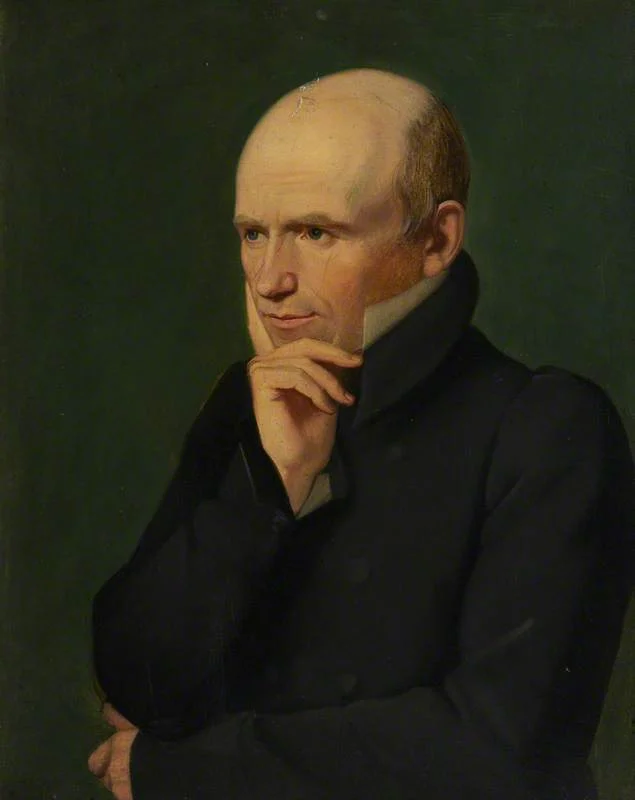

 100% Hand-Painted: Finished in 3-6 Weeks

.png)















_(1).webp)