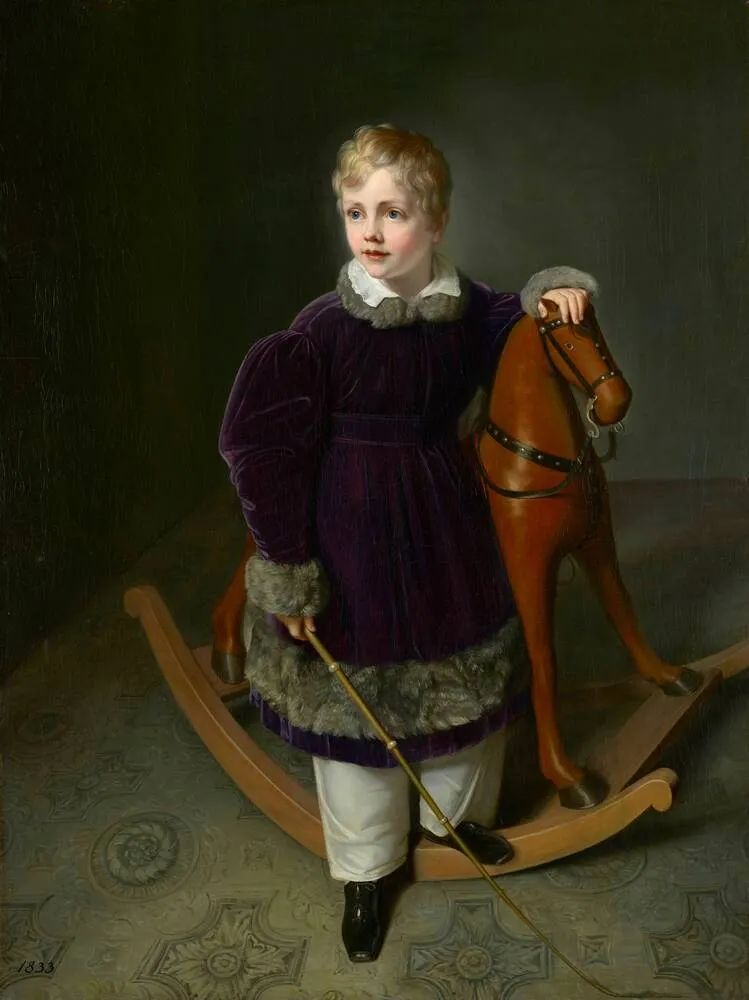
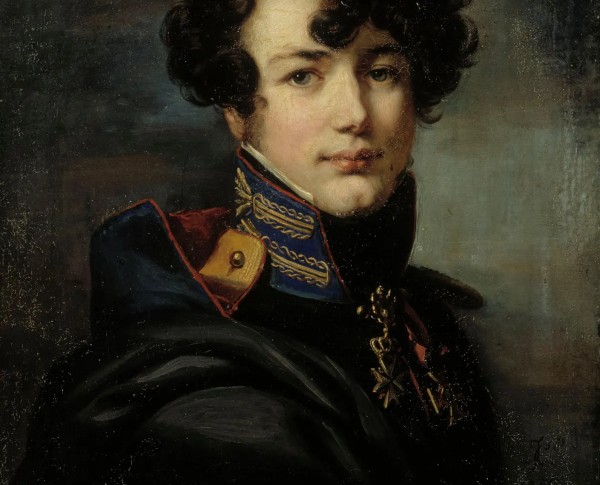
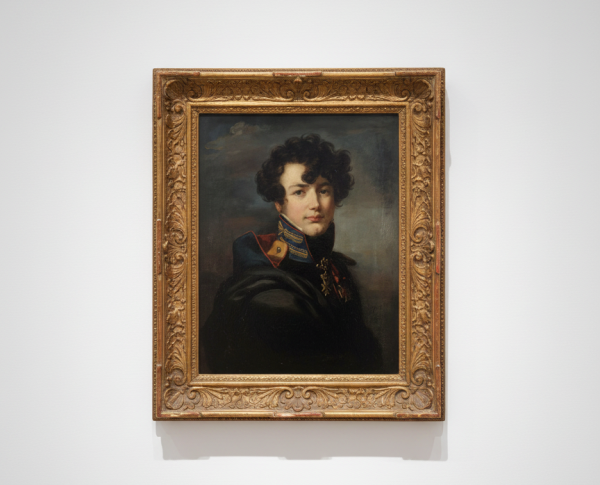
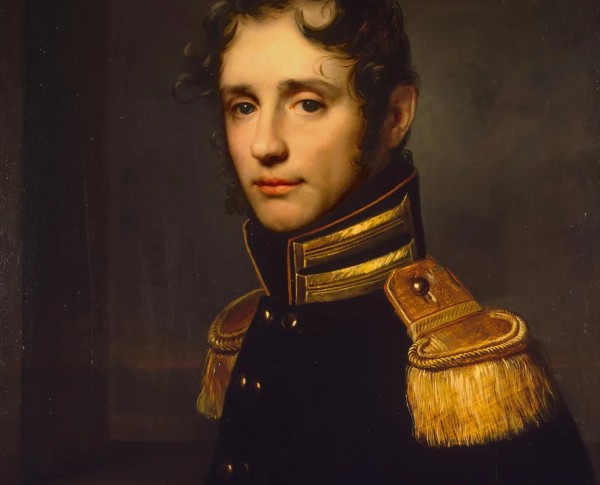
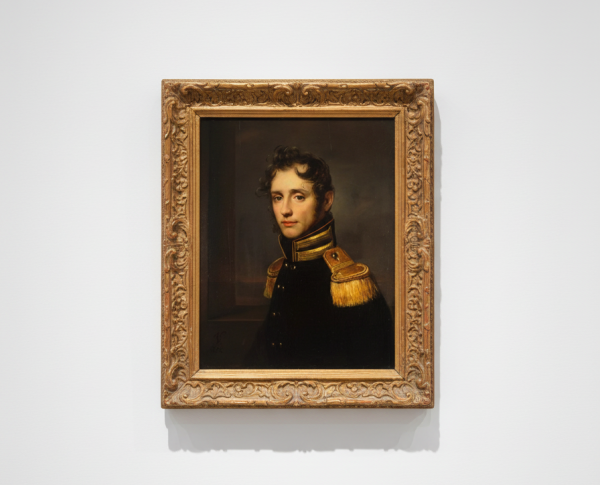
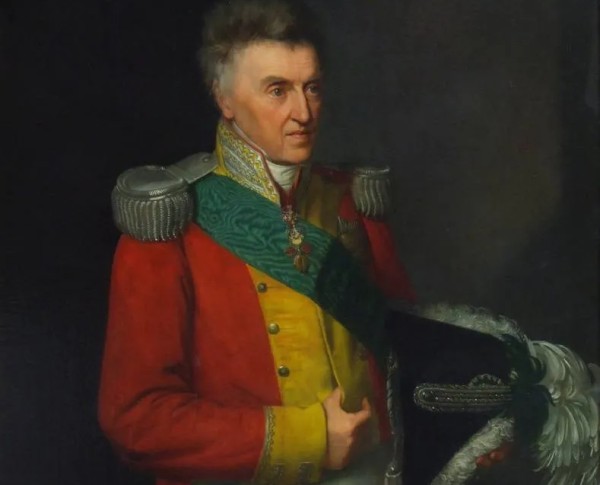
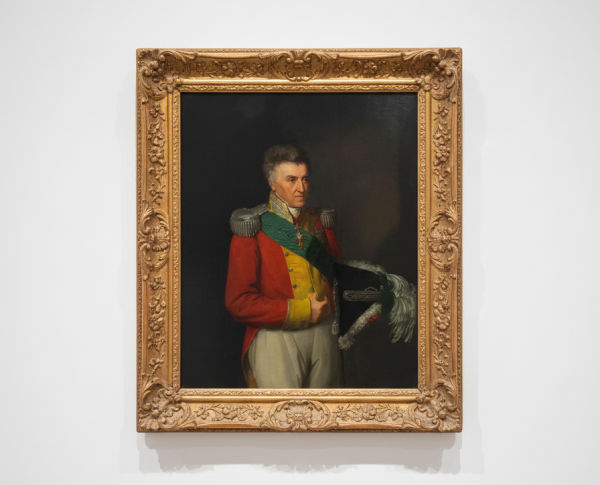
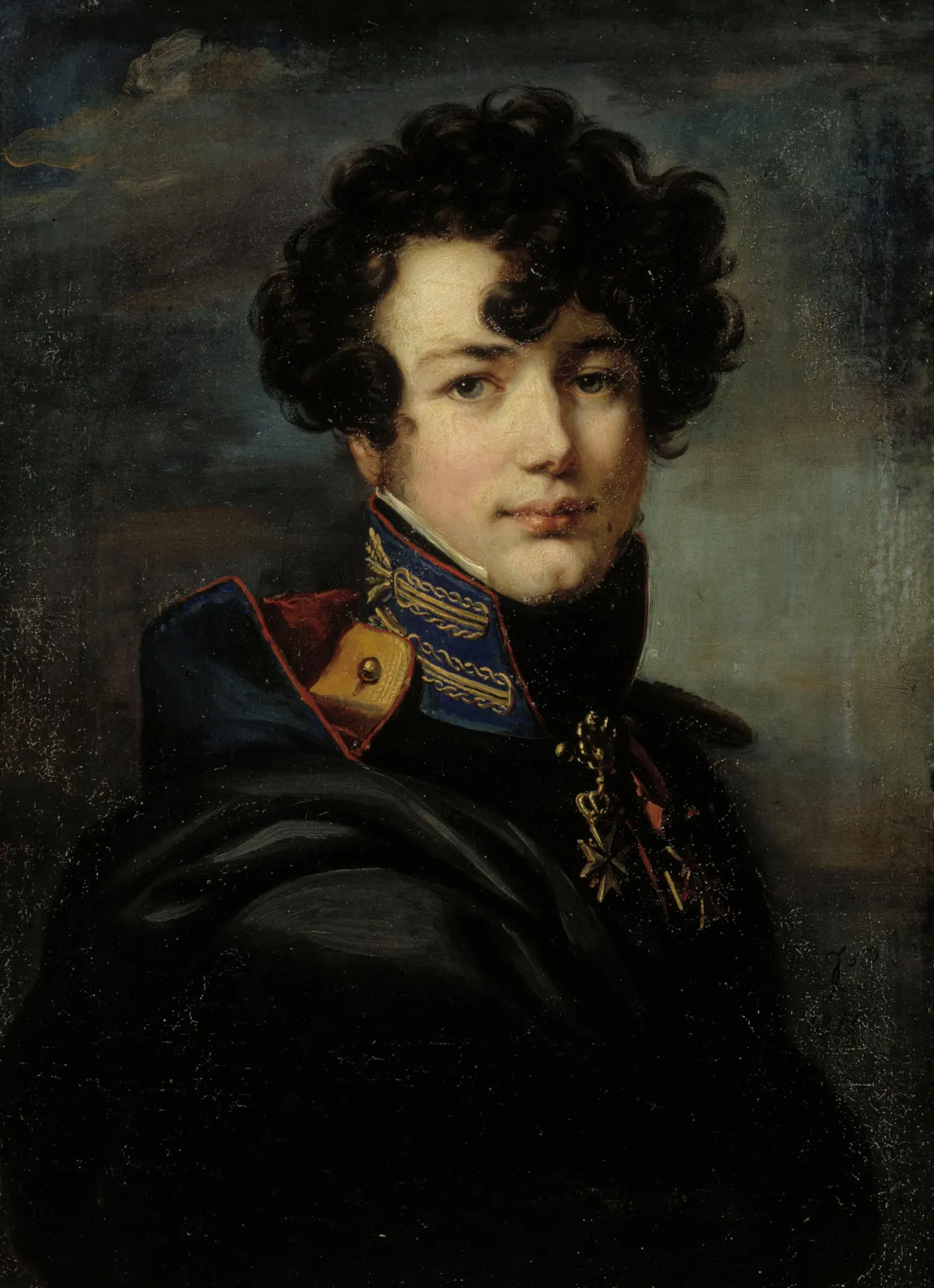
"Portrait of Prince Albert of Saxony as a boy" is a remarkable hand-painted oil painting by an unknown artist, celebrated within the Neo-Classical movement. This exquisite artwork captures the youthful nobility of Prince Albert, reflecting the ideals of refinement and poise characteristic of the era. Collectors and enthusiasts alike appreciate its historical significance, often pairing it with related products such as "Anton, König von Sachsen" or "Prince Vasili Vasiljevits Dolgoruki" to enrich their collections.
Every detail in this oil on canvas masterpiece demonstrates the technical prowess and aesthetic sensibility of its creator. The artist’s delicate brushwork and careful composition highlight the Neo-Classical commitment to clarity and balance. This painting stands alongside other fine examples making it a coveted piece for those who admire the enduring beauty and precision of Neo-Classical portraiture in oil on canvas.
Within this fine art painting for sale, subtle symbols and storytelling elements emerge, revealing the status and character of Prince Albert of Saxony. The unknown artist integrates Neo-Classical motifs—such as classical attire and serene backgrounds—to convey nobility and virtue. Collectors often seek out similar works, including to deepen their appreciation of the narrative layers present in Neo-Classical portraiture.
Owning the "Portrait of Prince Albert of Saxony as a boy" is more than acquiring a hand-painted oil painting; it’s an investment in history and culture. The painting’s provenance and style make it a standout among Neo-Classical masterpieces. Collectors often display it alongside related products such as "Anton, König von Sachsen" and "Prince Vasili Vasiljevits Dolgoruki" to create a distinguished gallery of fine art painting for sale.
"Portrait of Prince Albert of Saxony as a boy" is a distinguished hand-painted oil painting attributed to the Neo-Classical movement. The artist, though anonymous, masterfully captures the youthful nobility of Prince Albert, echoing the era's fascination with regal subjects and historic grandeur. Alongside related paintings like "View of the Isle of Sora" and "Romantic Landscape," this work reflects a time when art and history intertwined, creating lasting images that continue to inspire collectors and historians alike.
Techniques That Speak
This exquisite oil on canvas showcases the signature techniques of the Neo-Classical movement—precision, clarity, and subdued emotion. The artist’s meticulous brushwork brings out the fine details in Prince Albert’s attire and expression, emphasizing the painting’s historical authenticity. Comparable to works such as "Still-Life 1810" and "Calypso's Isle," the artist’s technical prowess elevates the portrait, making it a prime example of the refined skills associated with Neo-Classical oil on canvas masterpieces.
Emotions on Display
In "Portrait of Prince Albert of Saxony as a boy," subtle emotions are delicately portrayed, revealing the innocence and dignity of youth. The artist employs light and composition to evoke a sense of calm introspection, a hallmark of Neo-Classical aesthetics. This fine art painting for sale stands alongside evocative works like "Caroline Louisa Pratt Bartlett," capturing the emotional depth that distinguishes Neo-Classical portraiture from other artistic movements of its time.
Coveted by Collectors
Collectors of Neo-Classical art are drawn to the "Portrait of Prince Albert of Saxony as a boy" for its historical significance and artistic merit. The hand-painted oil painting is highly valued, much like related paintings such as "Romantic Landscape" and "Calypso's Isle." Its timeless appeal and exceptional craftsmanship ensure its status as a coveted piece among enthusiasts searching for a remarkable addition to their fine art painting for sale collections.
Related Neo-Classical Hand-Painted Oil Paintings by Other Artists
Other Famous Neo-Classical Artists:
Frequently Asked Questions About Portrait of Prince Albert of Saxony as a boy
Who is the artist of "Portrait of Prince Albert of Saxony as a boy"?
The artist of this portrait is currently unknown, but it is attributed to a prominent painter of the period.
What is the historical significance of Prince Albert of Saxony?
Prince Albert of Saxony was a notable figure in the 19th century, known for his contributions to the arts and culture in Saxony, as well as his role in European politics.
What artistic techniques are evident in this portrait?
The painting showcases a combination of realism and romanticism, with careful attention to detail, use of light and shadow, and a focus on the subject's expression.
What symbolism is present in the portrait?
The attire and posture of Prince Albert symbolize nobility and innocence, reflecting both his royal status and youthful charm.
In what context was this portrait created?
This portrait was created during a time when portraiture was a popular means of documenting and celebrating the lives of royals and aristocrats.
What materials were likely used in this painting?
The painting is likely executed in oil on canvas, a common medium for portraits during the 19th century, allowing for rich color and texture.
How does this portrait compare to other royal portraits of the time?
Compared to other royal portraits, this work emphasizes the youthful innocence of its subject, diverging from the more formal and stoic representations typical of the era.
What can we learn about the culture of the time from this painting?
This painting reflects the values of the time, including the importance of lineage, the celebration of youth, and the intersection of art and politics in royal representation.
What influence did this portrait have on later artistic works?
The portrait set a precedent for future depictions of nobility, influencing how artists approached the representation of children in royal contexts.
Where can I view "Portrait of Prince Albert of Saxony as a boy"?
This painting is part of the collection at our gallery, where it is displayed alongside other significant works from the same period.






















_GFM_Painting_(1).webp)

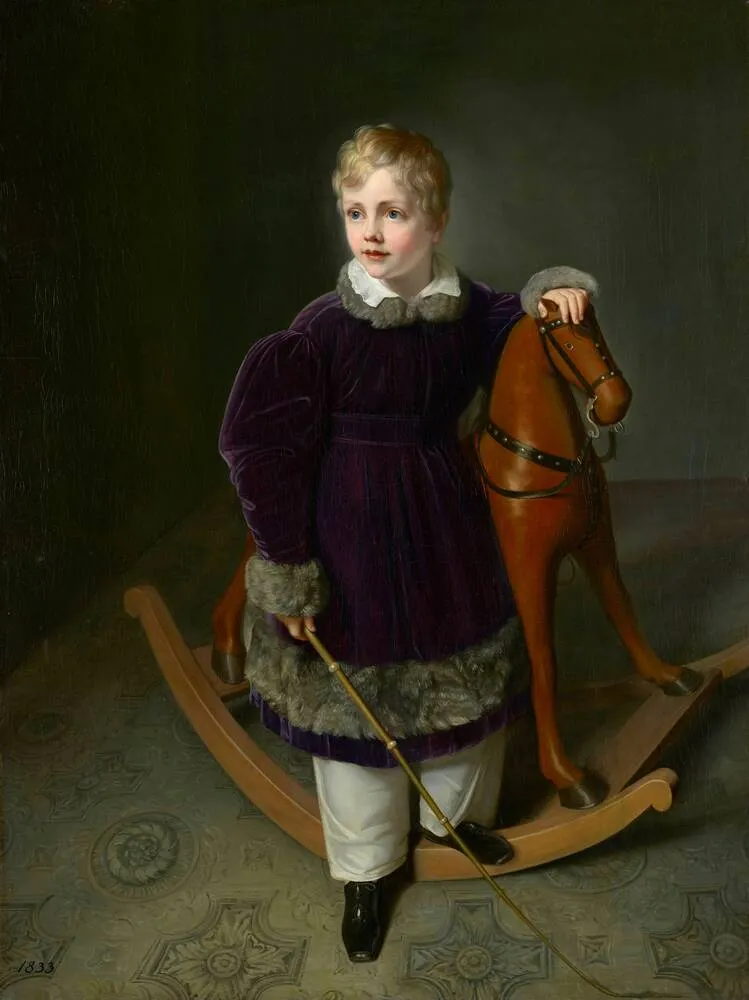

 100% Hand-Painted: Finished in 3-6 Weeks

.png)















_(1).webp)