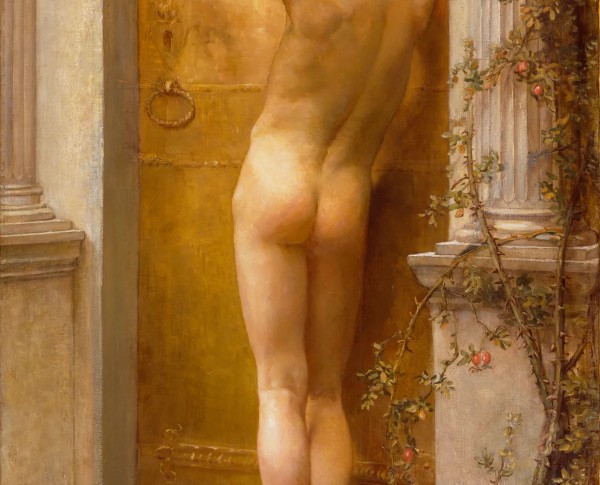
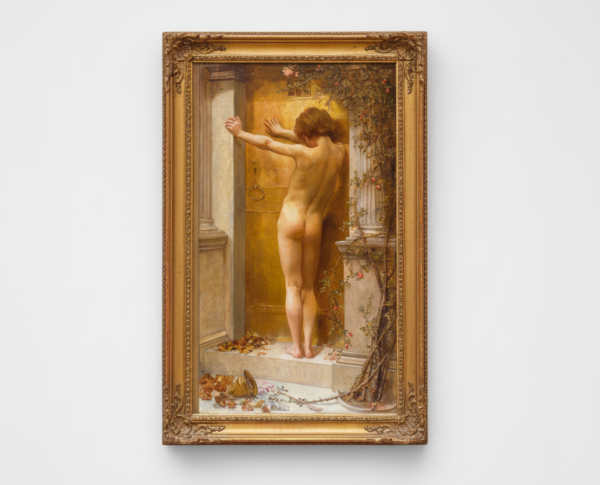
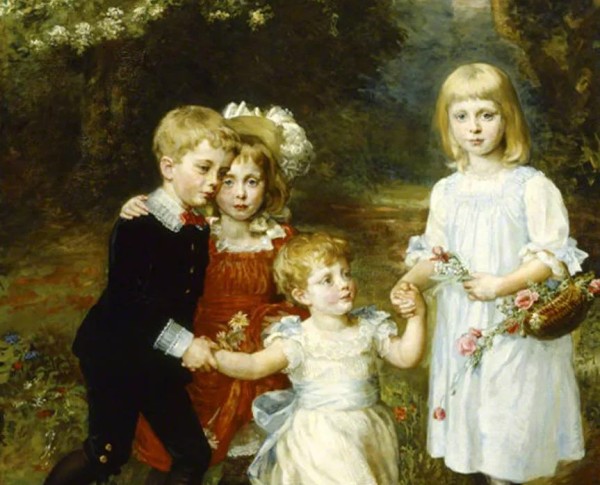
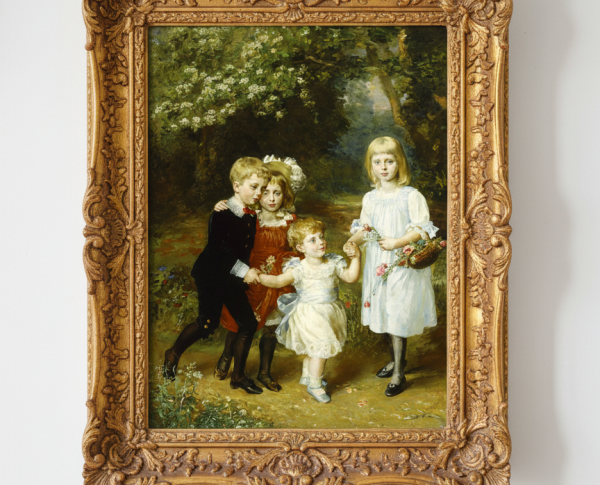
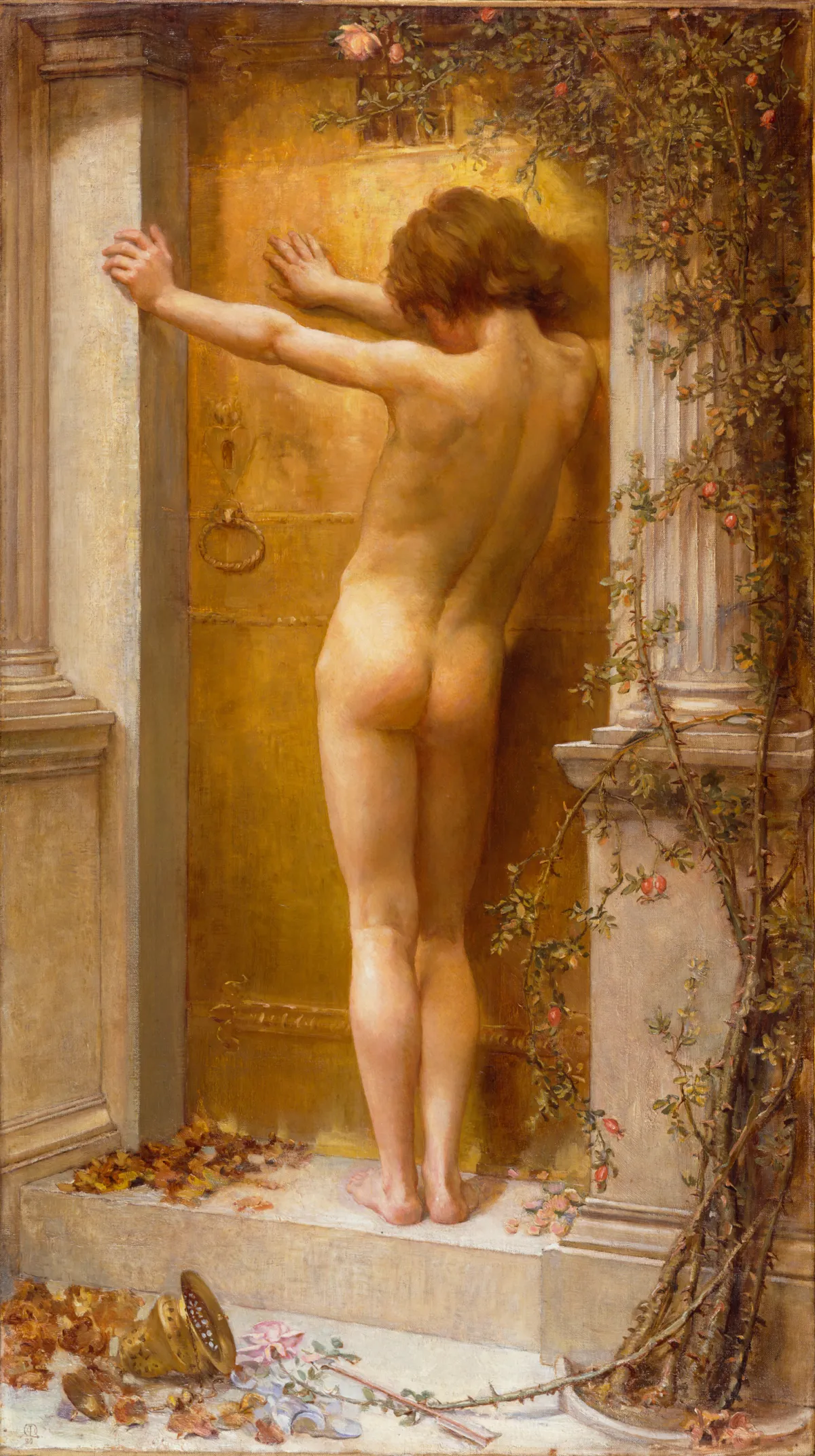
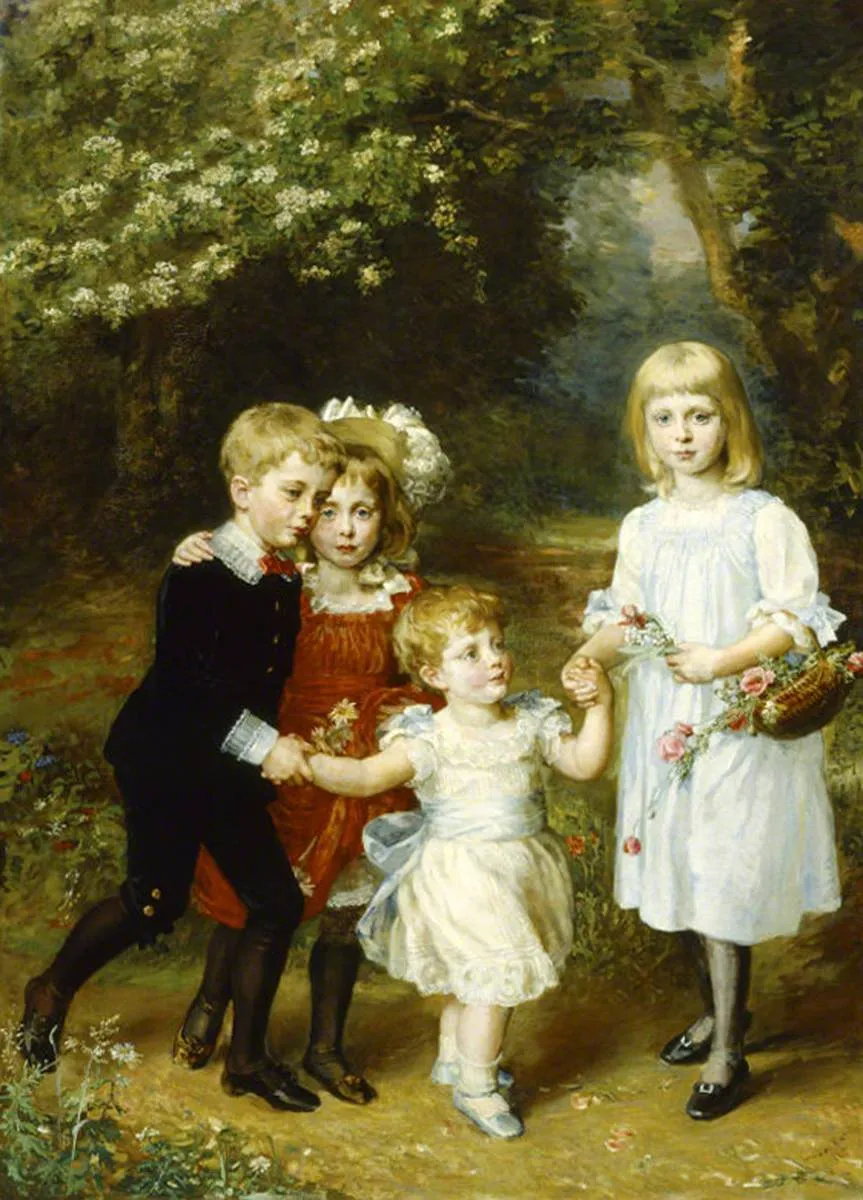
"'s Monogram" demonstrates Anna Lea Merritt’s technical brilliance, utilizing oil on canvas to achieve rich textures and delicate hues. As a part of the Pre-Raphaelites movement, Merritt’s brushwork delivers both realism and emotional depth. Her command of the medium is evident in every detail, inviting viewers into a world of beauty and meaning. For those seeking timeless elegance, explore related works such as "Mrs I. Holman Hunt" and "Luna."
Through "'s Monogram," Anna Lea Merritt weaves intricate stories and symbols, characteristic of the Pre-Raphaelites movement. The fine art painting for sale reveals layers of narrative, inviting interpretation and connection. Merritt’s art often explores themes of love, identity, and the natural world, echoed in her other celebrated pieces like "Eve" and "American Art And American Art Collections Essays On Artistic Subjects." Each painting offers a journey into the artist’s rich inner world.
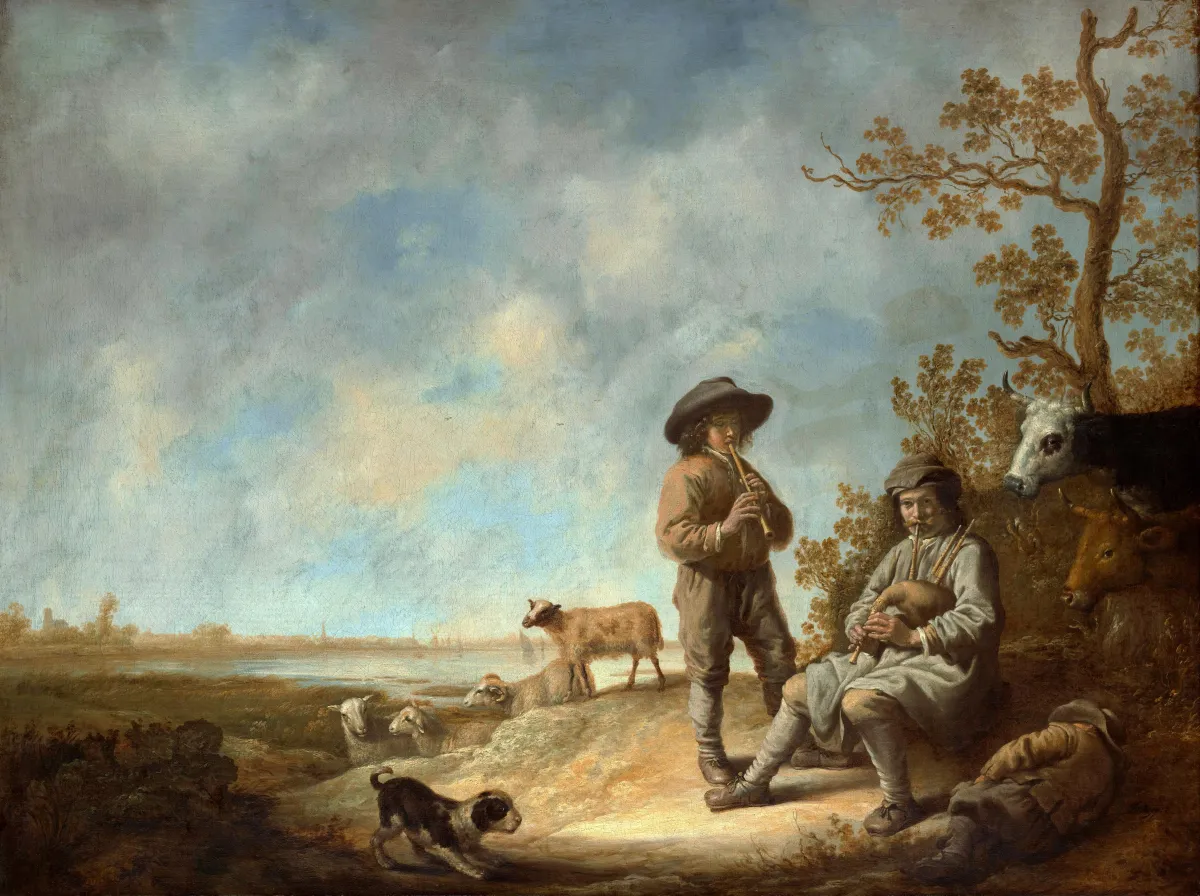
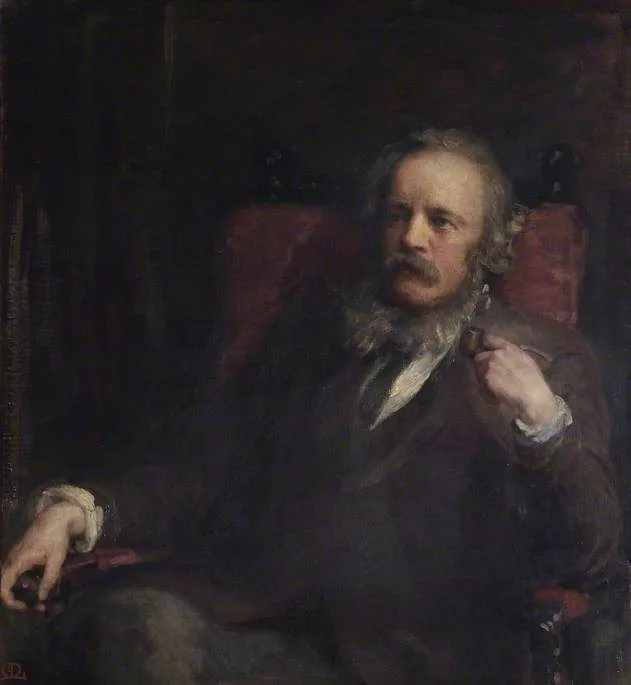
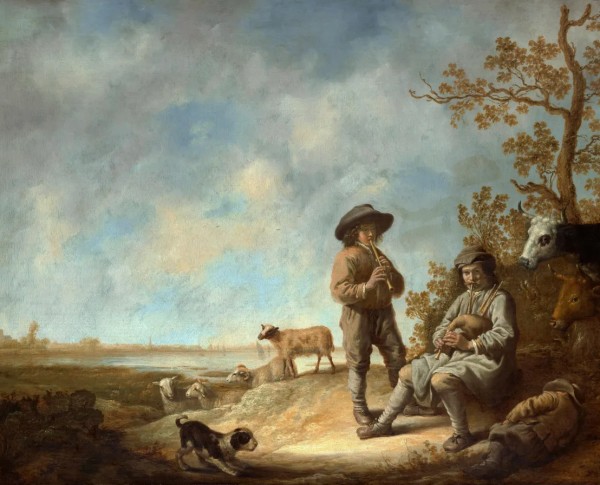
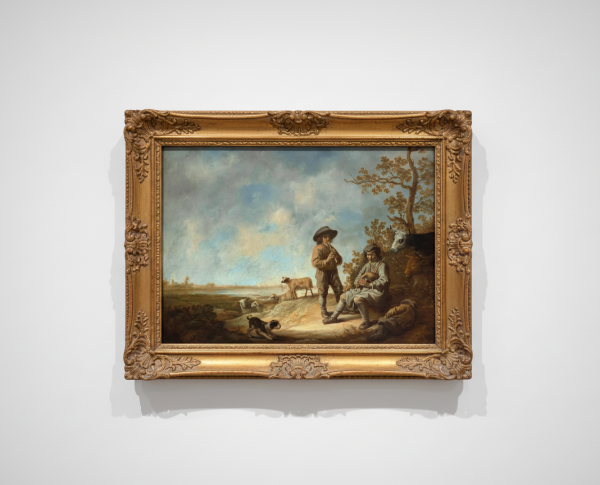
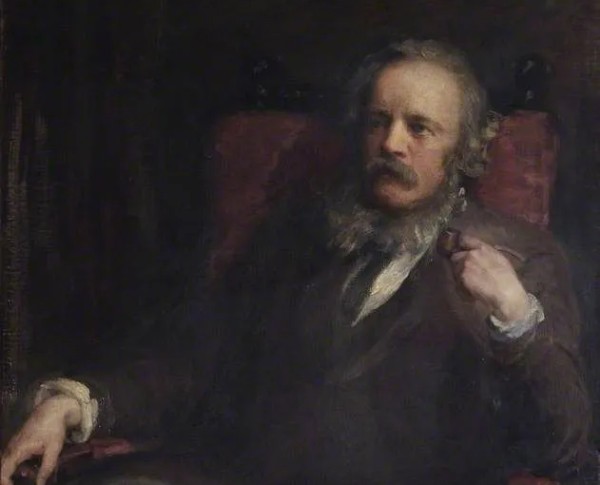
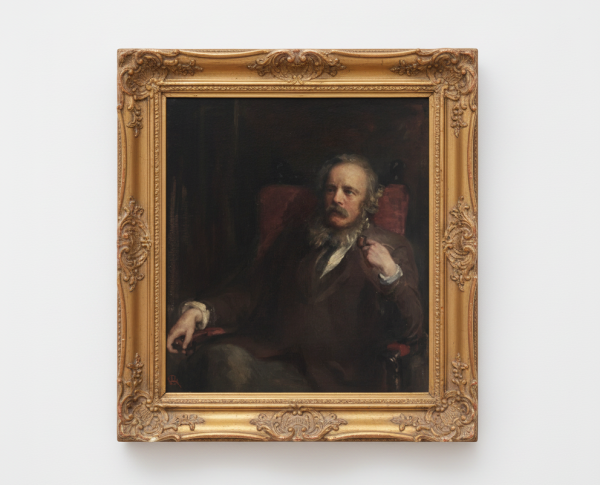
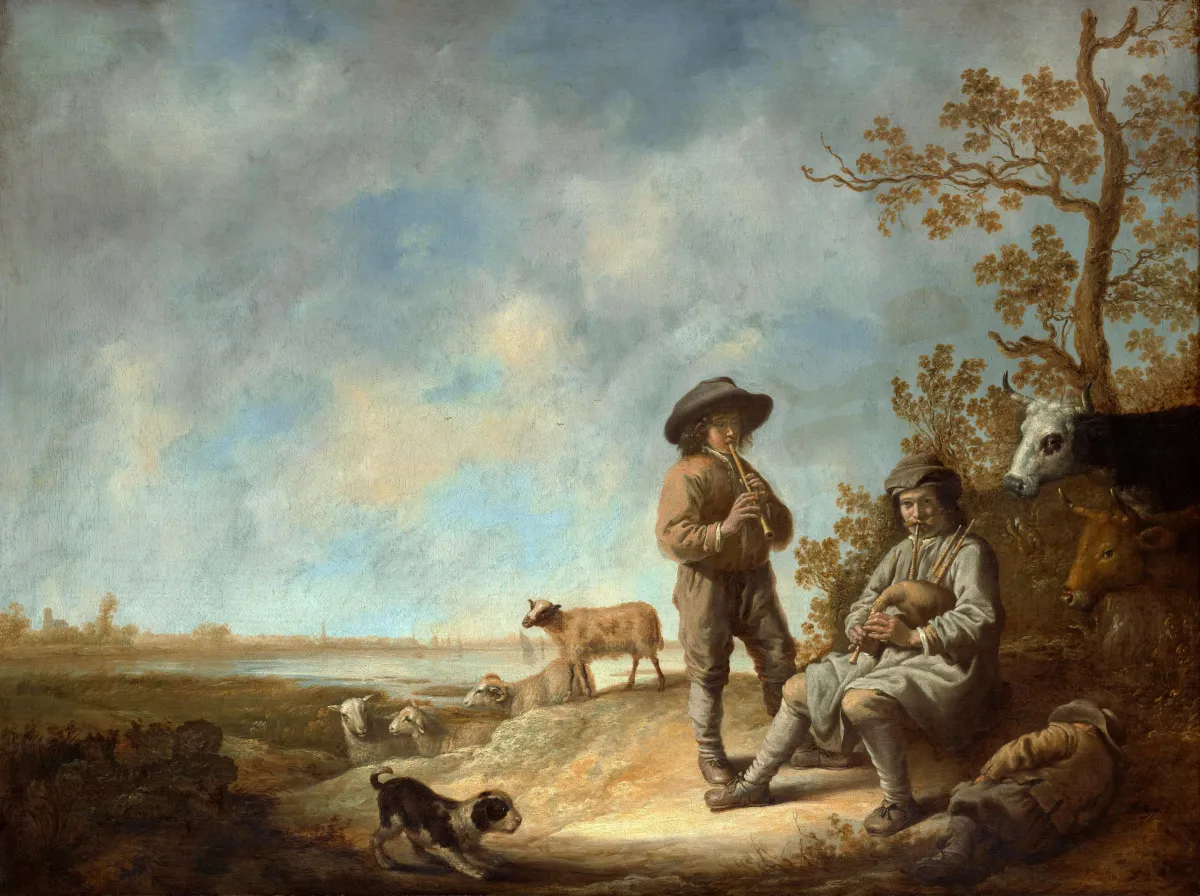
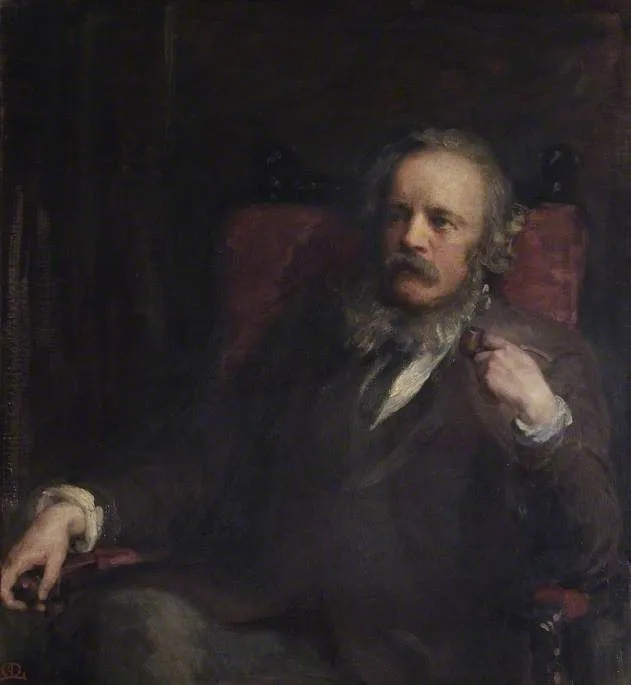
Owning "'s Monogram" by Anna Lea Merritt is a testament to refined taste and appreciation for Pre-Raphaelite artistry. This hand-painted oil painting is more than a decorative piece—it's a collector’s treasure that brings history and emotion into your space. Whether paired with other works like "Portrait of the Artist's Husband Henry with a Pipe" or "Piping Shepherd," Merritt’s creations offer enduring value and beauty for art connoisseurs.
When Art Meets History
Anna Lea Merritt’s "'s Monogram" stands as a testament to the enduring influence of the Pre-Raphaelites movement. This hand-painted oil painting captures the intricate beauty and symbolic storytelling that defined the era. Merritt, known for works like "It’s Sweet Doing Nothing" and "A Mermaid 1900," weaves historical themes and personal expression into each brushstroke, making "'s Monogram" a striking example of how art bridges the past and present for modern audiences.
Techniques That Speak
Using the traditional oil on canvas technique, Anna Lea Merritt skillfully brings "'s Monogram" to life with luminous colors and delicate detail. Her mastery is evident in the soft rendering of textures and the careful layering of light, hallmarks of the Pre-Raphaelites style. Similar to her other pieces such as "The Slave" and "Good neighbours," Merritt’s technical prowess elevates each scene, inviting viewers to appreciate the depth and richness of true craftsmanship.
Emotions on Display
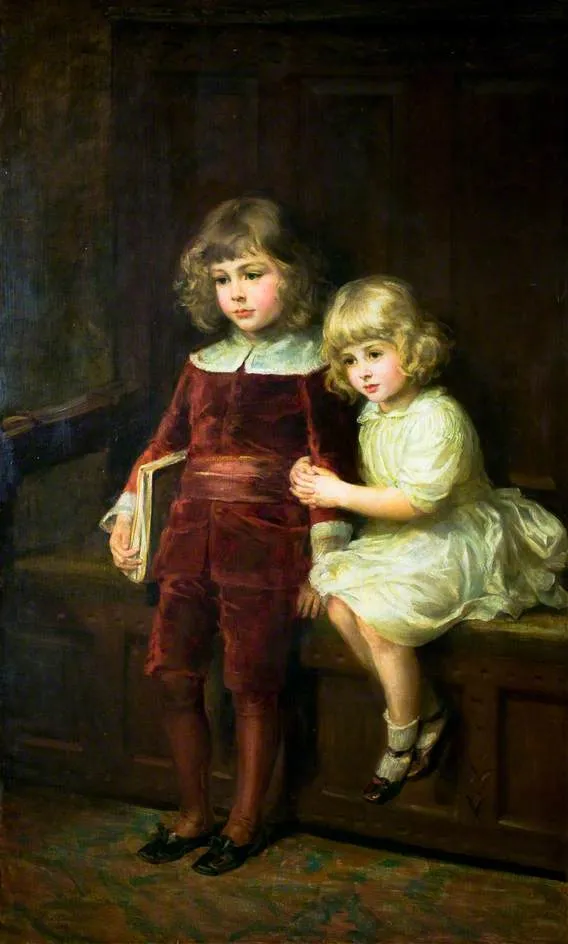
In "'s Monogram," Merritt channels the emotional intensity characteristic of the Pre-Raphaelites movement. The expressive faces and evocative composition reveal the artist’s sensitivity to human feeling, making the painting resonate with viewers on a personal level. Like her renowned work "The Remorse of Nero After the Murder of His Mother," this fine art painting for sale offers a glimpse into the artist’s soul, capturing moments of vulnerability and introspection with remarkable nuance.
Coveted by Collectors
Anna Lea Merritt’s "'s Monogram" remains highly sought after by art connoisseurs, thanks to its blend of historical context and artistic mastery. As a hand-painted oil painting, it exemplifies the allure of Pre-Raphaelites art, attracting collectors who value both beauty and significance. Alongside Merritt’s other celebrated works, such as "A Mermaid 1900" and "The Slave," "'s Monogram" continues to inspire admiration and demand within the fine art community.
Related Pre-Raphaelites Hand-Painted Oil Paintings by Other Artists
Other Famous Pre-Raphaelites Artists:
Frequently Asked Questions About ['s Monogram]
What is the historical significance of 's Monogram?
's Monogram, created by Anna Lea Merritt, is significant as it reflects the artist's exploration of identity and personal symbolism during the late 19th century, a time when women artists were beginning to gain recognition in the male-dominated art world.
What artistic techniques did Anna Lea Merritt employ in 's Monogram?
Merritt utilized a combination of traditional oil painting techniques and innovative approaches to texture and color, creating a visually striking piece that showcases her skill in blending realism with symbolic elements.
What themes are explored in 's Monogram?
The painting explores themes of identity, individuality, and the intersection of personal and universal symbolism, inviting viewers to reflect on their own experiences and connections to the artwork.
How does 's Monogram reflect the artistic movements of its time?
's Monogram embodies the transition from Romanticism to Symbolism, showcasing Merritt's ability to convey deep emotional resonance while incorporating symbolic imagery that was characteristic of the Symbolist movement.
What symbols are present in 's Monogram, and what do they represent?
The painting features various symbols, including monograms and floral motifs, which represent personal identity, growth, and the interconnectedness of life, reflecting Merritt's introspective approach to art.
In what ways did Anna Lea Merritt's background influence 's Monogram?
Merritt's background as a woman artist in the 19th century, along with her experiences of loss and love, heavily influenced 's Monogram, imbuing the work with a sense of personal narrative and emotional depth.
What was the reception of 's Monogram when it was first exhibited?
Upon its exhibition, 's Monogram received critical acclaim for its innovative approach and emotional impact, contributing to Merritt's growing reputation as a significant figure in the art community of her time.
How does 's Monogram compare to other works by Anna Lea Merritt?
Compared to other works by Merritt, 's Monogram stands out for its intricate symbolism and personal narrative, showcasing her evolution as an artist and her commitment to exploring complex themes through her art.
What impact did 's Monogram have on future generations of artists?
's Monogram has inspired future generations of artists, particularly women, by demonstrating the power of personal expression and the importance of incorporating individual narratives into the broader context of art history.
What can contemporary viewers learn from 's Monogram?
Contemporary viewers can learn about the significance of personal identity and symbolism in art, as well as the importance of recognizing the contributions of women artists throughout history, encouraging a more inclusive understanding of art.























_GFM_Painting_(1).webp)


 100% Hand-Painted: Finished in 3-6 Weeks

.png)
















_(1).webp)