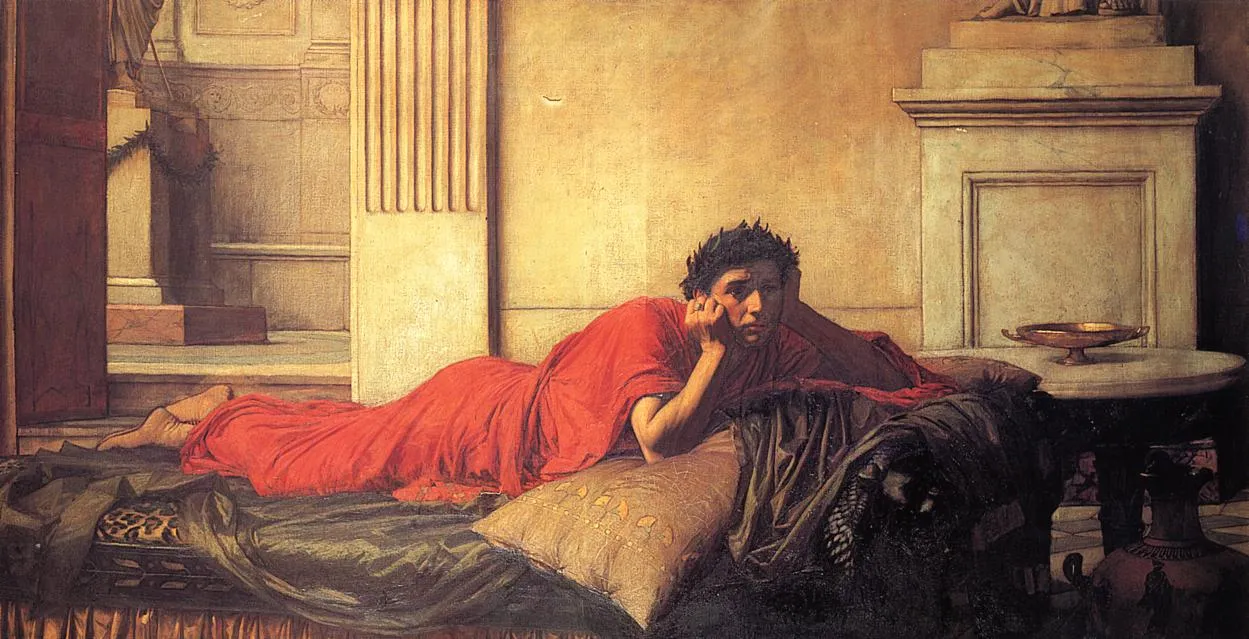
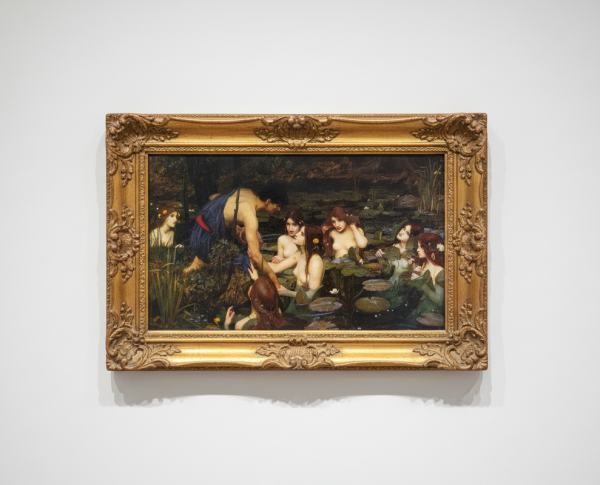
John William Waterhouse’s exceptional technique is evident in every detail of this oil on canvas. The composition, lighting, and expressive figures reflect the Pre-Raphaelite dedication to realism and emotion. Waterhouse’s brushwork and color palette bring Nero’s remorse to life, making this painting a standout example of his artistry. Collectors may also admire similar works like "Hylas and the Nymphs 1896" and "In the Peristyle" for their exquisite oil on canvas craftsmanship.
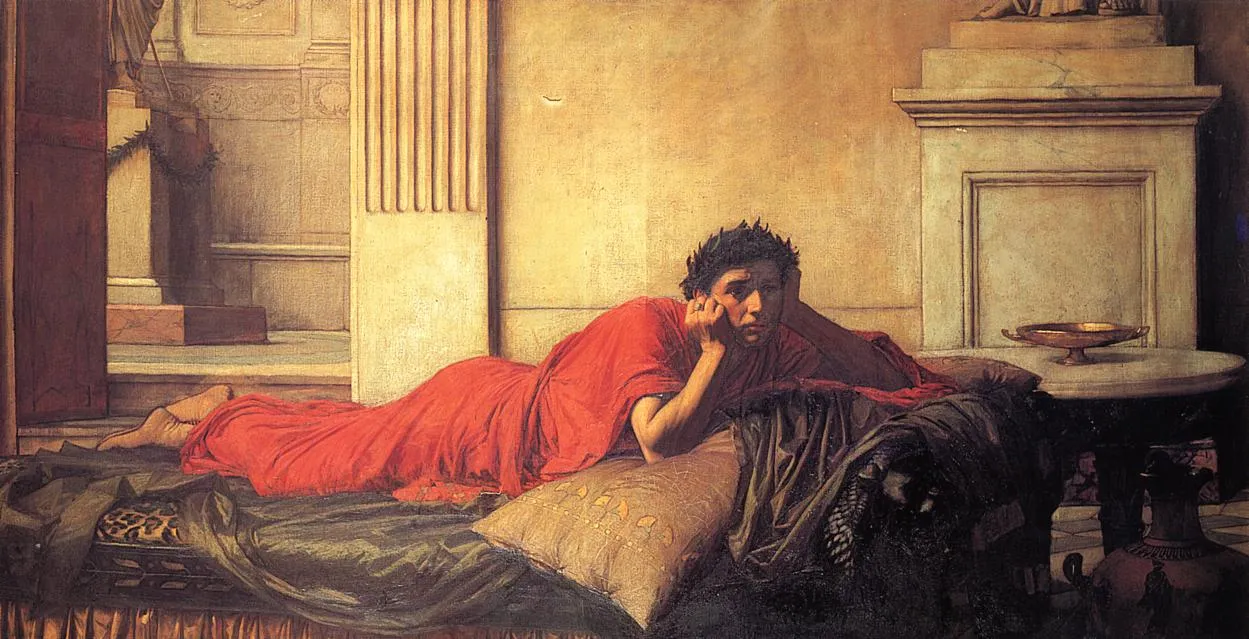
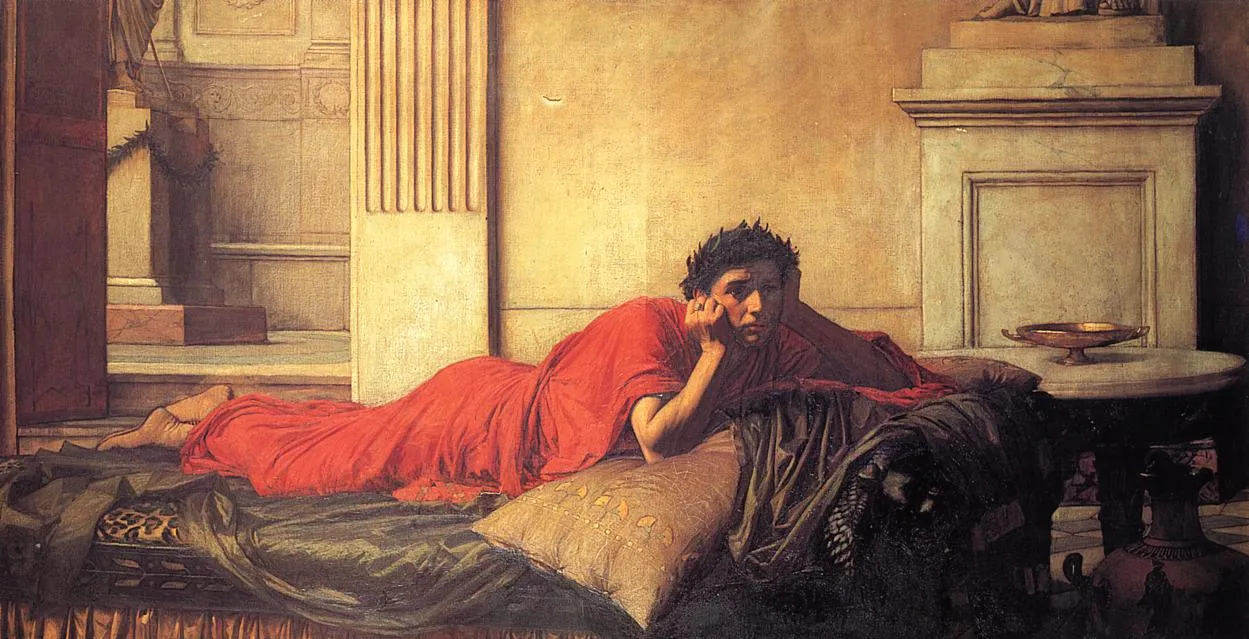
This fine art painting for sale is rich in symbolism, capturing the psychological conflict faced by Nero after his mother's murder. Waterhouse uses visual cues and dramatic poses to convey themes of guilt and consequence, hallmarks of the Pre-Raphaelites movement. The painting invites viewers to explore its deeper meanings, much like his other works "The Visit of a Sick Child to the Temple of Aesculapius" and "A Neapolitan flax spinner," both celebrated for their narrative depth.
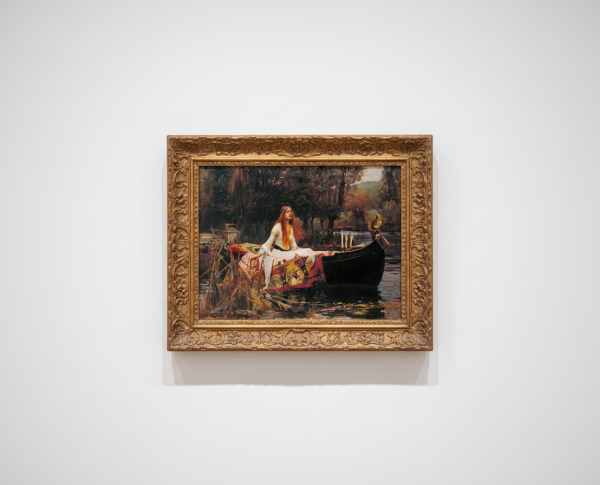
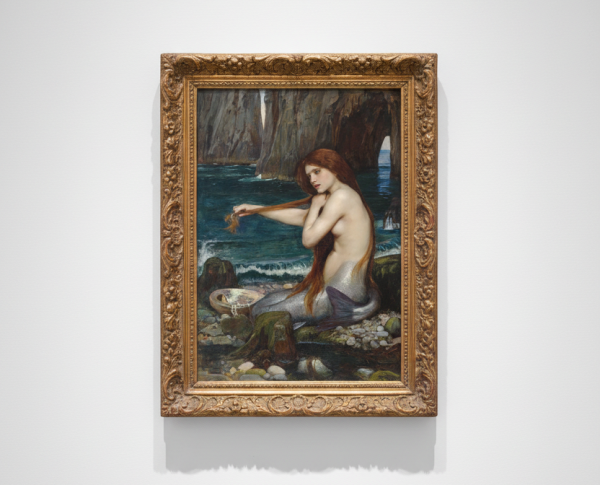
Owning "The Remorse of Nero After the Murder of His Mother" by John William Waterhouse means possessing a hand-painted oil painting that encapsulates the spirit of the Pre-Raphaelites. This piece, along with related products such as "A Mermaid 1900" and "The Lady of Shalott 1888," makes a distinguished addition to any fine art collection. Its historical context and artistic mastery ensure it remains a cherished treasure for serious collectors and admirers alike.
When Art Meets History
John William Waterhouse’s "The Remorse of Nero After the Murder of His Mother" is a striking hand-painted oil painting that immerses viewers in a dramatic moment of Roman history. As a master of the Pre-Raphaelites movement, Waterhouse explored complex emotions and historical themes, as seen in related paintings like "Love Locked Out" and "War." This artwork transforms a legendary story into a visual narrative, blending historical accuracy with the expressive style that defines Pre-Raphaelite masterpieces.
Techniques That Speak
Waterhouse’s meticulous use of oil on canvas in "The Remorse of Nero After the Murder of His Mother" exemplifies the technical brilliance of the Pre-Raphaelites. His brushwork and layered color create depth and realism, echoing techniques found in pieces such as "Mrs I. Holman Hunt" and "Mrs Stirling as the Nurse." Through careful attention to detail and texture, Waterhouse’s approach brings the psychological turmoil of Nero to life, setting this painting apart as a true technical marvel.
Emotions on Display
"The Remorse of Nero After the Murder of His Mother" is a fine art painting for sale that captures raw human emotion. Waterhouse vividly portrays Nero’s anguish and regret, inviting viewers to empathize with his inner conflict. This emotional intensity is a hallmark of the Pre-Raphaelites, also evident in works like "Right Reverend Talbot." Waterhouse’s ability to convey remorse and vulnerability elevates the painting, making it a compelling study in the power of artistic expression.
Coveted by Collectors
Collectors prize "The Remorse of Nero After the Murder of His Mother" for its historical significance and artistic mastery. As a hand-painted oil painting by John William Waterhouse, it stands alongside other sought-after works from the Pre-Raphaelites, such as "War" and "Love Locked Out." The painting’s evocative narrative and technical excellence make it a standout choice for those seeking a unique and valuable addition to their fine art collection.
Related Pre-Raphaelites Hand-Painted Oil Paintings by Other Artists
Other Famous Pre-Raphaelites Artists:
Frequently Asked Questions About The Remorse of Nero After the Murder of His Mother
What is the historical context of "The Remorse of Nero After the Murder of His Mother"?
This painting reflects the historical event surrounding the Roman Emperor Nero, who is infamously known for his tyrannical rule and the murder of his mother, Agrippina the Younger. The artwork captures the moment of his remorse, highlighting the psychological turmoil associated with his actions.
Who was John William Waterhouse and what is his significance in art history?
John William Waterhouse was a British painter associated with the Pre-Raphaelite Brotherhood, known for his romantic and mythological themes. His work often explores emotional depth and the human condition, making him a significant figure in late 19th and early 20th-century art.
What artistic techniques did Waterhouse employ in this painting?
Waterhouse utilized a combination of rich color palettes, dramatic lighting, and detailed textures to evoke emotion. The use of chiaroscuro enhances the sense of depth and highlights Nero's conflicted expression, drawing the viewer into the narrative.
What symbols are present in the painting and what do they represent?
The painting includes various symbols, such as the darkened background representing despair and the presence of a dagger, which signifies guilt and the act of betrayal. Nero's posture and facial expression symbolize inner conflict and remorse, emphasizing the psychological impact of his actions.
How does Waterhouse's portrayal of Nero differ from traditional depictions?
Waterhouse's portrayal of Nero focuses on the emotional and psychological aspects of remorse rather than the tyrannical power typically associated with him. This humanization of a historical figure allows viewers to connect with the complexities of guilt and regret.
What is the significance of the title "The Remorse of Nero After the Murder of His Mother"?
The title explicitly conveys the central theme of the painting: the profound regret experienced by Nero after committing an unforgivable act against his mother. It invites viewers to reflect on the consequences of one's actions and the burden of guilt.
In what ways does this painting reflect the themes of the Pre-Raphaelite movement?
This painting embodies Pre-Raphaelite themes such as emotional intensity, a focus on narrative, and a deep connection to historical and mythological subjects. Waterhouse's attention to detail and vibrant color palette also align with the movement's ideals of beauty and truth.
What was the public's reaction to this painting when it was first exhibited?
Upon its exhibition, "The Remorse of Nero After the Murder of His Mother" garnered attention for its dramatic subject matter and emotional depth. Critics and audiences were often captivated by Waterhouse's ability to convey complex human emotions, though reactions varied based on personal interpretations of the themes presented.
How does this painting fit into the broader narrative of art during the Victorian era?
This painting is a reflection of the Victorian era's fascination with morality, emotion, and the darker aspects of human nature. It illustrates the period's interest in historical narratives and the exploration of psychological themes, which were prevalent in many works of art during this time.
Where can I view "The Remorse of Nero After the Murder of His Mother"?
This painting is part of the collection at the [insert gallery or museum name]. Visitors can experience the artwork in person and engage with its historical and artistic significance through guided tours and educational programs.























_GFM_Painting_(1).webp)


 100% Hand-Painted: Finished in 3-6 Weeks

.png)





















_(1).webp)