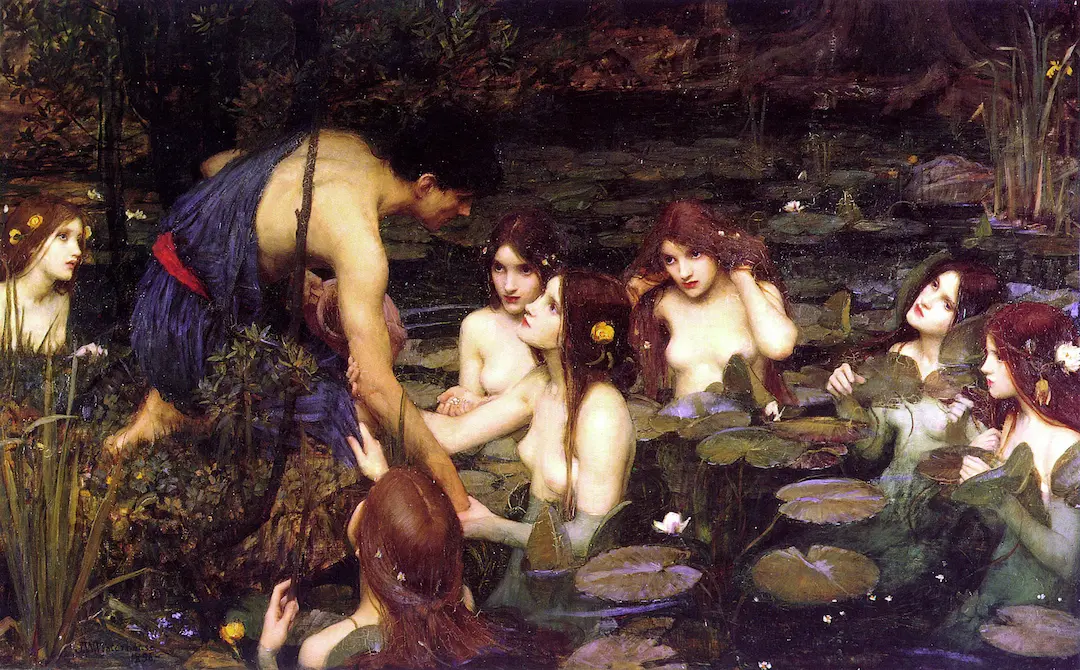
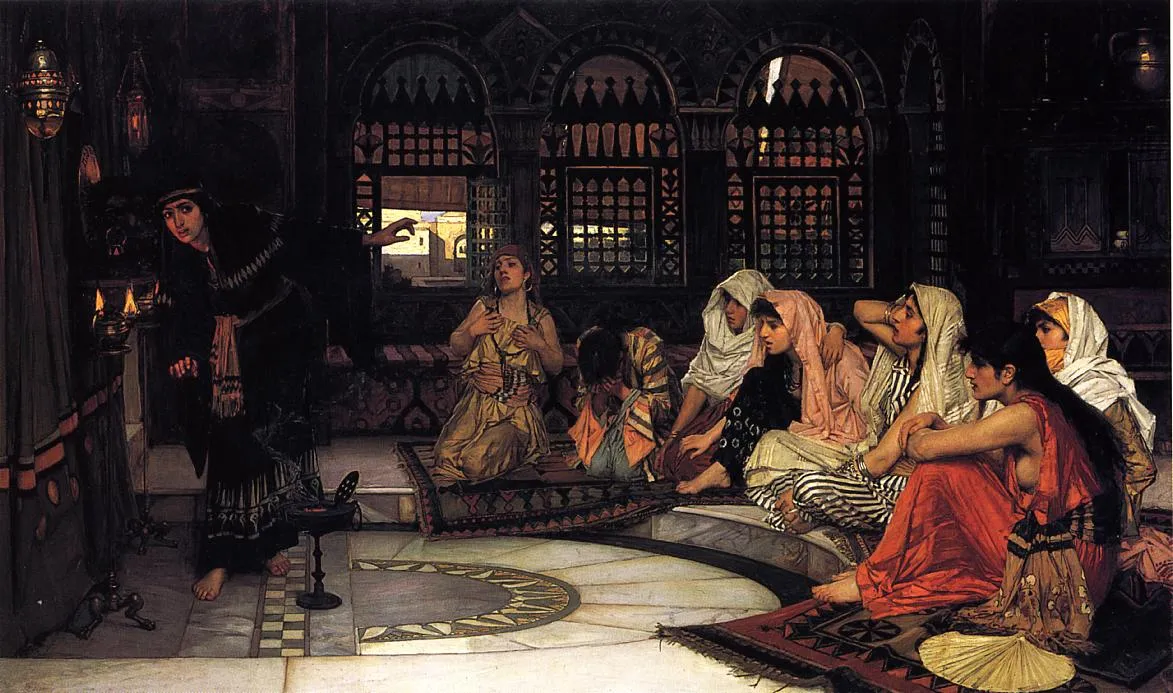
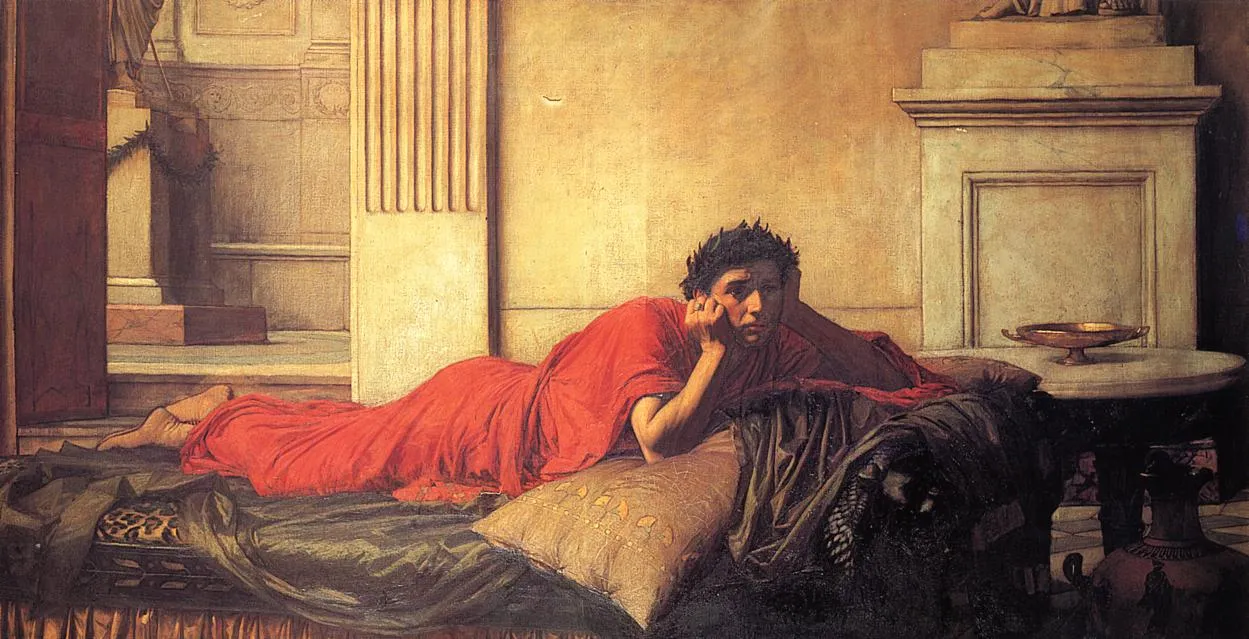
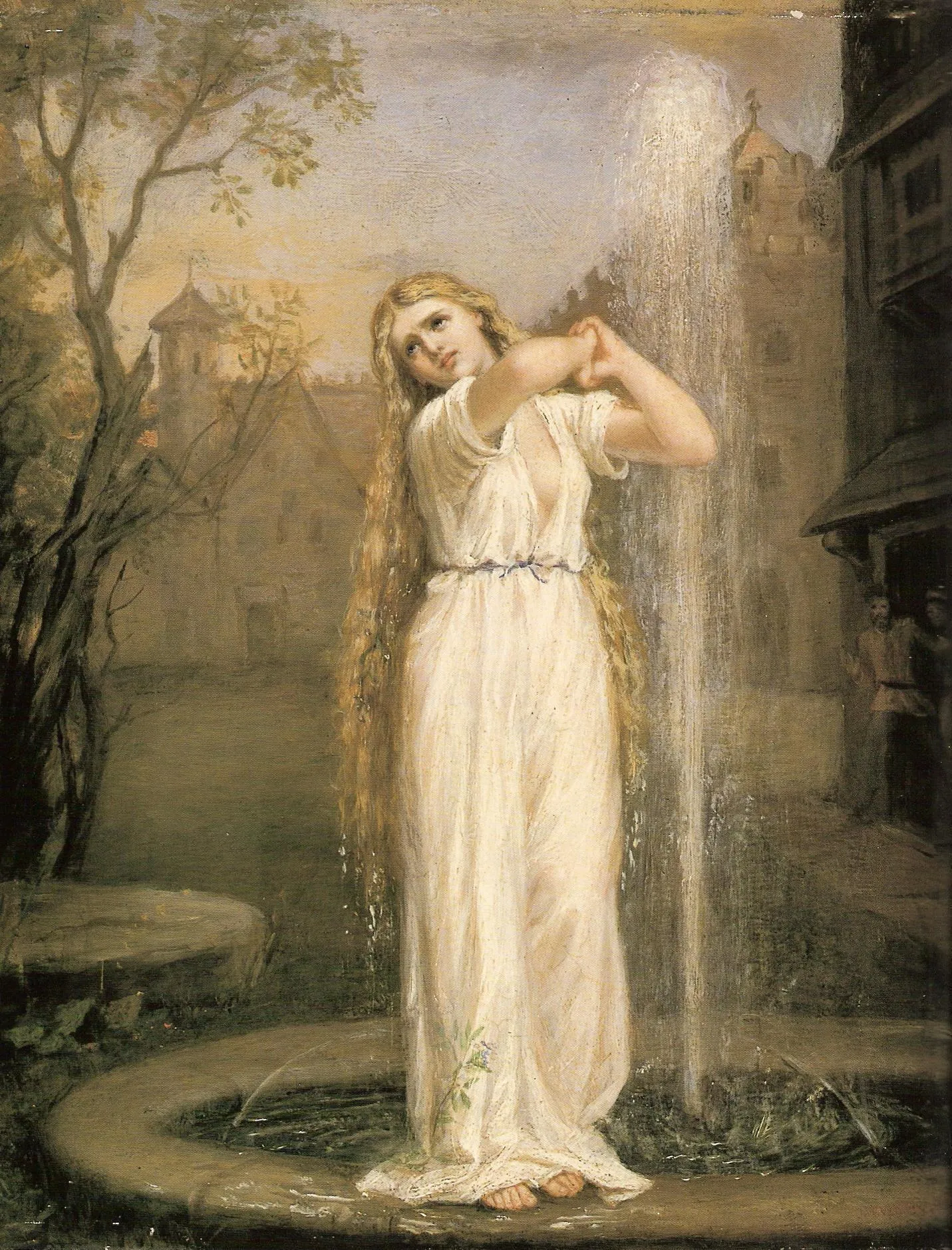
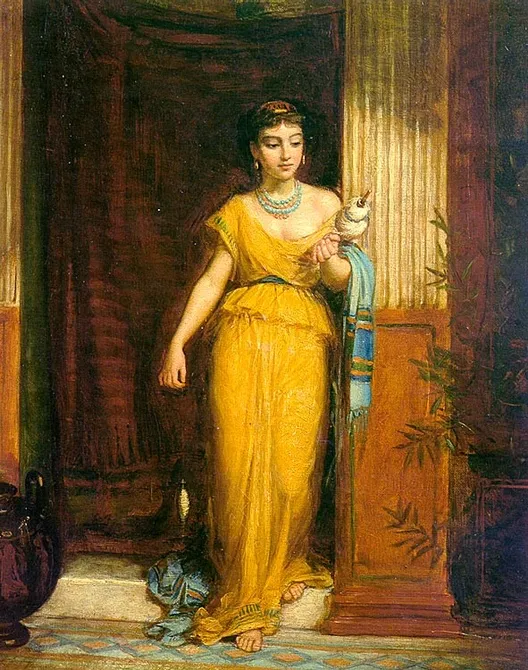
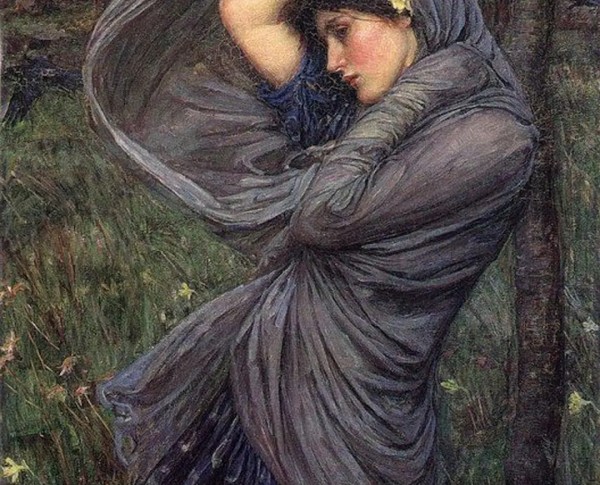
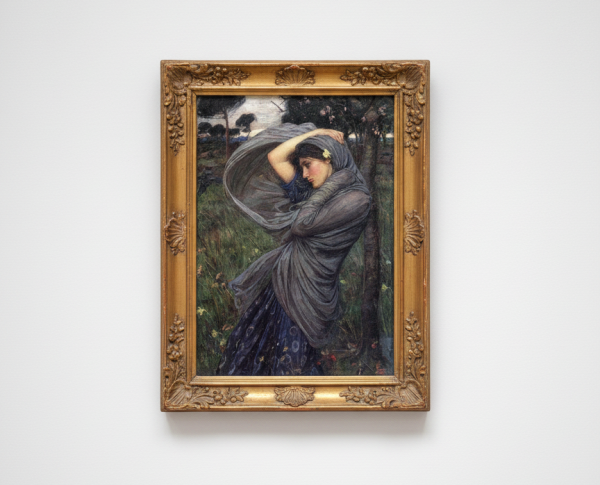
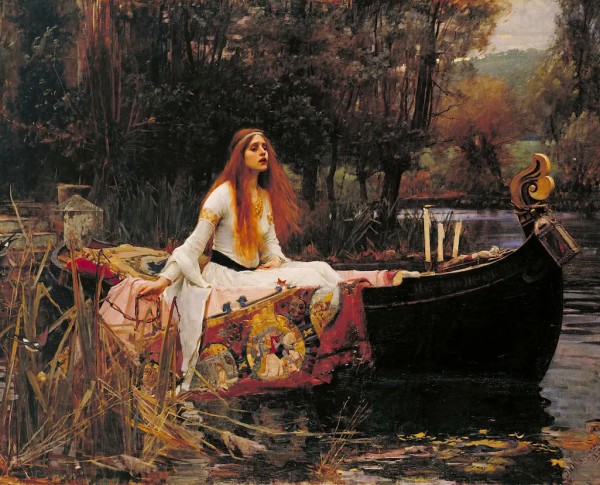
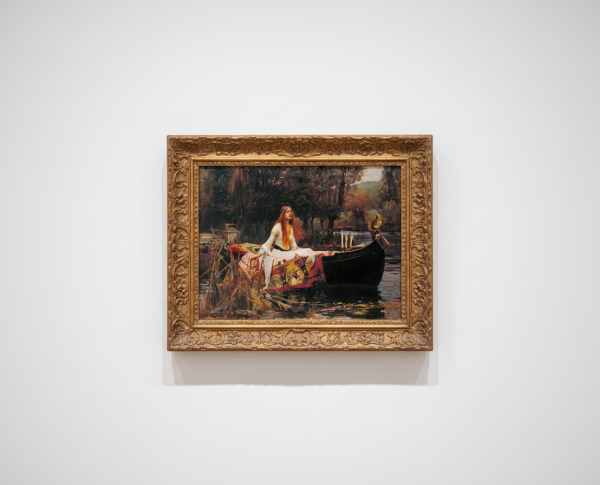
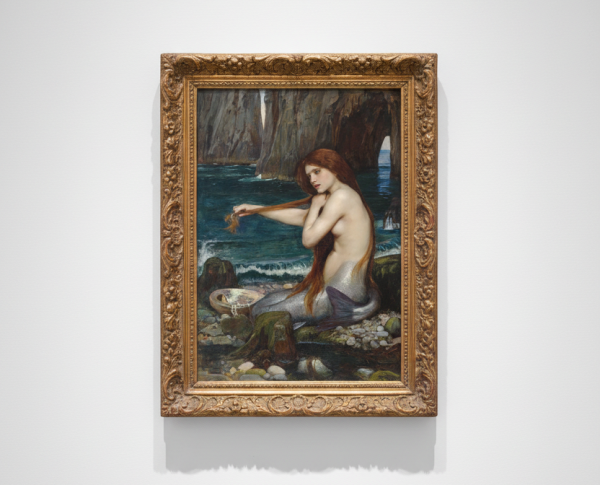
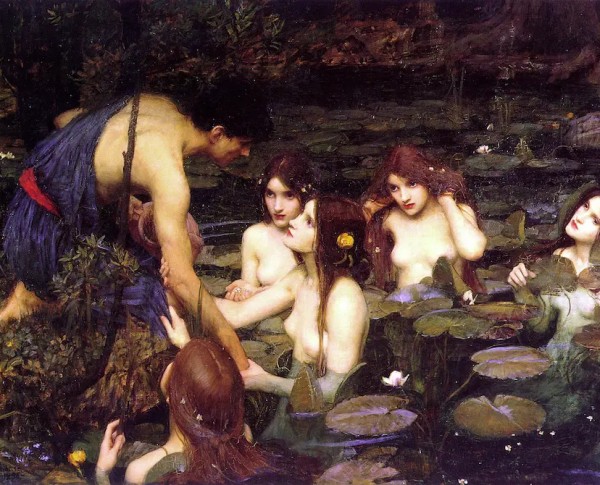
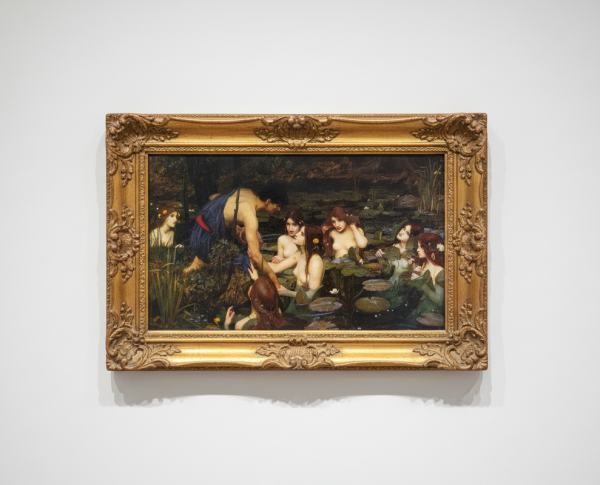
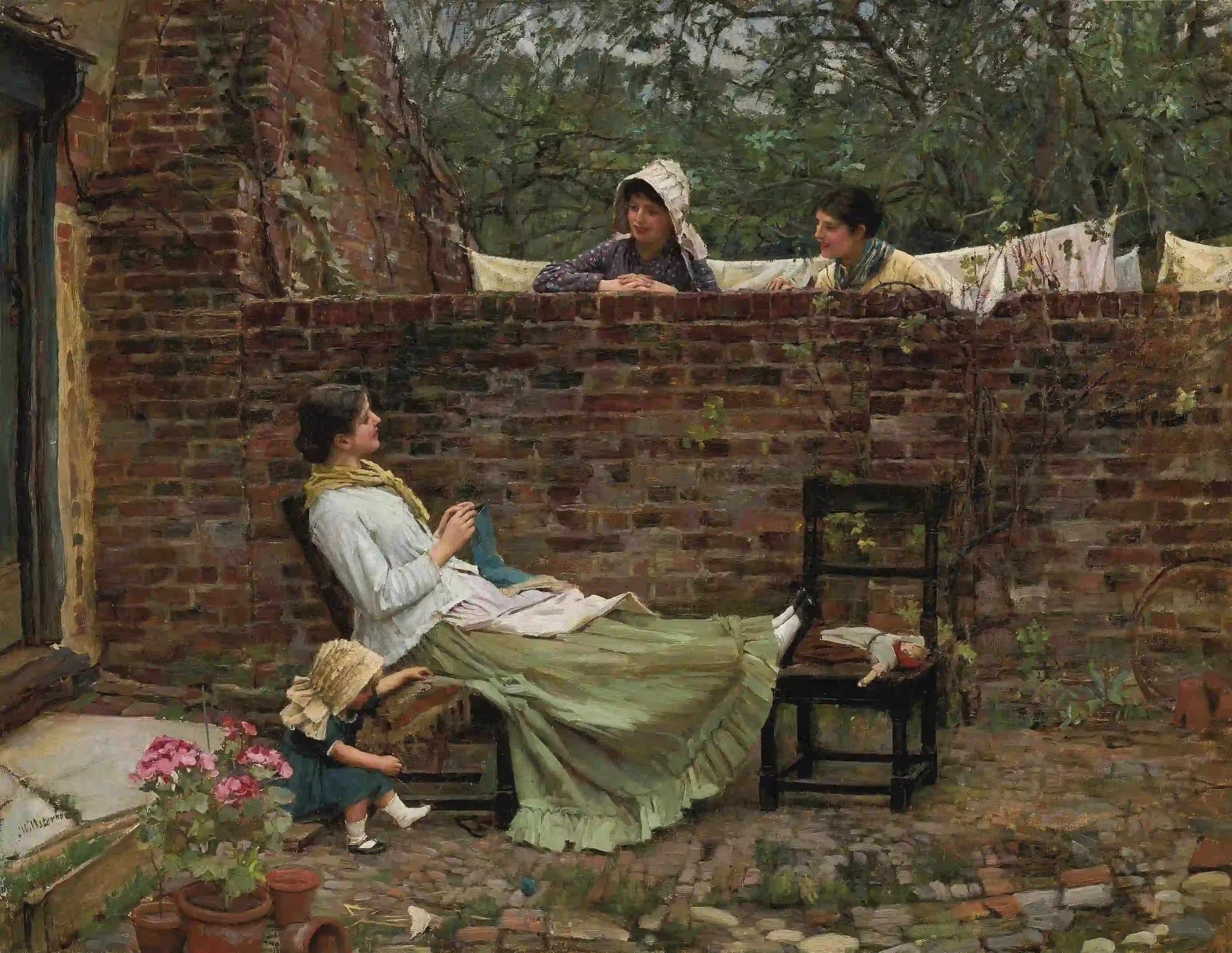
John William Waterhouse’s "Good Neighbours" exemplifies his exceptional skill with oil on canvas. Every brushstroke reveals his dedication to rich textures and vibrant colors, hallmarks of the Pre-Raphaelites movement. The painter’s meticulous technique is evident in the composition’s lifelike figures and atmospheric background. For those seeking masterpieces of this era, related products like "It's Sweet Doing Nothing" and "A Neapolitan flax spinner" offer similar artistic mastery and timeless appeal.
The narrative depth of "Good Neighbours" invites viewers to explore its layered symbolism, a signature of the Pre-Raphaelites. Waterhouse often embedded hidden meanings in his fine art painting for sale, and this piece is no exception. Themes of community and connection resonate throughout the scene, encouraging reflection. Art lovers may also enjoy discovering stories in related works such as "The favourites of Emperor Honorius" and "In the Peristyle," which showcase Waterhouse’s storytelling prowess.
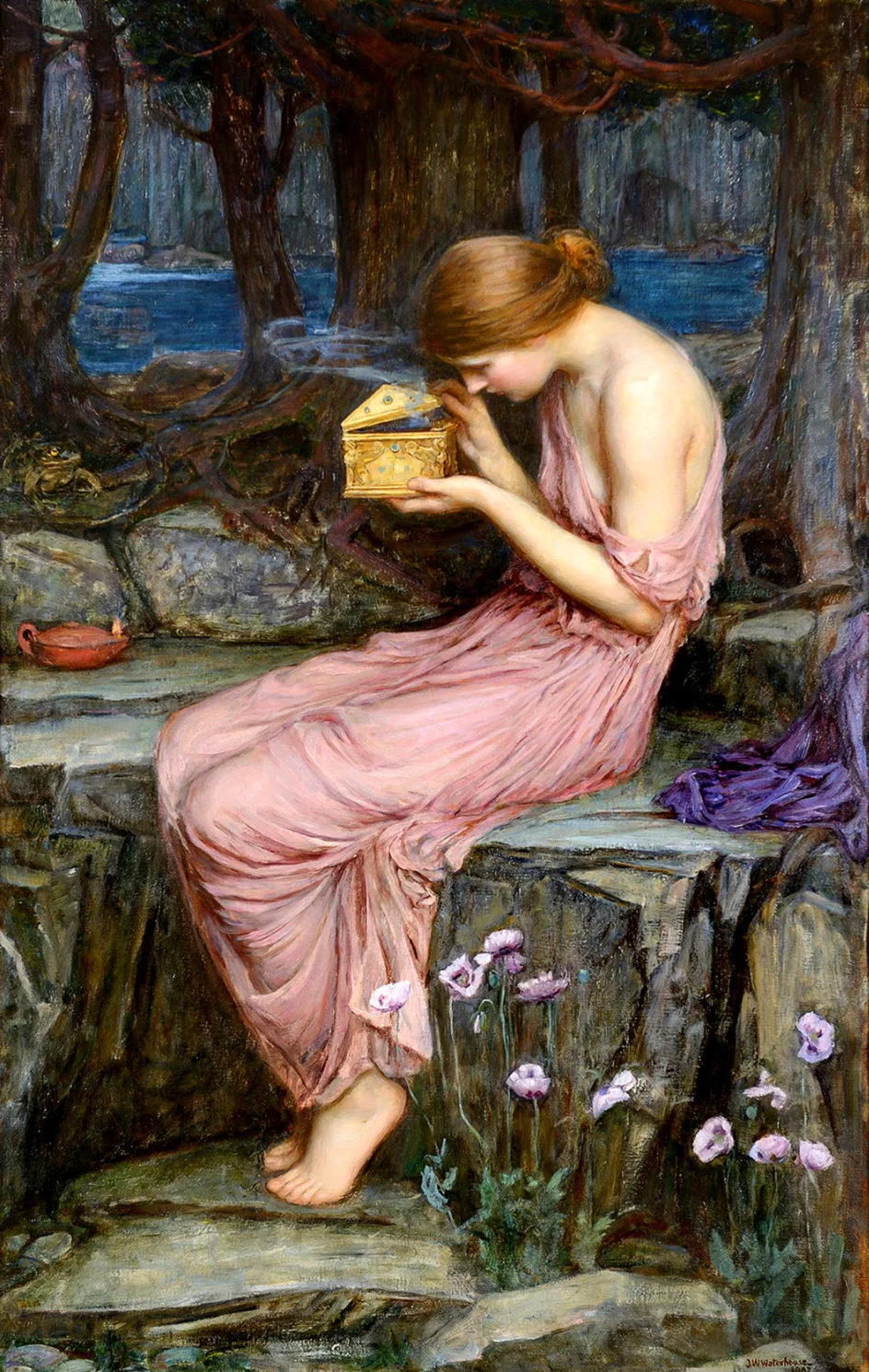
For collectors, "Good Neighbours" by John William Waterhouse represents an exquisite addition to any fine art collection. This hand-painted oil painting exemplifies the Pre-Raphaelites movement’s ideals and craftsmanship. Owning such a piece connects you with art history’s rich heritage. Explore related products like "Psyche Opening the Golden Box 1903" and "The spinner" to further enhance your collection with the timeless beauty and narrative complexity that define Waterhouse’s celebrated works.
When Art Meets History
"Good neighbours" by John William Waterhouse stands as a testament to the evocative spirit of the Pre-Raphaelites movement. Painted in the late 19th century, this hand-painted oil painting captures a moment steeped in both narrative and nostalgia. Waterhouse, celebrated for works like "Piping Shepherd" and "The Four Elder Agar-Robartes Children," skillfully weaves historical context and artistic innovation, making each viewing a journey into the era’s ideals of beauty and storytelling.
Techniques That Speak
Waterhouse’s mastery of oil on canvas is evident in "Good neighbours," where rich textures and vibrant hues bring the scene to life. His technique, shared in works such as "Portrait of Gray Hill" and "Mrs I. Holman Hunt," reflects the Pre-Raphaelites’ dedication to detail and realism. The careful layering and luminous color palette make this painting a standout example of 19th-century craftsmanship, inviting viewers to appreciate the technical brilliance behind each brushstroke.
Emotions on Display
"Good neighbours" radiates warmth and connection, hallmarks of Waterhouse’s evocative style. Through expressive faces and naturalistic settings, this fine art painting for sale captures the gentle bonds between its subjects. Comparable to the emotional depth in "Portrait of the Artist's Husband Henry with a Pipe," the artwork invites viewers to experience the nuanced relationships and quiet narratives central to the Pre-Raphaelites movement, making it a moving addition to any art lover’s collection.
Coveted by Collectors
For collectors, "Good neighbours" represents a prized acquisition, embodying both the allure and artistry of the Pre-Raphaelites. As a hand-painted oil painting by John William Waterhouse, its value is enhanced by the artist’s celebrated portfolio, including pieces like "Piping Shepherd" and "Mrs I. Holman Hunt." The painting’s provenance and timeless appeal position it among the most sought-after fine art painting for sale, cherished by connoisseurs worldwide.
Related Pre-Raphaelites Hand-Painted Oil Paintings by Other Artists
Other Famous Pre-Raphaelites Artists:
Frequently Asked Questions About "Good Neighbours"
What is the historical context of "Good Neighbours"?
"Good Neighbours," painted by John William Waterhouse in 1888, reflects the Victorian era's fascination with classical themes and romanticism, showcasing the artist's interest in mythological and literary subjects.
What artistic techniques did Waterhouse employ in "Good Neighbours"?
Waterhouse utilized a combination of rich color palettes, intricate details, and soft brushwork to create a sense of realism and emotional depth, characteristic of the Pre-Raphaelite movement.
What themes are explored in "Good Neighbours"?
The painting explores themes of companionship, trust, and the complexities of human relationships, encapsulating a moment of intimacy and connection between the figures depicted.
Who are the figures depicted in "Good Neighbours"?
The figures are often interpreted as representations of mythological or literary characters, embodying the ideals of beauty and harmony that Waterhouse sought to convey in his work.
What symbolism is present in "Good Neighbours"?
The painting employs various symbols, such as the flowers and natural elements, to signify growth, friendship, and the nurturing aspects of relationships, enhancing the overall narrative of the artwork.
How does "Good Neighbours" reflect Waterhouse's artistic style?
Waterhouse's style is evident in the painting's emphasis on emotional expression, the use of natural light, and the detailed rendering of fabrics and textures, which contribute to the overall romantic atmosphere.
What influences can be seen in "Good Neighbours"?
The painting shows influences from the Pre-Raphaelite Brotherhood, particularly in its focus on nature, vibrant colors, and the depiction of women as central figures in art.
How was "Good Neighbours" received at the time of its exhibition?
Upon its exhibition, "Good Neighbours" received acclaim for its beauty and emotional resonance, solidifying Waterhouse's reputation as a leading figure in late 19th-century British art.
What role does nature play in "Good Neighbours"?
Nature serves as a backdrop that enhances the emotional tone of the painting, symbolizing growth and the organic connections between the figures, while also reflecting the Victorian era's appreciation for the natural world.
In what ways does "Good Neighbours" connect to contemporary themes?
The painting's exploration of friendship and community resonates with contemporary discussions about social connections and the importance of supportive relationships in today's society.























_GFM_Painting_(1).webp)


 100% Hand-Painted: Finished in 3-6 Weeks

.png)















_(1).webp)