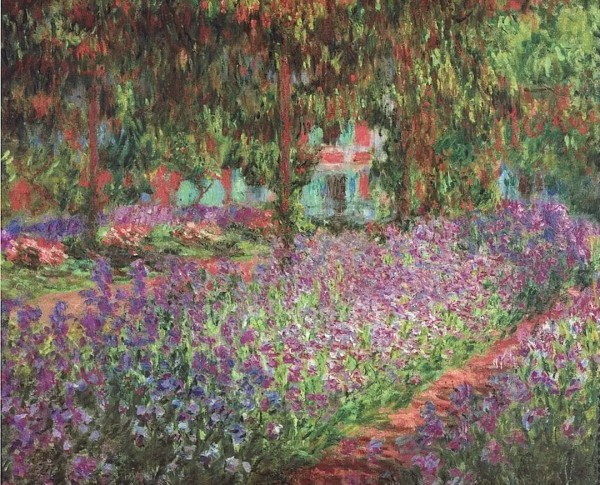
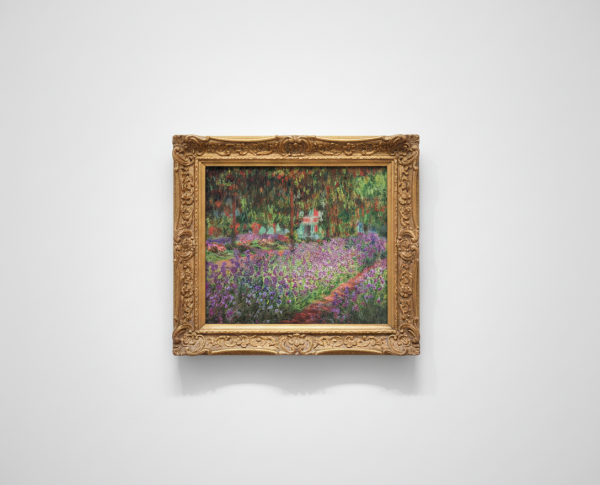
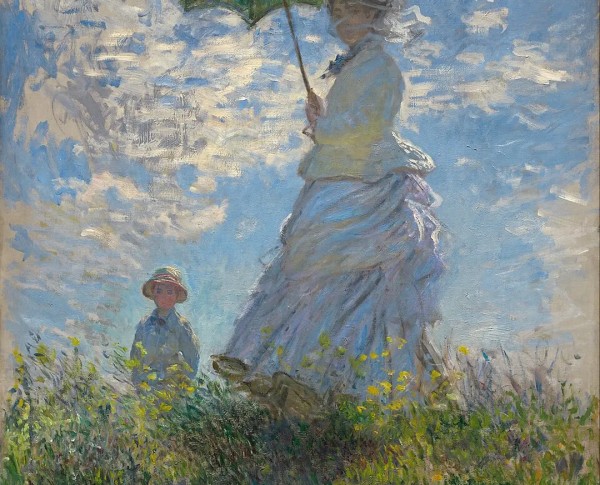
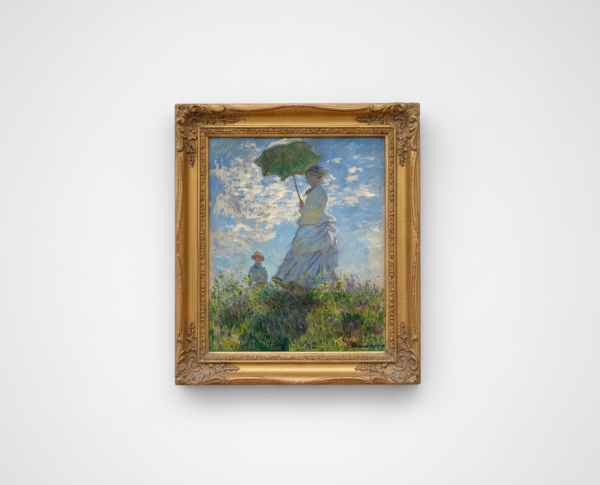
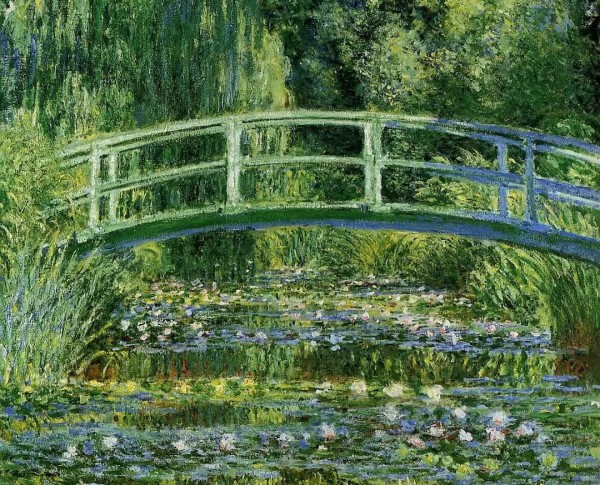
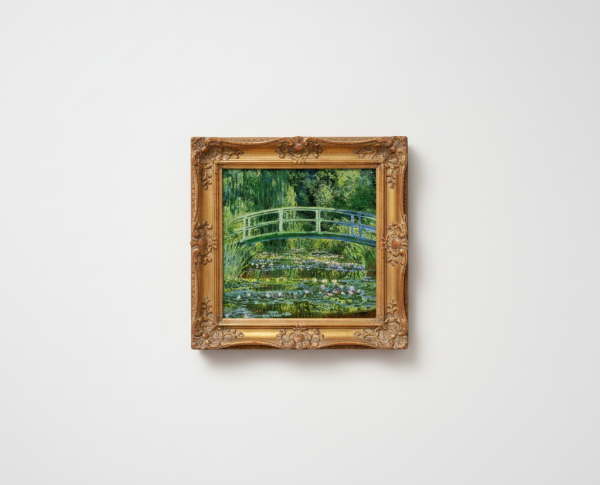
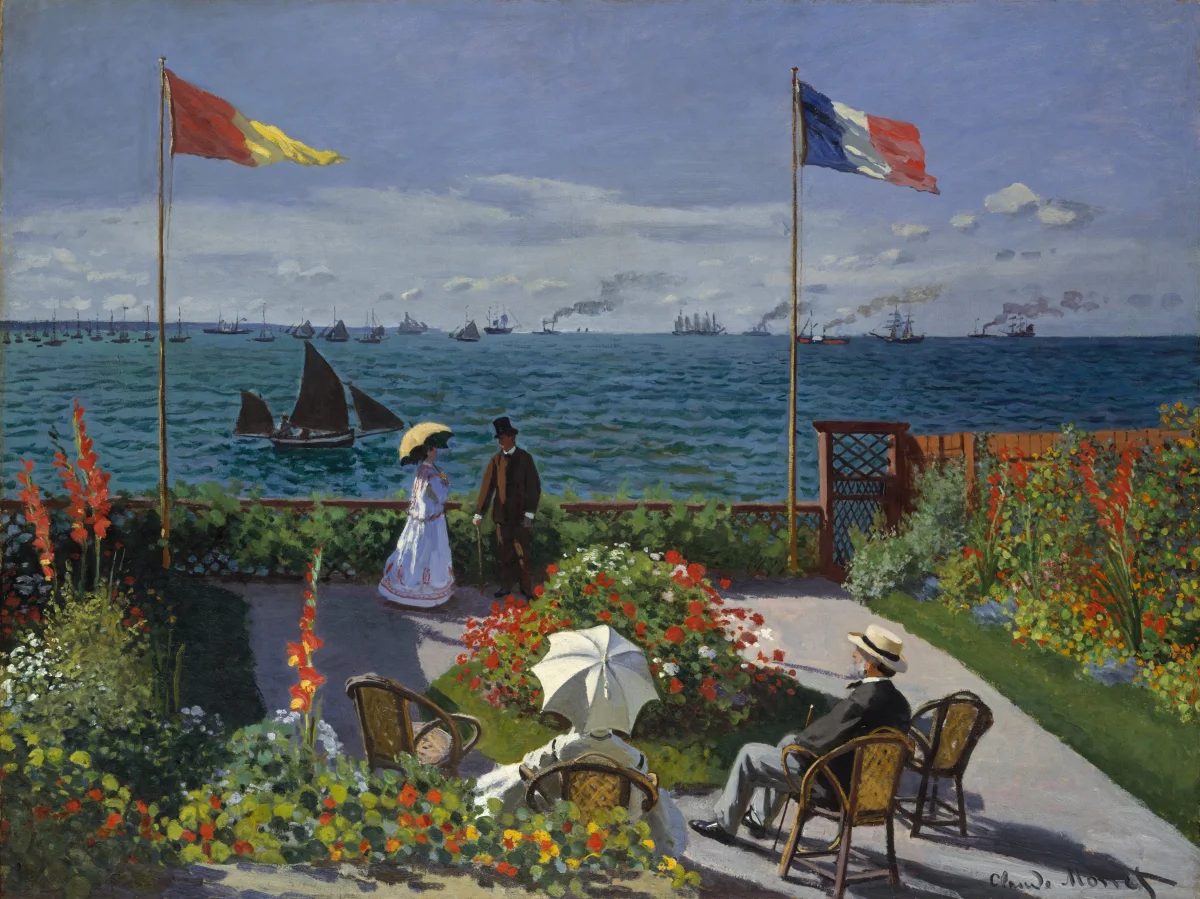
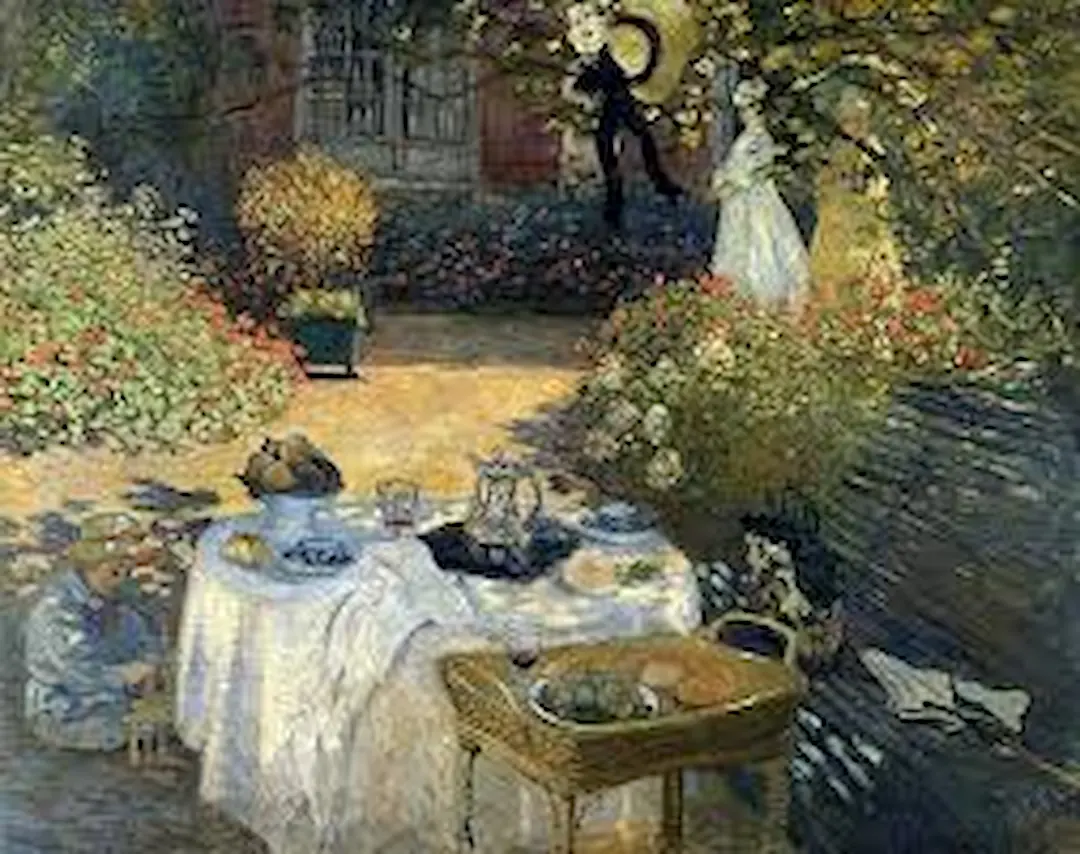
Claude Monet’s Garden at Sainte-Adresse showcases his exquisite mastery with oil on canvas, a hallmark of Impressionism. The artist’s brushwork conveys the fleeting effects of sunlight and atmosphere, bringing the outdoor setting to life. As with other fine works like Fishermen in Poissy and Woman in the Garden, Monet’s technique in this painting highlights his dedication to capturing the essence of nature, making it a standout piece for art lovers and collectors.
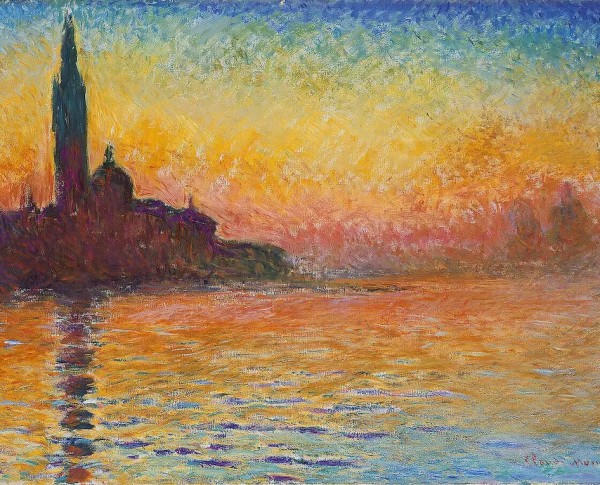
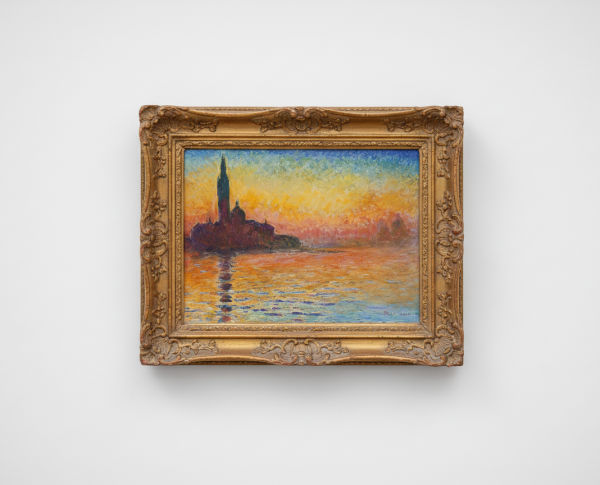
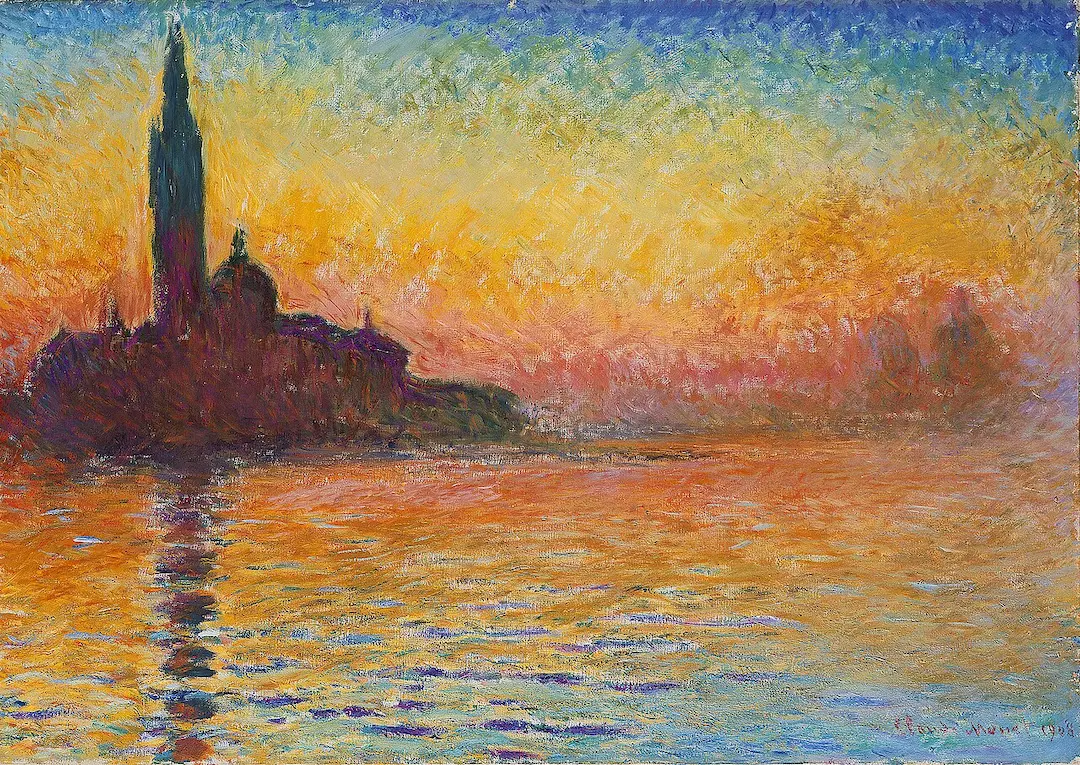
Garden at Sainte-Adresse is more than a fine art painting for sale; it’s a narrative woven with personal and cultural symbolism. Monet’s depiction of family members and leisure by the sea reflects the social changes of his era. Collectors drawn to evocative storytelling may also appreciate related paintings such as San Giorgio Maggiore At Dusk and Impression, Sunrise, both of which echo Monet’s passion for documenting the world’s fleeting moments through Impressionist artistry.
Owning a hand-painted oil painting like Garden at Sainte-Adresse by Claude Monet is a testament to refined taste and a love for the Impressionism movement. This masterpiece, along with related works like Hôtel des Roches Noires and Impression, Sunrise, remains highly desirable among collectors. Each oil on canvas creation offers a timeless glimpse into Monet’s world, making them exceptional fine art paintings for sale and cherished additions to any discerning art collection.
When Art Meets History
"Garden at Sainte-Adresse" by Claude Monet stands as a testament to the Impressionism movement, capturing a fleeting moment in history with remarkable vibrancy. This hand-painted oil painting depicts a serene garden scene along the Normandy coast, reflecting Monet’s fascination with light and atmosphere. Painted in 1867, it shares a historical backdrop with related masterpieces like "The Parade," "Dancers In Pink," and "Young Spartans Exercising," each contributing to the rich tapestry of 19th-century European art.
Techniques That Speak
Claude Monet’s "Garden at Sainte-Adresse" showcases his mastery of oil on canvas, utilizing rapid brushstrokes and a luminous palette to embody the essence of Impressionism. The interplay of sunlight, vibrant flowers, and the shimmering sea demonstrates Monet’s innovative approach, similar to techniques seen in "Blue Dancers, c.1899" and "Paris Street - Rainy Weather 1877." Each stroke in this oil on canvas work is intentional, bringing the outdoor setting to life with unparalleled realism and movement.
Emotions on Display
The fine art painting "Garden at Sainte-Adresse" stirs emotions with its depiction of leisure and tranquility, hallmarks of Monet’s Impressionist vision. The artist’s use of color and light invites viewers to experience the peaceful ambiance of a sunlit afternoon. Like "Dancers In Pink" and "The Parade," this canvas transcends mere representation, offering a window into the mood and atmosphere of its time. Such emotional depth makes it a sought-after fine art painting for sale.
Coveted by Collectors
Collectors prize "Garden at Sainte-Adresse" for its historical significance and exquisite technique, hallmarks of a true hand-painted oil painting. Claude Monet’s work, alongside related pieces like "Young Spartans Exercising" and "Paris Street - Rainy Weather 1877," remains in high demand within art circles. This Impressionist masterpiece exemplifies the movement’s ideals and continues to captivate audiences, making it an enduring highlight among fine art painting for sale in prestigious collections and galleries.
Related Impressionism Hand-Painted Oil Paintings by Other Artists
Other Famous Impressionism Artists:
Frequently Asked Questions About Garden at Sainte-Adresse
What is the historical context of "Garden at Sainte-Adresse"?
"Garden at Sainte-Adresse" was painted in 1867, during a period when Claude Monet was exploring the effects of light and color in outdoor settings. This work reflects the Impressionist movement's focus on capturing fleeting moments in nature.
What artistic techniques did Monet use in "Garden at Sainte-Adresse"?
Monet employed loose brushwork and a vibrant color palette to convey the play of light on the garden and water. His technique emphasizes the spontaneity of the scene, characteristic of Impressionism.
What are the main themes depicted in "Garden at Sainte-Adresse"?
The painting explores themes of leisure, nature, and the beauty of the outdoors. It captures a serene moment in a garden, inviting viewers to appreciate the tranquility and vibrancy of the natural world.
How does "Garden at Sainte-Adresse" reflect Impressionist ideals?
This artwork exemplifies Impressionist ideals by prioritizing the depiction of light and atmosphere over precise detail. Monet's focus on capturing the essence of the moment aligns with the movement's revolutionary approach to painting.
What symbolism can be found in "Garden at Sainte-Adresse"?
The garden itself symbolizes beauty and harmony with nature, while the figures in the painting may represent leisure and the joys of life. The interplay of light and color further symbolizes the transient nature of time and experience.
Where was "Garden at Sainte-Adresse" created?
The painting was created in Sainte-Adresse, a coastal town near Le Havre, France, where Monet often spent time. The location provided him with inspiration from the natural surroundings and the changing effects of light on the landscape.
What influences did Monet draw from for "Garden at Sainte-Adresse"?
Monet was influenced by his surroundings, the effects of light on the landscape, and the works of other artists, including the Barbizon School. His experiences in nature and his studies of color theory also shaped this painting.
How does "Garden at Sainte-Adresse" compare to other works by Monet?
Compared to other works by Monet, "Garden at Sainte-Adresse" showcases a more intimate and personal setting. While many of his paintings focus on larger landscapes or water scenes, this work emphasizes the beauty of cultivated gardens.
What is the significance of the color palette in "Garden at Sainte-Adresse"?
The color palette features bright greens, blues, and floral hues, which evoke a sense of vibrancy and life. This use of color not only enhances the visual appeal but also reflects Monet's fascination with the changing qualities of light.
What impact did "Garden at Sainte-Adresse" have on the art world?
This painting contributed to the recognition of Impressionism as a legitimate art movement. It helped to shift the focus in art from traditional techniques to more innovative approaches that embraced modernity and the beauty of everyday life.






















_GFM_Painting_(1).webp)


 100% Hand-Painted: Finished in 3-6 Weeks

.png)















_(1).webp)