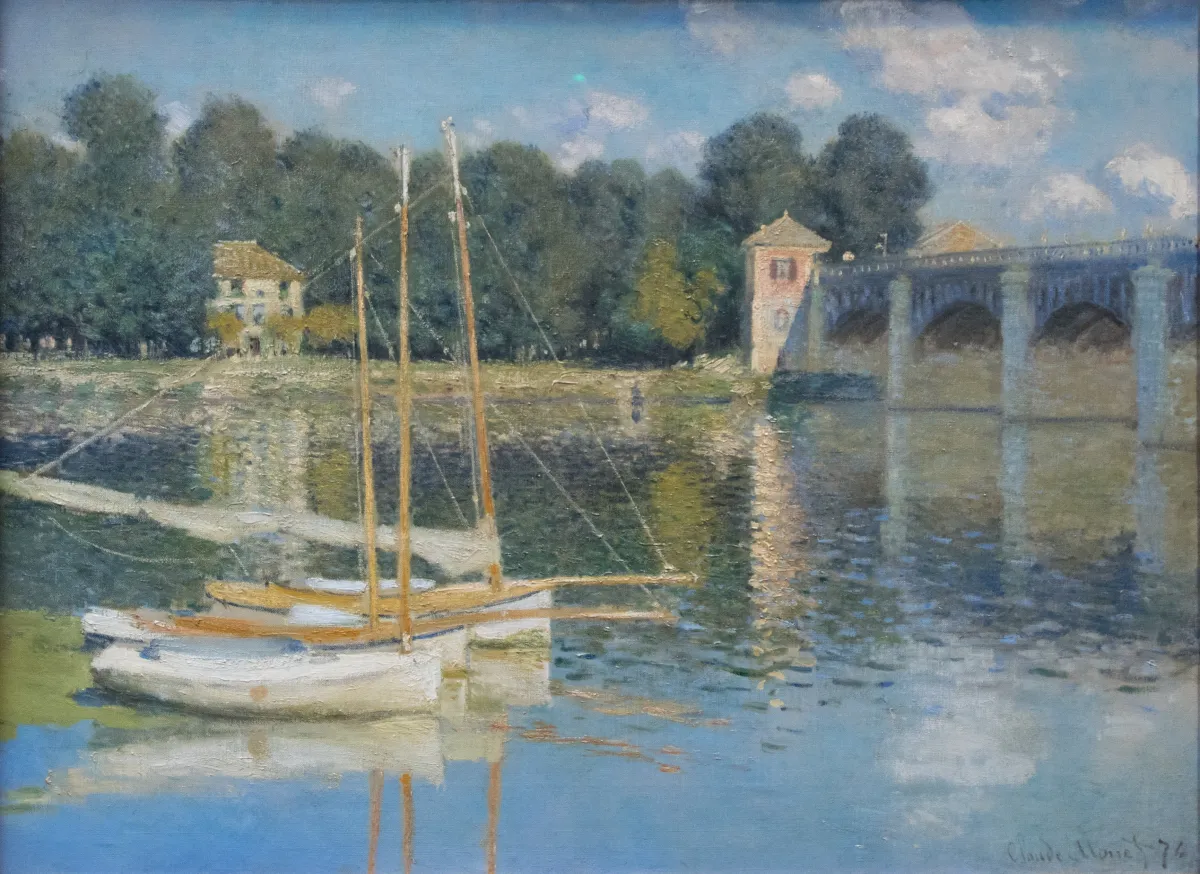
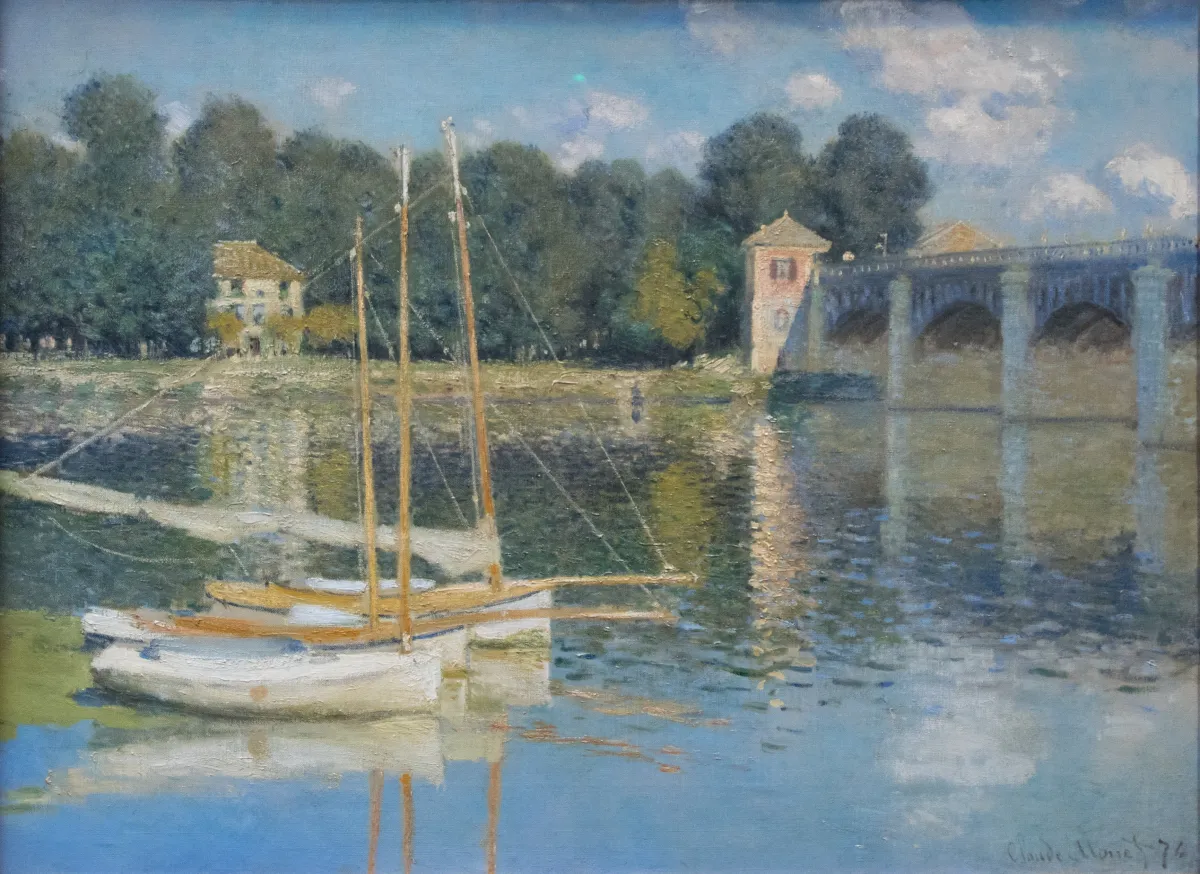
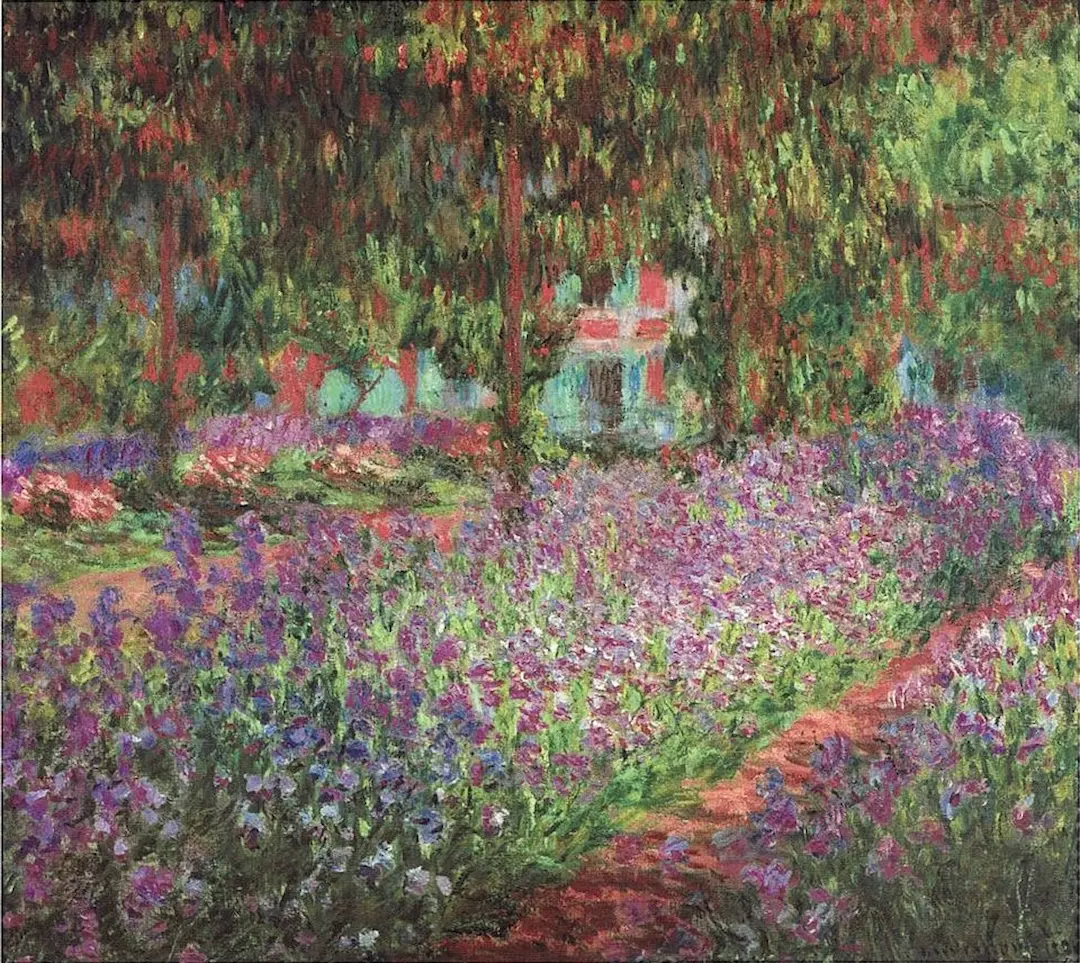
With "The Railway Bridge at Argenteuil," Monet demonstrates his exceptional skill using oil on canvas to depict the interplay of sunlight, clouds, and shimmering water beneath the iconic bridge. His loose brushwork and vibrant palette embody the hallmarks of the Impressionism movement. For those seeking to own a piece of this artistic revolution, fine art painting for sale options include related works such as "Le Déjeuner sur l'herbe" and "Woman in the Garden," each echoing Monet’s masterful use of color and atmosphere.
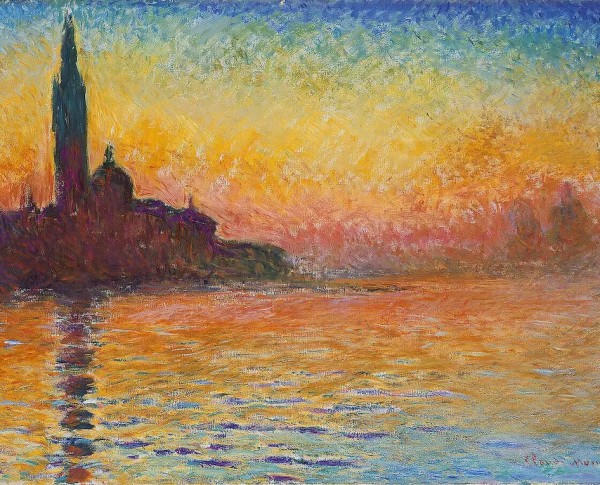
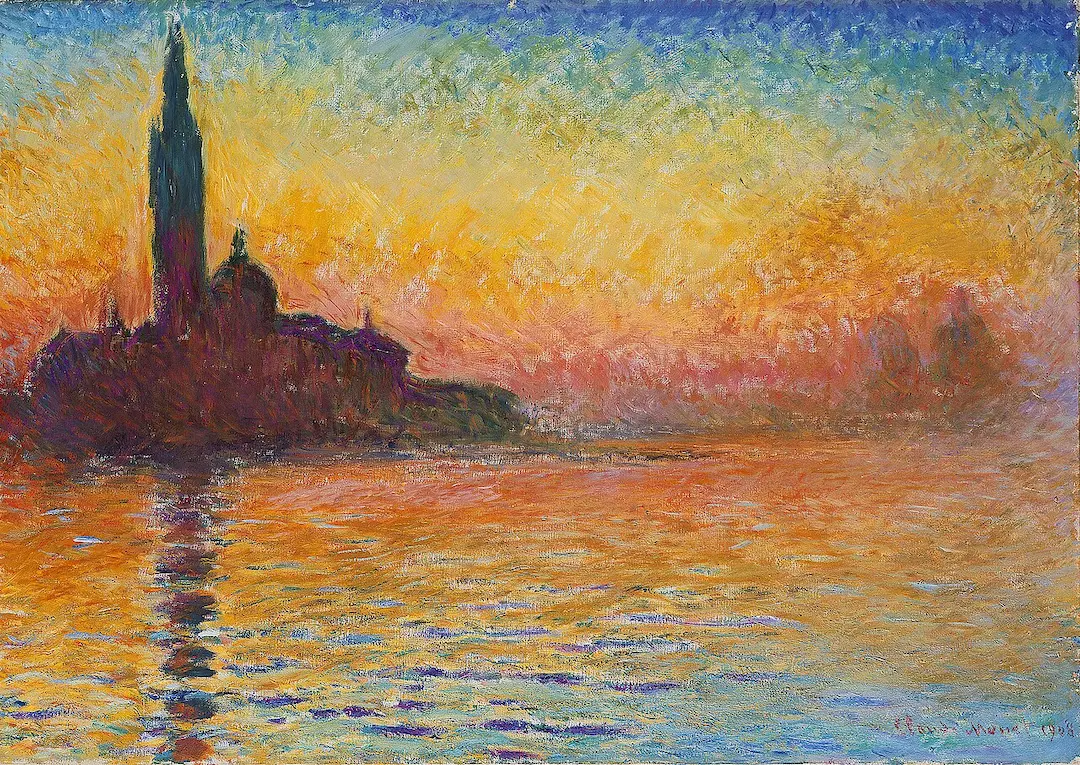
This Monet painting transcends its visual beauty, symbolizing the merging of technology and nature during a transformative period in French history. The railway bridge itself became a powerful motif in Impressionist art, representing progress and change. As a hand-painted oil painting, "The Railway Bridge at Argenteuil" shares its narrative depth with other Monet works like "Houses of Parliament series" and "San Giorgio Maggiore At Dusk," making these related products valuable additions to any fine art collection.
For collectors, "The Railway Bridge at Argenteuil" is more than an oil on canvas; it is a testament to Monet’s enduring influence in the Impressionism movement. Owning such a fine art painting for sale offers not only visual pleasure but also historical significance. Complementary pieces like "Terrace at the Seaside, Sainte-Adresse" and "Wild Poppies, Near Argenteuil" further enrich an Impressionist-themed display, making them sought-after related products among art lovers and connoisseurs.
When Art Meets History
"The Railway Bridge at Argenteuil" by Claude Monet stands as a testament to the transformative power of the Impressionism movement. Painted during a period of rapid industrialization, this hand-painted oil painting captures both the technological advancements and serene landscapes of 19th-century France. Monet’s fascination with modern life is evident, and this work shares historical significance with related paintings like "Sad Inheritance" and "Racehorses at Longchamp," highlighting the intersection of everyday scenes and monumental change in fine art.
Techniques That Speak
Claude Monet’s mastery in "The Railway Bridge at Argenteuil" is showcased through his innovative use of oil on canvas. Employing loose, quick brushstrokes and a vibrant palette, Monet recreates the shimmering reflections and fleeting light unique to Impressionism. This technique not only brings the bridge to life but also connects this masterpiece to other works such as "Spring Bouquet" and "Young Spartans Exercising," where the Impressionist style’s emphasis on atmosphere and movement is equally celebrated.
Emotions on Display
Monet’s "The Railway Bridge at Argenteuil" evokes a sense of tranquility and wonder, inviting viewers to experience the beauty of ordinary moments. The painting’s delicate interplay of color and light stirs emotions reminiscent of those found in "Paris Street; Rainy Day" and other Impressionist works. This fine art painting for sale continues to captivate audiences, offering a glimpse into Monet’s emotional connection with nature and modernity, and the enduring allure of Impressionism’s evocative scenes.
Coveted by Collectors
As one of Monet’s most celebrated Impressionist works, "The Railway Bridge at Argenteuil" remains highly sought after among art enthusiasts and collectors. Its historical relevance and exquisite craftsmanship make it a prized oil on canvas masterpiece. Alongside related paintings like "Racehorses at Longchamp" and "Young Spartans Exercising," this iconic piece is often highlighted in galleries and auctions, reinforcing its status as a fine art painting for sale that continues to inspire admiration worldwide.
Related Impressionism Hand-Painted Oil Paintings by Other Artists
Other Famous Impressionism Artists:
Frequently Asked Questions About The Railway Bridge at Argenteuil
What is the historical significance of "The Railway Bridge at Argenteuil"?
"The Railway Bridge at Argenteuil," painted by Claude Monet in 1874, captures the transformative impact of the Industrial Revolution on the French landscape, symbolizing the intersection of nature and modernity.
How does Monet's style in this painting reflect Impressionism?
Monet's use of loose brushwork, vibrant colors, and emphasis on light and atmosphere exemplifies the Impressionist movement, focusing on capturing a moment in time rather than detailed realism.
What elements of the painting convey a sense of movement?
The depiction of the train crossing the bridge, coupled with the dynamic brushstrokes of the water and sky, creates a sense of movement and energy, reflecting the rapid changes of the era.
What role does color play in "The Railway Bridge at Argenteuil"?
Monet employs a vibrant palette of blues, greens, and warm earth tones to evoke the natural beauty of the landscape while contrasting it with the industrial structure of the railway bridge.
How does this painting reflect Monet's relationship with Argenteuil?
Argenteuil was a significant location for Monet, serving as both a subject and a source of inspiration. The painting reflects his deep connection to the area, showcasing its beauty amidst industrial progress.
What is the significance of the railway bridge in the context of the painting?
The railway bridge symbolizes the advent of modern transportation and industrialization, representing a shift in societal values and the changing landscape of 19th-century France.
In what ways does this painting exemplify the theme of nature versus industry?
The juxtaposition of the serene river and lush greenery with the imposing railway bridge illustrates the tension between the natural world and the encroaching industrial landscape.
What techniques did Monet use to depict light in this painting?
Monet utilized broken color and rapid brushstrokes to capture the fleeting effects of light on the water and the bridge, creating a shimmering quality that enhances the painting's vibrancy.
How does "The Railway Bridge at Argenteuil" fit into Monet's broader body of work?
This painting is part of Monet's exploration of modern life and landscapes, showcasing his innovative approach to capturing the essence of a moment, which is a hallmark of his later works.
What impact did "The Railway Bridge at Argenteuil" have on the art world at the time of its creation?
The painting was pivotal in establishing Monet's reputation as a leading figure in the Impressionist movement, influencing contemporaries and shaping the future of modern art through its radical departure from traditional techniques.






















_GFM_Painting_(1).webp)


 100% Hand-Painted: Finished in 3-6 Weeks

.png)















_(1).webp)