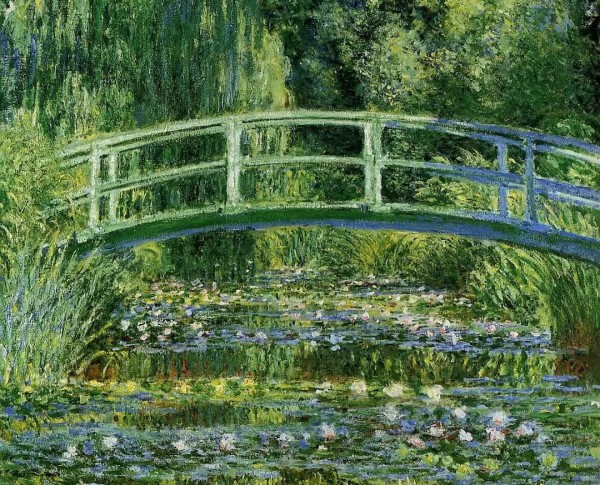
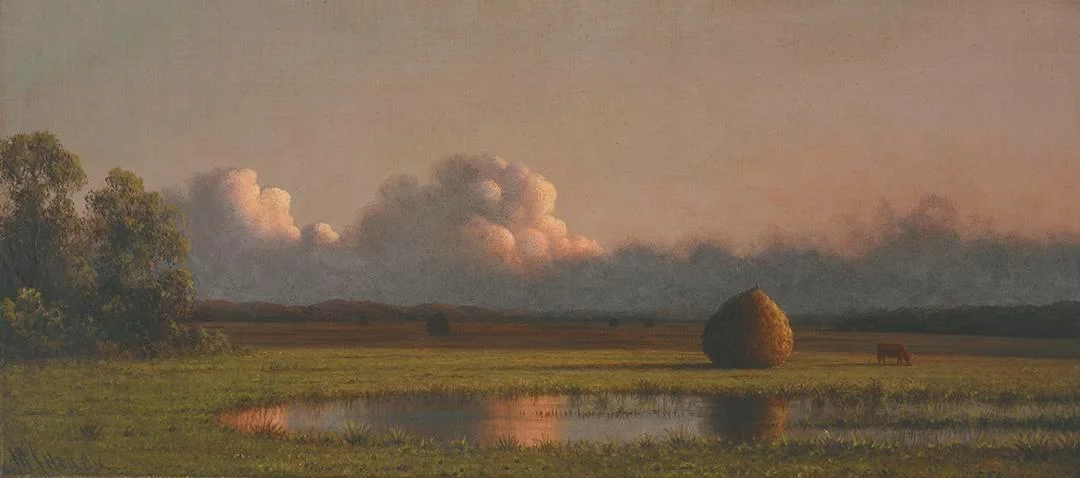
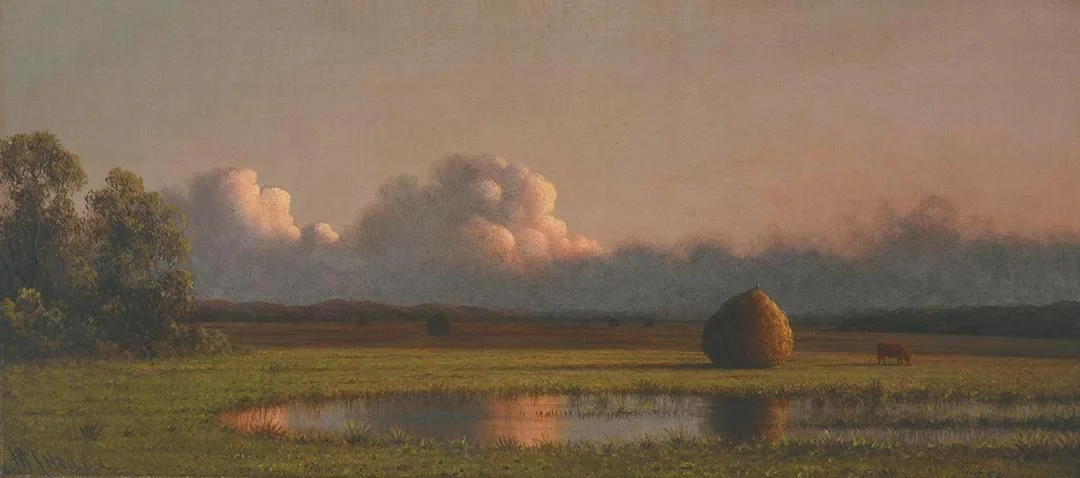
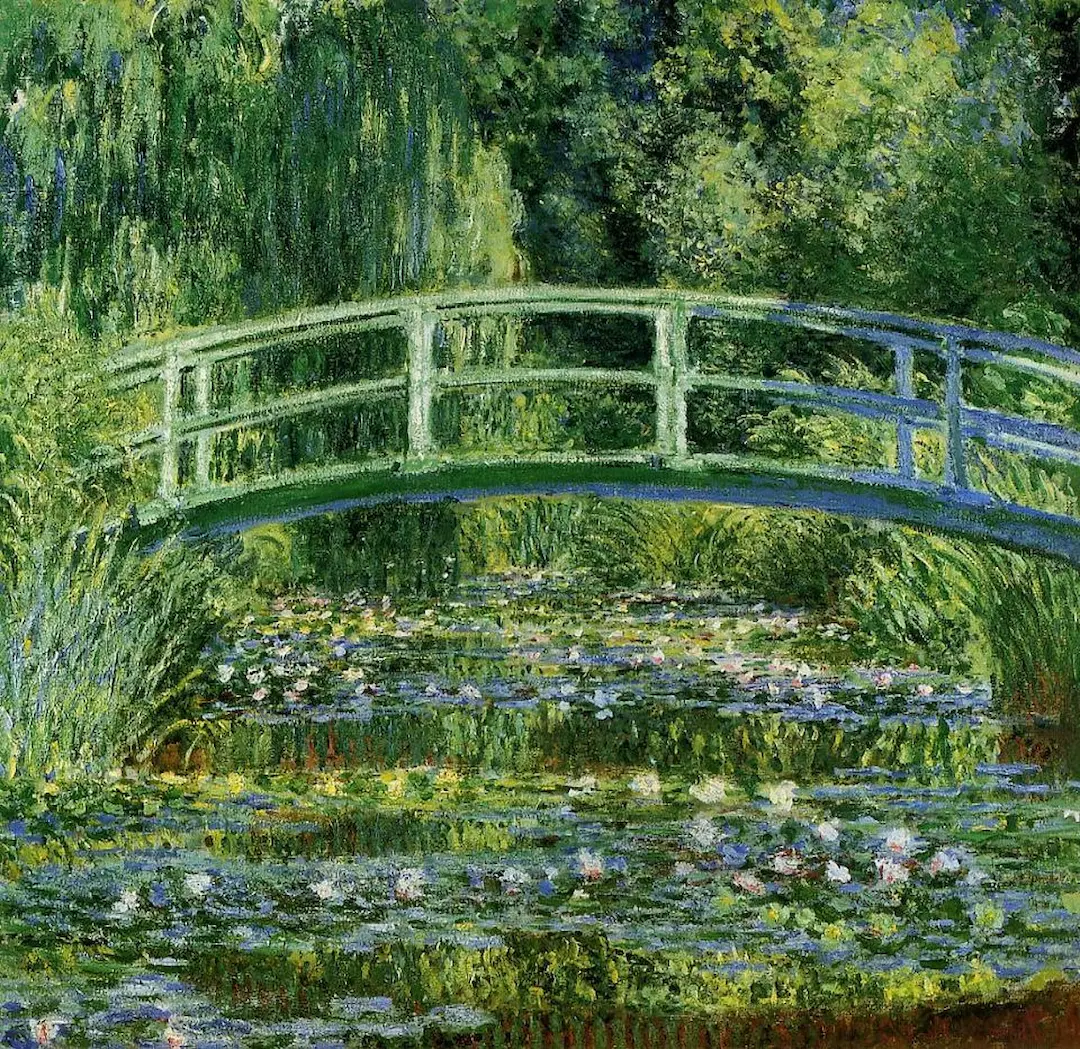
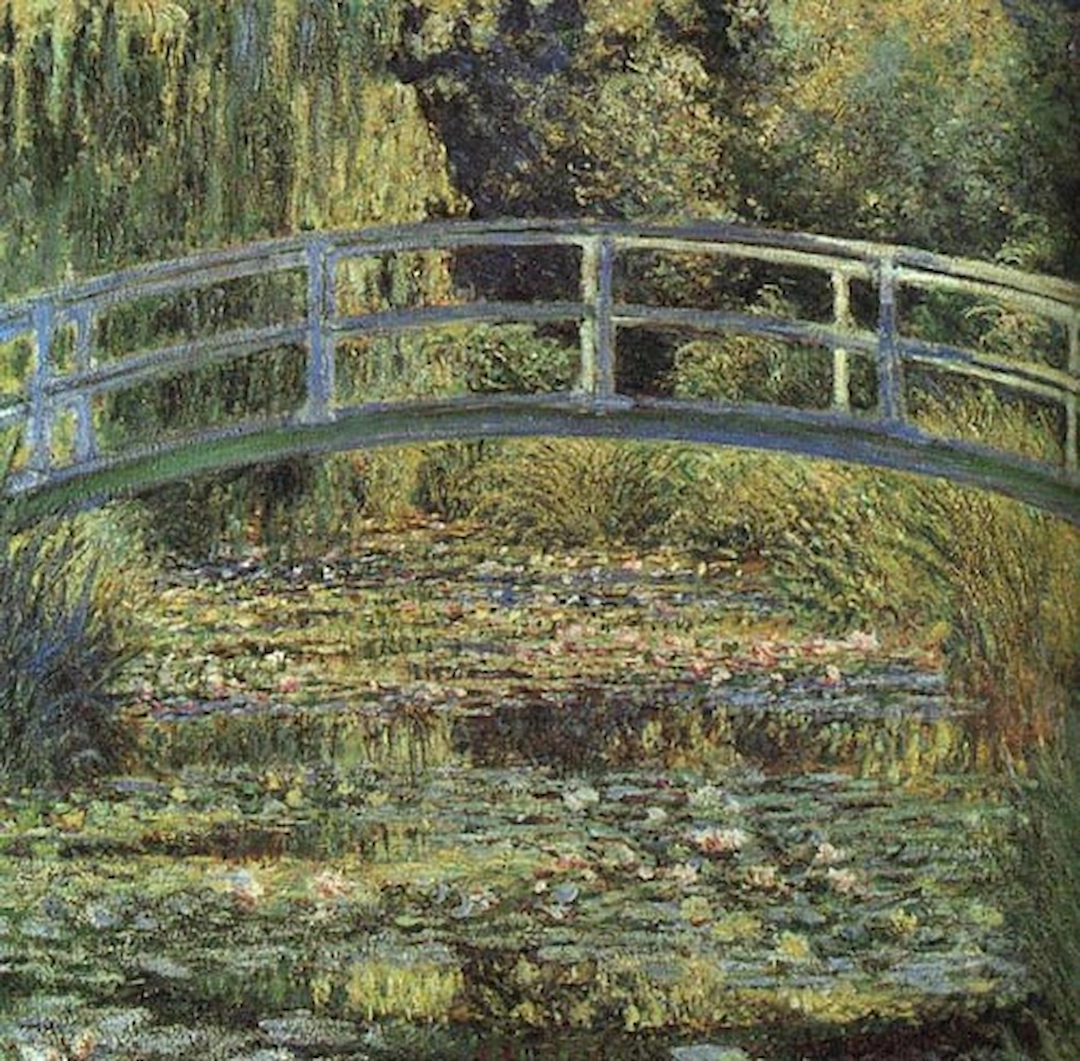
Monet's "Haystacks" demonstrates his exceptional skill with oil on canvas, using vibrant colors and textured brushwork to evoke the changing seasons and times of day. This fine art painting for sale exemplifies the Impressionist approach, where spontaneous strokes and a focus on light create a vivid, immersive experience. The same mastery can be seen in related works such as "The Japanese Footbridge" and "La Grenouillère," making Monet's paintings highly sought after by collectors.
In "Haystacks," Monet transforms simple rural scenes into profound symbols of nature’s cycles and the passage of time. This hand-painted oil painting reflects the Impressionism movement's fascination with everyday subjects, rendered in a way that invites viewers to find deeper meaning. Like "Impression, Sunrise" and "Woman in the Garden," "Haystacks" tells stories through color, light, and composition, making it an essential piece for anyone interested in the narrative power of art.
Owning Monet’s "Haystacks" is a rare opportunity to possess a fine art painting for sale that has shaped art history. As a centerpiece of the Impressionism movement, this oil on canvas artwork is highly valued among collectors, standing alongside masterpieces like "Impression, Sunrise." The enduring appeal of Monet’s work ensures that "Haystacks" remains a coveted treasure, representing both artistic innovation and a timeless connection to the natural world.
When Art Meets History
Claude Monet’s "Haystacks" stands as a testament to the transformative power of the Impressionism movement. Painted in the late 19th century, this hand-painted oil painting captures rural life in France at a pivotal moment in art history. Monet’s innovative approach influenced countless artists, as seen in related works like "Umbrellas, Paris Street - Rainy Weather 1877" and "Dance At Bougival." "Haystacks" remains an enduring symbol of how art can immortalize everyday beauty.
Techniques That Speak
Monet’s mastery with oil on canvas is evident in every brushstroke of "Haystacks." Using rapid, visible strokes and a vibrant palette, he captured the shifting light and atmosphere unique to Impressionism. Similar techniques can be observed in "Young Spartans Exercising" and "Blue Dancers, c.1899." Monet’s innovative use of color and texture in this painting set a new standard for capturing the ephemeral, making "Haystacks" a cornerstone of the movement.
Emotions on Display
"Haystacks" by Claude Monet evokes a sense of tranquility and fleeting beauty, hallmarks of Impressionism. The soft hues and gentle transitions between light and shadow invite viewers to experience the serenity of the French countryside. This fine art painting for sale communicates more than a mere landscape; it resonates emotionally, much like Monet’s contemporaries achieved in related pieces such as "Dance At Bougival" and "Blue Dancers, c.1899."
Coveted by Collectors
Monet’s "Haystacks" series has long been sought after by collectors and museums worldwide. As a celebrated oil on canvas, it exemplifies the Impressionist movement’s allure and lasting impact. Collectors value these works alongside masterpieces like "Umbrellas, Paris Street - Rainy Weather 1877" and "Young Spartans Exercising." The demand for original hand-painted oil paintings by Claude Monet ensures "Haystacks" remains a prized possession in the world of fine art.
Related Impressionism Hand-Painted Oil Paintings by Other Artists
Other Famous Impressionism Artists:
Frequently Asked Questions About Haystacks
What is the historical significance of Claude Monet's "Haystacks"?
"Haystacks" is significant as it exemplifies Monet's exploration of light and color, particularly during the late 19th century when Impressionism was emerging as a dominant art movement. The series captures the changing seasons and times of day, reflecting the artist's innovative approach to landscape painting.
How many paintings are in the "Haystacks" series?
Claude Monet created approximately 25 paintings in the "Haystacks" series, each depicting the same subject under different lighting conditions and seasons, showcasing his fascination with the effects of natural light.
What techniques did Monet use in "Haystacks" to convey light?
Monet employed loose brushwork and a vibrant color palette to depict the interplay of light and shadow on the haystacks. His technique of layering colors allowed him to capture the ephemeral qualities of light throughout the day.
What symbolism is associated with the haystacks in Monet's work?
The haystacks symbolize rural life and the passage of time, representing both the labor of harvest and the beauty found in everyday scenes. They also reflect Monet's interest in transitory moments and the changing nature of perception.
How did "Haystacks" influence the Impressionist movement?
The "Haystacks" series influenced the Impressionist movement by emphasizing the importance of capturing fleeting moments and the effects of light, encouraging other artists to explore similar themes in their work and to focus on the sensory experience of nature.
What role does color play in "Haystacks"?
Color plays a crucial role in "Haystacks," as Monet used it to convey mood and atmosphere. The vibrant hues and contrasts reflect the changing seasons and times of day, enhancing the visual impact of the haystacks and their surroundings.
Where was "Haystacks" painted?
Monet painted "Haystacks" in the rural area of Giverny, France, where he lived and worked. The local landscape provided him with a familiar subject that he could study under varying conditions.
What was the public's initial reaction to "Haystacks"?
The initial public reaction to "Haystacks" was mixed, with some critics praising Monet's innovative approach while others dismissed it as unfinished or lacking detail. Over time, however, the series gained recognition for its artistic significance and contribution to Impressionism.
How does "Haystacks" reflect Monet's artistic philosophy?
"Haystacks" reflects Monet's philosophy of capturing the essence of a moment rather than focusing on precise details. His emphasis on perception and the transient effects of light aligns with the core principles of Impressionism.
What can we learn about rural life from "Haystacks"?
"Haystacks" offers insights into rural life in late 19th-century France, highlighting the importance of agriculture and the seasonal cycles that govern it. The paintings celebrate the beauty of the countryside and the labor associated with harvest, inviting viewers to appreciate the simplicity of rural existence.






















_GFM_Painting_(1).webp)


 100% Hand-Painted: Finished in 3-6 Weeks

.png)















_(1).webp)