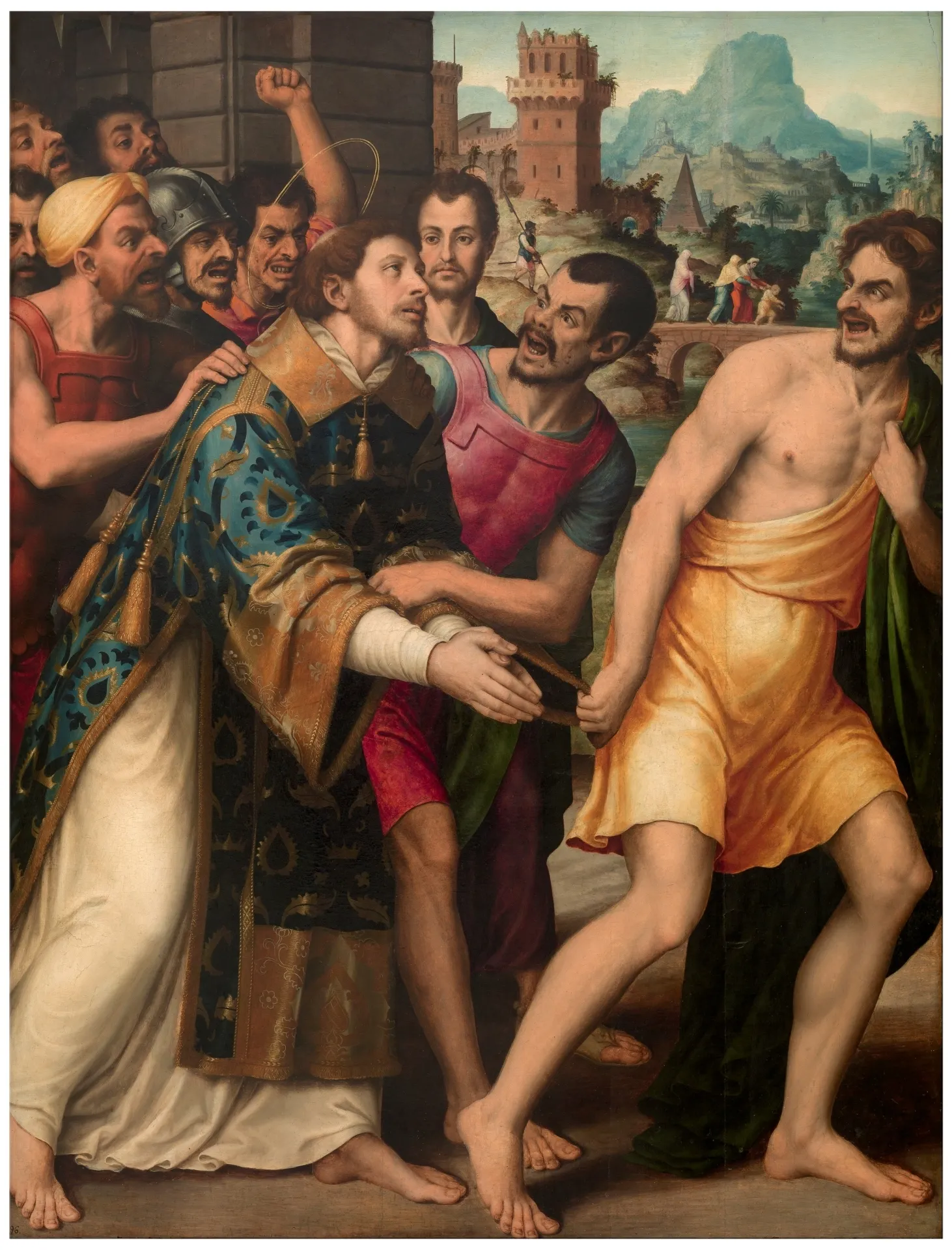
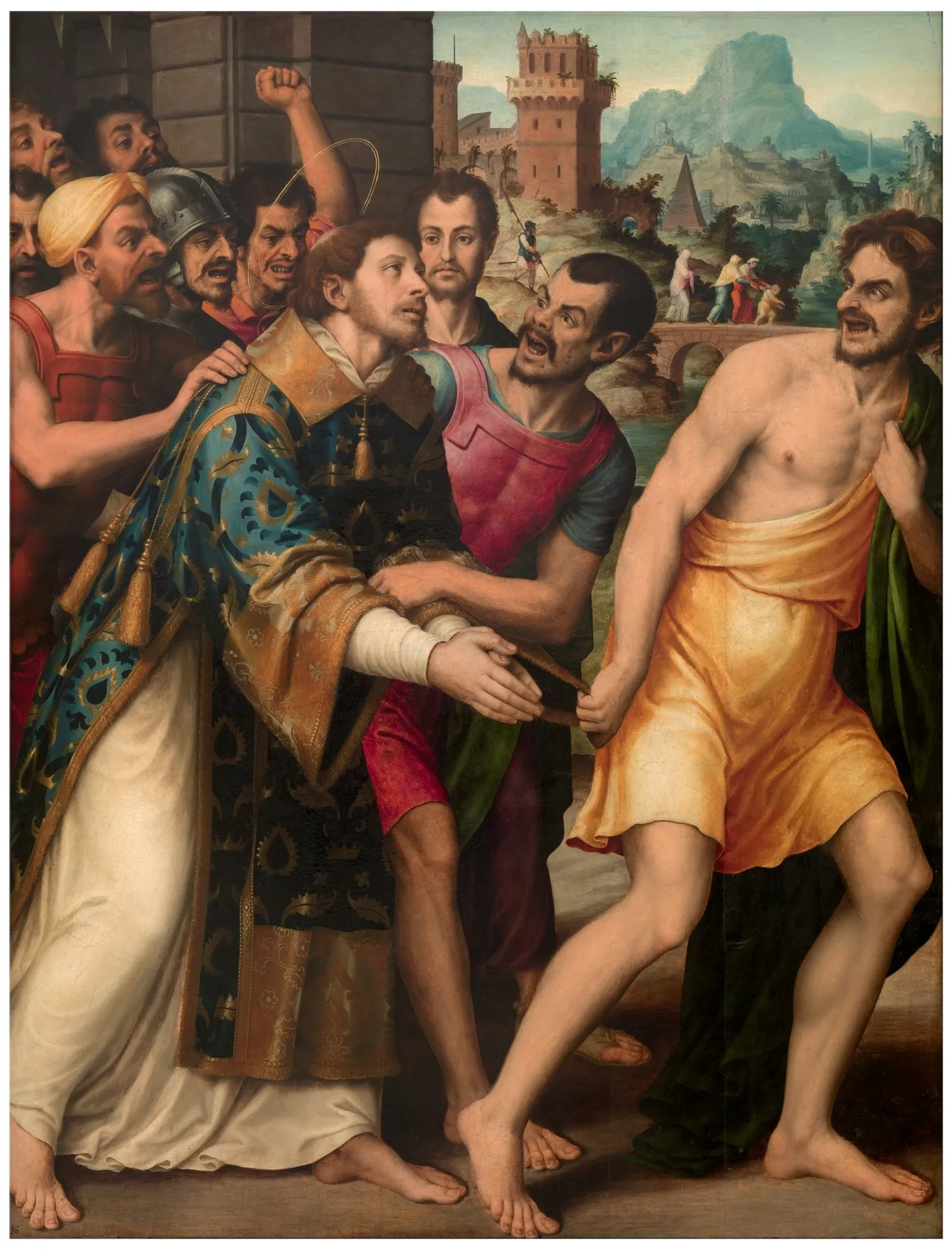
The oil on canvas technique in "San Esteban Conducido Al Martirio" demonstrates Juan de Juanes / Masip’s mastery of color and composition, hallmarks of the Spanish Renaissance. Each brushstroke reveals his skill in rendering emotion and detail, breathing life into the saint’s journey. Comparable works such as "Martirio De San Esteban" and "El Salvador" also showcase this refined style, making them ideal additions for admirers of Renaissance oil on canvas paintings.
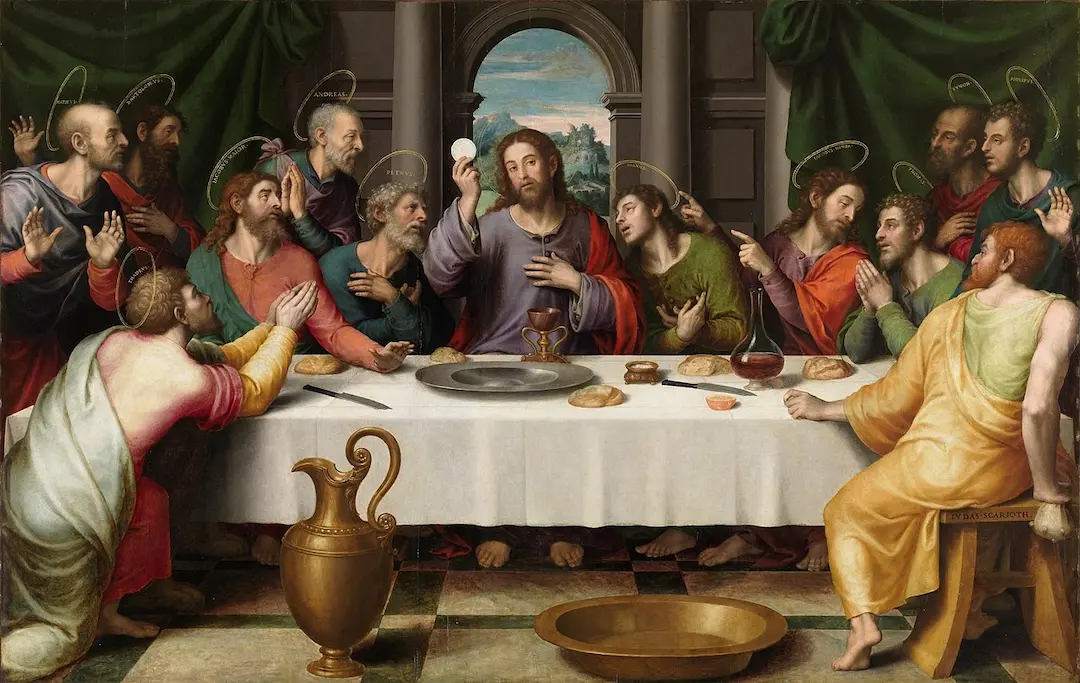
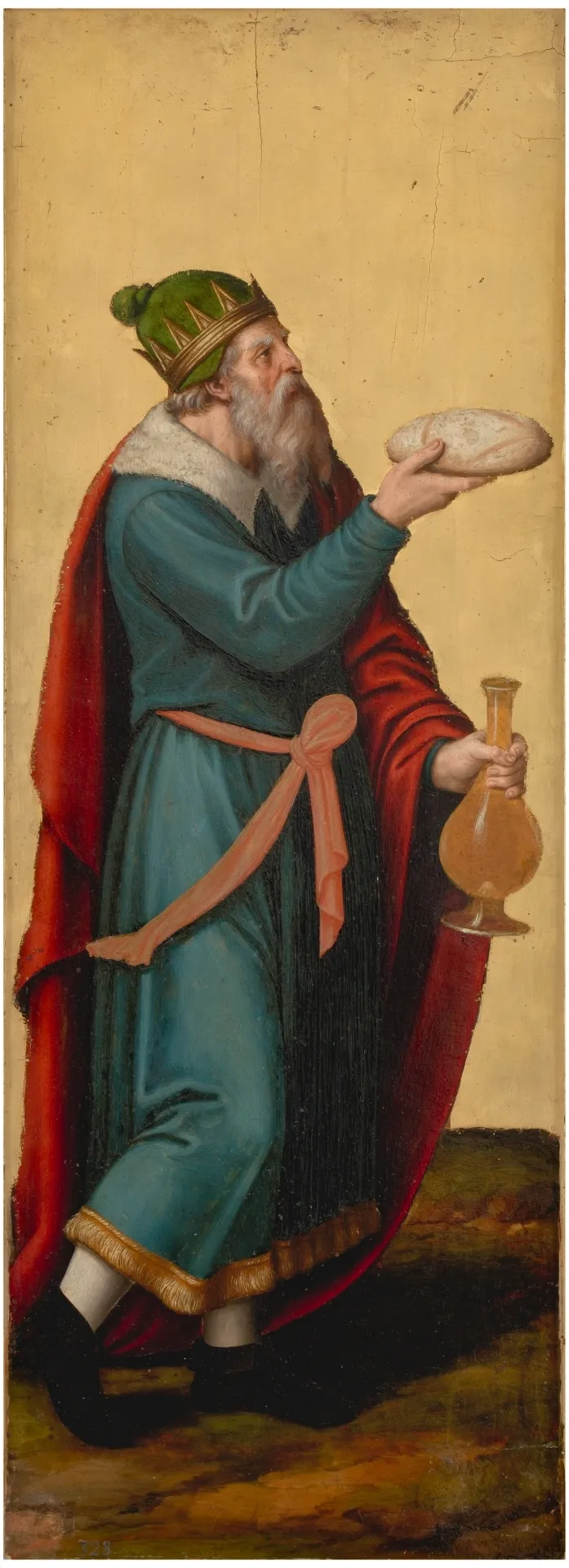
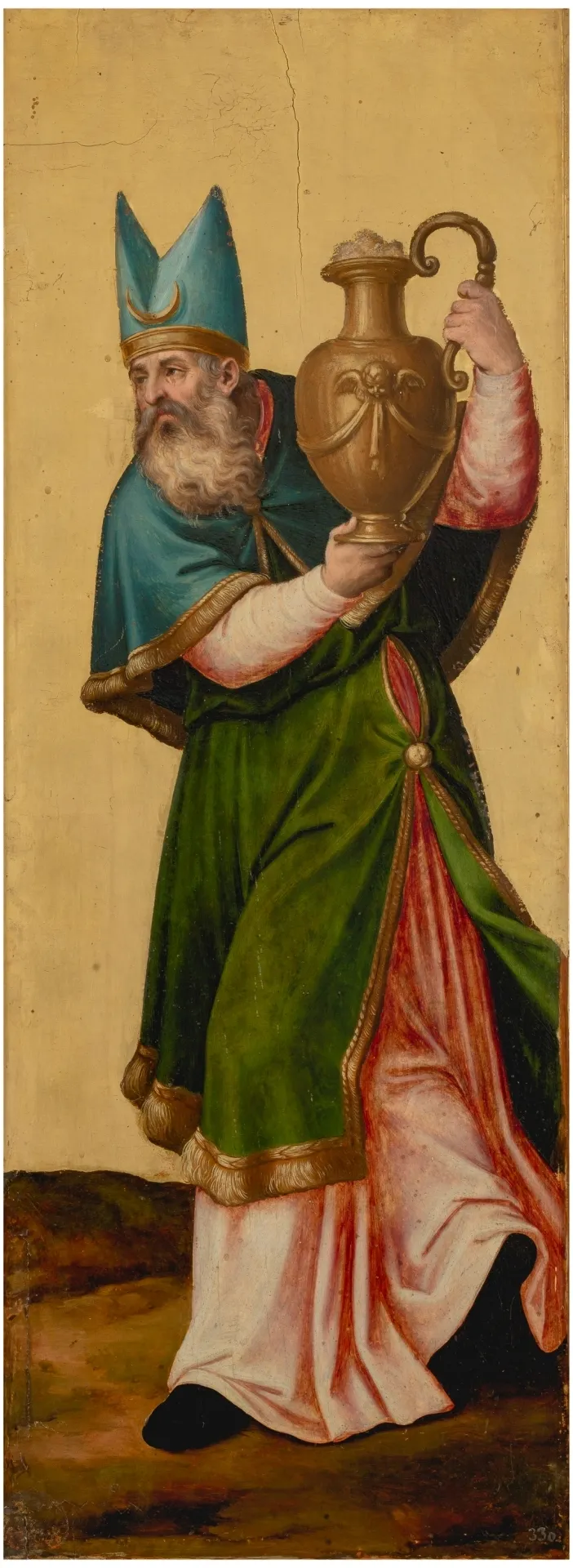
This fine art painting for sale is rich with religious symbolism, depicting Saint Stephen’s unwavering faith as he is led to martyrdom. Vicente Juan Juan de Juanes / Masip infuses the scene with narrative depth, inviting viewers to explore the spiritual and historical context of the Spanish Renaissance. Collectors often pair this work with related products like "The Last Supper (2) 1560s" and "El Sumo Sacerdote Aaron" to create a cohesive thematic collection.
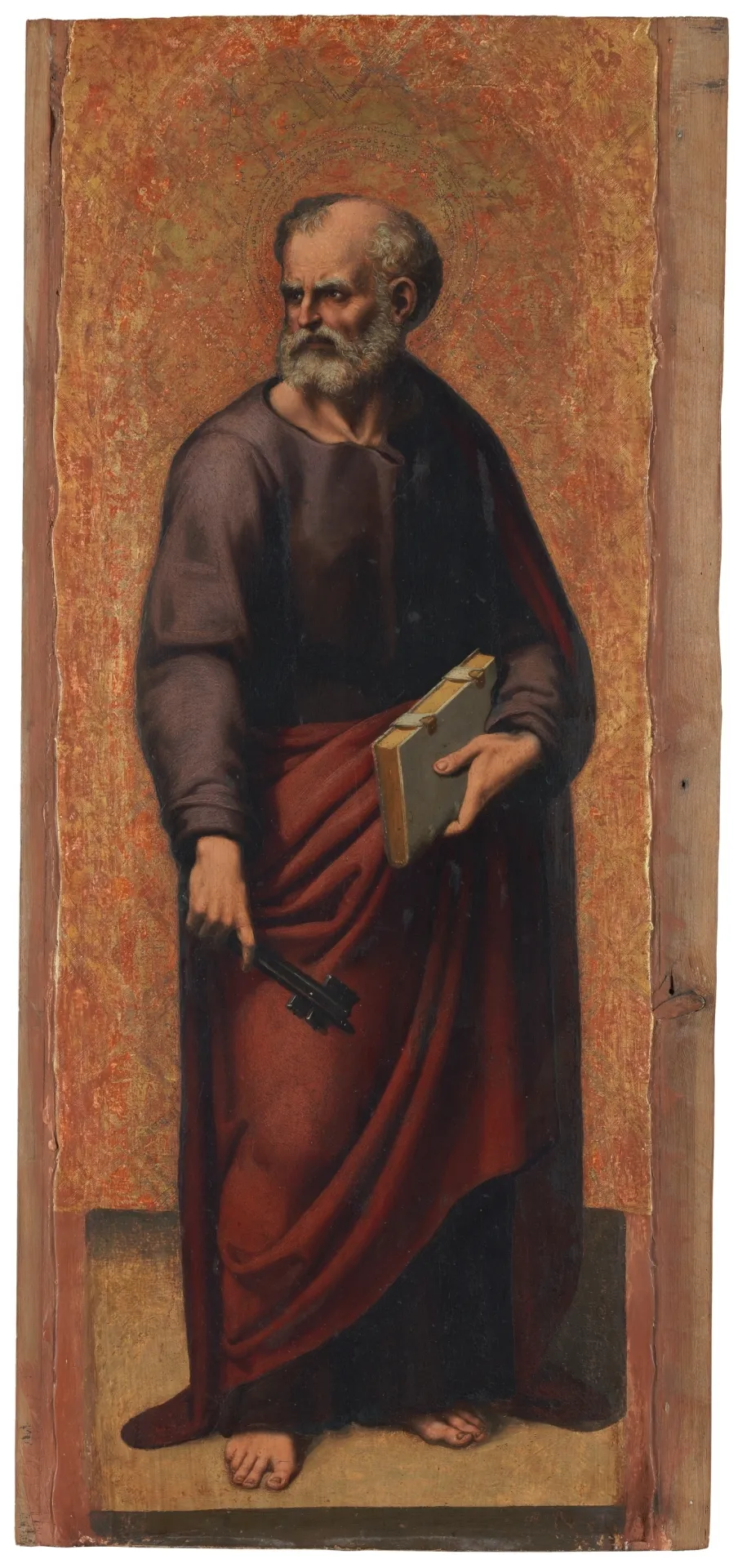
For art collectors, owning "San Esteban Conducido Al Martirio" means possessing a unique piece of history. This hand-painted oil painting not only embodies the brilliance of Vicente Juan Juan de Juanes / Masip but also represents the profound influence of the Spanish Renaissance. Collectors frequently seek out related masterpieces such as "San Pedro" and "El Salvador Con La Eucaristia" to enhance their collections with authentic fine art painting for sale from this pivotal era.
When Art Meets History
"San Esteban Conducido Al Martirio" by Vicente Juan Juan de Juanes / Masip (Macip) stands as a testament to the Spanish Renaissance, blending sacred narrative with masterful artistry. This hand-painted oil painting captures the poignant moment of Saint Stephen being led to his martyrdom, a subject deeply rooted in religious tradition. Like other works by Juan de Juanes, it reflects Spain's spiritual fervor and artistic innovation, making it a remarkable fine art painting for sale for collectors seeking historical depth.
Techniques That Speak
Vicente Juan Juan de Juanes / Masip (Macip) was renowned for his meticulous technique, and "San Esteban Conducido Al Martirio" is a prime example of oil on canvas mastery from the Spanish Renaissance. The artist’s delicate brushwork, vibrant palette, and skillful use of light and shadow bring the narrative to life. His approach is comparable to other significant Spanish Renaissance painters, further enhancing the value and allure of this oil on canvas masterpiece.
Emotions on Display
In "San Esteban Conducido Al Martirio," the emotional intensity is palpable. Vicente Juan Juan de Juanes / Masip (Macip) conveys Saint Stephen’s courage and serenity through expressive faces and dynamic composition, hallmarks of the Spanish Renaissance. This hand-painted oil painting not only narrates a dramatic biblical scene but also invites viewers to contemplate themes of sacrifice and faith, much like other moving works from the period. The emotions resonate, making it unforgettable.
Coveted by Collectors
Collectors admire "San Esteban Conducido Al Martirio" for its historical significance and artistic excellence. As a fine art painting for sale, it appeals to those who appreciate the Spanish Renaissance and the legacy of Vicente Juan Juan de Juanes / Masip (Macip). Its meticulous detail and evocative storytelling make it a standout piece, comparable to other revered works from the era. Owning such a painting is owning a piece of art history.
Frequently Asked Questions About San Esteban Conducido Al Martirio
What is the historical context of "San Esteban Conducido Al Martirio"?
This painting was created during the Spanish Renaissance, a period marked by a resurgence of interest in classical themes and religious subjects. It reflects the Counter-Reformation's emphasis on religious fervor and the glorification of saints.
Who was Vicente Juan Juan de Juanes / Masip?
Vicente Juan Juan de Juanes, also known as Masip, was a prominent Spanish painter of the 16th century. He is renowned for his religious works that combine meticulous detail with emotional depth, often depicting saints and biblical scenes.
What is the significance of Saint Stephen in Christian art?
Saint Stephen is recognized as the first Christian martyr, and his story symbolizes faith and sacrifice. His depiction in art often serves to inspire devotion and reflect the trials faced by early Christians.
What artistic techniques are evident in this painting?
The painting showcases Juanes' mastery of chiaroscuro, creating a dramatic contrast between light and shadow. The use of vibrant colors and intricate details enhances the emotional impact of the scene.
How does "San Esteban Conducido Al Martirio" reflect the values of the Counter-Reformation?
This artwork embodies the Counter-Reformation's focus on clarity, emotional engagement, and the glorification of saints. It aims to inspire viewers to reflect on their faith and the sacrifices made by early Christians.
What symbolism is present in the painting?
The painting features several symbols, including the stones that represent the martyrdom of Saint Stephen, and the halo that signifies his sanctity. These elements serve to reinforce the themes of faith and divine approval.
What influences can be seen in Juanes' style?
Juanes' style is influenced by both Italian Renaissance art and the local Spanish tradition. His works often incorporate elements of realism and emotional expression, characteristic of the period's artistic evolution.
How does the composition of the painting contribute to its narrative?
The composition directs the viewer's gaze towards Saint Stephen, emphasizing his expression and the surrounding figures. This arrangement enhances the narrative of his impending martyrdom and evokes empathy from the audience.
What role did religious art play in 16th-century Spain?
Religious art served as a vital tool for conveying spiritual messages and reinforcing Catholic doctrine during a time of religious conflict. It was instrumental in educating the public and inspiring devotion among the faithful.
Where can I view "San Esteban Conducido Al Martirio" today?
This painting is housed in a prominent art collection, where it continues to be appreciated for its historical significance and artistic merit. Please check our gallery's exhibition schedule for current display information.























_GFM_Painting_(1).webp)


 100% Hand-Painted: Finished in 3-6 Weeks

.png)












_1560s.webp)



_(1).webp)