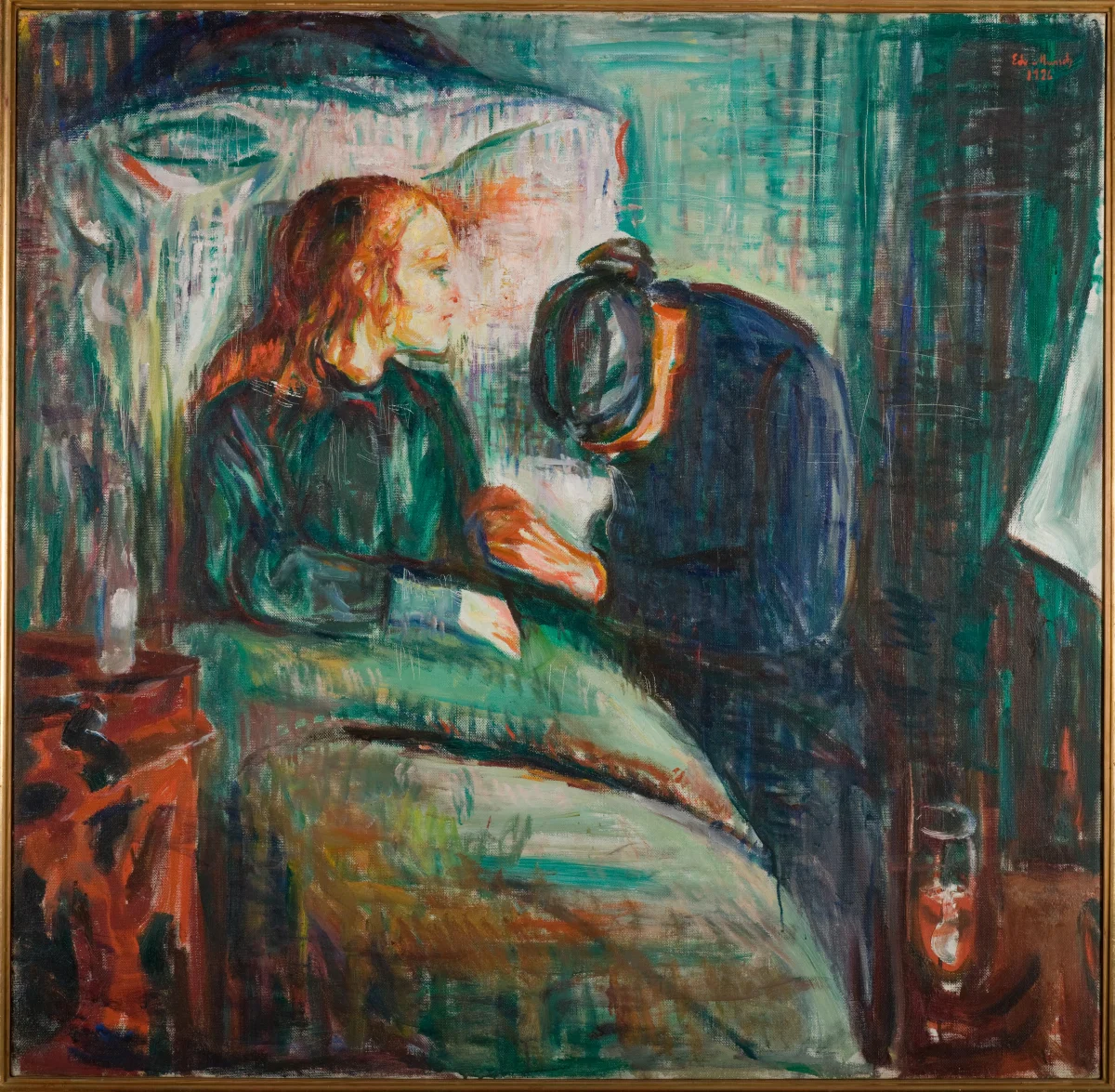
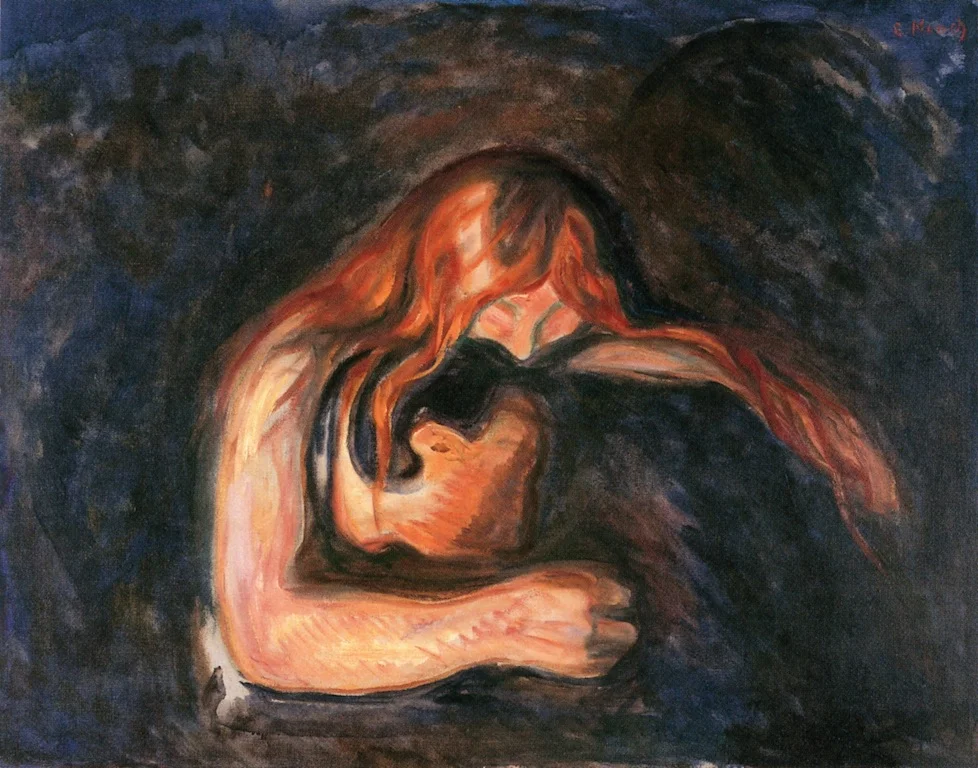
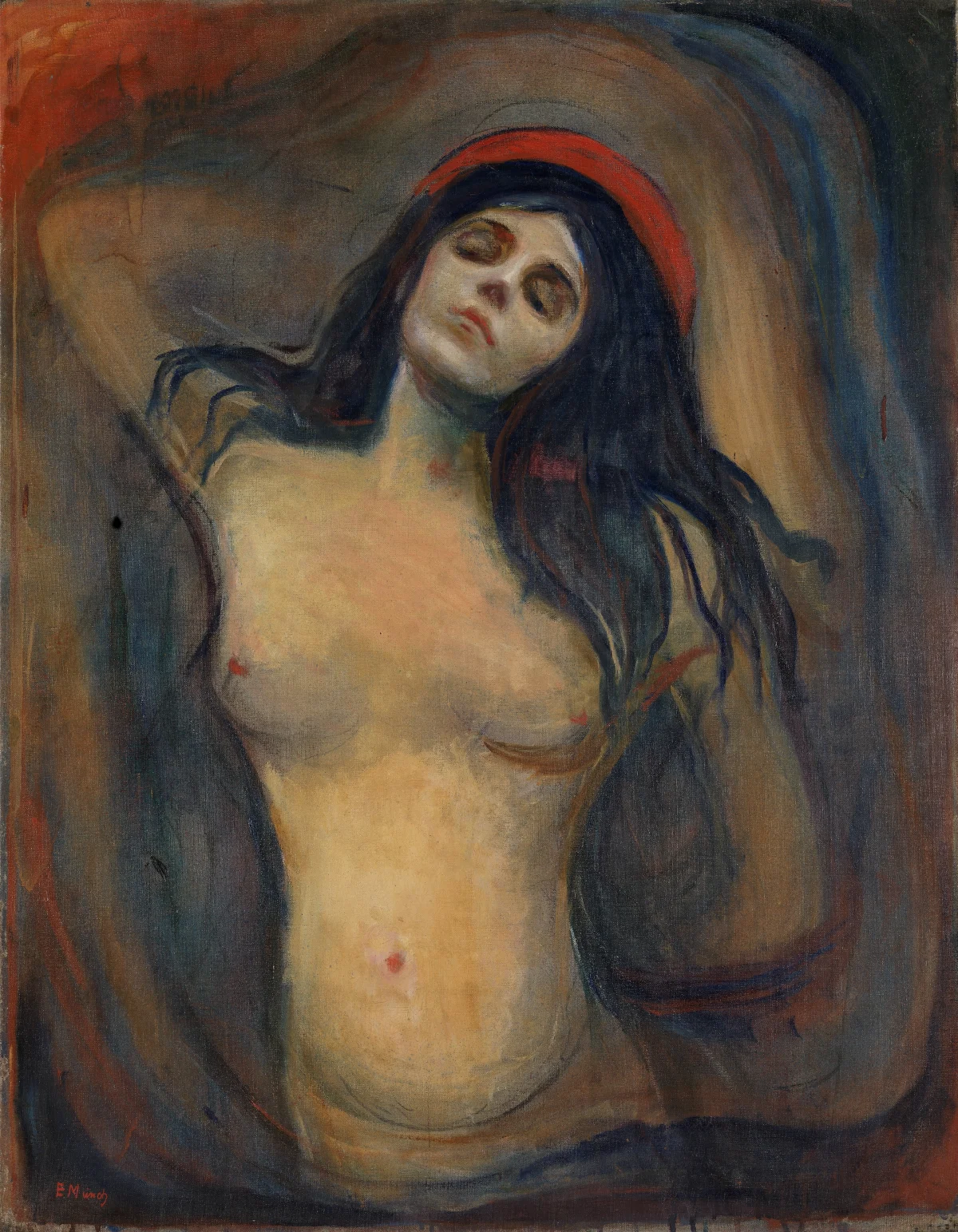
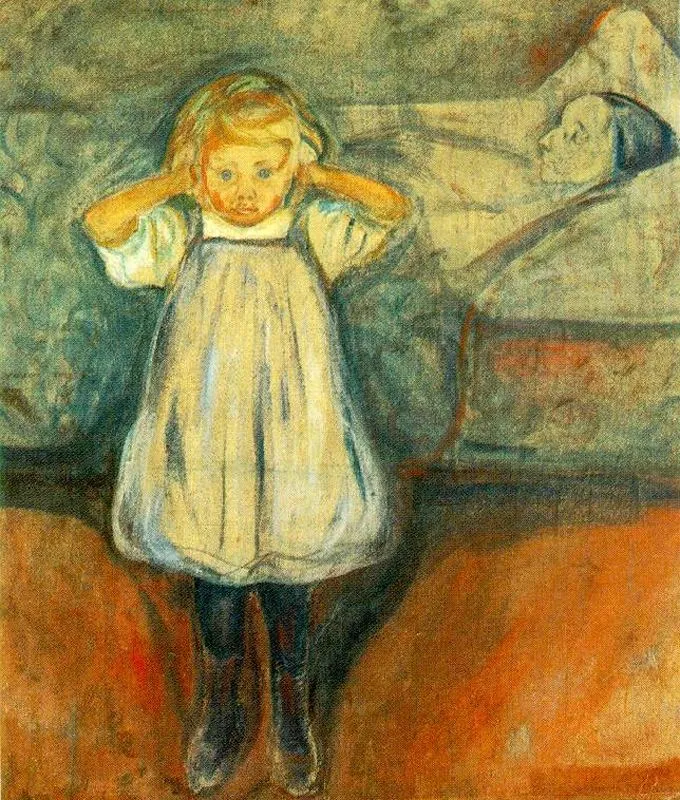
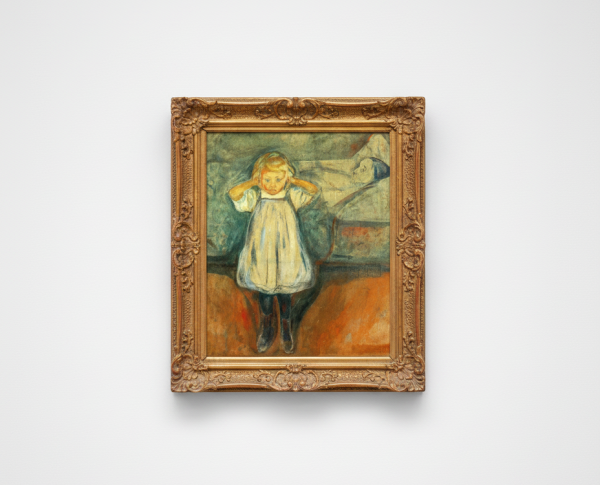
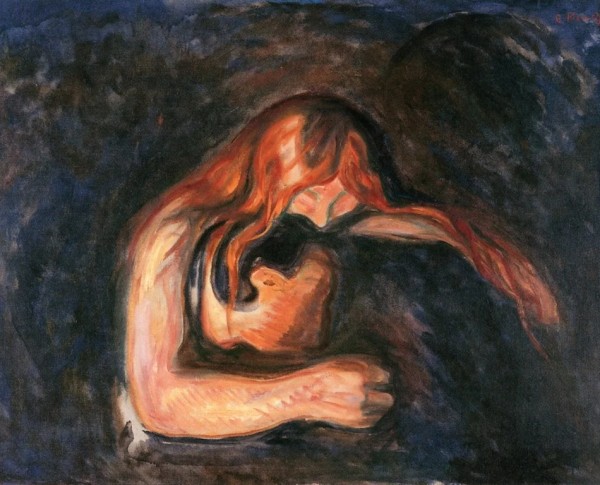
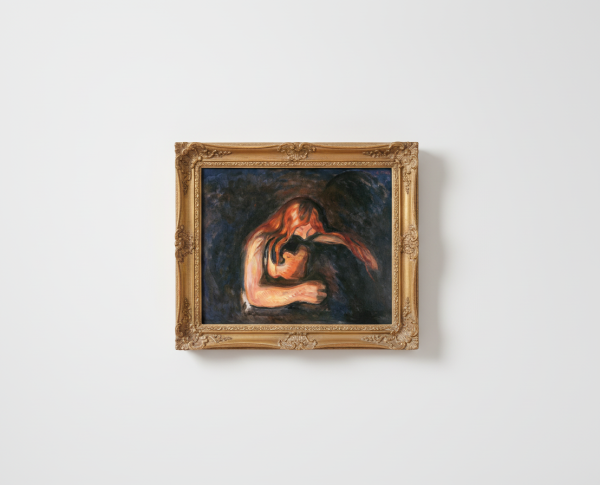
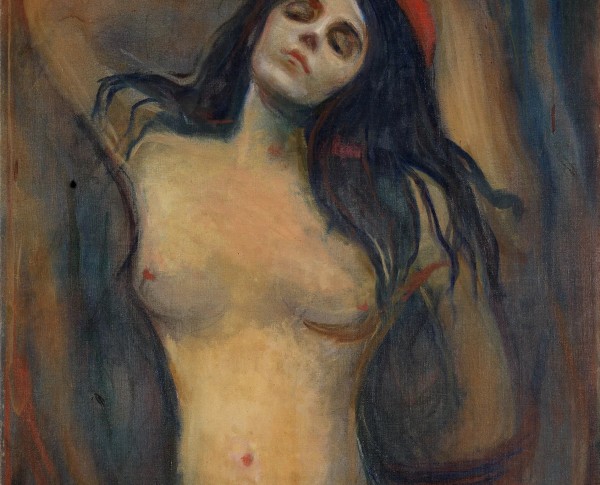
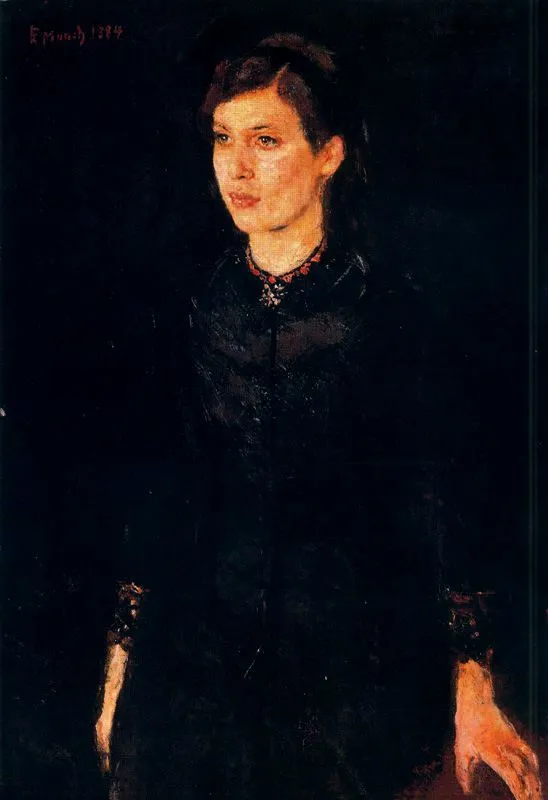
Edvard Munch’s mastery with oil on canvas is evident in "Sister Inger." Each brushstroke reveals his emotional intensity and technical prowess, hallmarks of the Expressionism movement. The painting’s textured layers and vivid palette bring the subject’s inner world to life. Those who admire "Girl Kindling a Stove" or "Morning" will recognize the same expressive energy in this work, making it a must-have for anyone passionate about oil on canvas masterpieces.
"Sister Inger" is more than just a portrait; it is a narrative woven with deep symbolism characteristic of Edvard Munch’s style. This fine art painting for sale invites viewers to interpret the subject’s thoughtful gaze and mysterious ambiance. Like "Aunt Karen in the Rocking Chair" and "Old Aker Church," Munch imbues everyday scenes with profound meaning, making each piece in his Expressionism collection rich with stories waiting to be discovered.
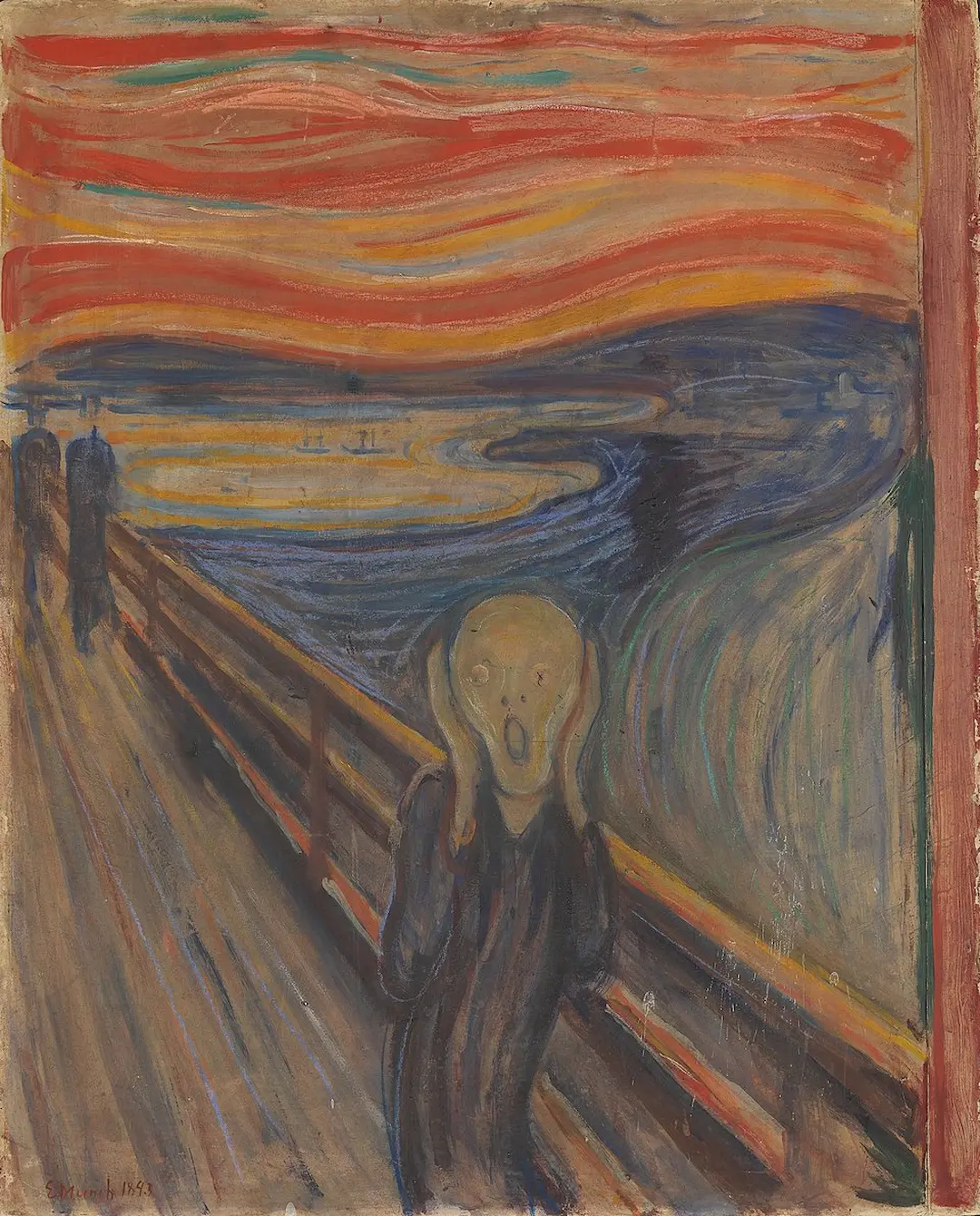
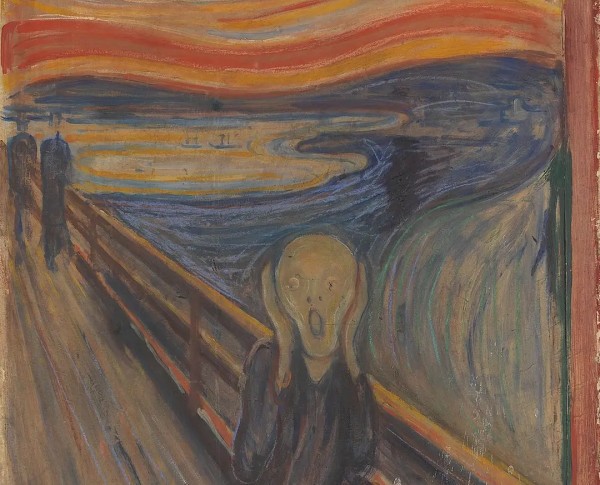
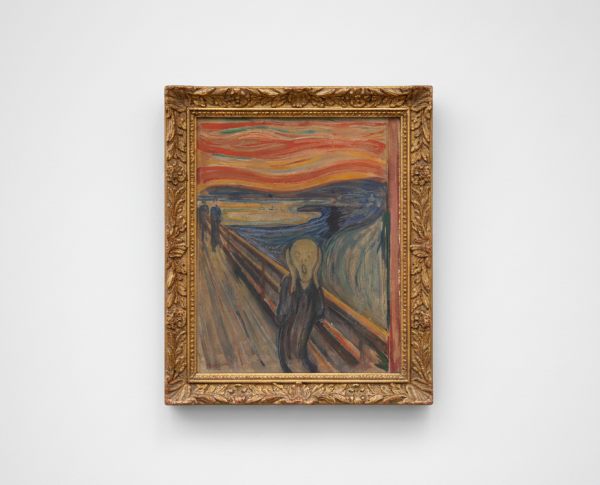
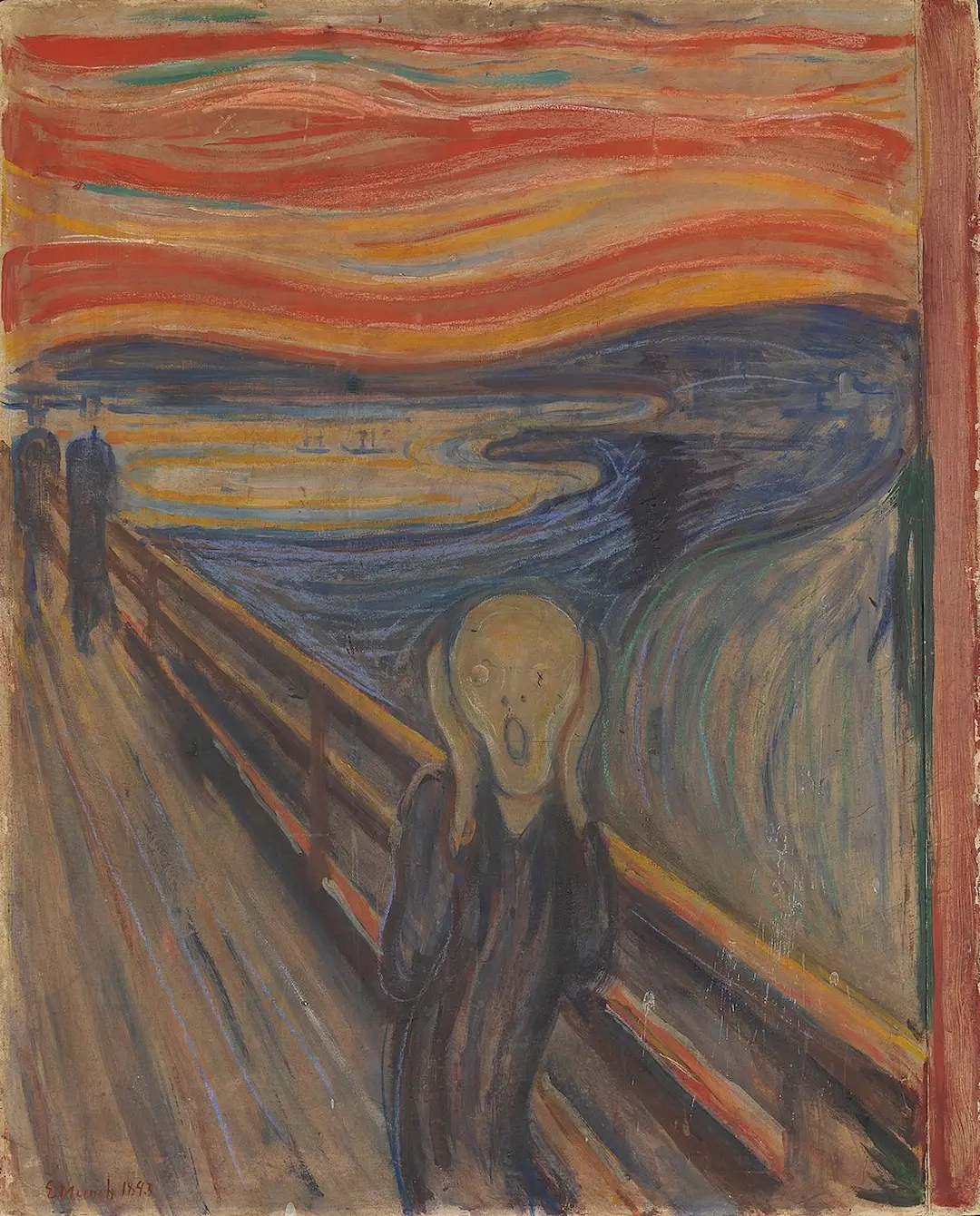
Owning "Sister Inger" by Edvard Munch is a rare opportunity for any art collector. This hand-painted oil painting is not only a striking example of Expressionism but also a valuable addition to collections featuring related works such as "The Scream" and "Old Aker Church." Its emotional depth and historical importance make it a standout among fine art painting for sale, ensuring it remains a prized possession for generations to come.
When Art Meets History
"Sister Inger" by Edvard Munch is a prime example of Expressionism, a movement that redefined emotional depth in art. Created during a transformative period in European culture, this hand-painted oil painting reflects the artist’s personal experiences and the broader societal shifts of the late 19th century. Like Munch's other iconic works, "Sister Inger" stands as a testament to the enduring dialogue between historical context and artistic innovation within the Expressionist movement.
Techniques That Speak
Edvard Munch’s mastery of oil on canvas is evident in "Sister Inger," where bold brushstrokes and vibrant hues capture raw emotion. The artist’s use of contrasting colors and expressive lines is characteristic of Expressionism, allowing the subject’s inner world to radiate outward. This technique is also observed in Munch’s related paintings, further highlighting his unique approach to the medium and his dedication to pushing the boundaries of traditional oil on canvas work.
Emotions on Display
"Sister Inger" invites viewers into an intimate emotional landscape, a hallmark of the Expressionist movement. Munch’s sensitive portrayal of his sister conveys vulnerability and introspection, echoing the psychological depth seen in his other fine art painting for sale. The painting’s haunting atmosphere and evocative use of color and form make it a powerful exploration of human feeling, resonating with art lovers who appreciate the profound emotional narratives found in Expressionism.
Coveted by Collectors
As with many of Edvard Munch’s works, "Sister Inger" is highly sought after by collectors of Expressionist art. Its status as a hand-painted oil painting adds to its allure, making it a centerpiece in any fine art collection. The painting’s historical significance and emotional resonance, combined with Munch’s reputation, ensure that "Sister Inger" remains a coveted masterpiece among those who value Expressionism and the unique vision of this celebrated artist.
Frequently Asked Questions About Sister Inger
What is the historical context of Edvard Munch's "Sister Inger"?
"Sister Inger" was created in 1901, a period marked by Munch's exploration of psychological themes and personal experiences. The painting reflects the artist's complex relationship with his family and the emotional turmoil he experienced during this time.
What are the main themes depicted in "Sister Inger"?
The painting encapsulates themes of familial relationships, loss, and existential angst. Munch often delved into the emotional struggles of individuals, and "Sister Inger" is no exception, showcasing the tension between love and sorrow.
Who is the subject of "Sister Inger"?
The subject of the painting is Munch's sister, Inger, who had a significant influence on his life. Her portrayal reflects Munch's deep emotional connection to her, as well as the impact of her struggles with illness on the artist.
What artistic techniques did Munch employ in "Sister Inger"?
Munch utilized bold colors and expressive brushwork to convey emotion and depth. The use of light and shadow enhances the psychological intensity of the piece, drawing viewers into the emotional landscape of the subject.
How does "Sister Inger" reflect Munch's overall artistic style?
The painting exemplifies Munch's Symbolist style, characterized by its focus on emotional expression rather than realism. His use of color and form highlights the inner turmoil of the subject, a hallmark of Munch's broader body of work.
What symbolism can be found in "Sister Inger"?
The painting is rich in symbolism, particularly in its depiction of Inger's expression and posture, which convey vulnerability and introspection. The background elements may also symbolize the emotional weight of familial expectations and personal struggles.
How does "Sister Inger" relate to Munch's other works?
Where can I view "Sister Inger" today?
"Sister Inger" is part of the collection at the Munch Museum in Oslo, Norway. The museum is dedicated to the works of Edvard Munch and offers visitors a chance to experience his art in a context that highlights his life and legacy.






















_GFM_Painting_(1).webp)


 100% Hand-Painted: Finished in 3-6 Weeks

.png)















_(1).webp)