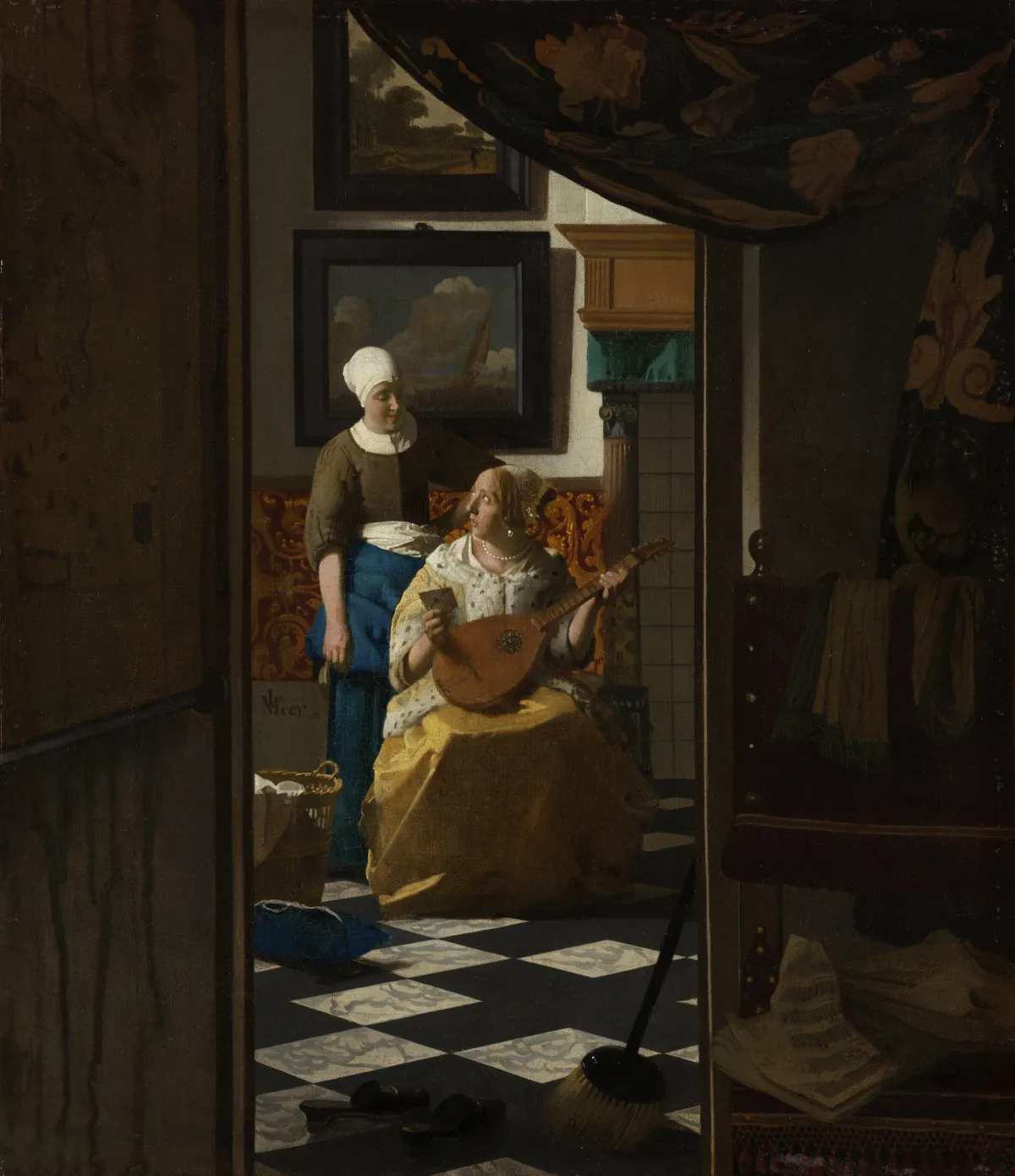
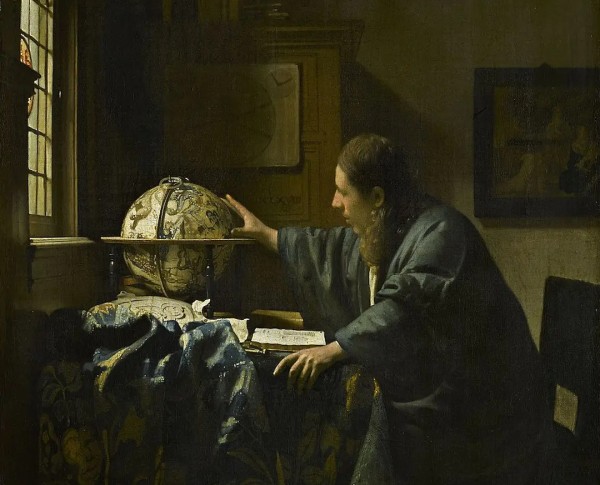
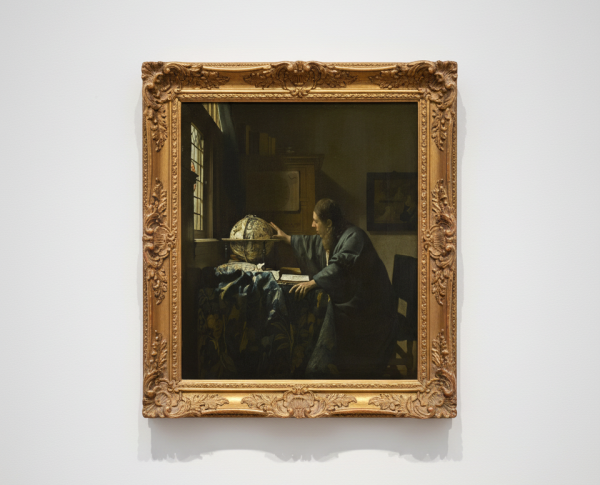
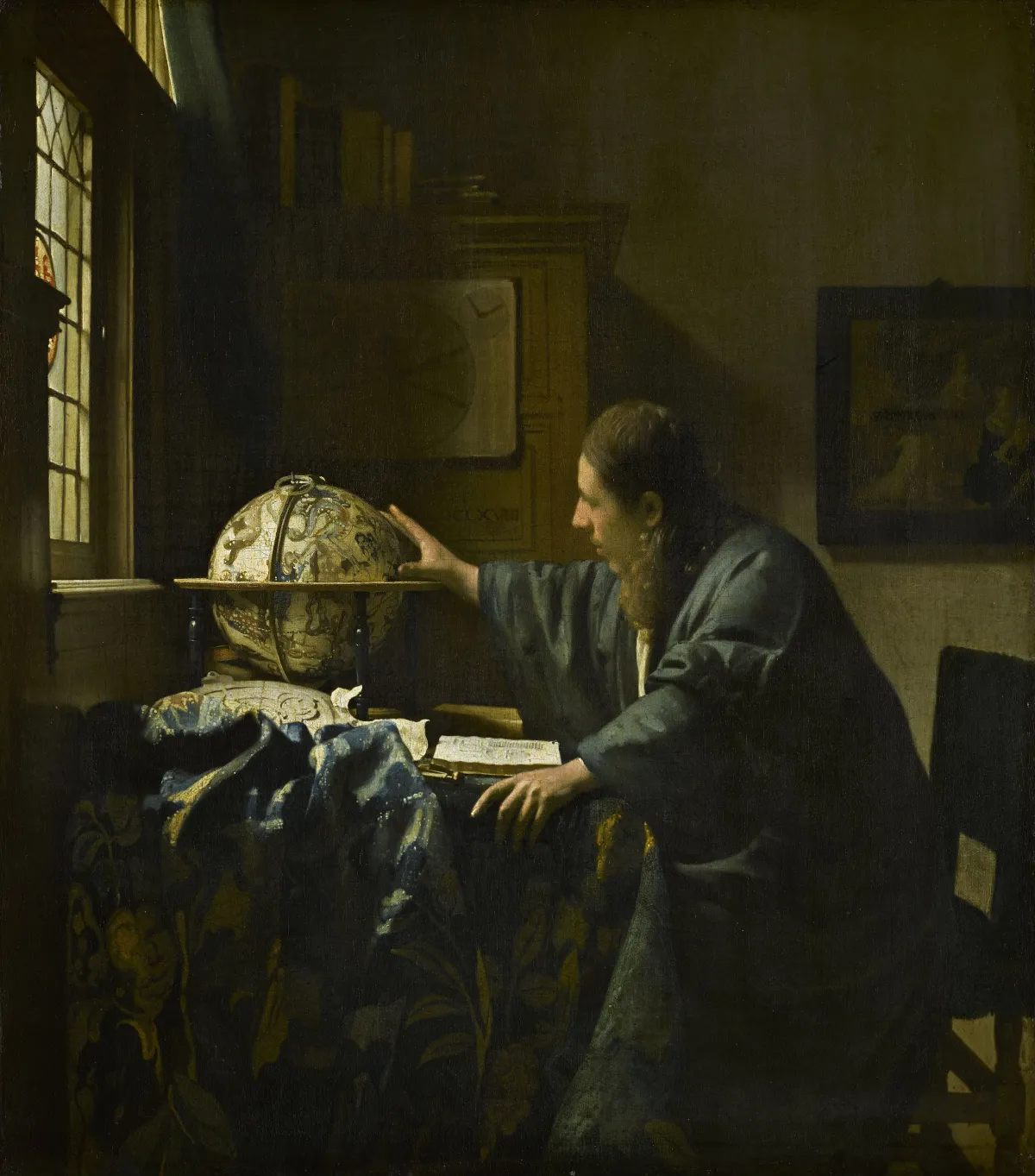
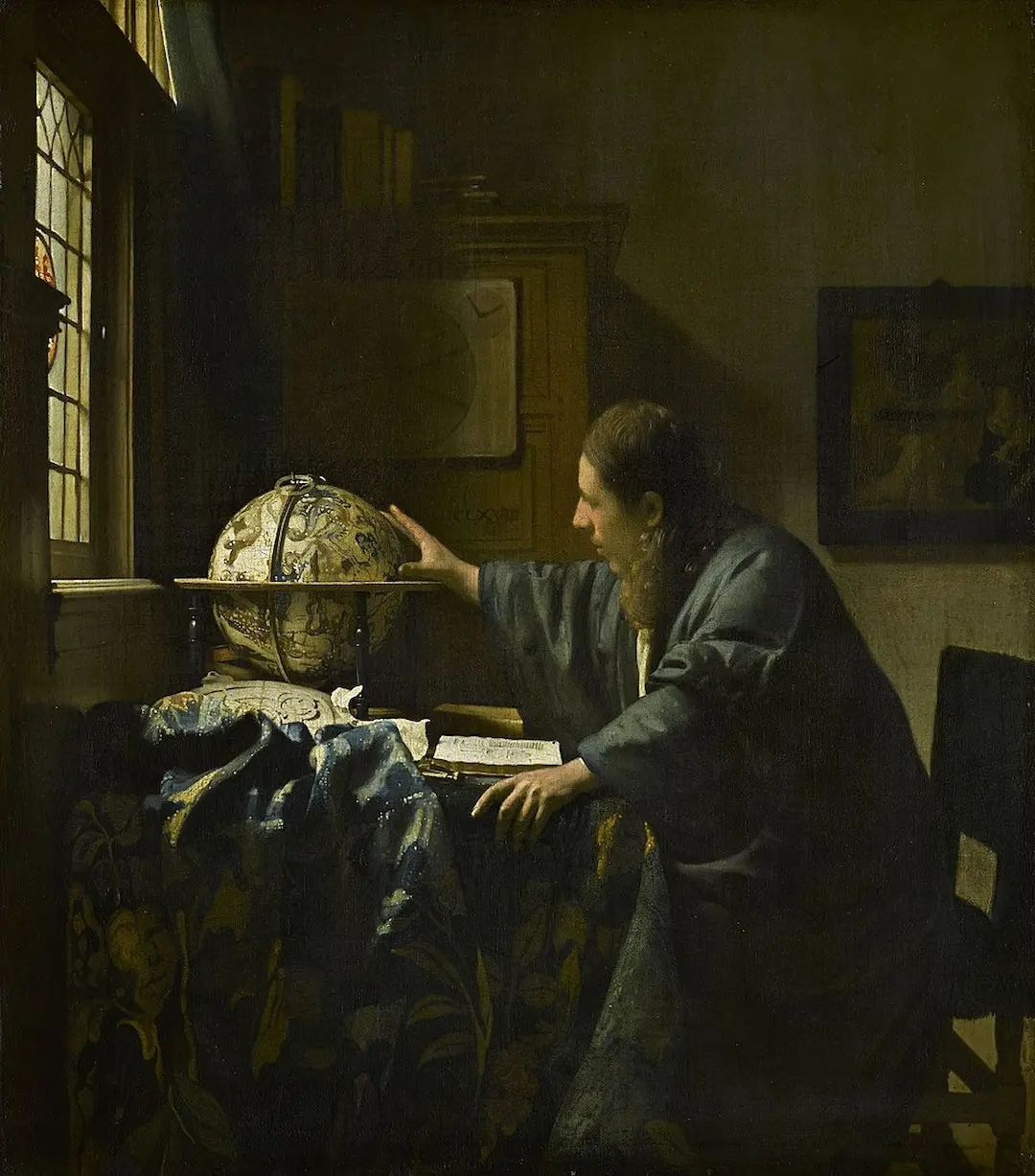
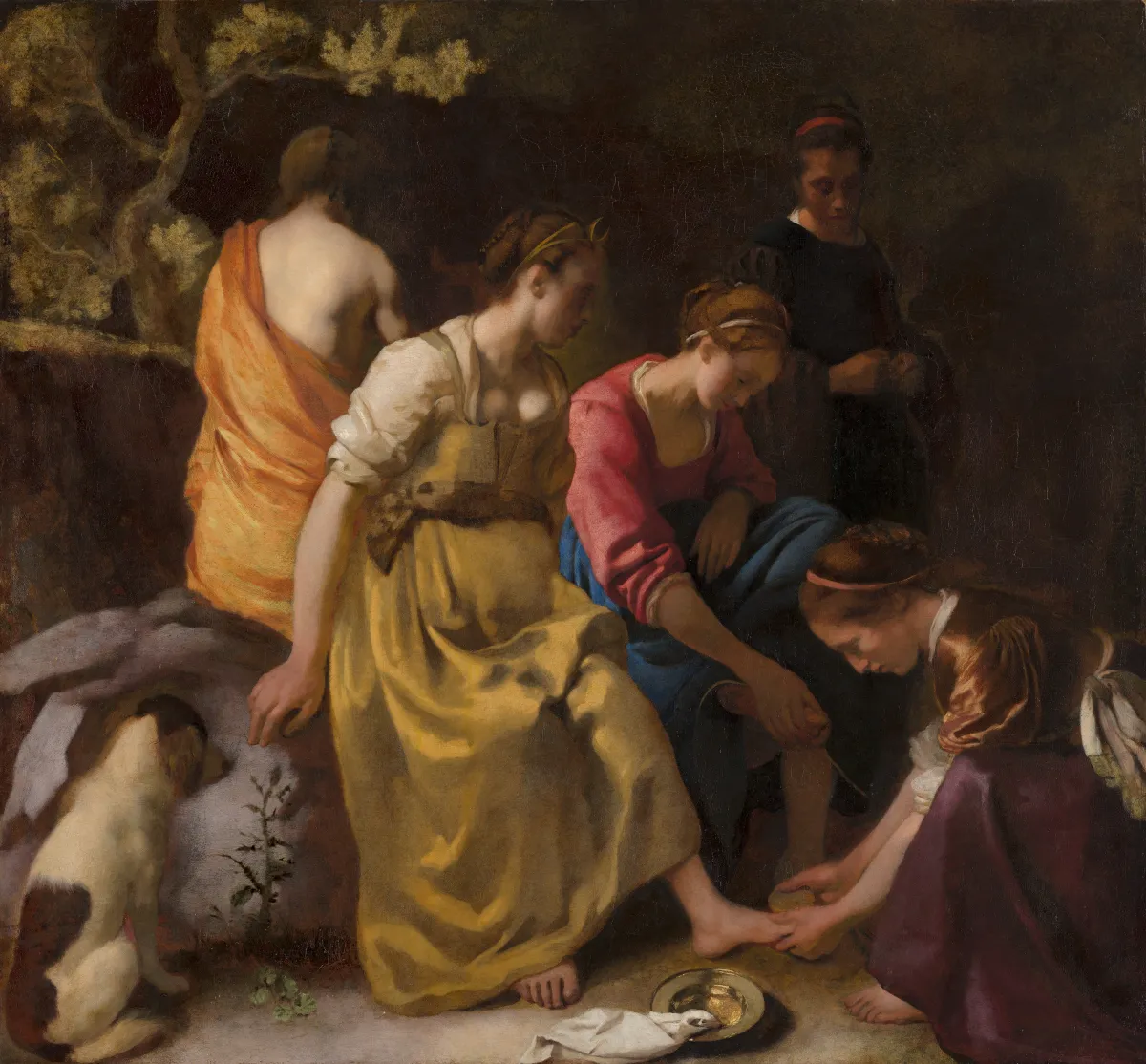
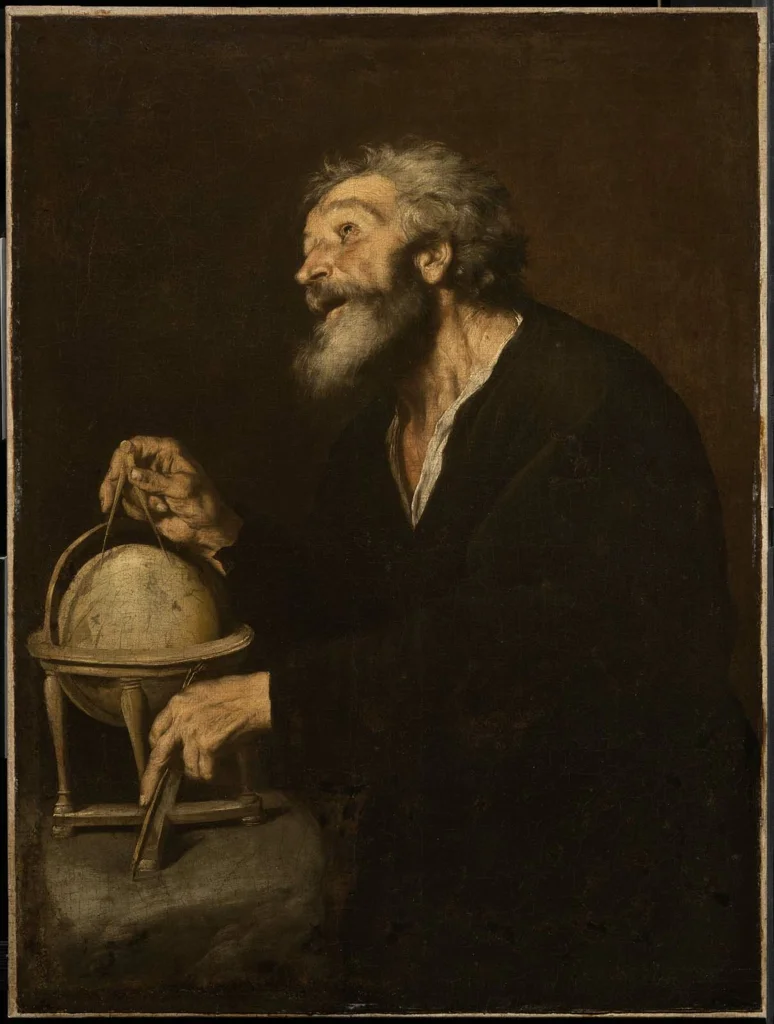
Jan Vermeer Van Delft’s technique in "The Astronomer" showcases his exceptional skill in oil on canvas, blending light and shadow to create a lifelike atmosphere. The Dutch Golden Age artist’s precision is evident in every element, from the folds of the scholar’s robe to the intricate objects on the desk. For enthusiasts, other Vermeer masterpieces like "The Procuress" and "Diana and her Nymphs" offer further insight into his celebrated artistry.
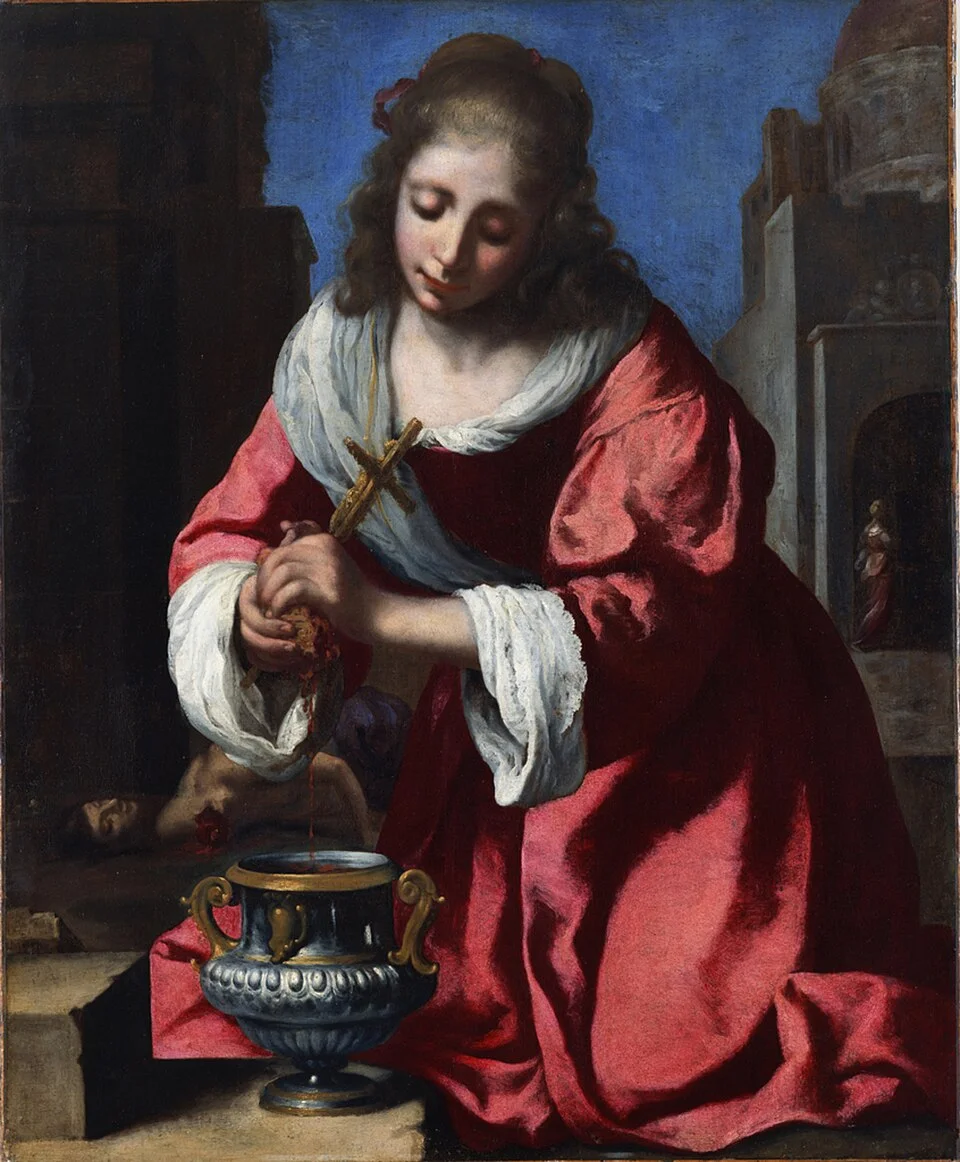
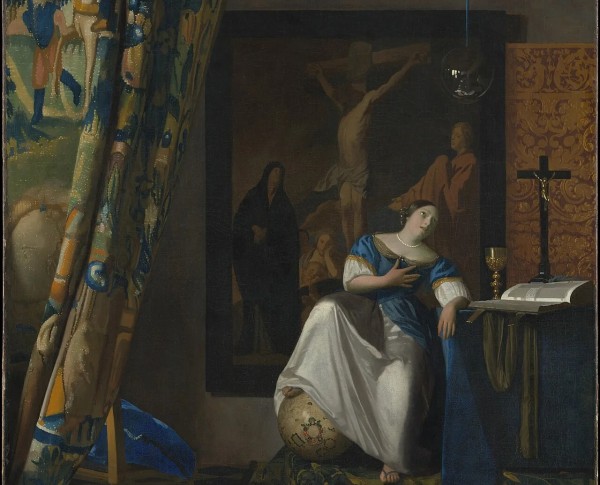
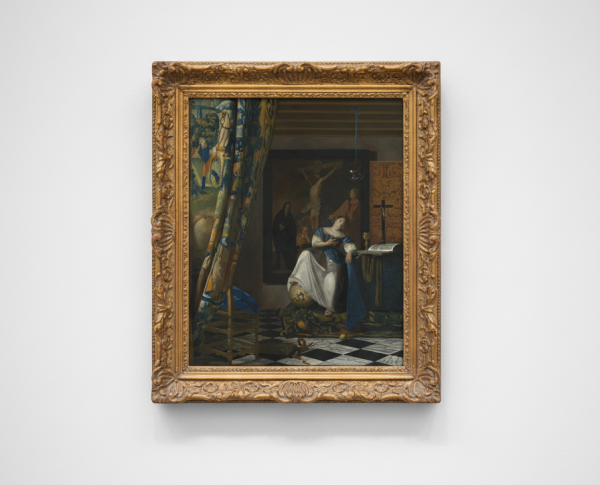
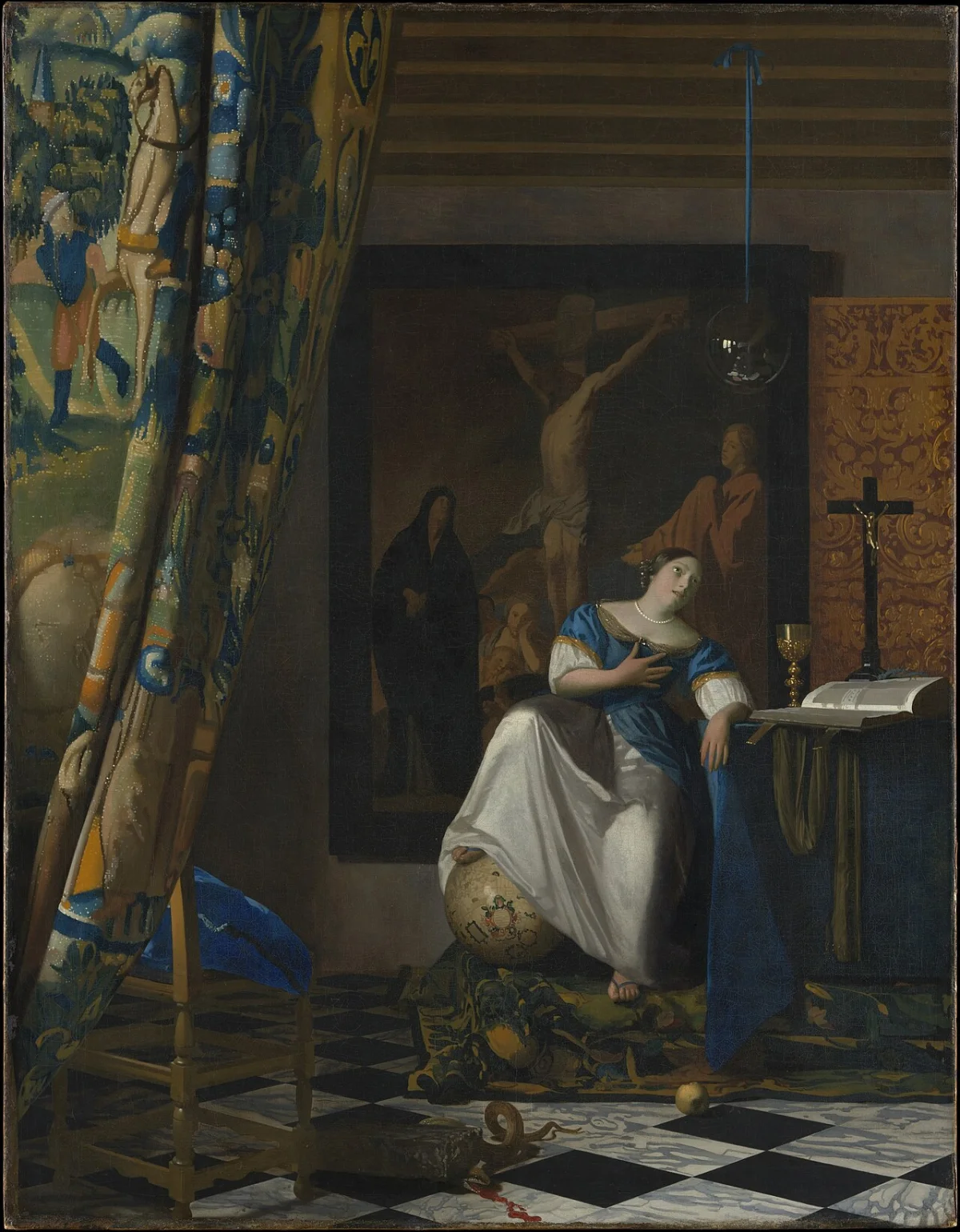
Within "The Astronomer," Vermeer weaves a narrative rich with symbolism, reflecting the thirst for knowledge during the Dutch Golden Age. The celestial globe and scattered papers in this fine art painting for sale hint at the era’s fascination with astronomy and discovery. Collectors interested in related products such as "Allegory of the Catholic Faith" or "The Astronomer c. 1668" will find similar layers of meaning and historical significance in these works.
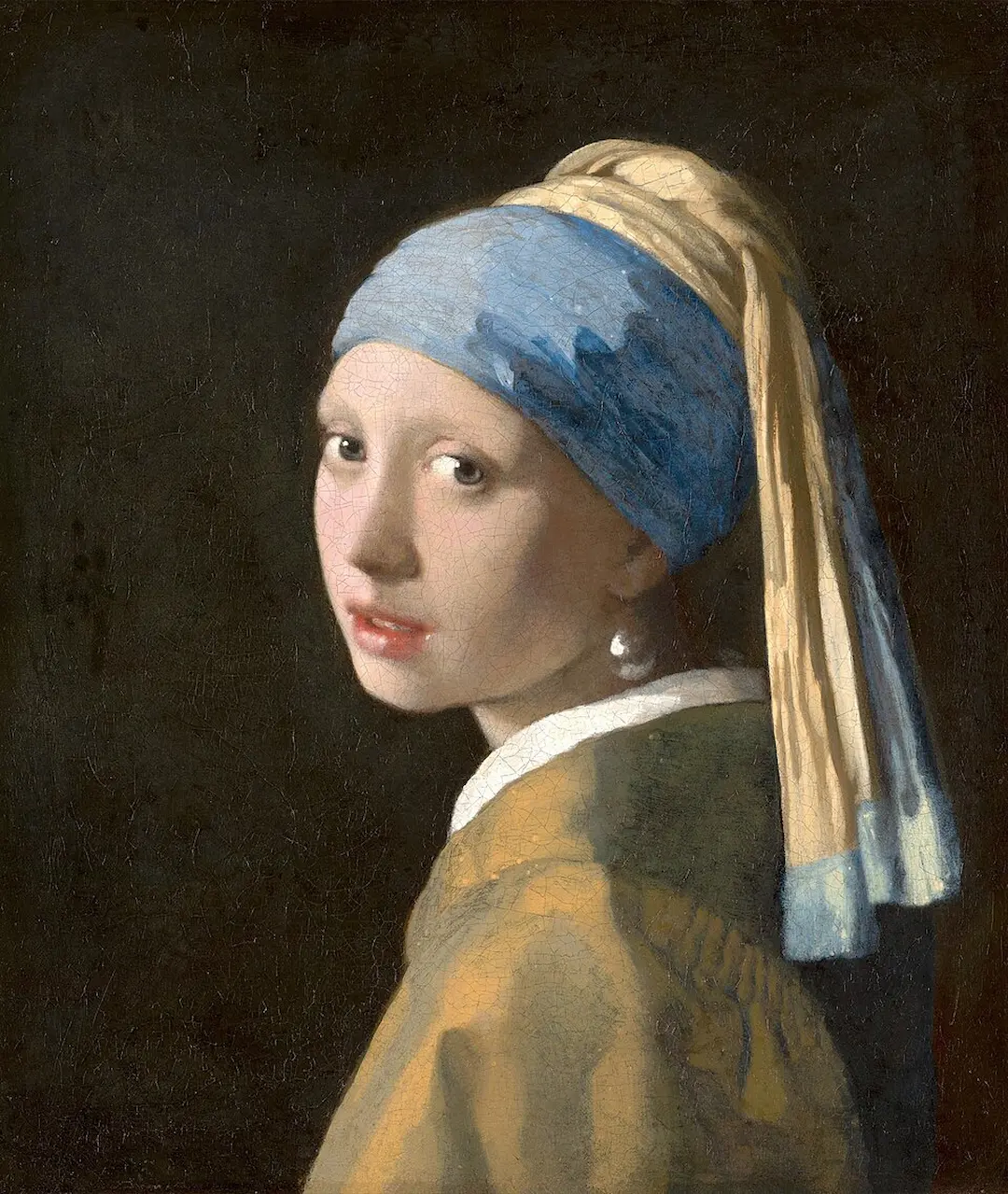
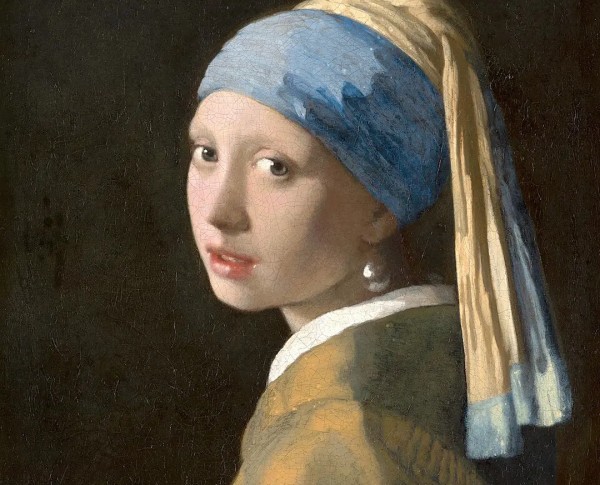
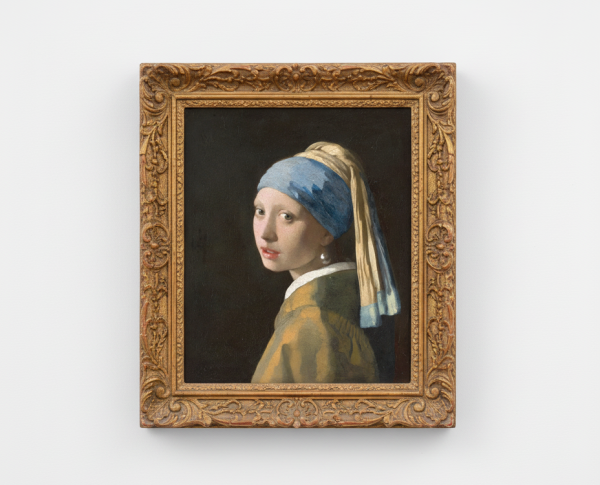
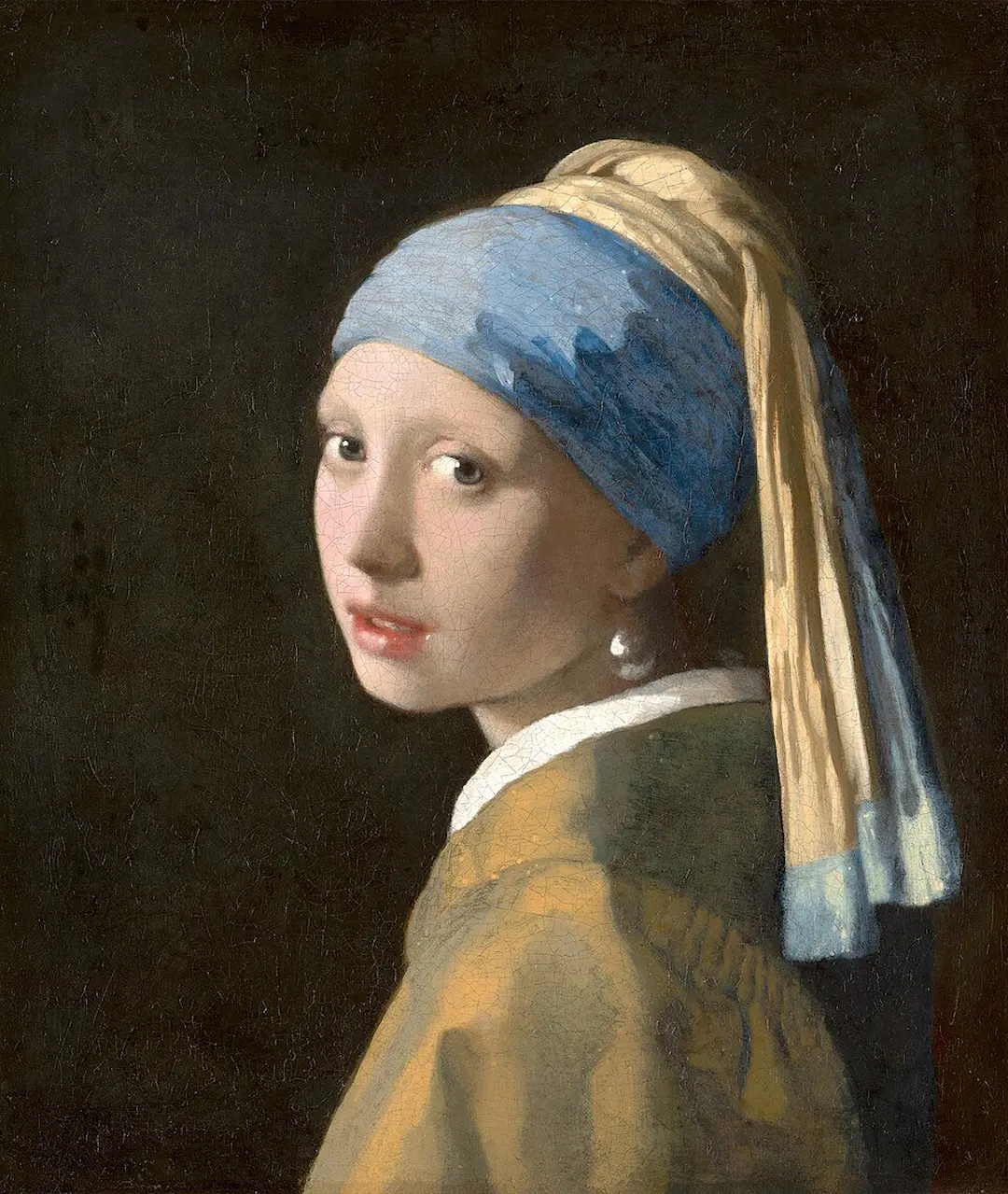
As a fine art painting for sale, "The Astronomer" exemplifies the timeless appeal of Jan Vermeer Van Delft’s oeuvre within the Dutch Golden Age movement. Its rarity and historical context make it highly desirable among collectors and art lovers. Complement your collection with related pieces like "The Geographer" or "Girl with a Pearl Earring c. 1665" to experience the full spectrum of Vermeer’s genius and the era’s artistic innovation.
When Art Meets History
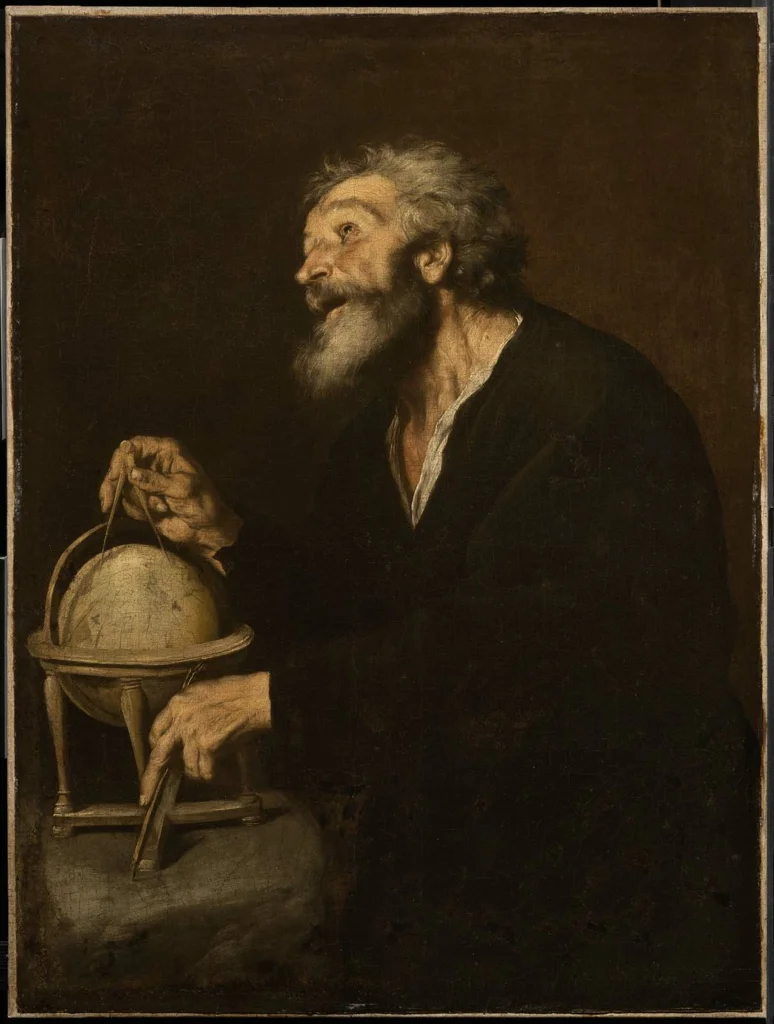
"The Astronomer" by Jan Vermeer Van Delft is a celebrated hand-painted oil painting from the Dutch Golden Age. Created in 1668, it reflects the era’s fascination with science and discovery. Vermeer, known for masterpieces like "Philosopher in Meditation 1632," skillfully blends art and intellect in this scene. The painting’s historical context, alongside iconic works such as "The Night Watch" and "Anatomy Lesson of Dr Tulp," showcases the brilliance of Dutch Golden Age artists.
Techniques That Speak
Vermeer’s mastery of oil on canvas is evident in "The Astronomer." His meticulous attention to light, texture, and perspective brings the subject to life, much like in "Christ In The Storm On The Sea Of Galilee." The play of sunlight and shadow, a hallmark of the Dutch Golden Age, enhances the realism and depth of the composition. Such techniques set this painting apart, making it a standout example among fine art painting for sale from this influential period.
Emotions on Display
"The Astronomer" captures a moment of deep concentration and curiosity, emotions often explored in Dutch Golden Age paintings. Vermeer Van Delft skillfully conveys the subject’s inner world, echoing the introspection seen in "Man in a Golden Helmet c. 1650." This hand-painted oil painting invites viewers to share in the wonder of discovery, highlighting the artist’s ability to evoke powerful feelings through subtle gestures and expressions, a signature of his enduring legacy.
Coveted by Collectors
As a remarkable oil on canvas by Jan Vermeer Van Delft, "The Astronomer" remains highly sought after by collectors and museums worldwide. Its place alongside masterpieces like "Anatomy Lesson of Dr Tulp" and "The Night Watch" underscores its value within the Dutch Golden Age movement. Whether as a museum highlight or a fine art painting for sale, its historical significance and exquisite craftsmanship continue to captivate art enthusiasts and collectors alike.
Related Dutch Golden Age Hand-Painted Oil Paintings by Other Artists
Other Famous Dutch Golden Age Artists:
Frequently Asked Questions About The Astronomer
Who is the artist of The Astronomer?
The Astronomer was painted by the renowned Dutch artist Jan Vermeer Van Delft, known for his masterful use of light and color.
What year was The Astronomer created?
The Astronomer was created in 1668, during the Dutch Golden Age, a period marked by great achievements in art and science.
What are the main themes depicted in The Astronomer?
The painting explores themes of knowledge, discovery, and the pursuit of truth, reflecting the intellectual spirit of the 17th century.
What is the significance of the astronomical instruments in the painting?
The astronomical instruments symbolize the quest for knowledge and the importance of science during Vermeer’s time, highlighting the intersection of art and science.
How does Vermeer use light in The Astronomer?
Vermeer masterfully employs light to create a sense of depth and realism, illuminating the figure and the objects around him, which enhances the contemplative mood of the scene.
What is the significance of the figure's posture in The Astronomer?
The figure’s focused posture suggests deep contemplation and engagement with the celestial knowledge, emphasizing the importance of intellectual pursuit.
Are there any symbolic elements in The Astronomer?
Yes, the globe and the open book represent the vastness of knowledge and the importance of education, symbolizing the Enlightenment ideals of the time.
What does the color palette in The Astronomer convey?
The color palette, dominated by rich blues and warm earth tones, creates a harmonious atmosphere that reflects both the serenity and intensity of intellectual exploration.
How does The Astronomer reflect the cultural context of the 17th century?
The Astronomer reflects the cultural context of the 17th century by showcasing the era's fascination with science, exploration, and the pursuit of knowledge, which were pivotal during the Dutch Golden Age.
What influence did The Astronomer have on later artists?
The Astronomer influenced later artists by demonstrating the integration of scientific themes into visual art, inspiring future generations to explore similar subjects in their works.























_GFM_Painting_(1).webp)


 100% Hand-Painted: Finished in 3-6 Weeks

.png)















_(1).webp)