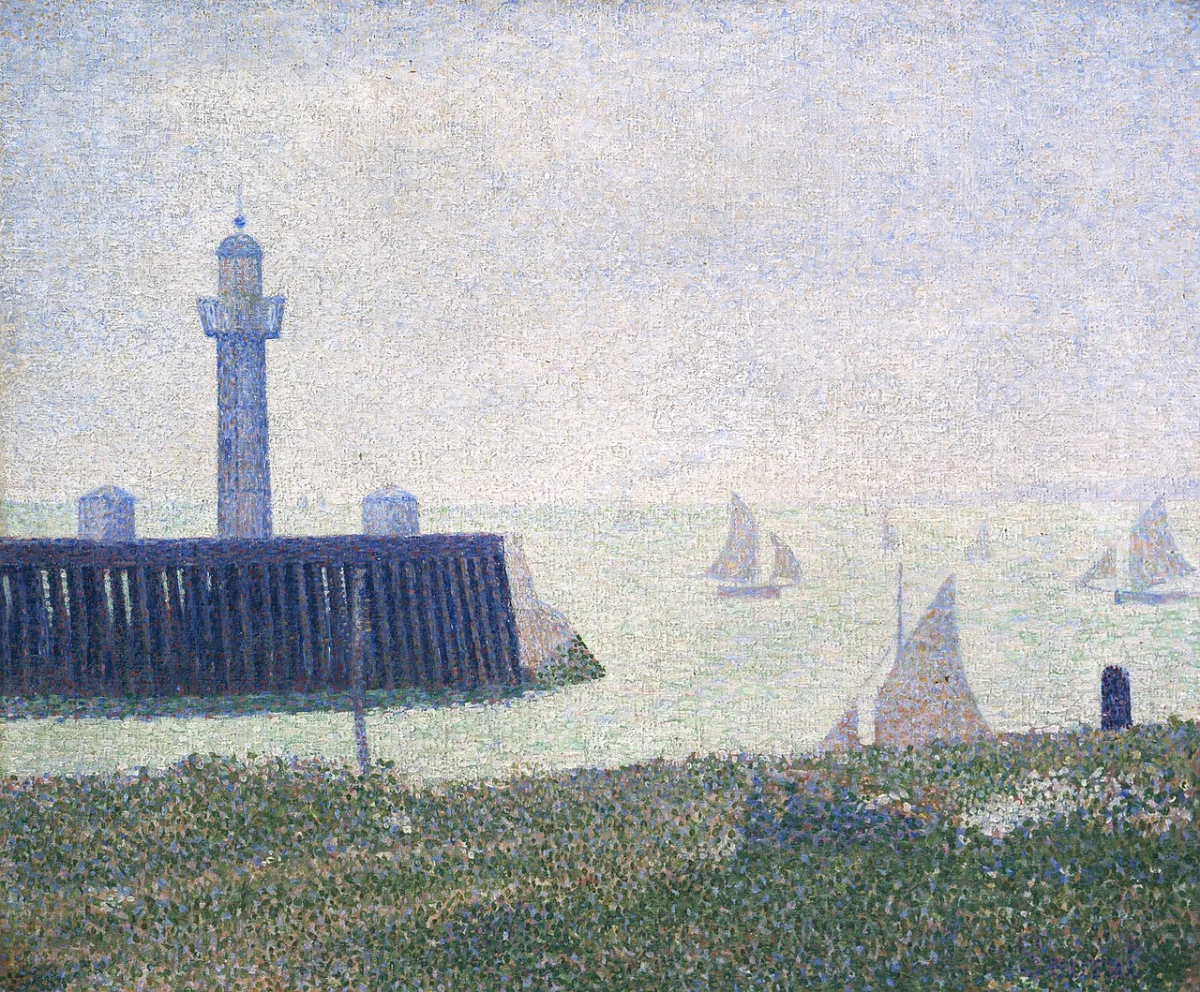
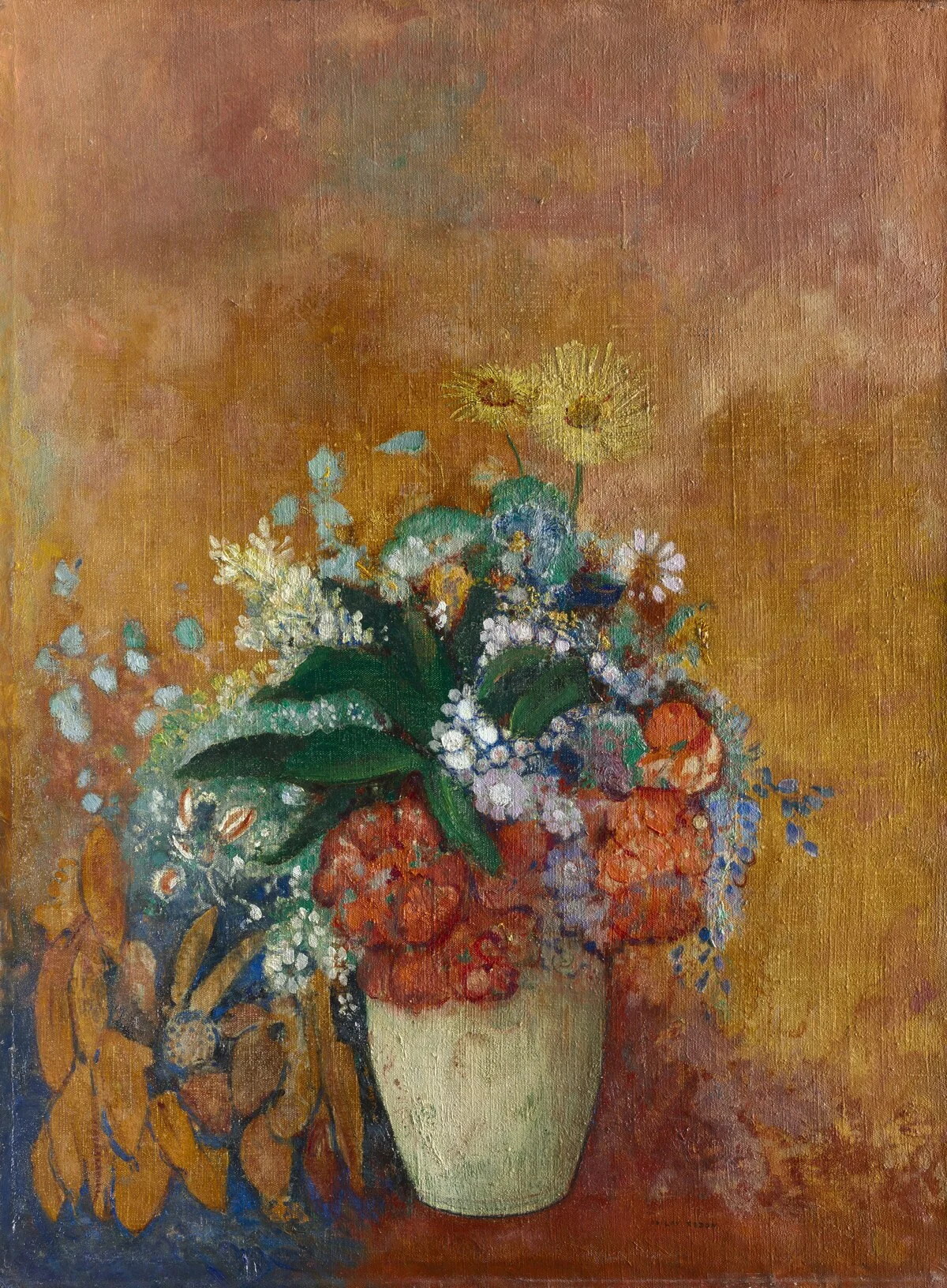
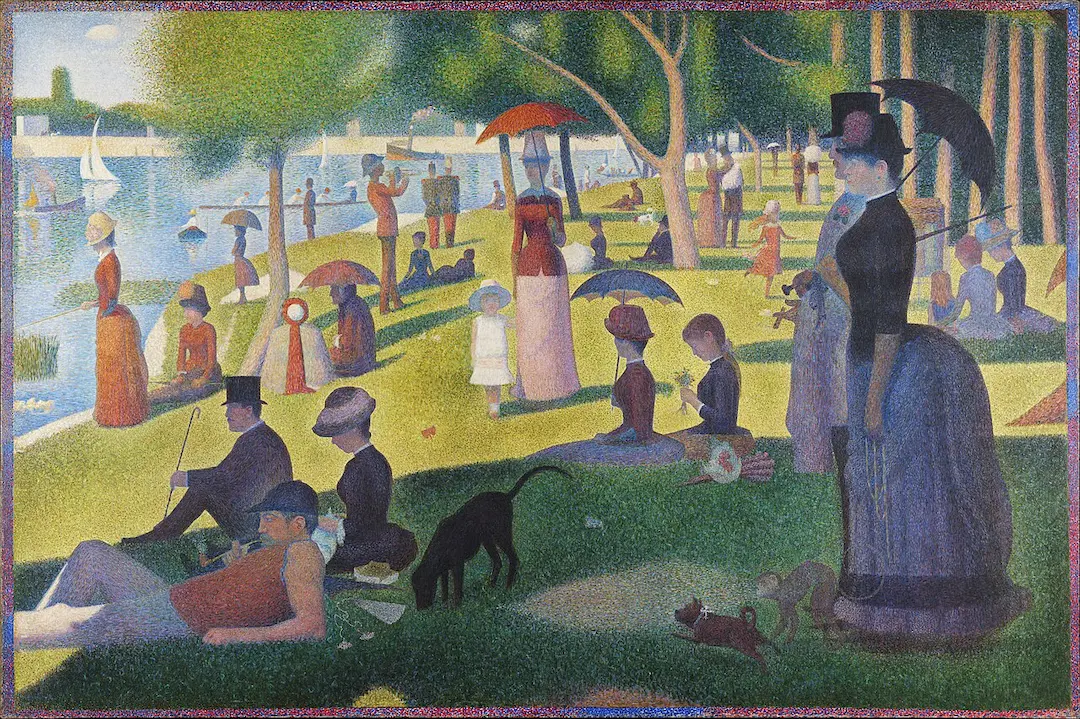
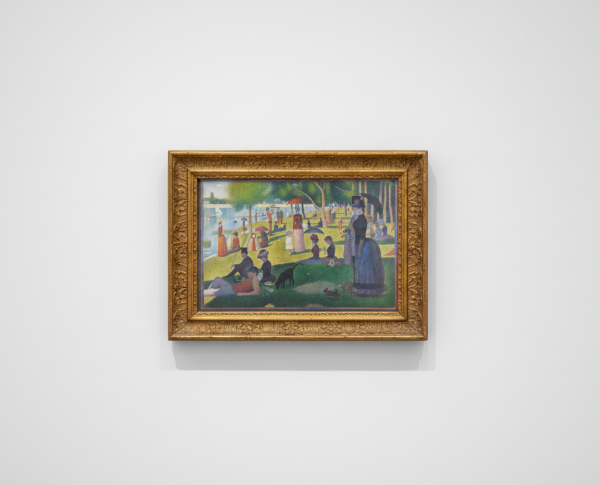
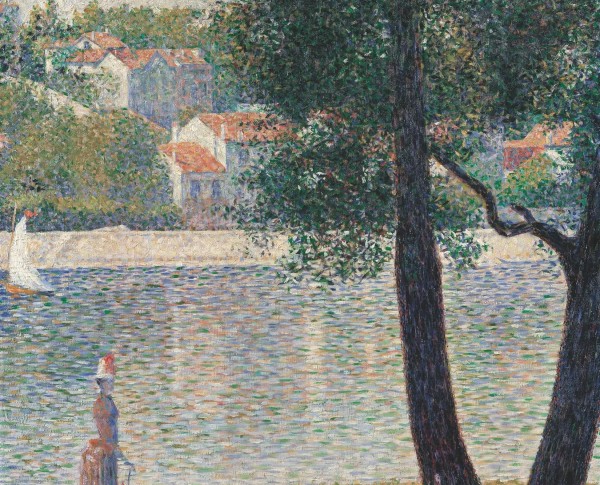
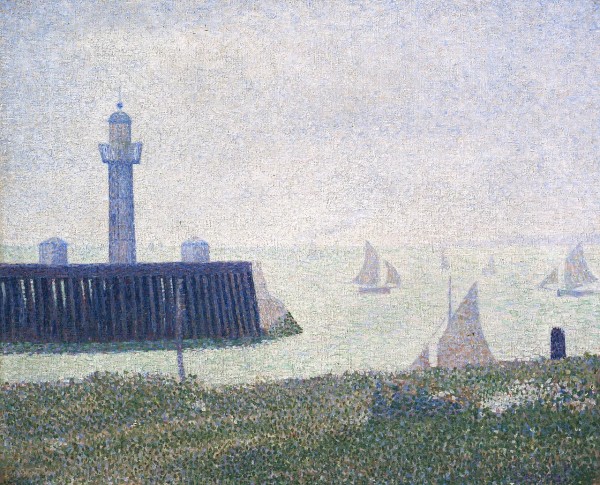
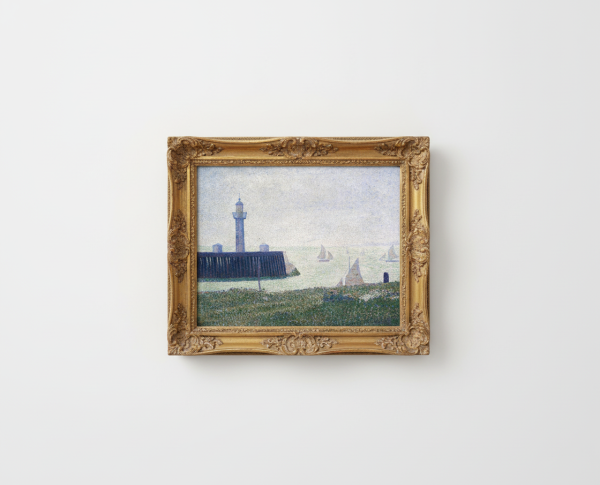
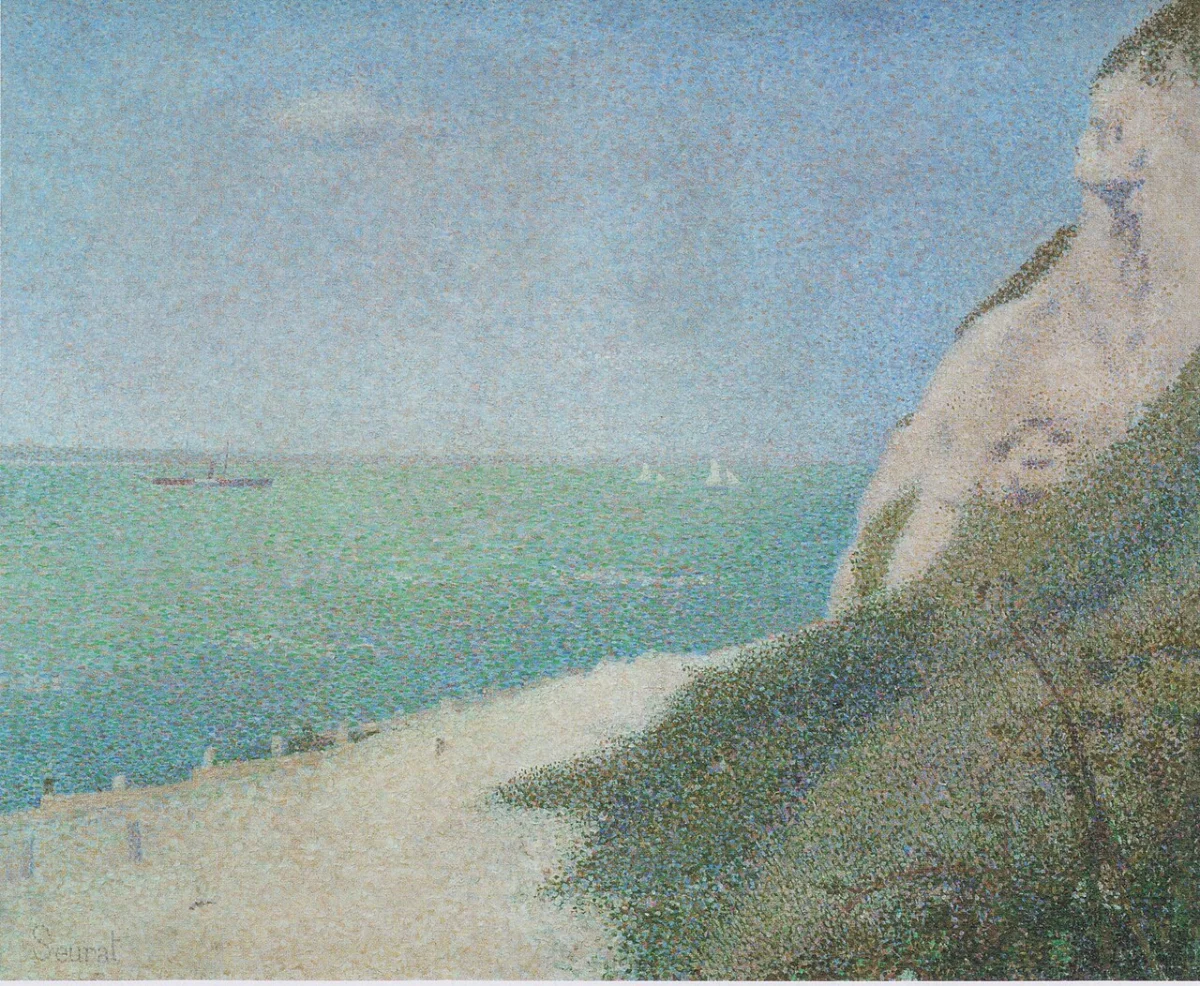
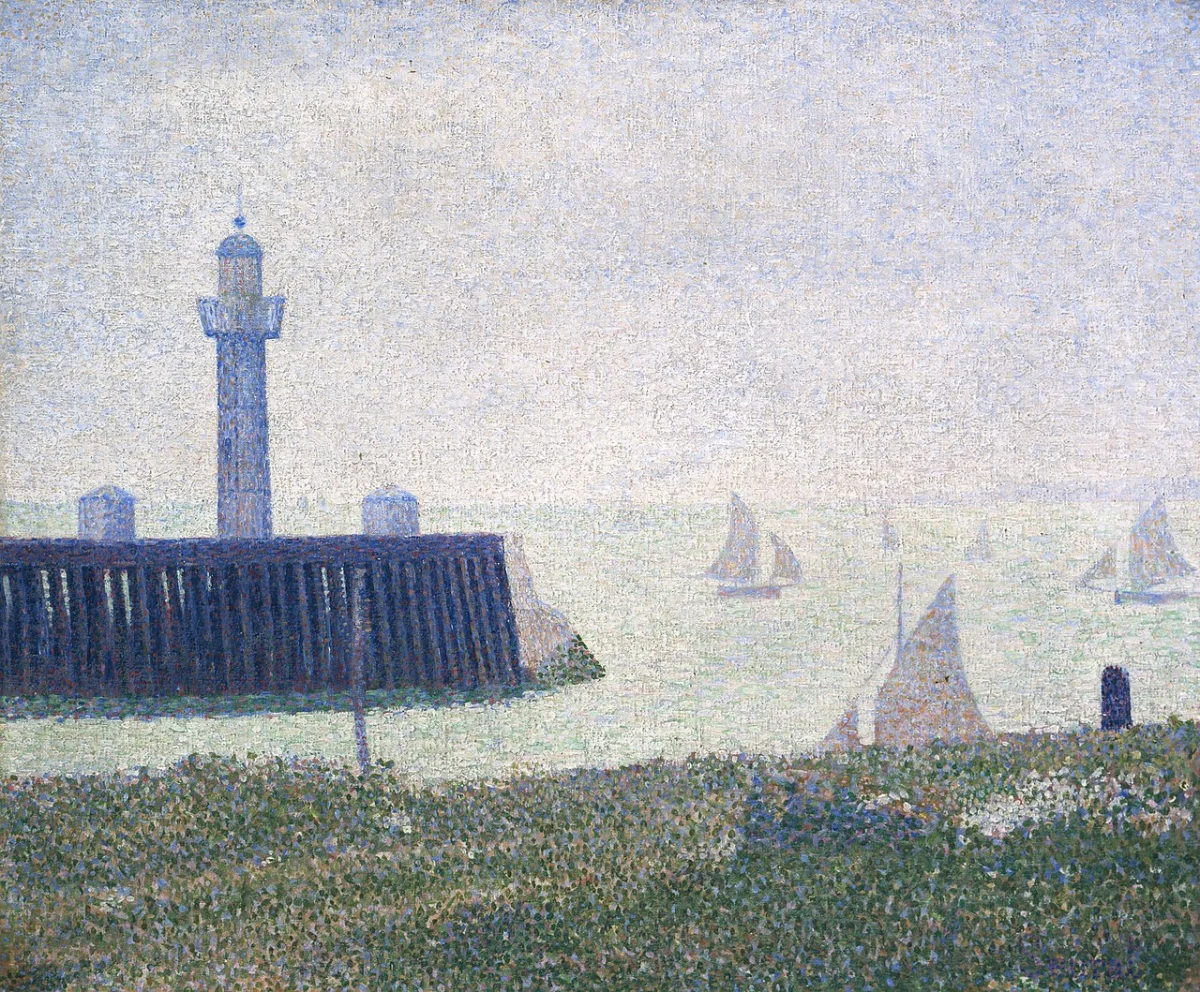
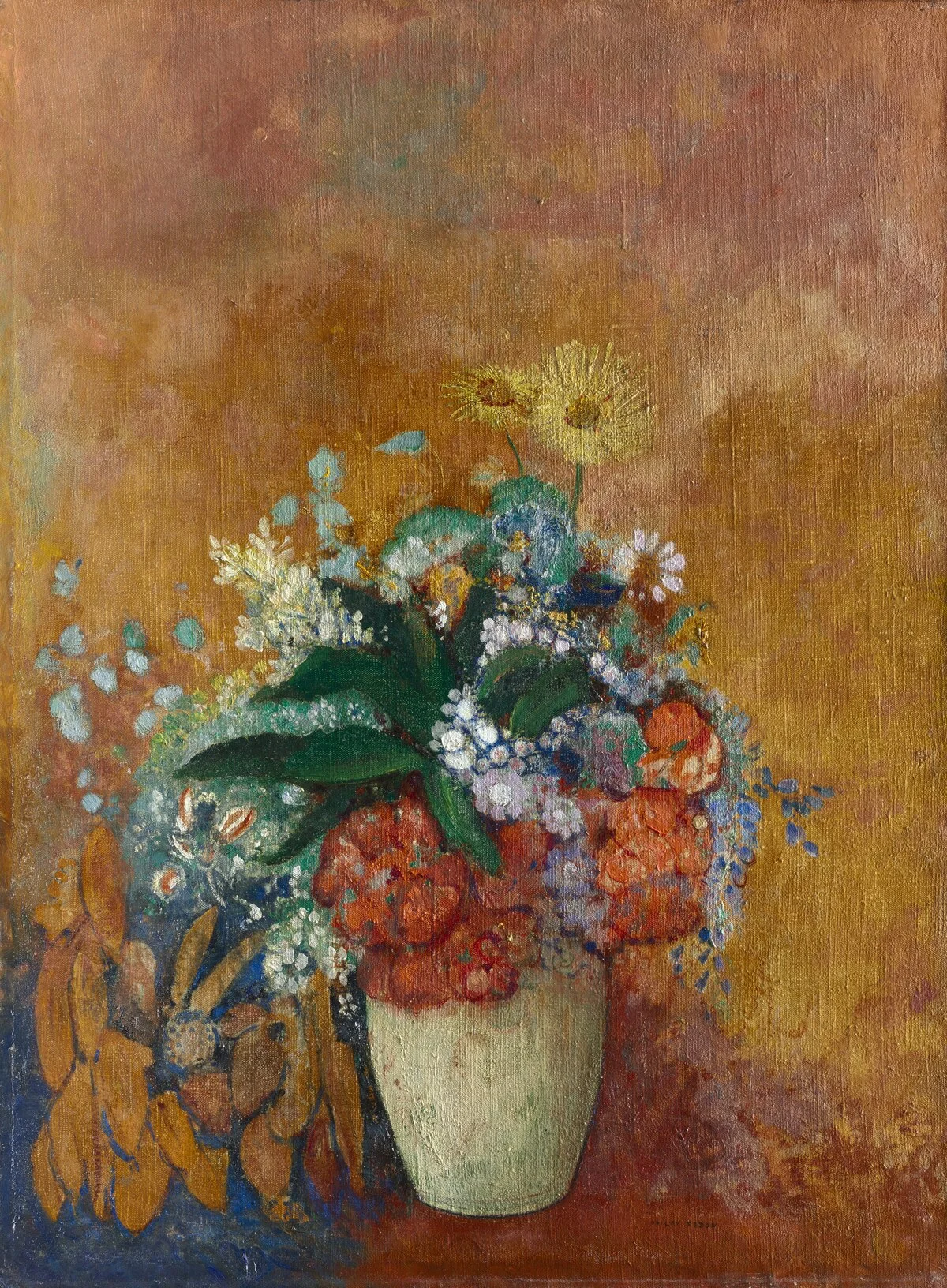
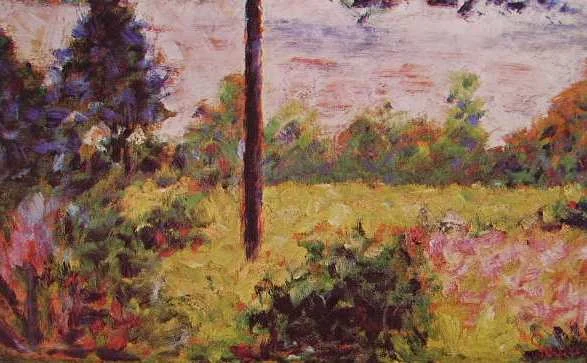
Georges Seurat’s "The beach Le Bas Butin, Honfleur" exemplifies his mastery of oil on canvas, blending meticulous technique with vibrant color. The Post-Impressionist approach is evident in every brushstroke, revealing Seurat’s dedication to detail and composition. Collectors seeking similar works may explore masterpieces like "End of the pier, Honfleur," "The Eiffel Tower," and "Vase of Flowers," each highlighting Seurat’s passion for transforming ordinary scenes into extraordinary visions.
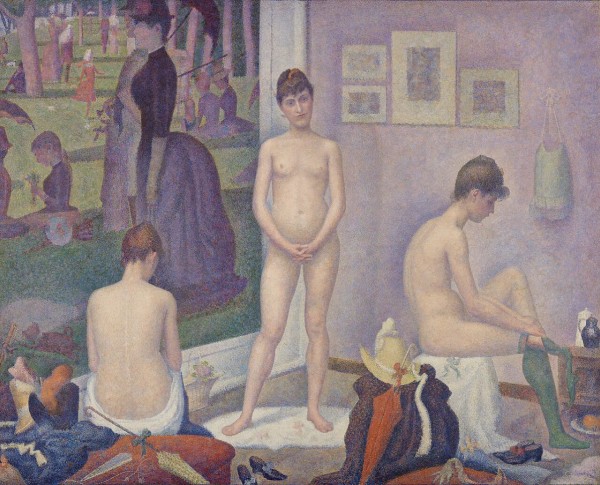
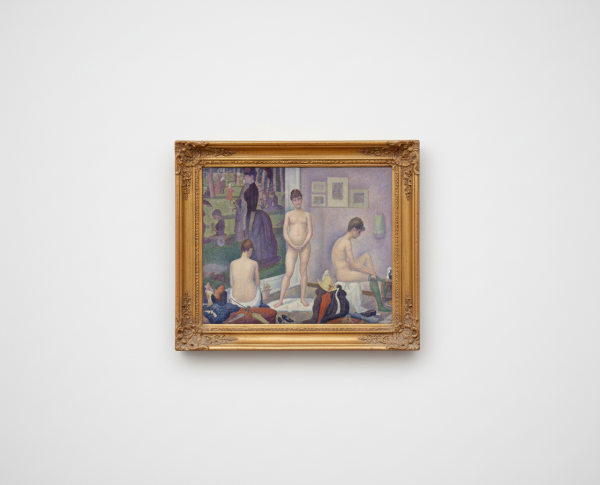
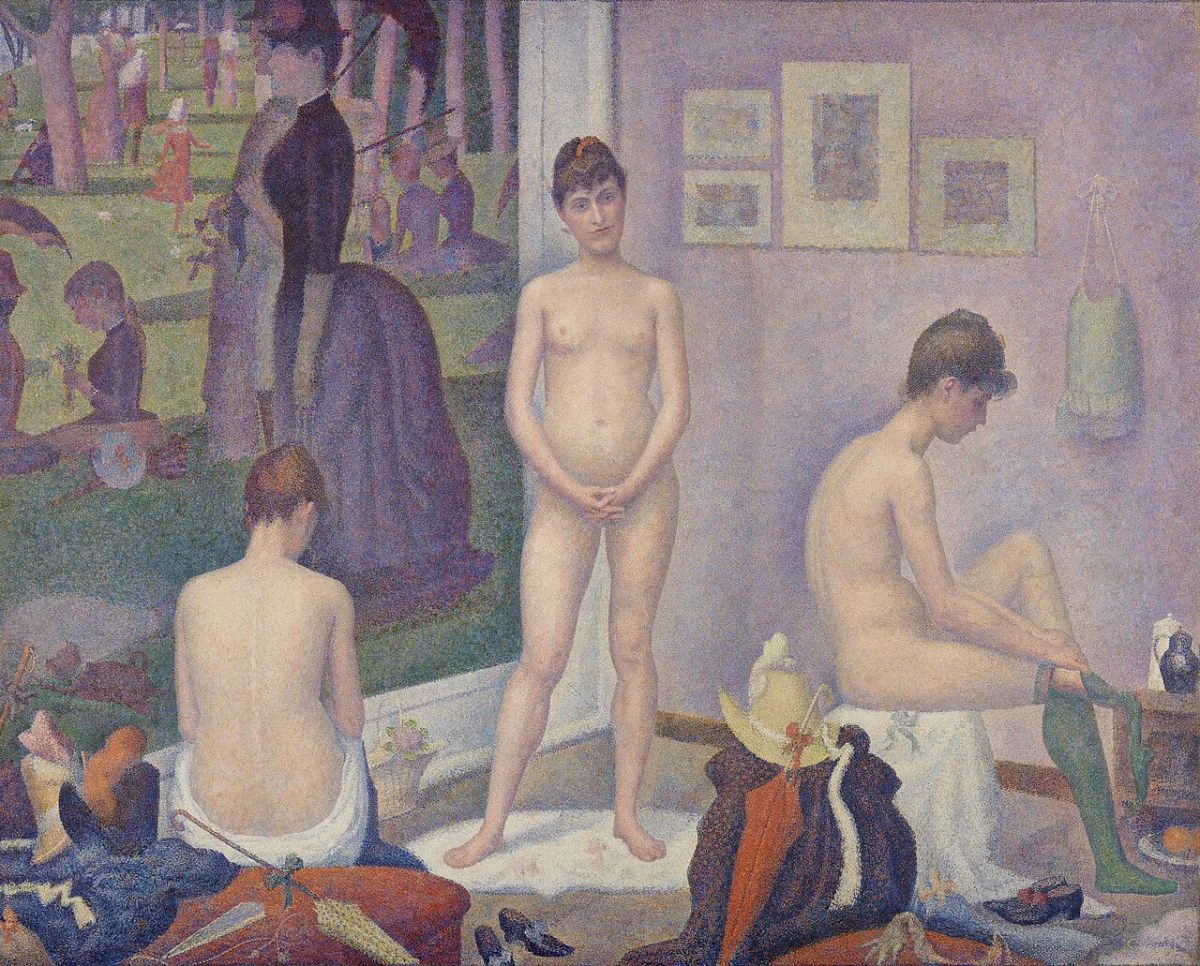
Every element within "The beach Le Bas Butin, Honfleur" speaks to Seurat’s talent for embedding narratives and subtle symbolism. As a fine art painting for sale, it invites viewers to interpret the calm waters, serene skies, and drifting boats. Seurat’s Post-Impressionist vision breathes life into the canvas, much like his other works, including "The Models" and "The Circus Parade," which are also celebrated for their rich storytelling and symbolic depth.
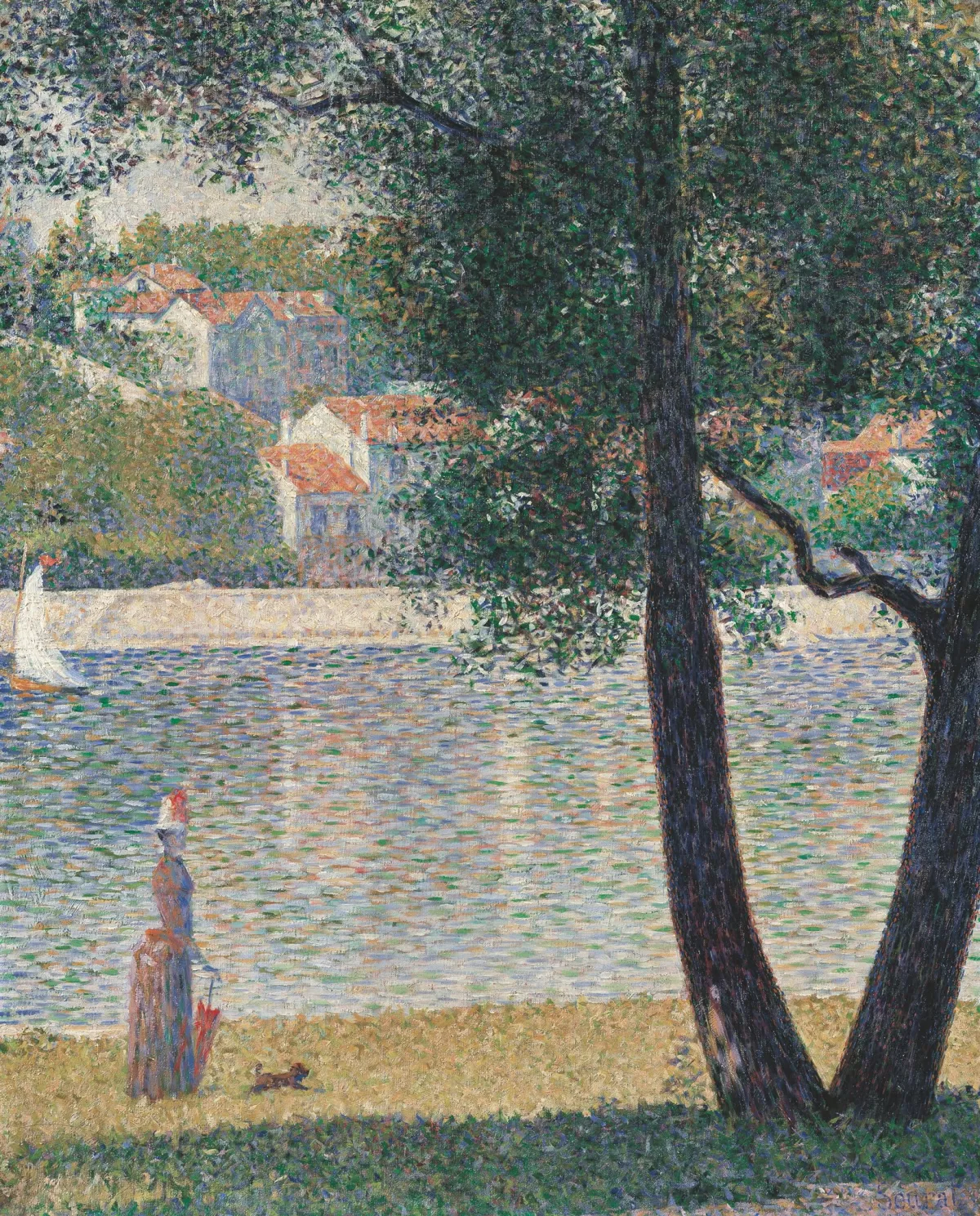
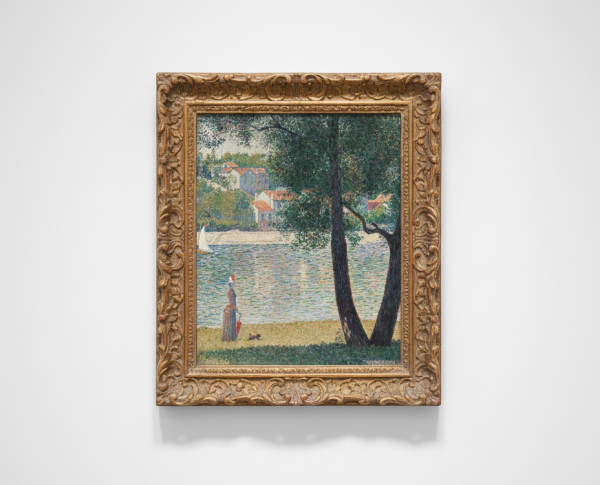
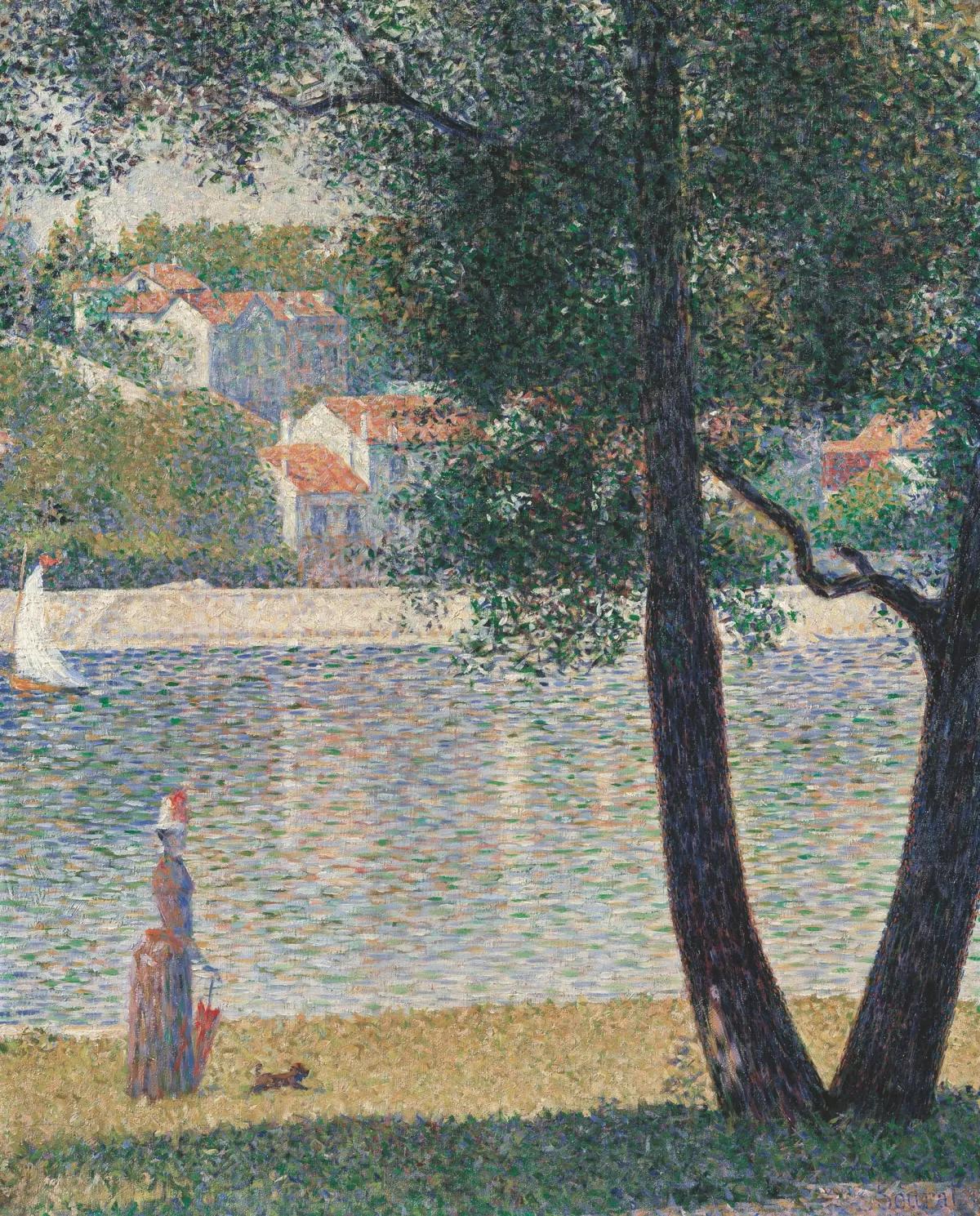
Owning "The beach Le Bas Butin, Honfleur" by Georges Seurat means acquiring a piece of Post-Impressionist history. This hand-painted oil painting enhances any collection as a timeless treasure. Collectors are often drawn to related products such as "The Seine at Courbevoie," "End of the pier, Honfleur," and "Vase of Flowers," appreciating the enduring value and beauty each Seurat masterpiece brings to the world of fine art.
When Art Meets History
Georges Seurat’s "The beach Le Bas Butin, Honfleur" stands as a testament to the Post-Impressionism movement, blending innovation and tradition. Painted during a period of artistic evolution, this hand-painted oil painting captures the tranquil French coastline with meticulous detail. Seurat’s work sits alongside related paintings such as "Wheat Field Under Clouded Sky" and "Austin Friars Church, London," each reflecting the era’s fascination with light and landscape, making this piece a significant chapter in art history.
Techniques That Speak
Utilizing his signature pointillist technique, Seurat's "The beach Le Bas Butin, Honfleur" exemplifies the mastery of oil on canvas. Tiny dots of color merge visually, creating vibrant scenes that shimmer with life. This approach, also evident in related works like "The 'Laakmolen' near The Hague," demonstrates the Post-Impressionists’ desire to push boundaries. The careful application of oil on canvas in this painting highlights Seurat’s commitment to innovation and his influence on generations of artists.
Emotions on Display
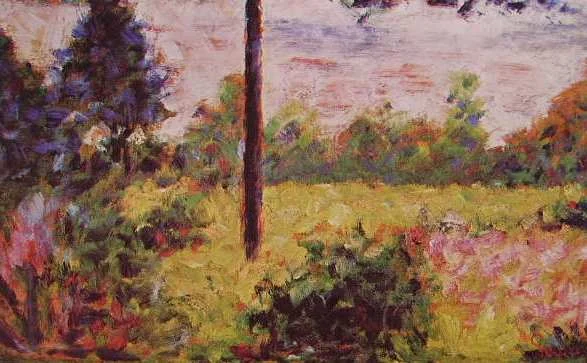
In "The beach Le Bas Butin, Honfleur," Seurat conveys a serene and contemplative mood, inviting viewers to immerse themselves in the gentle rhythm of coastal life. The painting’s harmonious color palette and subtle composition evoke feelings of calm and nostalgia. Like "From Shade to Sunshine" and "Landscape with Poplars," this fine art painting for sale captures fleeting moments and the emotional resonance of nature, making it a cherished piece for admirers of Post-Impressionism.
Coveted by Collectors
Seurat’s "The beach Le Bas Butin, Honfleur" remains highly sought-after by art connoisseurs, reflecting the enduring appeal of Post-Impressionism. Collectors are drawn to the unique vision and technical brilliance found in this hand-painted oil painting, as well as in related masterpieces. Whether displayed alongside works like "Wheat Field Under Clouded Sky" or treasured individually, this painting continues to captivate those searching for an exceptional fine art painting for sale.
Related Post-Impressionism Hand-Painted Oil Paintings by Other Artists
Other Famous Post-Impressionism Artists:
Frequently Asked Questions About The beach Le Bas Butin, Honfleur
What is the historical context of "The beach Le Bas Butin, Honfleur"?
"The beach Le Bas Butin, Honfleur" was painted by Georges Seurat in 1886, during a period of artistic experimentation in France that included the rise of Impressionism and the development of Pointillism, a technique Seurat is renowned for.
What artistic techniques did Seurat employ in this painting?
Seurat utilized Pointillism, a technique that involves applying small dots of color to create a cohesive image. This method allows for optical blending, where the viewer's eye mixes the colors from a distance.
What themes are explored in "The beach Le Bas Butin, Honfleur"?
The painting explores themes of leisure and the beauty of nature, capturing a serene moment on the beach that reflects the social activities of the time, particularly among the bourgeoisie.
How does "The beach Le Bas Butin, Honfleur" reflect the Impressionist movement?
While Seurat's technique is distinct, the painting shares the Impressionist focus on light, color, and everyday life. It captures a fleeting moment in time, emphasizing the effects of sunlight on the landscape and figures.
What is the significance of the location depicted in the painting?
Honfleur, a picturesque port town in Normandy, was a popular destination for artists and vacationers in the late 19th century. The beach setting reflects the growing interest in leisure activities and the natural beauty of the French coastline.
What influences can be seen in Seurat's work in this painting?
Seurat was influenced by the works of earlier artists such as Delacroix and the Impressionists, as well as contemporary scientific theories on color and perception, which he incorporated into his unique style.
How does the composition of the painting contribute to its overall impact?
The composition features a balanced arrangement of figures and landscape, guiding the viewer's eye across the canvas. The use of diagonal lines and the placement of the horizon enhance the sense of depth and perspective.
What symbolic meanings can be derived from the figures in the painting?
The figures in "The beach Le Bas Butin, Honfleur" symbolize leisure and the joys of summer. Their relaxed postures and interactions convey a sense of community and enjoyment, reflecting the social dynamics of the time.
How does this painting fit into Seurat's overall body of work?
This painting is a significant example of Seurat's exploration of color theory and technique. It represents his transition into more complex compositions and themes, paving the way for his later masterpieces.
What is the legacy of "The beach Le Bas Butin, Honfleur" in the art world?
The painting is considered a pivotal work in the development of modern art, influencing subsequent generations of artists who explored color, light, and the representation of everyday life through innovative techniques.























_GFM_Painting_(1).webp)


 100% Hand-Painted: Finished in 3-6 Weeks

.png)















_(1).webp)