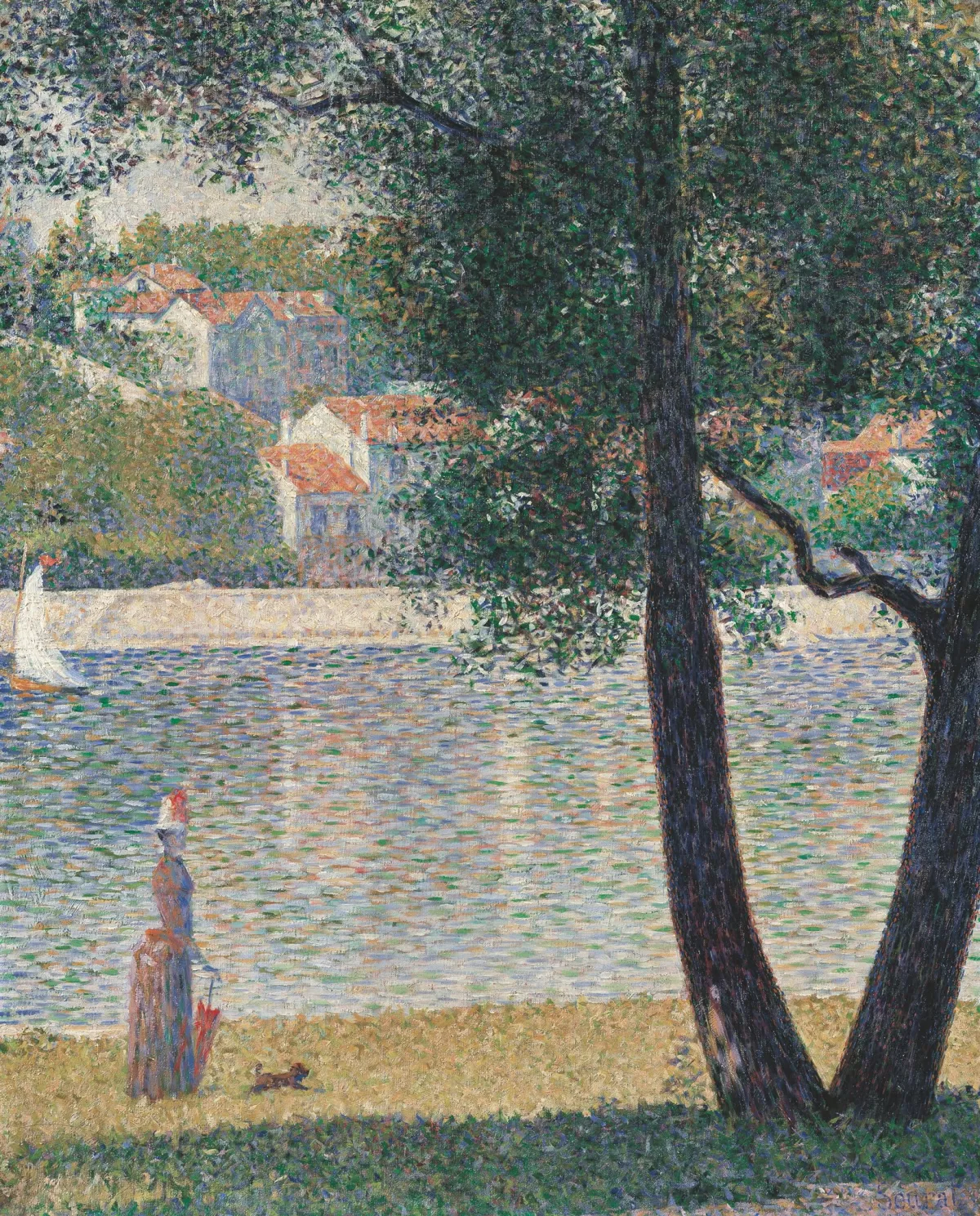
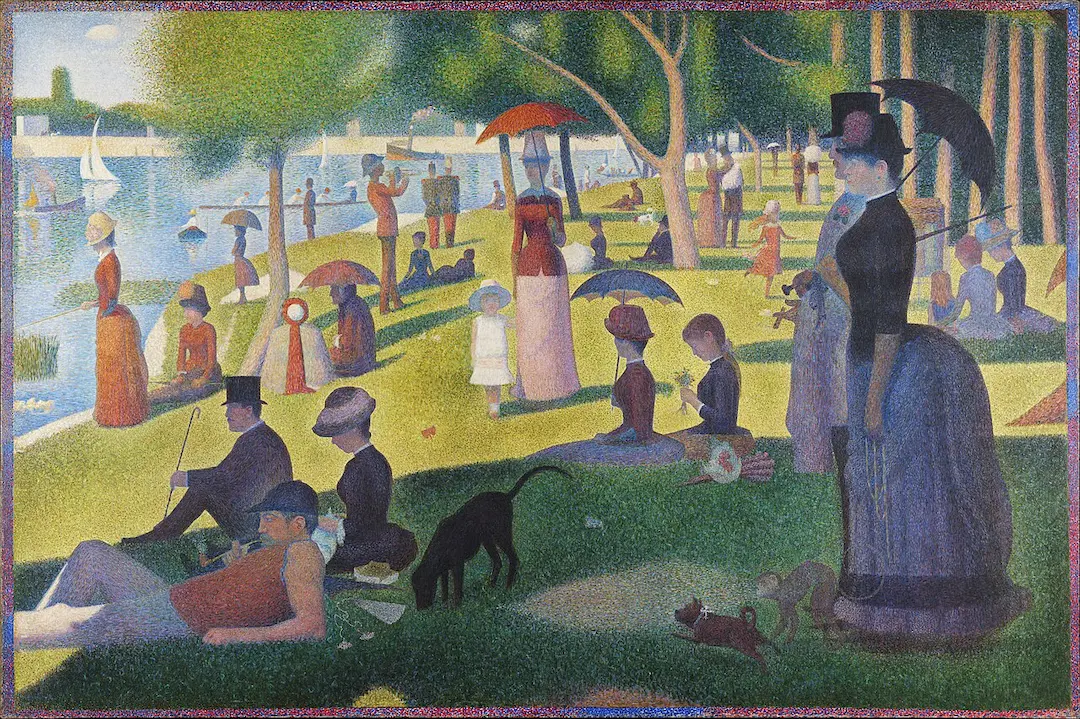
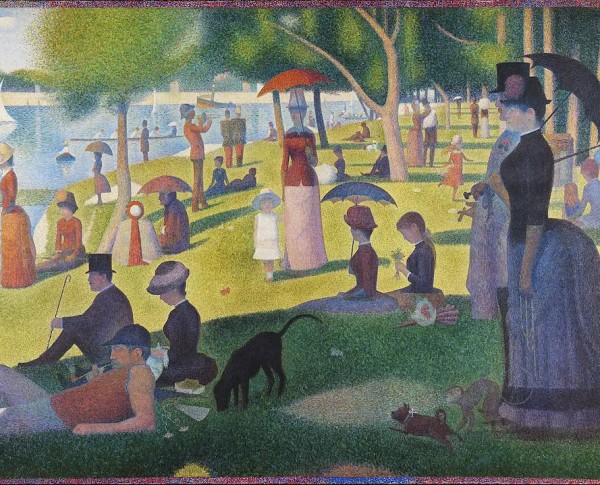
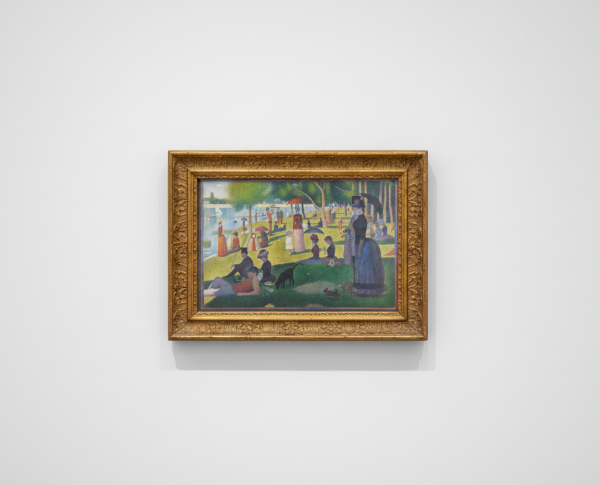
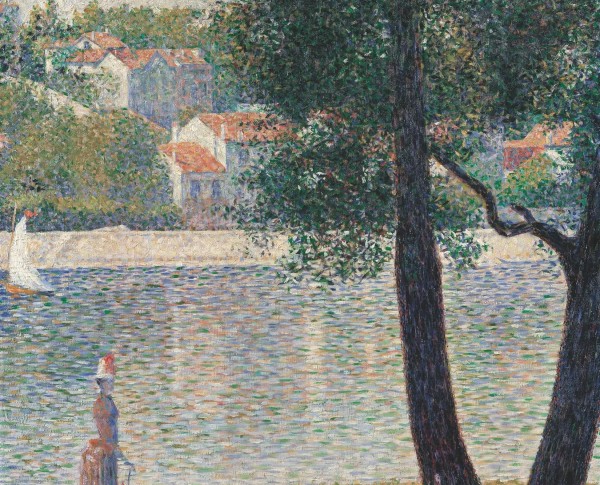
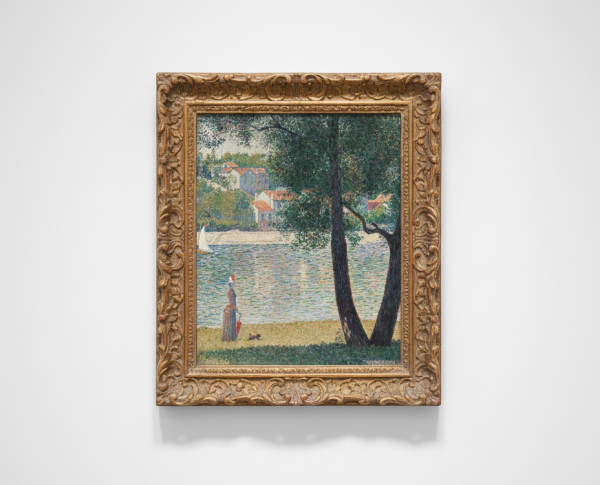
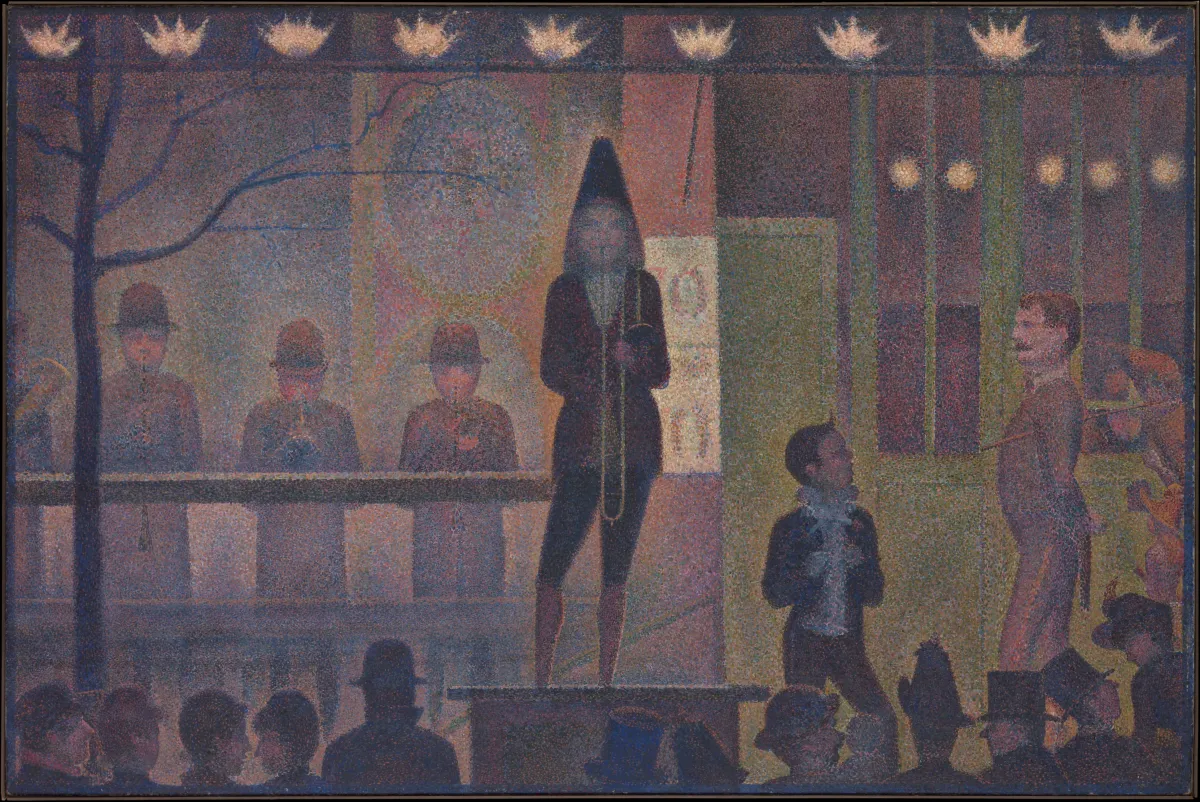
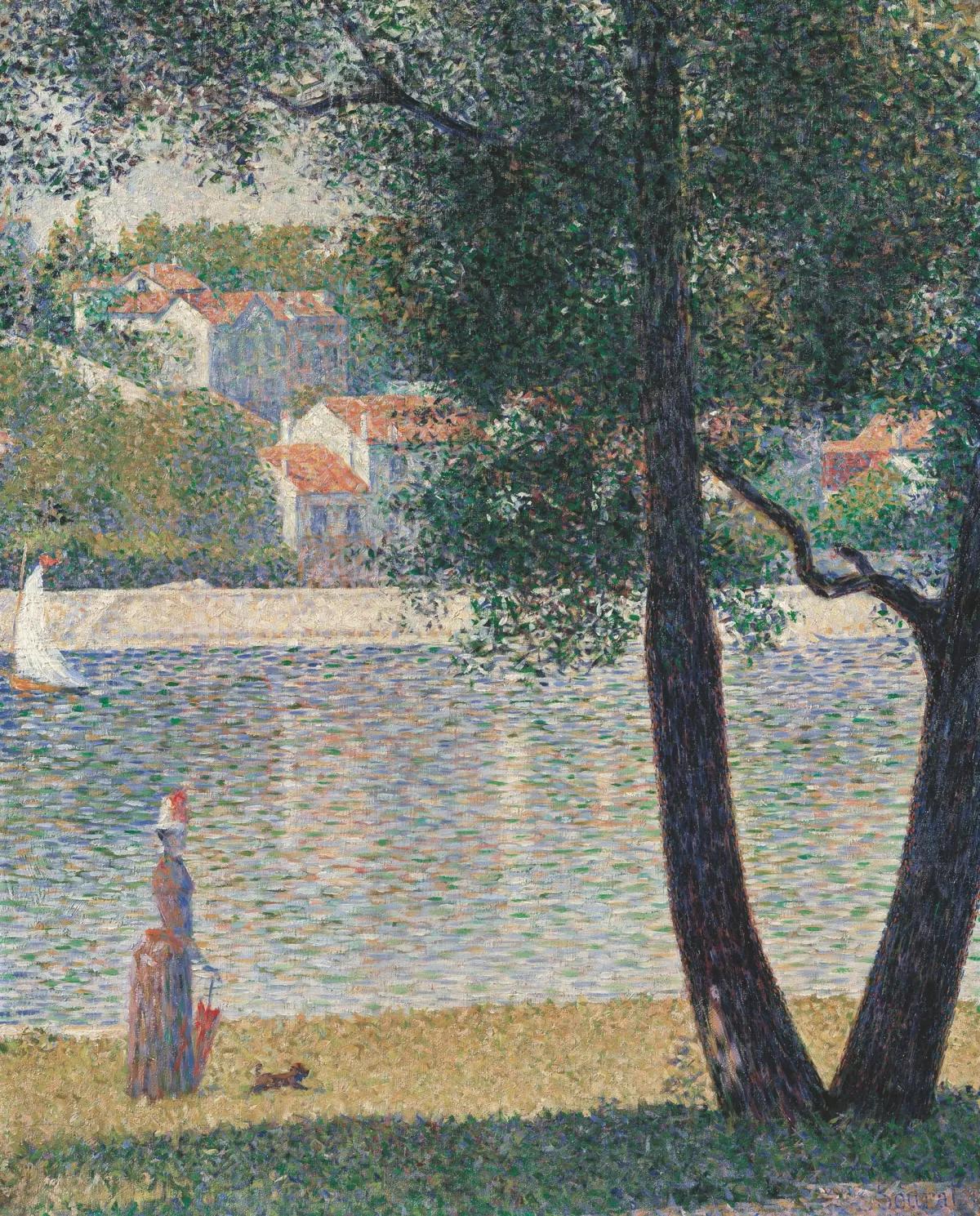
Georges Seurat’s technique in "The Circus Parade" exemplifies his mastery of oil on canvas. Each meticulous brushstroke demonstrates his innovative approach to color and light, characteristic of the Post-Impressionism movement. The painting’s lively scene and intricate detail reveal Seurat’s deep understanding of human expression. Art enthusiasts searching for oil on canvas works will appreciate related pieces like "The Seine at Courbevoie" and "Winter," both showcasing Seurat’s refined artistry.
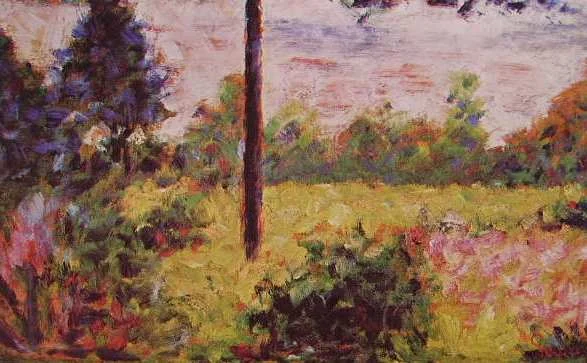
Within "The Circus Parade," Seurat weaves a tapestry of stories and symbols, reflecting the social dynamics of his era. The performers, animals, and audience form a microcosm of society, rendered in Seurat’s signature style. This fine art painting for sale is more than a visual delight; it invites contemplation of life’s spectacle. Collectors drawn to symbolic works may also enjoy "Fields with trees in Barbizon" and "The Stone Breaker III," both echoing Seurat’s narrative depth.
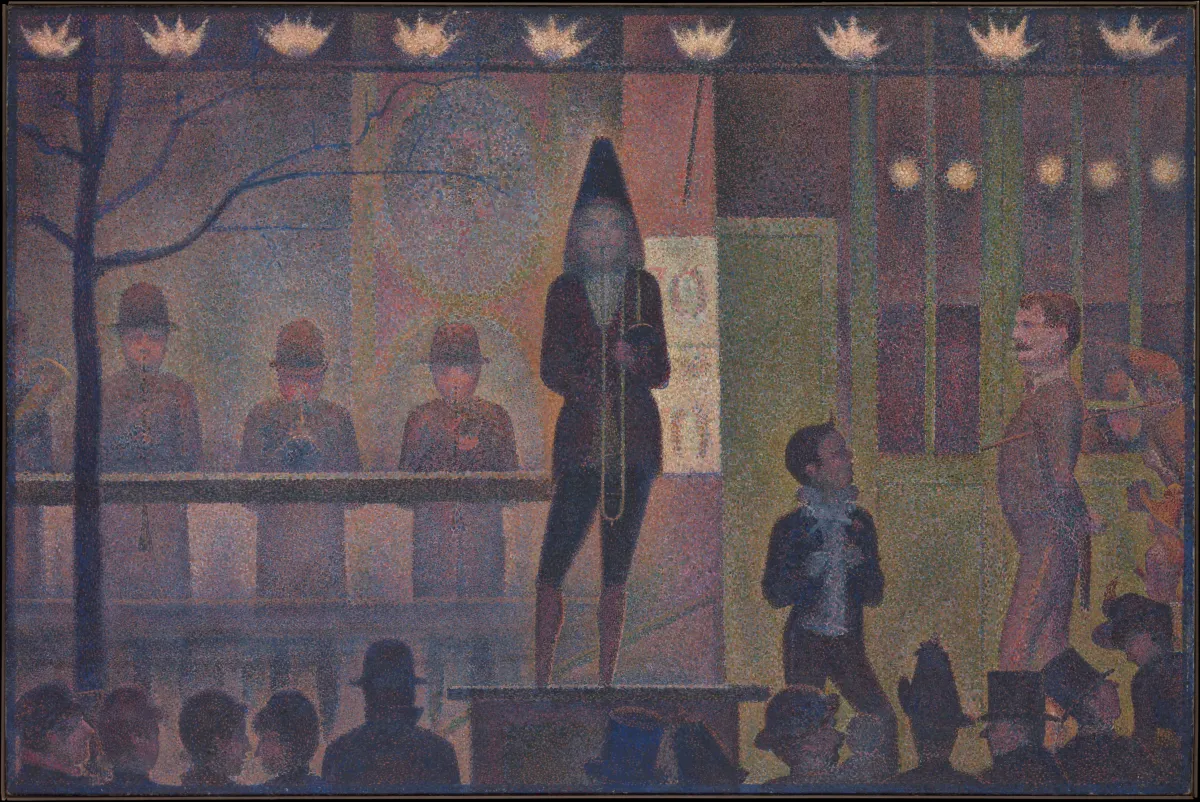
Owning "The Circus Parade" by Georges Seurat means possessing a piece of Post-Impressionism history. This hand-painted oil painting is a prized addition for any serious collector, offering both aesthetic beauty and historical significance. Seurat’s works, including "The Eiffel Tower" and other masterpieces, are highly sought after in the market for fine art painting for sale. Displaying such an artwork elevates any collection, bridging past innovation with timeless appeal.
When Art Meets History
Georges Seurat’s "The Circus Parade" emerges from the vibrant Post-Impressionism movement, capturing a lively scene that echoes the energy of late 19th-century Paris. This hand-painted oil painting not only celebrates the spectacle of the circus but also reflects the era’s fascination with modern life. Seurat’s innovative approach, seen in works like "Peach Trees in Blossom" and "Vase With Twelve Sunflowers II," continues to influence the world of fine art to this day.
Techniques That Speak
Employing his signature pointillist technique, Georges Seurat created "The Circus Parade" with meticulous dots of color, exemplifying the Post-Impressionism movement’s dedication to new artistic methods. The oil on canvas medium enhances the vibrancy and texture, making each figure and detail come alive. Seurat’s technique, also seen in "Cail Factories and Quai of Grenelle," invites viewers to experience the scene from both up close and afar, revealing the magic of his artistic innovation.
Emotions on Display
"The Circus Parade" by Georges Seurat radiates joy and anticipation, capturing the excitement of a bustling street performance. This fine art painting for sale beautifully conveys the collective awe and delight of the crowd, a hallmark of the Post-Impressionism movement. Seurat’s unique style, reminiscent of "Alderman William Groom" and "Branches with Almond Blossom," infuses the canvas with emotion, inviting viewers to share in the exuberant spirit of the parade.
Coveted by Collectors
Seurat’s "The Circus Parade" remains a sought-after masterpiece among art enthusiasts and collectors worldwide. The hand-painted oil painting stands as a testament to the enduring appeal of Post-Impressionism, with its rich history and innovative technique. Collectors prize this work alongside related paintings such as "Vase With Twelve Sunflowers II" and "Peach Trees in Blossom," recognizing its significance and lasting impact in the realm of fine art.
Related Post-Impressionism Hand-Painted Oil Paintings by Other Artists
Other Famous Post-Impressionism Artists:
Frequently Asked Questions About The Circus Parade
What is the historical context of "The Circus Parade"?
"The Circus Parade," painted by Georges Seurat in 1887, reflects the vibrant cultural scene of late 19th-century Paris, where circuses were a popular form of entertainment, symbolizing the era's fascination with spectacle and performance.
What artistic techniques did Seurat employ in "The Circus Parade"?
Seurat utilized the technique of pointillism, which involves applying small dots of color to create a cohesive image. This method allows for a unique blending of colors when viewed from a distance, enhancing the painting's vibrancy and depth.
What themes are explored in "The Circus Parade"?
The painting explores themes of joy, community, and the transient nature of entertainment. It captures the lively atmosphere of a circus parade, inviting viewers to reflect on the interplay between art and leisure in society.
How does "The Circus Parade" reflect Seurat's artistic philosophy?
Seurat's philosophy centered on the scientific study of color and light. "The Circus Parade" exemplifies his belief in the emotional power of color juxtaposition and the importance of composition in evoking viewer responses.
What is the significance of the composition in "The Circus Parade"?
The composition is meticulously arranged, with figures and animals strategically placed to create a sense of movement and rhythm. This organization reflects Seurat's interest in harmony and balance, drawing the viewer's eye across the canvas.
What role does color play in "The Circus Parade"?
Color plays a pivotal role in "The Circus Parade," as Seurat employs a vibrant palette to evoke emotions and convey the festive atmosphere of the circus. The use of complementary colors enhances visual impact and depth.
How does "The Circus Parade" compare to other works by Seurat?
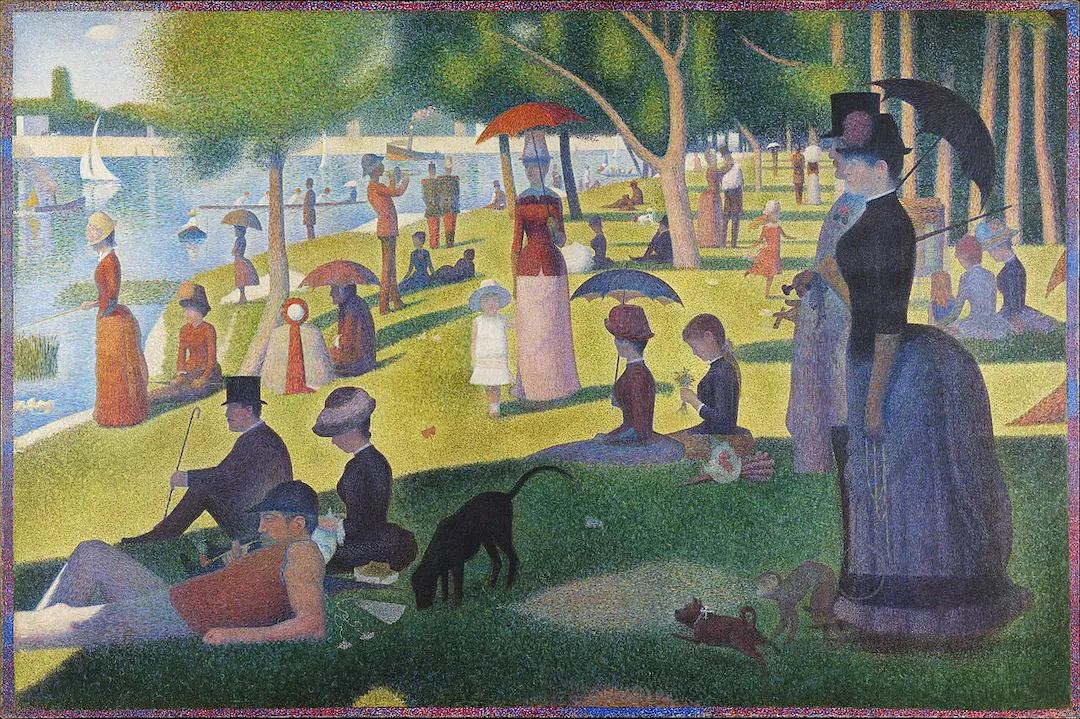
Compared to other works by Seurat, such as "A Sunday Afternoon on the Island of La Grande Jatte," "The Circus Parade" is more dynamic and lively, showcasing his ability to capture movement and the essence of social gatherings through innovative techniques.
What symbolic meanings can be derived from "The Circus Parade"?
The painting symbolizes the joy of communal experiences and the celebration of life. The circus, often associated with whimsy and fantasy, serves as a metaphor for the fleeting nature of happiness and the importance of cherishing moments of joy.
What influence did "The Circus Parade" have on later artists?
"The Circus Parade" influenced later artists by demonstrating the potential of color theory and innovative techniques in capturing movement. Its impact can be seen in the works of subsequent movements, such as Fauvism and Expressionism, which embraced bold color and emotional expression.
Where can "The Circus Parade" be viewed today?
"The Circus Parade" is part of the permanent collection at the Museum of Fine Arts in Boston, where it continues to be appreciated for its artistic innovation and historical significance in the context of 19th-century art.























_GFM_Painting_(1).webp)


 100% Hand-Painted: Finished in 3-6 Weeks

.png)















_(1).webp)