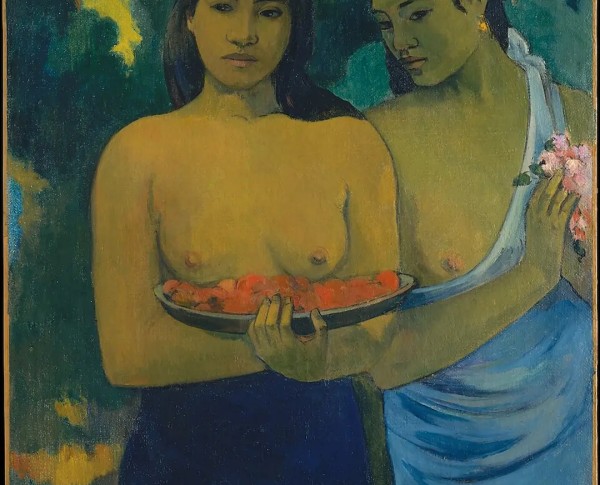
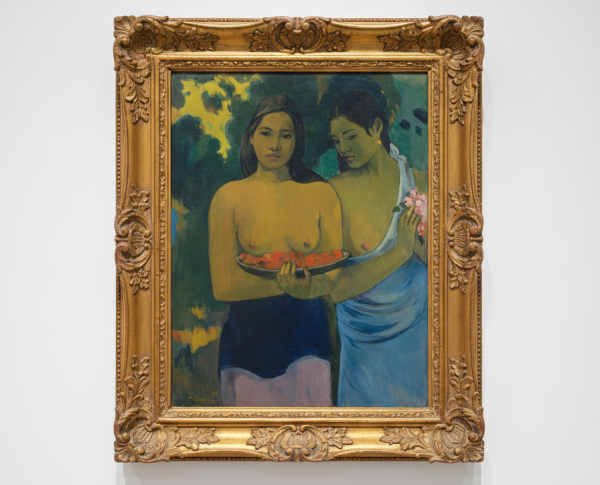
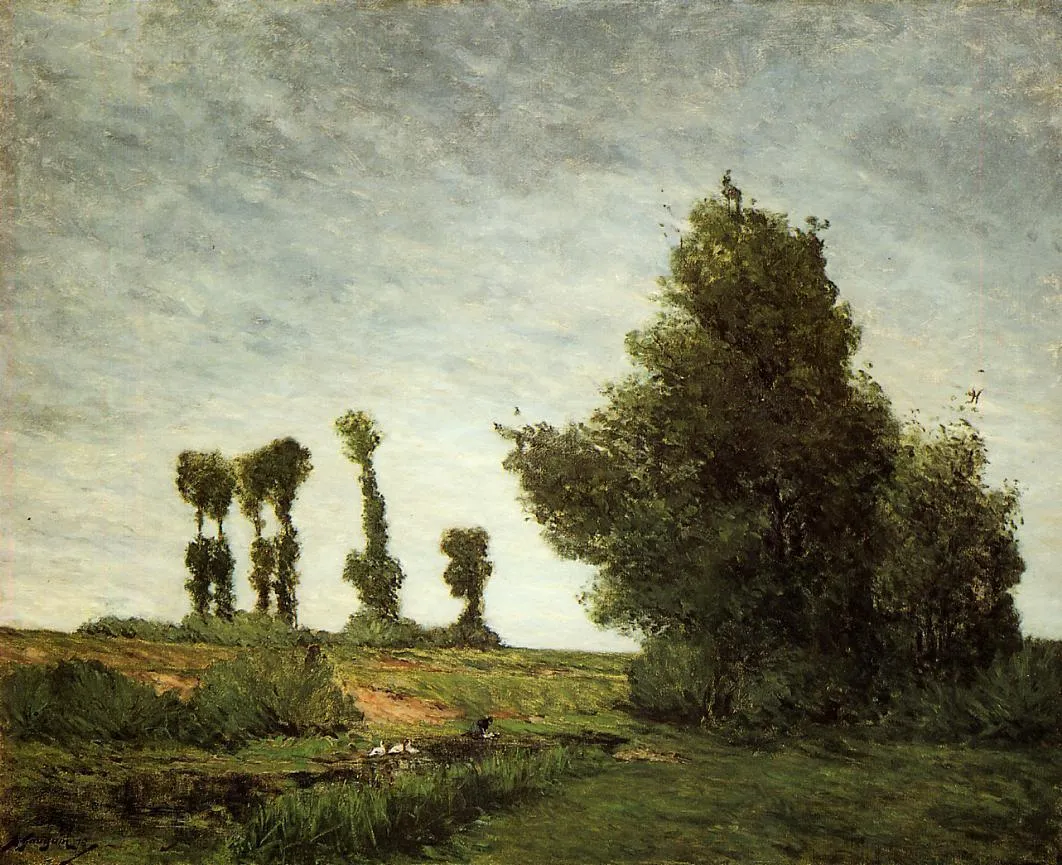
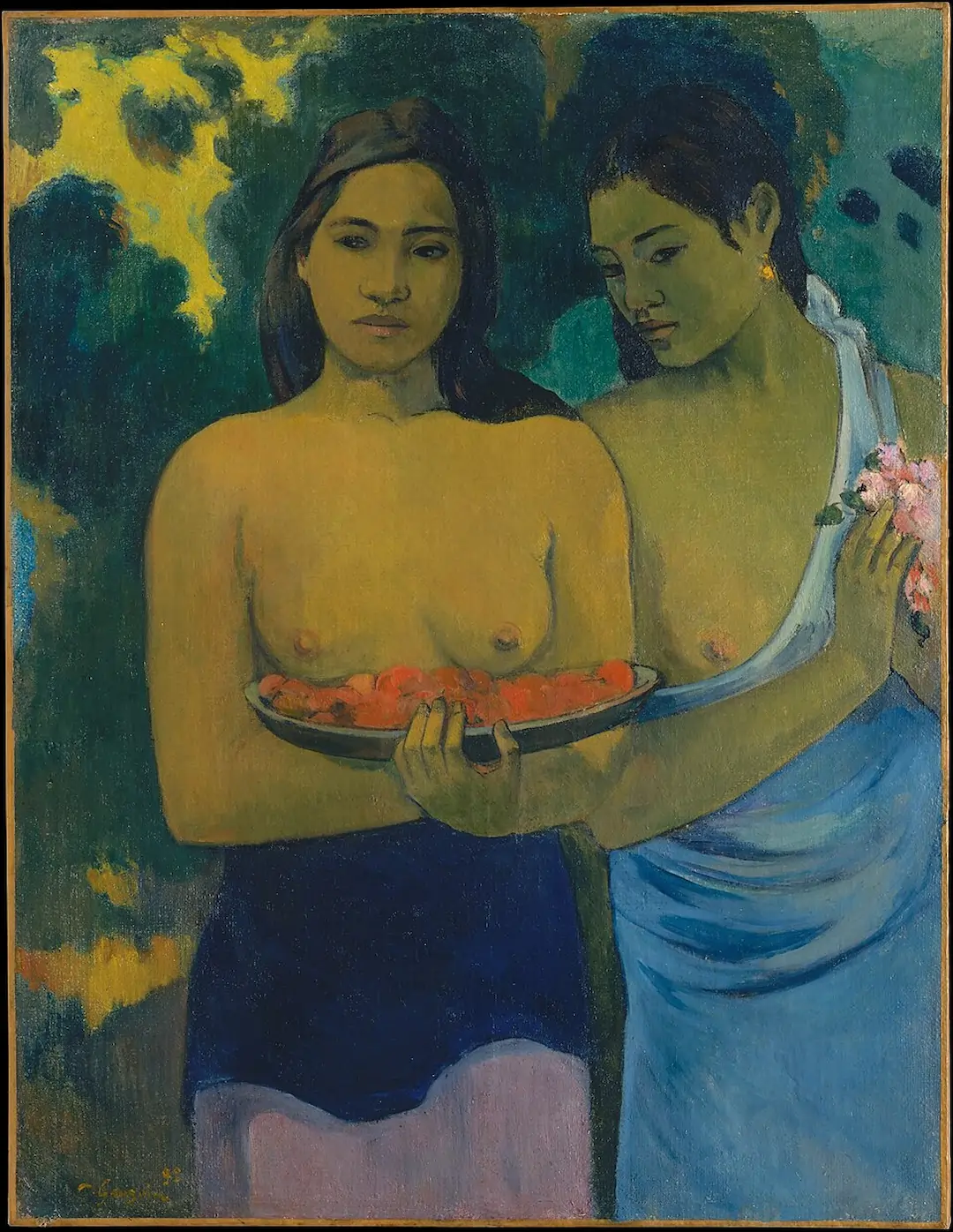
Paul Gauguin’s "Landscape with Poplars" demonstrates his command over oil on canvas, blending bold hues and expressive brushwork to evoke emotion and atmosphere. As a leading figure in Post-Impressionism, Gauguin’s work reflects a departure from realism, focusing on symbolic color and simplified forms. Collectors seeking fine art painting for sale will appreciate the same mastery found in related works like "In the forest Saint Cloud" and "Two Tahitian Women", both exemplifying Gauguin’s artistic legacy.
Within "Landscape with Poplars", Gauguin weaves subtle stories and symbols, characteristic of Post-Impressionism. The hand-painted oil painting invites viewers to interpret nature through the artist’s unique lens, much like his other pieces "Aha Oe Feii?" and "Vairumati". Each element in the composition carries meaning, reflecting Gauguin’s fascination with symbolism and narrative. Collectors may find similar depth in related products such as "Exotic Eve" and "The Green Christ".
For art enthusiasts, "Landscape with Poplars" is a fine art painting for sale that embodies the spirit of Paul Gauguin and the Post-Impressionism movement. Its vibrant palette and evocative scenery make it a centerpiece for any collection. Those interested in expanding their appreciation of Gauguin’s work can explore related products like "Two Tahitian Women" and "In the forest Saint Cloud", each offering a glimpse into the artist’s innovative style and vision.
When Art Meets History
"Landscape with Poplars" by Paul Gauguin stands as a testament to the vibrant era of Post-Impressionism, a movement that revolutionized the art world in the late 19th century. This hand-painted oil painting captures the transition from Impressionism to a more symbolic and expressive style. Like his contemporaries, Gauguin explored nature’s beauty, much like in related works such as "Irises" and "Fields with trees in Barbizon," making this piece a significant milestone in art history.
Techniques That Speak
Paul Gauguin’s "Landscape with Poplars" exemplifies his innovative approach to oil on canvas, utilizing bold colors and dynamic brushwork to convey mood and atmosphere. The textured strokes and vibrant palette distinguish this piece from traditional landscapes, reflecting the artist’s mastery seen in paintings like "At Eternity’s Gate" and "Honfleur." Through these techniques, Gauguin invites viewers to experience nature through his unique Post-Impressionist vision.
Emotions on Display
In "Landscape with Poplars," Gauguin’s expressive use of color and form evokes a sense of tranquility and introspection, hallmarks of Post-Impressionism. The landscape’s serene mood is reminiscent of his other fine art painting for sale, "Church Pew with Worshippers," where emotion is conveyed through composition and hue. Each element in this painting resonates with viewers, allowing them to connect deeply with the peaceful yet evocative atmosphere Gauguin masterfully creates.
Coveted by Collectors
As a celebrated work from the Post-Impressionism movement, "Landscape with Poplars" remains highly sought after by collectors worldwide. Its historical significance and artistic mastery, akin to related pieces like "End of the pier" and "Irises," make it a prized addition to any collection. The enduring appeal of this hand-painted oil painting ensures its place among the most desirable fine art painting for sale, reflecting Paul Gauguin’s lasting influence on art enthusiasts and collectors alike.
Related Post-Impressionism Hand-Painted Oil Paintings by Other Artists
Other Famous Post-Impressionism Artists:
Frequently Asked Questions About Landscape with Poplars
What is the historical context of "Landscape with Poplars"?
"Landscape with Poplars" was created during the late 19th century, a period marked by the rise of Post-Impressionism. Paul Gauguin, the artist, sought to move beyond the naturalism of Impressionism, exploring color and form to express deeper emotional and symbolic meanings.
What artistic techniques did Gauguin employ in this painting?
Gauguin utilized bold colors and simplified forms to convey his vision. His technique involved the use of flat areas of color and strong outlines, which were characteristic of his style and aimed to evoke a sense of emotional resonance rather than realistic representation.
What are the main themes represented in "Landscape with Poplars"?
The painting explores themes of nature, tranquility, and the passage of time. The presence of the poplar trees symbolizes strength and resilience, while the serene landscape invites contemplation and reflection on the beauty of the natural world.
How does "Landscape with Poplars" reflect Gauguin's artistic philosophy?
Gauguin believed in the importance of expressing personal emotion and spirituality through art. In "Landscape with Poplars," he emphasizes the emotional connection to nature, suggesting that landscapes can evoke feelings and thoughts beyond mere visual representation.
What influences can be seen in Gauguin's use of color in this painting?
Gauguin was influenced by the vibrant colors of the Tahitian landscape and the symbolism movement, which emphasized color as a means of expression. In "Landscape with Poplars," he employs a vivid palette to enhance the emotional impact of the scene.
What role do the poplar trees play in the composition of the painting?
The poplar trees serve as a central motif, drawing the viewer's eye and providing a vertical element that contrasts with the horizontal expanse of the landscape. They symbolize stability and continuity in nature, anchoring the composition.
How does "Landscape with Poplars" compare to other works by Gauguin?
Compared to Gauguin's other works, "Landscape with Poplars" showcases a more subdued palette and a focus on natural beauty, in contrast to his more vibrant and exotic Tahitian landscapes. This painting reflects a transitional phase in his artistic journey.
What symbolic meanings can be derived from the landscape depicted in the painting?
The landscape in "Landscape with Poplars" symbolizes harmony and the interconnectedness of nature. The trees and the surrounding environment evoke a sense of peace and contemplation, suggesting a deeper relationship between humanity and the natural world.
In what ways did "Landscape with Poplars" influence later artists?
The painting's bold use of color and form influenced subsequent generations of artists, particularly those in the Fauvism movement. Gauguin's emphasis on emotional expression through color inspired artists to explore abstraction and personal interpretation in their work.
What is the significance of the painting in Gauguin's overall body of work?
"Landscape with Poplars" is significant as it encapsulates Gauguin's transition from Impressionism to a more symbolic and expressive style. It reflects his ongoing exploration of color and form, marking a pivotal moment in his artistic evolution.






















_GFM_Painting_(1).webp)


 100% Hand-Painted: Finished in 3-6 Weeks

.png)















_(1).webp)