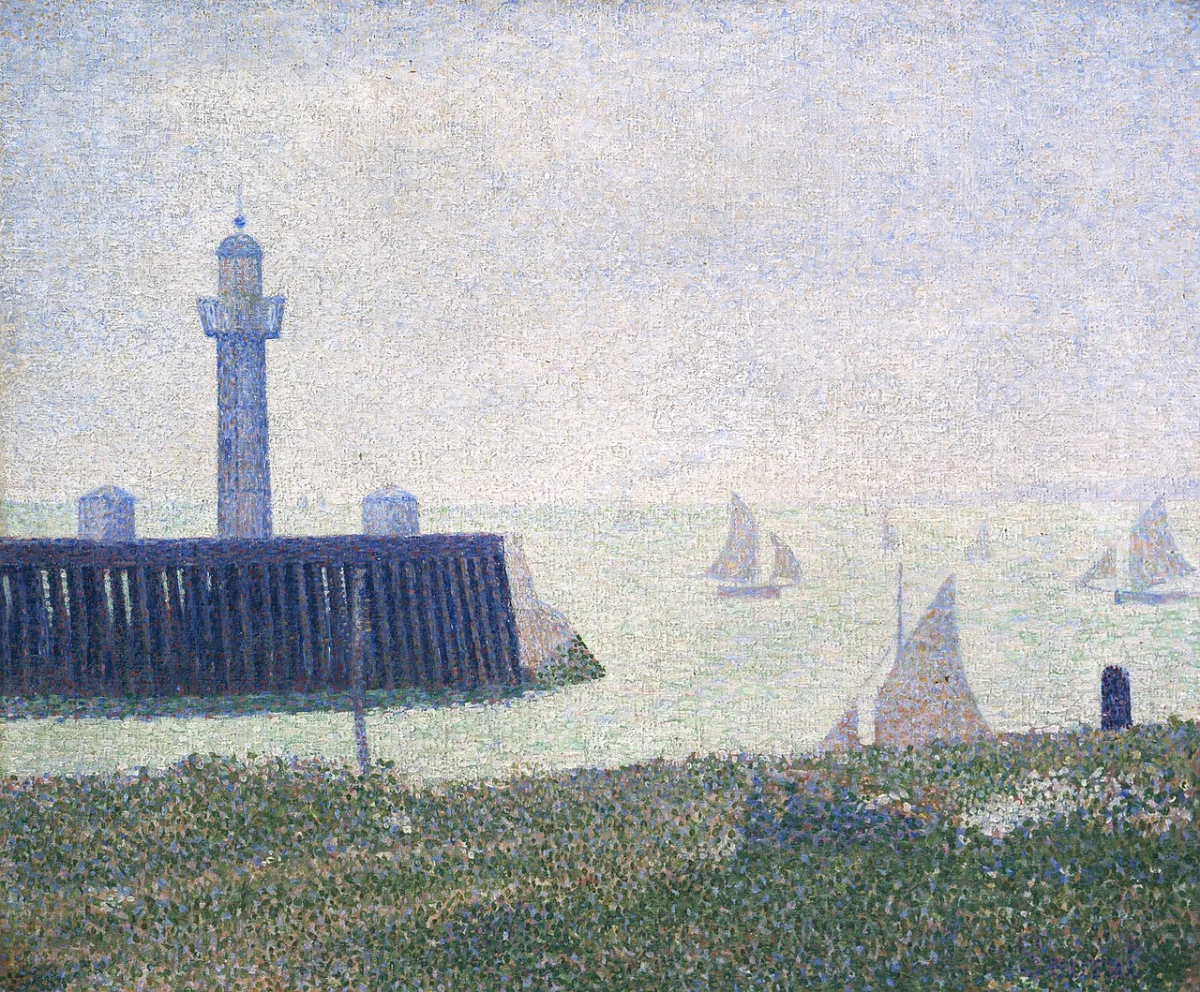
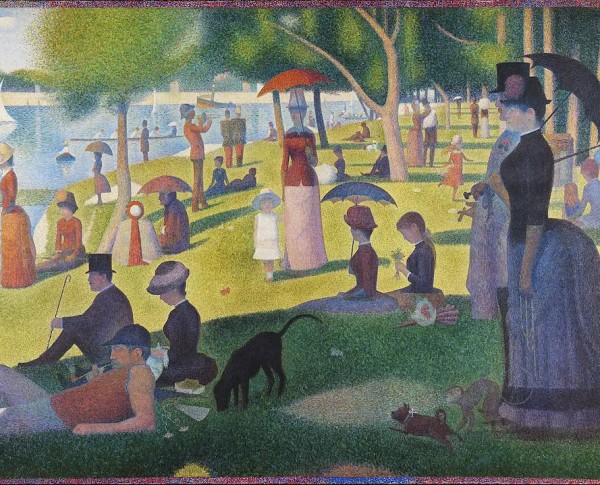
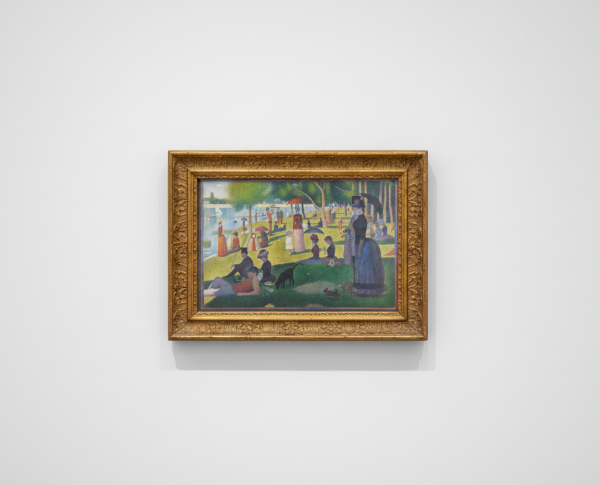
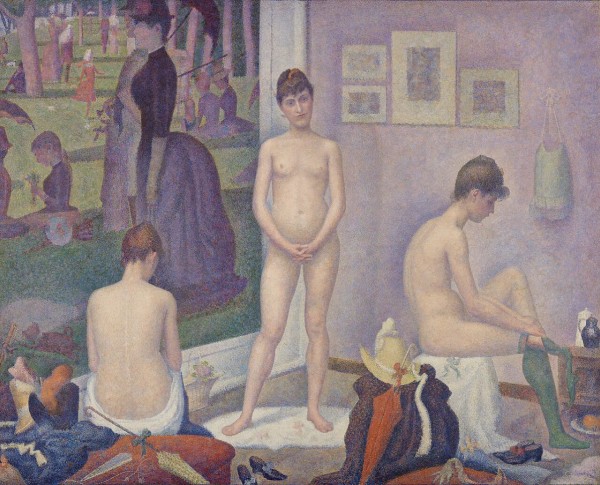
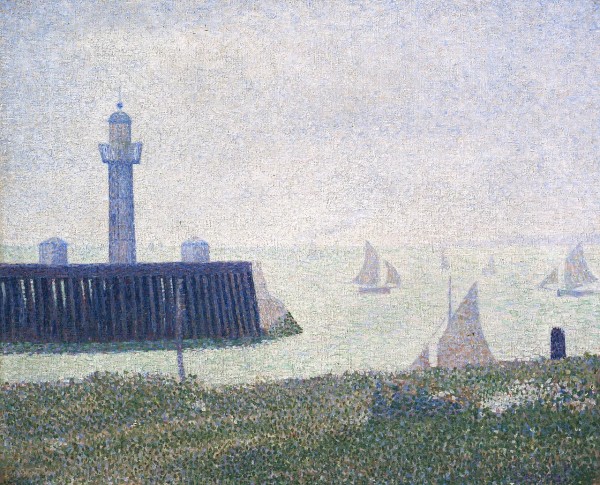
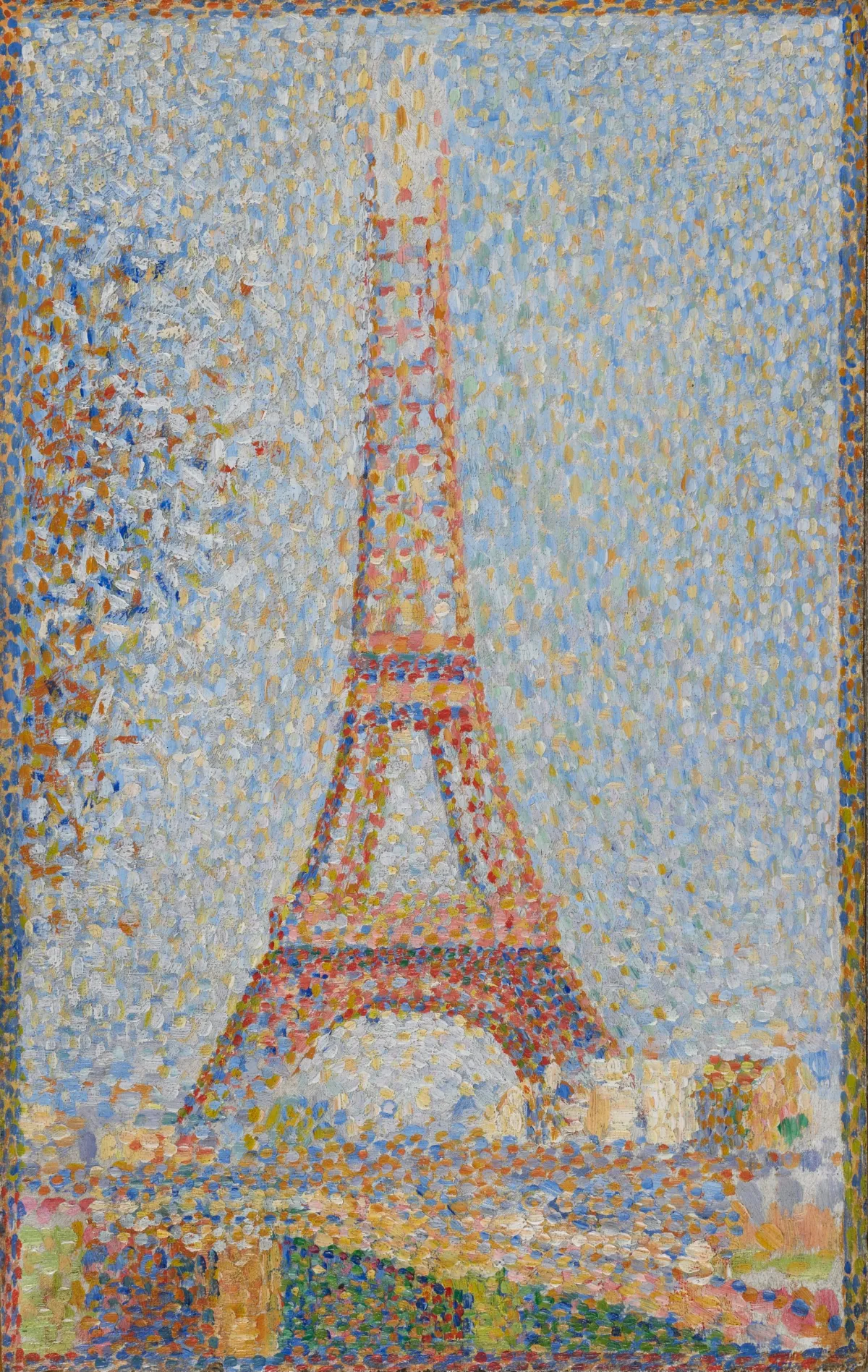
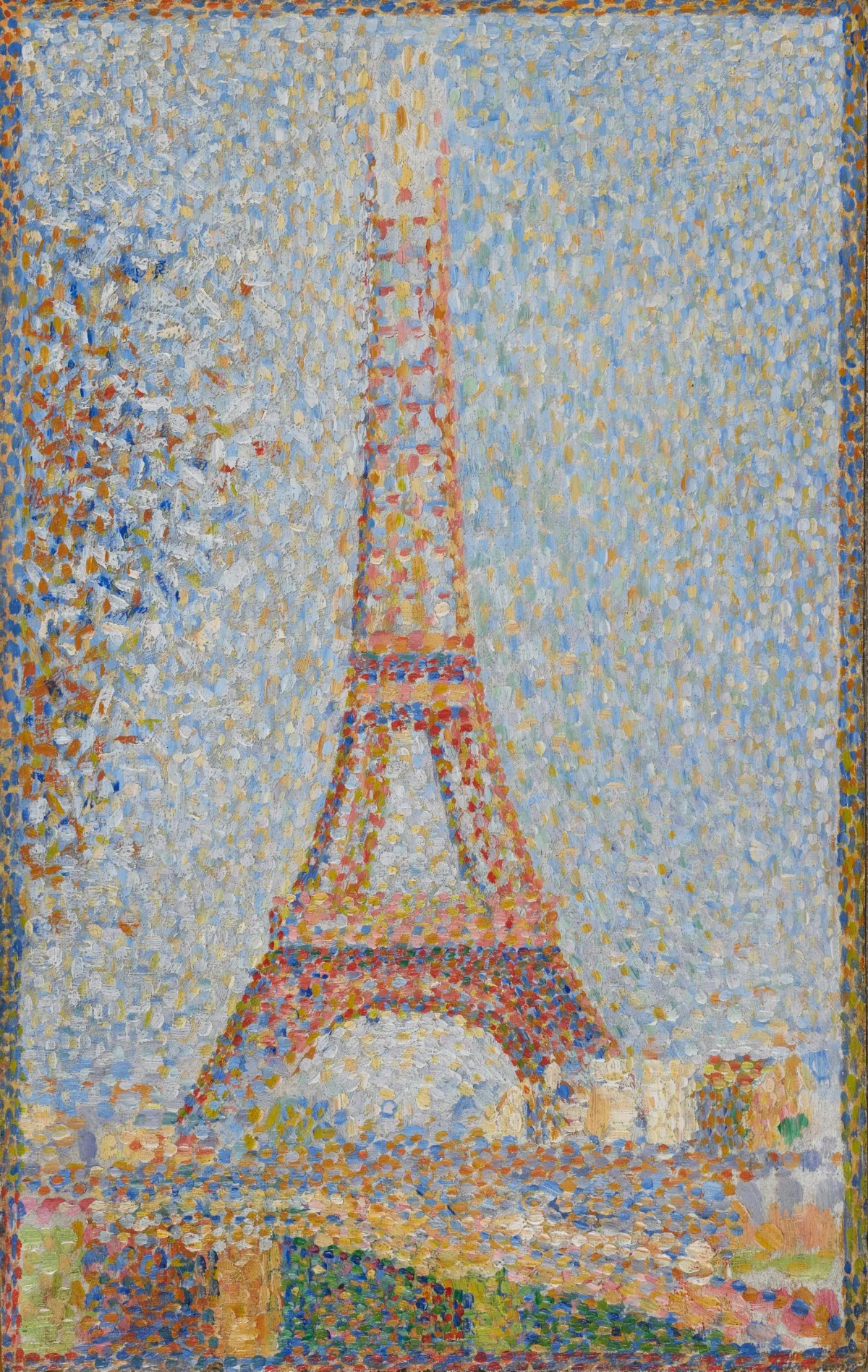
Seurat’s meticulous technique in "The Eiffel Tower" demonstrates his mastery of oil on canvas, blending scientific precision with artistic vision. Each brushstroke, carefully placed, contributes to the painting’s luminous effect, a hallmark of Post-Impressionism. Collectors and enthusiasts alike appreciate the unique style Seurat employs, as seen in related pieces like "End of the pier" and "Honfleur," making his works highly sought after in the art world.
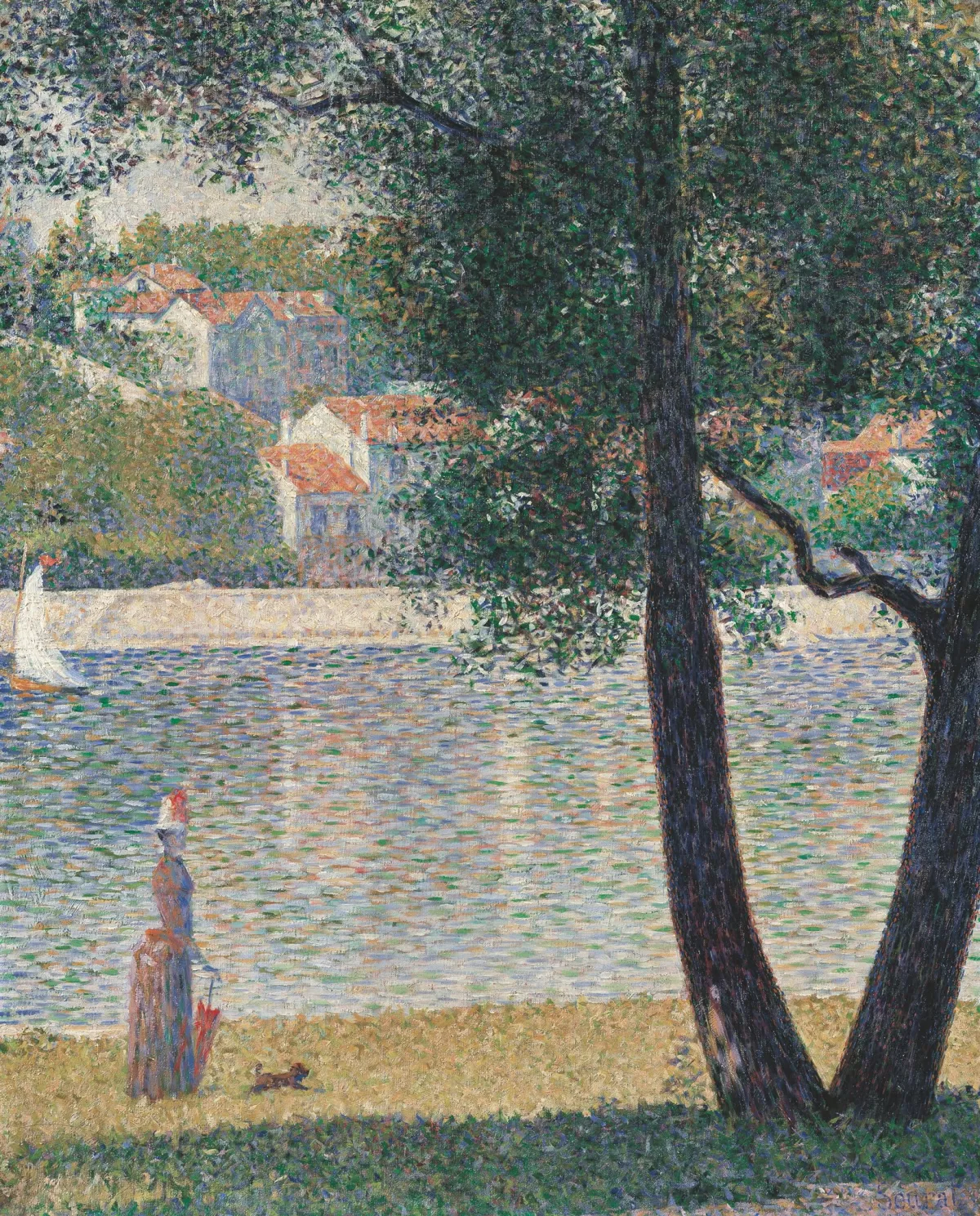
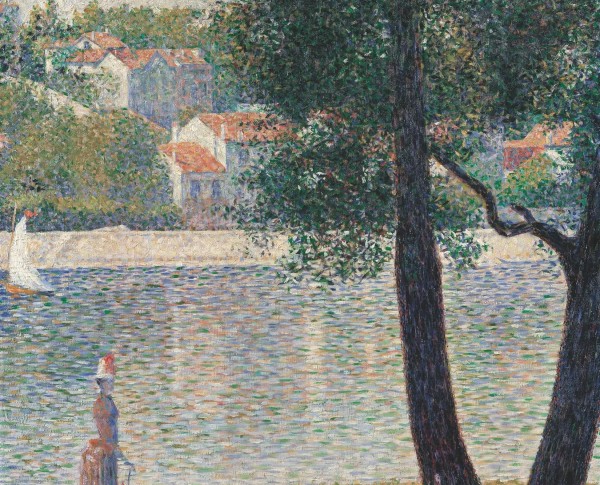
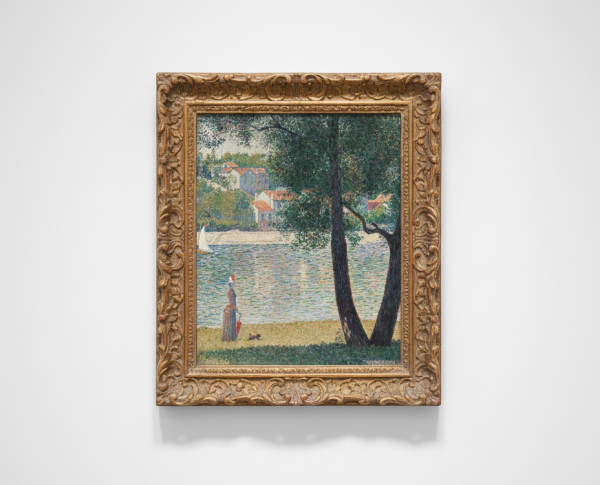
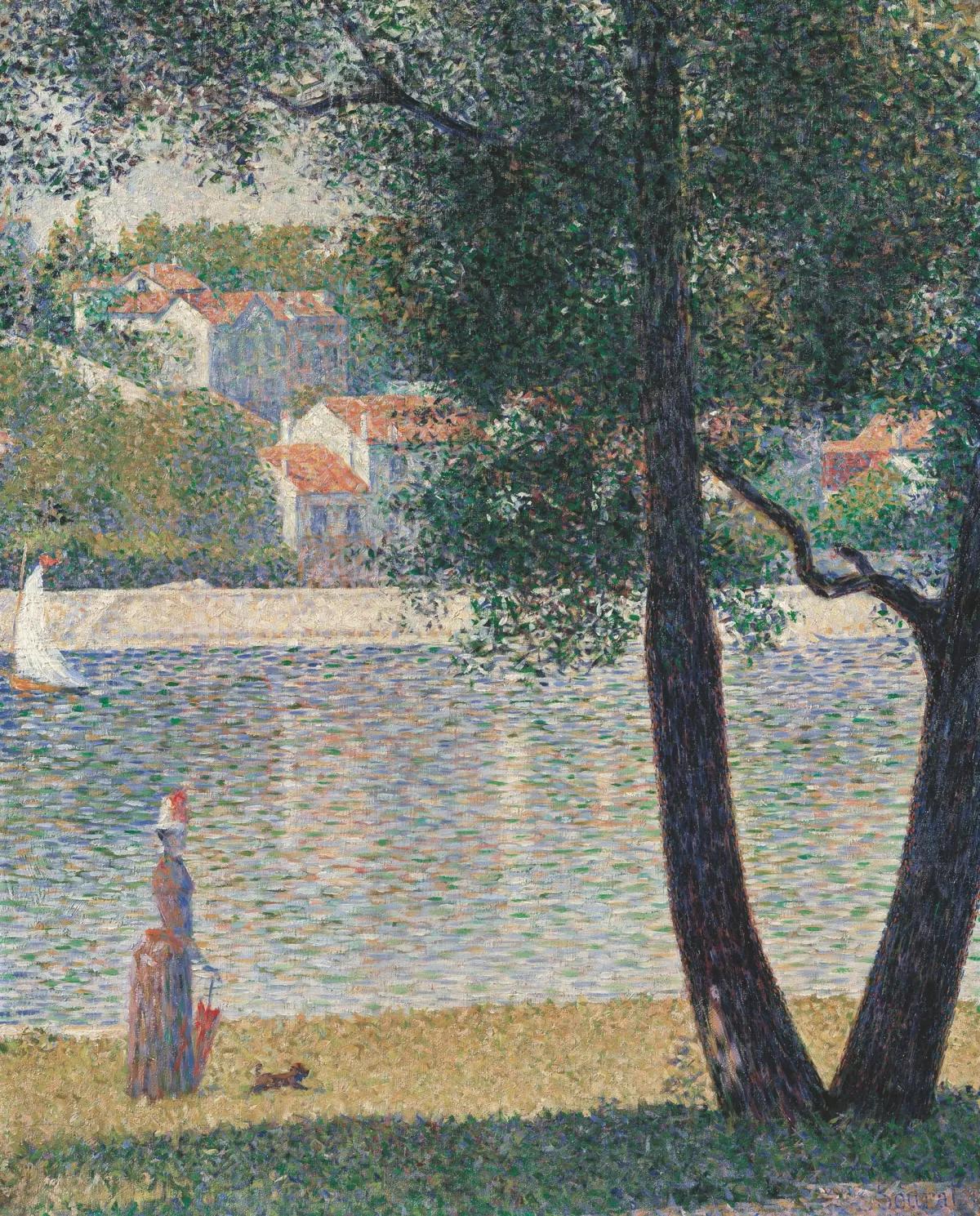
Within "The Eiffel Tower," Seurat weaves stories and symbols that reflect the optimism and innovation of late 19th-century Paris. This fine art painting for sale not only depicts an iconic landmark but also conveys the spirit of the era. Seurat’s attention to detail and composition invites viewers to explore deeper meanings, much like his other celebrated works, "Winter" and "The Seine at Courbevoie," which echo similar themes of change and progress.
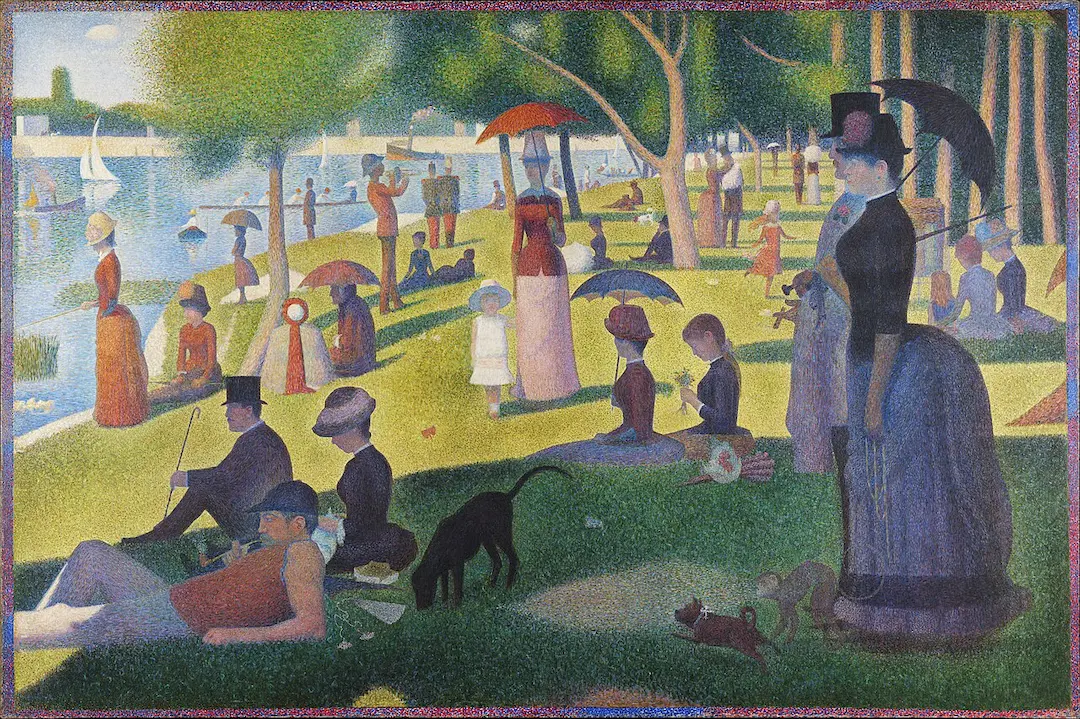
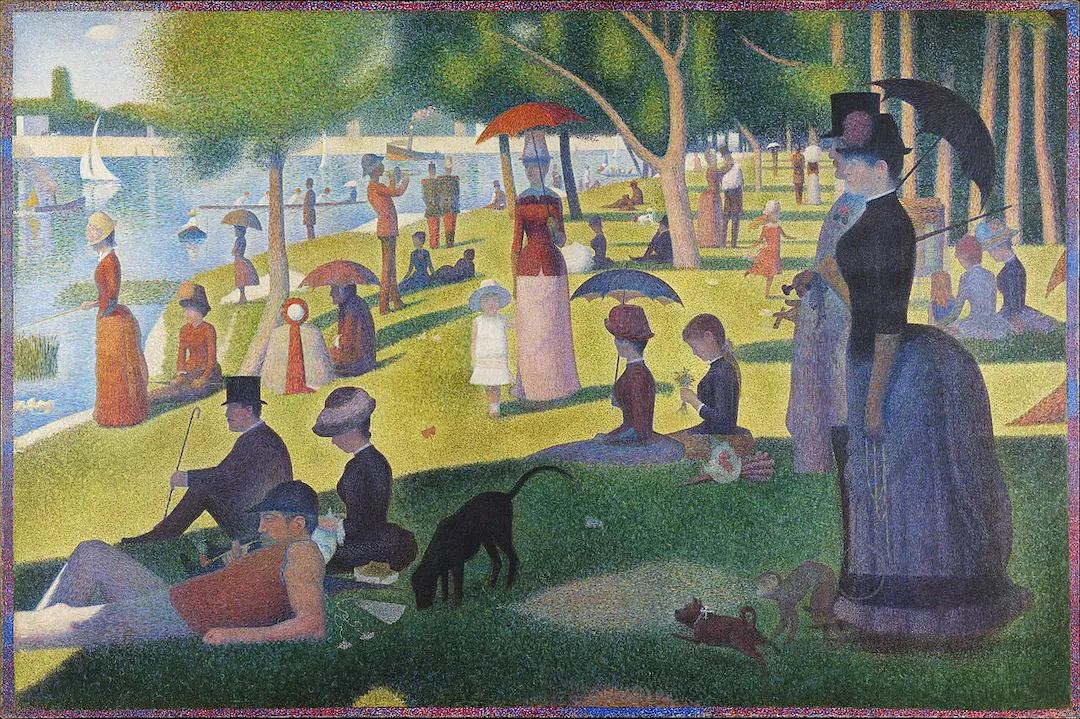
Owning "The Eiffel Tower" by Georges Seurat is more than acquiring a beautiful piece of art—it’s investing in a significant chapter of Post-Impressionism history. This hand-painted oil painting is a centerpiece for any collection, reflecting both artistic mastery and historical importance. Its allure is comparable to Seurat’s "Clothes on the Grass," offering art lovers a chance to own a timeless treasure that continues to inspire admiration and scholarly interest.
When Art Meets History
"The Eiffel Tower" by Georges Seurat stands as a remarkable testament to the Post-Impressionism movement. Painted in the late 19th century, this hand-painted oil painting captures the spirit of innovation and modernity surrounding Paris at the time. Seurat’s work is often mentioned alongside related paintings such as "George Chatten," "Wheatfield with Cypress I," and "Irises," all of which reflect the era’s fascination with color and light. This masterpiece bridges art and history with striking elegance.
Techniques That Speak
Georges Seurat’s "The Eiffel Tower" showcases his signature pointillism technique, meticulously applying small dots of pure color to form a cohesive image. This method, executed in oil on canvas, distinguishes Seurat’s style within the Post-Impressionism movement. The painting’s vibrant hues and precise composition share kinship with works like "Breton Landscape" and "Breton Women and Children." Seurat’s innovative approach continues to influence artists and captivate art lovers worldwide.
Emotions on Display
In "The Eiffel Tower," Seurat conveys a sense of wonder and optimism emblematic of the Post-Impressionism era. The painting’s luminous palette and harmonious design evoke both the awe of Paris’s iconic landmark and the excitement of a rapidly changing world. As with related pieces such as "Wheatfield with Cypress I" and "Irises," this oil on canvas draws viewers into a world of emotion and contemplation, making it a timeless fine art painting for sale.
Coveted by Collectors
"The Eiffel Tower" by Georges Seurat remains a highly sought-after fine art painting for sale among collectors and museums. Its historical significance, innovative technique, and connection to the Post-Impressionism movement ensure its lasting appeal. Art enthusiasts often seek out related paintings, including "Breton Women and Children" and "George Chatten," to complement their collections. Seurat’s legacy endures, with this masterpiece representing the pinnacle of both artistic skill and cultural importance.
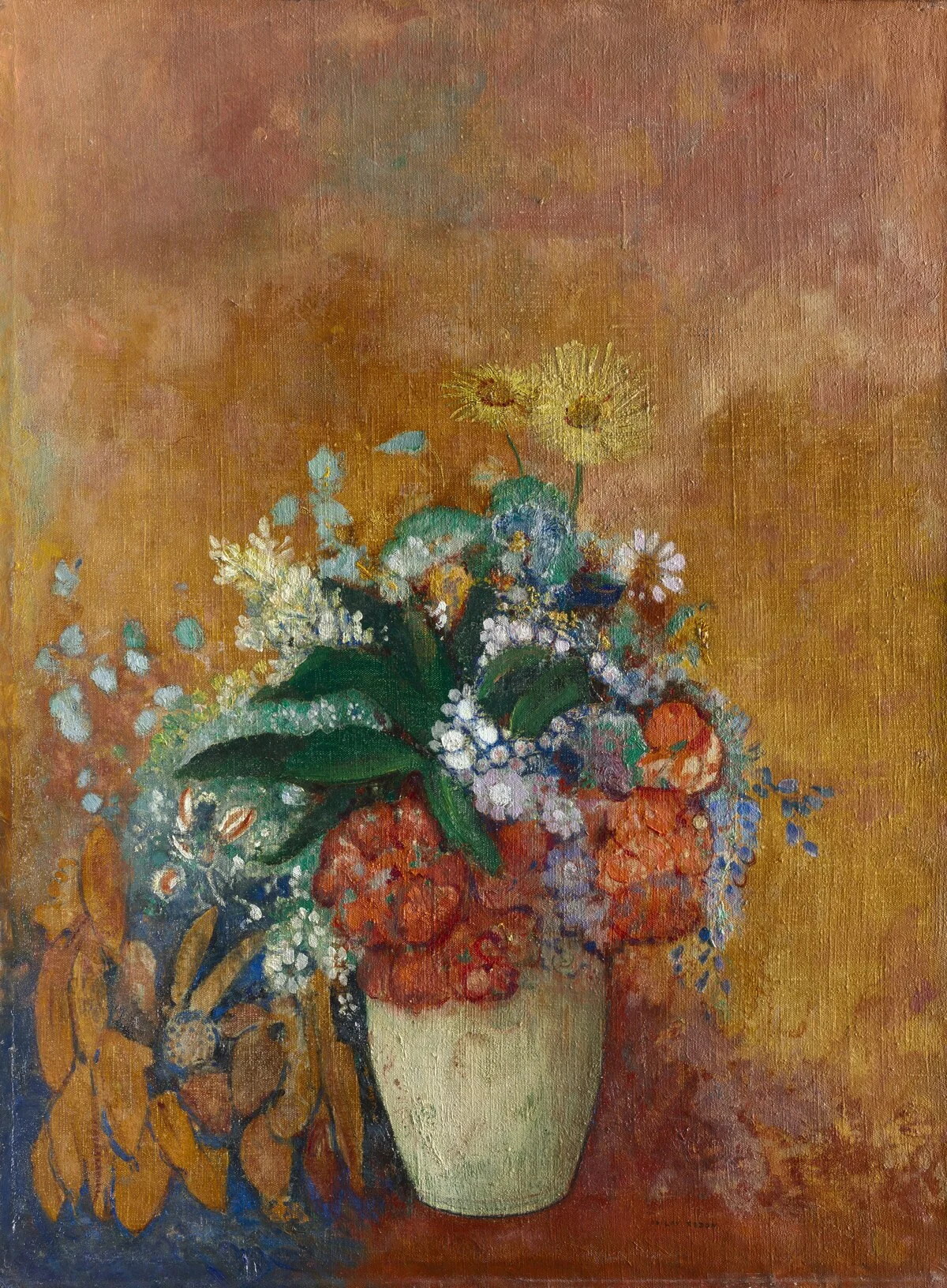
Related Post-Impressionism Hand-Painted Oil Paintings by Other Artists
Other Famous Post-Impressionism Artists:
Frequently Asked Questions About The Eiffel Tower
Who is the artist of "The Eiffel Tower"?
The painting "The Eiffel Tower" was created by the renowned French artist Georges Seurat, known for his pioneering work in the Pointillism technique.
What year was "The Eiffel Tower" painted?
"The Eiffel Tower" was completed in 1889, coinciding with the year of the tower's completion in Paris, which was a significant event in the city's history.
What artistic movement does "The Eiffel Tower" belong to?
This painting is associated with the Post-Impressionism movement, characterized by its innovative use of color and form, as well as its emphasis on the emotional experience of the artist.
What is the significance of the Eiffel Tower in the painting?
The Eiffel Tower symbolizes modernity and progress, representing the technological advancements of the late 19th century and serving as a focal point of Parisian identity.
How does Seurat's technique influence the viewing experience of the painting?
Seurat's use of Pointillism, where small dots of color are applied to the canvas, creates a vibrant optical mixing effect, inviting viewers to engage with the artwork from varying distances.
What themes are explored in "The Eiffel Tower"?
The painting explores themes of urban life, industrialization, and the relationship between nature and technology, reflecting the changing landscape of Paris during the late 19th century.
In what ways does "The Eiffel Tower" reflect the cultural context of its time?
The painting captures the spirit of the Belle Époque, a period marked by cultural flourishing and innovation in France, as well as the public's fascination with the Eiffel Tower as a symbol of national pride.
What materials did Seurat use for "The Eiffel Tower"?
Georges Seurat primarily used oil paints on canvas for "The Eiffel Tower," allowing for the precise application of color that is characteristic of his Pointillist technique.
How does "The Eiffel Tower" compare to Seurat's other works?
Compared to Seurat's other works, "The Eiffel Tower" showcases a more urban subject matter, diverging from his typical depictions of leisure and nature, while still employing his signature technique.
What impact did "The Eiffel Tower" have on future artists?
The painting influenced subsequent generations of artists by demonstrating the potential of color theory and innovative techniques, paving the way for movements such as Fauvism and modern abstract art.























_GFM_Painting_(1).webp)


 100% Hand-Painted: Finished in 3-6 Weeks

.png)
















_(1).webp)