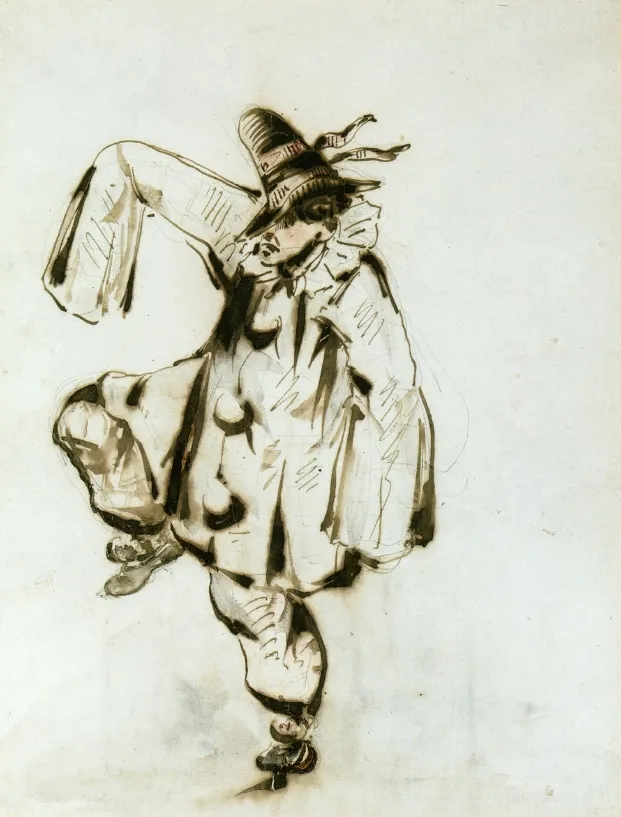
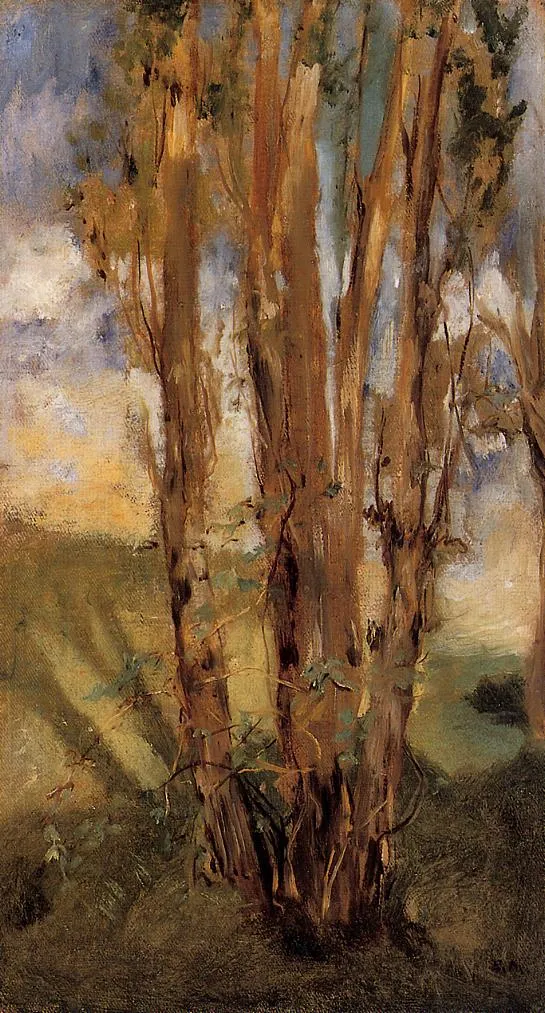
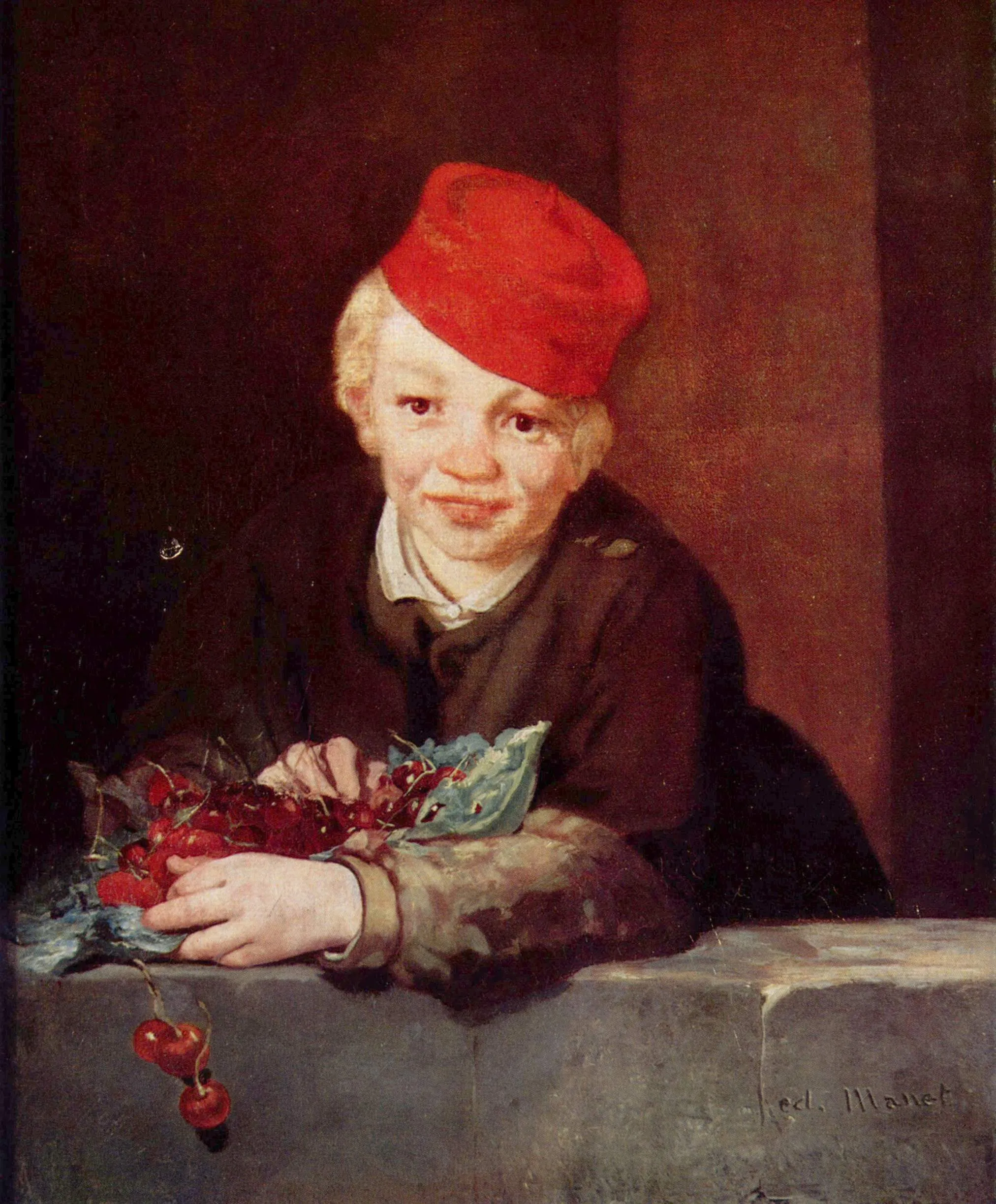
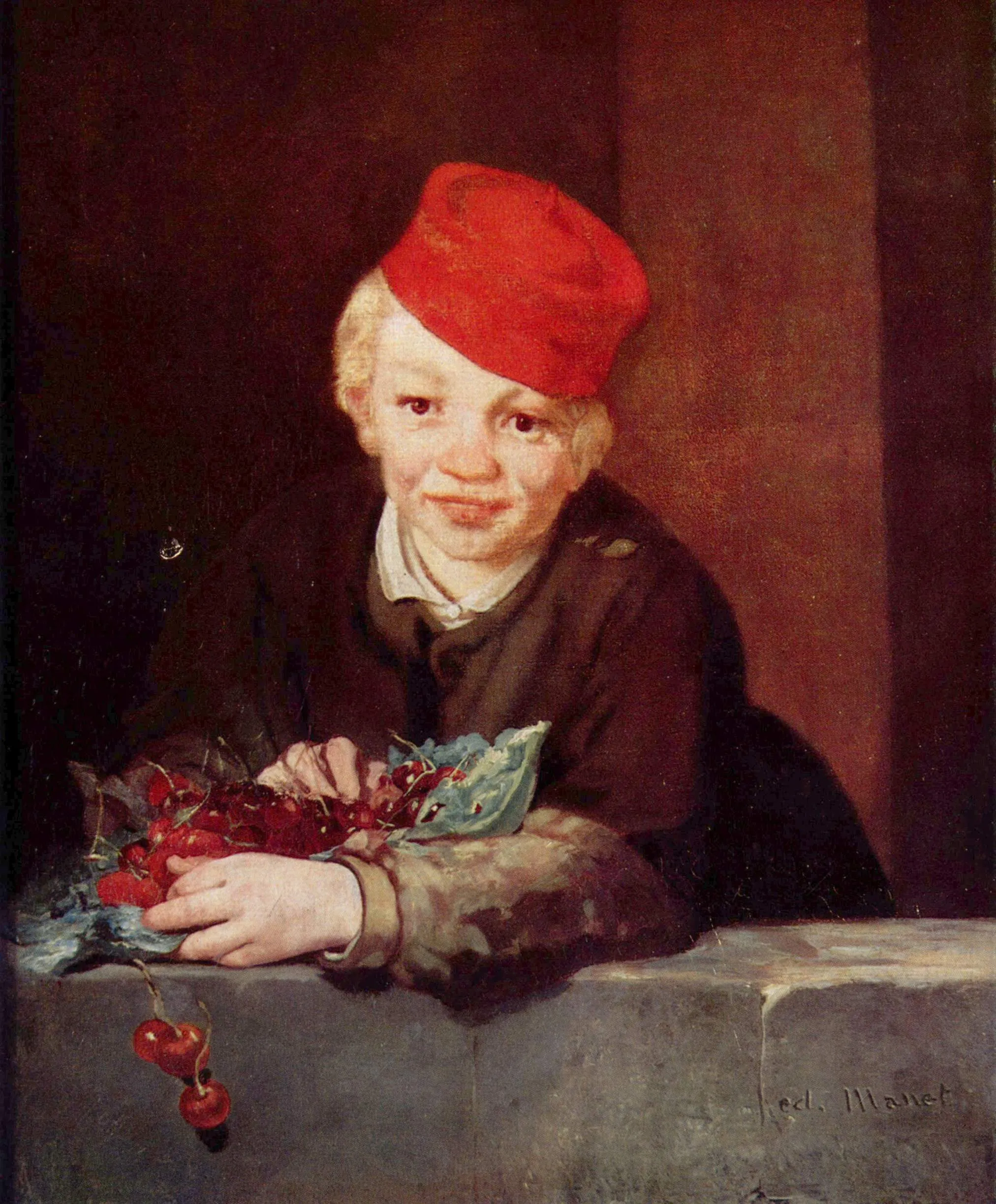
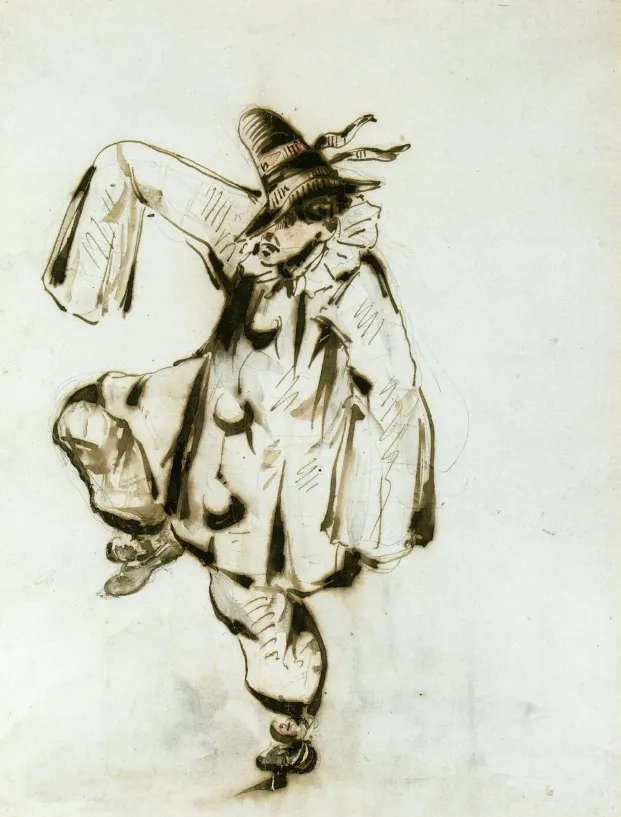
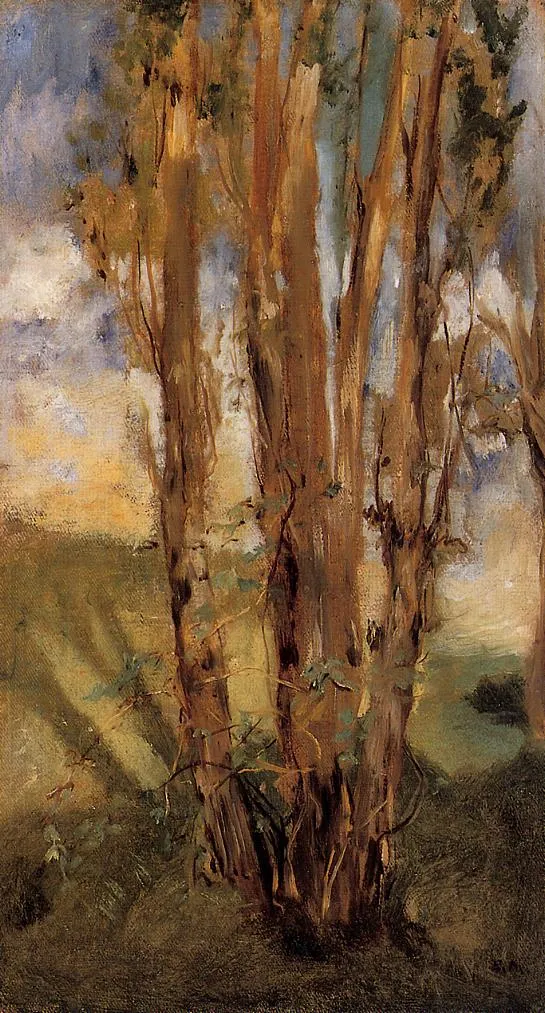
Edouard Manet’s "The Boy with Cherries" demonstrates his exceptional skill with oil on canvas, showcasing delicate brushwork and a keen eye for detail. The subtle interplay of light and shadow reveals the artist’s mastery and commitment to the Realism movement. Collectors and admirers of fine art will appreciate this piece alongside other Manet works such as "Pierrot dancing" or "Study of trees," each exemplifying the artist’s signature style and technical brilliance.
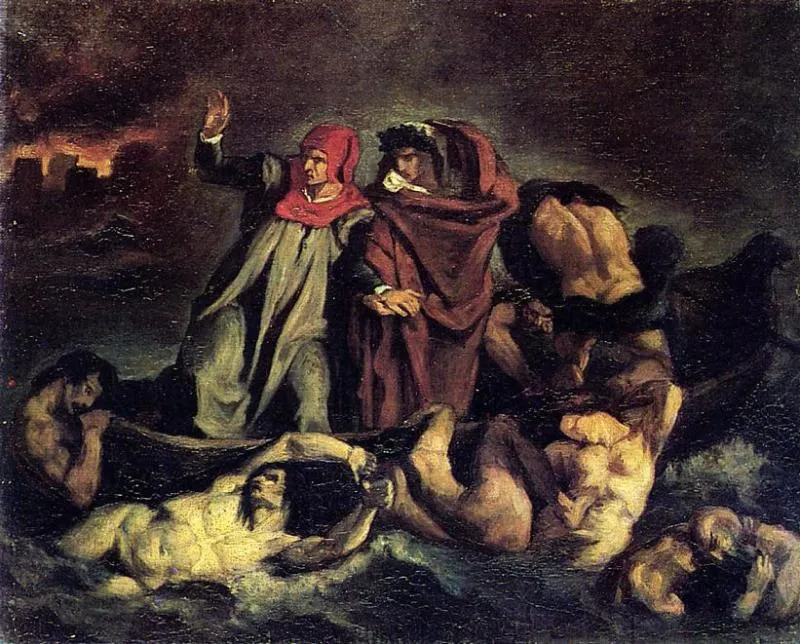
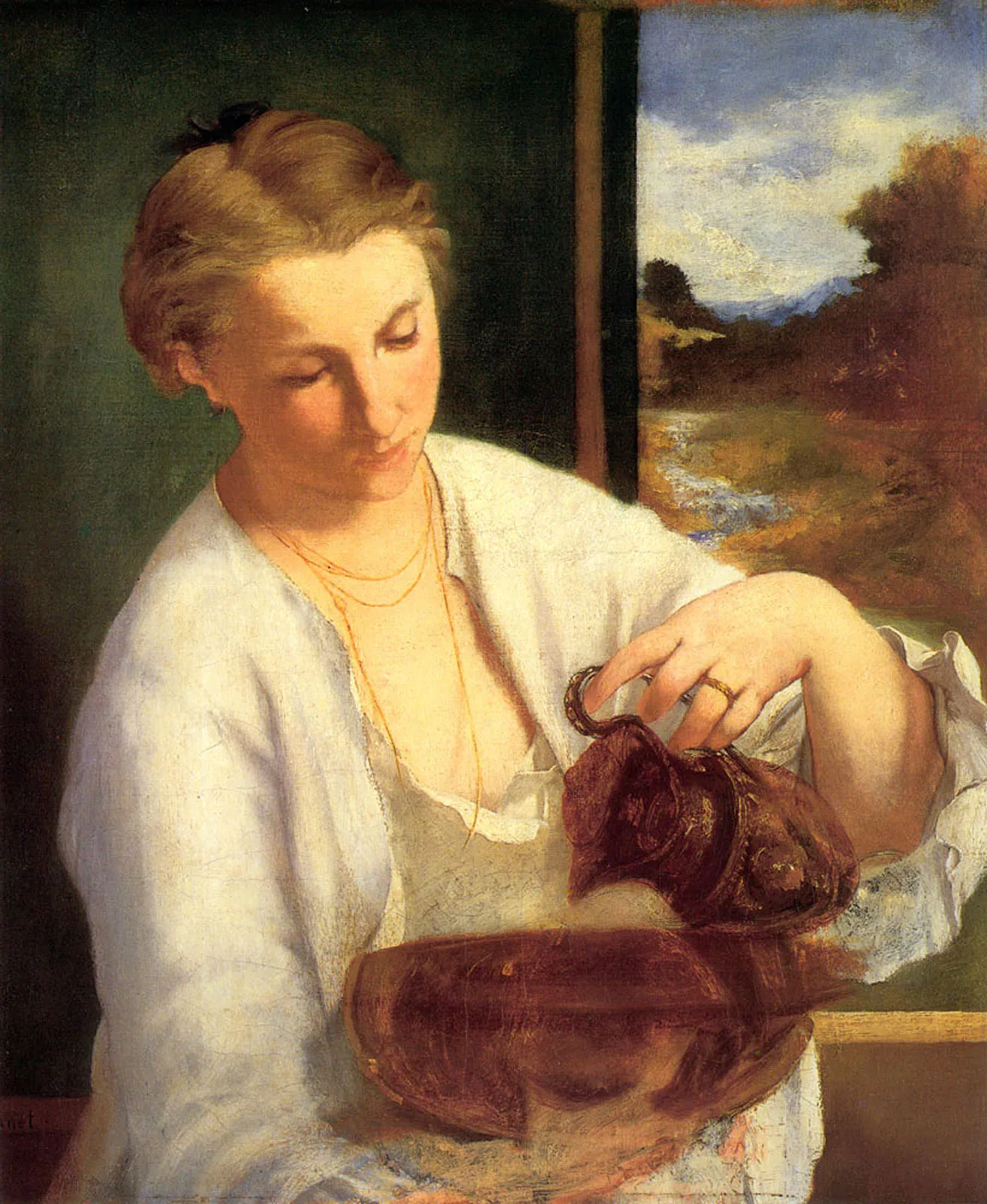
Within "The Boy with Cherries," Manet weaves stories and symbols that transcend the surface, inviting viewers to explore the subject’s inner world. This fine art painting for sale resonates with the Realism movement’s aim to depict genuine human experiences. The cherries, often seen as symbols of youth and fleeting innocence, echo themes present in related works like "The barque of Dante" and "A woman pouring water," enriching the narrative depth of Manet’s creations.
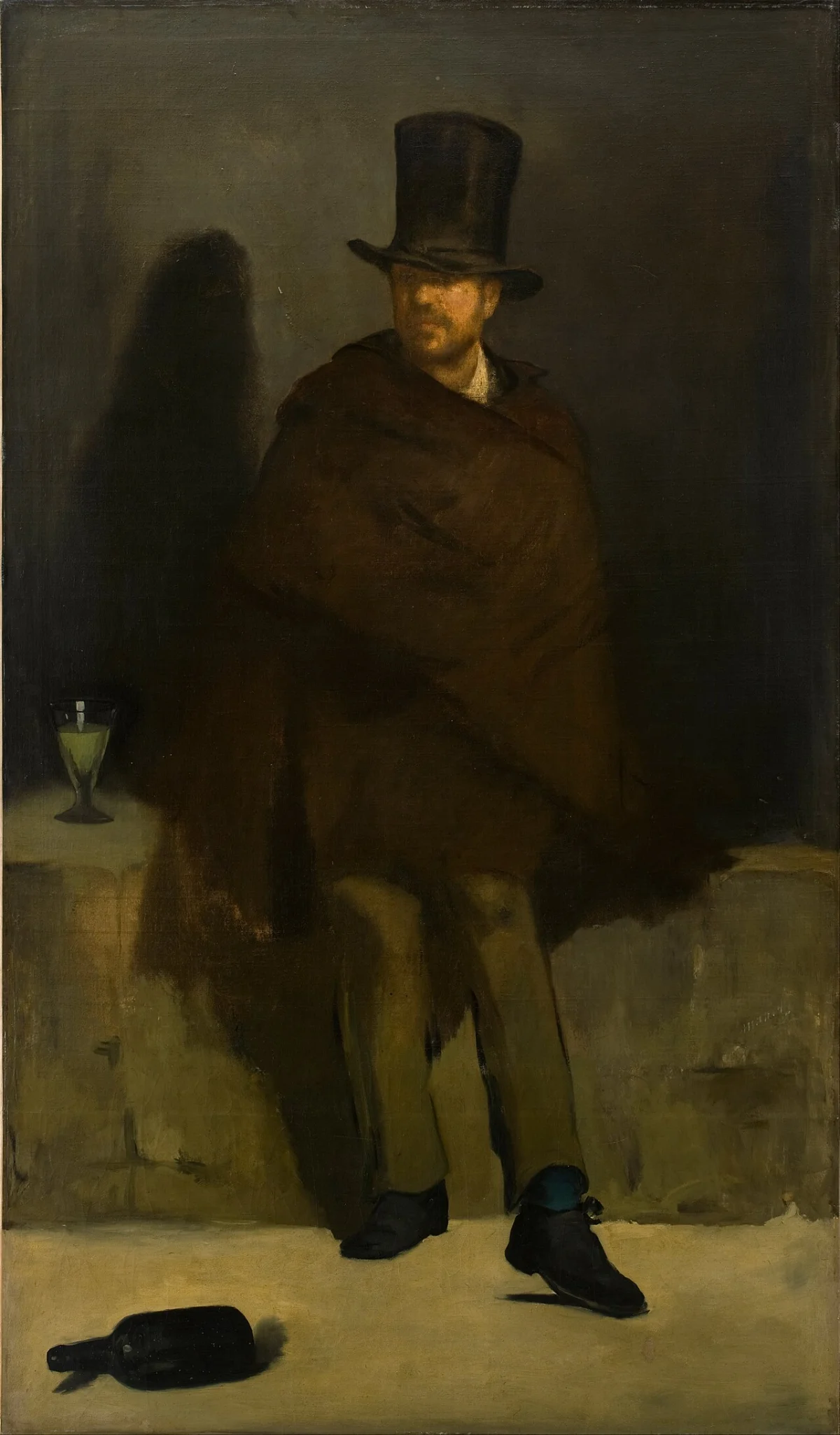
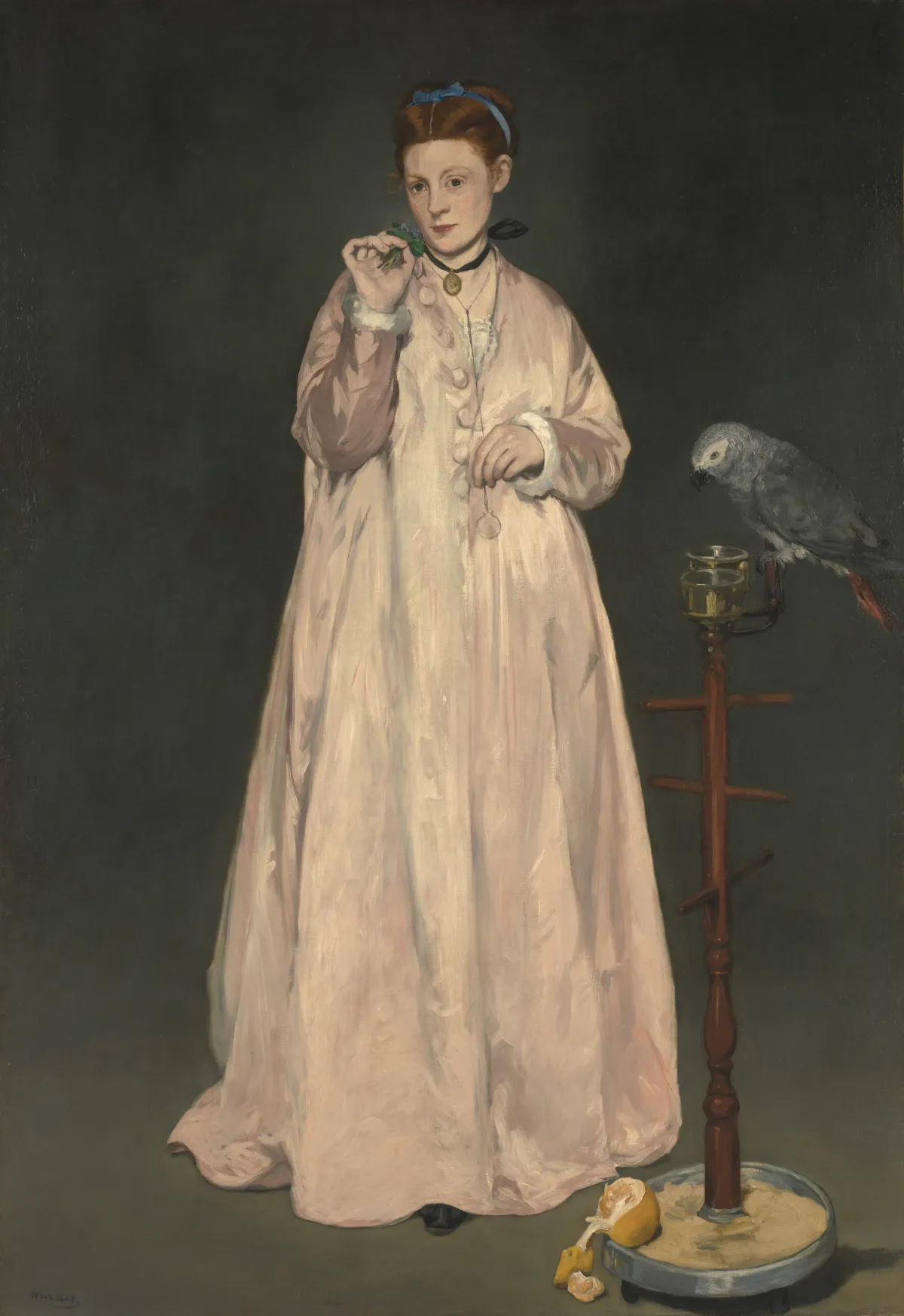
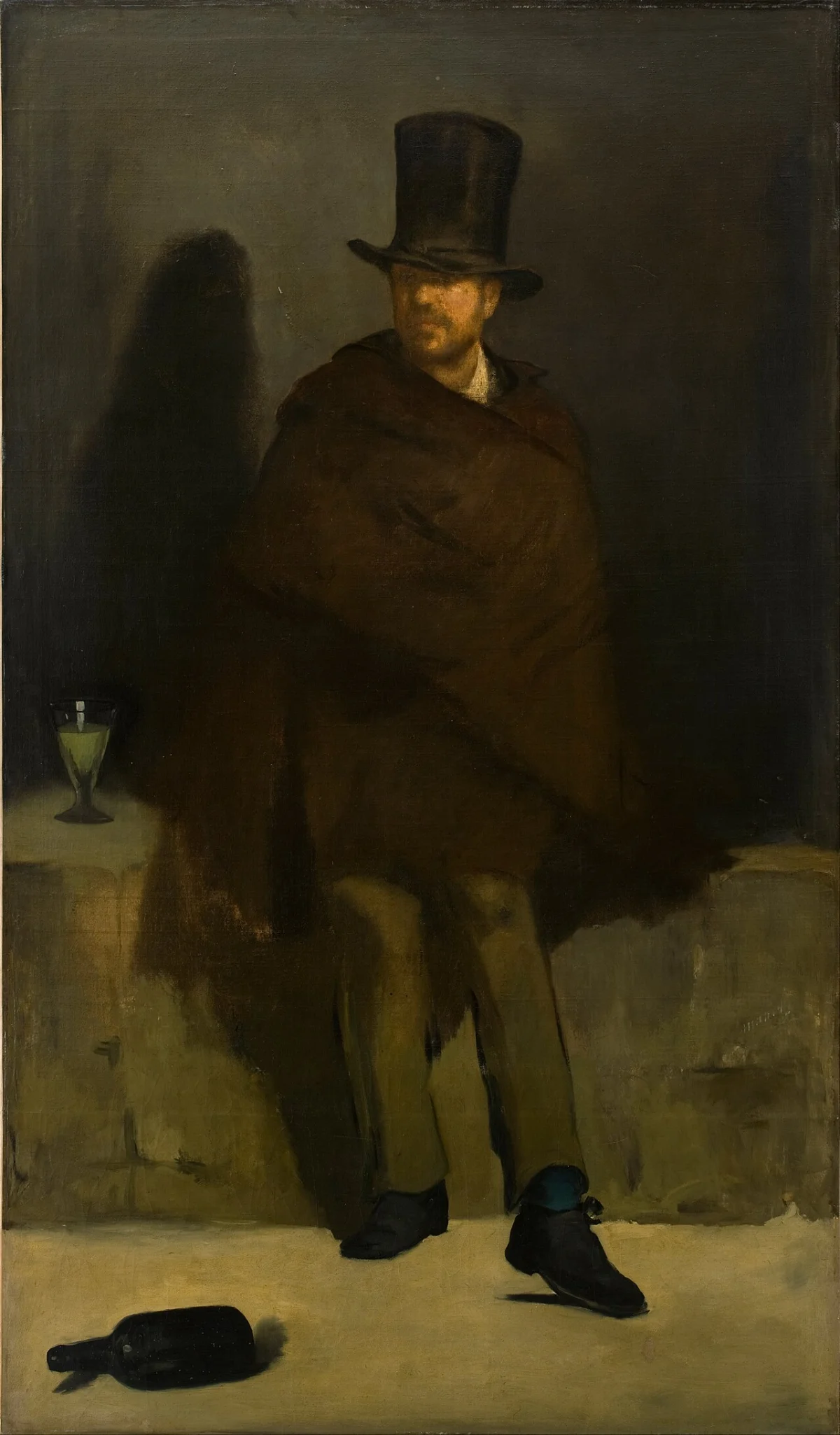
For art collectors, "The Boy with Cherries" by Edouard Manet is more than just an oil on canvas; it is a collector’s treasure. As a distinguished piece from the Realism movement, it stands proudly among other sought-after works such as "A Young Lady in 1866" and "The absinthe drinker." This hand-painted oil painting adds timeless value and sophistication to any collection, making it a prized acquisition for those who appreciate the finest in nineteenth-century art.
When Art Meets History
"The Boy with Cherries" by Edouard Manet stands as a testament to the Realism movement, capturing a genuine moment in time. Created during an era when artists sought to depict everyday life, this hand-painted oil painting reflects Manet’s dedication to authenticity. Alongside related works like "Peasant and peddler" and "The Triumph of Bacchus," Manet’s approach in this piece marks a pivotal shift in art history, bridging the gap between tradition and modernity in fine art.
Techniques That Speak
Manet’s mastery of oil on canvas is evident in "The Boy with Cherries." The brushwork, subtle lighting, and lifelike textures showcase the artist’s command of Realism. Through careful layering and nuanced color palettes, Manet brings the subject to life, much like in "The Potato Harvest" and "Portrait of Brigadier General Joseph Lewis Hogg." Each stroke in this painting demonstrates the technical prowess and innovation that define his contributions to the Realism movement.
Emotions on Display
"The Boy with Cherries" radiates an understated emotional depth characteristic of Edouard Manet’s Realism. The subject’s gentle gaze and natural pose invite viewers to connect with the painting on a personal level. This fine art painting for sale shares a similar emotive quality with works like "The Prayer at Valley Forge," where introspection and sincerity are at the forefront. Manet’s ability to evoke emotion through simplicity sets this piece apart in art history.
Coveted by Collectors
Collectors and art enthusiasts are continually drawn to "The Boy with Cherries" by Edouard Manet for its historical significance and artistic innovation. As a hand-painted oil painting from the Realism movement, it commands attention alongside celebrated works like "Peasant and peddler" and "The Triumph of Bacchus." The painting’s provenance and enduring appeal ensure its status as a fine art painting for sale that remains highly desirable in today’s art market.
Related Realism Hand-Painted Oil Paintings by Other Artists
Other Famous Realism Artists:
Frequently Asked Questions About The Boy with Cherries
What is the historical context of "The Boy with Cherries"?
"The Boy with Cherries" was painted by Édouard Manet in 1876, during a time when the Impressionist movement was gaining momentum in France. Manet, often considered a precursor to Impressionism, sought to challenge traditional artistic conventions through his innovative use of color and composition.
What artistic techniques did Manet use in this painting?
Manet employed loose brushwork and a vibrant color palette to create a sense of immediacy and spontaneity. The contrast between light and shadow is notable, as is his ability to capture the texture of the boy's clothing and the cherries, showcasing his mastery of realism.
What is the significance of the boy in the painting?
The boy in "The Boy with Cherries" is often interpreted as a symbol of innocence and childhood. His direct gaze engages the viewer, inviting them to reflect on the simplicity and purity of youth, juxtaposed with the complexities of adult life.
How does "The Boy with Cherries" reflect Manet's style?
This painting exemplifies Manet's characteristic approach of blending realism with impressionistic elements. His focus on everyday subjects and the candid portrayal of the boy's expression are hallmarks of his style, which often sought to elevate ordinary scenes to the level of fine art.
What role do the cherries play in the painting?
The cherries in the painting serve as both a visual focal point and a symbol of temptation and indulgence. Their vibrant red color contrasts with the boy's attire, drawing attention to the theme of childhood innocence in relation to the pleasures of life.
How does the composition of the painting contribute to its impact?
Manet's composition is notable for its simplicity and balance. The boy is positioned centrally, with the cherries prominently displayed, creating a harmonious arrangement that directs the viewer's attention and evokes a sense of intimacy.
What influences can be seen in Manet's work in this painting?
Manet was influenced by both the Realist and Impressionist movements, as well as by the works of earlier masters such as Diego Velázquez. His ability to blend these influences is evident in the naturalistic portrayal of the boy and the spontaneous feel of the scene.
What is the significance of the boy's gaze?
The boy's direct gaze engages the viewer, creating a connection that invites contemplation. This interaction reflects Manet's interest in breaking the fourth wall, a technique that encourages viewers to reflect on their own perceptions and emotions.
How does this painting fit into Manet's overall body of work?
"The Boy with Cherries" is representative of Manet's exploration of modern life and his focus on everyday subjects. It showcases his ability to elevate simple moments into profound artistic statements, a recurring theme throughout his oeuvre.
What legacy has "The Boy with Cherries" left in the art world?
The painting has been influential in the development of modern art, particularly in its challenge to traditional representations of childhood. It has inspired countless artists to explore themes of innocence and the complexities of youth, solidifying Manet's role as a pivotal figure in art history.






















_GFM_Painting_(1).webp)


 100% Hand-Painted: Finished in 3-6 Weeks

.png)















_(1).webp)