When Art Meets History
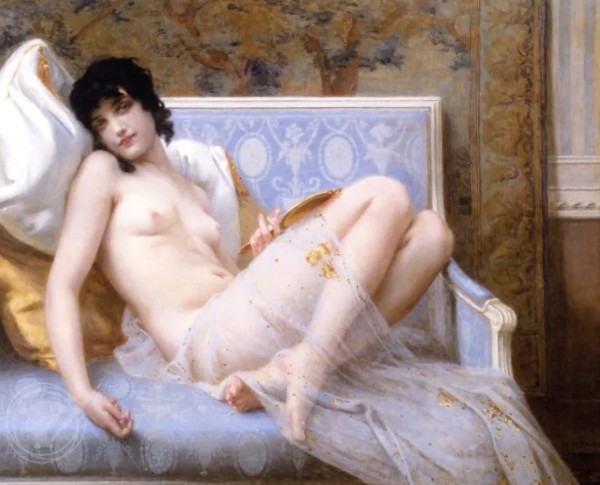
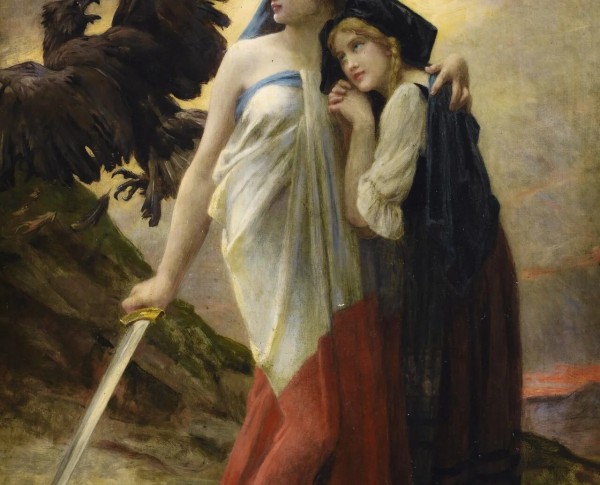
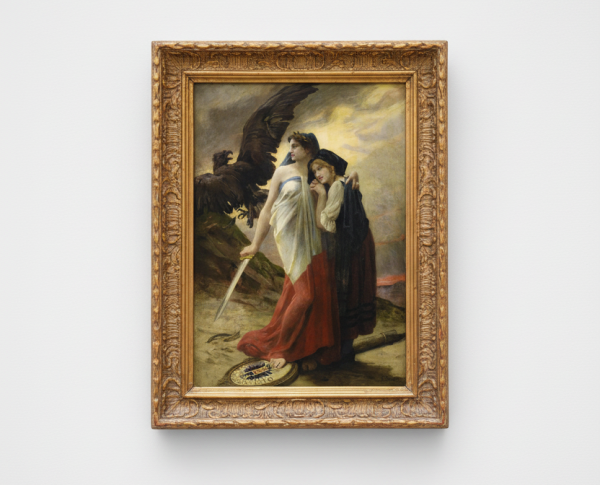
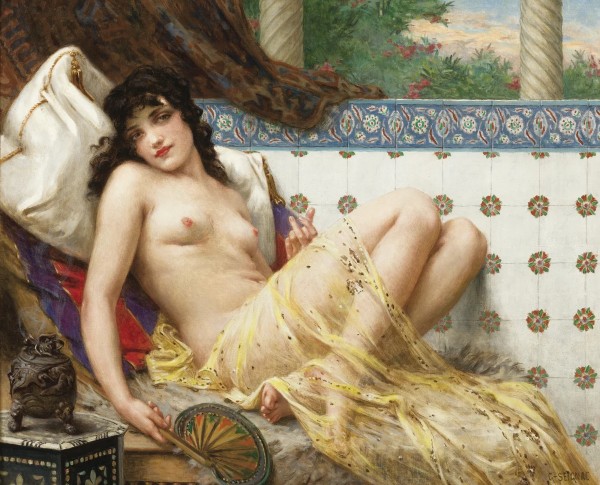
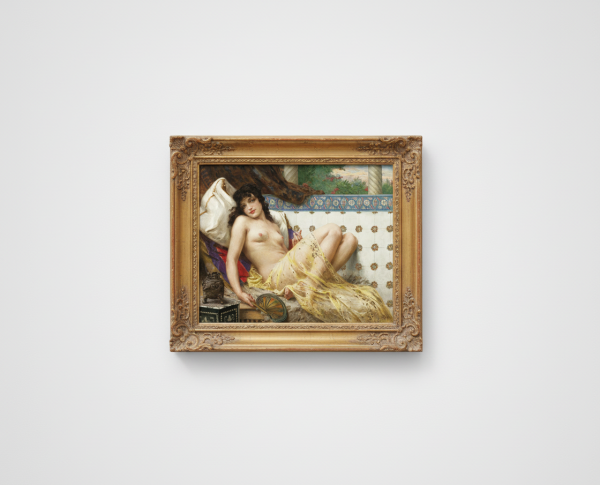
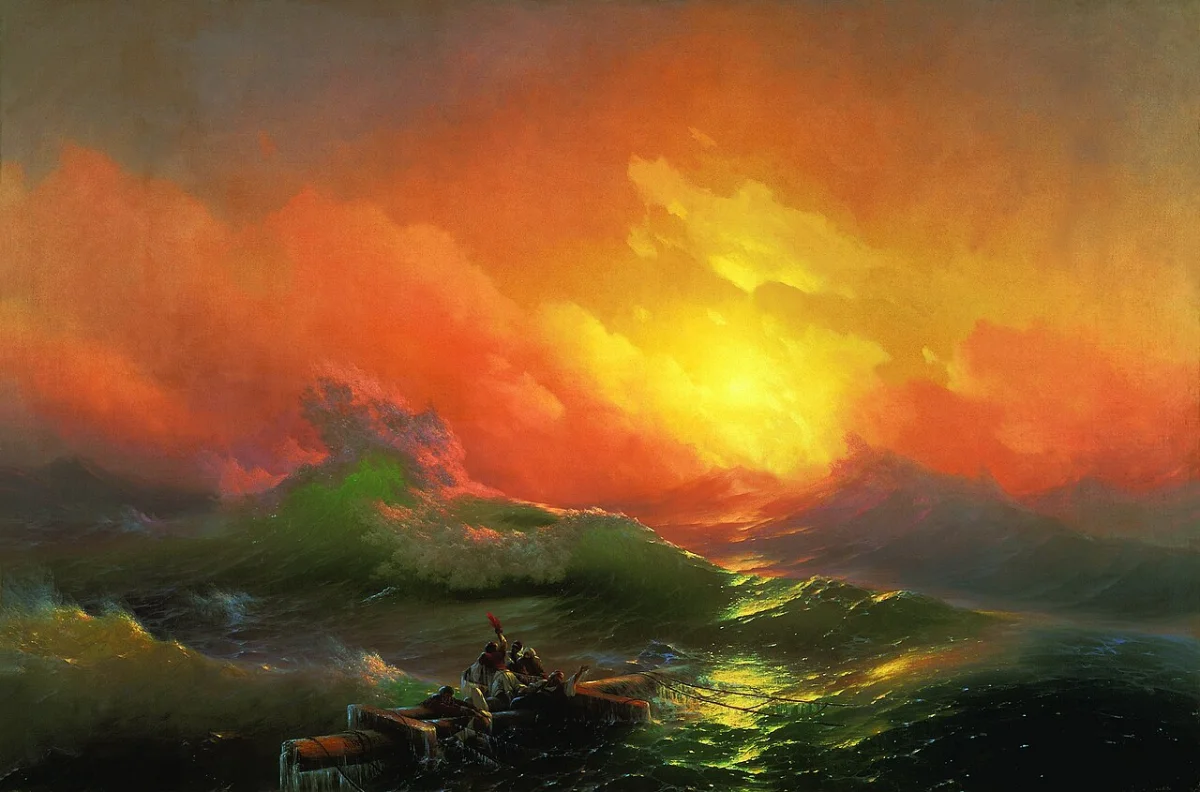
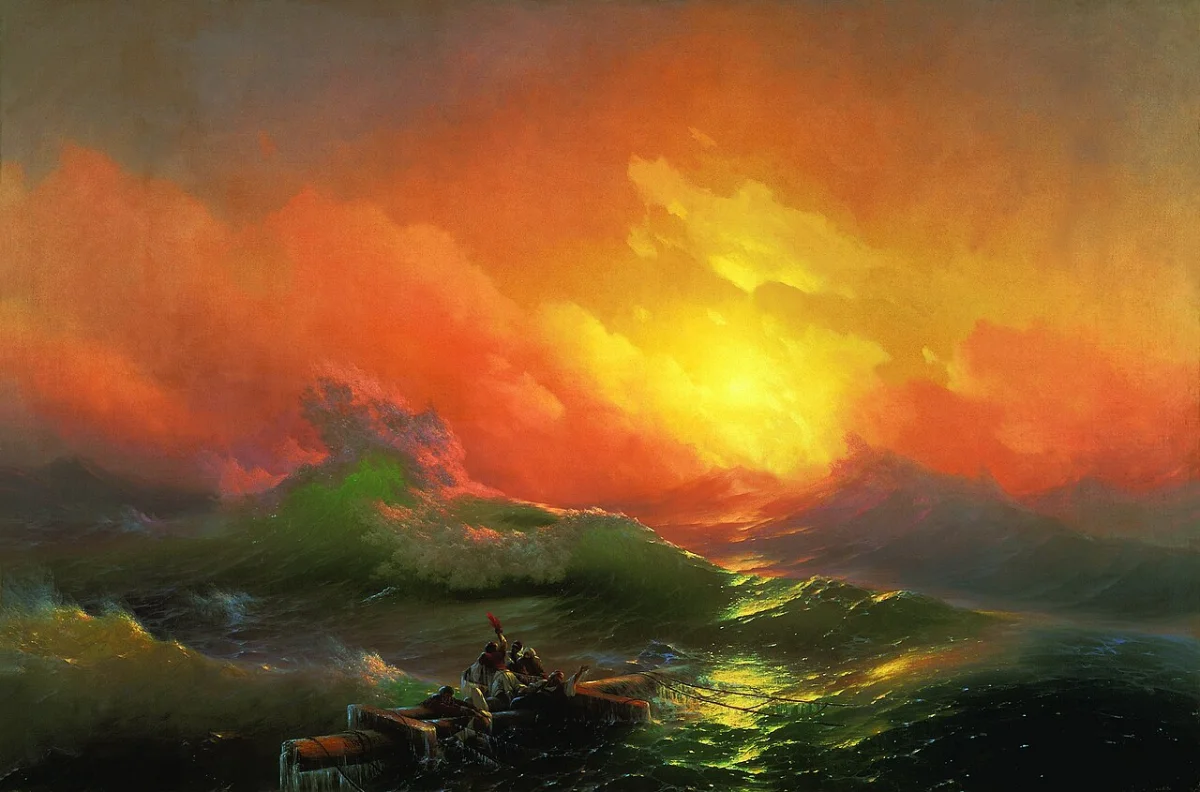
Guillaume Seignac’s “The Wave” stands as a testament to the rich tradition of Academic Art, capturing the spirit of its era through refined technique and classical inspiration. This hand-painted oil painting evokes the grandeur of history, much like Seignac’s contemporaries who contributed works such as “Promenade” and “Vercingetorix Throwing down His Weapons at the feet of Julius Caesar.” Each brushstroke reflects the artist’s dedication to the timeless values celebrated in the Academic Art movement.
Techniques That Speak
Seignac’s mastery is evident in his use of oil on canvas, a medium that allows for both luminous color and intricate detail. In “The Wave,” his handling of light and texture echoes the technical brilliance found in “Le Goût” and “Christ in Majesty in Basilique du Sacré-Cœur de Montmartre.” These techniques, central to the Academic Art movement, showcase Seignac’s ability to blend realism and idealism, resulting in a visually compelling and enduring work.
Emotions on Display
“The Wave” by Guillaume Seignac radiates emotion, drawing viewers into its dynamic composition. The artist’s sensitivity to the human form and movement imbues the scene with life, much like the emotional resonance found. This fine art painting for sale captures both the tranquility and power of nature, inviting collectors and art lovers to experience the deep feelings that Academic Art so skillfully conveys through its evocative imagery.
Coveted by Collectors
Collectors prize “The Wave” not only for its beauty but also for its place within the esteemed Academic Art movement. Guillaume Seignac’s works, alongside related paintings like “Promenade” and “Vercingetorix Throwing down His Weapons at the feet of Julius Caesar,” are highly sought after. A hand-painted oil painting by Seignac represents a unique opportunity for those seeking to own a piece of art history, making it a coveted addition to any distinguished collection.
Related Academic Art Hand-Painted Oil Paintings by Other Artists
Other Famous Academic Art Artists:
Frequently Asked Questions About The Wave
What is the historical context of The Wave?
The Wave, painted by Guillaume Seignac in the early 20th century, reflects the artistic movements of the time, particularly the influence of Romanticism and Symbolism, which emphasized emotion and the beauty of nature.
What artistic techniques did Guillaume Seignac employ in The Wave?
Seignac utilized a combination of soft brushwork and vibrant color palettes to create a sense of movement and fluidity in The Wave, effectively capturing the dynamic nature of the ocean.
What themes are explored in The Wave?
The Wave explores themes of nature's power and beauty, as well as the relationship between humanity and the natural world, evoking a sense of awe and reverence for the ocean.
How does The Wave reflect the Symbolist movement?
The Wave embodies the Symbolist movement through its emphasis on emotional expression and the use of nature as a metaphor for human experience, inviting viewers to interpret the scene on a personal level.
What symbolism can be found in The Wave?
The wave itself symbolizes both the tumultuous nature of life and the beauty of the sublime, representing the duality of human experience—struggle and serenity.
What influences can be seen in Seignac's style in The Wave?
Seignac's style in The Wave shows influences from the academic art tradition, characterized by meticulous detail and classical themes, while also incorporating elements of modernism through its emotive qualities.
How does The Wave compare to other works by Guillaume Seignac?
Compared to other works by Seignac, The Wave stands out for its dramatic portrayal of nature, showcasing his ability to blend classical techniques with a more expressive, contemporary approach.
What role does color play in The Wave?
Color in The Wave plays a crucial role in conveying mood and atmosphere, with the use of deep blues and whites to evoke the feeling of the ocean's vastness and the energy of the wave itself.
What impact did The Wave have on contemporary art?
The Wave contributed to the dialogue around the representation of nature in art, influencing later artists to explore similar themes of emotion and the natural world through their own unique lenses.
In what ways has The Wave been interpreted by art critics?
Art critics have interpreted The Wave as a celebration of nature's beauty and a reflection of human emotion, often highlighting its technical mastery and the depth of its symbolic meaning.






















_GFM_Painting_(1).webp)


 100% Hand-Painted: Finished in 3-6 Weeks

.png)















_(1).webp)