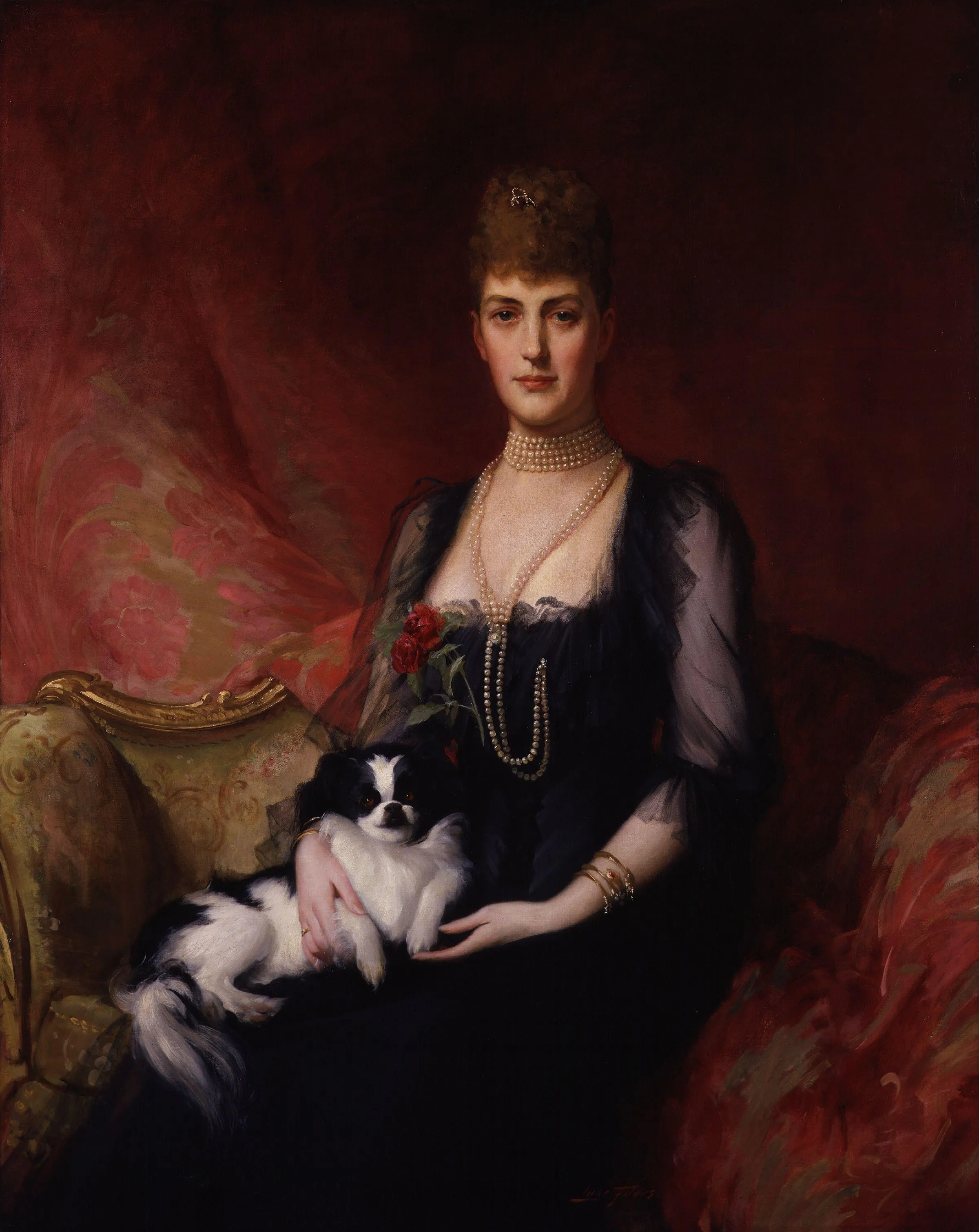
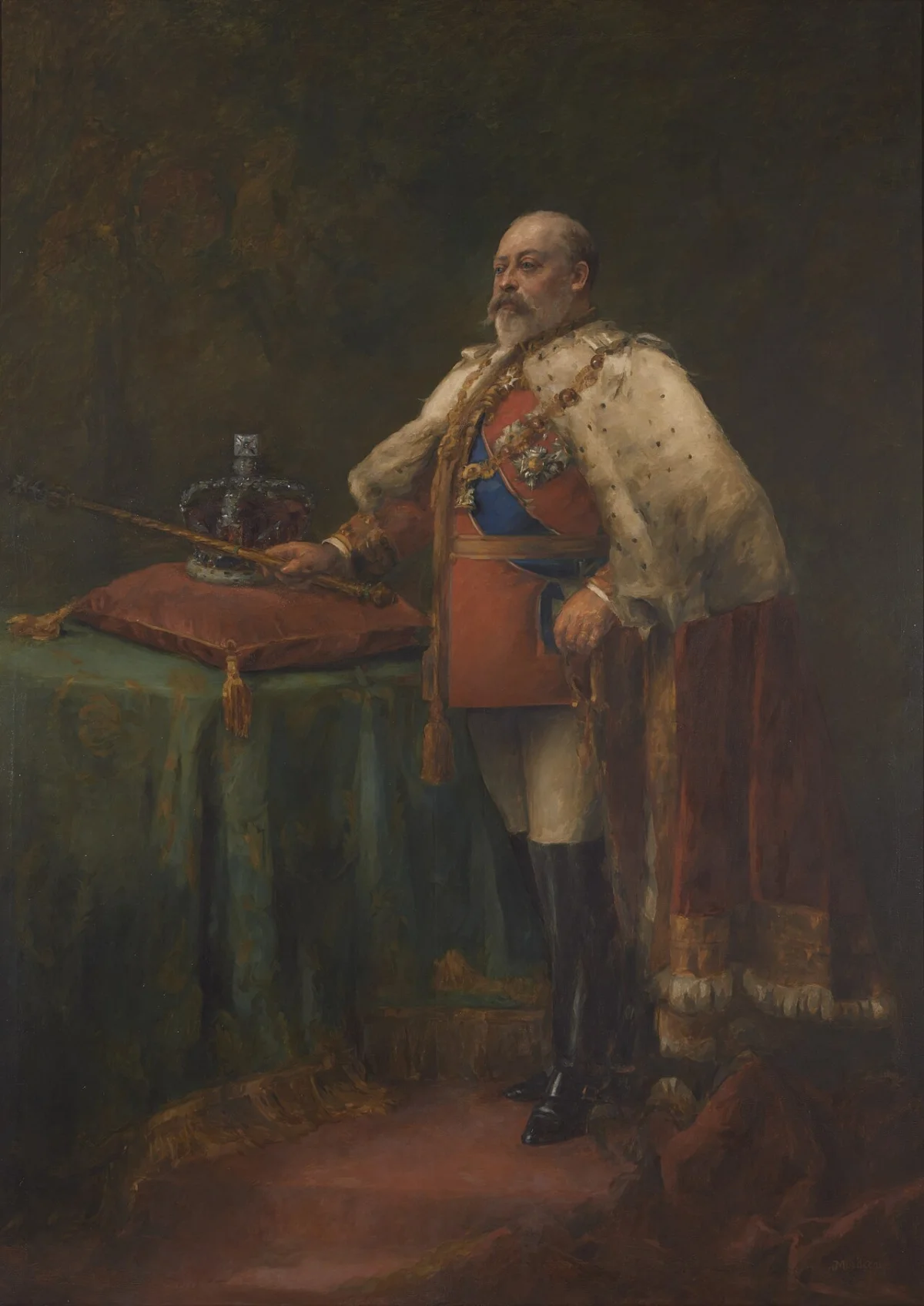
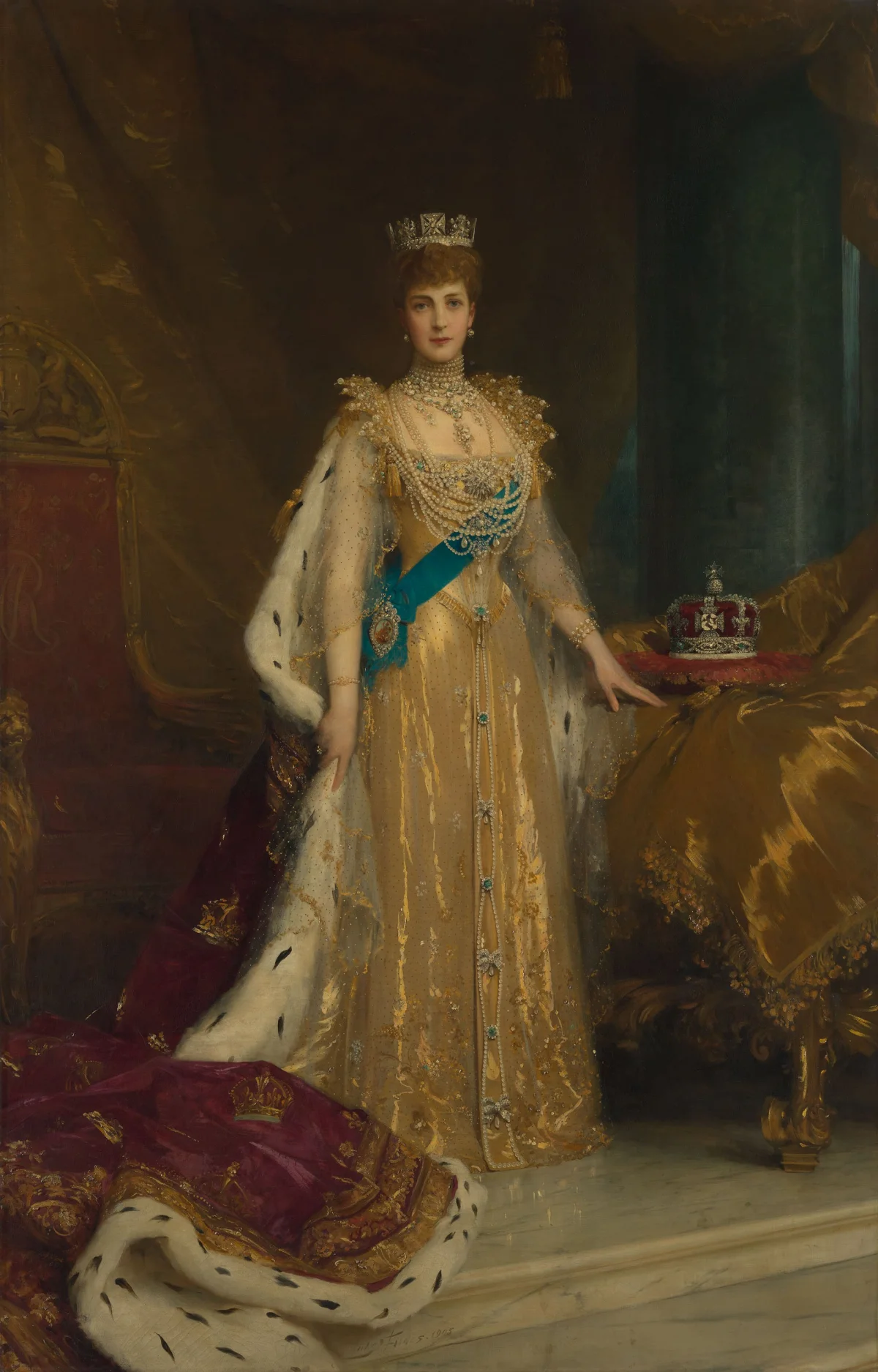
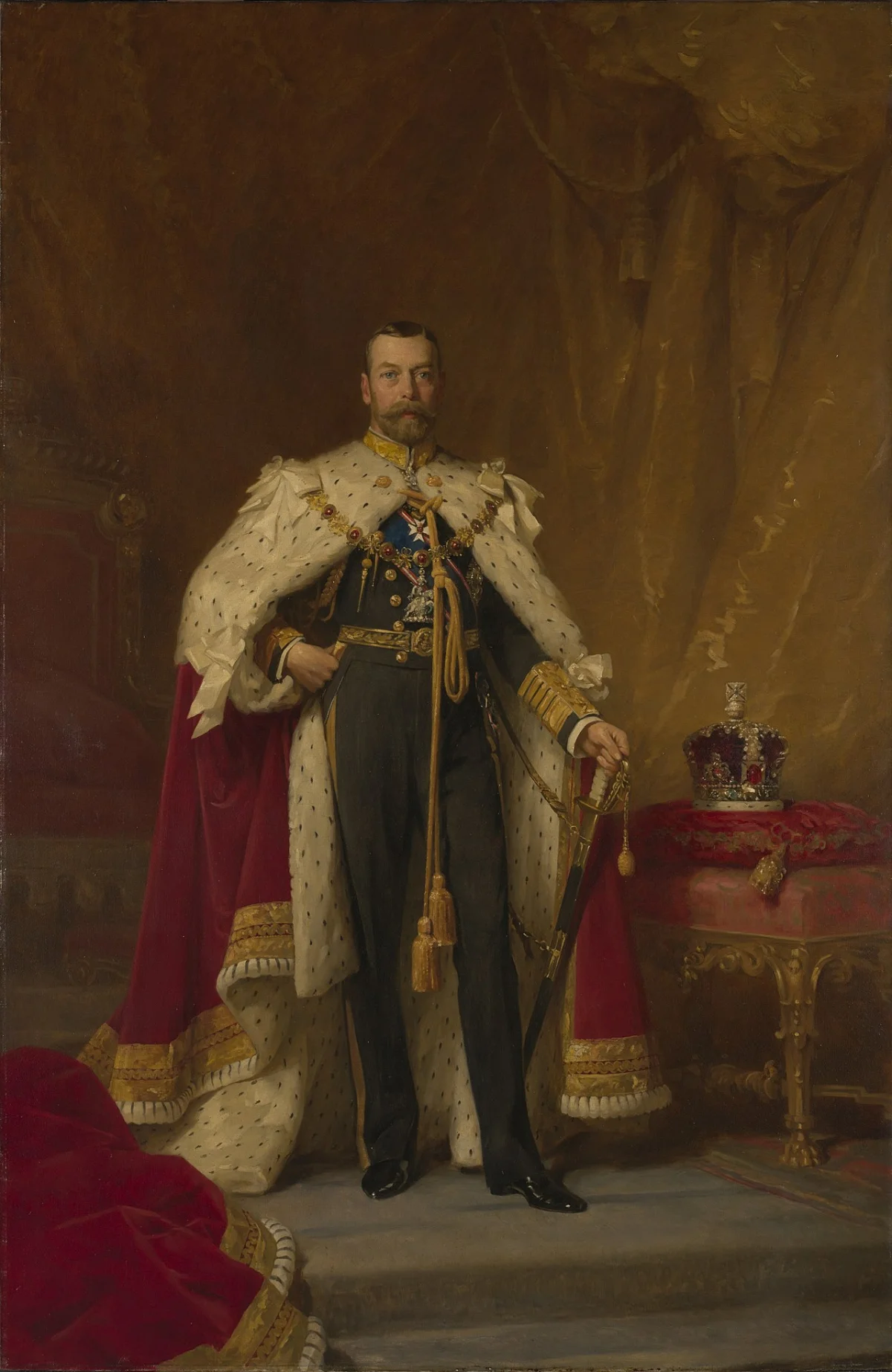
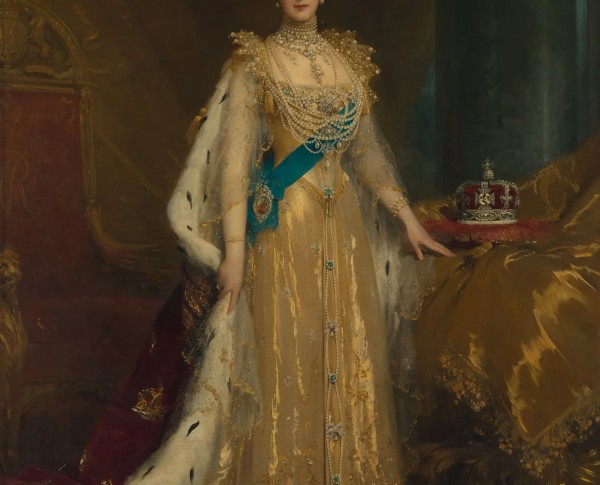
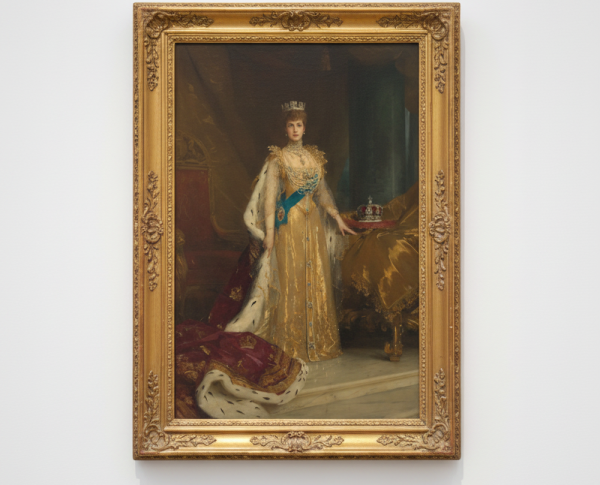
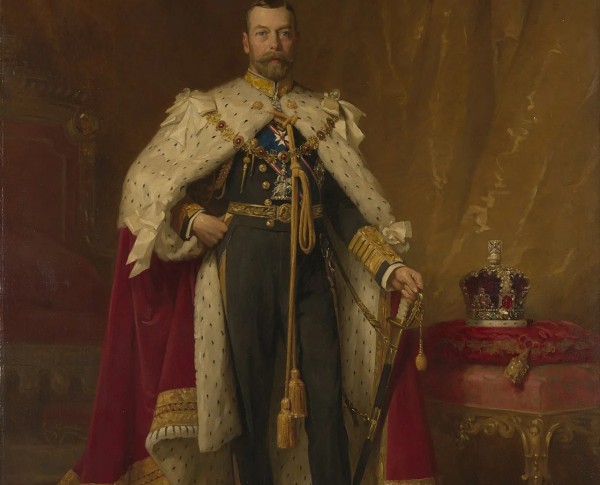
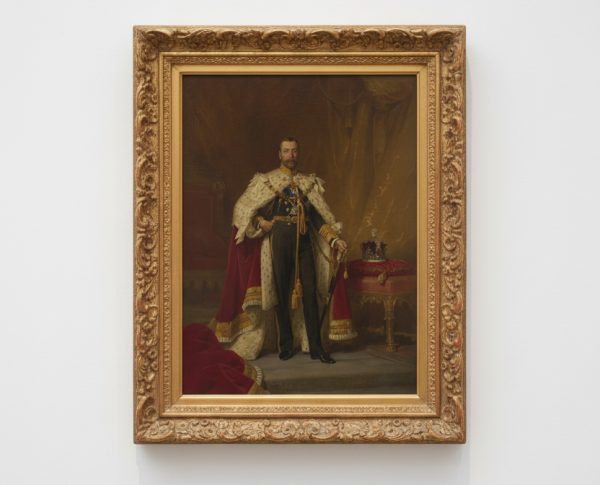
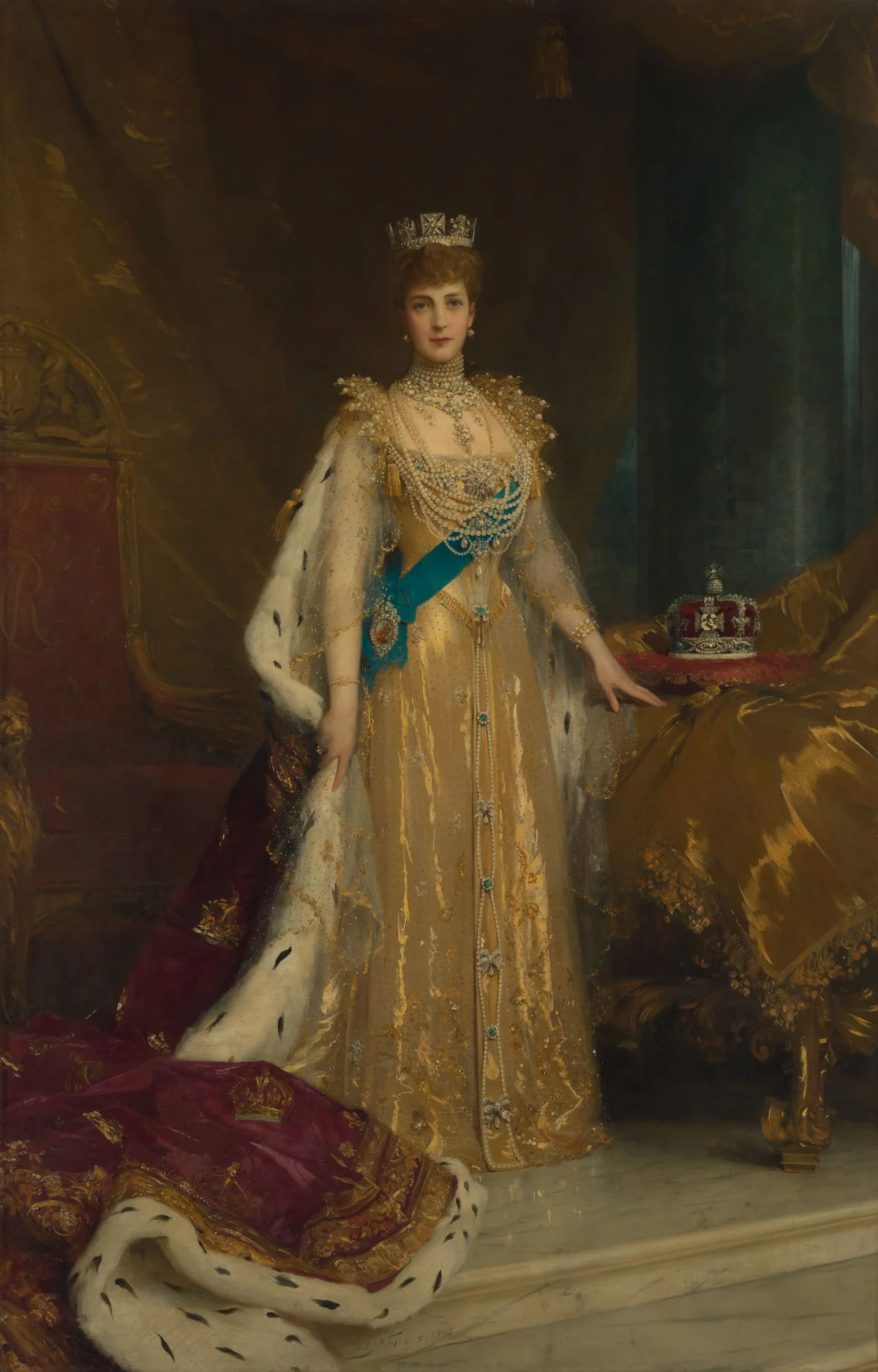
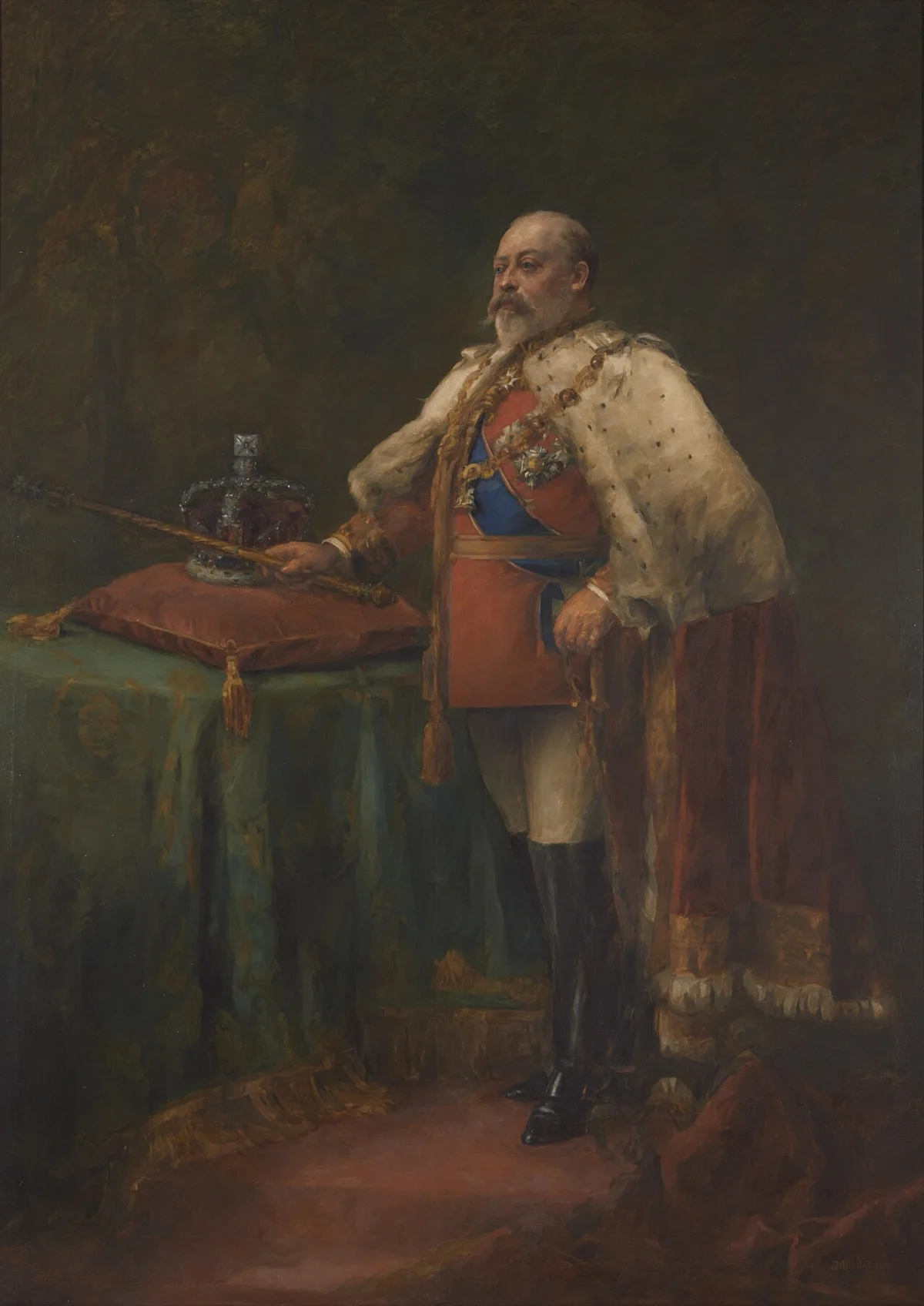
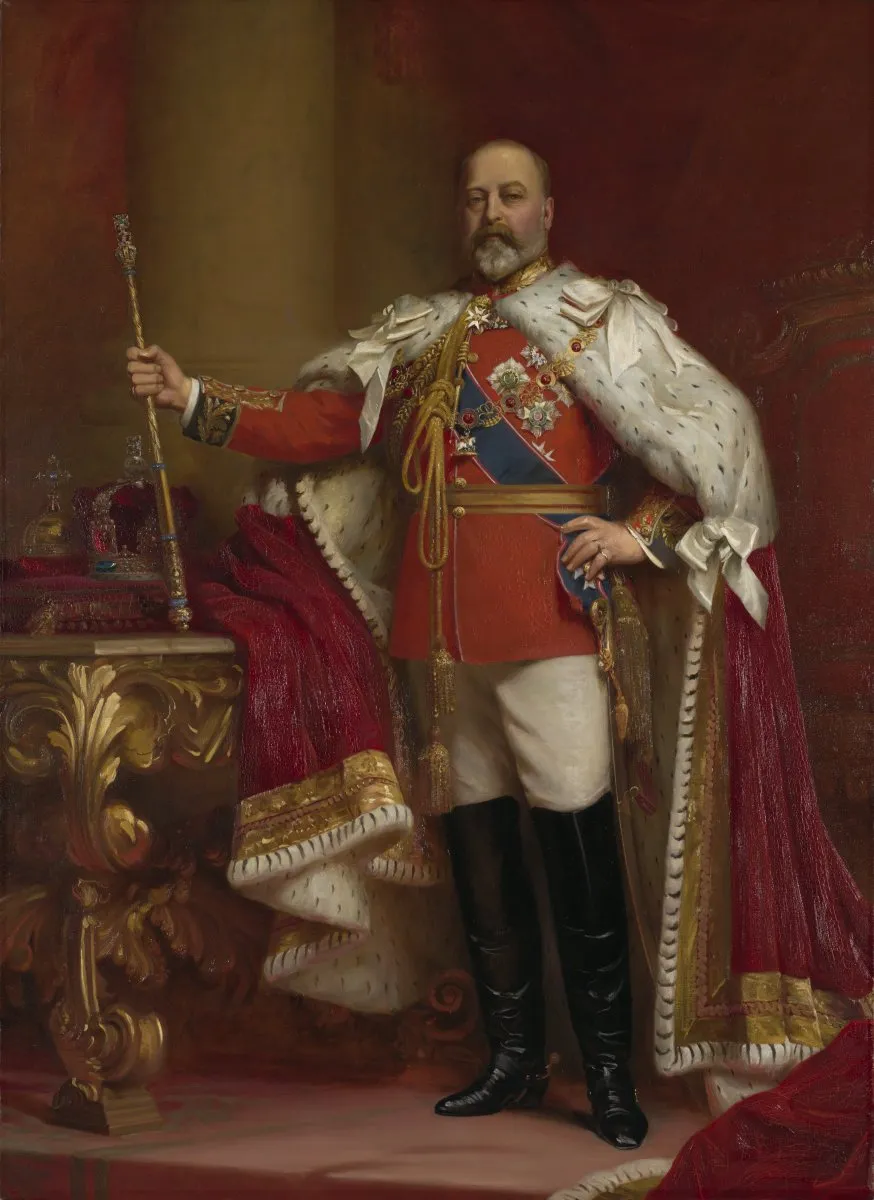
Fildes’ expertise shines in "The Empty Chair," where every brushstroke of oil on canvas demonstrates his technical prowess and empathetic storytelling. The texture and detail reflect the Social Realism movement’s commitment to truth and emotion. Collectors of his works, including "King Edward VII, Reigned 10" and "Queen Alexandra (1844-1925)," appreciate the meticulous craftsmanship and authenticity that define his paintings, making each oil on canvas an enduring testament to his legacy.
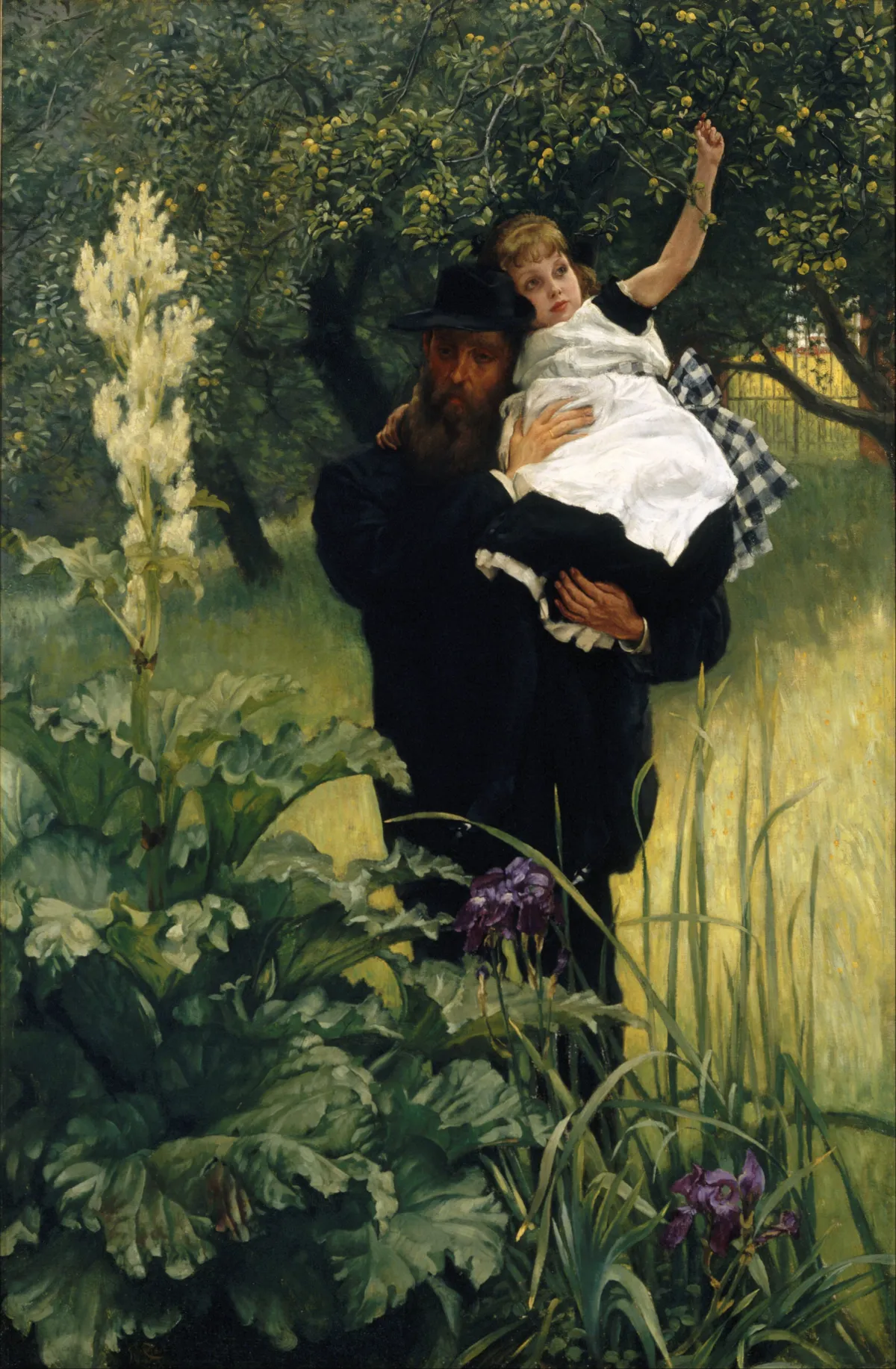
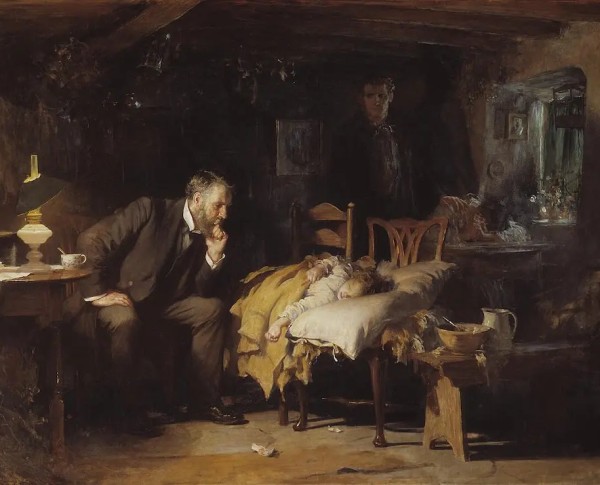
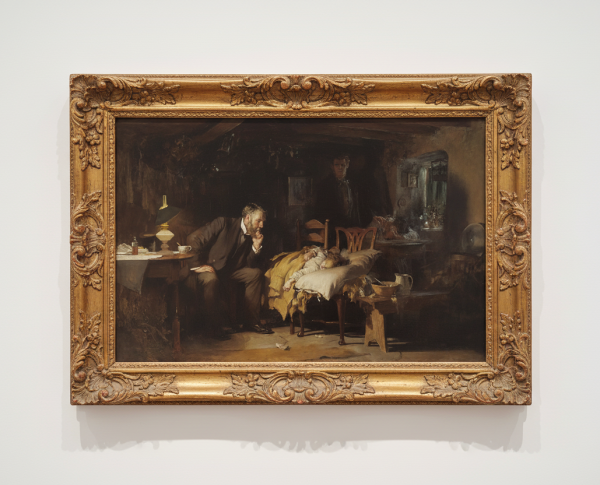
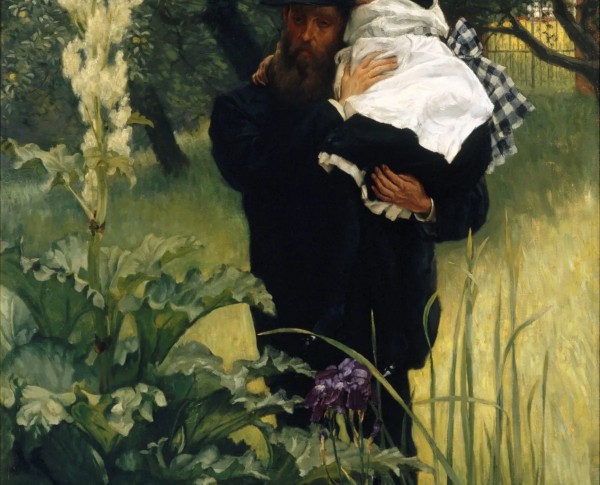
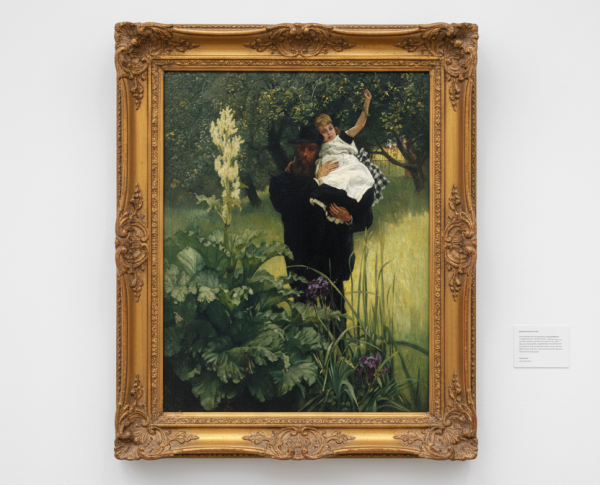
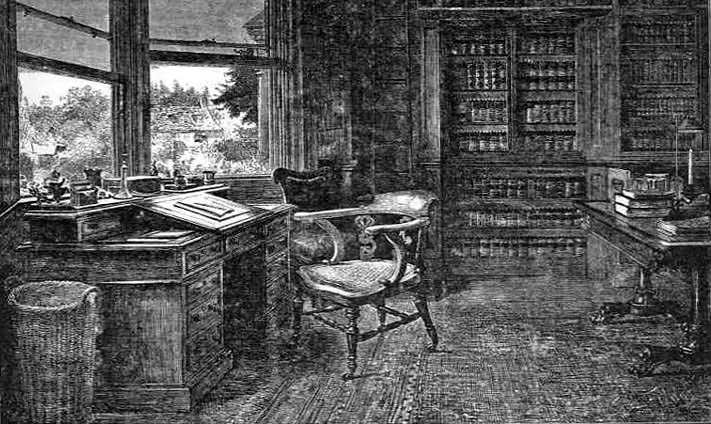
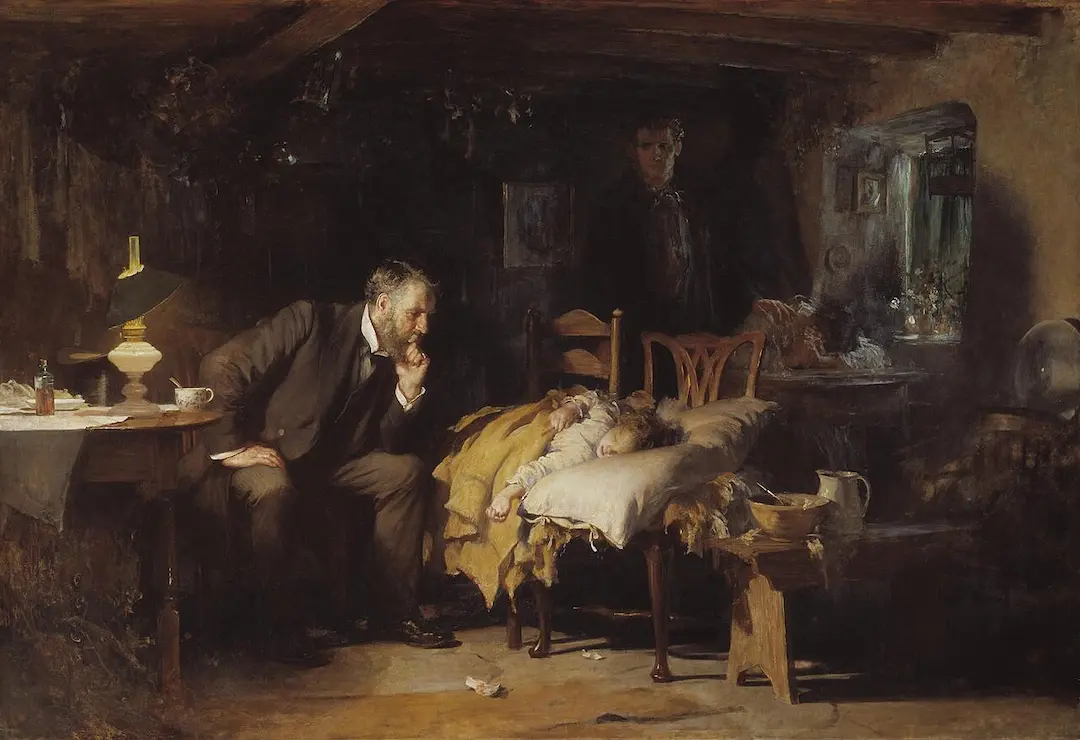
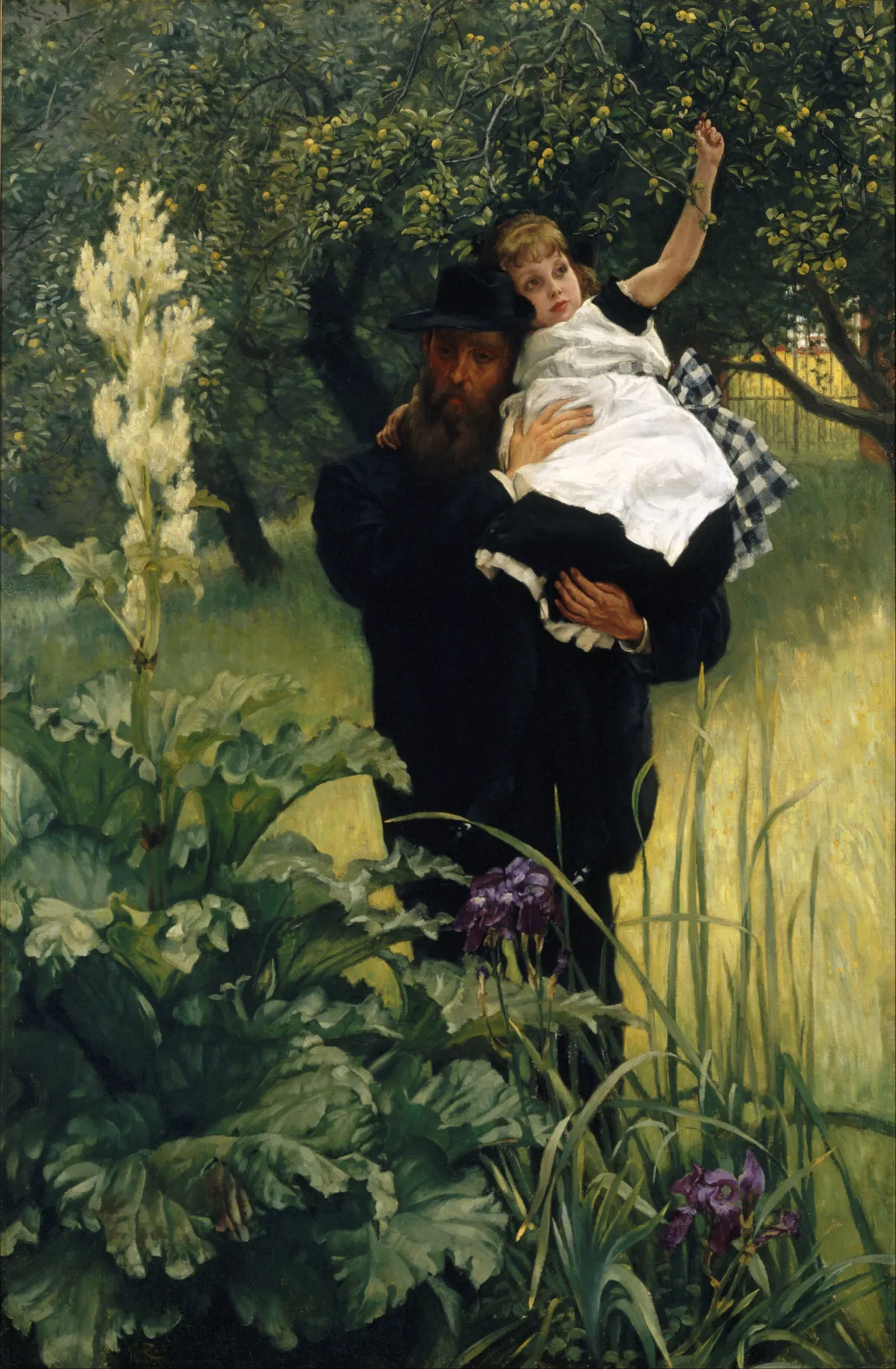
"The Empty Chair" is more than a fine art painting for sale; it is a narrative woven with symbols of loss and remembrance. Samuel Luke Fildes masterfully uses the vacant seat to represent not just Dickens’ absence but also the universal experience of mourning. The painting’s subtle details align with the Social Realism movement’s focus on real-life stories, paralleling the evocative themes found in Fildes’ other works like "The Doctor" and "The Widower."
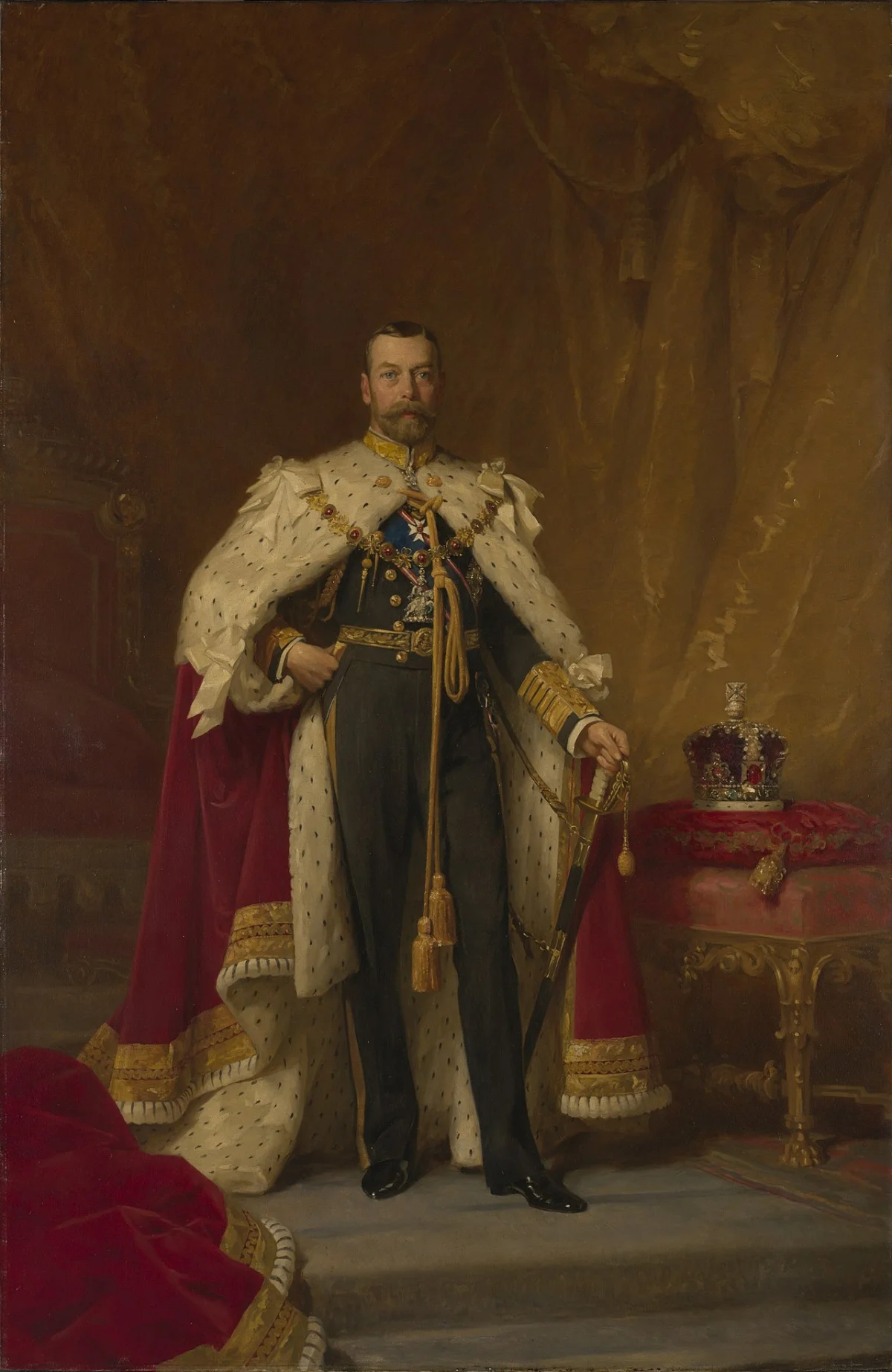
Owning "The Empty Chair" by Samuel Luke Fildes means possessing a hand-painted oil painting that encapsulates the spirit of Social Realism. This work holds a revered place among collectors, who also seek related masterpieces such as "Hm King Edward VII, Protector of the Craft." Each painting offers a glimpse into the era’s social consciousness, making them highly sought-after as fine art painting for sale and treasured additions to distinguished collections.
When Art Meets History
Samuel Luke Fildes’s "The Empty Chair" stands as a poignant example of Social Realism, a movement committed to portraying the realities of everyday life. This hand-painted oil painting captures a moment of absence, reflecting the emotional void left by a loved one. Created during a period of social upheaval, Fildes’s work resonates with the struggles of ordinary people, much like his other notable pieces. "The Empty Chair" remains a significant milestone in the history of fine art.
Techniques That Speak
Fildes’s mastery in oil on canvas is evident in "The Empty Chair," where meticulous brushwork and subtle color palettes evoke a sense of melancholy and reflection. The artist’s dedication to realism is showcased through detailed textures and lifelike lighting, hallmarks of the Social Realism movement. Each stroke in this hand-painted oil painting amplifies the narrative, demonstrating Fildes’s technical prowess and his commitment to authentic storytelling through art.
Emotions on Display
"The Empty Chair" by Samuel Luke Fildes is renowned for its profound emotional impact, capturing an atmosphere of loss and longing. This fine art painting for sale invites viewers to empathize with the depicted absence, a recurring theme in Social Realism. Fildes’s sensitive portrayal of solitude and memory connects deeply with audiences, making the painting a moving testament to the human experience and an enduring piece within his celebrated body of work.
Coveted by Collectors
Collectors worldwide prize "The Empty Chair" for its historical significance and exquisite craftsmanship. As a hand-painted oil painting from the Social Realism movement, it exemplifies Samuel Luke Fildes’s unique artistic vision. Its status as a sought-after fine art painting for sale underscores both its aesthetic appeal and its cultural value, ensuring its continued relevance in galleries and private collections alongside other masterpieces by Fildes.
Frequently Asked Questions About "the Empty Chair"
What is the historical context of "the Empty Chair"?
"The Empty Chair," painted by Samuel Luke Fildes in 1889, reflects the Victorian era's fascination with themes of absence and loss, particularly in relation to family and social dynamics during a time of great change.
What artistic techniques did Fildes employ in "the Empty Chair"?
Fildes utilized realism to convey emotional depth, employing meticulous attention to detail and a naturalistic color palette to enhance the somber mood of the painting.
What does the empty chair symbolize in the painting?
The empty chair serves as a poignant symbol of absence, representing loss and the void left by a loved one, inviting viewers to reflect on themes of grief and remembrance.
How does "the Empty Chair" relate to Fildes' other works?
This painting is consistent with Fildes' broader oeuvre, which often explores human emotion and social commentary, particularly the complexities of familial relationships and the impact of death.
What was the public reception of "the Empty Chair" upon its unveiling?
Upon its unveiling, "the Empty Chair" was met with critical acclaim, praised for its emotional resonance and technical skill, further solidifying Fildes' reputation as a leading painter of his time.
In what ways does "the Empty Chair" reflect Victorian values?
The painting encapsulates Victorian values surrounding family, mourning, and the societal expectations of expressing grief, highlighting the era's preoccupation with the sanctity of domestic life.
What influences can be seen in Fildes' style in "the Empty Chair"?
Fildes' style in this painting is influenced by the Pre-Raphaelite movement, evident in his detailed realism and emotional expressiveness, which aims to evoke a deep connection with the viewer.
How does the composition of "the Empty Chair" contribute to its meaning?
The composition, centered around the solitary chair, emphasizes isolation and absence, drawing the viewer's eye and emotions towards the poignant narrative of loss that the painting conveys.
What role does lighting play in "the Empty Chair"?
The use of soft, natural lighting in "the Empty Chair" enhances the melancholic atmosphere, creating a sense of intimacy and drawing attention to the emotional weight of the empty space.
What impact has "the Empty Chair" had on contemporary art and culture?
"The Empty Chair" continues to resonate in contemporary discussions of absence and memory, influencing modern artists and serving as a powerful metaphor in various cultural contexts, including literature and film.























_GFM_Painting_(1).webp)


 100% Hand-Painted: Finished in 3-6 Weeks

.png)















_(1).webp)