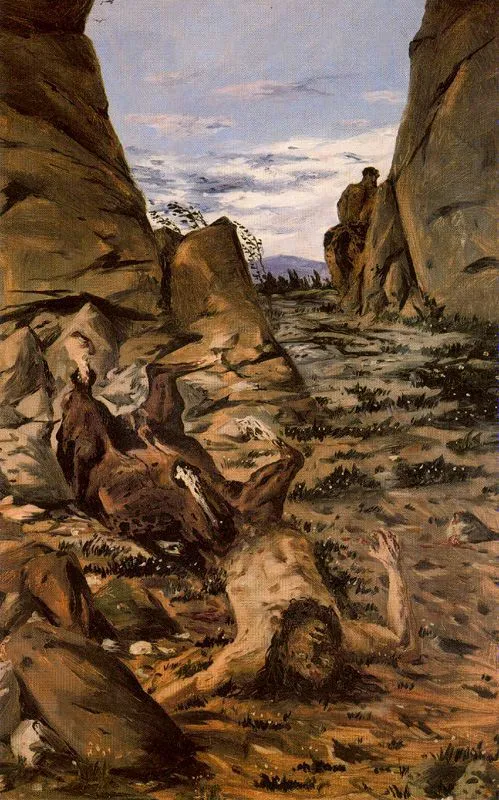
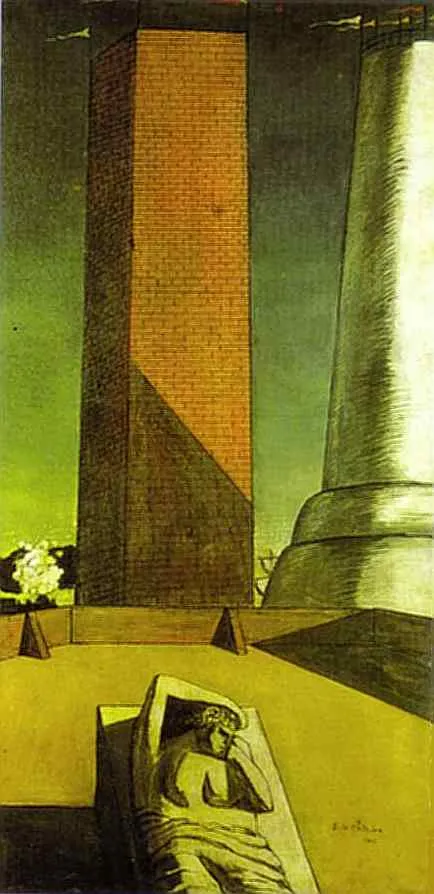
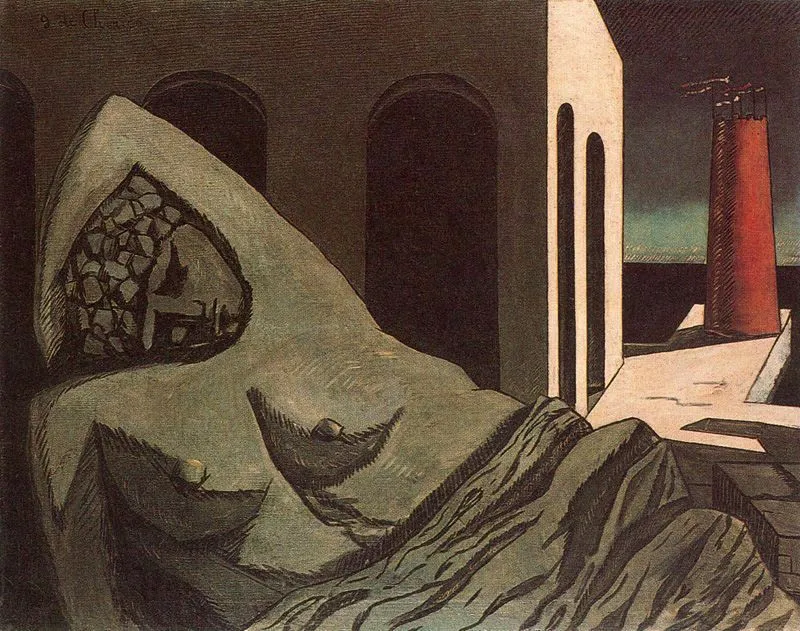
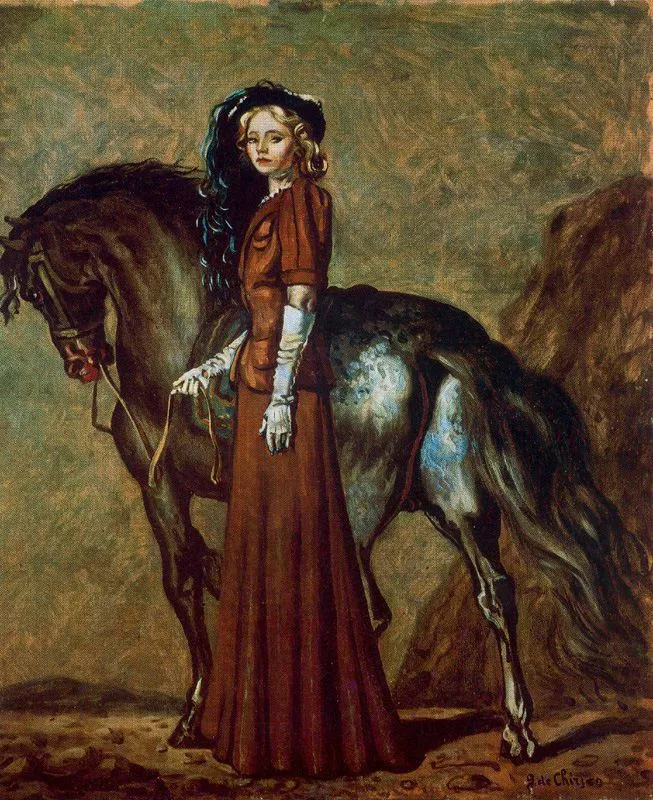
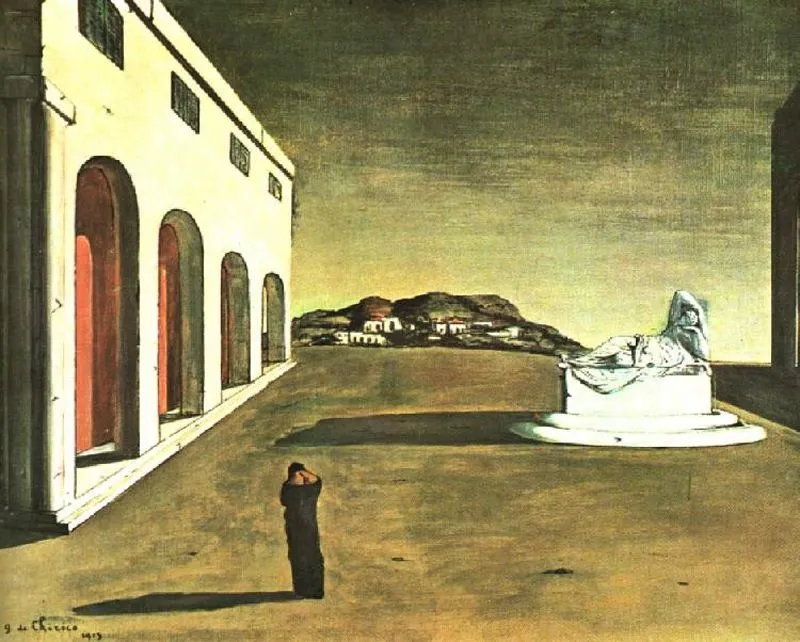
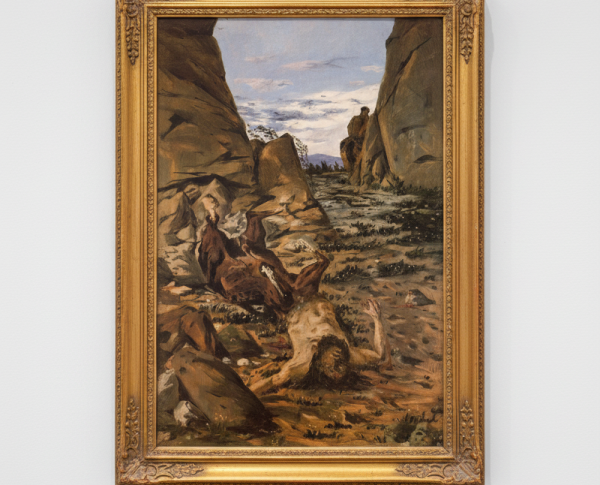
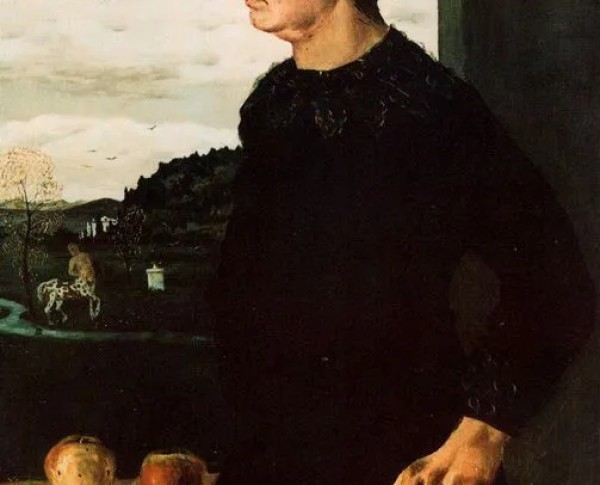
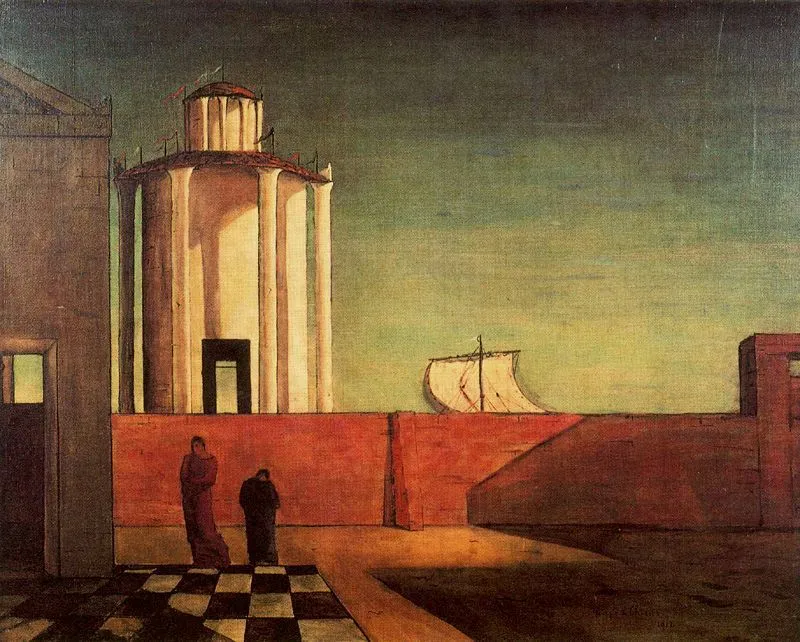
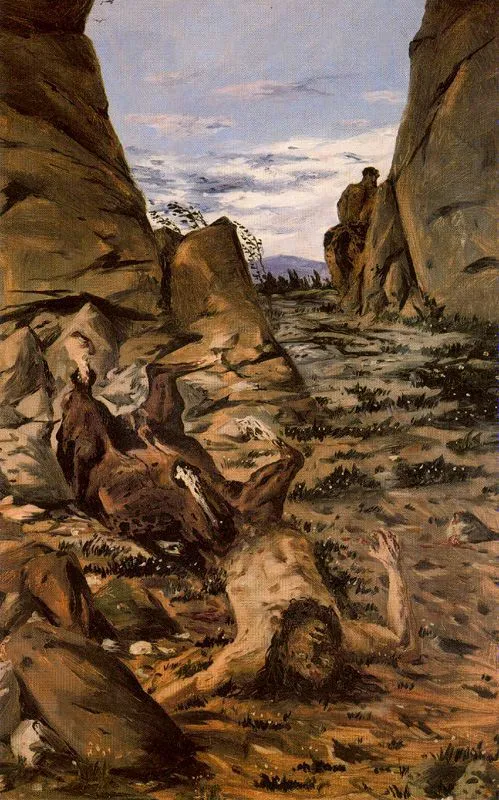
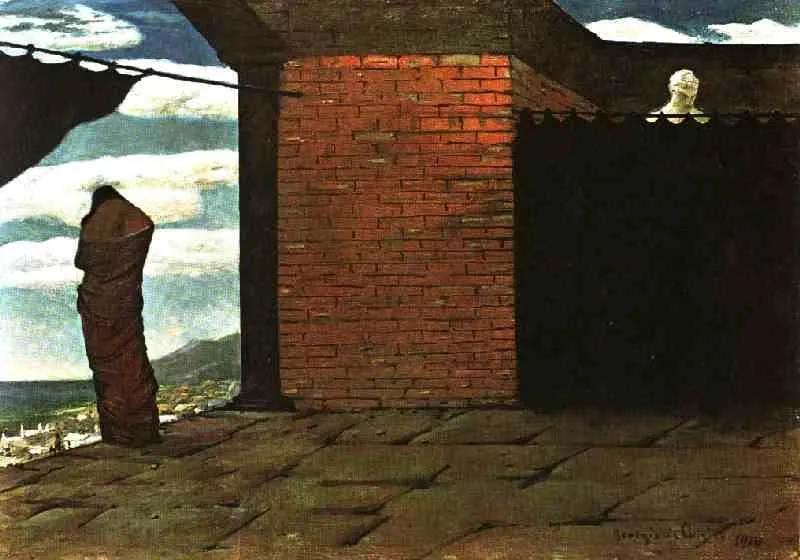
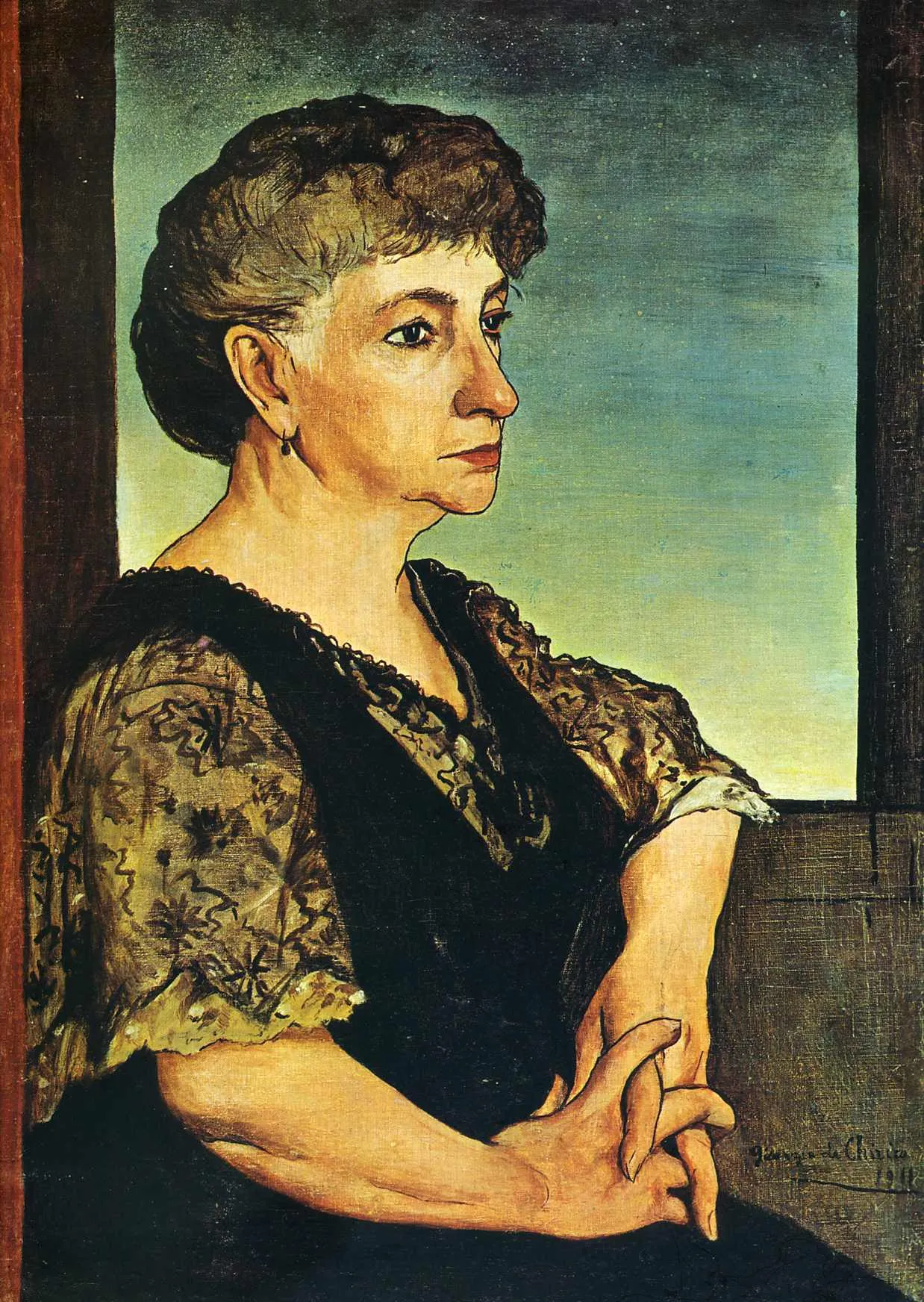
De Chirico’s mastery is evident in every brushstroke of "The Enigma of the Arrival and the Afternoon," showcasing his signature style within the Surrealism movement. Utilizing oil on canvas, the artist crafts a haunting yet harmonious atmosphere, marked by elongated shadows and classical forms. Comparable to his other works such as "Dying Centaur" and "Portrait of artist's mother," this piece demonstrates the technical prowess and visionary spirit that define de Chirico's hand-painted oil paintings.
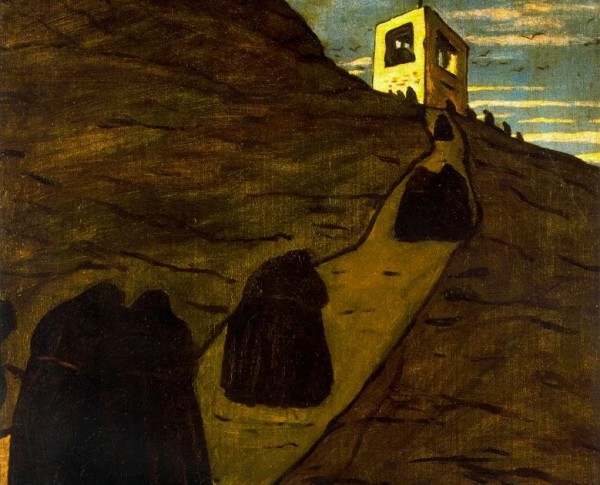
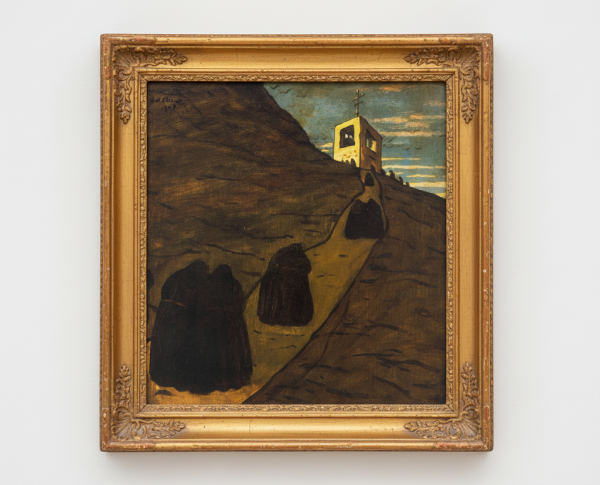
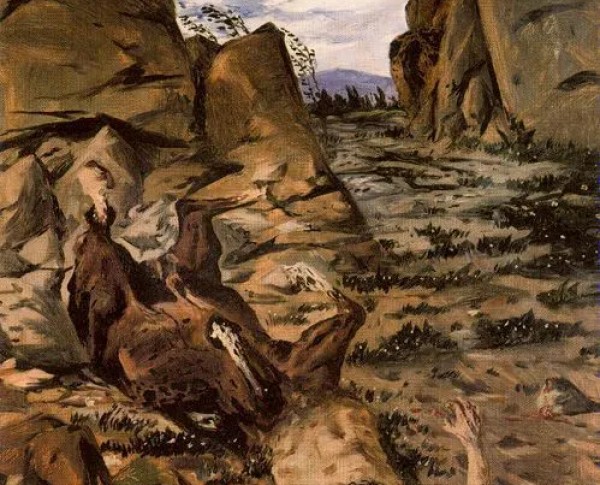
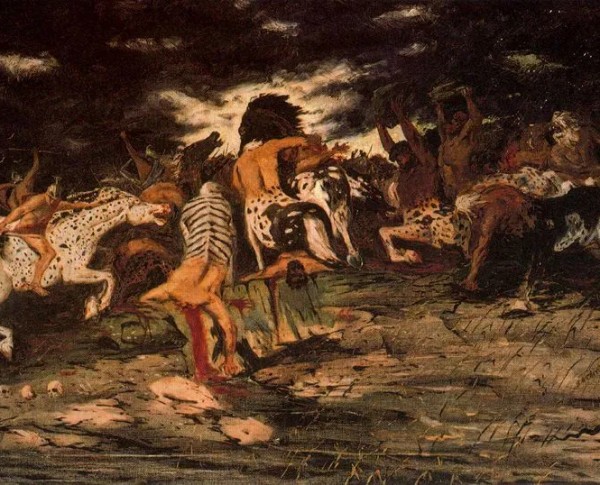
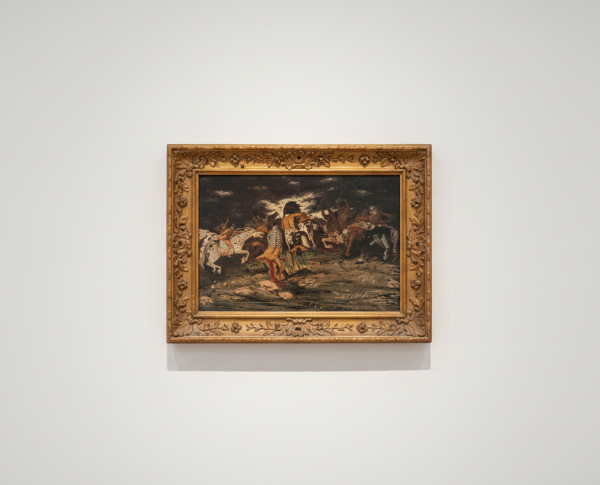
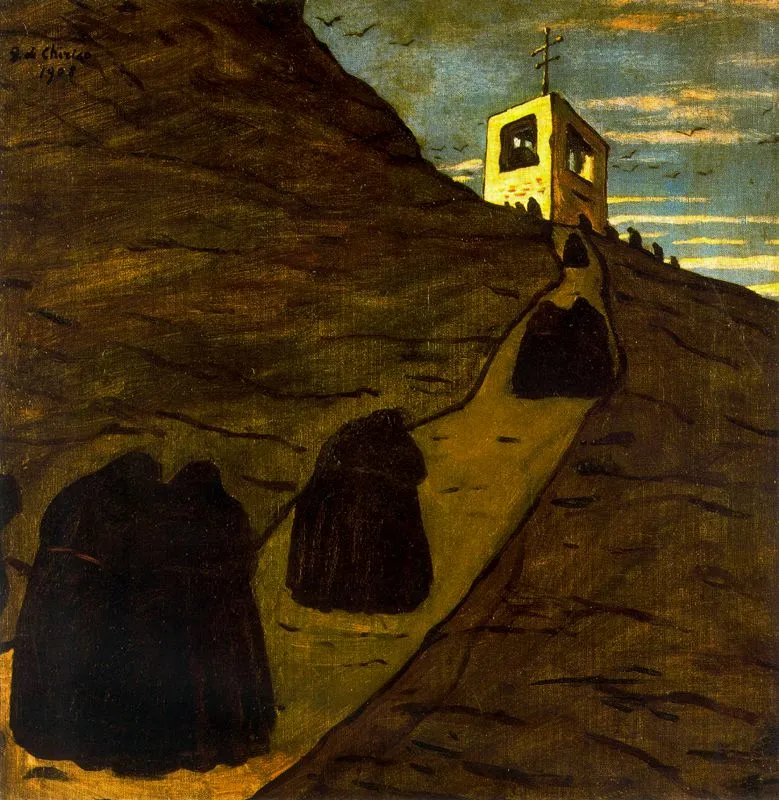
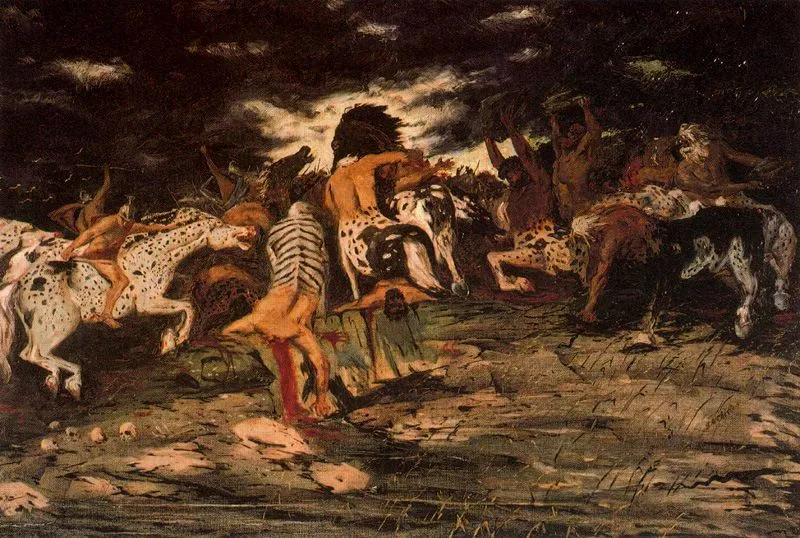
"The Enigma of the Arrival and the Afternoon" is rich with stories and symbols, inviting viewers into a world where reality and imagination blur. Giorgio de Chirico’s use of surreal architecture and enigmatic figures in this oil on canvas masterpiece echoes the themes found in "Climb to the monastery" and "The battle of Lapiths and Centaurs." Collectors and enthusiasts searching for a fine art painting for sale will appreciate the layered narratives and symbolic depth within this renowned Surrealist work.
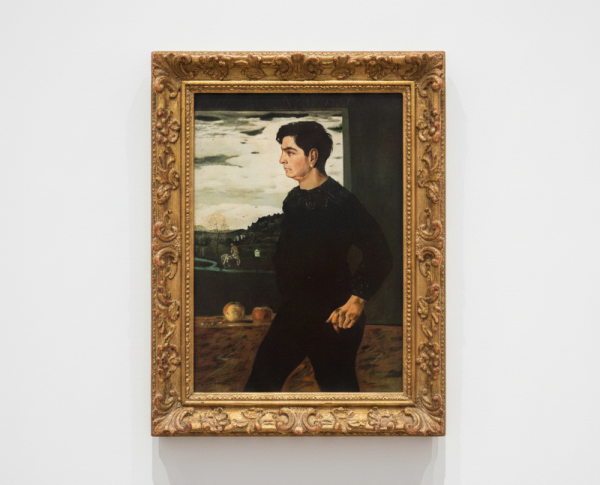
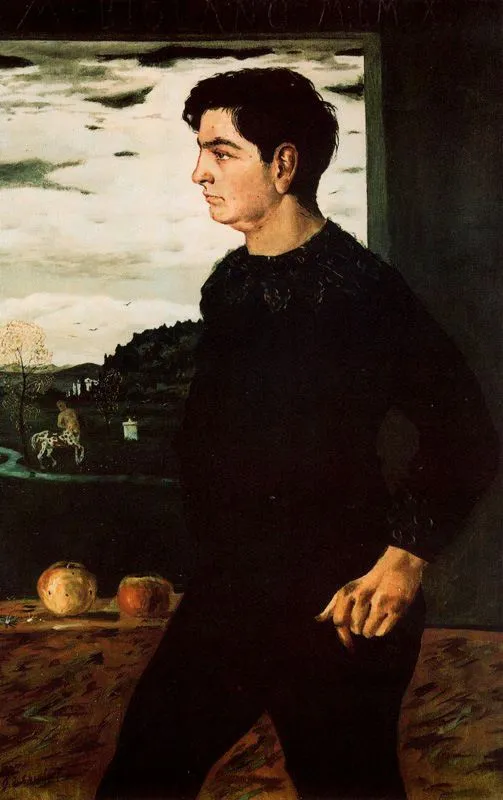
Owning "The Enigma of the Arrival and the Afternoon" by Giorgio de Chirico is a rare opportunity for collectors passionate about Surrealism. This hand-painted oil painting not only represents a pivotal moment in art history but also complements collections featuring works like "Portrait of Andrea, brother of the artist" or "Hector and Andromache." With its enigmatic beauty and historical significance, this fine art painting for sale is a true treasure for discerning art lovers.
When Art Meets History
Giorgio de Chirico’s "The Enigma of the Arrival and the Afternoon" stands as a testament to the Surrealism movement’s fascination with time and memory. This hand-painted oil painting immerses viewers in a haunting piazza, echoing the enigmatic atmosphere found in de Chirico’s other works. The enigmatic shadows and classical architecture evoke a sense of historical mystery, inviting audiences to ponder the passage of time and the arrival of unknown destinies in fine art painting for sale collections.
Techniques That Speak
De Chirico’s mastery is evident in his use of oil on canvas, where sharp lines and elongated shadows create an unsettling tranquility. The artist’s precise brushwork and muted palette lend a dreamlike quality to "The Enigma of the Arrival and the Afternoon." His approach, typical of Surrealism, employs perspective and light manipulation to distort reality, influencing countless artists. This oil on canvas exemplifies de Chirico’s innovative techniques that continue to inspire admirers and collectors alike.
Emotions on Display
"The Enigma of the Arrival and the Afternoon" evokes feelings of solitude and anticipation, hallmarks of Giorgio de Chirico’s Surrealist vision. Through his unique composition, the artist instills a mysterious tension, allowing viewers to project their own emotions onto the scene. This hand-painted oil painting captures the ambiguity of arrival and the quietude of afternoon, making it a powerful example of how Surrealist art can provoke deep introspection and emotional resonance in fine art painting for sale.
Coveted by Collectors
As a celebrated fine art painting for sale, "The Enigma of the Arrival and the Afternoon" is highly sought after by collectors worldwide. Giorgio de Chirico’s ability to blend classical references with Surrealist innovation has cemented this work’s status in the art market. Its distinctive style and thematic depth, shared by other notable oil on canvas pieces by de Chirico, ensure its enduring appeal among those passionate about Surrealism and influential twentieth-century art.
Frequently Asked Questions About The Enigma of the Arrival and the Afternoon
What is the historical context of "The Enigma of the Arrival and the Afternoon"?
"The Enigma of the Arrival and the Afternoon" was painted in 1914, during a time of significant change in Europe. This period saw the rise of modernism, and de Chirico's work reflects the anxieties and uncertainties of the pre-World War I era.
What artistic movement is Giorgio de Chirico associated with?
Giorgio de Chirico is primarily associated with the Metaphysical painting movement, which he co-founded. This movement emphasizes dream-like scenes and enigmatic imagery, challenging viewers to explore deeper meanings.
What are the key themes represented in the painting?
The key themes in "The Enigma of the Arrival and the Afternoon" include existentialism, the passage of time, and the juxtaposition of reality and illusion. The painting evokes a sense of mystery and contemplation.
How does de Chirico use color in this painting?
De Chirico employs a muted color palette dominated by earthy tones, which contributes to the melancholic and introspective mood of the work. The use of contrasting light and shadow further enhances the sense of depth and enigma.
What symbols can be found in "The Enigma of the Arrival and the Afternoon"?
Prominent symbols in the painting include classical architecture, enigmatic figures, and shadows. These elements symbolize the passage of time, the presence of the past, and the mystery of existence.
What is the significance of the architectural elements in the painting?
The architectural elements, such as the arches and columns, evoke a sense of timelessness and nostalgia. They serve as a reminder of classical civilization, contrasting with the modern anxieties of the early 20th century.
How does the composition of the painting contribute to its meaning?
The composition is characterized by a balanced arrangement of forms and figures, creating a sense of harmony amidst the underlying tension. This balance invites viewers to explore the relationship between the seen and the unseen.
What influence did "The Enigma of the Arrival and the Afternoon" have on later artists?
This painting significantly influenced Surrealist artists, who were drawn to its dream-like quality and exploration of subconscious themes. De Chirico's work paved the way for a deeper investigation into the nature of reality in art.
What emotions does the painting evoke in viewers?
The painting evokes a sense of solitude, introspection, and mystery. Viewers may feel a connection to the existential questions posed by the imagery, prompting personal reflection on their own experiences and perceptions.
How does "The Enigma of the Arrival and the Afternoon" reflect de Chirico's personal philosophy?
De Chirico's personal philosophy emphasizes the exploration of metaphysical themes and the search for meaning in a chaotic world. This painting encapsulates his belief in the power of art to convey complex emotions and ideas beyond the tangible.






















_GFM_Painting_(1).webp)


 100% Hand-Painted: Finished in 3-6 Weeks

.png)















_(1).webp)