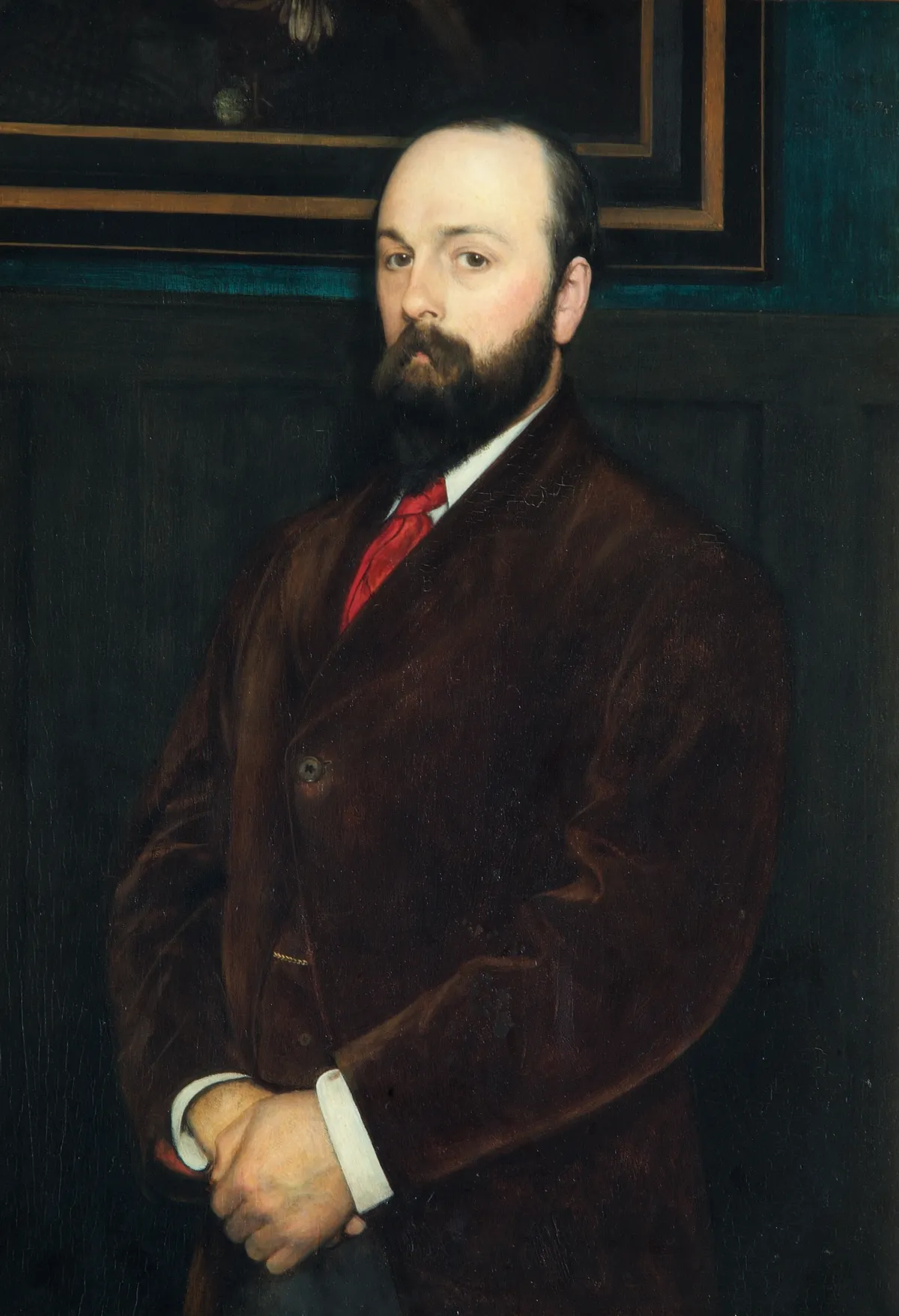
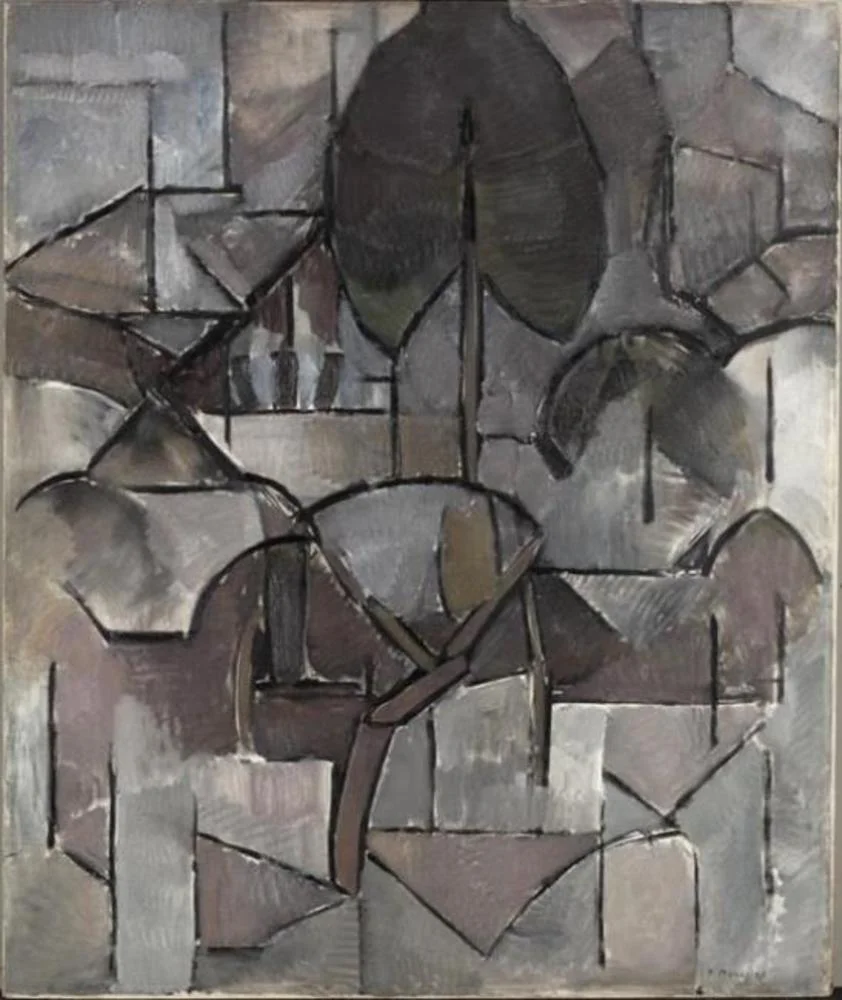
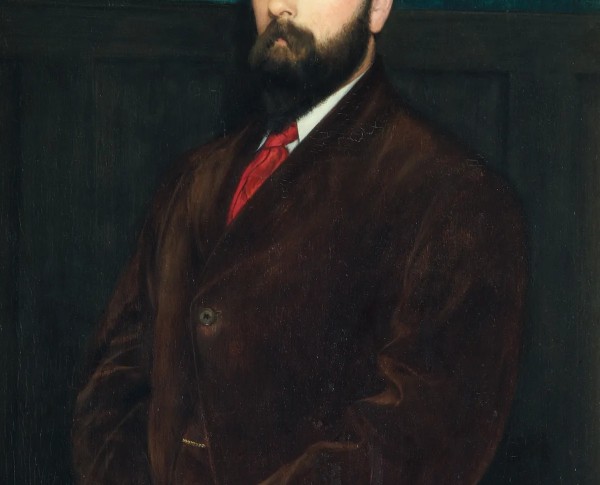
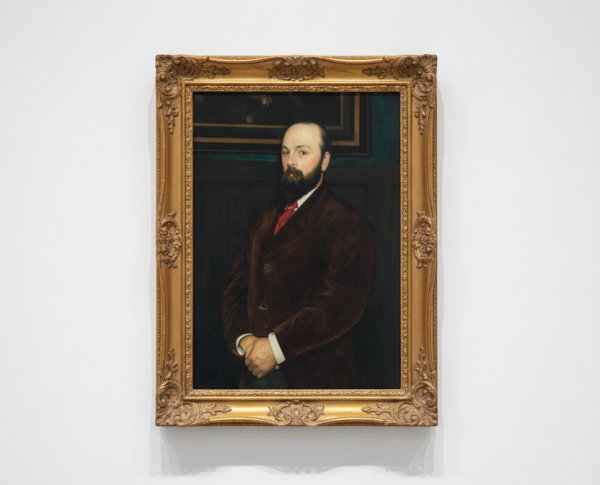
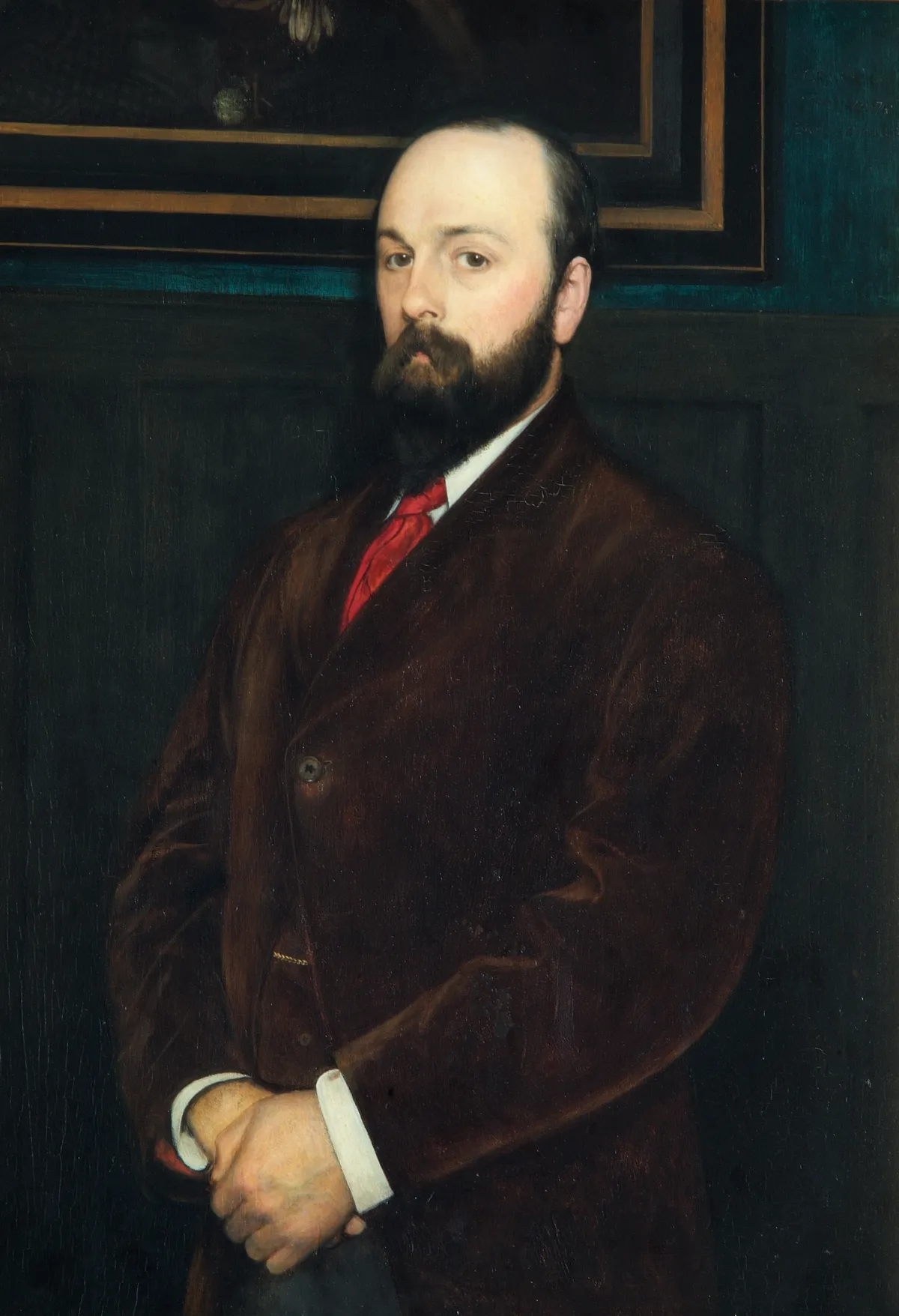
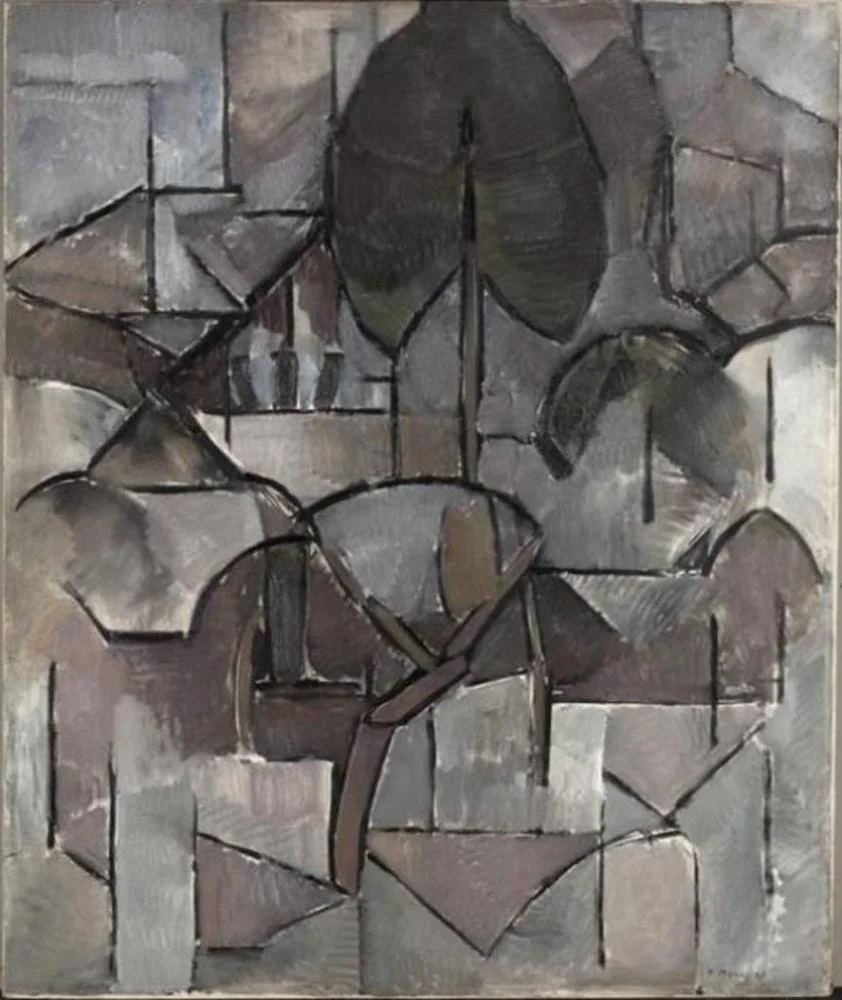
"The Expulsion" demonstrates Hughes’s exceptional skill with oil on canvas, a medium favored by Pre-Raphaelite artists for its rich color and texture. Each brushstroke reveals his meticulous attention to detail, echoing the movement’s reverence for nature and realism. Art lovers often compare Hughes’s craftsmanship in this artwork to related pieces such as "Landscape with Trees" and "Charles Edward Leith-Hay Clark," highlighting the artist’s mastery and the enduring influence of his technique.
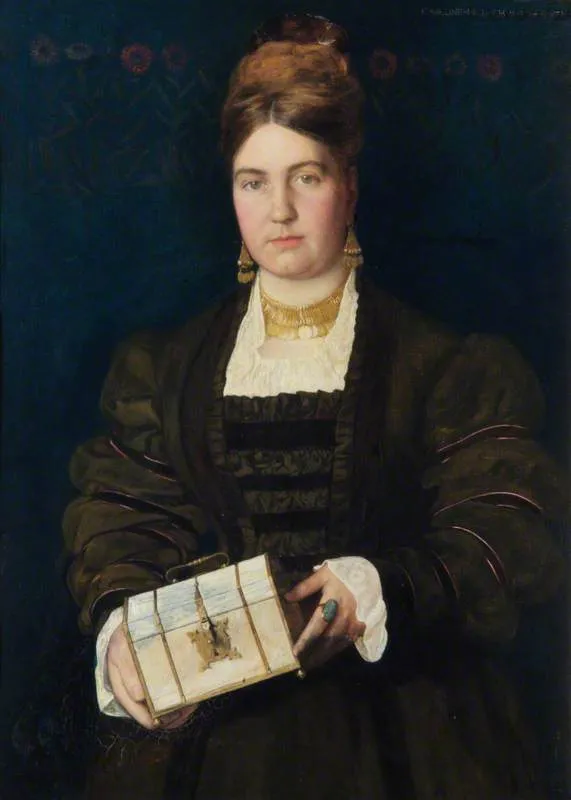
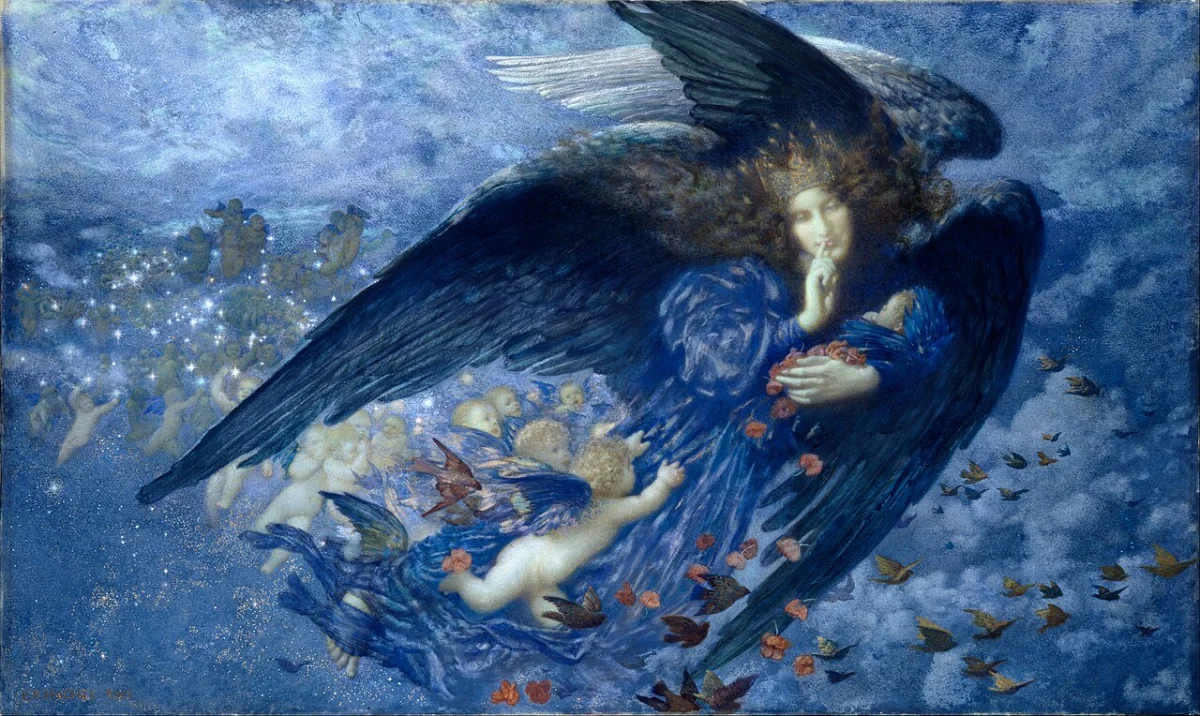
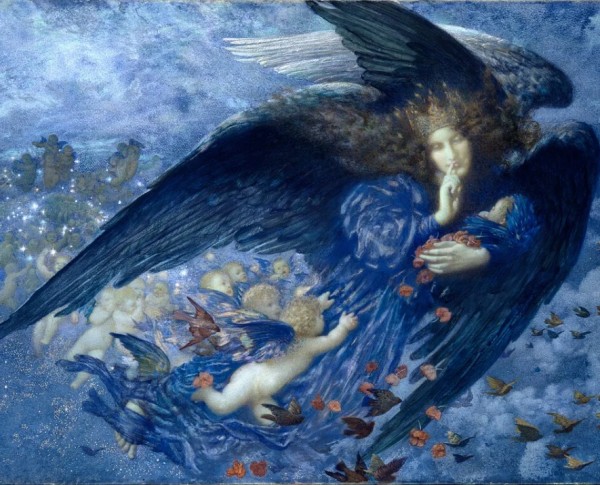
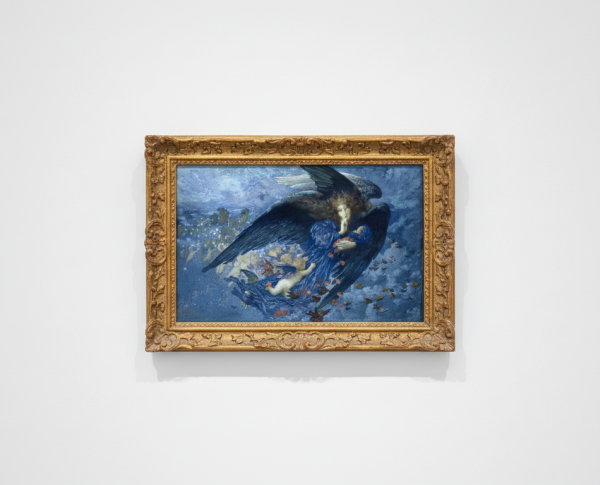
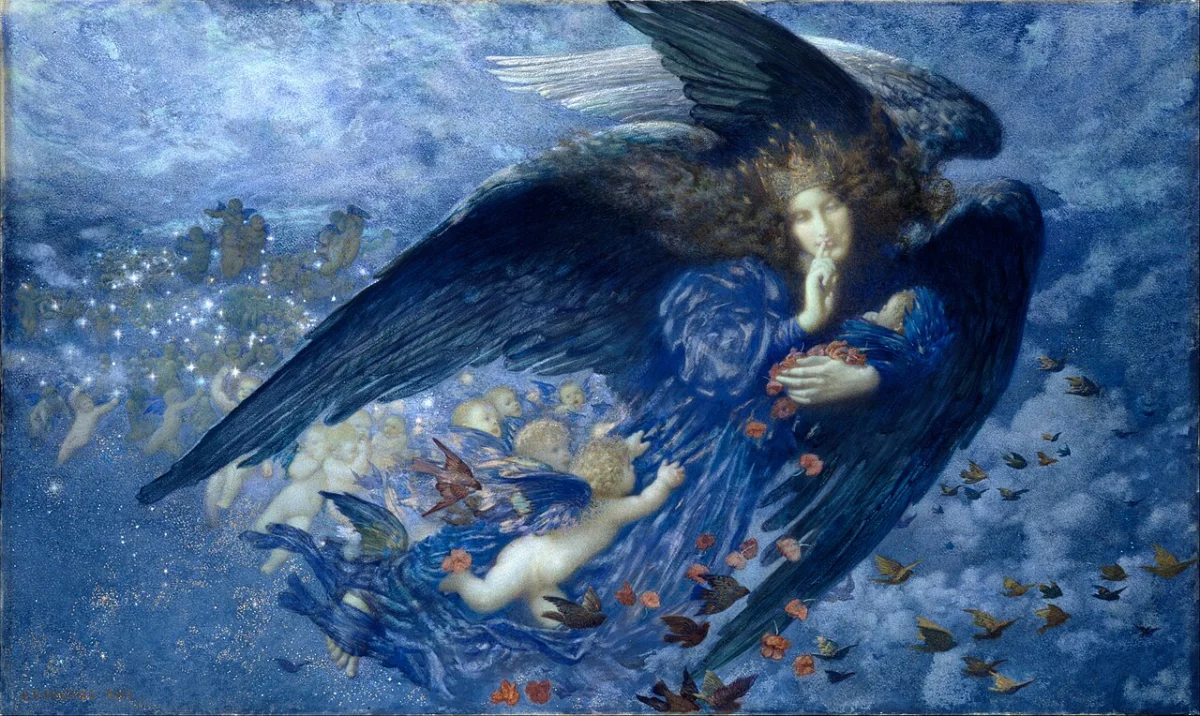
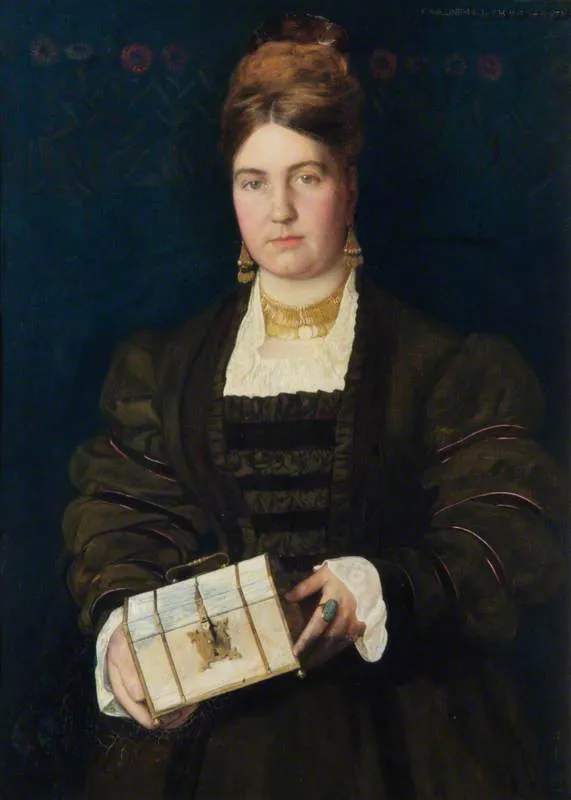
Edward Robert Hughes’s "The Expulsion" is more than just a fine art painting for sale; it is a visual narrative woven with symbolism and emotion. The work channels the Pre-Raphaelites’ fascination with myth and morality, inviting viewers to interpret its deeper meanings. The symbolism within this painting connects it to other Hughes creations like "Portrait of Caroline Hill" and "Night with her Train of Stars," offering a rich tapestry of stories for art connoisseurs to explore.
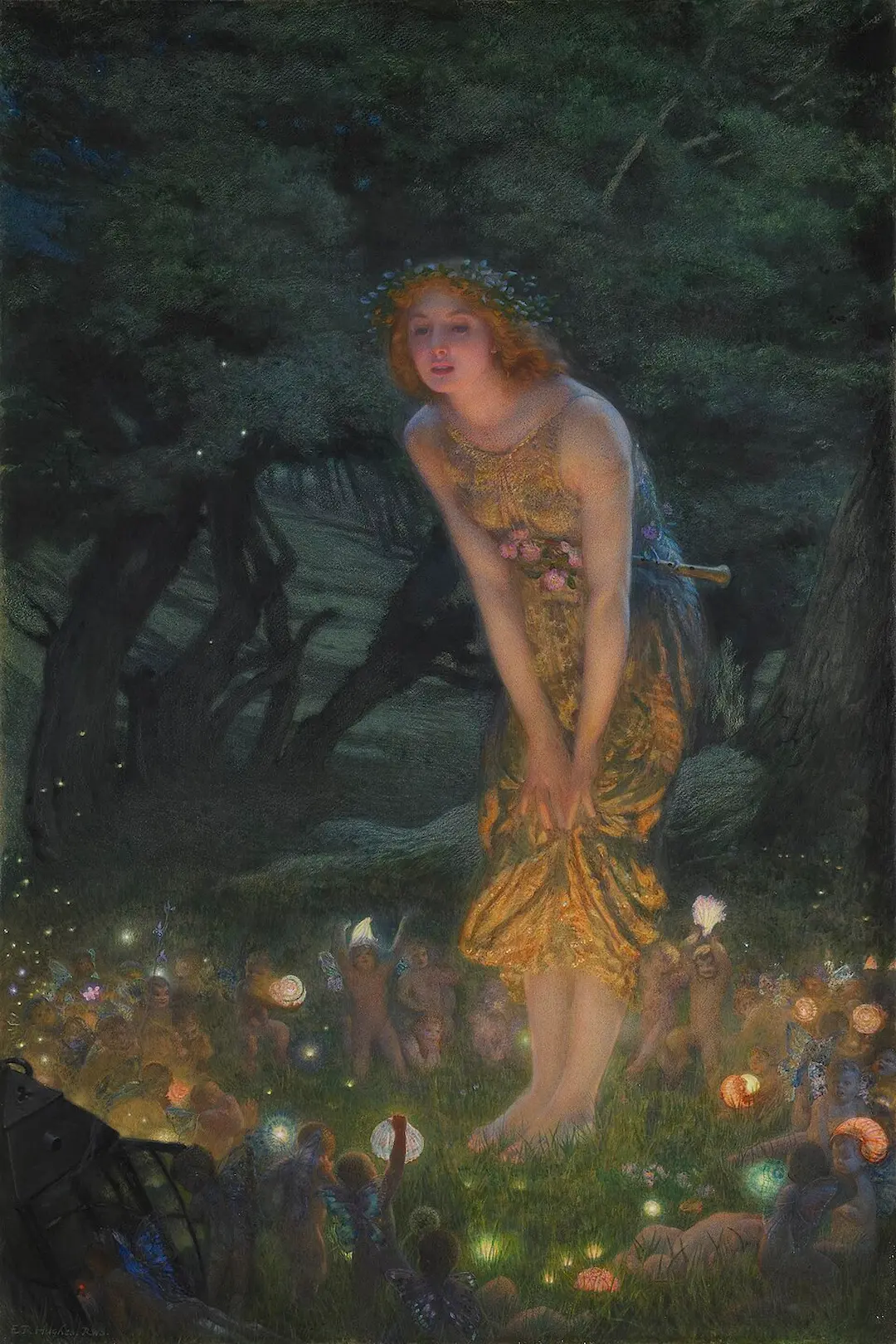
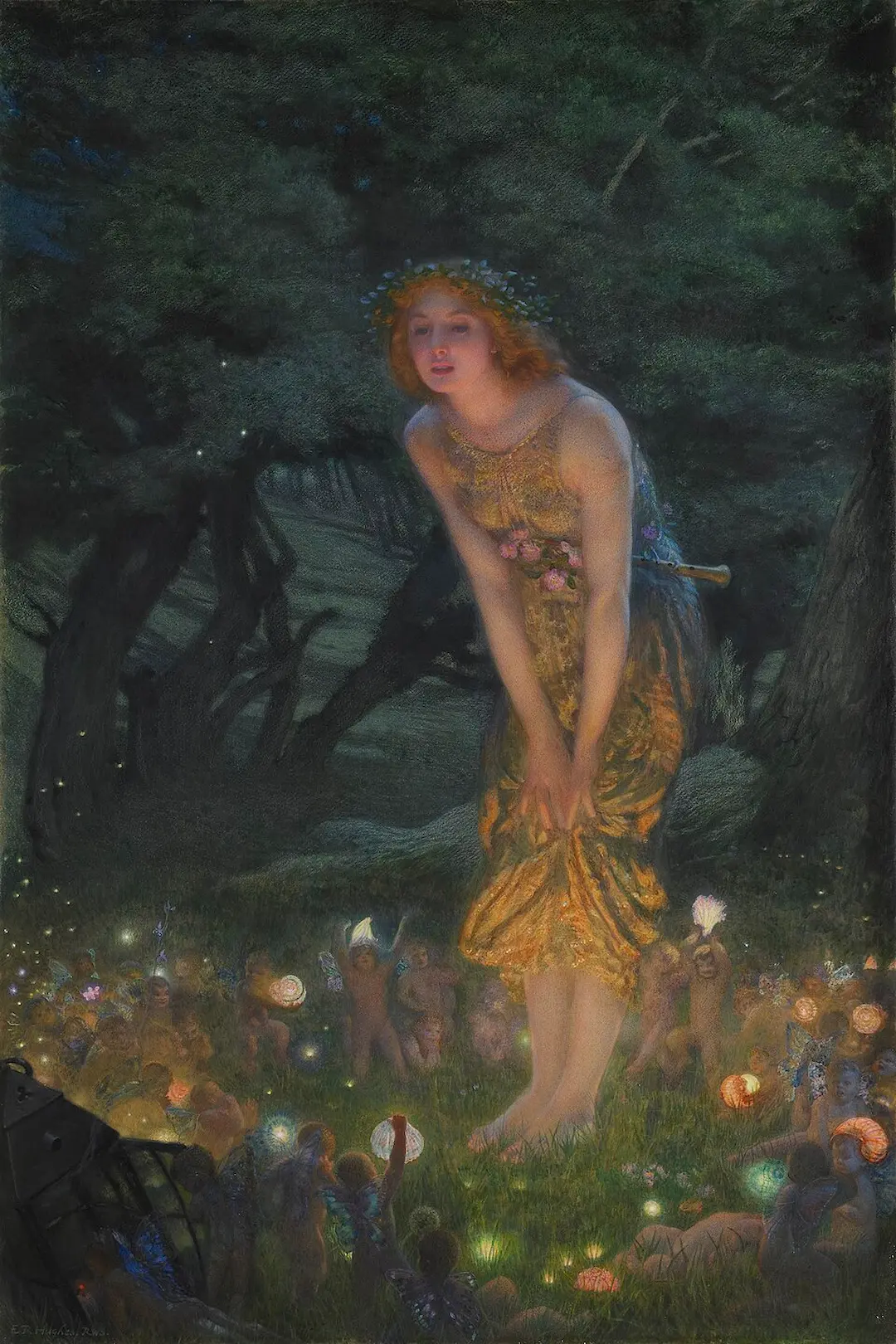
For collectors seeking a distinguished addition to their gallery, "The Expulsion" by Edward Robert Hughes R.W.S. is a prime example of Pre-Raphaelite excellence. This hand-painted oil painting stands out among fine art painting for sale, promising both historical significance and visual splendor. As with related products such as "Midsummer Eve" and "Portrait of Gray Hill," owning this piece means acquiring a lasting treasure that embodies the spirit and artistry of its celebrated creator.
When Art Meets History
"The Expulsion" by Edward Robert Hughes R.W.S. stands as a remarkable example of the Pre-Raphaelites movement, blending mythological themes with meticulous attention to detail. This hand-painted oil painting brings to life an age-old story with a modern sensibility, reflecting the ideals of Hughes and his contemporaries. Similar to works like "A Mermaid 1900" and "The Lady of Shalott 1888," Hughes’s artistry in "The Expulsion" bridges history and imagination, captivating viewers with its narrative power.
Techniques That Speak
Edward Robert Hughes R.W.S. masterfully employs oil on canvas to create luminous effects and rich textures in "The Expulsion." His signature use of vibrant color and delicate brushwork, hallmarks of the Pre-Raphaelites, breathe life into the composition. The technique echoes those seen in related paintings such as "Hylas and the Nymphs 1896," where attention to natural detail and emotional resonance are paramount. Hughes’s oil on canvas technique ensures lasting beauty and depth in every detail.
Emotions on Display
In "The Expulsion," Hughes conveys a profound sense of loss and longing, emotions that are central to the Pre-Raphaelites movement. The figures’ expressions and posture tell a story as evocative as those in "Its sweet doing nothing" or "Portrait of the Artist's Husband Henry with a Pipe." This fine art painting for sale captures the viewer’s heart, inviting empathy and contemplation. Hughes’s ability to portray raw emotion remains a defining feature of his celebrated body of work.
Coveted by Collectors
"The Expulsion" continues to be highly sought after by art collectors, recognized for its artistry and historical significance. As with many Pre-Raphaelite masterpieces, this hand-painted oil painting is celebrated among connoisseurs who also prize works such as "A Mermaid 1900" and "Hylas and the Nymphs 1896." The enduring appeal of Edward Robert Hughes R.W.S. ensures that "The Expulsion" remains a fine art painting for sale that is cherished in both private and public collections worldwide.
Related Pre-Raphaelites Hand-Painted Oil Paintings by Other Artists
Other Famous Pre-Raphaelites Artists:
Frequently Asked Questions About The Expulsion
What is the historical context of "The Expulsion"?
"The Expulsion" was created during the late 19th century, a period marked by a revival of interest in classical themes and the exploration of emotional depth in art. Edward Robert Hughes was influenced by the Pre-Raphaelite movement, which sought to return to the detail, intense colors, and complex compositions of pre-Renaissance art.
What themes are explored in "The Expulsion"?
The painting explores themes of loss, exile, and the consequences of human actions. It captures the moment of Adam and Eve's expulsion from the Garden of Eden, symbolizing the loss of innocence and the beginning of human suffering.
What artistic techniques did Edward Robert Hughes use in "The Expulsion"?
Hughes employed a combination of vivid color palettes, intricate detailing, and dramatic lighting to enhance the emotional impact of the scene. His use of chiaroscuro helps to create depth and focus on the figures of Adam and Eve.
How does "The Expulsion" reflect the influence of the Pre-Raphaelite Brotherhood?
The painting reflects the Pre-Raphaelite emphasis on meticulous detail and vibrant colors. Hughes, like the Pre-Raphaelites, sought to depict nature and human emotion with a sense of realism that conveys deeper symbolic meanings.
What symbols are present in "The Expulsion"?
Key symbols in the painting include the serpent, representing temptation and sin, and the angel with a flaming sword, symbolizing divine judgment and the barrier to paradise. These elements serve to highlight the moral and spiritual implications of the narrative.
What is the significance of the figures of Adam and Eve in the painting?
Adam and Eve are depicted in a moment of despair, emphasizing their vulnerability and the gravity of their actions. Their expressions and postures convey a profound sense of loss, making them relatable figures in the context of human experience.
How does the composition of "The Expulsion" contribute to its emotional impact?
The composition is dynamic, with the figures of Adam and Eve positioned prominently in the foreground against a dramatic backdrop. This arrangement draws the viewer's eye to their plight, enhancing the emotional resonance of the scene.
What role does color play in "The Expulsion"?
Color plays a crucial role in conveying emotion and atmosphere. The rich, warm tones of the figures contrast with the cooler, darker background, symbolizing the clash between innocence and the harsh reality of their expulsion.
In what ways does "The Expulsion" reflect Victorian values and beliefs?
The painting reflects Victorian values through its moralistic themes, emphasizing the consequences of sin and the importance of redemption. It also showcases the era's fascination with biblical narratives and the exploration of human emotion.
How has "The Expulsion" been received by critics and the public over time?
"The Expulsion" has been praised for its emotional depth and technical skill, often regarded as a significant work within Hughes' oeuvre. Its exploration of universal themes has resonated with audiences, ensuring its place in art history.























_GFM_Painting_(1).webp)



 100% Hand-Painted: Finished in 3-6 Weeks


.png)















_(1).webp)