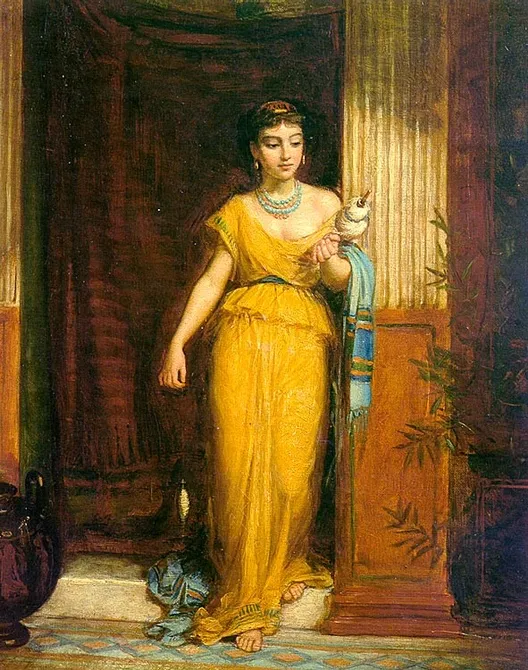
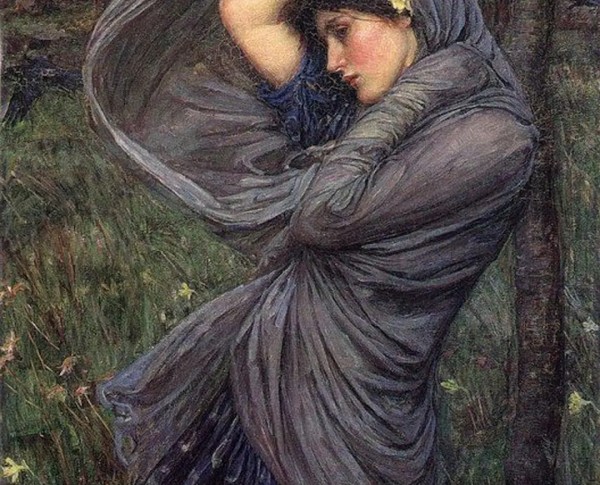
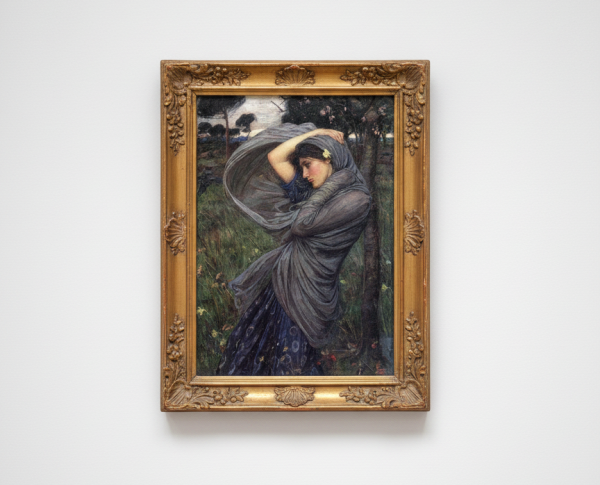
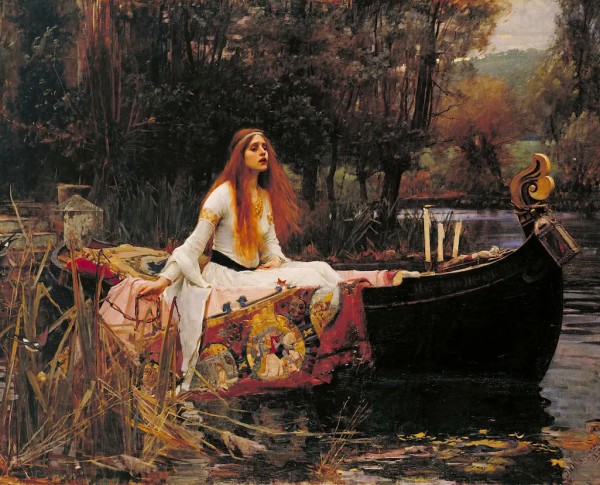
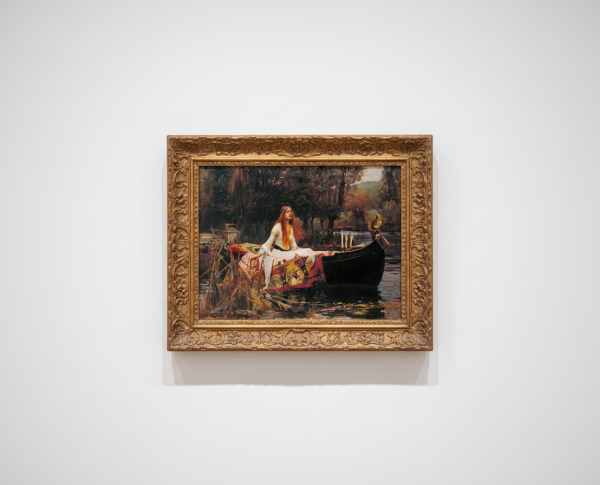
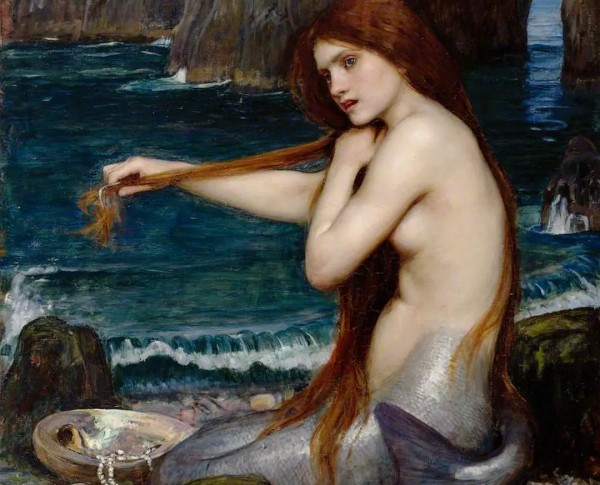
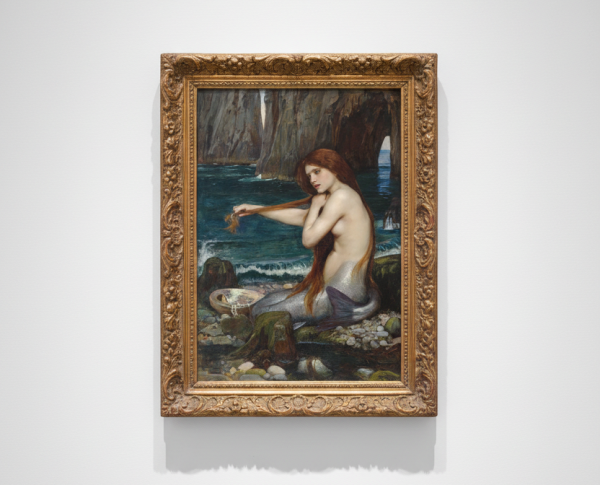
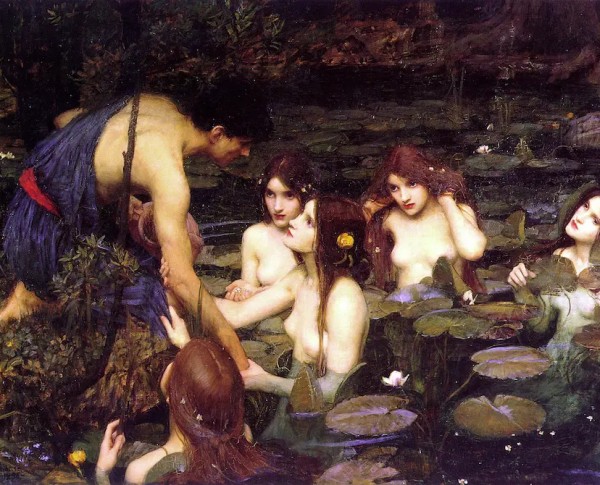
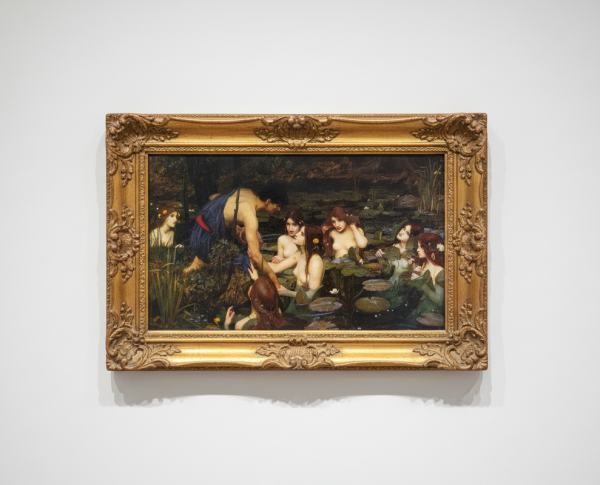
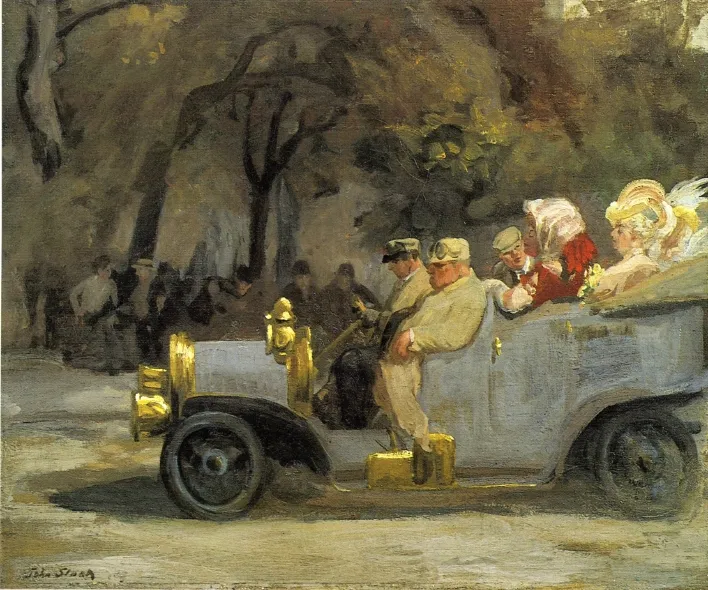
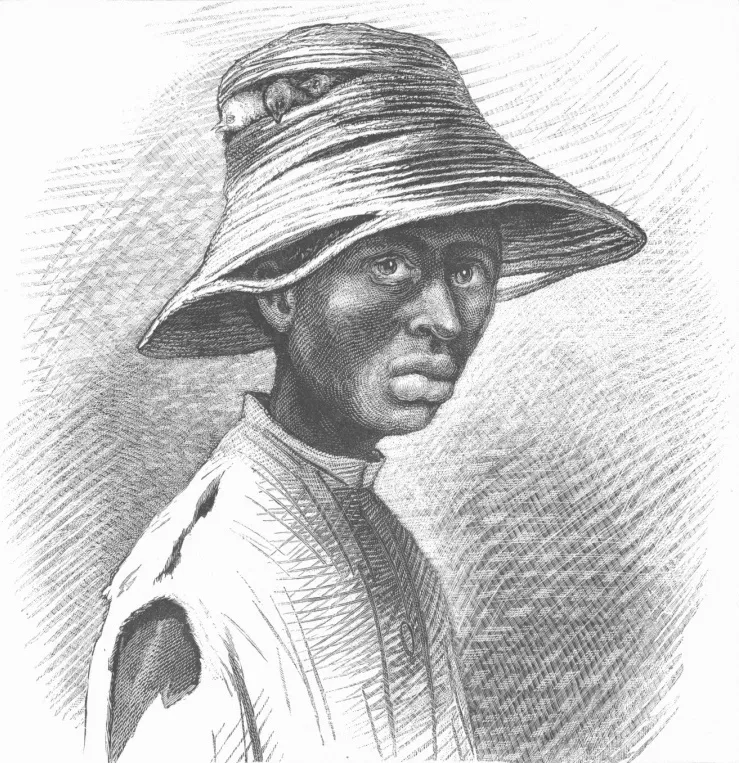
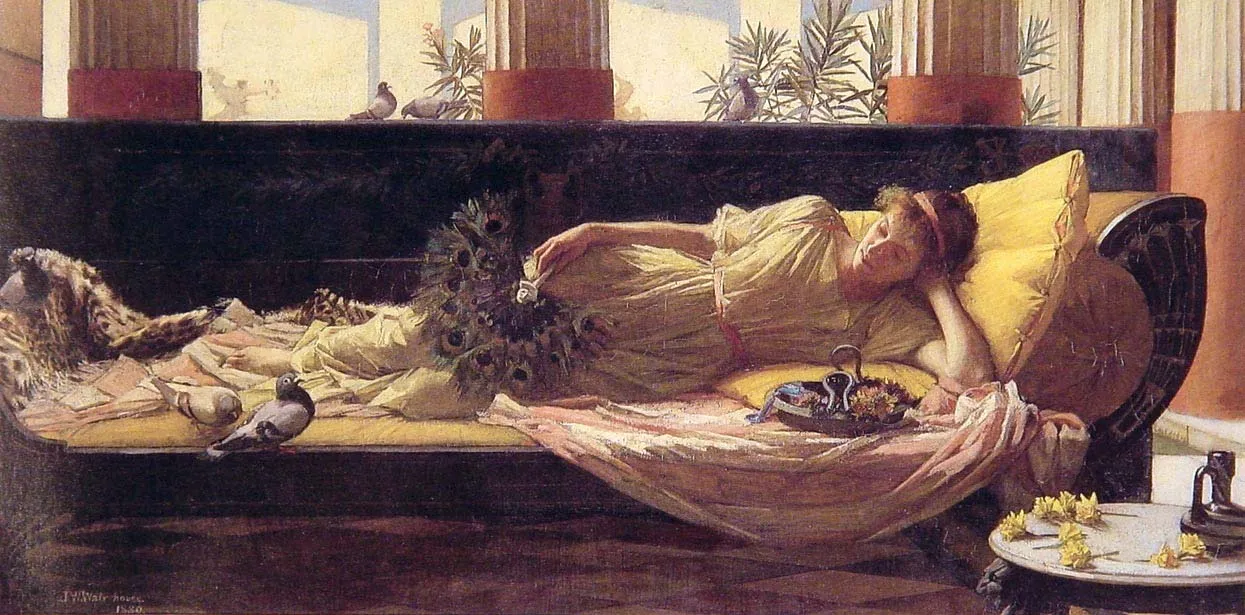
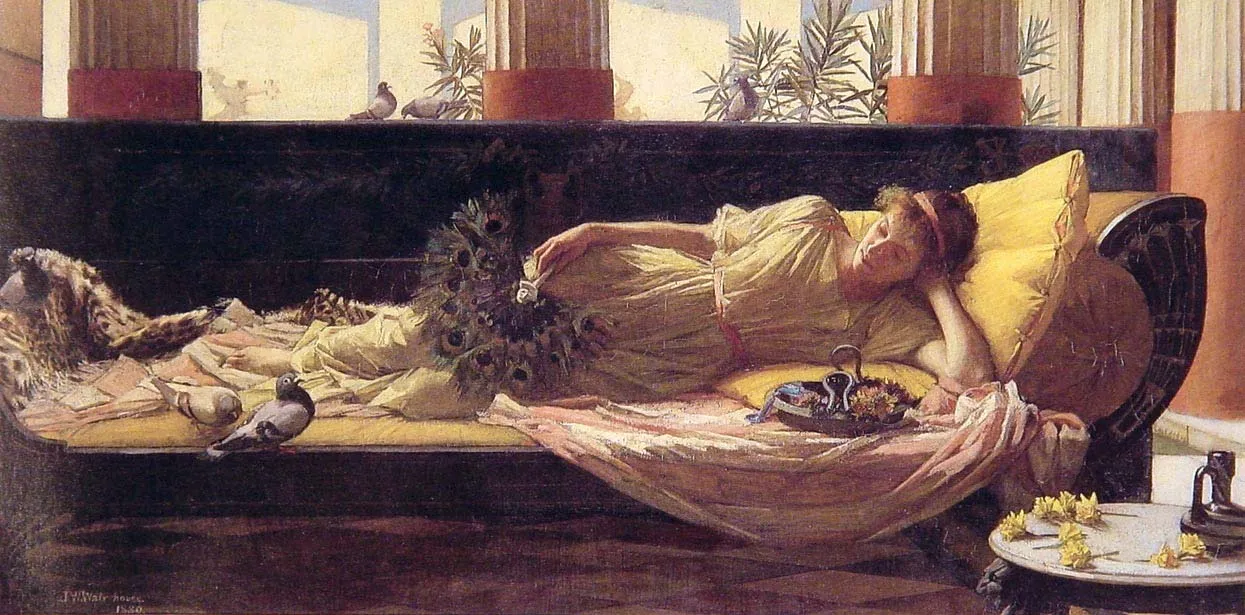
Waterhouse’s expertise shines through each brushstroke in "Its sweet doing nothing," an exquisite example of oil on canvas technique. His meticulous attention to detail and vibrant color palette showcase the hallmark qualities of the Pre-Raphaelites movement. Collectors and admirers of fine art will appreciate the same mastery evident in his other works, including "A Flower Stall" and "The Slave," making this painting a true testament to timeless artistic craftsmanship.
"Its sweet doing nothing" is more than a hand-painted oil painting; it’s a narrative woven through symbols and serene imagery. Waterhouse, a master storyteller of the Pre-Raphaelites, infuses the canvas with subtle meanings and emotional depth. Echoes of his storytelling style can also be found in related works like "A Neapolitan flax spinner" and "The spinner," inviting viewers to immerse themselves in layers of history and symbolism unique to his fine art painting for sale.
Owning "Its sweet doing nothing" by John William Waterhouse means possessing a piece of Pre-Raphaelite history in oil on canvas. This painting, alongside related treasures such as "Miranda" and "The spinner," represents an exceptional opportunity for collectors seeking a fine art painting for sale. Waterhouse’s artistry ensures that each work is not only visually stunning but also a valuable addition to any distinguished art collection.
When Art Meets History
"Its sweet doing nothing" by John William Waterhouse is a remarkable example of the Pre-Raphaelites movement, celebrated for its intricate detail and romantic themes. This hand-painted oil painting captures the essence of a bygone era, where leisure and beauty intertwined. Waterhouse, alongside artists like Holman Hunt, contributed significantly to this movement. Related works such as "Landscape with Trees" and "The Four Elder Agar-Robartes Children" further showcase the historical depth present in his oeuvre.
Techniques That Speak
John William Waterhouse’s mastery is evident in every brushstroke of "Its sweet doing nothing." The use of oil on canvas allows for rich textures and luminous colors, hallmarks of the Pre-Raphaelites style. This technique brings scenes to life, much like in "Piping Shepherd" and "Right Reverend Talbot." Waterhouse’s careful layering and attention to detail make this painting a testament to the enduring appeal of oil on canvas artistry in fine art.
Emotions on Display
In "Its sweet doing nothing," Waterhouse evokes a serene atmosphere, inviting viewers to experience the tranquility and introspection of the subject. This fine art painting for sale resonates with emotional depth, akin to works like "Mrs I. Holman Hunt." The Pre-Raphaelites movement is renowned for capturing nuanced feelings, and Waterhouse’s delicate portrayal of quiet moments ensures that each viewer connects personally with the scene’s gentle narrative.
Coveted by Collectors
Collectors worldwide seek out "Its sweet doing nothing" for its historical significance and exquisite artistry. As a hand-painted oil painting from the Pre-Raphaelites movement, it stands alongside masterpieces like "The Four Elder Agar-Robartes Children." John William Waterhouse’s works, including this and related paintings, remain highly desirable, making them a prized addition to any fine art collection. Enthusiasts value the authenticity and timeless beauty these paintings bring to their collections.
Related Pre-Raphaelites Hand-Painted Oil Paintings by Other Artists
Other Famous Pre-Raphaelites Artists:
Frequently Asked Questions About Its sweet doing nothing
What is the historical context of "Its sweet doing nothing"?
"Its sweet doing nothing" was painted by John William Waterhouse during the late 19th century, a period marked by the Pre-Raphaelite movement, which sought to return to the detail, intense colors, and complex compositions of pre-Renaissance art.
What artistic techniques did Waterhouse employ in this painting?
Waterhouse utilized a combination of rich color palettes, intricate detailing, and soft brushwork to create a dreamlike atmosphere, characteristic of his style and the Pre-Raphaelite influence.
What themes are explored in "Its sweet doing nothing"?
The painting explores themes of leisure and the beauty of idleness, celebrating the joy found in moments of tranquility and reflection, often associated with the idealized feminine experience.
Who are the figures depicted in the painting?
The figures in "Its sweet doing nothing" are often interpreted as representations of mythological or allegorical characters, embodying the ideals of beauty and serenity that Waterhouse frequently portrayed in his works.
What symbolism is present in "Its sweet doing nothing"?
The painting is rich in symbolism, with elements such as flowers representing beauty and transience, and the serene expressions of the figures suggesting a deeper connection to nature and the passage of time.
How does "Its sweet doing nothing" reflect Waterhouse's artistic philosophy?
Waterhouse's artistic philosophy often emphasized the importance of beauty and emotion in art. This painting reflects his belief in the power of stillness and contemplation as essential aspects of the human experience.
What influences can be seen in Waterhouse's style in this work?
Waterhouse's style in "Its sweet doing nothing" shows influences from both the Pre-Raphaelite Brotherhood and classical art, blending detailed realism with romanticized themes and a focus on the female form.
What was the public reception of "Its sweet doing nothing" upon its release?
Upon its release, "Its sweet doing nothing" was well-received, praised for its aesthetic beauty and emotional depth, contributing to Waterhouse's growing reputation as a leading figure in late 19th-century British art.
How does this painting compare to Waterhouse's other works?
Compared to Waterhouse's other works, "Its sweet doing nothing" stands out for its serene subject matter and focus on leisure, contrasting with his more dramatic and narrative-driven pieces that often draw from mythology and literature.
What legacy has "Its sweet doing nothing" left in the art world?
"Its sweet doing nothing" continues to be celebrated for its embodiment of the ideals of beauty and tranquility, influencing contemporary interpretations of leisure and femininity in art, and solidifying Waterhouse's legacy as a master of the Pre-Raphaelite style.























_GFM_Painting_(1).webp)


 100% Hand-Painted: Finished in 3-6 Weeks

.png)















_(1).webp)