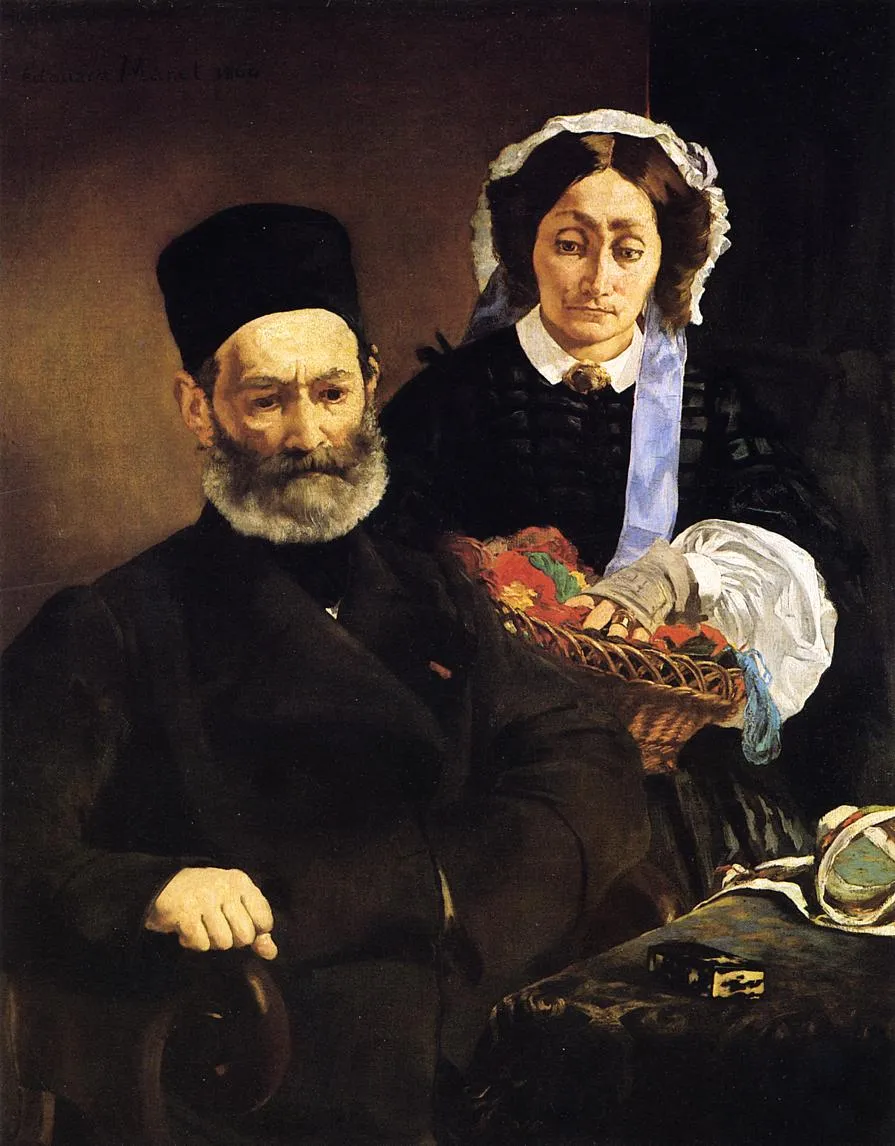
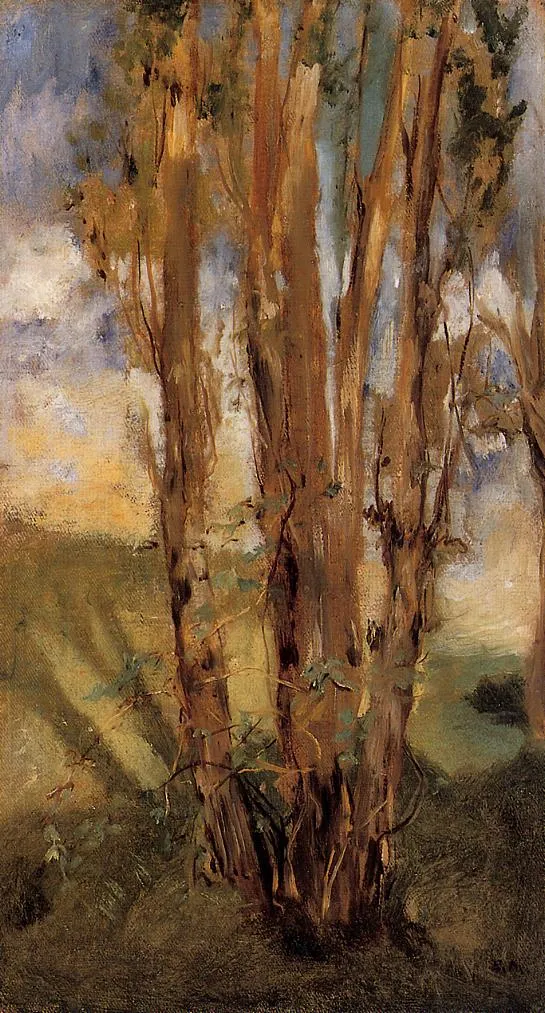
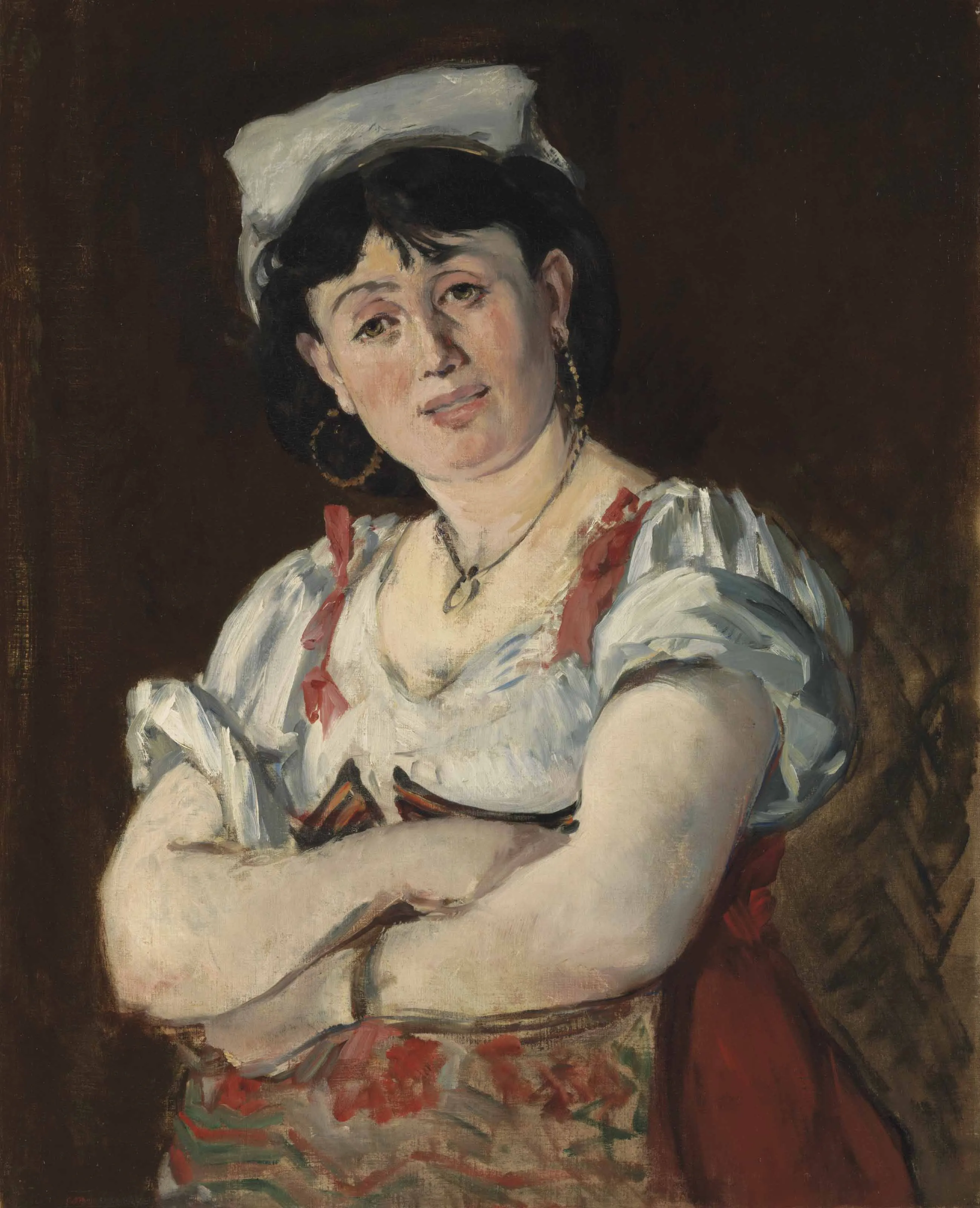
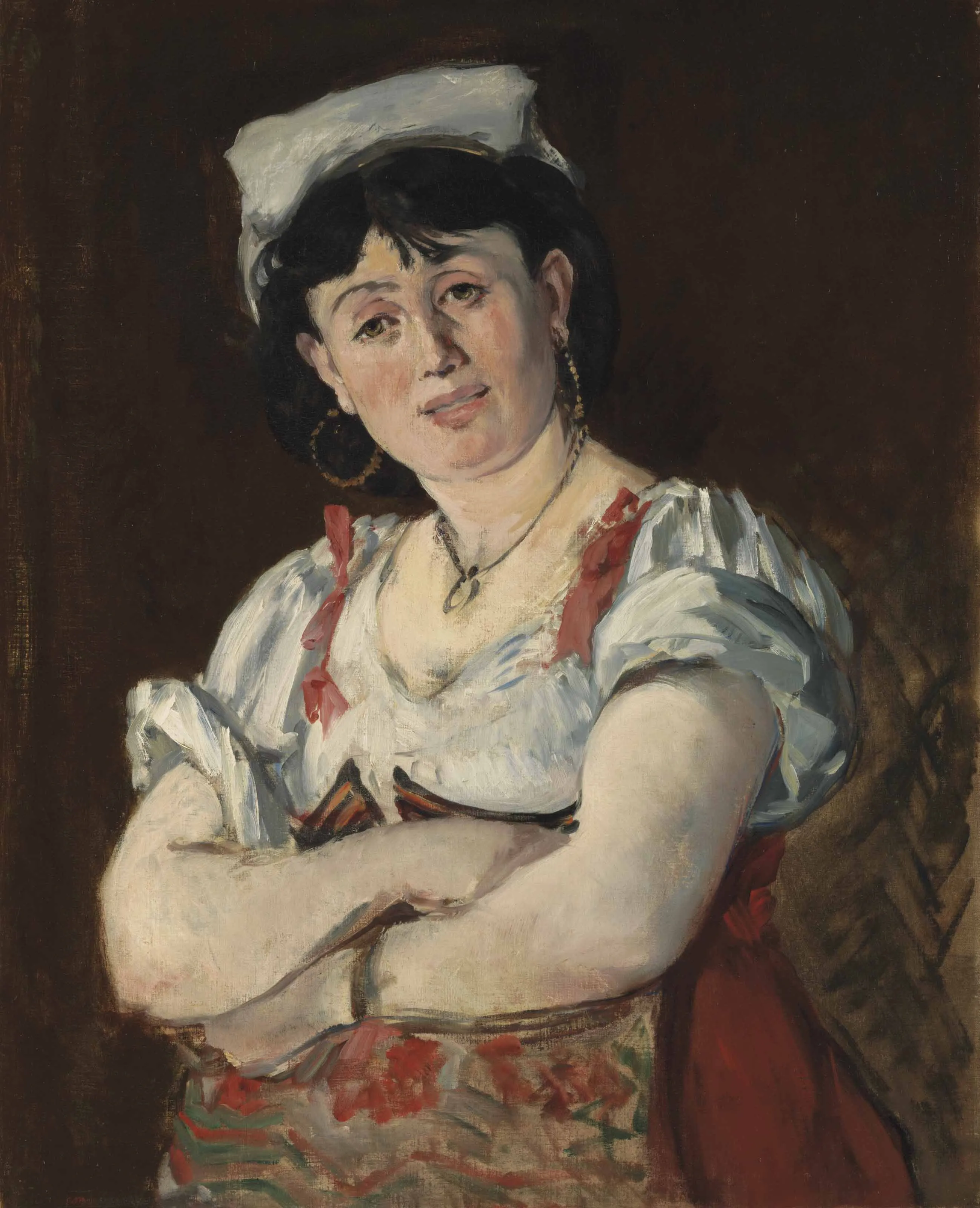
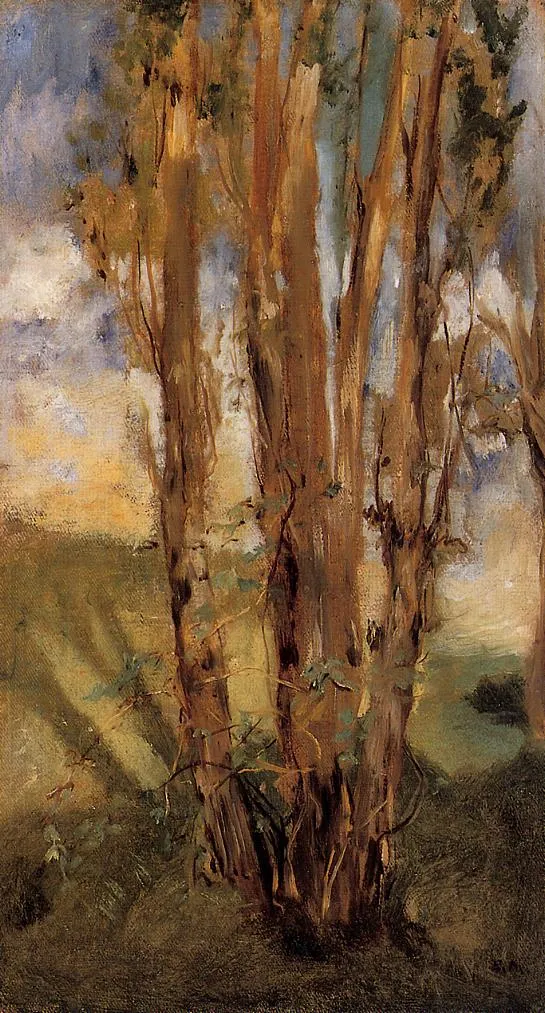
Edouard Manet’s "The Italian Woman" demonstrates his exceptional skill with oil on canvas, revealing his meticulous attention to detail and texture. The brushwork captures lifelike textures and subtle lighting, hallmarks of the Realism movement. Manet’s technique brings depth and vitality to his subjects, making each hand-painted oil painting a testament to his mastery. Collectors seeking similar artistry might also consider "Study of trees" or "The barque of Dante" for their own fine art collections.
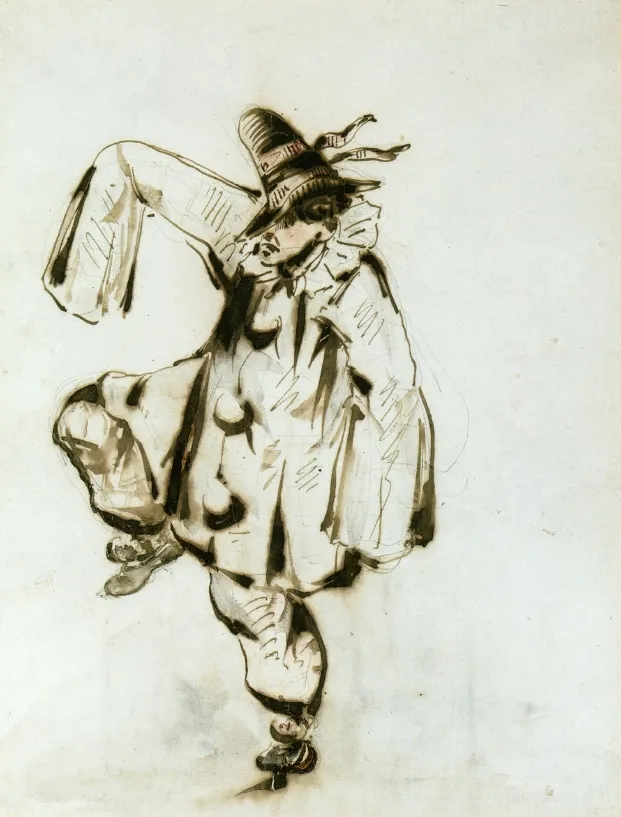
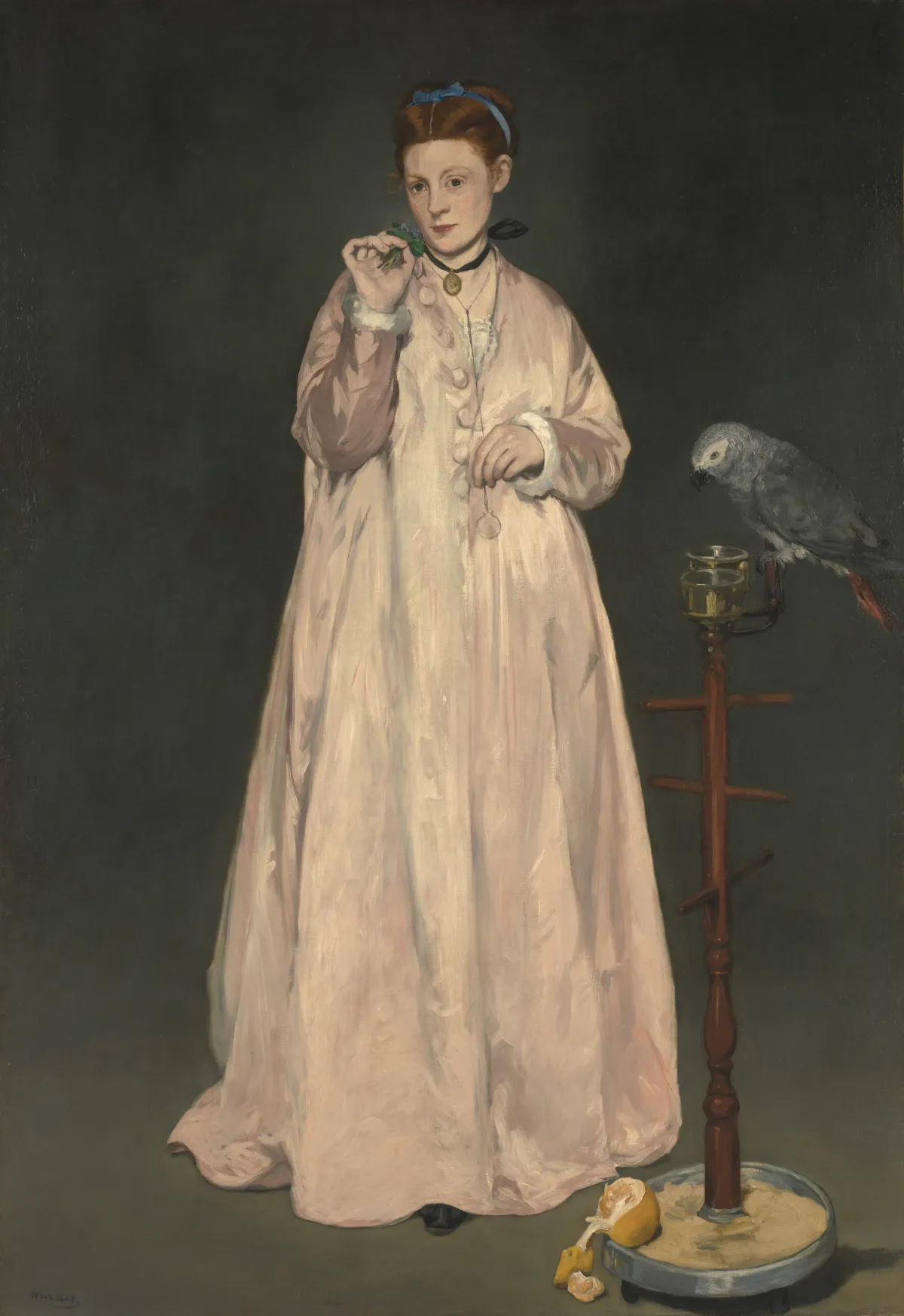
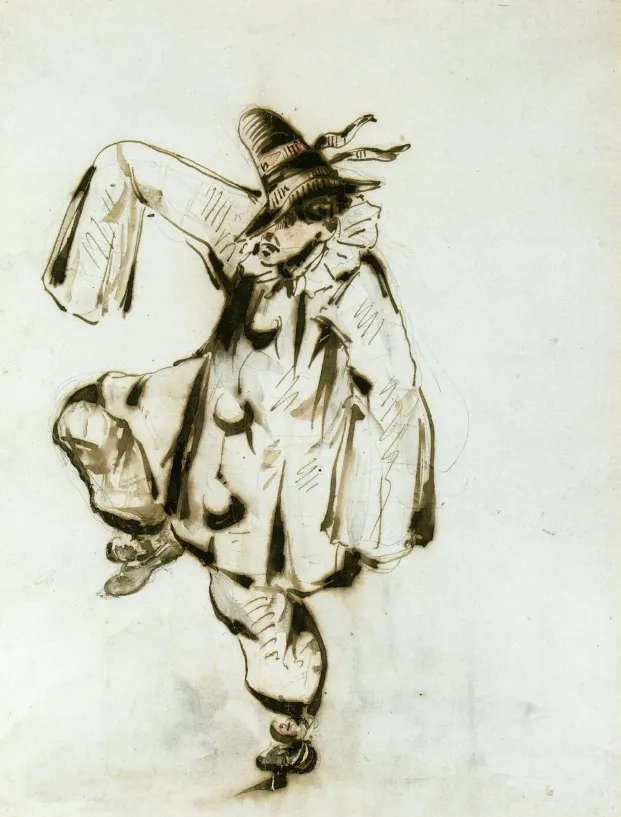
Every element in "The Italian Woman" contributes to a narrative that resonates with viewers, a signature of Manet’s approach within the Realism movement. The composition and subject invite contemplation of identity and emotion, elevating this hand-painted oil painting beyond mere portraiture. Manet’s ability to weave stories into his works is also evident in related paintings like "A Young Lady in 1866" and "Pierrot dancing," both celebrated for their expressive depth and symbolism.
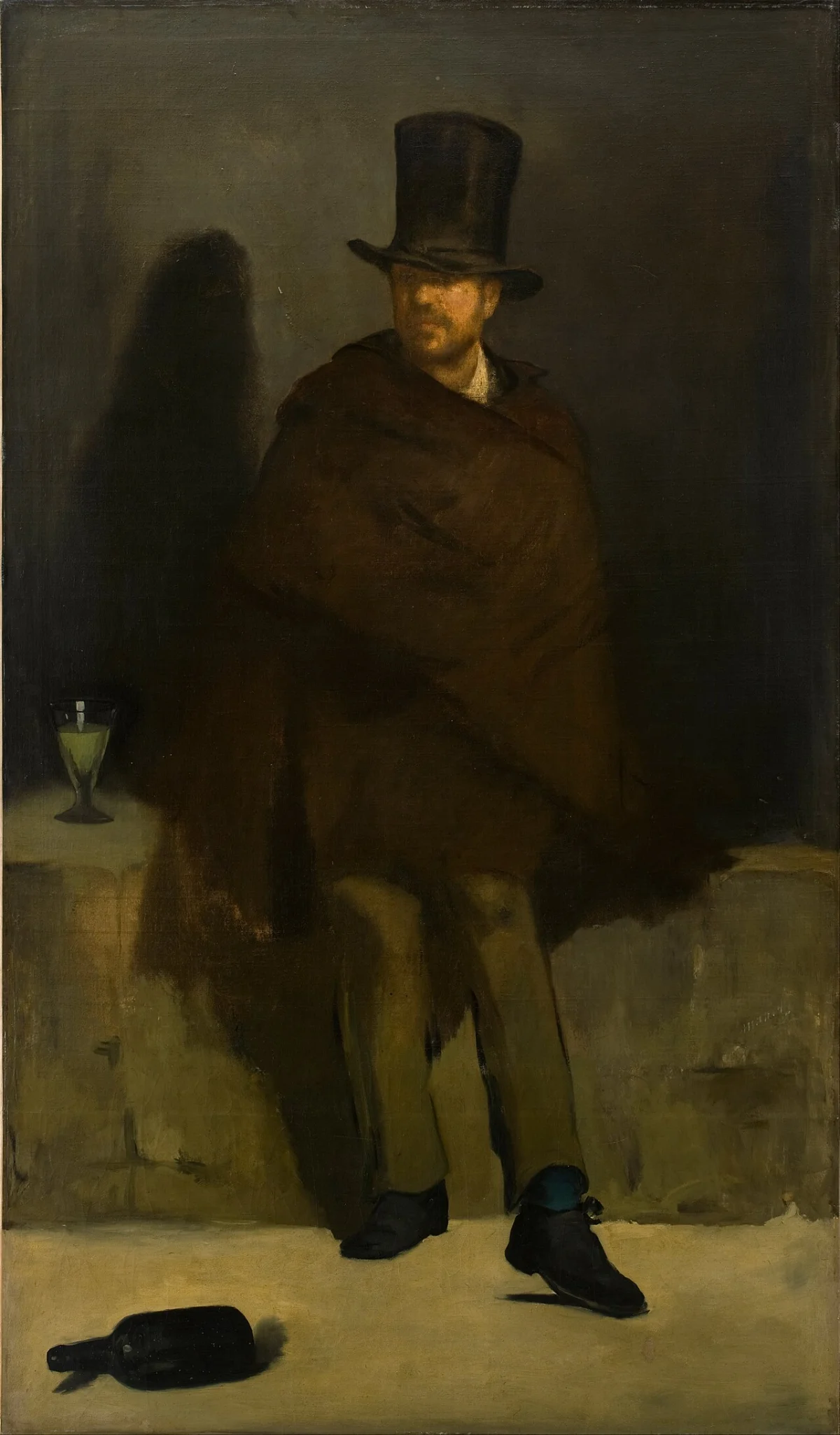
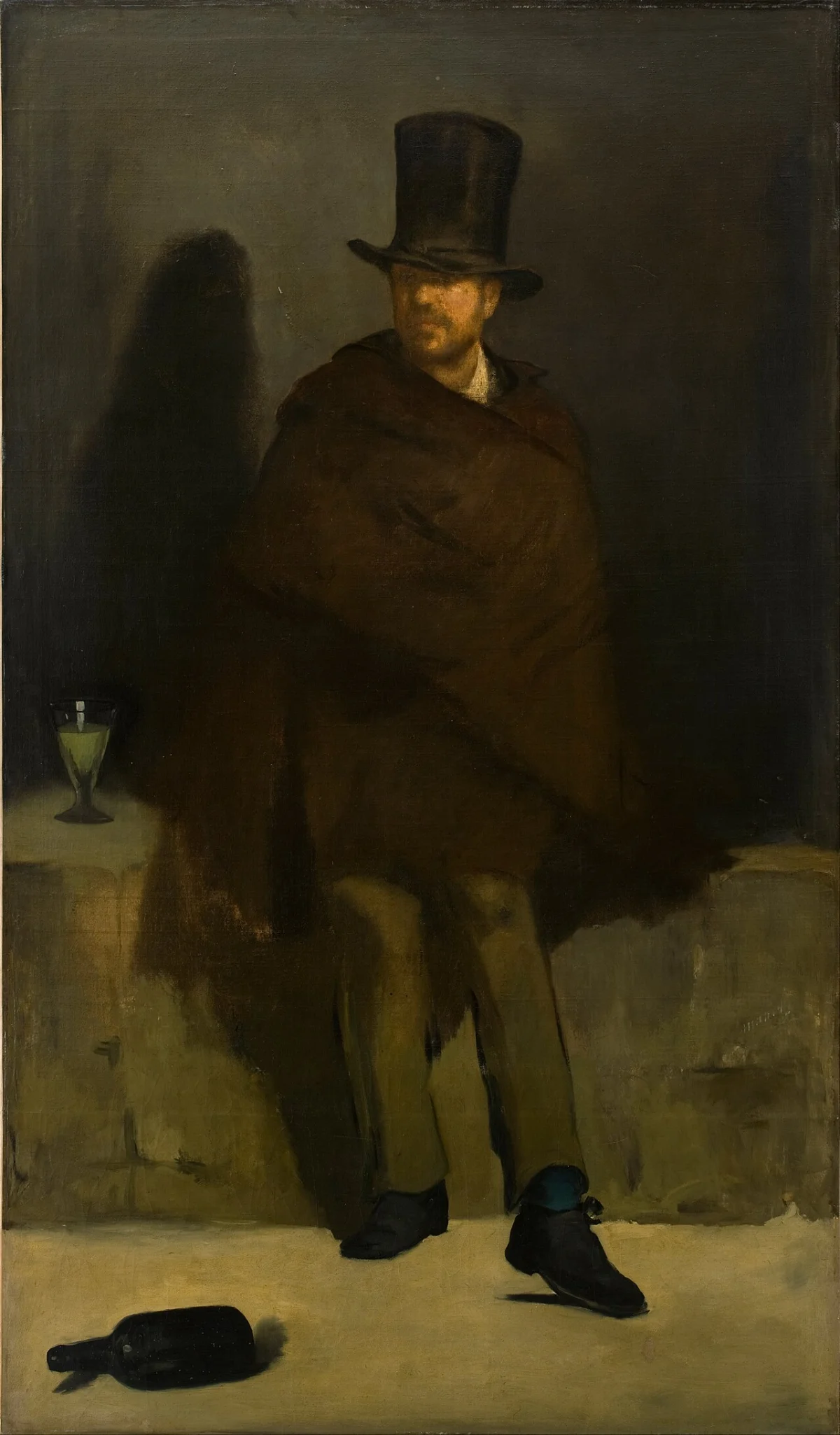
For art lovers and collectors, "The Italian Woman" by Edouard Manet represents an exceptional fine art painting for sale. Its oil on canvas medium ensures lasting beauty and value, making it a prized addition to any collection. Manet’s contributions to the Realism movement have inspired numerous artists and collectors alike. Those interested in expanding their collection may also appreciate works such as "The absinthe drinker" and "The barque of Dante" for their historical and artistic significance.
When Art Meets History
Edouard Manet’s “The Italian Woman” stands as a striking example of the Realism movement, capturing a moment in European history when artists sought to depict the world authentically. Painted in the mid-19th century, this hand-painted oil painting reflects Manet’s fascination with everyday life and ordinary people, similar to “The Gleaners” and “Morning in the Pine-tree Forest.” Through his art, Manet bridges the gap between traditional portraiture and modern realism, making history tangible on canvas.
Techniques That Speak
Manet’s mastery is evident in his use of oil on canvas, where each brushstroke in “The Italian Woman” is both deliberate and expressive. The texture and layering of paint bring depth and vitality to the figure, echoing techniques seen in “Portrait of Brigadier General Joseph Lewis Hogg.” The Realism movement’s commitment to lifelike representation is clear here, as Manet’s nuanced approach captures the subtle play of light and shadow that defines his signature style.
Emotions on Display
In “The Italian Woman,” Edouard Manet conveys a complex emotional landscape, inviting viewers to ponder the subject’s inner world. This fine art painting for sale resonates with the same emotional intensity found in works like “Surrender At Santa Anna.” Manet’s attention to facial expression and posture exemplifies the Realism movement’s focus on genuine human emotion, making the painting a captivating study in subtlety and depth that continues to move audiences today.
Coveted by Collectors
As a celebrated work by Edouard Manet, “The Italian Woman” remains highly sought after by collectors of 19th-century masterpieces. Its status as a hand-painted oil painting, combined with its pivotal role in the Realism movement, enhances its appeal alongside related paintings such as “Pitched It Sheer into the River . . . Where It Still Is Seen in the Summer.” Art enthusiasts value this piece for its historical importance and the enduring artistry that Manet brings to the canvas.
Related Realism Hand-Painted Oil Paintings by Other Artists
Other Famous Realism Artists:
Frequently Asked Questions About The Italian Woman
Who is the artist of The Italian Woman?
The Italian Woman was created by the renowned French painter Édouard Manet, a pivotal figure in the transition from Realism to Impressionism.
What is the historical context of The Italian Woman?
The painting was completed in 1876, during a period of significant artistic experimentation in Europe, where traditional techniques were being challenged by new styles and perspectives.
What artistic techniques did Manet employ in The Italian Woman?
Manet utilized loose brushwork and a vibrant color palette, characteristic of his style, to evoke a sense of immediacy and emotional depth in the portrayal of the subject.
What is the significance of the subject in The Italian Woman?
The subject, an Italian woman, represents the exoticism and allure of foreign cultures, which was a popular theme in 19th-century art, reflecting the fascination with Italy during that era.
How does The Italian Woman reflect Manet's views on femininity?
In this painting, Manet presents a complex portrayal of femininity, capturing both the strength and vulnerability of the female figure, challenging traditional representations of women in art.
What symbolism can be found in The Italian Woman?
The use of light and shadow in the painting symbolizes the duality of the subject's nature, suggesting both her public persona and private self, inviting viewers to contemplate her inner life.
How did The Italian Woman influence later artists?
The Italian Woman influenced subsequent generations of artists by paving the way for modern portrayals of women and the exploration of psychological depth in portraiture.
What materials did Manet use for The Italian Woman?
Manet typically worked with oil paints on canvas, a medium that allowed him to achieve the rich textures and vibrant colors evident in The Italian Woman.
Where can The Italian Woman be viewed today?
The Italian Woman is part of the collection at the Musée d'Orsay in Paris, where it is displayed alongside other significant works of the Impressionist and Post-Impressionist periods.
What are the key themes explored in The Italian Woman?
Key themes in The Italian Woman include identity, cultural exchange, and the complexities of femininity, all of which reflect broader societal changes occurring in the late 19th century.






















_GFM_Painting_(1).webp)


 100% Hand-Painted: Finished in 3-6 Weeks

.png)
















_(1).webp)