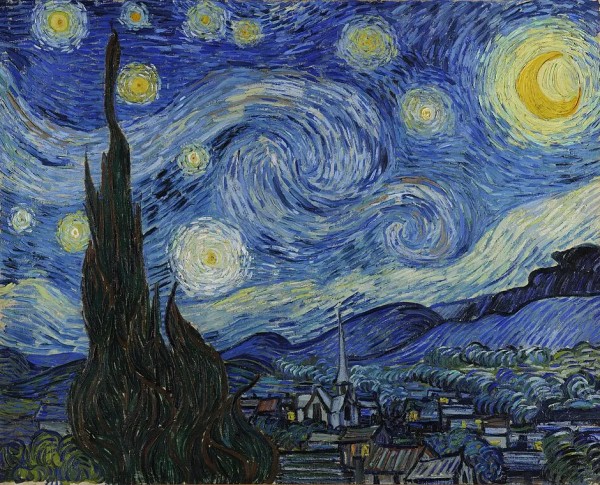
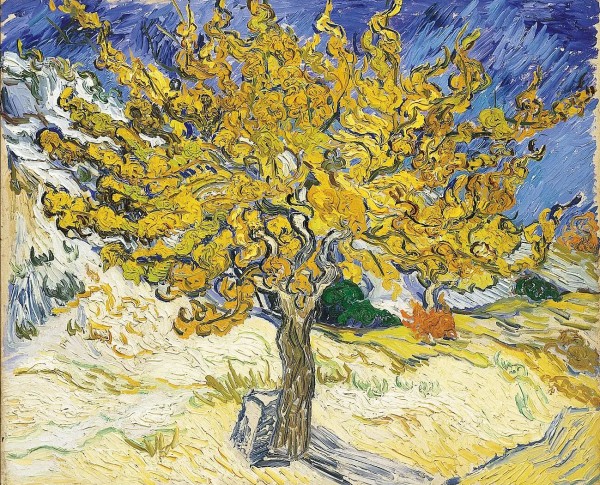
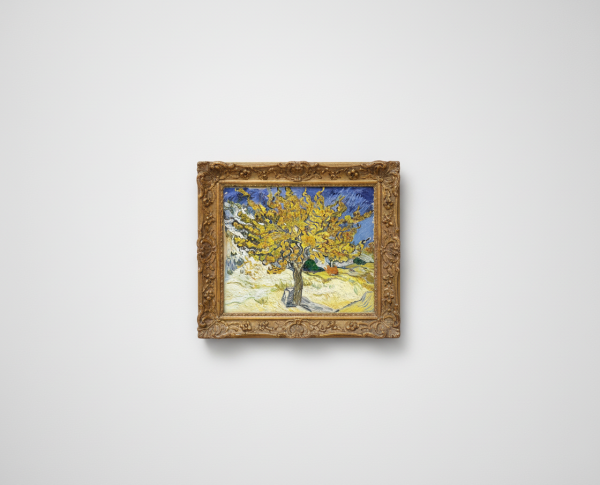
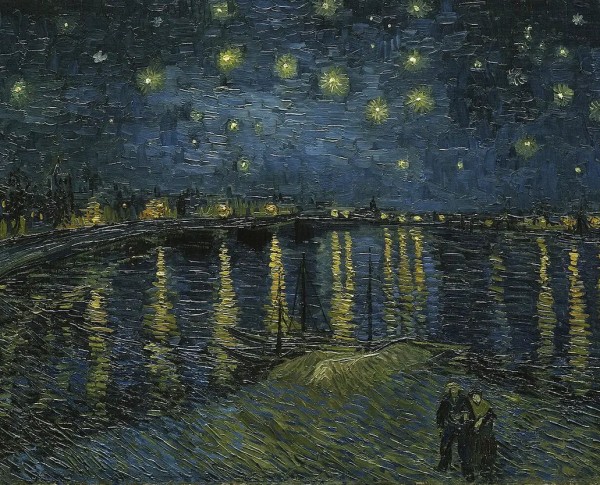
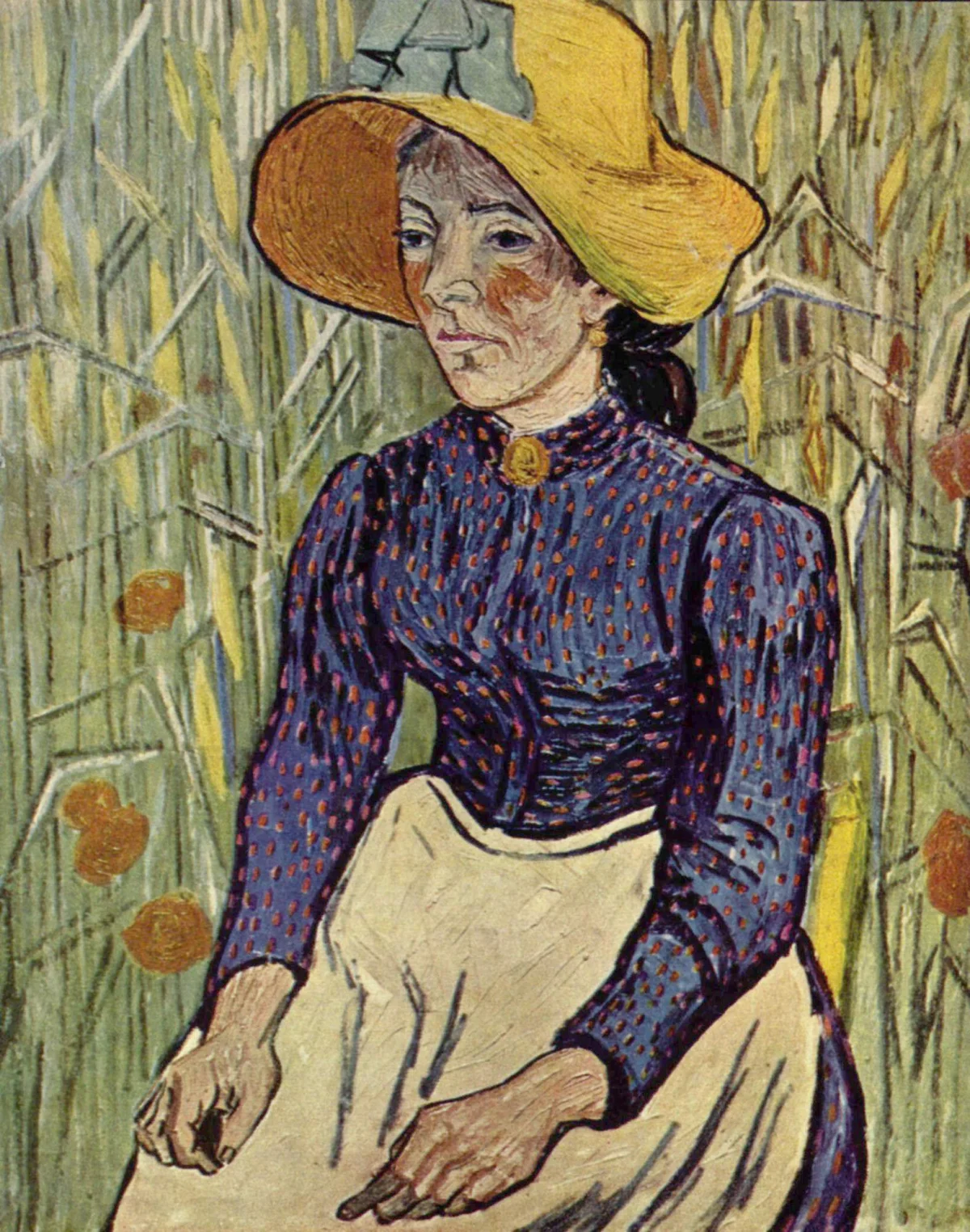
Vincent Van Gogh’s technique in "Peasant Woman Against a Background of Wheat" demonstrates his expertise with oil on canvas. Every brushstroke conveys emotion and movement, a hallmark of the Post-Impressionism style. This painting, much like "Cypress against a Starry Sky" and "Mulberry Tree," showcases Van Gogh’s ability to use color and texture to create depth and vibrancy, making it a stunning example for collectors of oil on canvas masterpieces.
In this fine art painting for sale, Van Gogh weaves stories of toil, hope, and resilience through his depiction of the peasant woman set against golden wheat fields. The symbolism echoes throughout his body of work, as seen in "Skull With Burning Cigarette" and "Bridges Across The Seine At Asnieres." Van Gogh’s Post-Impressionism approach invites viewers to interpret the narrative, making each encounter with the painting a unique and personal experience.
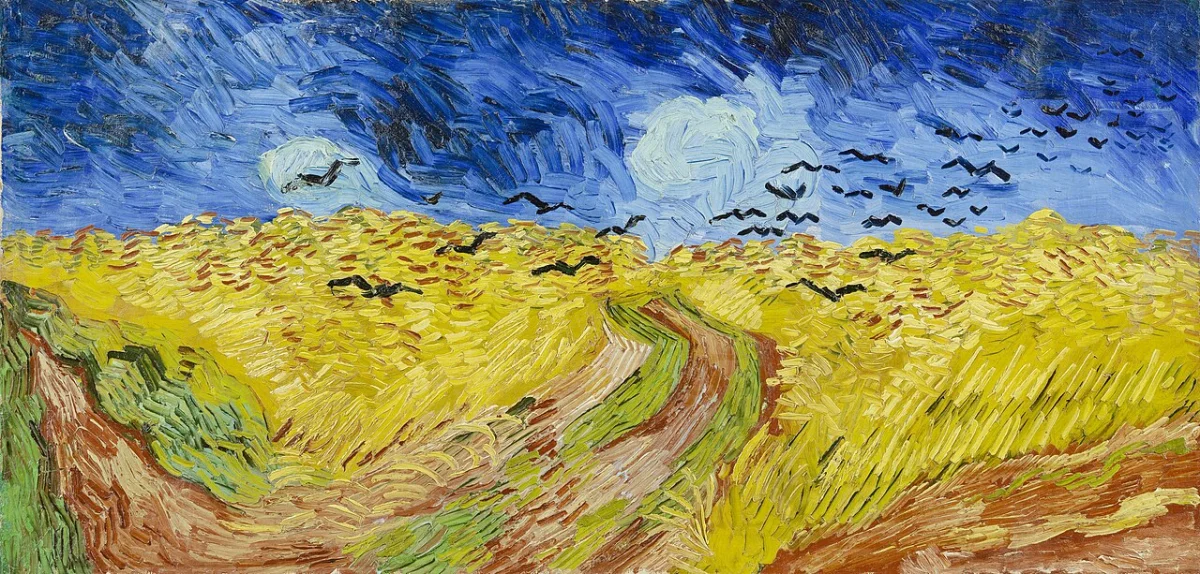
"Peasant Woman Against a Background of Wheat" is more than just a hand-painted oil painting; it is a collector’s treasure from the Post-Impressionism movement. Vincent Van Gogh’s evocative style and the painting’s connection to related works like "Starry Night" and "Wheatfield with Crows" enhance its desirability. For those seeking an exceptional fine art painting for sale, this piece represents an opportunity to own a part of Van Gogh’s extraordinary artistic journey.
When Art Meets History
Vincent Van Gogh’s "Peasant Woman Against a Background of Wheat" stands as a testament to the Post-Impressionism movement, capturing the spirit of rural life in late 19th-century France. This hand-painted oil painting reflects the artist’s fascination with everyday subjects, much like his related works such as "Self-portrait with hat" and "The Siesta." Through his brushwork and vibrant palette, Van Gogh immortalized a fleeting moment in history, making it a cherished masterpiece among art enthusiasts worldwide.
Techniques That Speak
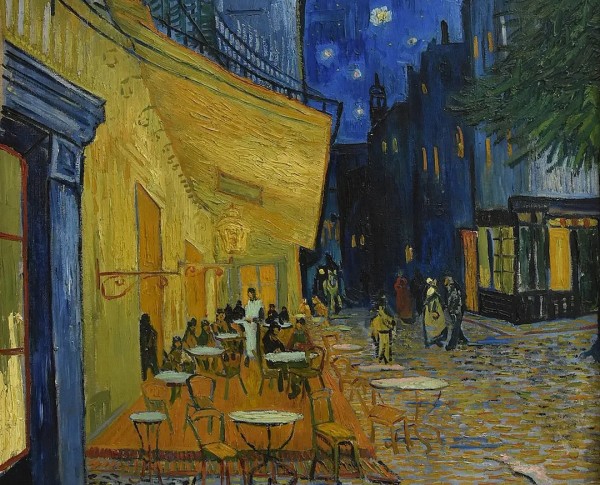
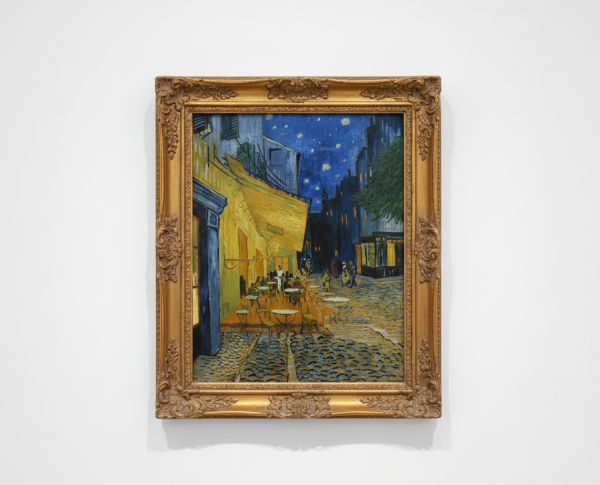
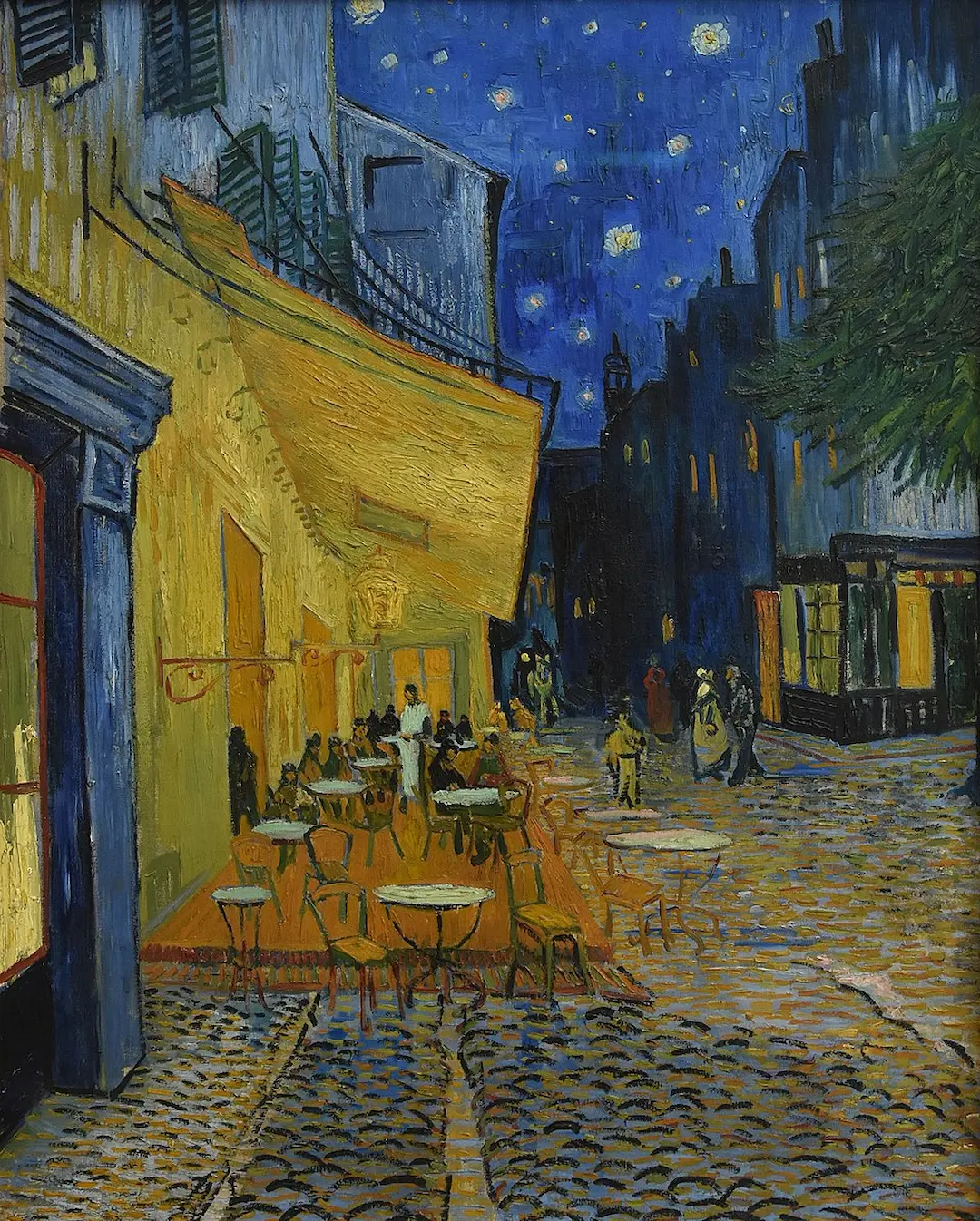
Van Gogh’s mastery of oil on canvas is evident in "Peasant Woman Against a Background of Wheat," where expressive brushstrokes and bold colors bring the scene to life. The textured surface and swirling patterns echo techniques seen in "The Night Café in Arles" and "Nave Nave Mahana." This approach, characteristic of Post-Impressionism, allows each stroke to convey movement and emotion, highlighting Van Gogh’s unique contribution to the evolution of modern art.
Emotions on Display
The emotional depth in "Peasant Woman Against a Background of Wheat" is palpable, conveying the dignity and resilience of rural life. Van Gogh’s use of vivid yellows and earthy tones creates an atmosphere of warmth and introspection, inviting viewers to connect with the subject’s inner world. As with his other fine art painting for sale, such as "One Of The Family," the artist’s sensitivity and empathy shine through, making this piece a stirring example of Post-Impressionism.
Coveted by Collectors
"Peasant Woman Against a Background of Wheat" continues to captivate collectors and art lovers, much like Van Gogh’s other celebrated works. Its status as a hand-painted oil painting from the Post-Impressionism movement adds to its allure, ensuring high demand among those seeking original masterpieces. Whether displayed alongside "The Siesta" or "Self-portrait with hat," this painting’s historical significance and artistic excellence make it a prized addition to any distinguished collection.
Related Post-Impressionism Hand-Painted Oil Paintings by Other Artists
Other Famous Post-Impressionism Artists:
Frequently Asked Questions About Peasant Woman Against a Background of Wheat
What is the historical context of "Peasant Woman Against a Background of Wheat"?
This painting was created in 1888 during Van Gogh's time in Arles, France, a period marked by his exploration of color and form, as well as his deepening interest in rural life and the struggles of the working class.
What artistic techniques did Van Gogh employ in this painting?
Van Gogh utilized bold brushstrokes and vibrant colors to convey emotion and movement. The thick application of paint, known as impasto, adds texture and depth, enhancing the visual impact of the scene.
What does the peasant woman symbolize in this artwork?
The peasant woman represents the dignity and strength of rural laborers. Van Gogh admired the hardworking individuals of the countryside, and this painting serves as a tribute to their resilience and connection to the land.
How does the background of wheat contribute to the overall meaning of the painting?
The wheat field in the background symbolizes abundance and the cycle of life. It reflects the themes of agriculture and sustenance, highlighting the relationship between the peasant woman and the natural environment.
What influence did Impressionism have on Van Gogh's style in this painting?
Impressionism influenced Van Gogh's use of color and light, as seen in the vibrant hues and the way he captures the effects of sunlight on the wheat. However, his emotional intensity and expressive brushwork distinguish his style from traditional Impressionism.
What emotions does the painting evoke?
The painting evokes a sense of solitude and contemplation, reflecting the inner life of the peasant woman. The warm colors and dynamic lines create a feeling of warmth and connection to the earth, while also suggesting the hardships of rural life.
How does this painting fit into Van Gogh's broader body of work?
This artwork is part of Van Gogh's exploration of rural themes, which he often depicted throughout his career. It exemplifies his fascination with the lives of ordinary people and his desire to elevate their experiences through art.
What role did color play in "Peasant Woman Against a Background of Wheat"?
Color plays a crucial role in this painting, with Van Gogh using a palette of yellows, greens, and browns to create a harmonious composition. The warm tones evoke feelings of warmth and vitality, enhancing the connection between the subject and her environment.
What is the significance of the composition in this painting?
The composition centers the peasant woman against the expansive wheat field, emphasizing her relationship with the land. The diagonal lines created by the wheat lead the viewer's eye towards her, highlighting her importance within the scene.
How has "Peasant Woman Against a Background of Wheat" been received by critics and art historians?
Critics and art historians have praised this painting for its emotional depth and innovative use of color and form. It is often seen as a key work that encapsulates Van Gogh's dedication to portraying the human condition and the beauty of everyday life.






















_GFM_Painting_(1).webp)


 100% Hand-Painted: Finished in 3-6 Weeks

.png)
















_(1).webp)