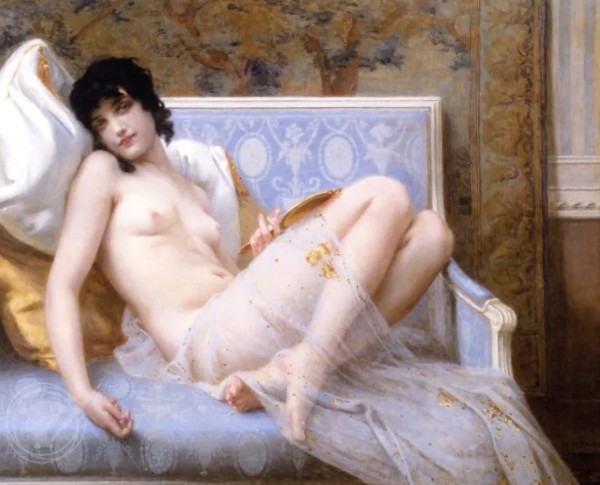
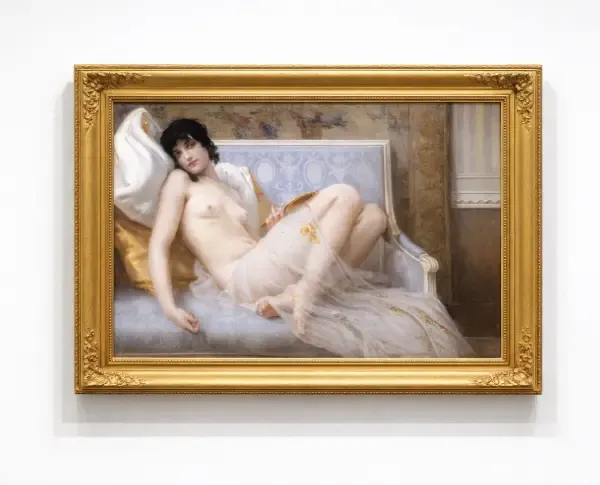
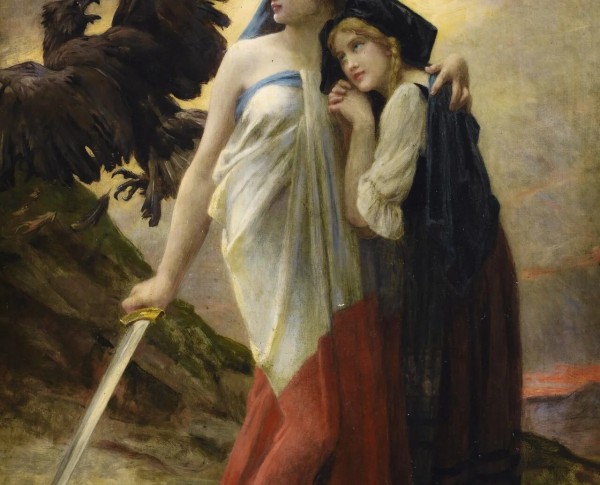
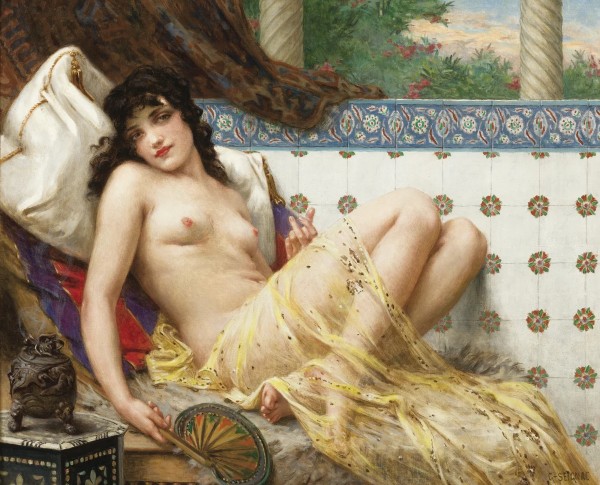
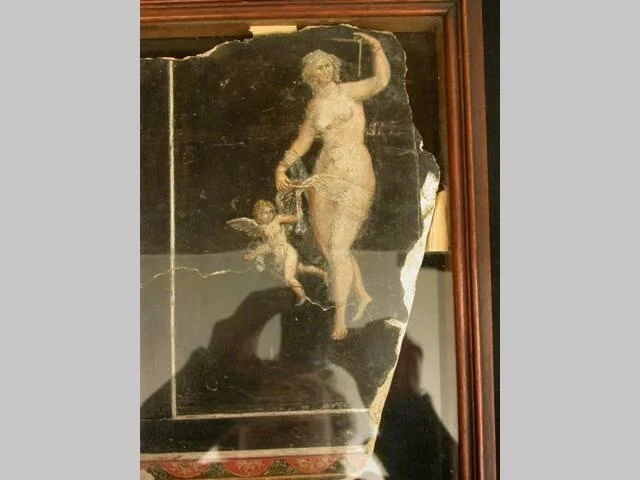
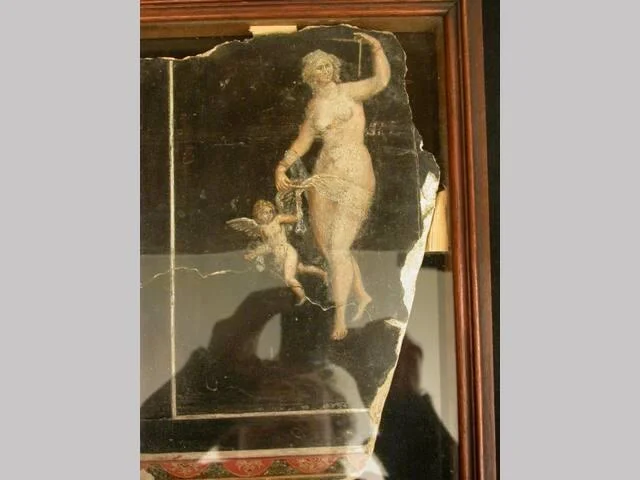
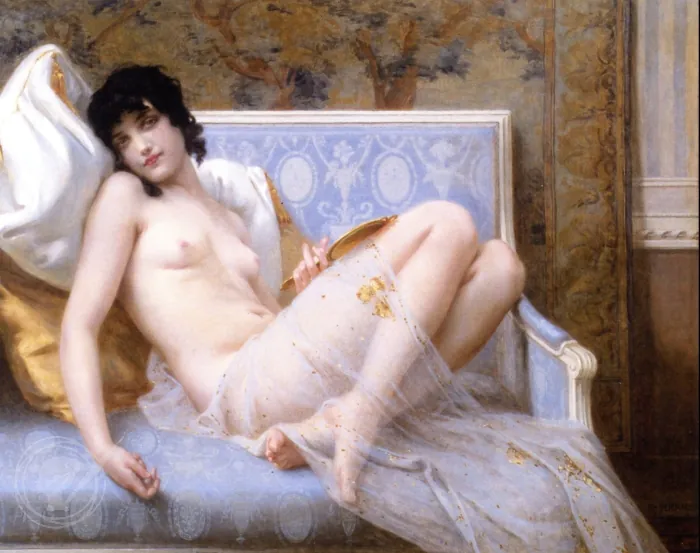
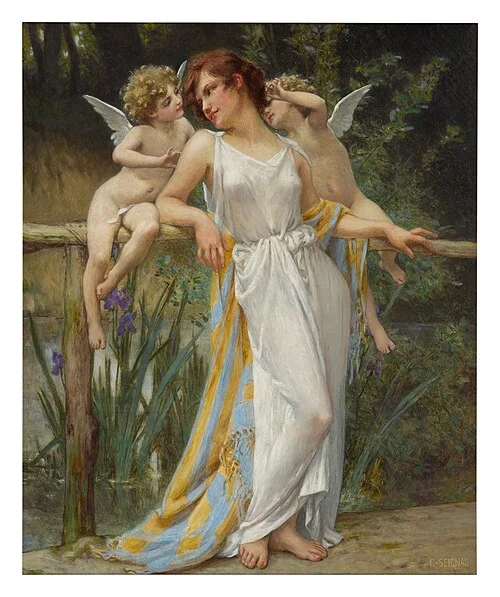
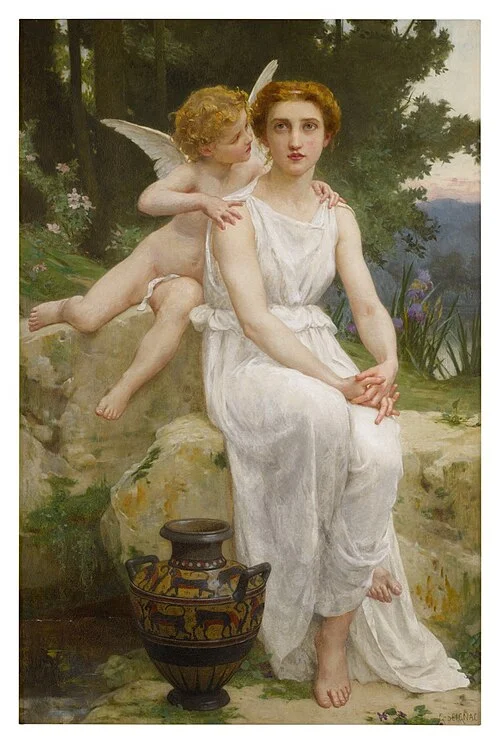
Seignac’s "Cupid" is a testament to the exquisite craftsmanship characteristic of oil on canvas masterpieces. Each brushstroke reveals the artist’s profound understanding of anatomy, light, and texture, hallmarks of Academic Art. The painting’s lifelike depiction of mythological themes aligns it with related pieces like "Jeune femme denudée sur canape (Young woman naked on a settee)" and "Psyche with Putti." Collectors value these works for their technical brilliance and enduring elegance.
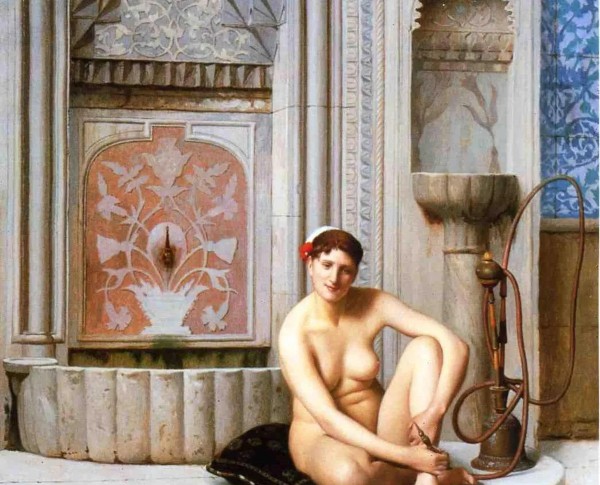
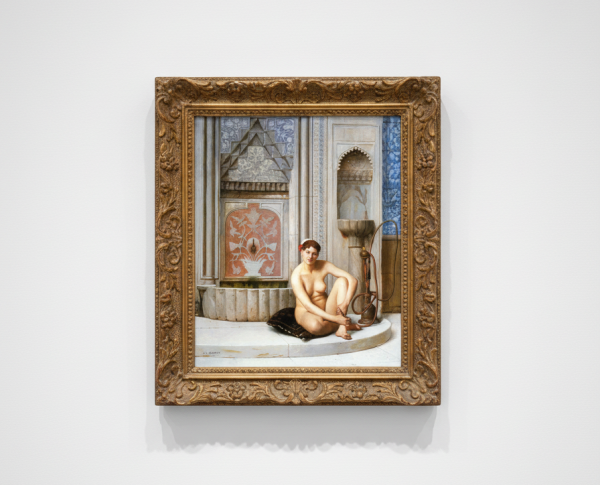
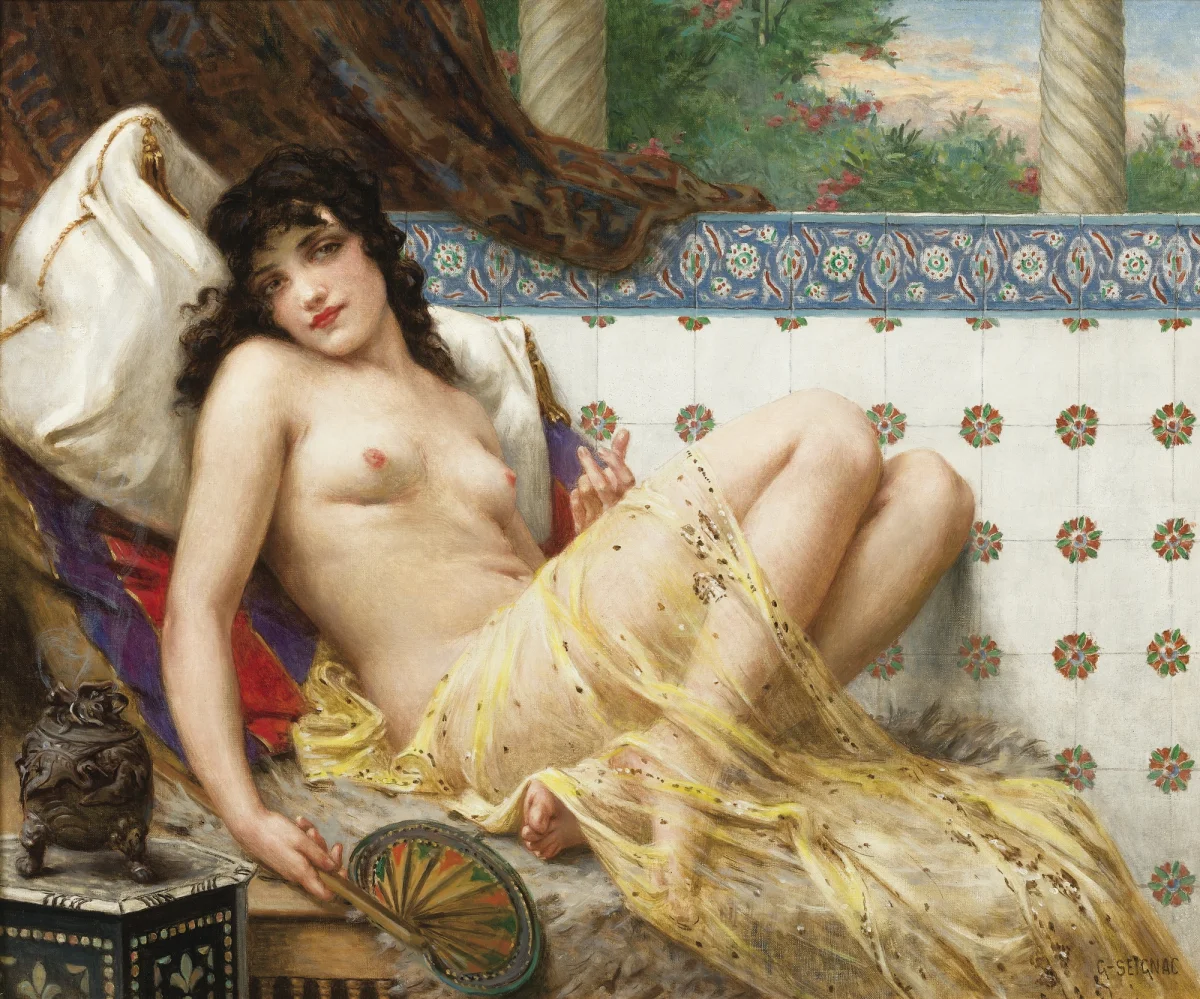
Every fine art painting for sale by Guillaume Seignac, including "Cupid," weaves a narrative through symbolism and classical references. The figure of Cupid, rendered with delicate precision, evokes themes of love and innocence central to Academic Art. Seignac’s storytelling approach connects "Cupid" to related works such as "Reunited" and "Odalisque," inviting viewers to explore deeper meanings within each composition. These paintings remain highly sought after for their emotional resonance and historical significance.
For those seeking a hand-painted oil painting that embodies the spirit of Academic Art, "Cupid" by Guillaume Seignac is a prime choice. The painting’s enduring appeal lies in its harmonious blend of technical skill and mythological charm. Collectors often pair "Cupid" with other notable works like "Odalisque with a Fan" or "Love's Offering" to enhance their collections. As a fine art painting for sale, "Cupid" continues to captivate new generations of art lovers.
When Art Meets History
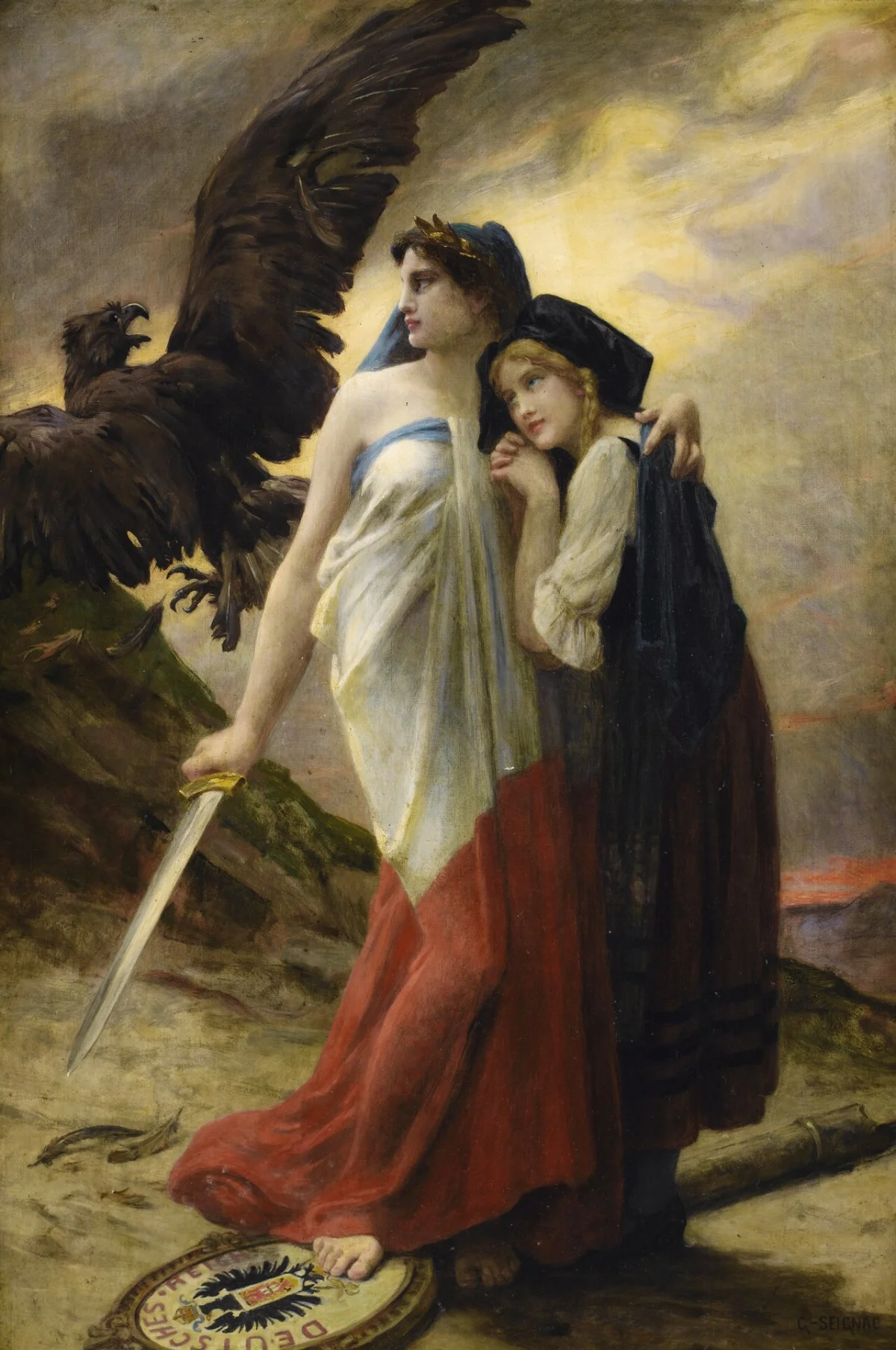
Guillaume Seignac’s masterpiece "Cupid" stands as a testament to the enduring legacy of the Academic Art movement. Created during a period when classical themes flourished, this hand-painted oil painting reflects not only the artist’s technical mastery but also the era’s fascination with mythological subjects. Seignac’s "Cupid" shares its historical backdrop with related works such as "Battle of Auvours, 10 January 1871" and "The Communion of Zouaves," both exemplifying the rich narrative tradition of Academic Art.
Techniques That Speak
The "Cupid" painting by Guillaume Seignac showcases exquisite oil on canvas technique, a hallmark of Academic Art. Every brushstroke demonstrates Seignac’s attention to detail, capturing the soft textures of skin and the delicate play of light. This method is also evident in his other works like "Mud Pies" and "The Wolf of Agubbio," where precision and realism take center stage. Such mastery of oil on canvas continues to inspire artists and art lovers alike.
Emotions on Display
In "Cupid," Guillaume Seignac masterfully conveys innocence and longing, drawing viewers into the emotional world of the mythological figure. The gentle expression and graceful pose evoke a sense of tenderness, typical of the Academic Art movement. This fine art painting for sale allows collectors to experience similar emotional depth found in Seignac’s other works, such as "Vercingetorix Throwing down His Weapons at the feet of Julius Caesar," where human feelings are rendered with profound sensitivity.
Coveted by Collectors
Guillaume Seignac’s "Cupid" remains highly desirable among art connoisseurs, reflecting the lasting appeal of Academic Art. As a hand-painted oil painting, its value is heightened by Seignac’s reputation and the movement’s historical significance. Collectors who appreciate works like "The Communion of Zouaves" and "Mud Pies" seek out "Cupid" for its beauty and provenance, making it a prized addition to any collection of fine art painting for sale.
Related Academic Art Hand-Painted Oil Paintings by Other Artists
Other Famous Academic Art Artists:
Frequently Asked Questions About Cupid
What is the historical context of Guillaume Seignac's painting "Cupid"?
"Cupid" was created during the early 20th century, a period marked by a revival of classical themes in art. Seignac, influenced by the Symbolist movement, sought to evoke emotions and ideals through mythological subjects, reflecting society's fascination with love and beauty.
What artistic techniques did Guillaume Seignac employ in "Cupid"?
Seignac utilized a combination of soft brushwork and a rich color palette to create a sense of warmth and intimacy in "Cupid." His mastery of light and shadow enhances the three-dimensionality of the figure, drawing the viewer's eye to the delicate features of the subject.
What is the significance of the figure of Cupid in art history?
Cupid, the Roman god of love, has been a prevalent figure in art since antiquity. He symbolizes romantic desire and the complexities of love, serving as a muse for artists throughout history, including the Renaissance and Baroque periods, and continuing to inspire works like Seignac's.
How does "Cupid" reflect the themes of love and desire?
The painting encapsulates the essence of love and desire through the portrayal of Cupid as an ethereal and enchanting figure. His pose and expression convey both innocence and seduction, inviting viewers to explore the duality of love's nature.
What materials were used in the creation of "Cupid"?
Guillaume Seignac typically worked with oil on canvas, a medium that allows for rich texture and depth. This choice enhances the visual impact of "Cupid," enabling the artist to achieve a luminous quality in the skin tones and the surrounding environment.
In what ways does "Cupid" exemplify Symbolism in art?
"Cupid" exemplifies Symbolism through its emphasis on emotion and the exploration of inner experiences. Seignac's choice to depict a mythological subject invites viewers to interpret the painting on a personal level, transcending mere representation to evoke deeper feelings and thoughts.
What influences can be seen in Seignac's portrayal of Cupid?
Seignac's portrayal of Cupid is influenced by both classical art and the Symbolist movement. He draws on the idealized forms of ancient sculptures while infusing the work with a contemporary sensibility that emphasizes emotional resonance and aesthetic beauty.
What role does color play in "Cupid"?
Color plays a crucial role in "Cupid," as it enhances the emotional tone of the painting. The warm hues used for Cupid's skin and the surrounding elements create a sense of intimacy and allure, while cooler tones in the background provide contrast and depth.
How has "Cupid" been received by critics and art historians?
"Cupid" has been praised for its technical skill and emotional depth. Critics often highlight Seignac's ability to blend classical themes with modern sensibilities, making the work relevant to both contemporary audiences and art historians studying the evolution of romantic imagery.
What is the current location of "Cupid" and its significance in the art world?
"Cupid" is housed in a prominent art gallery, where it continues to attract attention for its beauty and historical significance. The painting serves as a testament to Seignac's contribution to early 20th-century art and the enduring fascination with themes of love and mythology.






















_GFM_Painting_(1).webp)


 100% Hand-Painted: Finished in 3-6 Weeks

.png)















_(1).webp)