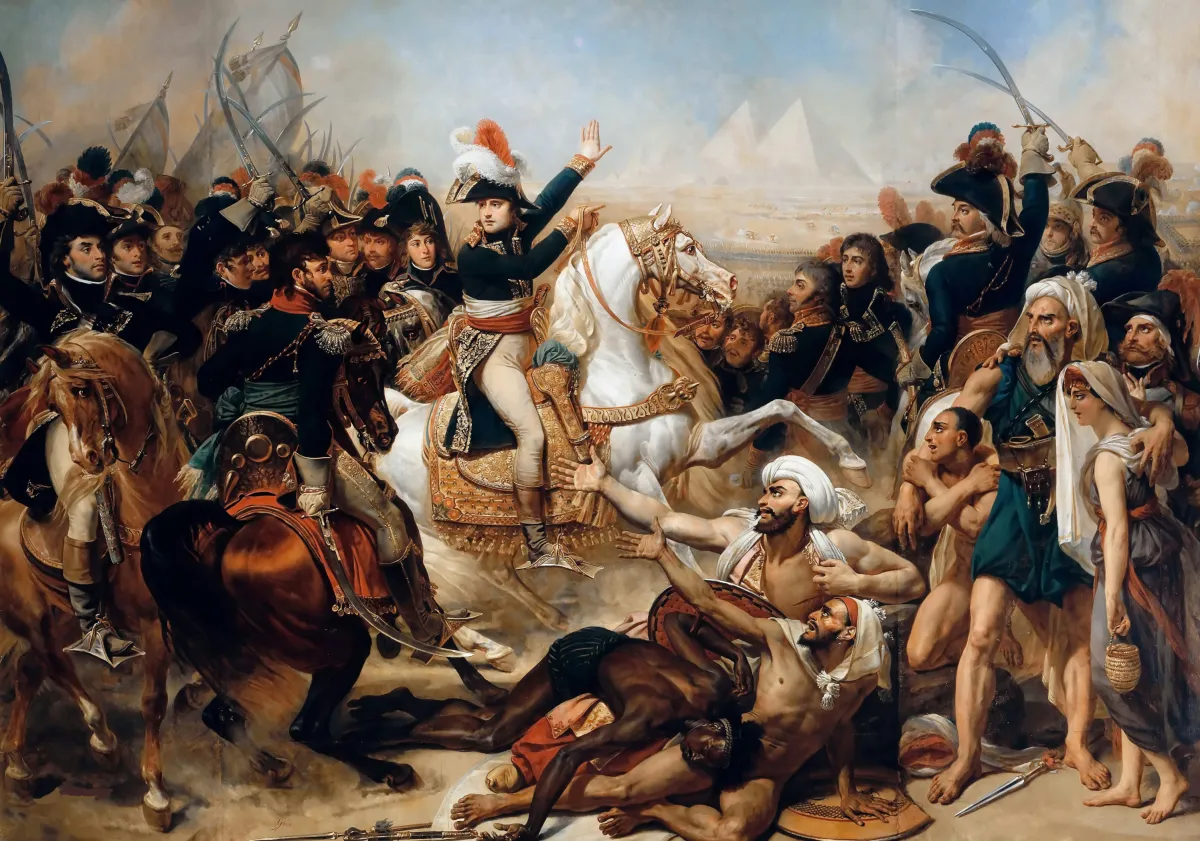
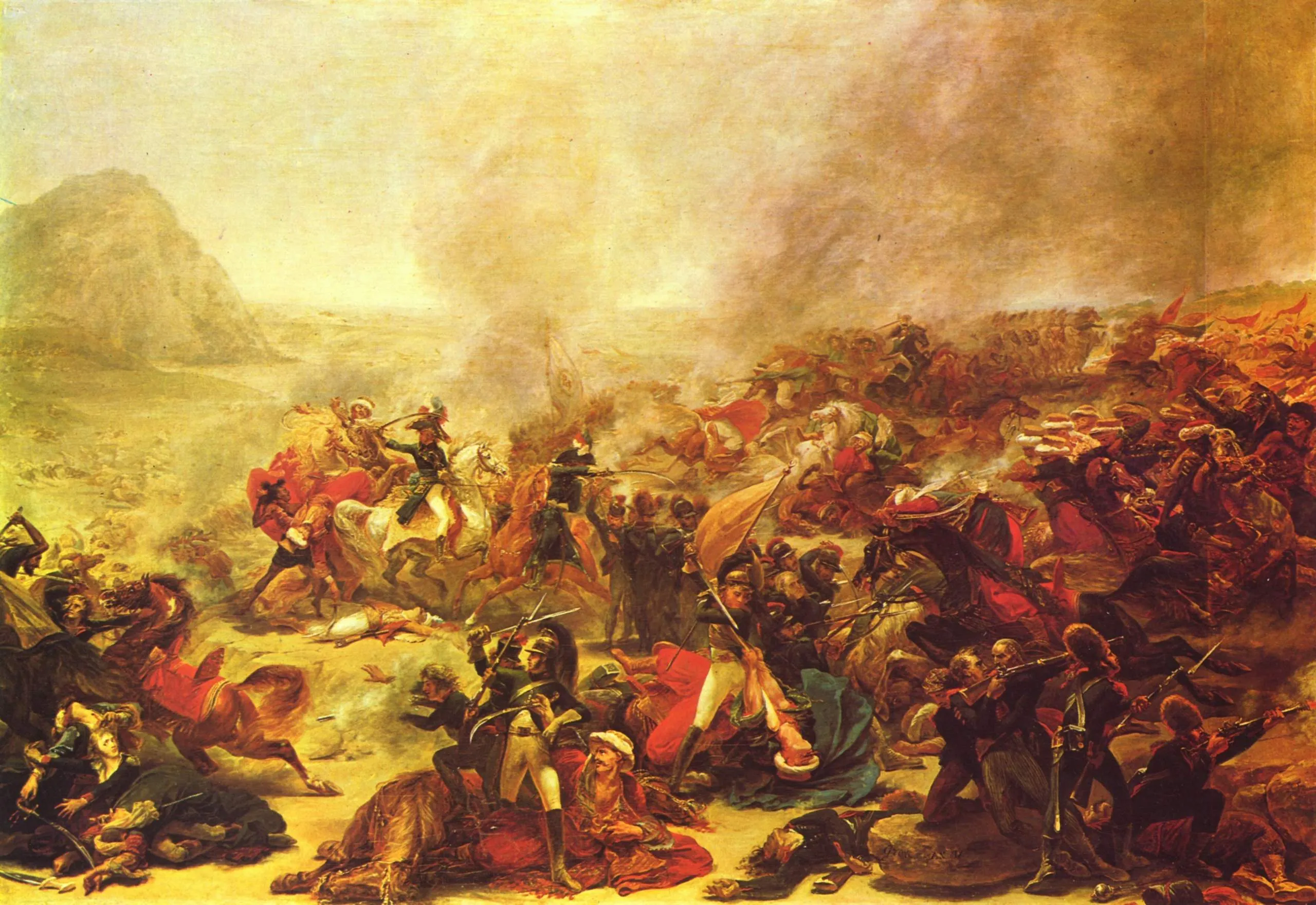
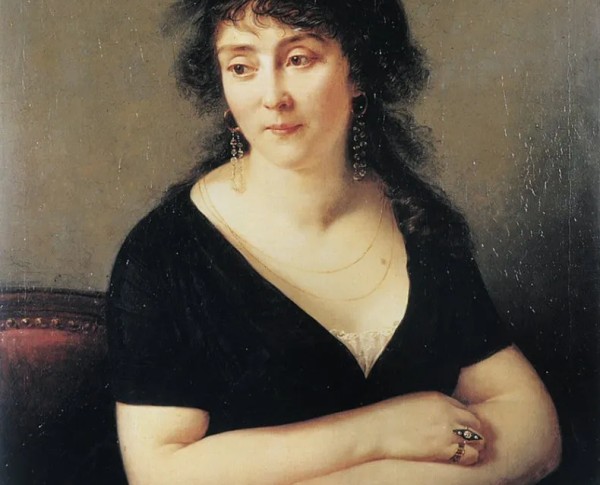
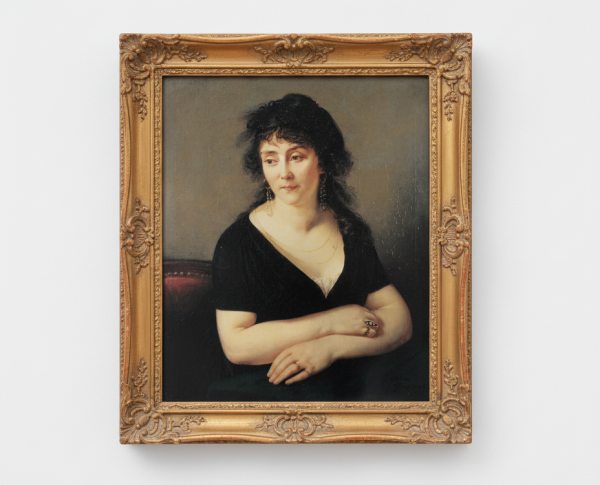
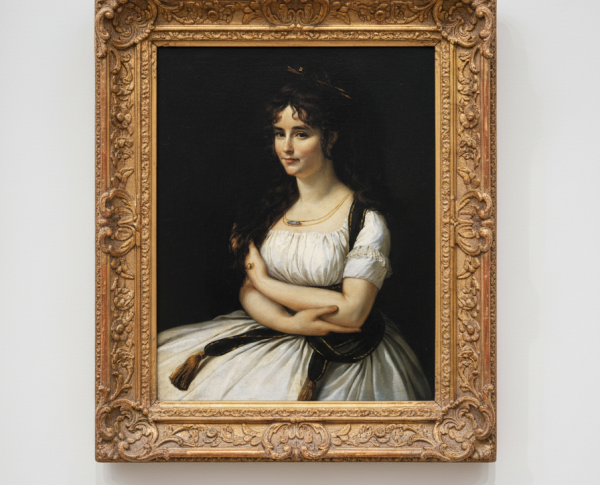
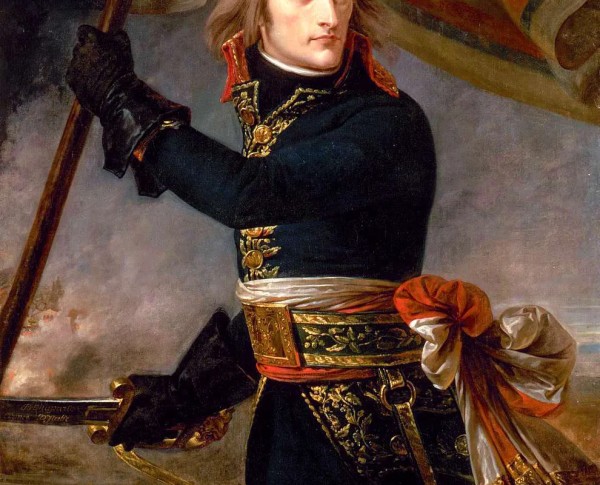
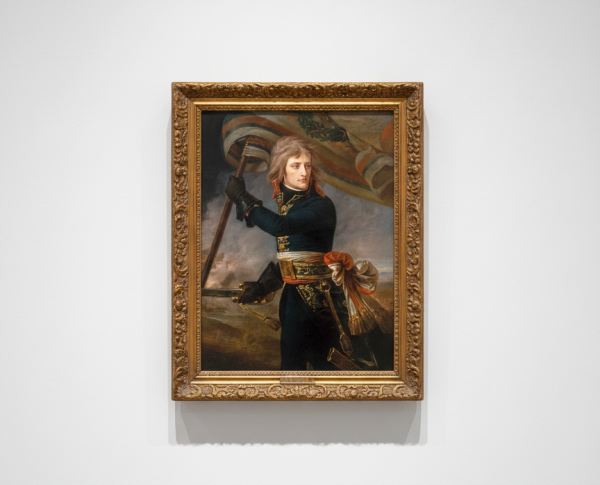
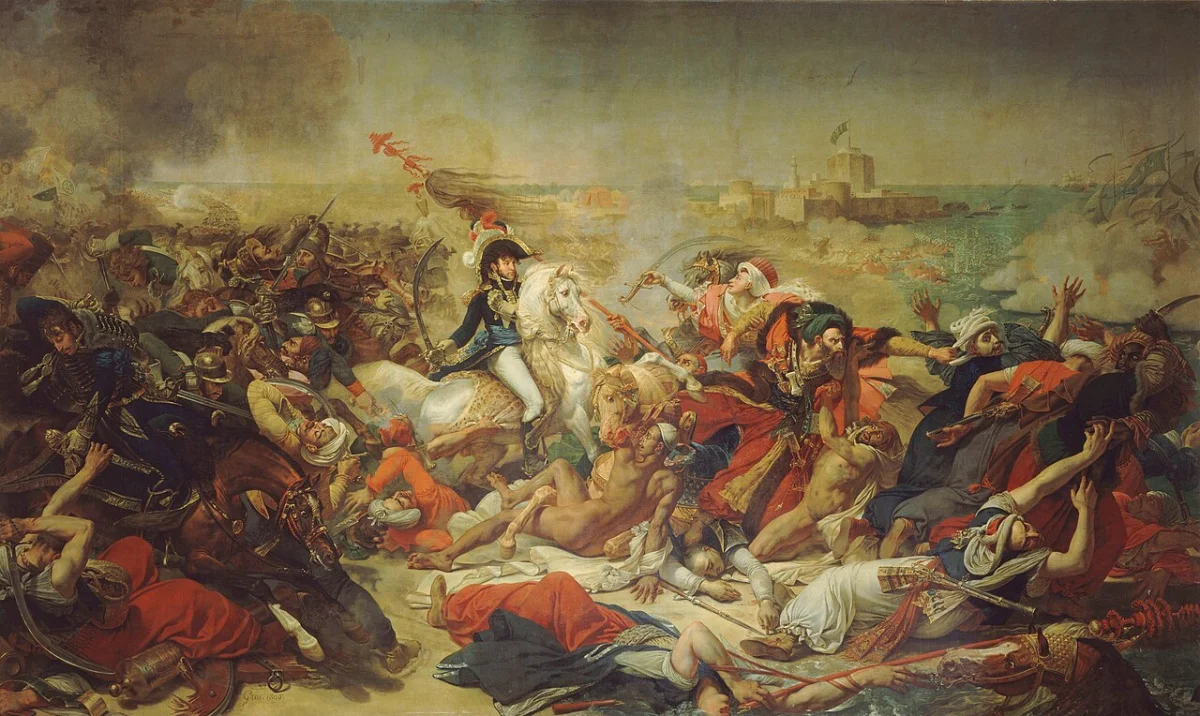
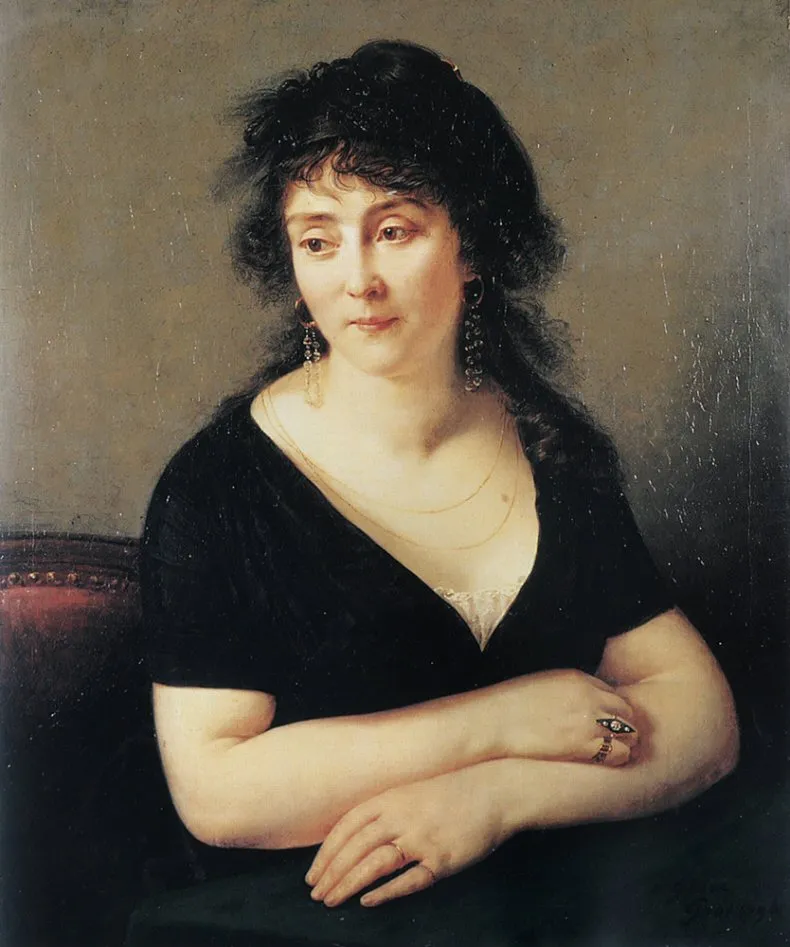
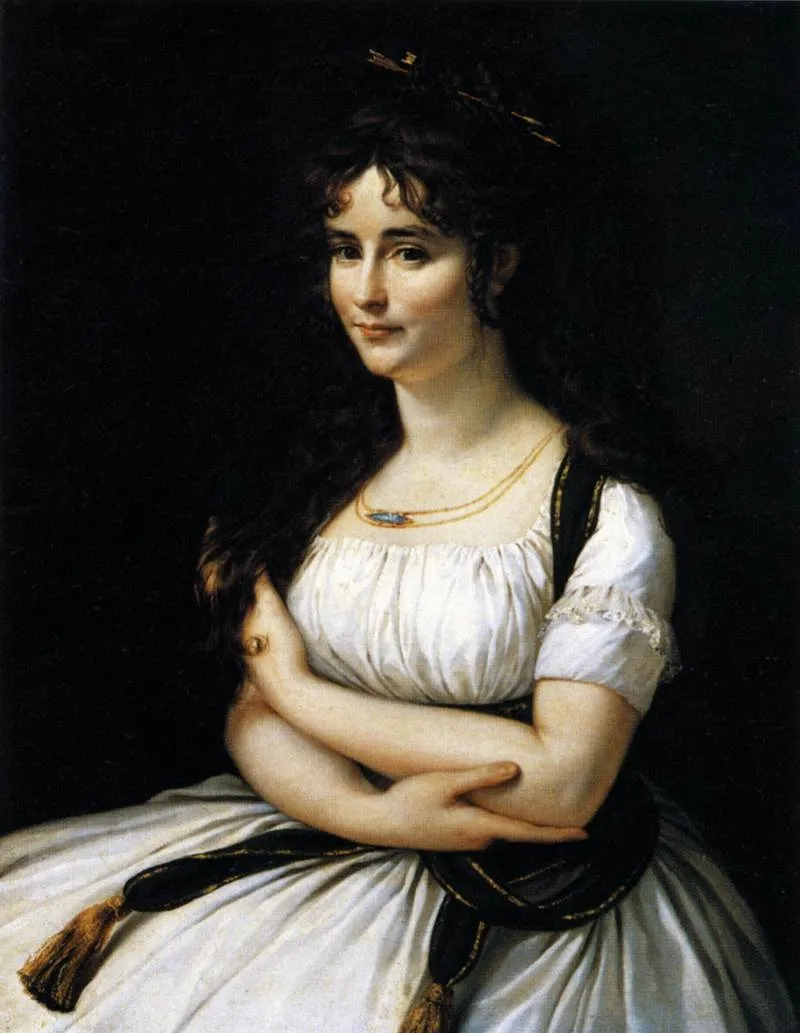
Gros’s "Battle of Aboukir, July 25, 1799" demonstrates exceptional skill in oil on canvas technique, a hallmark of Romanticism. His use of bold colors and dynamic composition brings the chaos of battle to life, immersing viewers in the moment. The meticulous attention to detail is evident in every brushstroke, reflecting Gros’s mastery. Art lovers often compare this piece to his other works, including "Madame Pasteur" and "The Battle of Nazareth," for their technical brilliance.
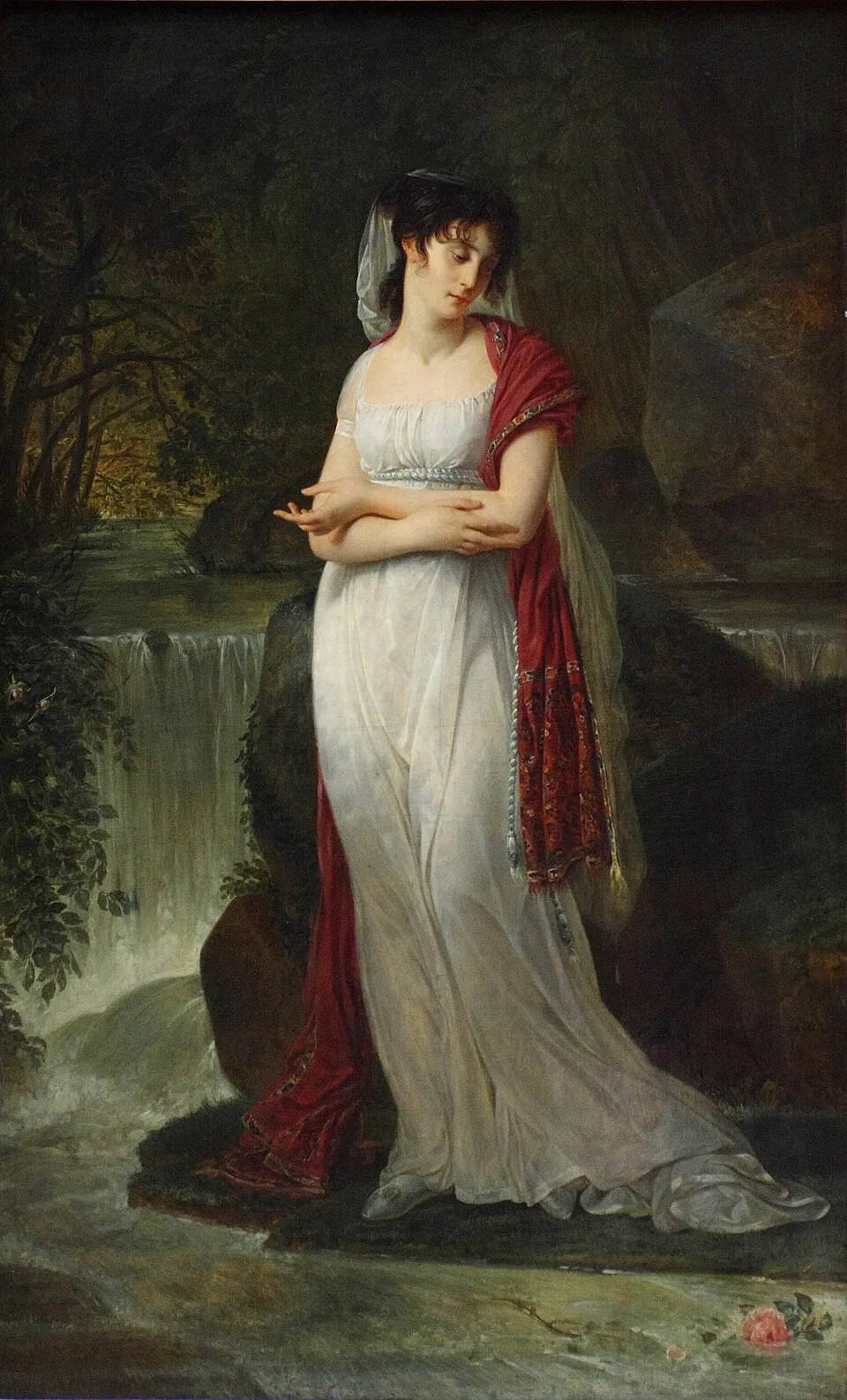
Within this fine art painting for sale, Gros weaves powerful narratives and symbolic imagery. "Battle of Aboukir, July 25, 1799" not only recounts a pivotal military victory but also symbolizes heroism and sacrifice, themes central to Romanticism. The expressive faces and dramatic lighting invite viewers to explore deeper meanings. Collectors often seek related products like "Portrait of Christine Boyer" and "Portrait of Madame Bruyere" for their similarly rich storytelling and symbolism.
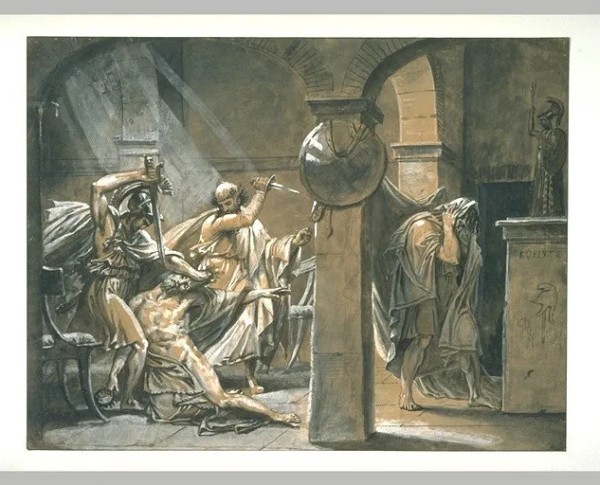
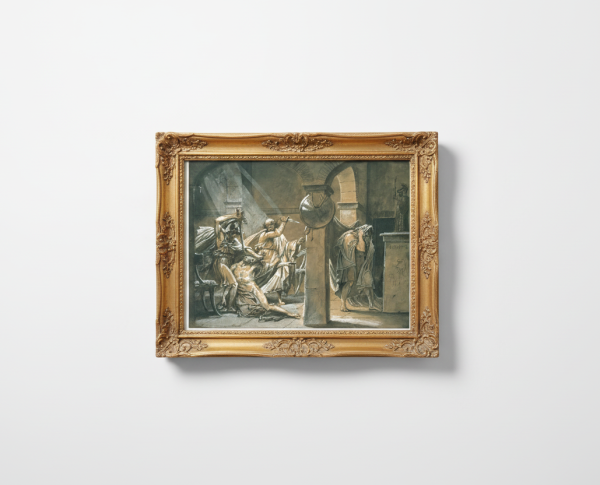
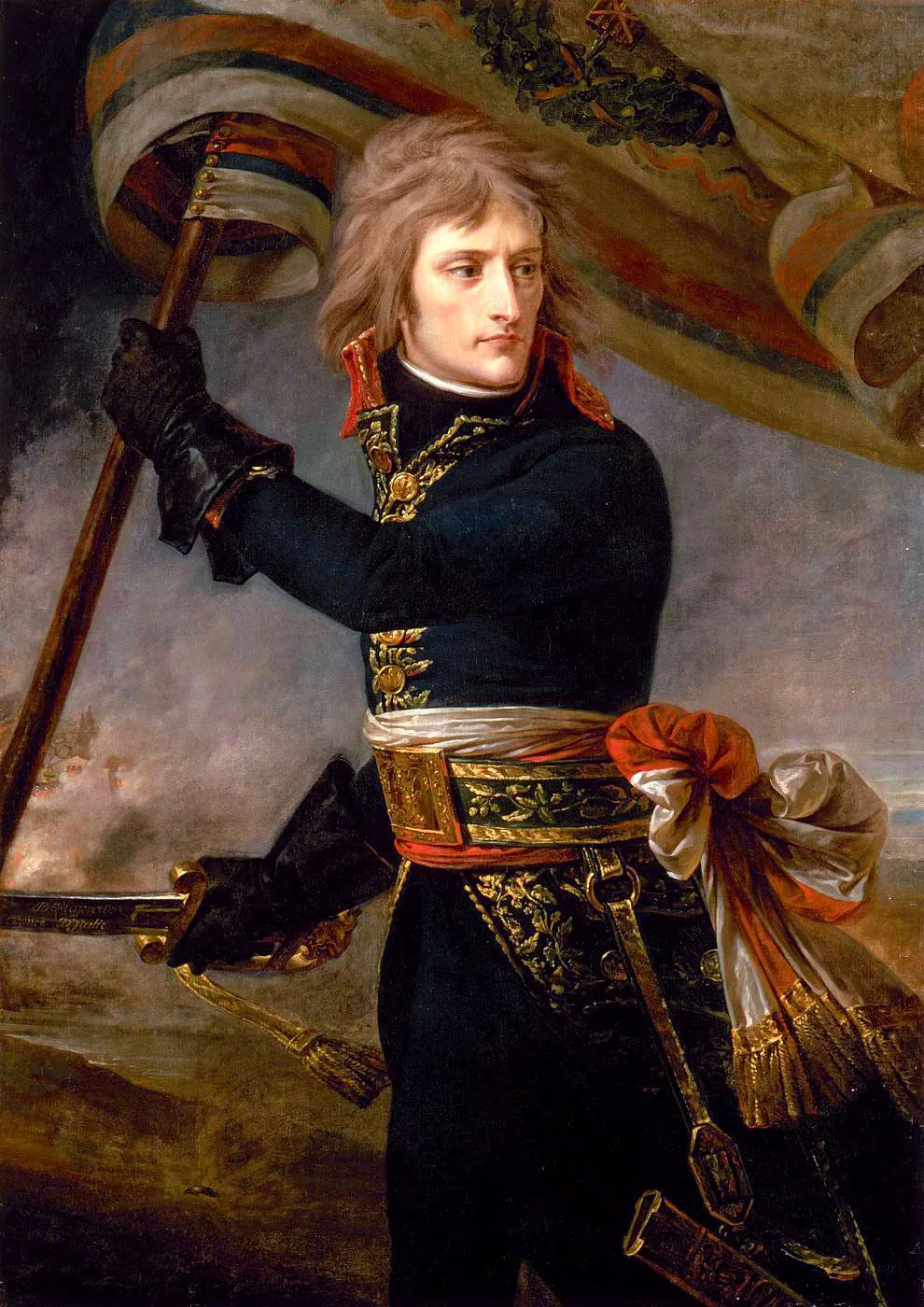
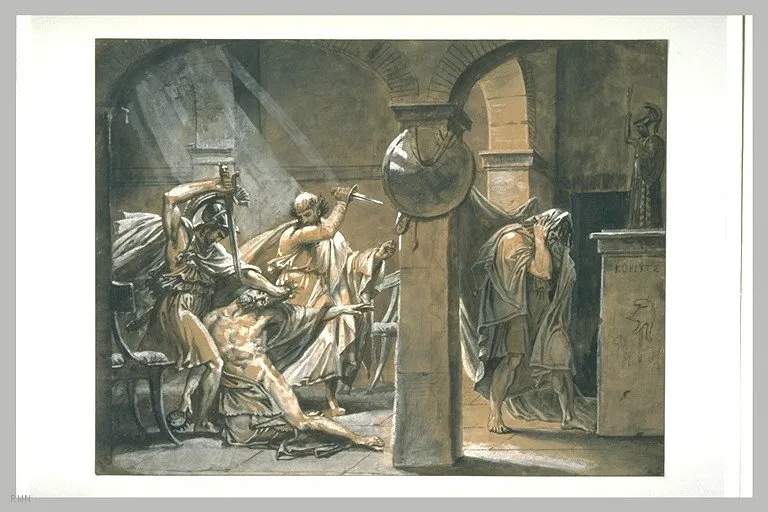
Owning "Battle of Aboukir, July 25, 1799" by Antoine-Jean Gros means acquiring a rare hand-painted oil painting from the Romanticism era. This exceptional artwork appeals to collectors who value historical significance and artistic excellence. Its enduring allure is matched by other sought-after pieces, such as "The Death of Timophanes" and "First Consul Bonaparte." Investing in such a masterpiece ensures a legacy of fine art painting for sale that transcends generations.
When Art Meets History
"Battle of Aboukir, July 25, 1799" by Antoine-Jean Gros stands as a remarkable testament to the Romanticism movement. This hand-painted oil painting captures a pivotal moment in Napoleonic history, reflecting Gros's fascination with dramatic events. Much like "Washington Crossing the Delaware 1851," this masterpiece merges historical narrative and artistic flair. Gros’s approach set a precedent for later artists, making "Battle of Aboukir" a must-see for those interested in both art and history.
Techniques That Speak
Antoine-Jean Gros’s mastery of oil on canvas is evident throughout "Battle of Aboukir, July 25, 1799." His brushwork brings action and depth, using vibrant colors and dynamic compositions characteristic of Romanticism. The artist’s techniques are comparable to those seen in "The Discovery of Adam" and "Power of Death," where emotion and movement are emphasized. Gros’s skillful layering and textural effects elevate this painting, making it a prime example of the period’s technical innovations.
Emotions on Display
The emotional intensity in "Battle of Aboukir, July 25, 1799" reflects Antoine-Jean Gros’s Romantic vision. This fine art painting for sale immerses viewers in the chaos and heroism of battle, much like "Self-Portrait in the Studio" explores personal drama. Gros’s ability to convey anguish, triumph, and turmoil through expressive faces and gestures sets his work apart. The painting’s emotional impact continues to resonate, drawing collectors and enthusiasts to its dramatic narrative.
Coveted by Collectors
"Battle of Aboukir, July 25, 1799" remains highly sought after among art aficionados, thanks to its historical significance and artistic brilliance. As a prime example of oil on canvas from the Romanticism movement, this masterpiece by Antoine-Jean Gros holds a place alongside works like "'the Witches' Ride.'" Collectors value the painting not only for its compelling story but also for its influence on subsequent generations, making it a prized addition to any fine art collection.
Related Romanticism Hand-Painted Oil Paintings by Other Artists
Other Famous Romanticism Artists:
Frequently Asked Questions About Battle of Aboukir, July 25, 1799
What historical event does the painting depict?
The painting illustrates the Battle of Aboukir, a significant conflict during the Egyptian campaign of Napoleon Bonaparte, which took place on July 25, 1799. This battle was crucial in establishing French control over Egypt.
Who is the artist of this painting and what is his significance?
Antoine-Jean Gros is the artist behind this work. He was a prominent French painter known for his historical and military scenes, and he played a vital role in the development of Romanticism in art.
What artistic style is evident in the painting?
The painting showcases elements of Romanticism, characterized by dramatic compositions, emotional intensity, and a focus on heroic themes, which are all prominent in Gros's works.
What symbols are present in the painting?
Key symbols include the depiction of soldiers in dynamic poses, which represent bravery and sacrifice, and the use of light to highlight the central figures, emphasizing their importance in the narrative of the battle.
How does Gros convey the chaos of battle in this artwork?
Gros employs a dynamic composition and vivid colors to convey the chaos of battle. The swirling forms and intense expressions of the figures create a sense of movement and urgency, immersing the viewer in the tumult of war.
What role does color play in the painting?
Color plays a crucial role in establishing mood and drama. The use of contrasting colors highlights the conflict between light and dark, symbolizing the struggle between life and death on the battlefield.
In what way does the painting reflect the political climate of its time?
The painting reflects the political climate of the late 18th century, particularly the rise of nationalism and military heroism associated with the French Revolution and Napoleon's campaigns, which were pivotal in shaping modern Europe.
What is the significance of the figures depicted in the painting?
The figures in the painting represent not only soldiers but also the ideals of courage, honor, and sacrifice. They serve as embodiments of the French military spirit during a time of great upheaval and change.
How does the composition of the painting enhance its narrative?
The composition is carefully structured to guide the viewer's eye through the chaos of battle, with a central focus on key figures that anchor the narrative. This arrangement enhances the storytelling aspect of the artwork.
What impact did this painting have on the art world and its reception?
This painting had a significant impact on the art world by elevating the genre of historical painting and influencing future artists to explore themes of heroism and the human experience in times of conflict, solidifying Gros's legacy as a master of military art.






















_GFM_Painting_(1).webp)


 100% Hand-Painted: Finished in 3-6 Weeks

.png)















_(1).webp)