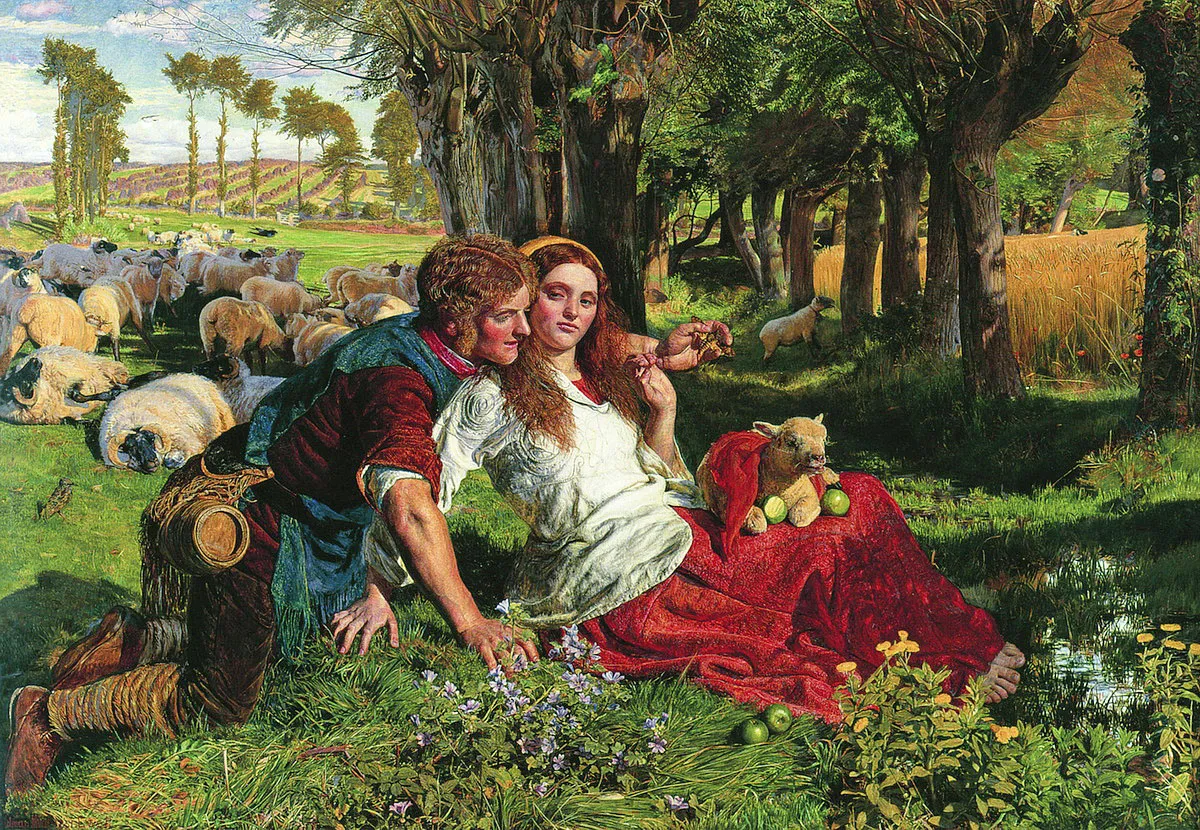
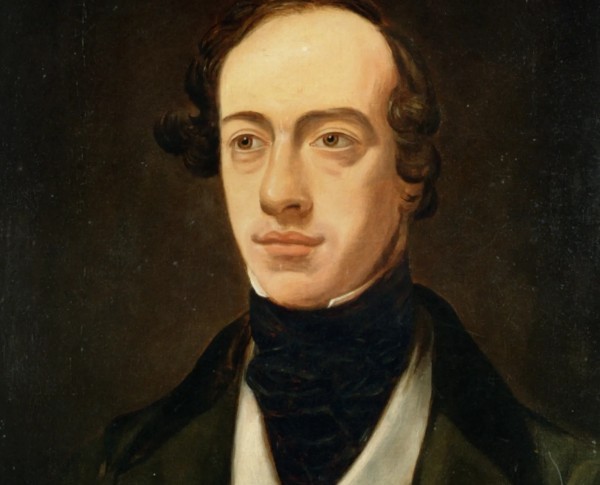
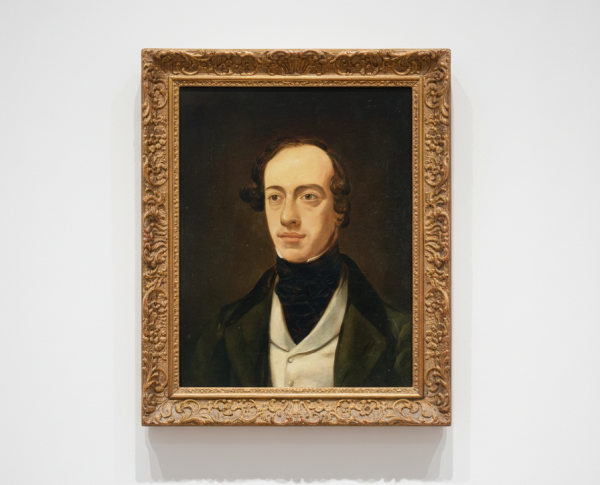
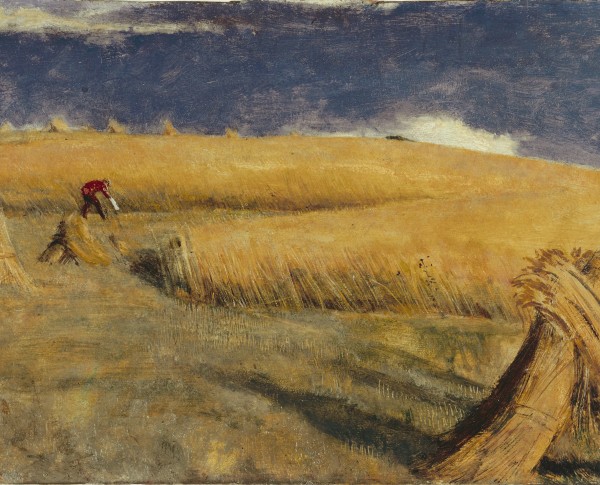
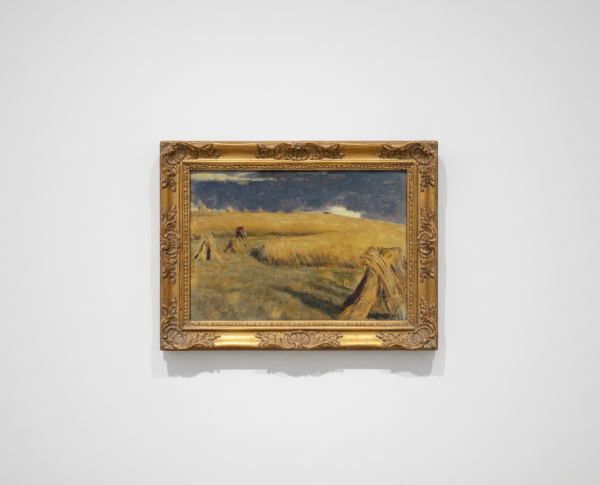
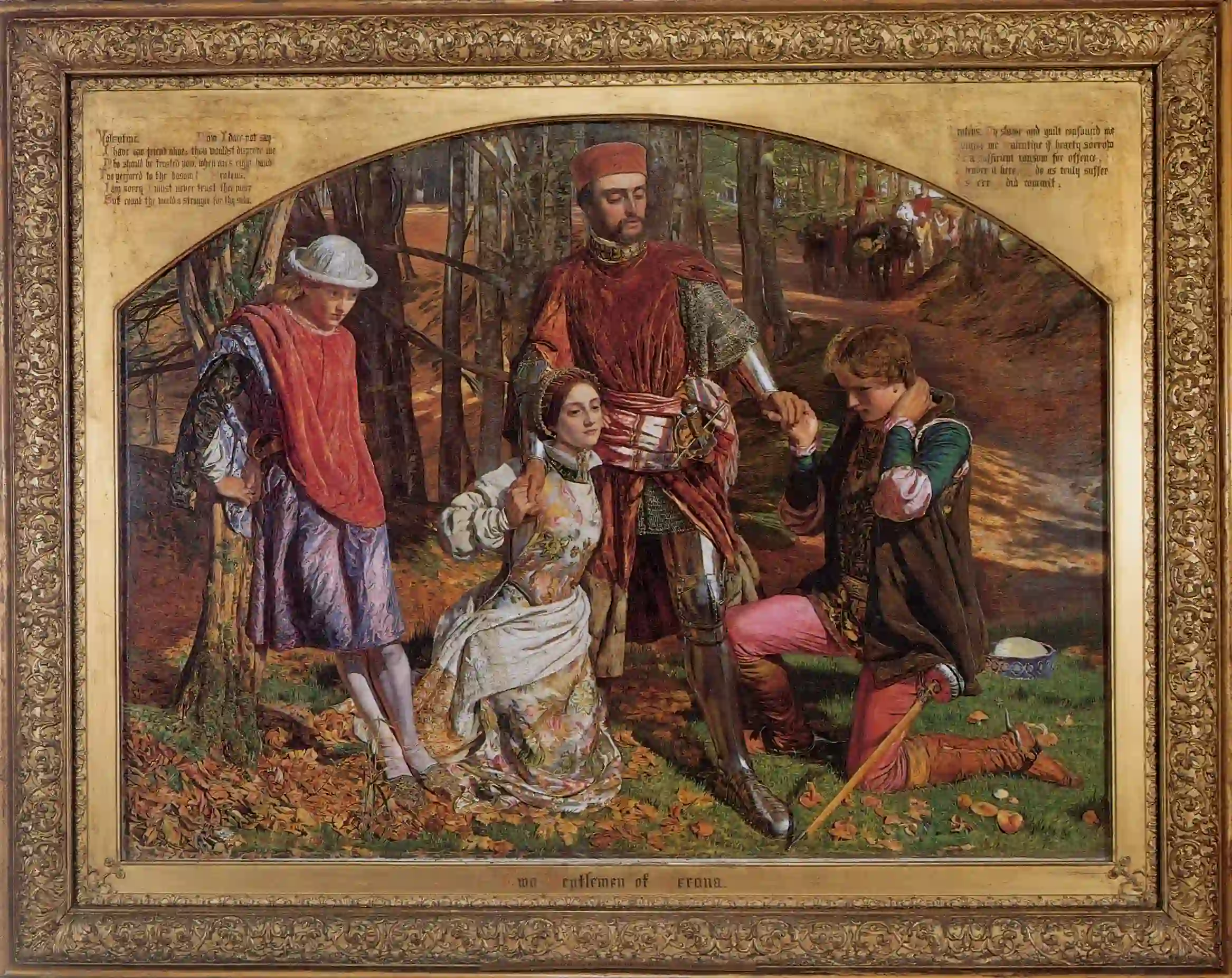
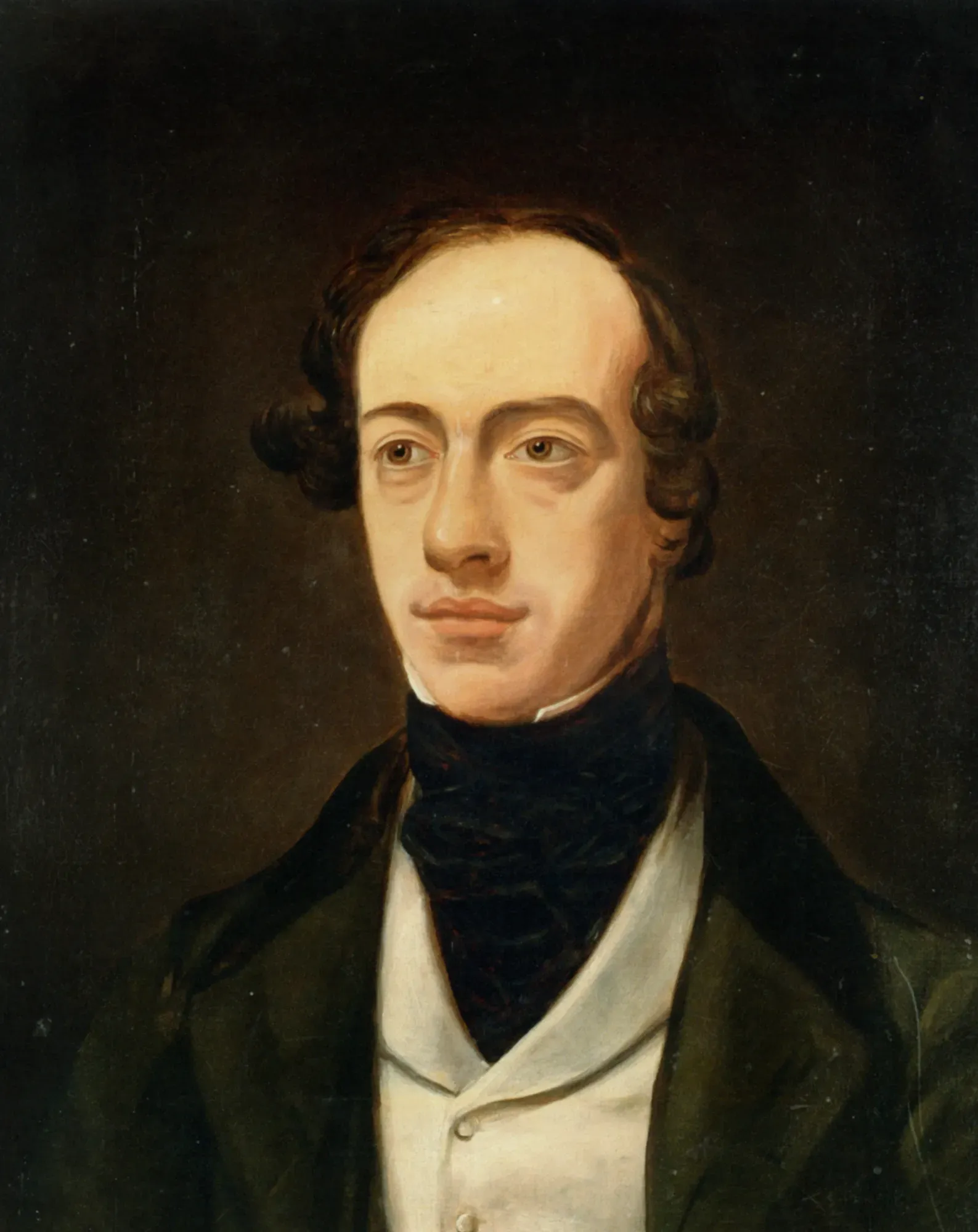
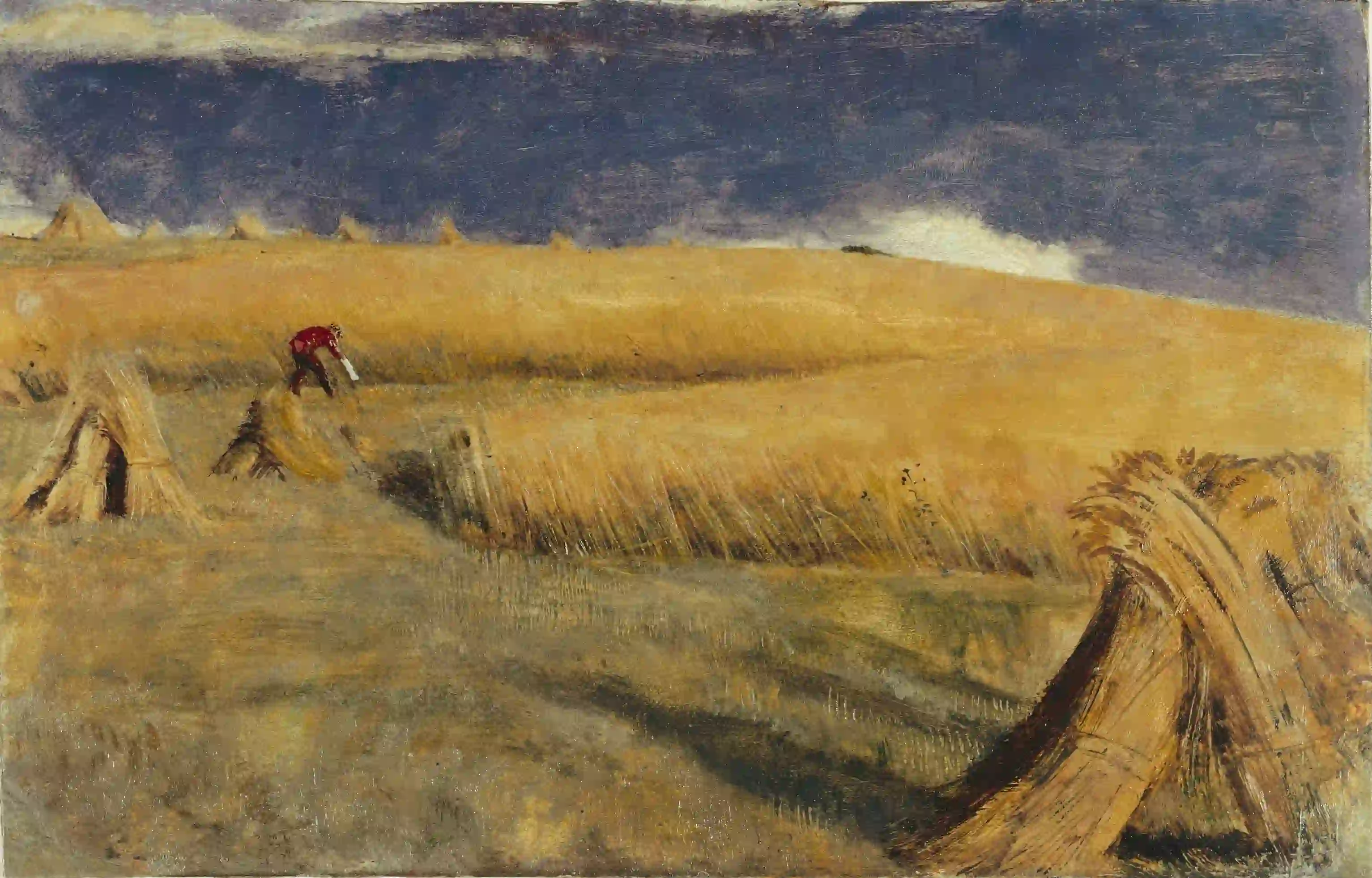
William Holman Hunt’s technique in this oil on canvas piece demonstrates his meticulous attention to detail and vibrant use of color. The painting’s luminous quality and dynamic composition highlight the artist’s mastery, making it a stunning example of Romanticism. Collectors often seek similar works, including “Cornfield at Ewell” and “Portrait of William Pink,” which showcase Hunt’s signature style and technical prowess in oil on canvas artistry.
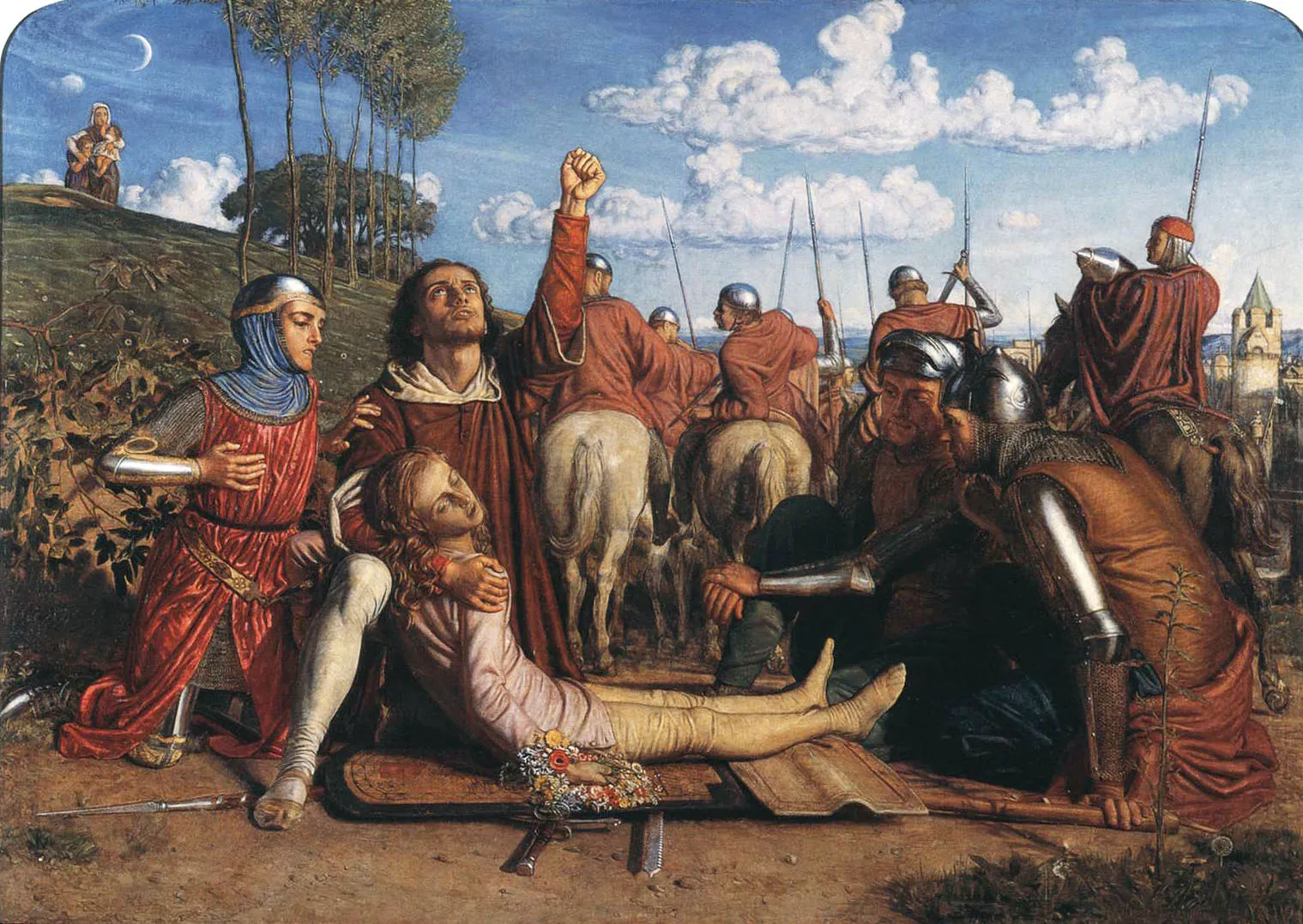
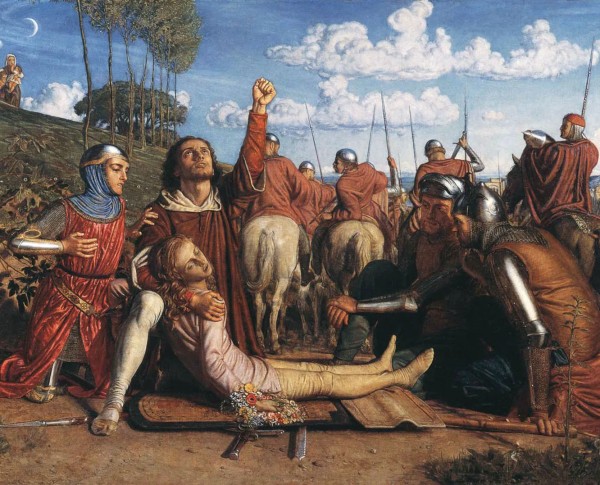
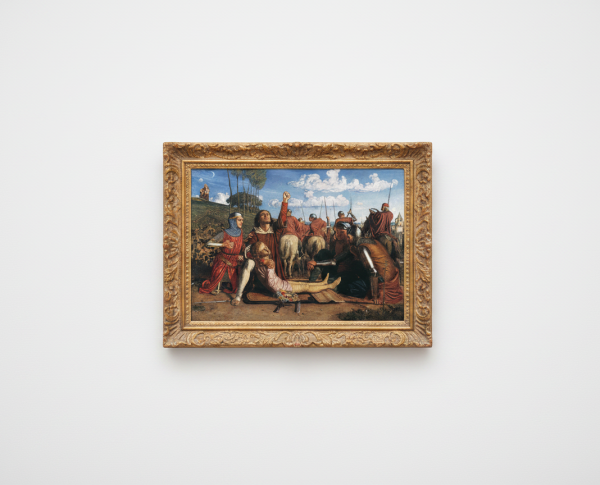
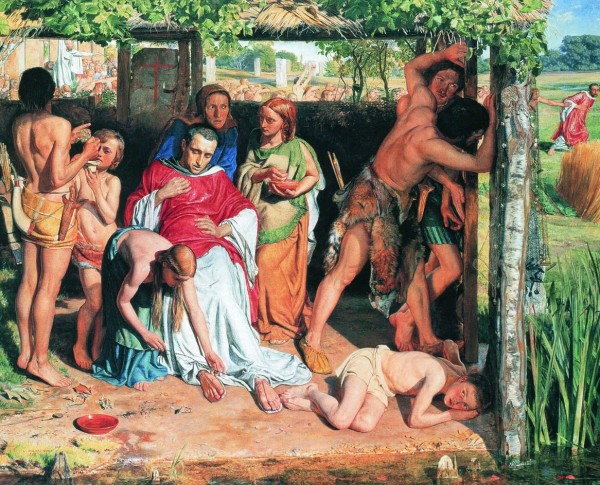
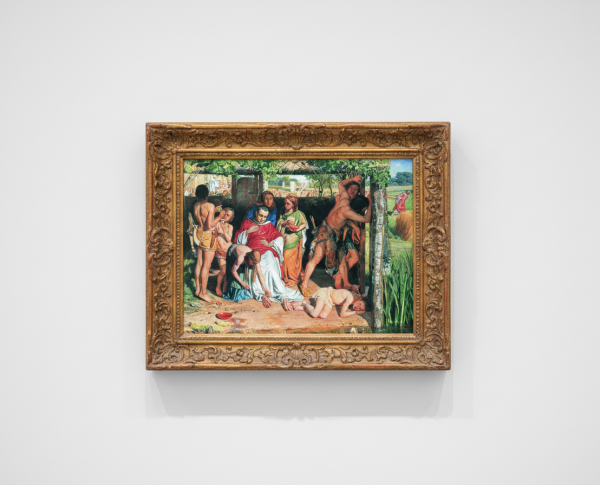
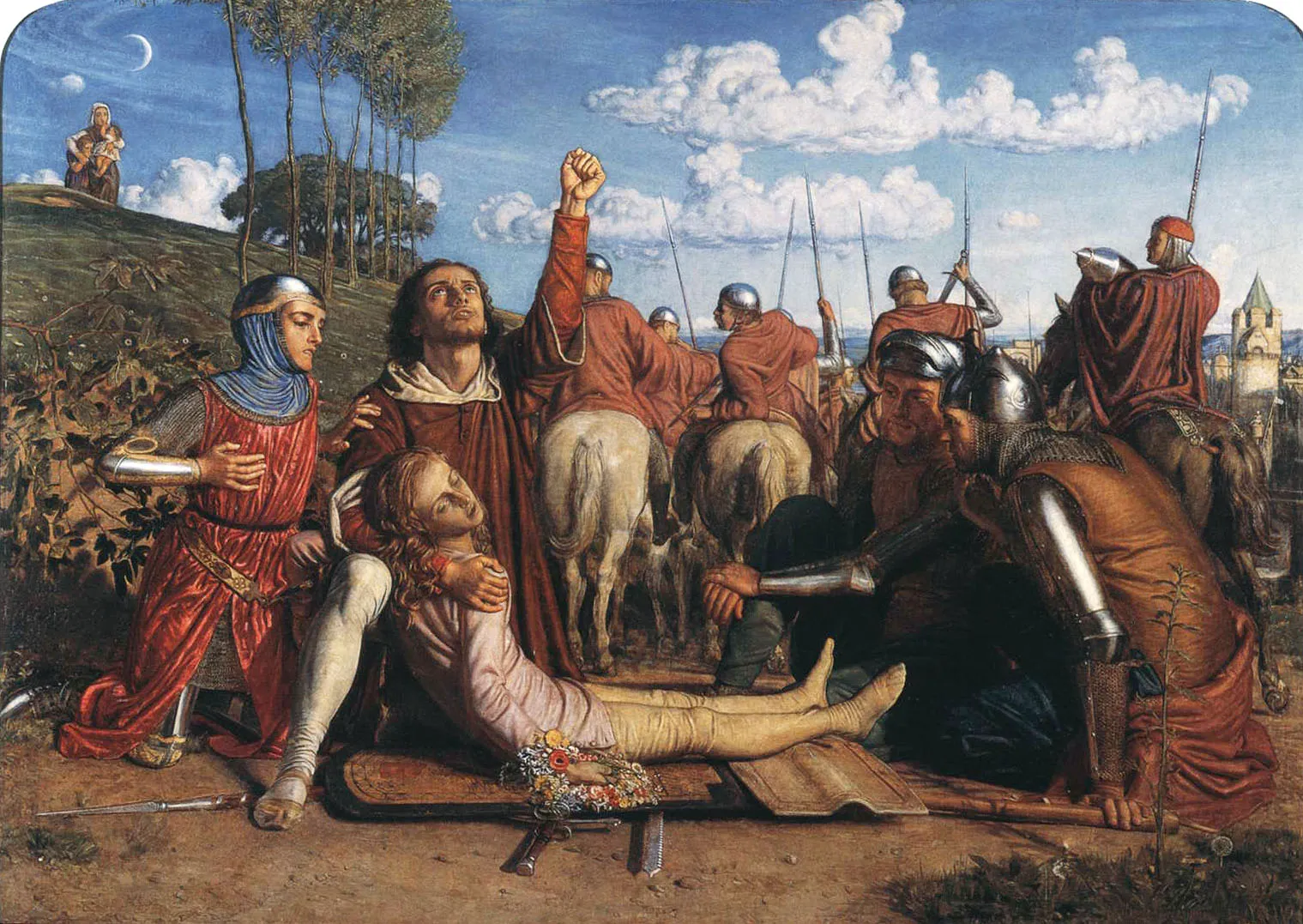
This fine art painting for sale vividly portrays the rescue scene from Shakespeare’s “The Two Gentlemen of Verona,” infusing it with symbolic gestures and emotional resonance. William Holman Hunt expertly weaves narrative elements throughout the composition, a hallmark of Romanticism. For those captivated by meaningful art, related works like “Rienzi Vowing to Obtain Justice for the Death of his Young Brother” and “A Converted British Family Sheltering a Christian Priest from the Persecution of the Druids” offer equally rich stories.
Owning “Valentine Rescuing Silvia from Proteus” is an opportunity to possess a piece of art history by William Holman Hunt, a leading figure in the Romanticism movement. This hand-painted oil painting is highly sought after by collectors who appreciate dramatic storytelling and artistic mastery. Complement your collection with other fine art paintings for sale, such as “The Light of the World,” “Cornfield at Ewell,” or “Portrait of William Pink,” each reflecting Hunt’s enduring influence.
When Art Meets History
"Valentine Rescuing Silvia from Proteus" by William Holman Hunt is a captivating example of the Romanticism movement, which flourished in the 19th century. This hand-painted oil painting draws inspiration from Shakespeare’s play "The Two Gentlemen of Verona," reflecting the era’s fascination with dramatic storytelling. Like "The Hay Wain, 1821" and "Bad der Nymphen," Hunt’s work intertwines art and literature, making it a remarkable addition to the rich tapestry of historical fine art.
Techniques That Speak
William Holman Hunt’s mastery is evident in his use of oil on canvas, a medium favored by many Romantic artists. The intricate brushwork and luminous colors create a vivid sense of movement and emotion, echoing similar techniques in "the Witches’ Ride" and "Dancing Bears." Through his precise detailing and dynamic composition, Hunt elevates the narrative, demonstrating why this oil on canvas stands out among Romantic masterpieces.
Emotions on Display
This fine art painting for sale captures the intense emotions at the heart of the scene—love, betrayal, and redemption. William Holman Hunt imbues each figure with expressive gestures and facial features, reminiscent of the emotional depth found in "Portrait of Napoleon Bonaparte, full-length, as First Consul." The Romanticism movement sought to evoke powerful feelings, and Hunt’s painting does just that, inviting viewers to connect with the characters’ turmoil and triumph.
Coveted by Collectors
As a celebrated hand-painted oil painting, "Valentine Rescuing Silvia from Proteus" is highly sought after by collectors and art enthusiasts alike. Its historical significance and artistic brilliance mirror the desirability of related works such as "The Hay Wain, 1821" and "the Witches’ Ride." William Holman Hunt’s contribution to the Romanticism movement ensures that this masterpiece remains a prized possession in the world of fine art painting for sale.
Related Romanticism Hand-Painted Oil Paintings by Other Artists
Other Famous Romanticism Artists:
Frequently Asked Questions About Valentine Rescuing Silvia from Proteus
What is the historical context of "Valentine Rescuing Silvia from Proteus"?
This painting, created by William Holman Hunt in 1851, is based on a scene from William Shakespeare's play "The Two Gentlemen of Verona," which explores themes of love, loyalty, and betrayal during the Renaissance period.
What artistic movement does this painting belong to?
What are the main themes depicted in the painting?
The painting illustrates themes of romantic heroism, the struggle for love, and the triumph of virtue over vice, as Valentine courageously saves Silvia from the unwanted advances of Proteus.
How does Hunt convey emotion in this artwork?
Hunt employs expressive facial expressions and dynamic poses to convey the emotional intensity of the moment, highlighting the desperation of Silvia and the determination of Valentine.
What symbolism is present in the painting?
The painting is rich in symbolism; for example, the presence of flowers often signifies love and fidelity, while the contrasting figures of Valentine and Proteus represent the dichotomy of true love versus selfish desire.
What techniques did Hunt use to create this painting?
Hunt utilized meticulous detail, vibrant colors, and a naturalistic approach to create a lifelike representation, employing oil on canvas to achieve depth and texture in the scene.
How does the composition of the painting enhance its narrative?
The composition is carefully arranged to guide the viewer's eye through the action, with Valentine positioned prominently as the hero, while Silvia's posture and expression evoke a sense of urgency and vulnerability.
What influence did "Valentine Rescuing Silvia from Proteus" have on later artists?
This painting influenced subsequent generations of artists by demonstrating the power of narrative in visual art and the potential for integrating literary themes into painting, inspiring both Romantic and Symbolist movements.
What role does nature play in this artwork?
The lush natural setting serves as a backdrop that enhances the romantic and dramatic elements of the narrative, symbolizing the beauty and complexity of love, as well as the obstacles that lovers must overcome.
Where can I view "Valentine Rescuing Silvia from Proteus"?
This artwork is part of the collection at the Birmingham Museum and Art Gallery, where it is preserved and displayed for public appreciation and study.























_GFM_Painting_(1).webp)


 100% Hand-Painted: Finished in 3-6 Weeks

.png)
















_(1).webp)