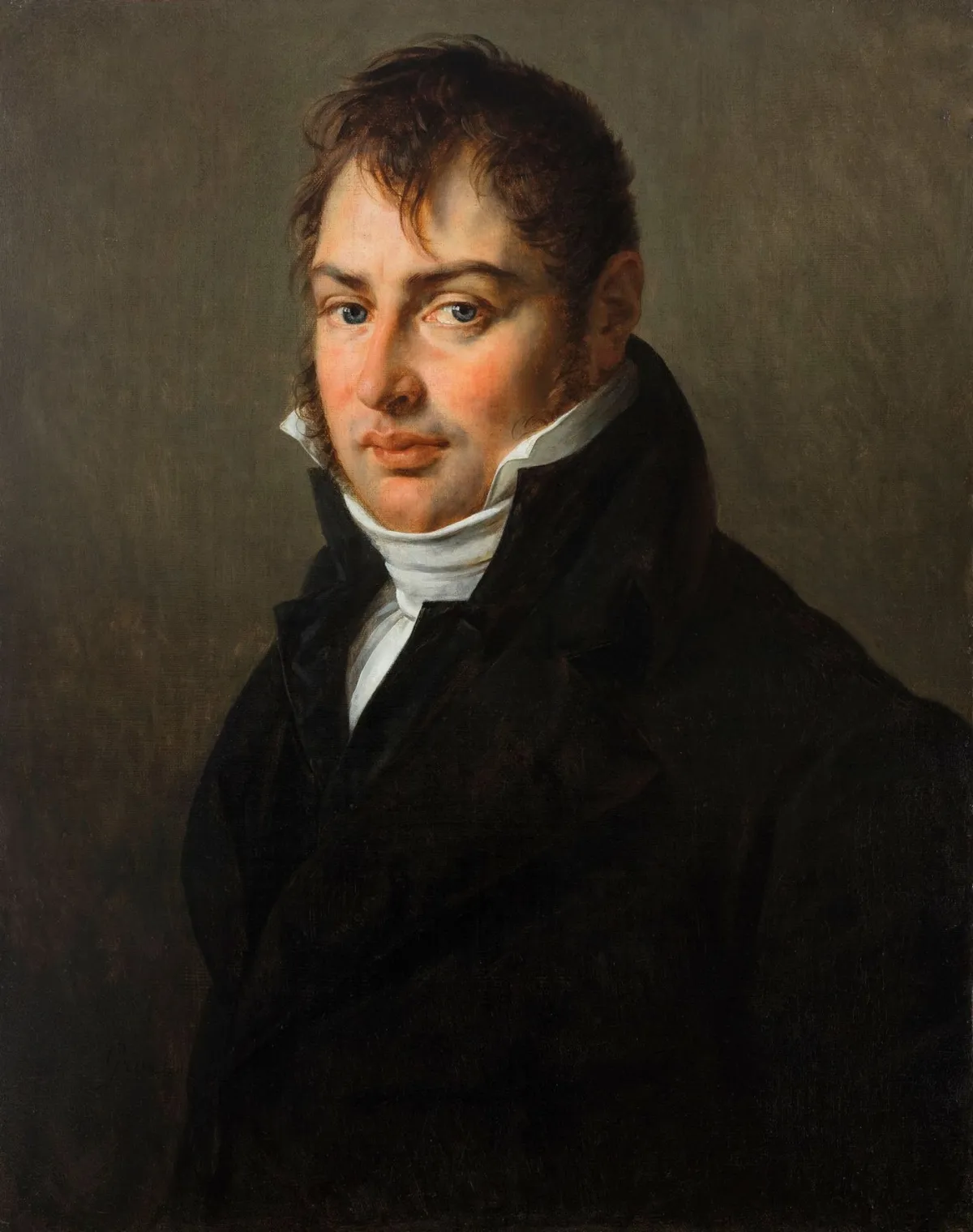
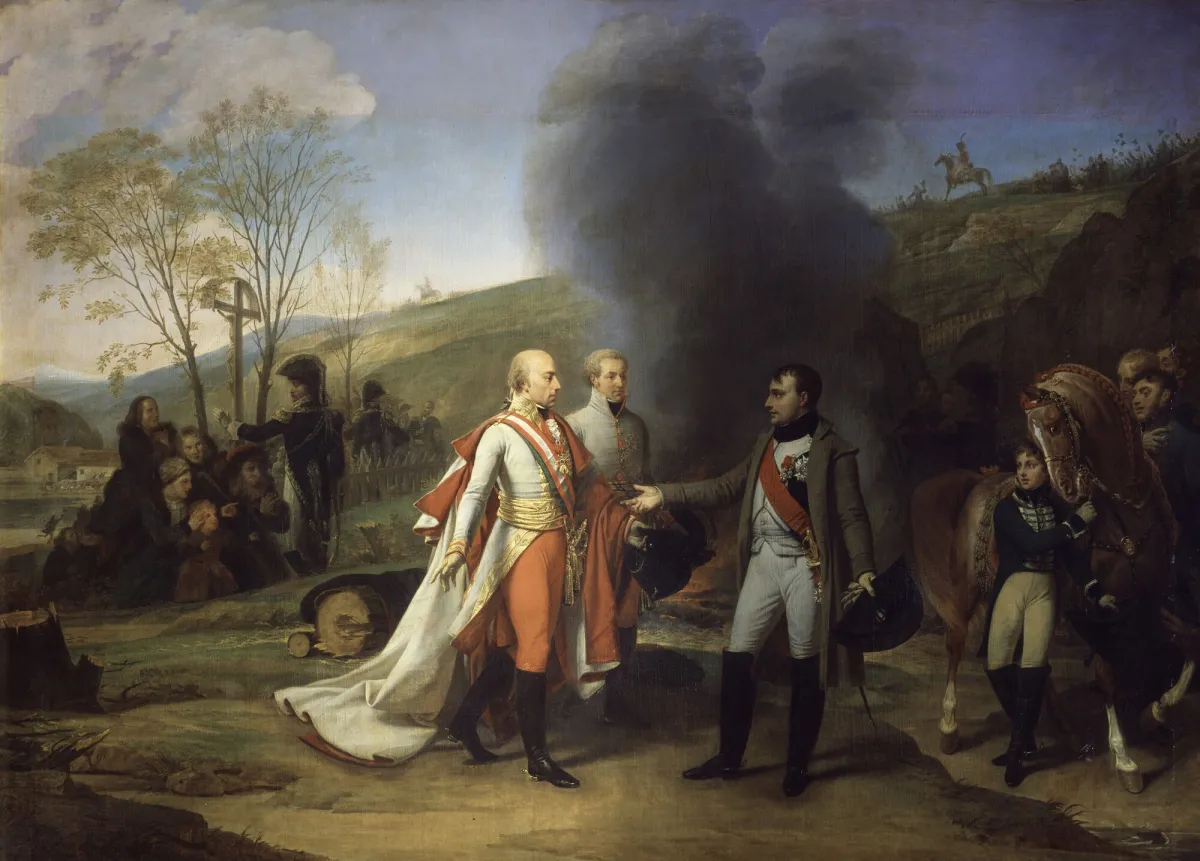
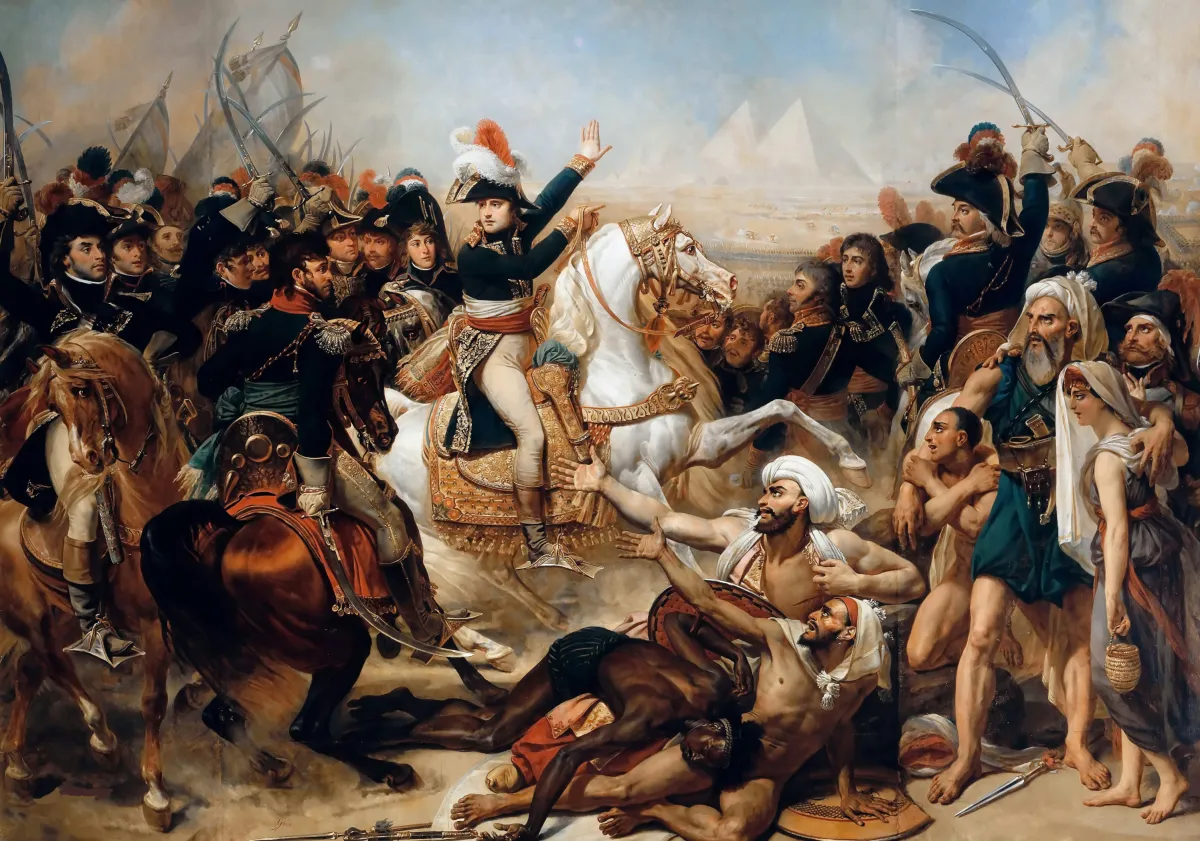
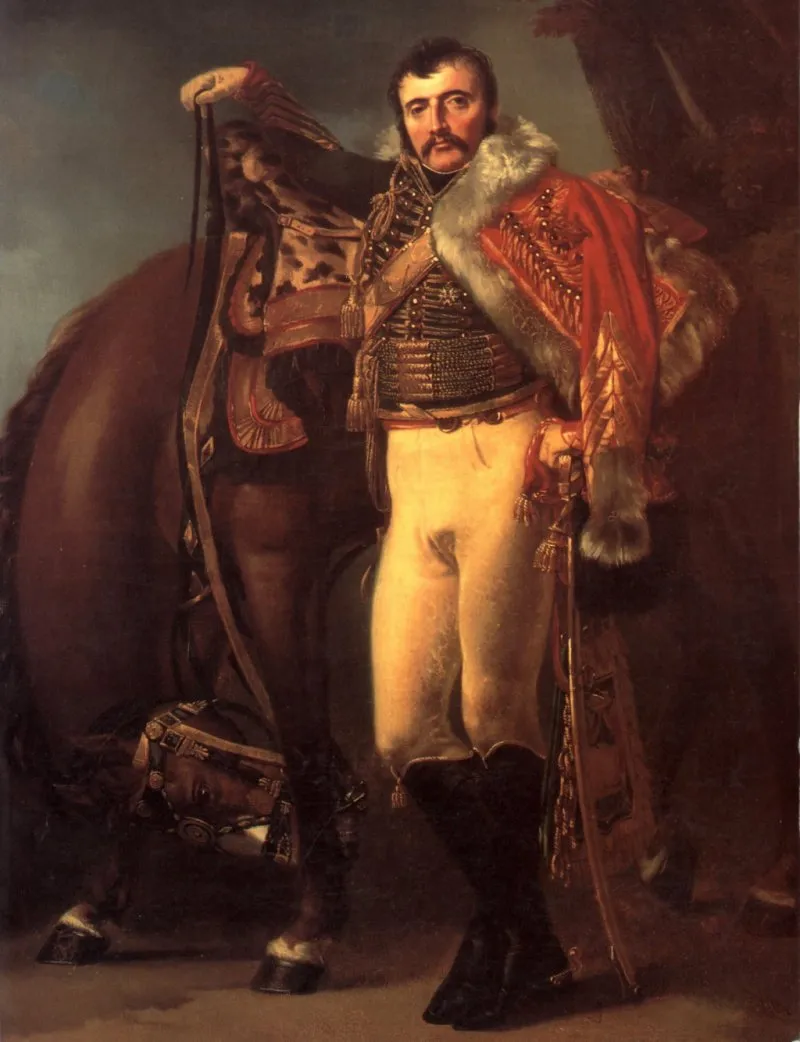
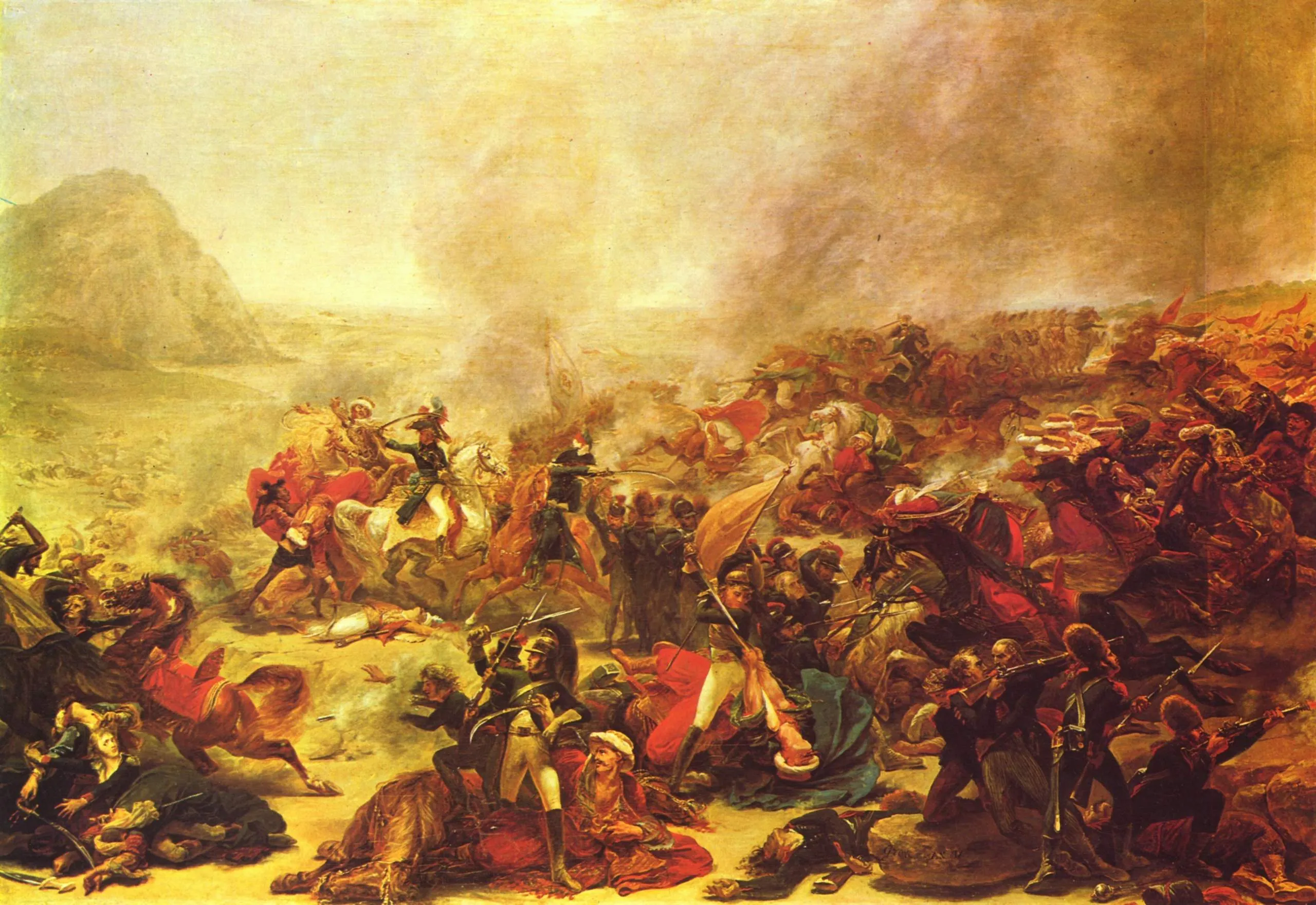
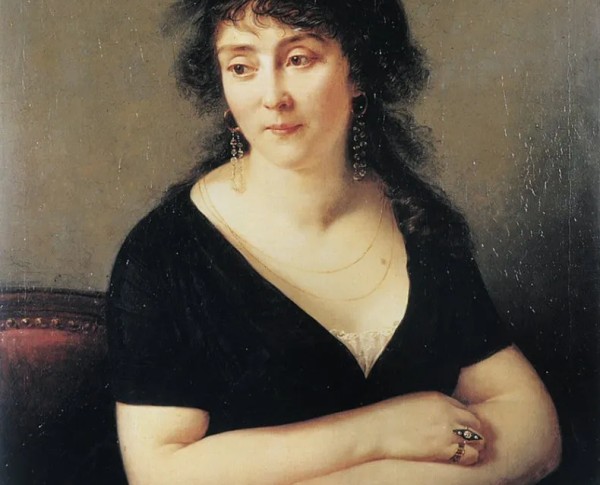
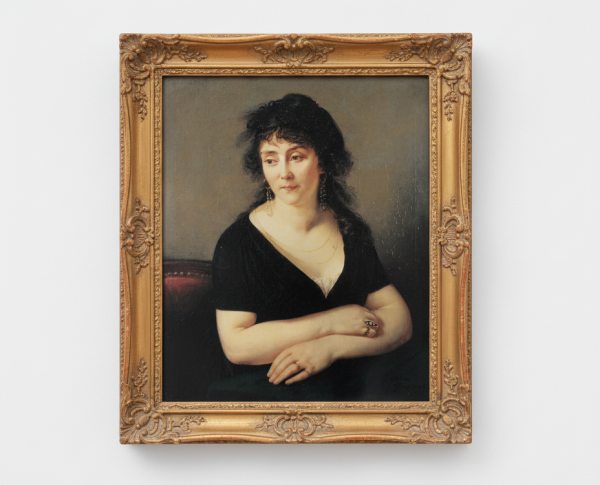
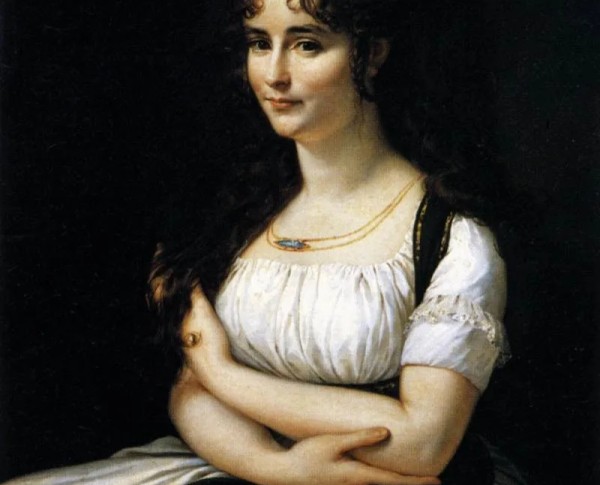
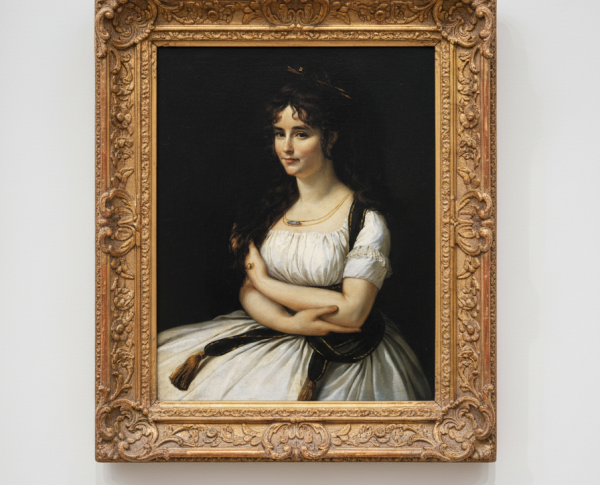
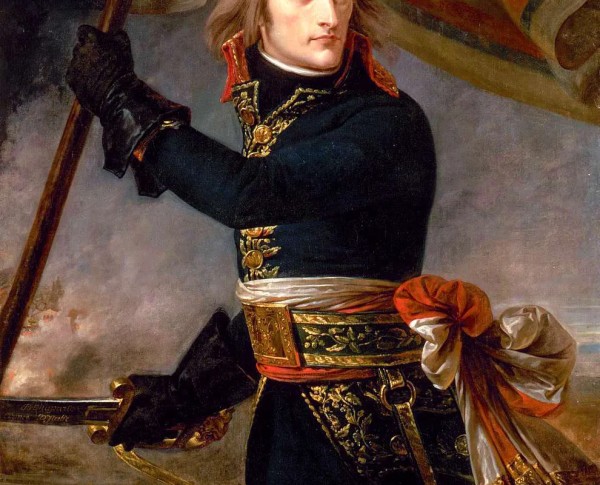
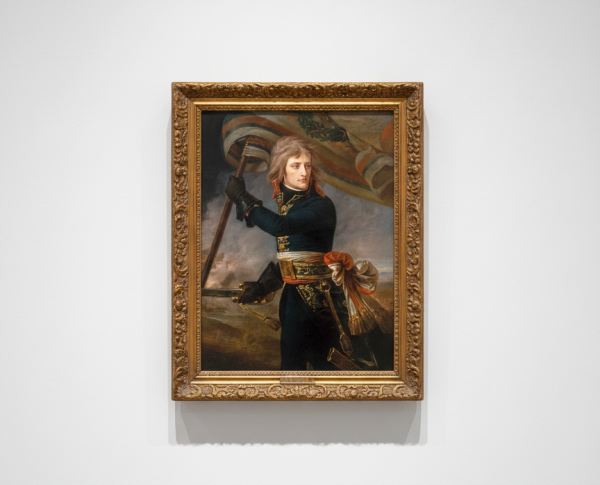
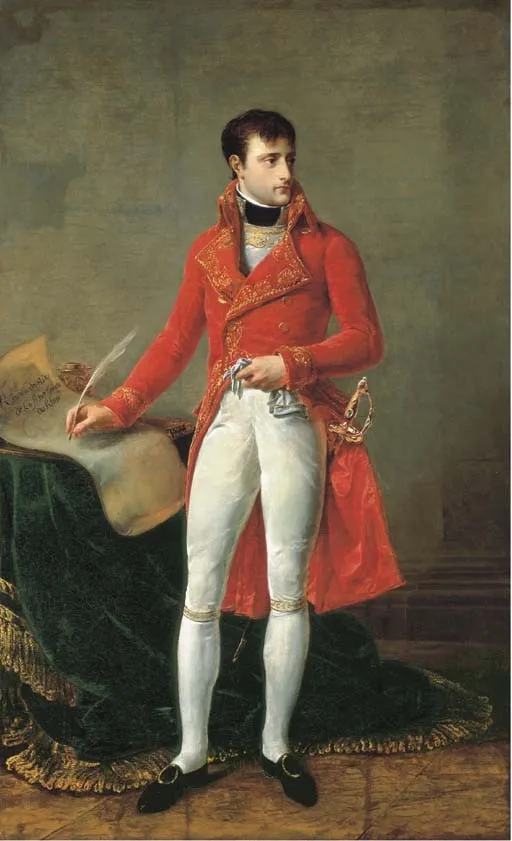
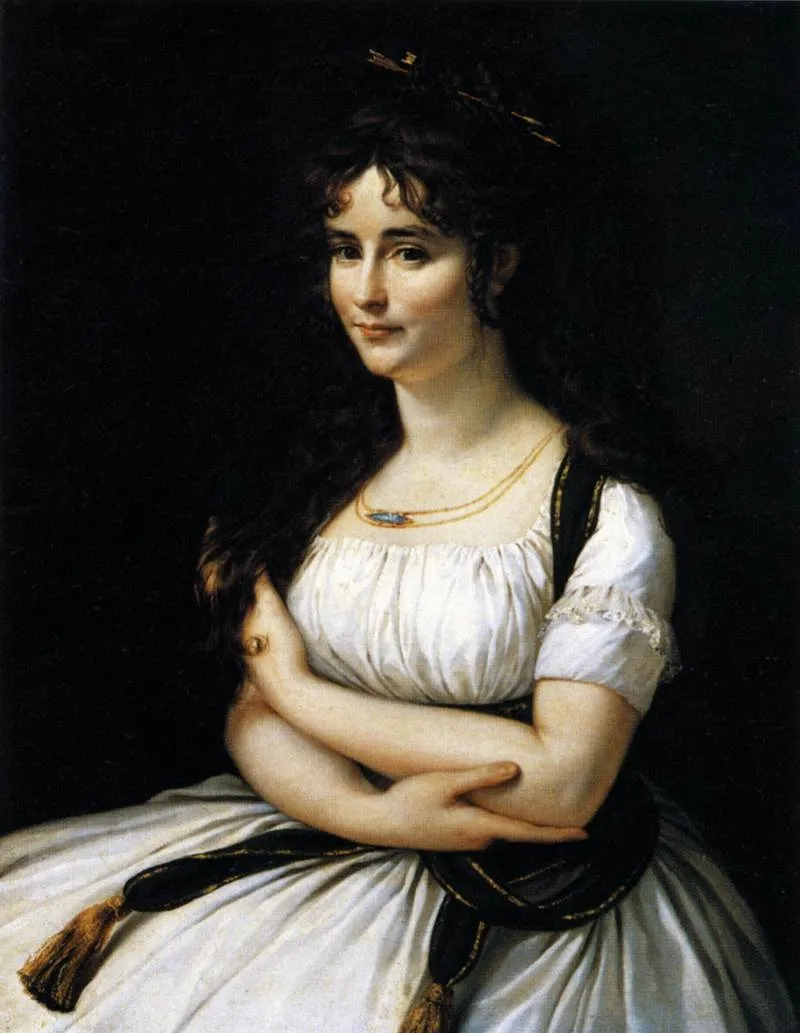
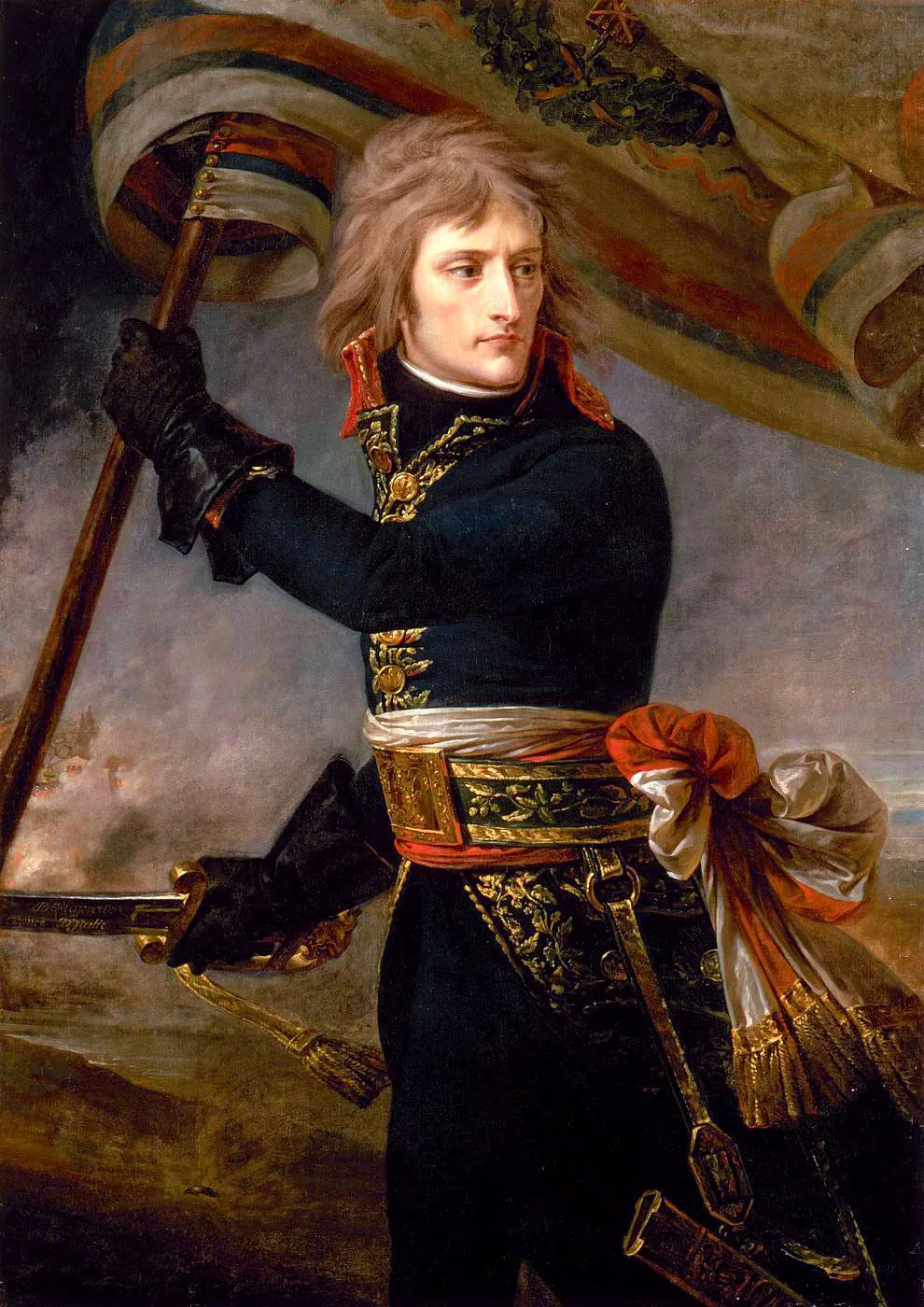
Gros’s expertise shines through in this oil on canvas, where each brushstroke captures the nuanced expressions and dignified stance of Napoleon Bonaparte. The artist’s distinctive Romantic style brings a dramatic flair, emphasizing emotion and grandeur. Comparable to his other works like "Portrait of Louis-Marie-Joseph, comte de Brigode-Kemlandt" and "Madame Pasteur," this painting showcases Gros’s technical brilliance and his ability to convey complex historical narratives within the confines of a single, powerful image.
This fine art painting for sale is more than a simple portrait; it is rich with symbolism and historical context. Gros embeds subtle references to Napoleon’s authority and the era’s turbulent politics throughout the composition. The painting’s details echo themes found in related products. Collectors and historians alike treasure these works for their ability to tell stories that transcend time, embodying the spirit of the Romanticism movement.
"Portrait of Napoleon Bonaparte, full-length, as First Consul" by Antoine-Jean Gros is a coveted acquisition for any collection of Romanticism art. As a hand-painted oil painting, it appeals to those seeking authentic, museum-quality pieces. Its connection to other notable works, including "Bonaparte Visiting the Plague Victims of Jaffa" and "Madame Pasteur," enhances its allure as a fine art painting for sale, making it a true treasure for discerning collectors and enthusiasts.
When Art Meets History
Antoine-Jean Gros’s "Portrait of Napoleon Bonaparte, full-length, as First Consul" stands as a pivotal piece in the Romanticism movement. This hand-painted oil painting captures Napoleon at the height of his power, blending historical grandeur with artistic mastery. Gros’s work sits alongside related paintings like "Washington Crossing the Delaware" (1851) and "Dawn at the Alamo," reflecting the era’s fascination with national heroes and transformative moments in history.
Techniques That Speak
Gros’s expert use of oil on canvas brings depth and vibrancy to "Portrait of Napoleon Bonaparte, full-length, as First Consul." His mastery is evident in the lifelike textures and dramatic lighting, hallmarks of Romanticism. Comparable attention to detail can be seen in works such as "The Runaway Match" and "Crossing the Brook." Each brushstroke in Gros’s painting contributes to a dynamic composition that has inspired generations of artists and art lovers alike.
Emotions on Display
The emotional intensity of this fine art painting for sale is unmistakable. Gros channels the spirit of Romanticism through Napoleon’s commanding posture and expressive gaze, inviting viewers to contemplate leadership and destiny. Similar emotional resonance is found in paintings like Worthington Whittredge’s landscapes and "File:Painting." Gros’s portrayal evokes both admiration and introspection, making it a standout example of how art can capture the complexities of historical figures.
Coveted by Collectors
As a celebrated example of Romanticism, "Portrait of Napoleon Bonaparte, full-length, as First Consul" by Antoine-Jean Gros remains highly sought after by collectors. The enduring appeal of this hand-painted oil painting lies in its historical significance and artistic excellence. Collectors prize such works, much like those displayed in the Texas State Capitol or iconic pieces like "Washington Crossing the Delaware" (1851), for their ability to enrich collections with both beauty and narrative power.
Related Romanticism Hand-Painted Oil Paintings by Other Artists
Other Famous Romanticism Artists:
Frequently Asked Questions About Portrait of Napoleon Bonaparte, full-length, as First Consul
What is the historical significance of this painting?
This painting is significant as it captures Napoleon Bonaparte at a pivotal moment in French history, symbolizing his rise to power as First Consul following the tumultuous period of the French Revolution.
Who was Antoine-Jean Gros and what is his role in this artwork?
Antoine-Jean Gros was a prominent French painter known for his historical and military subjects. In this artwork, he portrays Napoleon with a sense of grandeur and authority, reflecting the artist's admiration for the leader.
What artistic techniques did Gros employ in this painting?
Gros utilized a combination of realism and idealism, employing dramatic lighting and rich colors to enhance the figure of Napoleon, while also incorporating detailed textures in the clothing and background elements.
What symbolism can be found in the depiction of Napoleon?
Napoleon is depicted in military attire, symbolizing his role as a leader and protector of France. The full-length pose conveys authority and confidence, while the background elements suggest stability and power.
How does this painting reflect the values of the Napoleonic era?
The painting reflects the values of the Napoleonic era, including nationalism, military prowess, and the idea of a strong, centralized leadership, which were central to Napoleon's vision for France.
In what ways does this artwork differ from other portraits of Napoleon?
This portrait differs from others by its full-length representation, emphasizing Napoleon's stature and presence, whereas many other portraits focus on busts or half-length views that may not convey the same level of authority.
What was the public reception of this painting upon its completion?
Upon its completion, the painting was well-received as it was seen as a powerful representation of Napoleon's leadership, resonating with the public's admiration for his accomplishments during a time of national pride.
How does Gros's portrayal of Napoleon compare to his contemporaries?
Gros's portrayal of Napoleon is notably more heroic and idealized compared to contemporaries who may have depicted him with a more critical or realistic lens, thus reinforcing the cult of personality surrounding Napoleon.
What elements in the painting suggest a narrative or story?
The positioning of Napoleon, along with the detailed background elements, suggests a narrative of triumph and authority, inviting viewers to interpret the scene as a moment of decisive leadership in a historical context.
What impact did this painting have on the genre of historical portraiture?
This painting had a significant impact on the genre of historical portraiture by setting a standard for depicting leaders in a manner that combines both personal charisma and national symbolism, influencing future representations of political figures.






















_GFM_Painting_(1).webp)


 100% Hand-Painted: Finished in 3-6 Weeks

.png)















_(1).webp)