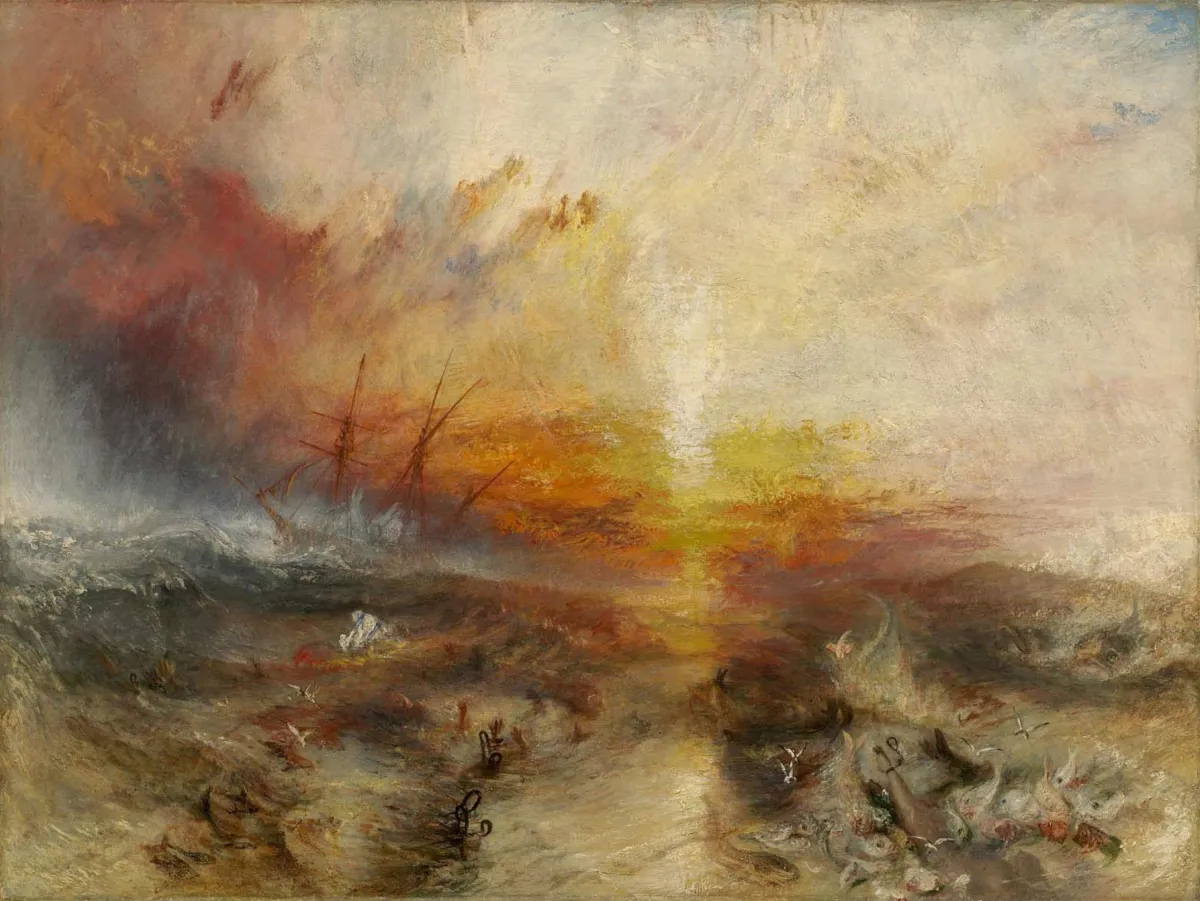
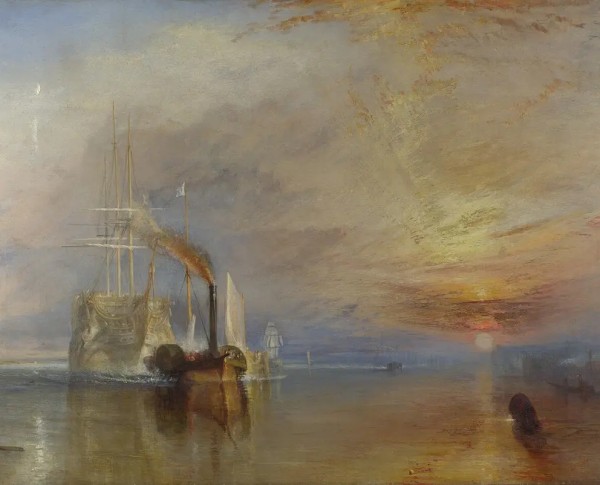
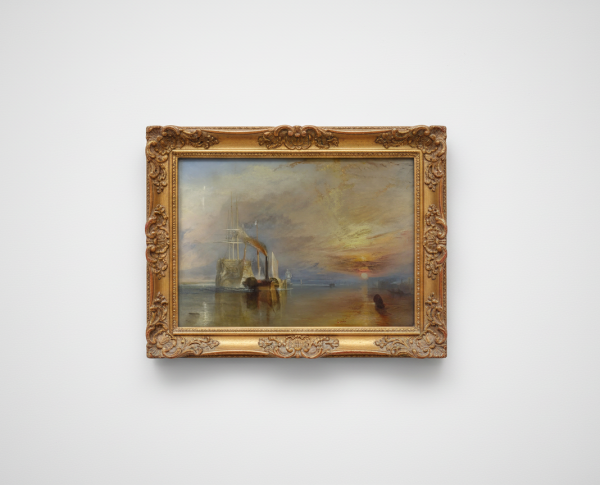
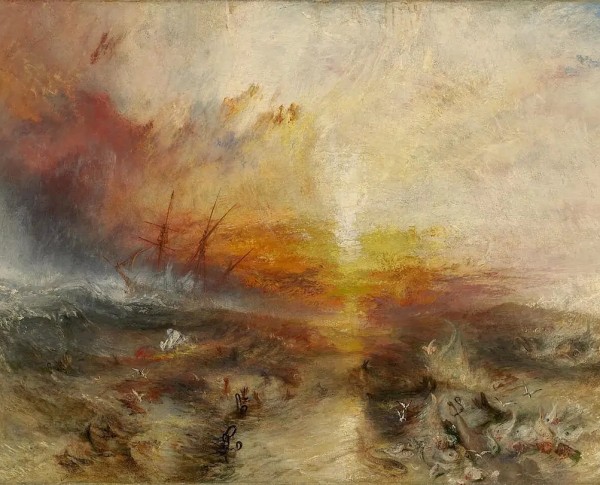
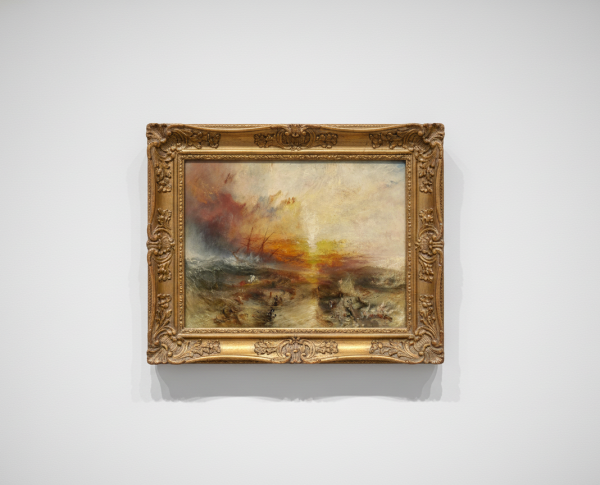
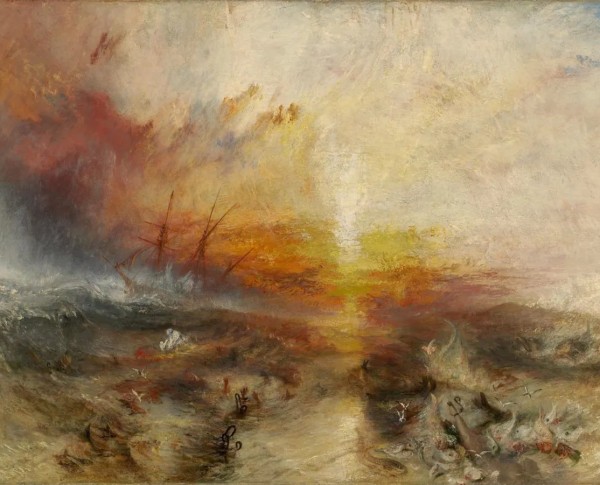
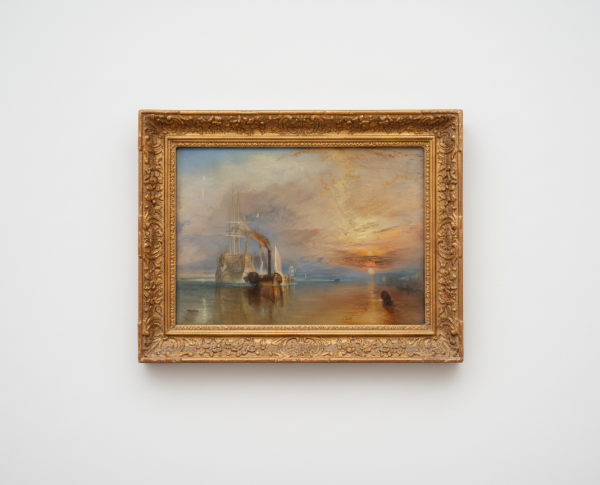
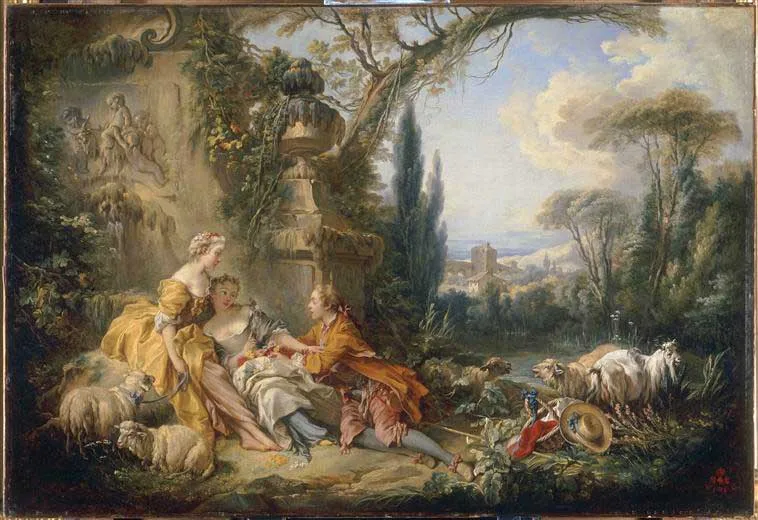
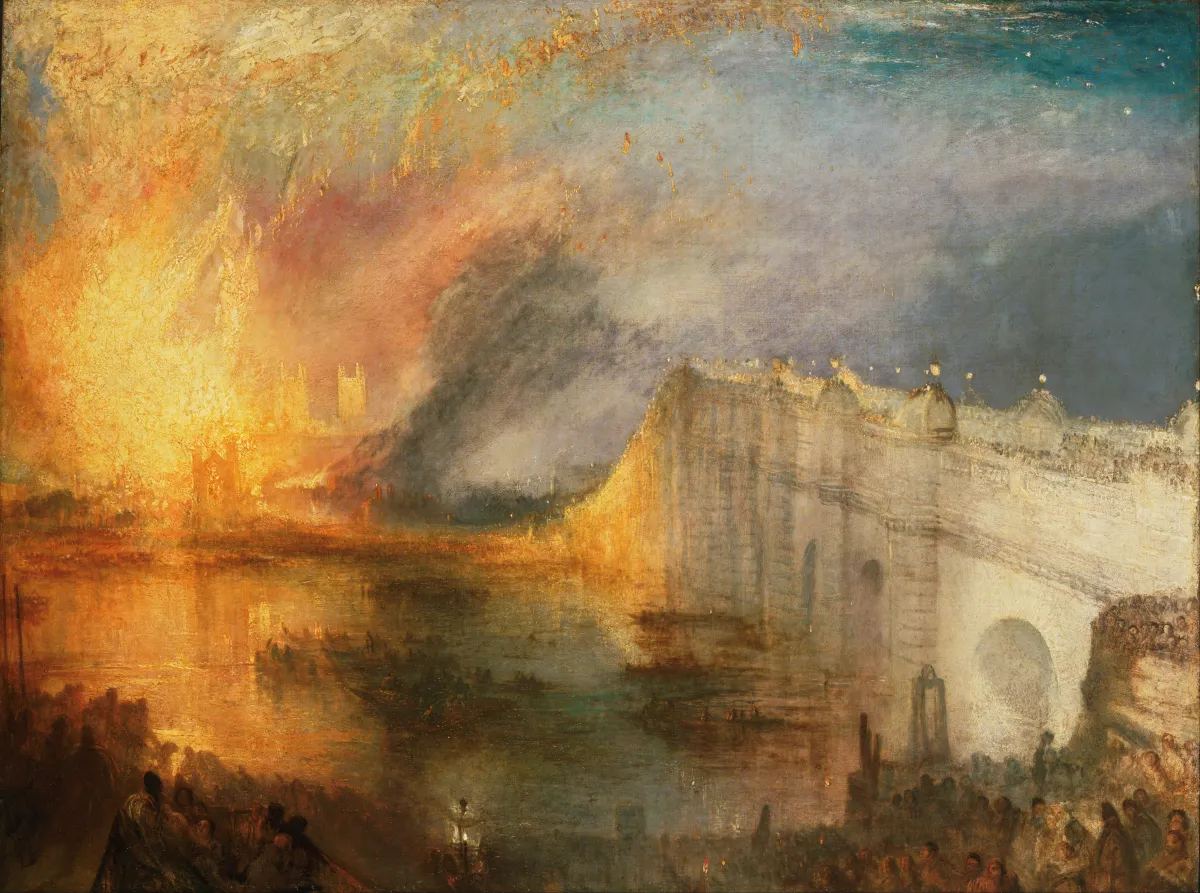
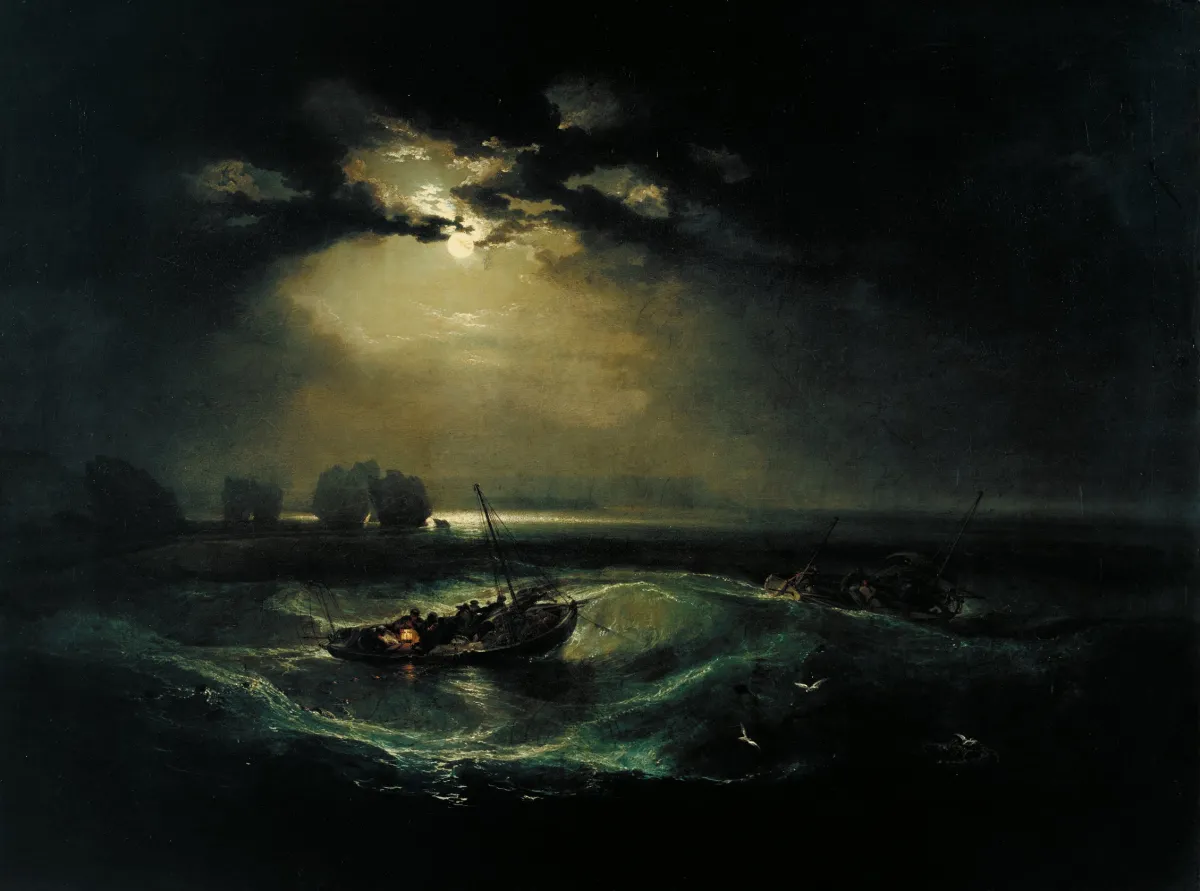
Turner’s technique in "The Burning of the Houses of Lords and Commons" exemplifies the expressive potential of oil on canvas. Through dynamic brushwork and bold color contrasts, Turner conveys both the horror and beauty of the inferno. As a cornerstone of Romanticism, this painting highlights the artist’s ability to evoke deep emotion through light and shadow. For collectors, "The Slave Ship 1840" and "Fishermen at Sea" are additional masterpieces available in the oil on canvas medium.
This fine art painting for sale is rich with symbolism, reflecting both the literal destruction of the British Parliament and the figurative upheaval of an era. Turner’s Romantic vision is evident in the swirling smoke and glowing flames, representing both loss and renewal. The painting’s narrative depth is echoed in related products like "Calais Pier" and "Light and Colour (Goethe's Theory) – The Morning after the Deluge – Moses Writing the Book of Genesis," which also explore profound historical and natural themes.
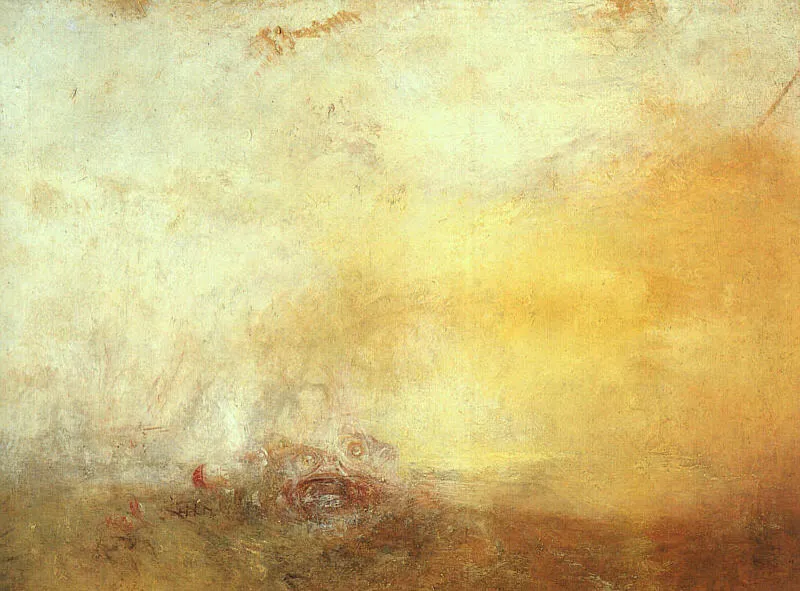
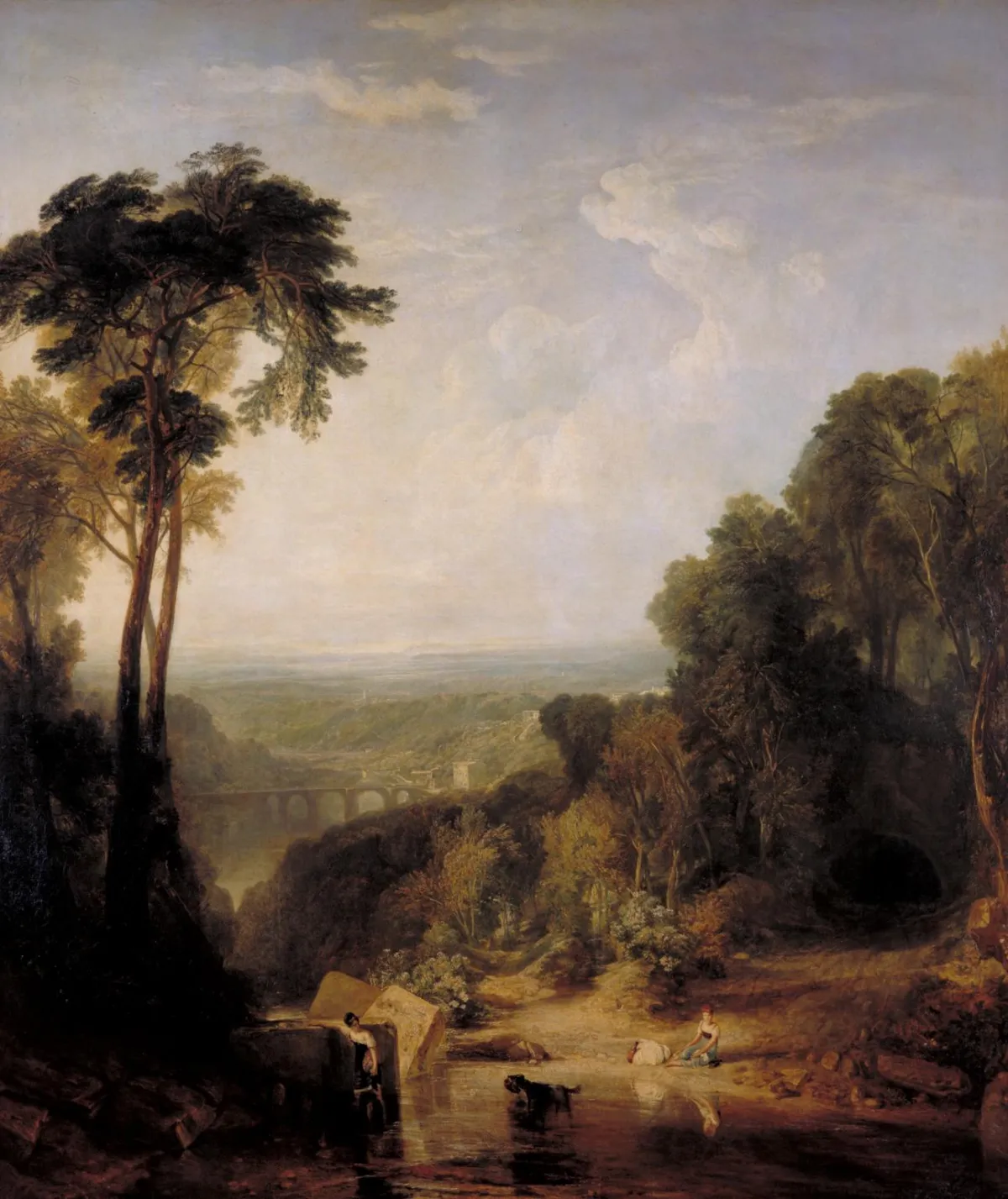
Owning "The Burning of the Houses of Lords and Commons" by Joseph Mallord William Turner is a testament to the enduring appeal of Romanticism. This hand-painted oil painting is not only a visual masterpiece but also a valuable investment for art aficionados. Collectors often seek complementary works such as "Sunrise with Sea Monsters" and "Crossing the Brook" to enrich their collections with the finest examples of Turner’s genius and the Romantic spirit in fine art painting for sale.
When Art Meets History
Joseph Mallord William Turner's "The Burning of the Houses of Lords and Commons" is a striking hand-painted oil painting that captures a pivotal moment in British history. Created during the Romanticism movement, this masterpiece stands alongside related paintings like "Washington Crossing the Delaware" in its vivid portrayal of historic events. Turner’s evocative brushwork and dramatic use of color bring to life the catastrophic fire, making this artwork a testament to the power of art in recording history.
Techniques That Speak
Turner’s innovative use of oil on canvas in "The Burning of the Houses of Lords and Commons" exemplifies the expressive techniques of Romanticism. His swirling brushstrokes and bold contrasts create a sense of chaos and movement, much like in "The Lost Balloon" and "Salisbury Cathedral from the Bishop's Grounds." The painting’s luminous glow and atmospheric effects showcase Turner’s mastery, setting a new standard for artists working with oil on canvas during his era.
Emotions on Display
The emotional intensity in "The Burning of the Houses of Lords and Commons" is palpable, as Turner channels the Romanticism movement’s fascination with awe and terror. Through his fine art painting for sale, Turner captures the panic and devastation of the fire, inviting viewers to experience the turmoil firsthand. Similar emotional depth can be found in related works like "The Kiss 1859" and "Portrait of a Gentleman," highlighting the era’s focus on human feeling.
Coveted by Collectors
Turner’s "The Burning of the Houses of Lords and Commons" remains a coveted hand-painted oil painting among collectors and art enthusiasts. Its historical significance, technical brilliance, and emotional impact make it a prized possession, much like "Washington Crossing the Delaware" and "Portrait of a Gentleman." For those seeking a fine art painting for sale that encapsulates the drama of Romanticism, Turner’s masterpiece is an enduring and valuable choice.
Related Romanticism Hand-Painted Oil Paintings by Other Artists
Other Famous Romanticism Artists:
Frequently Asked Questions About The Burning of the Houses of Lords and Commons
What historical event does this painting depict?
This painting illustrates the catastrophic fire that engulfed the Houses of Parliament in London on October 16, 1834, a pivotal moment in British history that led to significant architectural and political changes.
Who was the artist of this painting?
The artwork was created by the renowned British painter Joseph Mallord William Turner, known for his expressive use of color and light, as well as his ability to capture the sublime in nature and human events.
What artistic techniques did Turner employ in this painting?
Turner utilized a combination of dramatic lighting, vivid color contrasts, and dynamic brushwork to convey the intensity of the fire and the emotional impact of the scene, characteristic of his later works.
What is the significance of the fire in the painting?
The fire symbolizes both destruction and transformation, representing the end of an era for the British government and the beginning of a new architectural vision for the Houses of Parliament, which would be rebuilt in the Gothic Revival style.
How does this painting reflect Turner's artistic style?
This work exemplifies Turner's transition towards Impressionism, showcasing his fascination with atmospheric effects and the emotional resonance of light and color, moving away from the more detailed realism of earlier periods.
In what ways does this painting convey a sense of drama?
The composition captures the chaos of the fire, with swirling smoke and vibrant flames dominating the canvas, creating a sense of urgency and turmoil that engages the viewer's emotions.
What role does color play in this artwork?
Color plays a crucial role in enhancing the emotional impact of the painting; the fiery reds and oranges contrast sharply with the dark smoke, evoking feelings of both awe and horror at the destructive power of the blaze.
What was the public's reaction to this painting when it was first exhibited?
Upon its exhibition, the painting garnered significant attention and acclaim, with viewers captivated by Turner's innovative approach and the dramatic portrayal of a national tragedy, solidifying his reputation as a master of landscape painting.
How does this painting fit within the context of Turner's body of work?
This painting is a pivotal example of Turner's later works, where he increasingly focused on themes of nature's power and human vulnerability, reflecting broader Romantic ideals prevalent in the 19th century.
What legacy did this painting leave on future artists?
The Burning of the Houses of Lords and Commons influenced subsequent generations of artists by demonstrating the expressive potential of color and light, paving the way for movements such as Impressionism and Abstract Expressionism.























_GFM_Painting_(1).webp)


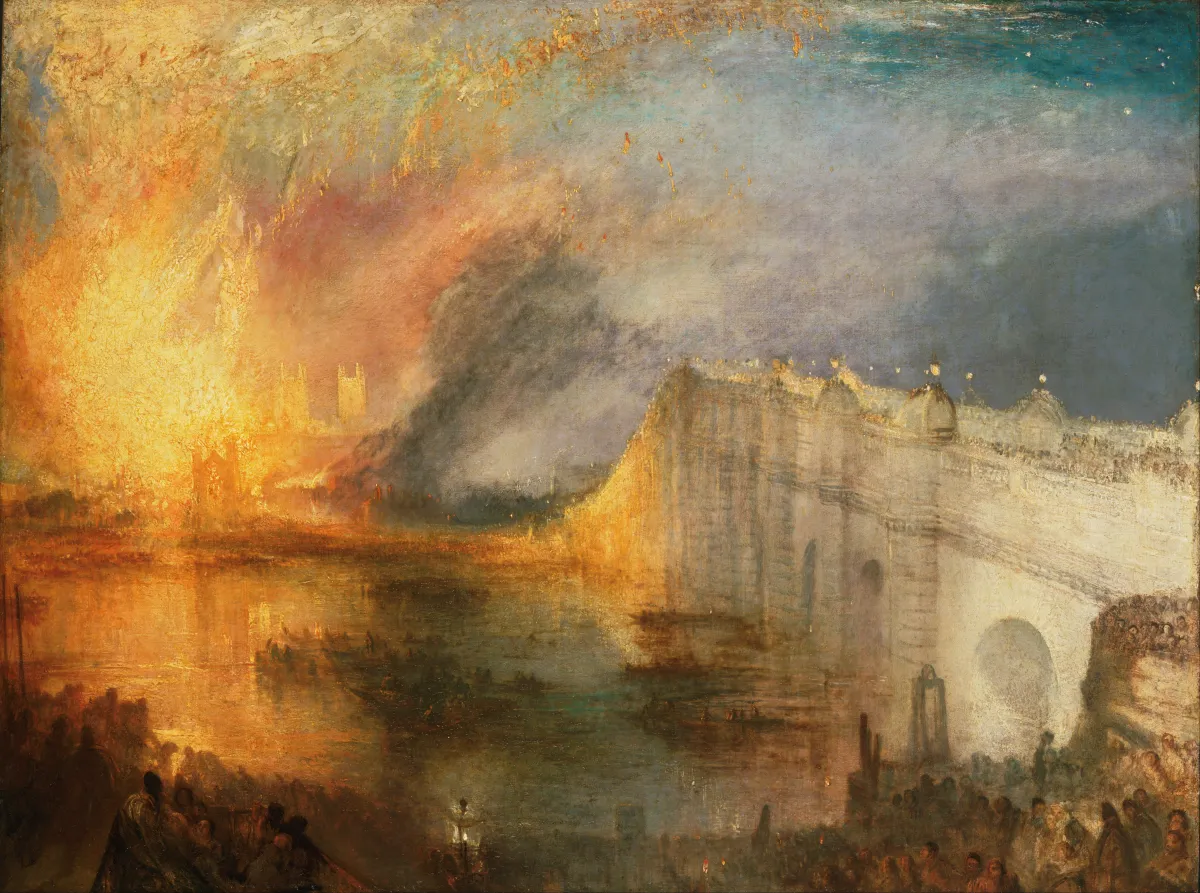
 100% Hand-Painted: Finished in 3-6 Weeks

.png)















_(1).webp)