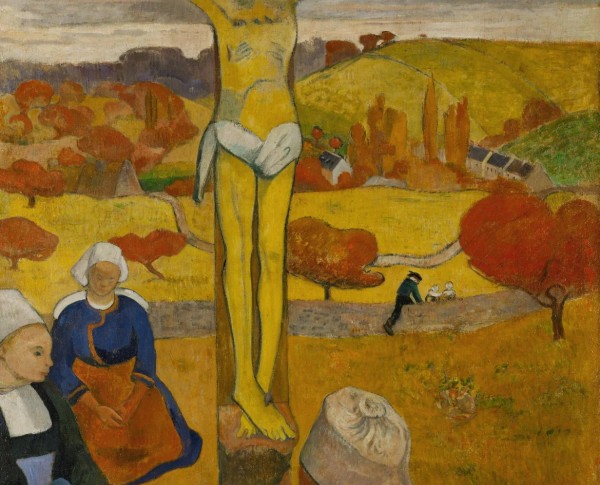
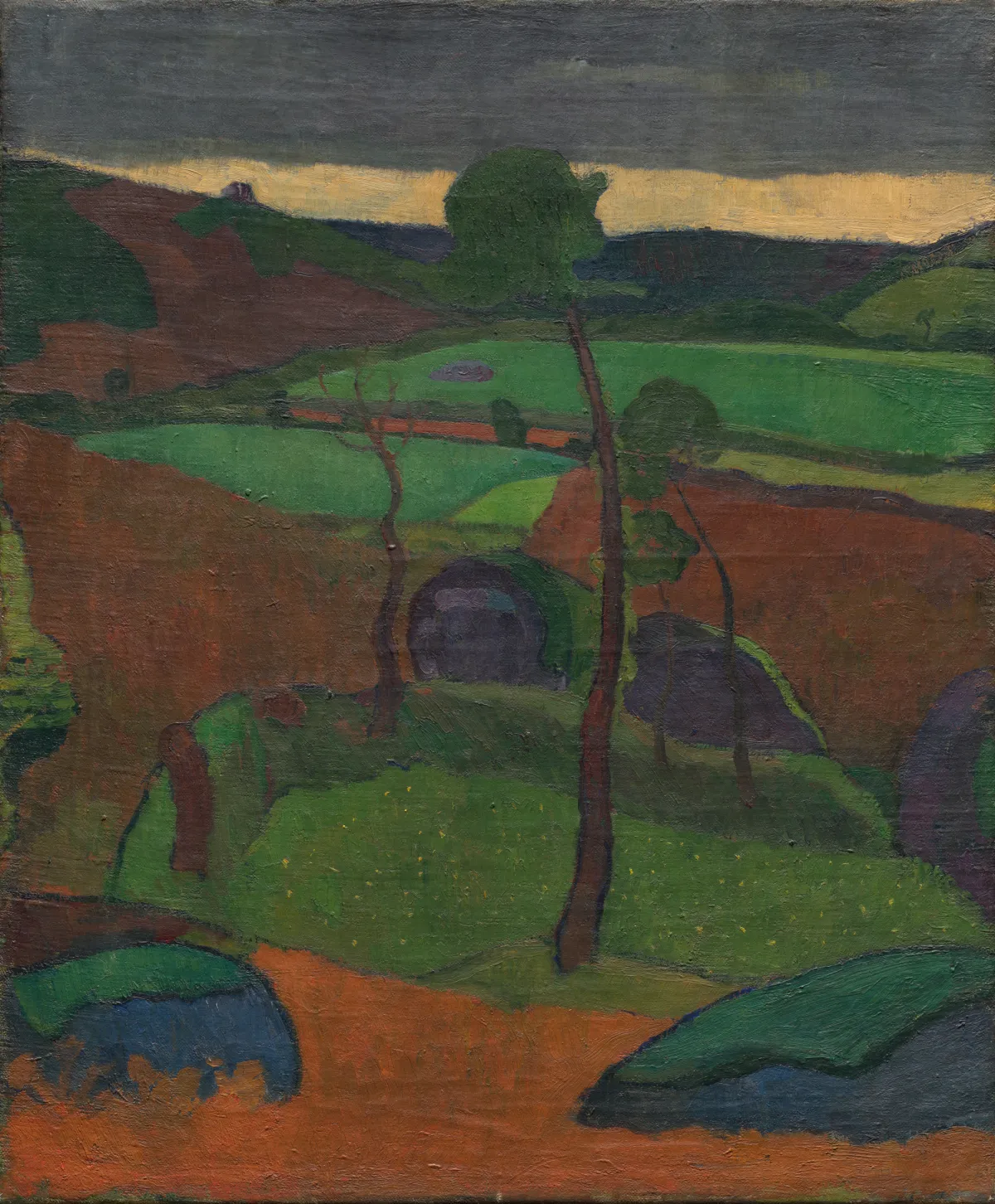
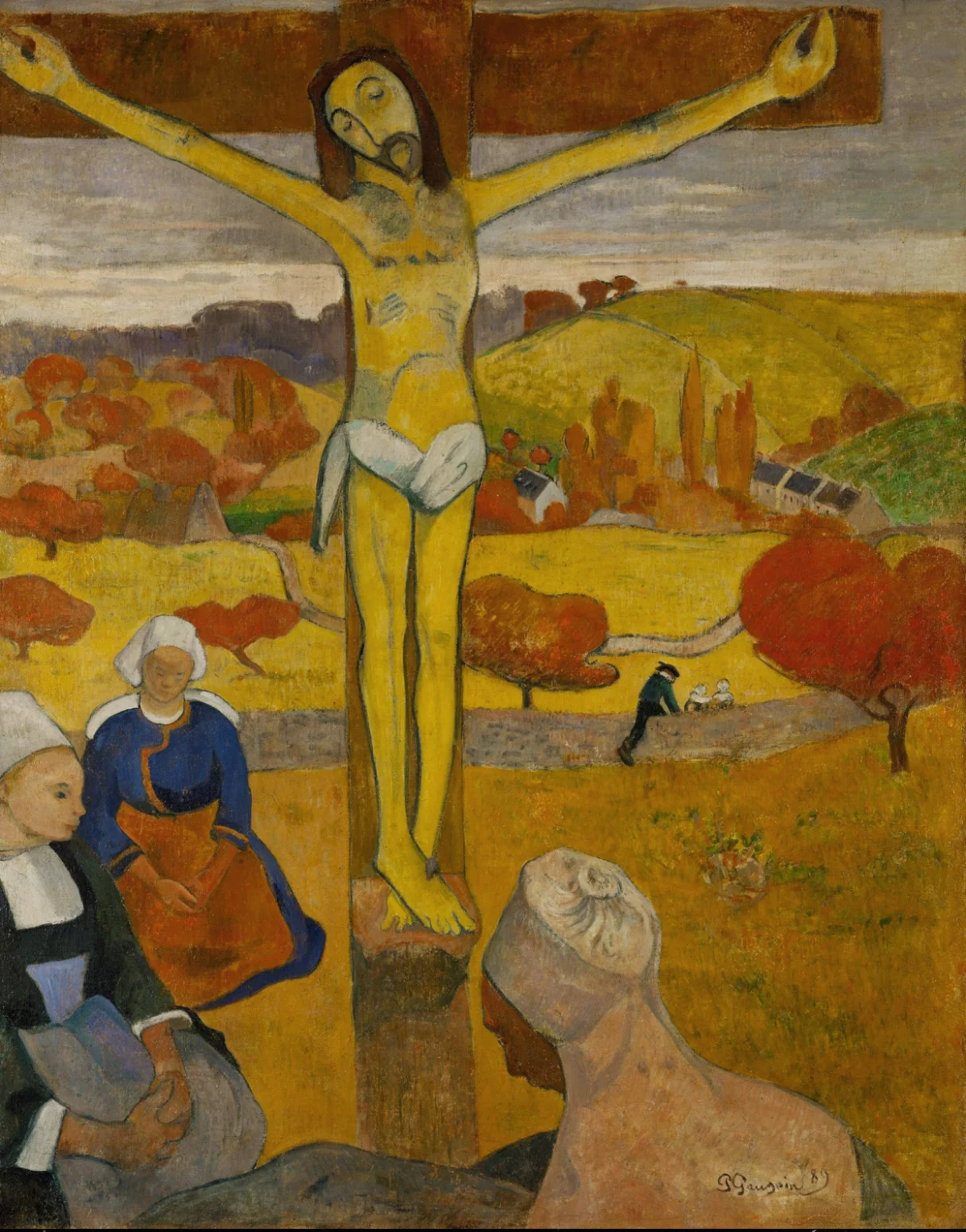
Paul Gauguin’s "Breton Landscape" demonstrates his exceptional technique with oil on canvas, a hallmark of Post-Impressionism. The vibrant hues and dynamic brushwork reveal a deep connection to the land and its people. Gauguin’s skillful rendering in this painting echoes in related works like "The Yellow Christ" and "The Green Christ," each a fine example of his mastery. Collectors seeking original oil on canvas pieces will appreciate the craftsmanship in every detail.
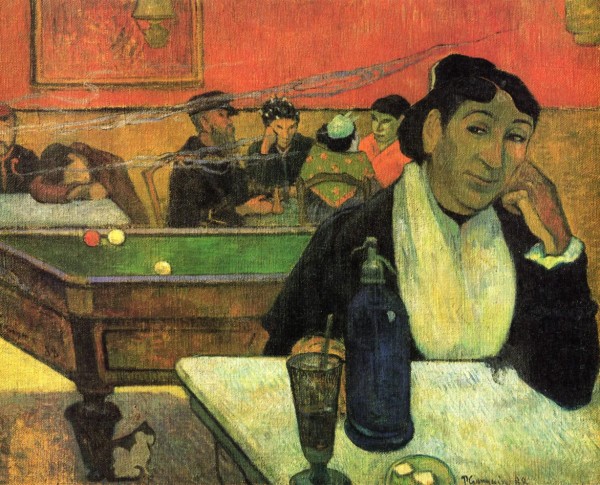
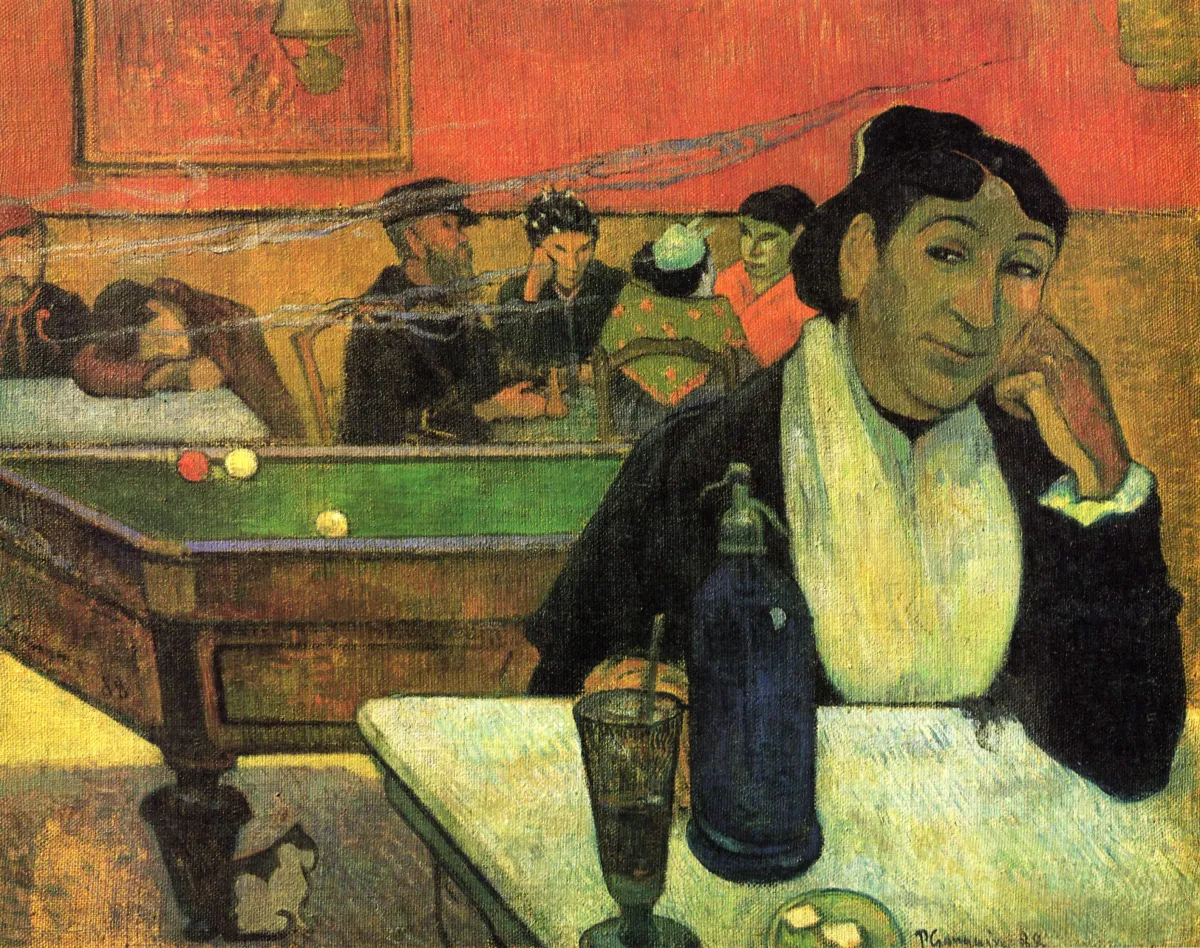
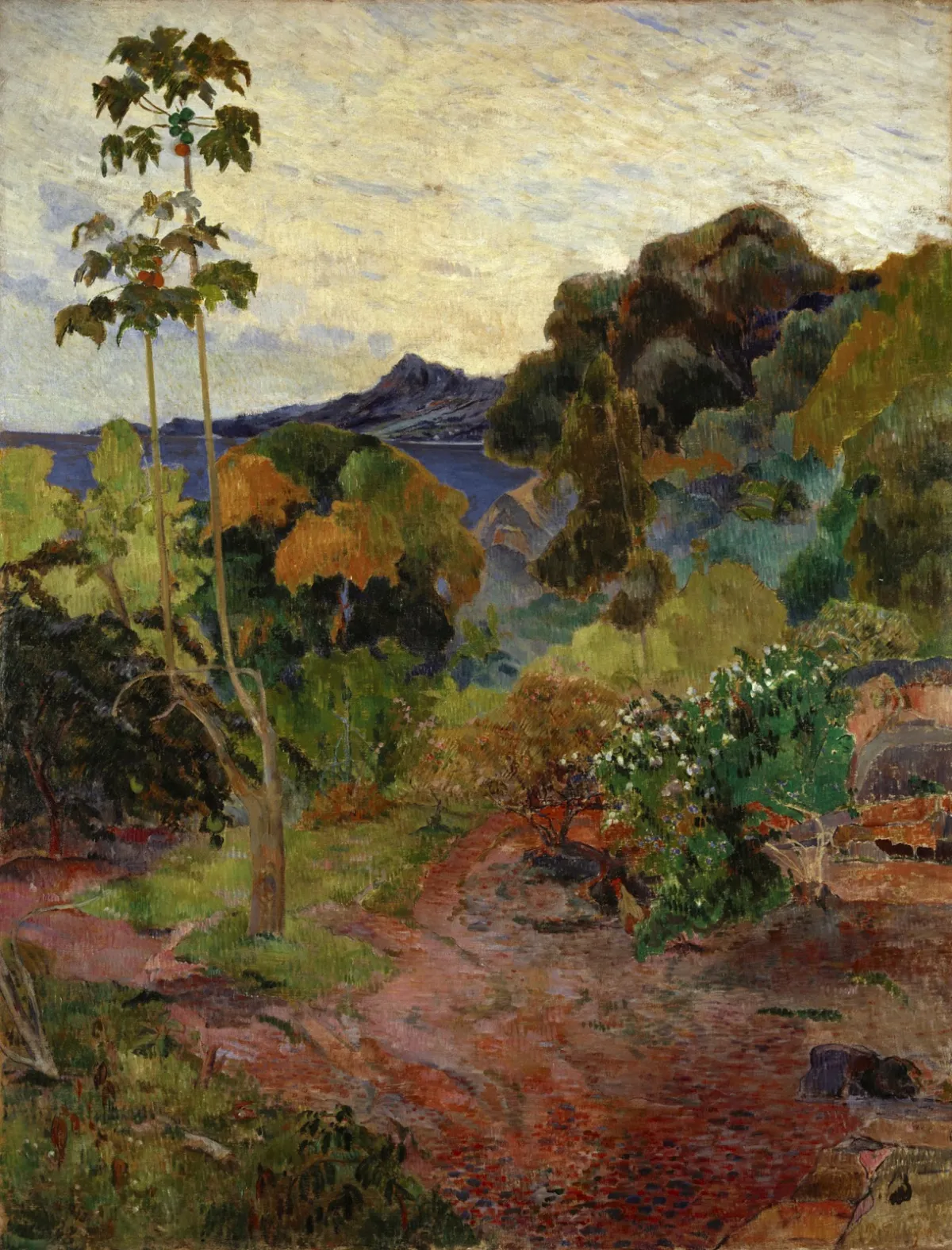
Every element in "Breton Landscape" tells a story, making it more than just a fine art painting for sale. Gauguin integrates local symbols and Breton culture, inviting viewers into a world of meaning and tradition. This approach is also evident in his other works, such as "The Night Café in Arles" and "Martinique Landscape," where symbolism and narrative intertwine. Owning such a painting brings a piece of art history and storytelling into your space.
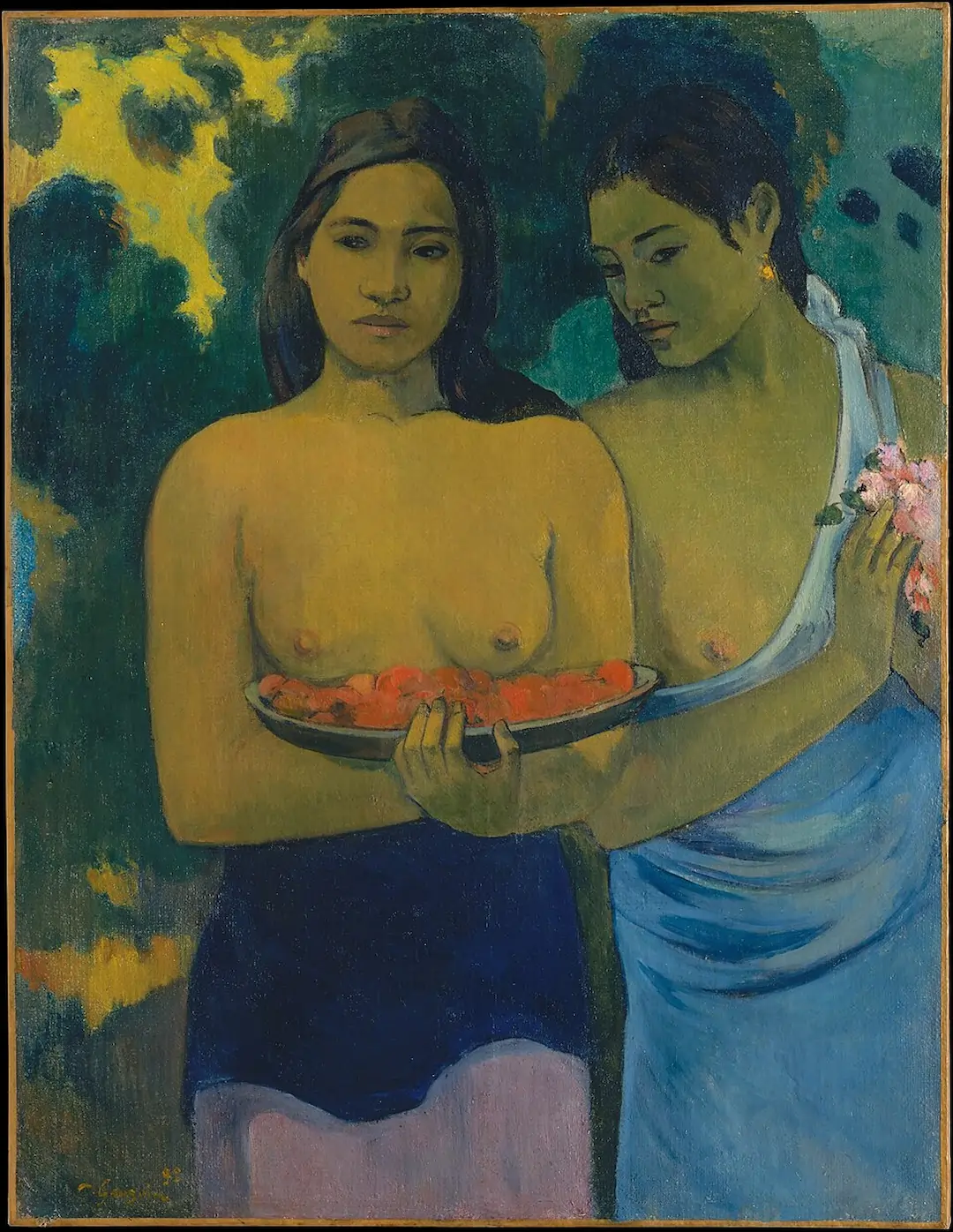
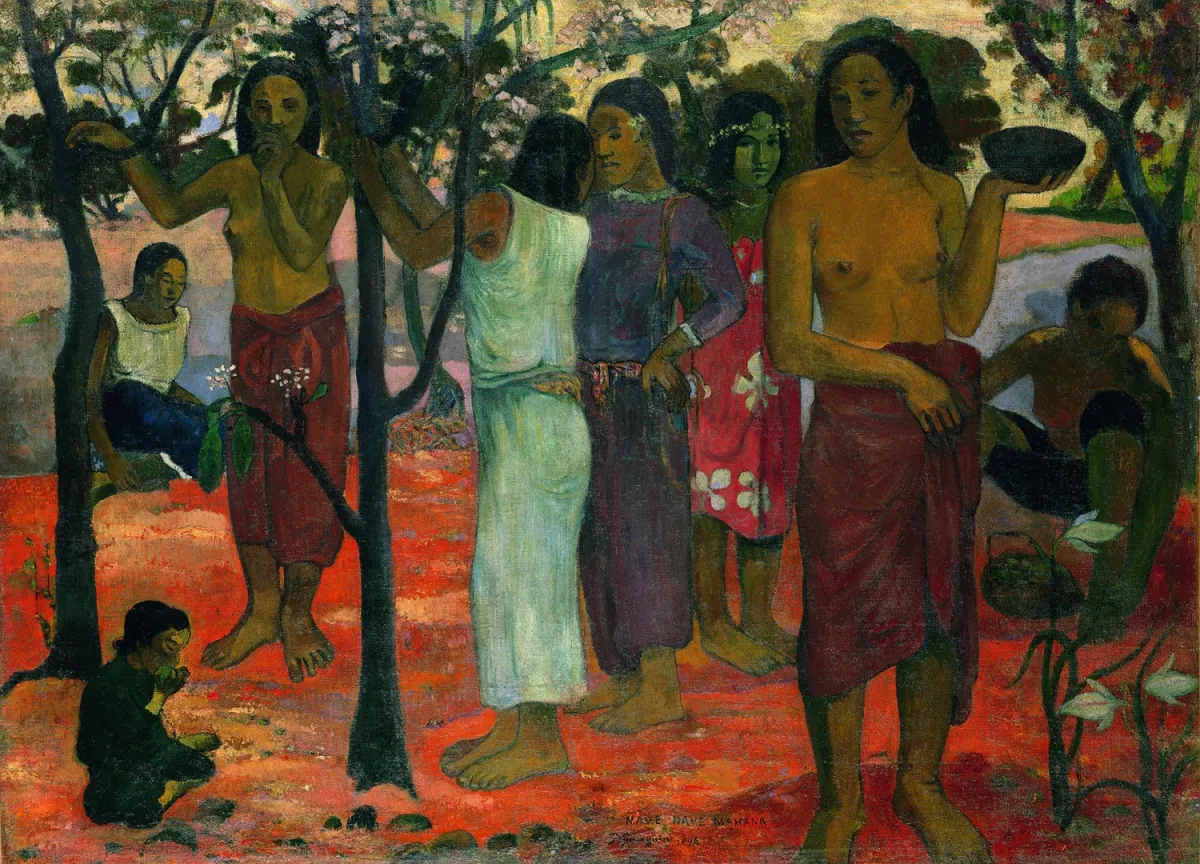
For collectors, "Breton Landscape" by Paul Gauguin is a rare and valuable hand-painted oil painting from the celebrated Post-Impressionism movement. Its significance is amplified when displayed alongside related products like "Tahitian Women on the Beach" or "The Yellow Christ." Gauguin’s innovative style and emotional depth make this piece a true collector’s treasure, representing the enduring appeal of Post-Impressionist masterpieces and enriching any fine art collection.
When Art Meets History
"Breton Landscape" by Paul Gauguin is a striking example of the Post-Impressionism movement, capturing the essence of rural France in the late 19th century. This hand-painted oil painting reflects Gauguin’s fascination with the Breton countryside, a theme he explored alongside contemporaries through works like "The Potato Eaters" and "Mulberry Tree." Gauguin’s innovative vision set the stage for future artists, making "Breton Landscape" a pivotal piece in art history.
Techniques That Speak
Paul Gauguin’s "Breton Landscape" employs bold colors and expressive brushwork, hallmarks of oil on canvas technique in the Post-Impressionism era. The painting’s textured surface and dynamic composition invite viewers to experience the landscape’s vibrancy firsthand. Similar to his other masterpieces such as "Vase of Flowers" and "The Models," Gauguin’s unique style in "Breton Landscape" continues to inspire admiration for the technical mastery and innovation found in each brushstroke.
Emotions on Display
In "Breton Landscape," Gauguin channels deep emotion through color and form, making this fine art painting for sale resonate with viewers even today. The tranquil yet vivid scenery evokes both nostalgia and serenity, a balance also seen in works like "Drawbridge in Nieuw-Amsterdam." As a leading figure in Post-Impressionism, Gauguin’s emotional depth in "Breton Landscape" highlights his ability to connect intimately with his audience through visual storytelling.
Coveted by Collectors
Collectors worldwide seek out "Breton Landscape" for its historical significance and artistic mastery as a hand-painted oil painting. Alongside celebrated works such as "The Potato Eaters" and "Vase of Flowers," this Gauguin masterpiece exemplifies the allure of Post-Impressionism in the art market. Its rarity and connection to Gauguin’s visionary career make "Breton Landscape" a prized addition for anyone passionate about acquiring exceptional fine art.
Related Post-Impressionism Hand-Painted Oil Paintings by Other Artists
Other Famous Post-Impressionism Artists:
Frequently Asked Questions About Breton Landscape
What is the historical context of Paul Gauguin's "Breton Landscape"?
"Breton Landscape" was created during a period when Gauguin was exploring the rural life of Brittany, France, which greatly influenced his artistic style and subject matter. This painting reflects his fascination with the simplicity and beauty of the Breton countryside.
What artistic techniques did Gauguin employ in "Breton Landscape"?
Gauguin utilized bold colors and strong brushstrokes to convey emotion and atmosphere. His use of flat areas of color and simplified forms is characteristic of his post-impressionist style, moving away from the naturalism of earlier movements.
What themes are present in "Breton Landscape"?
The painting explores themes of nature, rural life, and the relationship between humanity and the environment. It captures the serene beauty of the landscape while also reflecting the artist's desire to escape the industrialized world.
How does "Breton Landscape" reflect Gauguin's artistic philosophy?
Gauguin believed in the importance of expressing emotion through art rather than merely depicting reality. "Breton Landscape" exemplifies this philosophy by emphasizing color and form over realistic representation, inviting viewers to experience the scene emotionally.
What influences can be seen in "Breton Landscape"?
The painting shows the influence of Impressionism through its use of light and color, while also incorporating elements of Symbolism, as Gauguin aimed to evoke deeper meanings and feelings through his work.
What role does color play in "Breton Landscape"?
Color is a vital element in "Breton Landscape," as Gauguin uses vibrant hues to create mood and depth. The contrasting colors enhance the emotional impact of the scene, drawing the viewer's attention to the beauty of the landscape.
How does "Breton Landscape" compare to other works by Gauguin?
Compared to other works by Gauguin, "Breton Landscape" showcases his early exploration of color and form before he fully embraced the more exotic themes found in his later paintings from Tahiti. It serves as a bridge between his Impressionist beginnings and his later Symbolist style.
What symbolic meanings can be derived from "Breton Landscape"?
The landscape can be interpreted as a symbol of peace and tranquility, representing a retreat from modern life. The natural elements may also symbolize a connection to the earth and a longing for a simpler existence.
What is the significance of the location depicted in "Breton Landscape"?
The location in Brittany holds cultural significance, as it was a region known for its unique traditions and landscapes. Gauguin's choice to depict this area reflects his interest in the local culture and its influence on his artistic vision.
How has "Breton Landscape" influenced modern art?
"Breton Landscape" has influenced modern art by paving the way for future artists to explore color and abstraction. Gauguin's departure from realism encouraged subsequent movements, such as Fauvism and Expressionism, to prioritize emotional expression over accurate representation.






















_GFM_Painting_(1).webp)


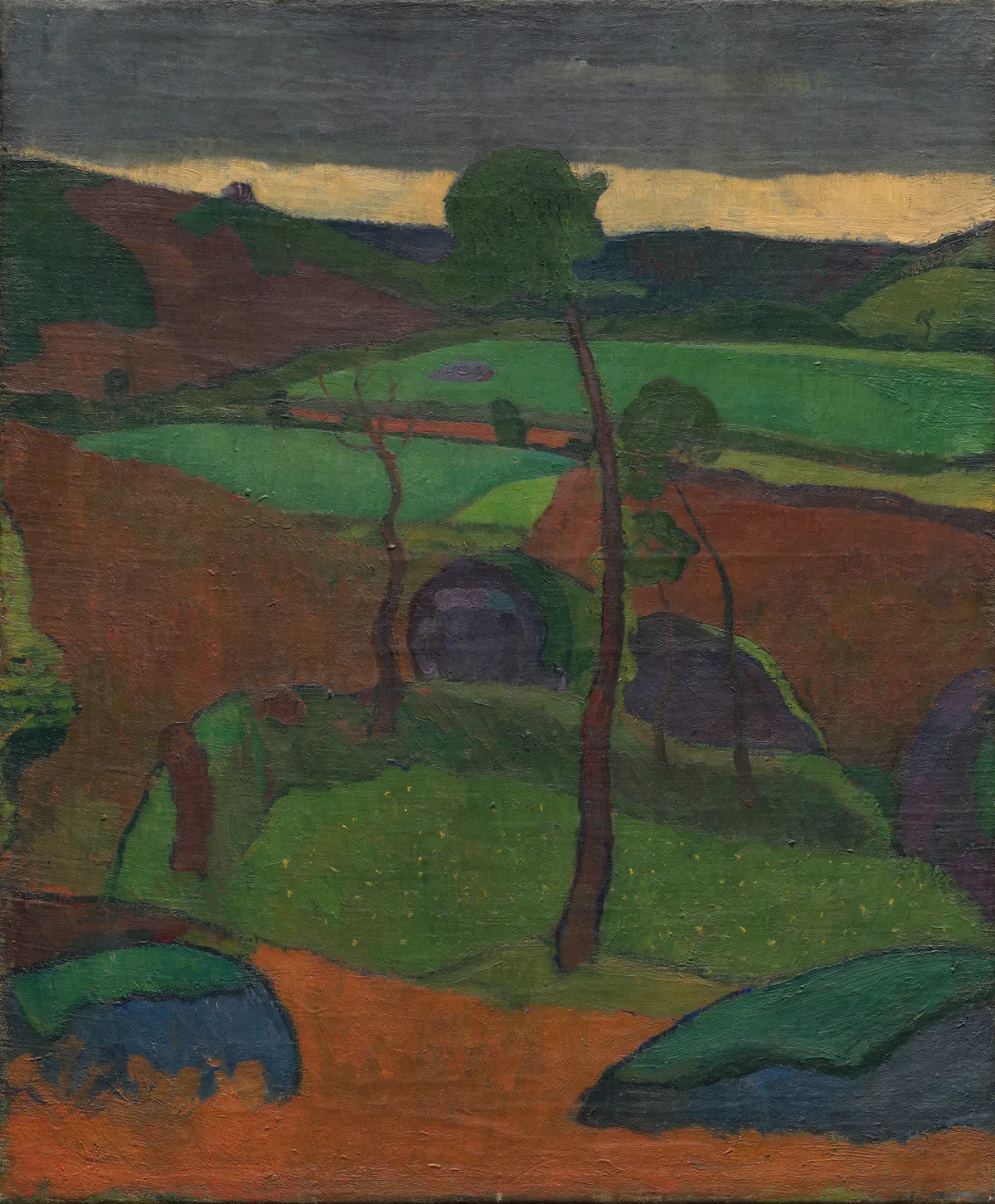
 100% Hand-Painted: Finished in 3-6 Weeks

.png)















_(1).webp)