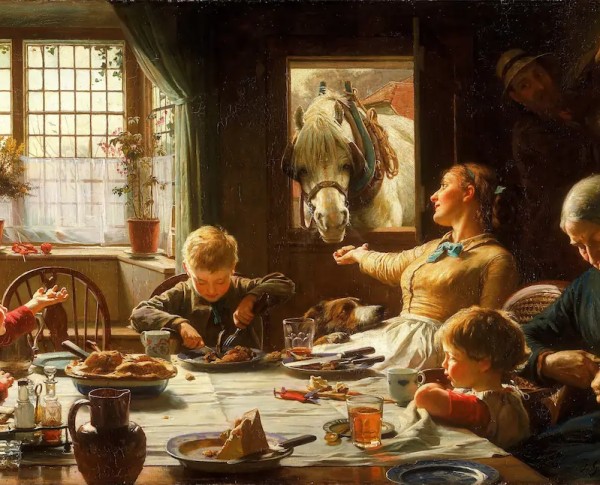
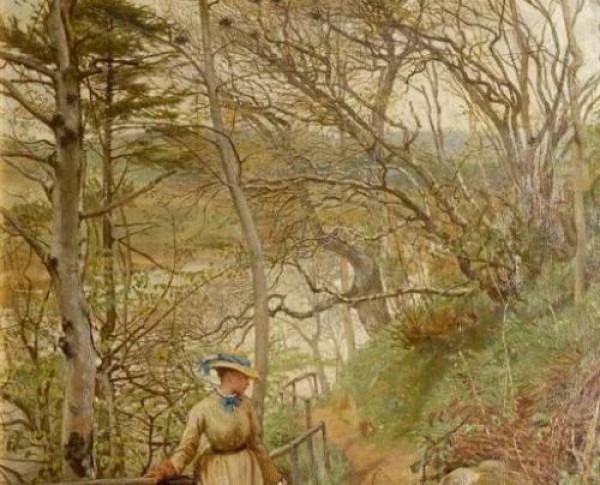
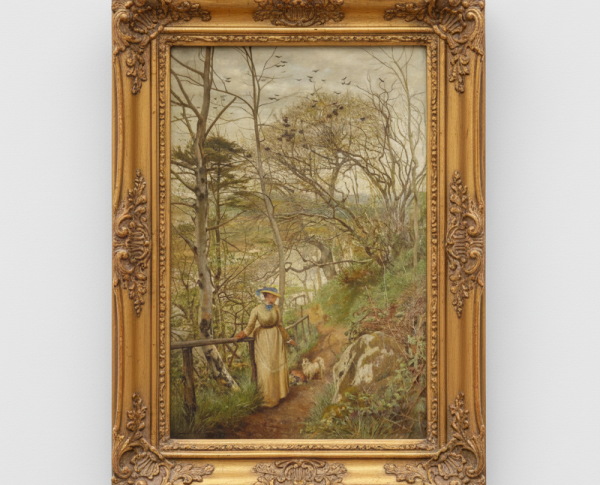
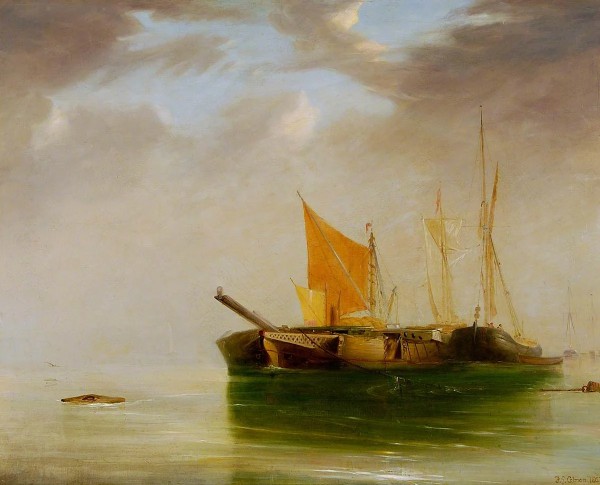
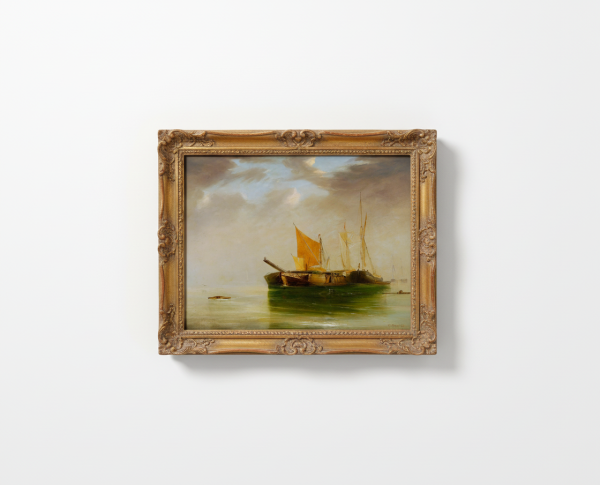
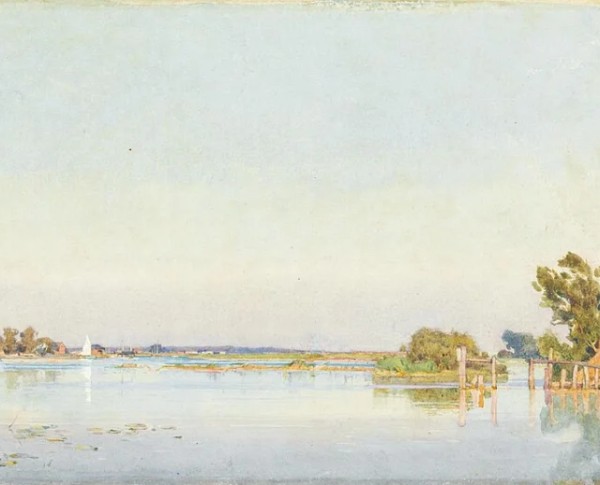
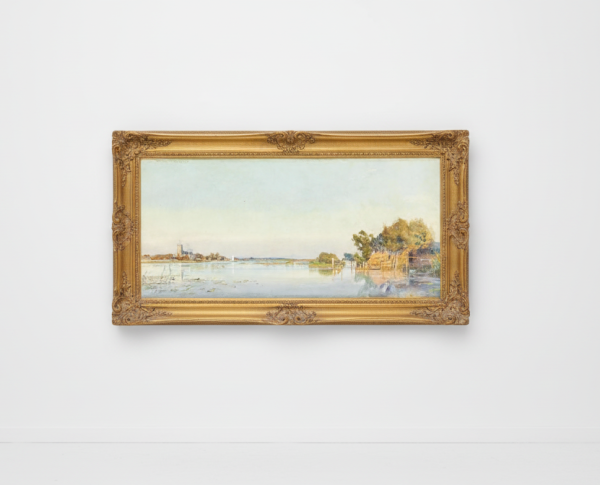
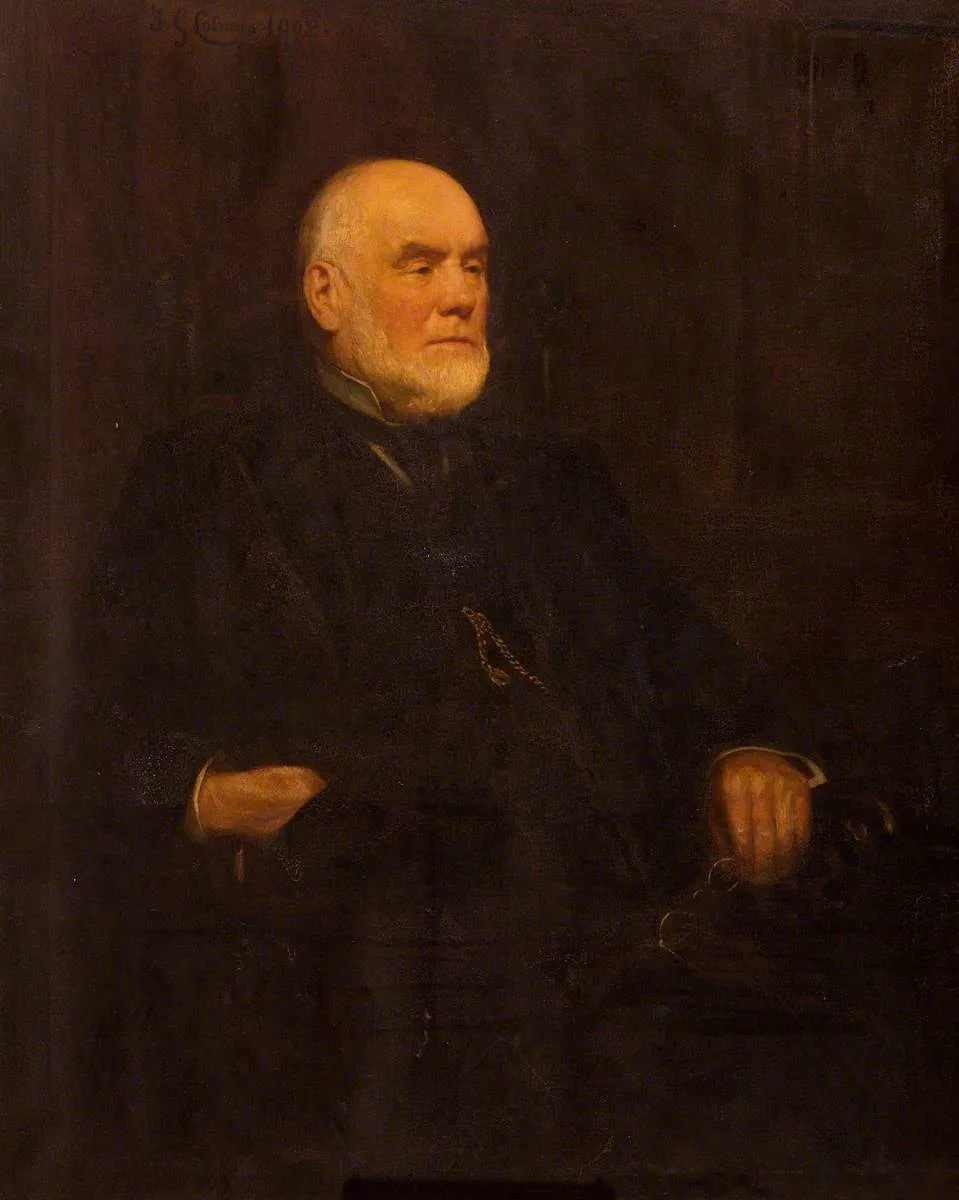
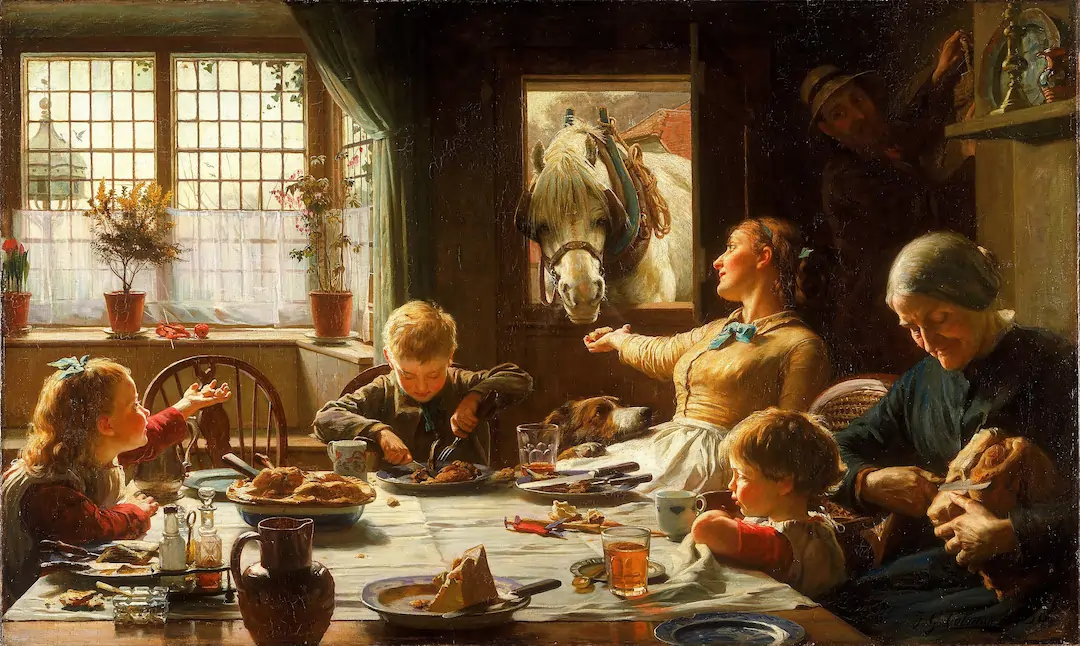
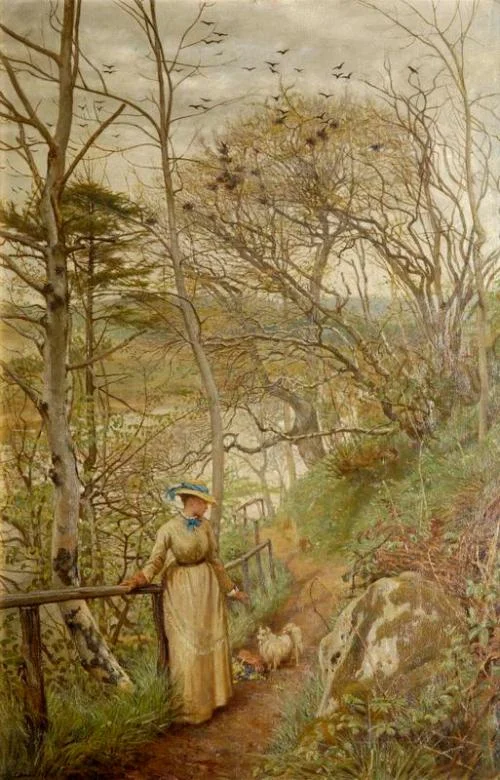
The meticulous technique displayed in "Nathaniel Catchpole" exemplifies Cotman’s expertise with oil on canvas. The rich textures and vibrant color palette are hallmarks of the Post-Impressionism movement, inviting viewers to appreciate every nuance. Cotman’s brushwork brings the subject to life, making this painting a standout piece among fine art. If you appreciate this level of artistry, consider exploring "One Of The Family" or "From Shade to Sunshine" for similar works.
Within "Nathaniel Catchpole," Frederick George Cotman weaves a narrative that goes beyond the surface, making it a fine art painting for sale that resonates with depth. The subtle symbolism and expressive details reflect the human experience, a signature trait of Post-Impressionism. Art enthusiasts often find parallels in Cotman’s other paintings, such as "The Widow" and "On Deeside," each offering unique insights into the artist’s storytelling prowess.
Owning "Nathaniel Catchpole" by Frederick George Cotman means acquiring a remarkable piece of the Post-Impressionism movement. This hand-painted oil painting is a true collector’s treasure, combining artistic mastery with historical significance. For those seeking to expand their collection, related products like "Sunday Morning," "Thomas Green," and "From Shade to Sunshine" provide additional opportunities to own exceptional works from this celebrated artist and era.
When Art Meets History
Frederick George Cotman’s "Nathaniel Catchpole" is a remarkable hand-painted oil painting that captures the essence of the Post-Impressionism movement. Created during a period of artistic transformation, this work reflects Cotman’s deep understanding of his subject’s time and environment. Like related paintings such as "Manaò tupapaú" and "Irises," this piece bridges the gap between history and modernity, offering viewers a unique window into the era’s social and cultural landscape through Cotman’s skilled artistry.
Techniques That Speak
Executed in oil on canvas, "Nathaniel Catchpole" showcases Frederick George Cotman’s mastery of texture and color. The brushwork, characteristic of the Post-Impressionism movement, brings vibrancy and depth to the composition. Cotman’s approach is reminiscent of other fine works like "The 'Laakmolen' near The Hague" and "Parahi te marae," where the artist’s technique creates a dynamic interplay of light and shadow, making each detail in the portrait come alive with subtle intensity.
Emotions on Display
In "Nathaniel Catchpole," Frederick George Cotman employs the expressive qualities of the Post-Impressionism movement to convey profound emotion. The subject’s gaze and posture evoke a sense of introspection, much like the figures in "The Models." This fine art painting for sale captures the inner world of Nathaniel Catchpole, inviting viewers to connect with the sitter’s personality and emotions, making it a timeless work that resonates deeply with contemporary audiences.
Coveted by Collectors
As a hand-painted oil painting by Frederick George Cotman, "Nathaniel Catchpole" remains highly sought after by collectors of Post-Impressionism art. Its historical significance and masterful execution place it alongside revered works like "Irises" and "Manaò tupapaú." The painting’s rarity and artistic value make it a prized addition to any collection, ensuring that it continues to be admired and cherished as a significant piece of fine art painting for sale in today’s market.
Related Post-Impressionism Hand-Painted Oil Paintings by Other Artists
Other Famous Post-Impressionism Artists:
Frequently Asked Questions About Nathaniel Catchpole
Who is the subject of the painting "Nathaniel Catchpole"?
The painting depicts Nathaniel Catchpole, a notable figure from the 19th century, known for his contributions to the local community and his connections to the artist, Frederick George Cotman.
What artistic style is employed in "Nathaniel Catchpole"?
Frederick George Cotman utilized a blend of Romanticism and Realism in "Nathaniel Catchpole," capturing both the emotional depth of his subject and the realistic details of the setting.
What is the historical significance of the painting?
How does Cotman convey character through the painting?
Cotman employs expressive facial features and body language to convey Nathaniel Catchpole's personality, suggesting a sense of dignity and introspection that invites viewers to ponder his life story.
What materials were used in the creation of "Nathaniel Catchpole"?
The painting was created using oil on canvas, a medium favored by Cotman for its rich colors and ability to capture intricate details.
What symbolism can be found in "Nathaniel Catchpole"?
The painting may include symbolic elements such as the choice of clothing and background scenery, which reflect Nathaniel Catchpole's social status and the era's cultural values.
In what year was "Nathaniel Catchpole" painted?
"Nathaniel Catchpole" was completed in the year 1845, a period during which Cotman was actively exploring portraiture and its expressive potential.
What influences can be seen in Cotman's work in this painting?
Cotman's work in "Nathaniel Catchpole" shows influences from the Norwich School of painters, particularly in the use of light and color to create mood and atmosphere.
How does "Nathaniel Catchpole" fit into Cotman's overall body of work?
The painting is a significant example of Cotman's portraiture, showcasing his ability to blend personal narrative with broader social themes, which is a hallmark of his artistic legacy.
Where can "Nathaniel Catchpole" be viewed today?
The painting is part of the permanent collection at the [Gallery Name], where it is displayed alongside other works by Frederick George Cotman and his contemporaries.























_GFM_Painting_(1).webp)


 100% Hand-Painted: Finished in 3-6 Weeks

.png)















_(1).webp)