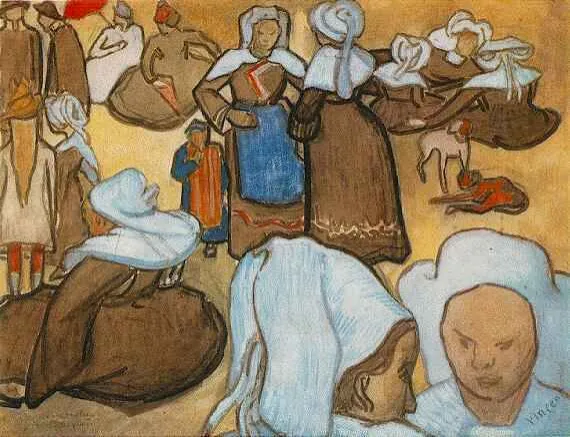
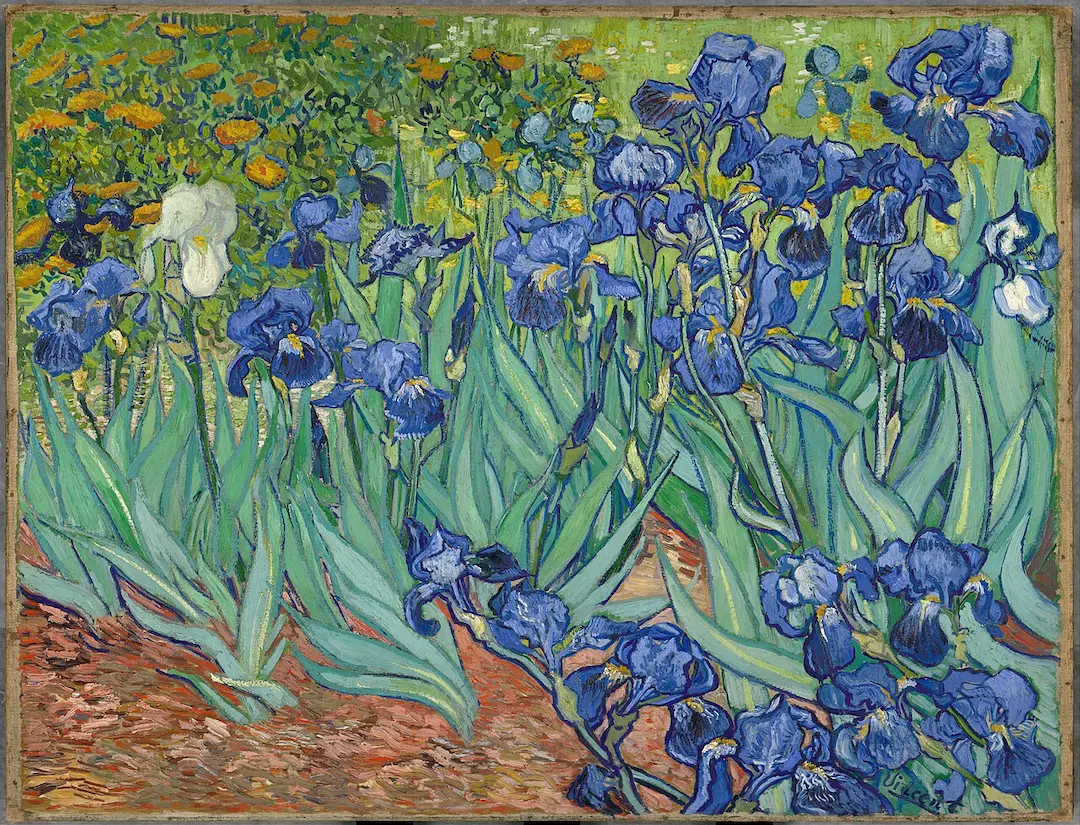
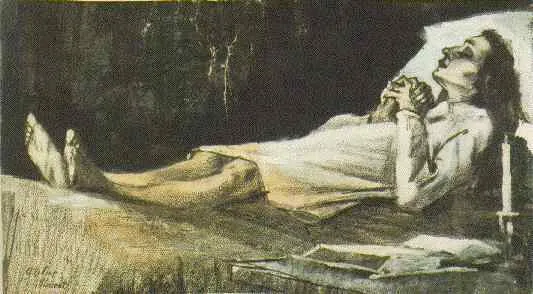
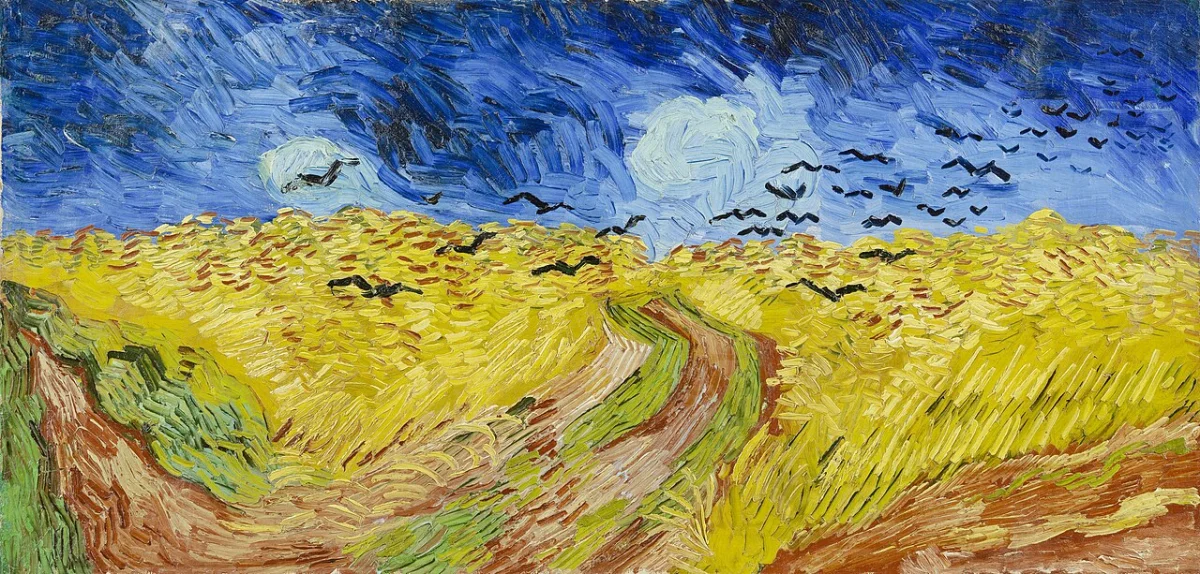
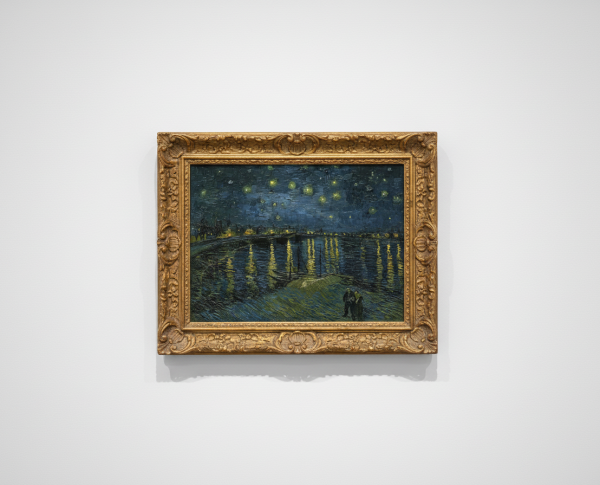
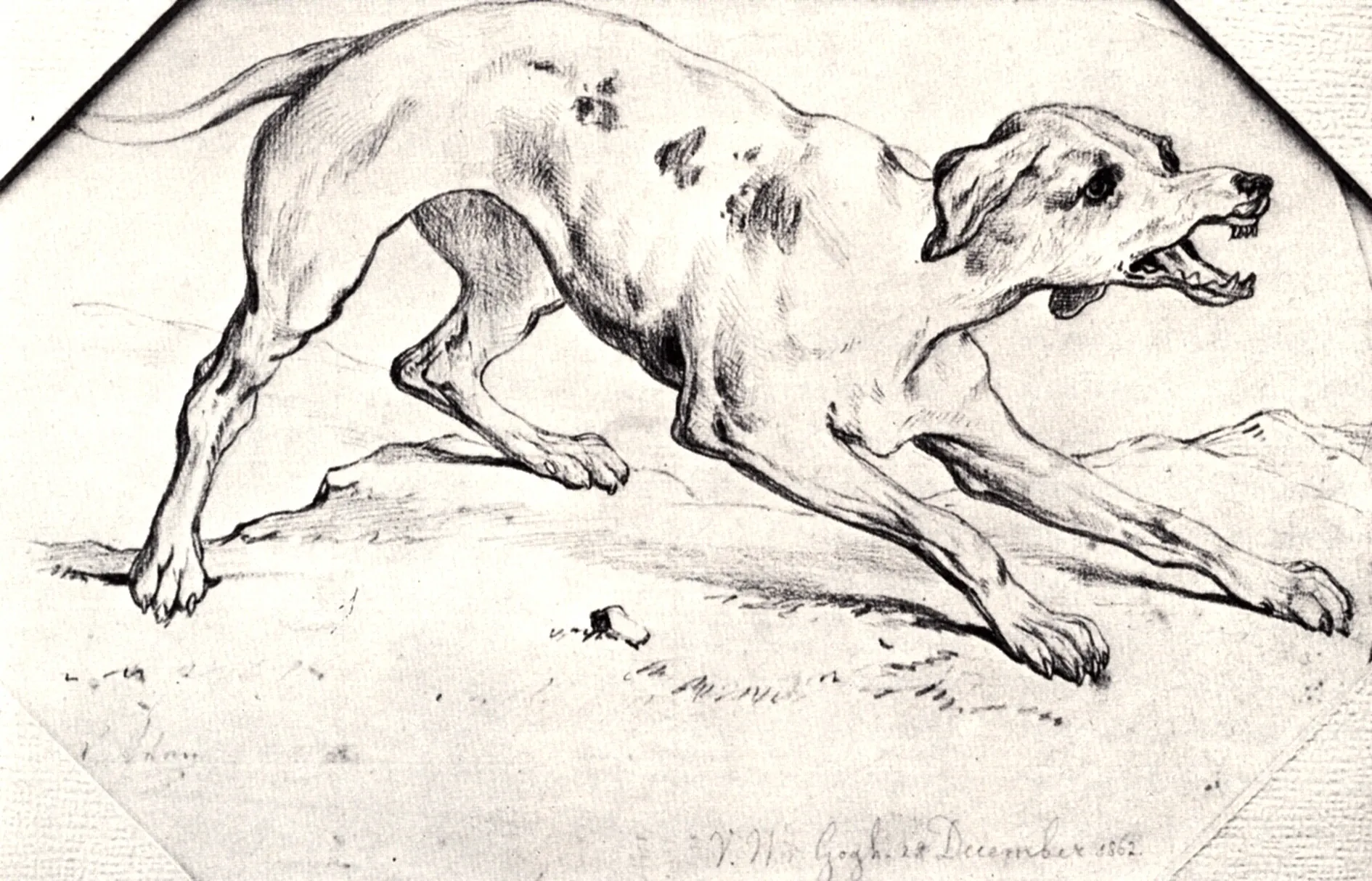
Van Gogh’s "Dog" demonstrates exceptional skill in his use of oil on canvas, a medium that the artist mastered with distinctive flair. The textured brushwork and vibrant colors echo techniques seen in "Harvest At La Crau With Montmajour In The Background" and "Bridges Across The Seine At Asnieres." This particular oil on canvas piece showcases Van Gogh’s ability to convey emotion and movement, making it a celebrated example of Post-Impressionist artistry and technique.
Every fine art painting for sale by Vincent Van Gogh tells a story, and "Dog" is no exception. The subject’s expressive presence invites viewers to explore themes of companionship and loyalty, much like "The Drinkers" and "Wheat Field With Crows." Through symbolism and color, Van Gogh infuses his Post-Impressionism works with layers of meaning, making each piece—especially this one—rich with narrative and emotional depth for art enthusiasts.
For collectors seeking a hand-painted oil painting that embodies the spirit of Post-Impressionism, "Dog" by Vincent Van Gogh is a coveted treasure. Its connection to other iconic works such as "Wheat Field with a Lark" and "Bridges Across The Seine At Asnieres" enhances its value. As a fine art painting for sale, "Dog" not only represents Van Gogh’s artistic genius but also offers a timeless addition to any sophisticated collection.
When Art Meets History
"Dog" by Vincent Van Gogh is a remarkable example of the Post-Impressionism movement, reflecting the artist’s innovative approach to capturing everyday life. Created during a pivotal period, this hand-painted oil painting resonates with historical significance. Van Gogh’s work often intersects with that of his contemporaries, as evident in related paintings such as "Fields with trees in Barbizon" and "The Seine at Courbevoie." Through "Dog," viewers witness a moment where art and history intertwine, immortalized on canvas.
Techniques That Speak
Van Gogh’s mastery is evident in the "Dog" painting, where bold brushwork and vibrant color choices define his Post-Impressionist style. Utilizing oil on canvas, the artist conveys movement and emotion through expressive strokes. This technique aligns with other fine art painting for sale from the era, including "Christ Church Ferry" and "End of the pier, Honfleur." Van Gogh’s innovative methods invite viewers to appreciate the technical brilliance that distinguishes his work from traditional realism.
Emotions on Display
In "Dog," Vincent Van Gogh channels profound emotion, a hallmark of Post-Impressionism. The subject’s expressive posture and the atmospheric background evoke feelings of companionship and solitude. This hand-painted oil painting resonates with the same emotional depth found in related works like "A Sunday Afternoon on the Island of La Grande Jatte." Through color and form, Van Gogh invites viewers to connect with the artwork on a personal level, making each viewing a unique experience.
Coveted by Collectors
"Dog" by Vincent Van Gogh commands attention among collectors seeking a fine art painting for sale with historical and artistic value. As a standout piece within the Post-Impressionism movement, it is highly prized alongside works such as "Fields with trees in Barbizon." The painting’s rarity and the artist’s enduring legacy ensure its status as a coveted masterpiece, appealing to art enthusiasts who appreciate both its aesthetic qualities and its significant place in art history.
Related Post-Impressionism Hand-Painted Oil Paintings by Other Artists
Other Famous Post-Impressionism Artists:
Frequently Asked Questions About Dog
What is the historical context of Van Gogh's painting "Dog"?
"Dog" was created during a period when Van Gogh was exploring themes of companionship and the human-animal bond, reflecting his own feelings of isolation and longing for connection.
What artistic techniques did Van Gogh employ in "Dog"?
In "Dog," Van Gogh utilized bold brush strokes and vibrant colors, characteristic of his post-impressionist style, to convey emotion and movement, capturing the essence of the subject rather than a realistic representation.
What does the dog symbolize in Van Gogh's work?
The dog in this painting symbolizes loyalty, companionship, and the innocence of nature, serving as a contrast to Van Gogh's often turbulent emotional landscape.
How does "Dog" reflect Van Gogh's personal experiences?
The painting reflects Van Gogh's own struggles with loneliness and his deep appreciation for the simple joys of life, as dogs often represent unconditional love and companionship.
What influences can be seen in Van Gogh's portrayal of animals?
Van Gogh was influenced by earlier artists and his own experiences in rural settings, which led him to depict animals with a sense of empathy and emotional depth, as seen in "Dog."
In what ways does "Dog" differ from Van Gogh's other animal paintings?
"Dog" stands out due to its intimate portrayal and emotional resonance, differing from his other works that often depict animals in more dynamic or abstract contexts.
What role does color play in the painting "Dog"?
The use of color in "Dog" is significant; Van Gogh's choice of warm hues evokes feelings of warmth and affection, enhancing the viewer's emotional connection to the subject.
What can we learn about Van Gogh's view of nature through "Dog"?
Through "Dog," we gain insight into Van Gogh's reverence for nature and animals, illustrating his belief in their intrinsic value and the emotional connections they foster with humans.
How does "Dog" fit into the broader narrative of Van Gogh's body of work?
"Dog" fits into Van Gogh's broader narrative by showcasing his evolving style and thematic concerns, particularly his exploration of relationships and emotional expression through everyday subjects.
What impact did "Dog" have on the perception of animal subjects in art?
"Dog" contributed to the changing perception of animal subjects in art, emphasizing their emotional significance and encouraging future artists to explore similar themes of companionship and connection.






















_GFM_Painting_(1).webp)


 100% Hand-Painted: Finished in 3-6 Weeks

.png)
















_(1).webp)