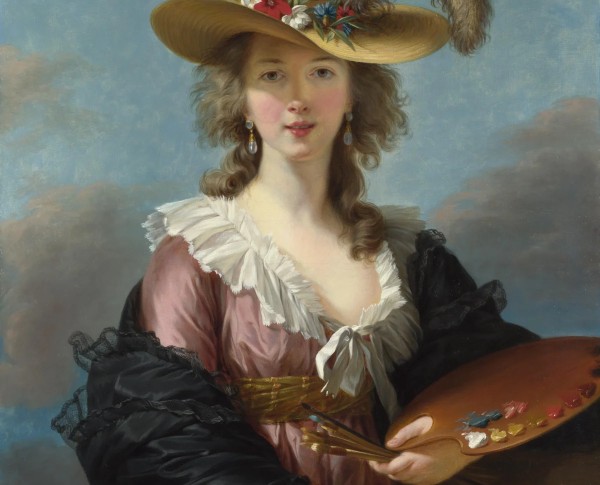
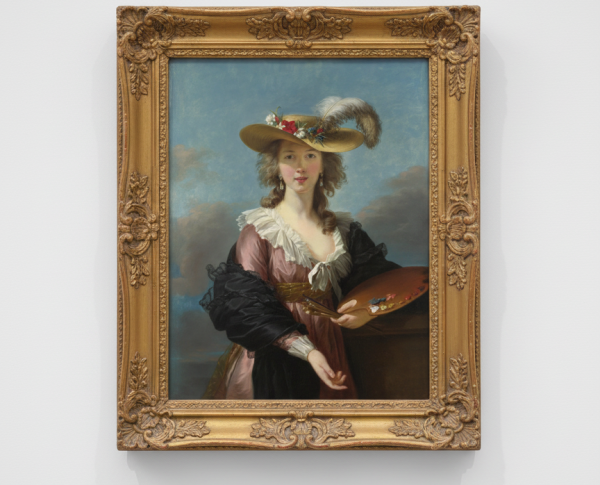
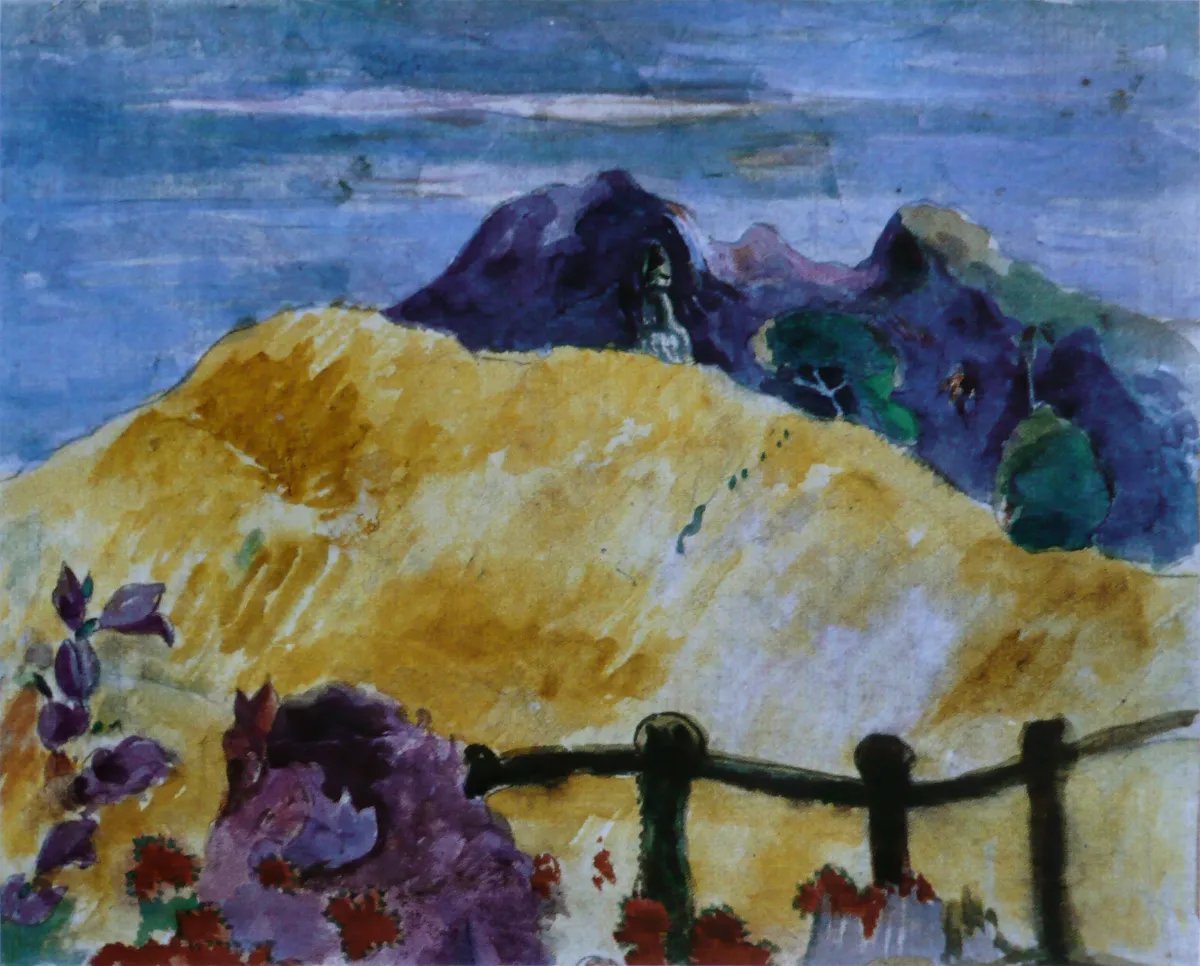
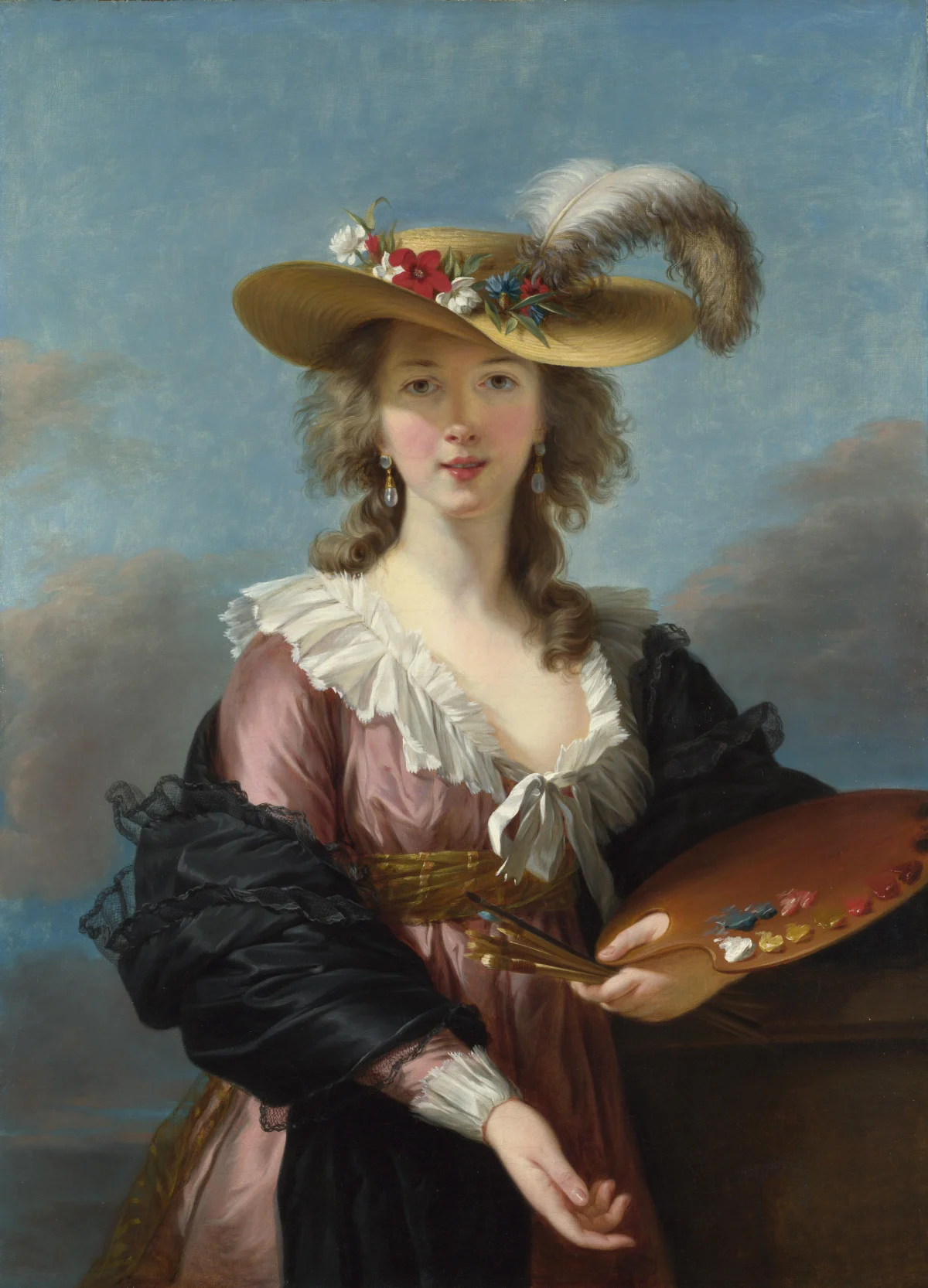
Paul Gauguin’s "Parahi te marae" demonstrates his expert technique with oil on canvas, blending bold colors and striking forms typical of Post-Impressionism. Each brushstroke in this painting reveals his dedication to capturing the essence of Tahitian life. Gauguin’s mastery is also evident in related works such as "Self-portrait with hat," making his paintings highly sought after by those who appreciate the technical and emotional depth found in his best oil on canvas creations.
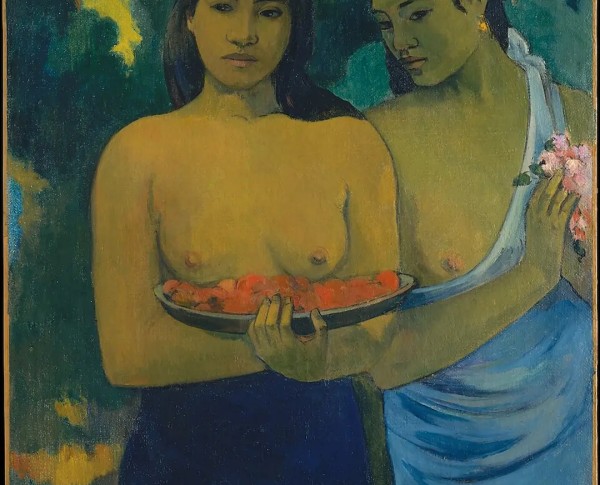
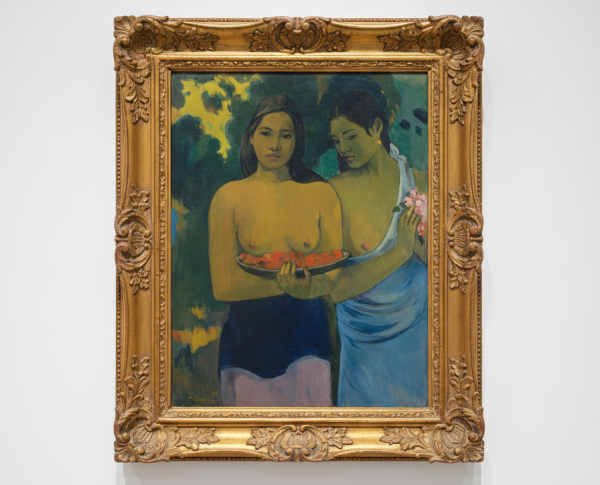
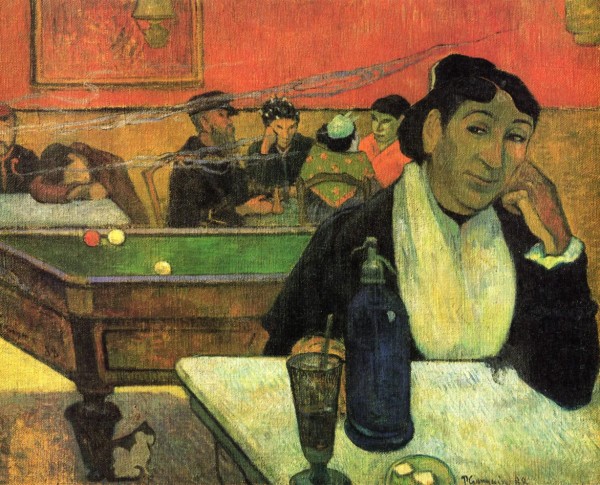
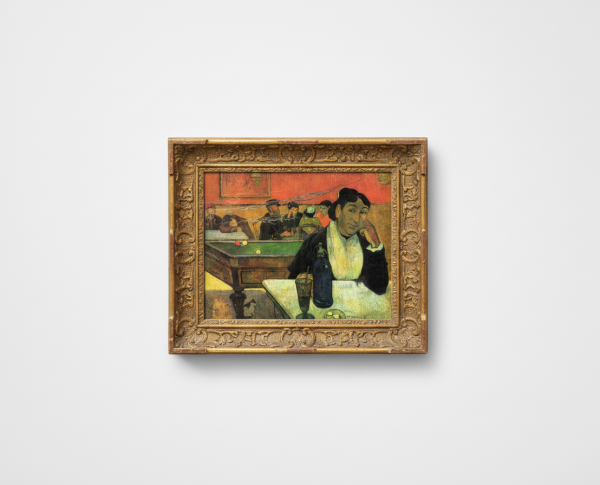
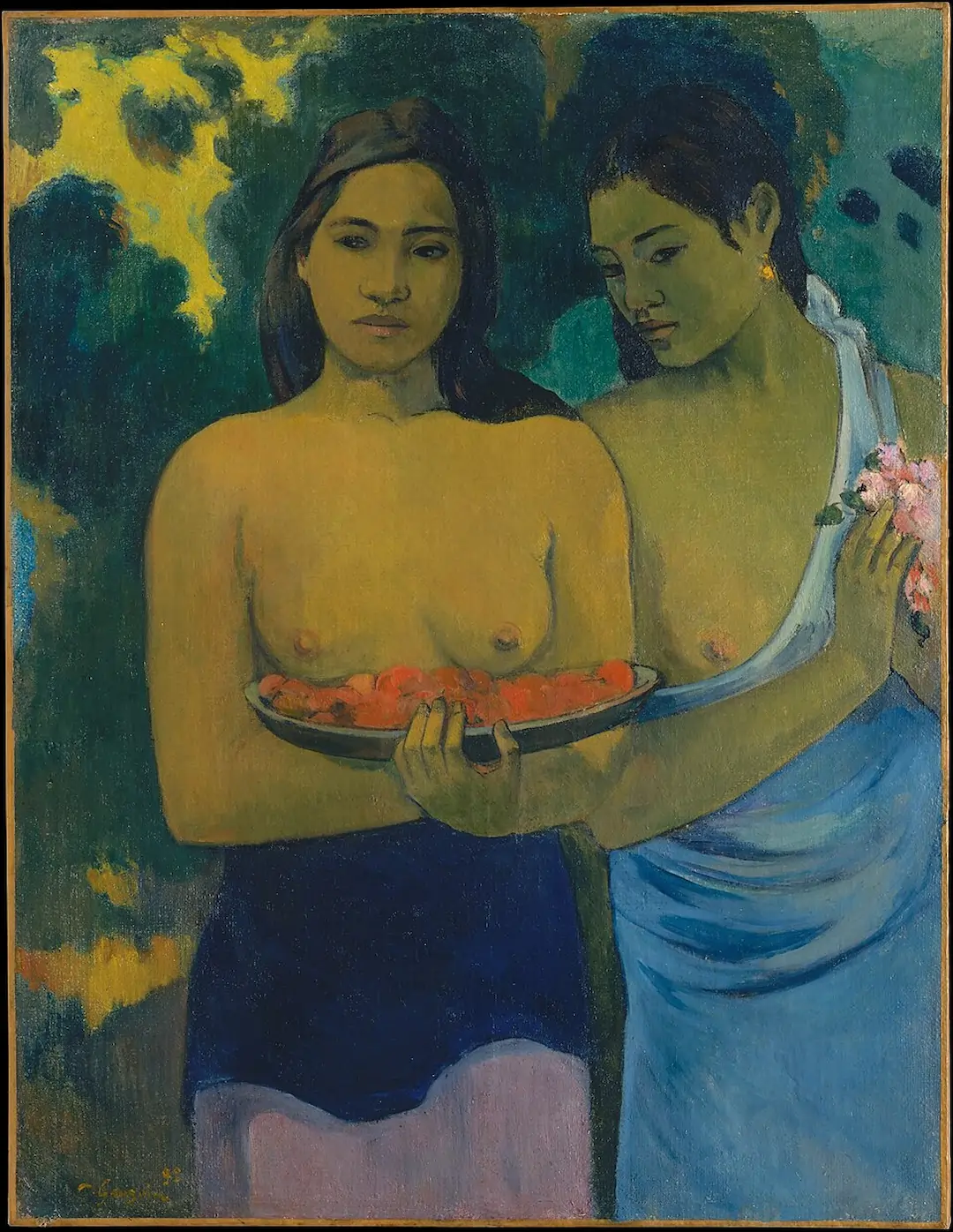
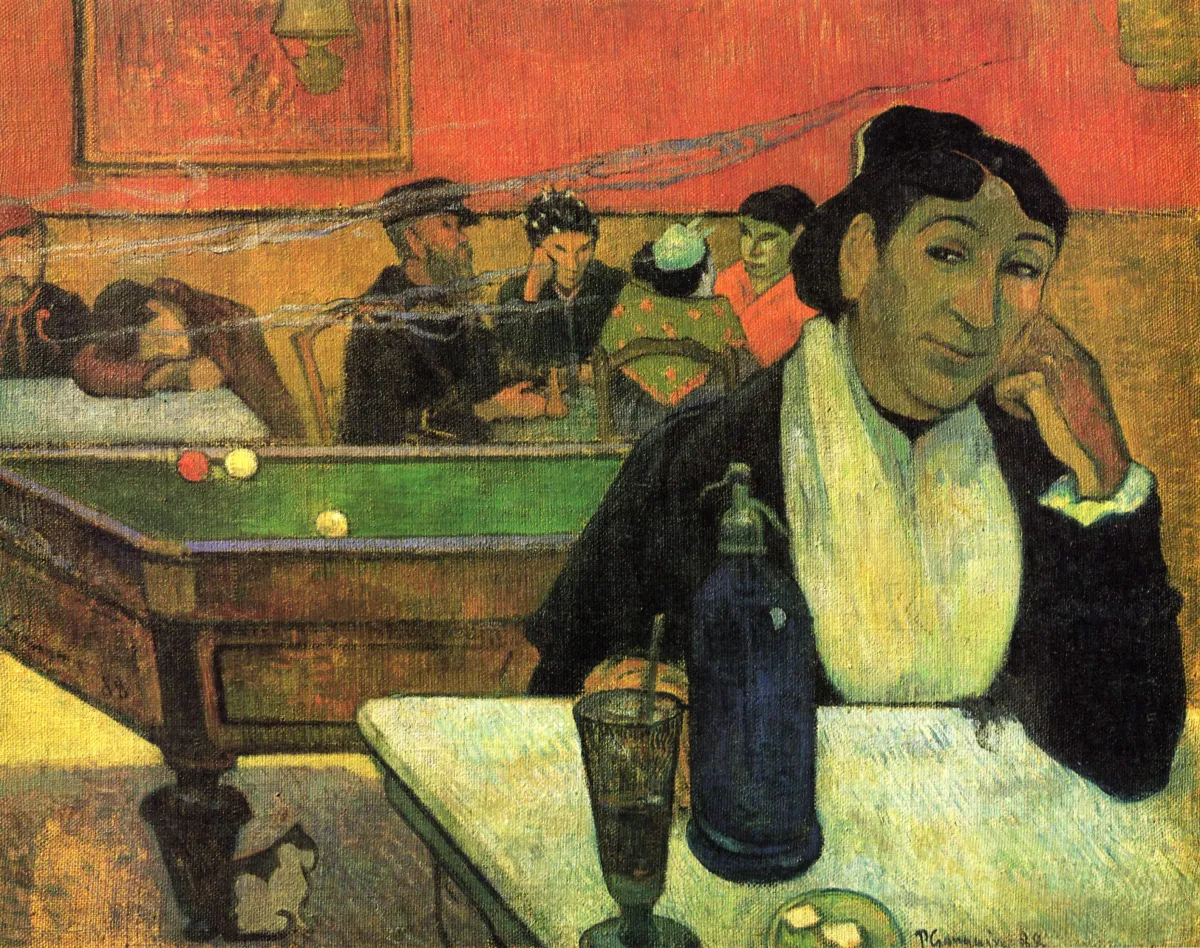
In "Parahi te marae," Gauguin weaves stories and symbols from Tahitian culture into a fine art painting for sale that captivates viewers. The composition invites interpretation, with figures and landscapes that suggest spiritual rituals and communal gatherings. As with works like "Two Tahitian Women" and "The Night Café in Arles," Gauguin’s symbolism enriches the narrative, making each viewing a new experience for art lovers who appreciate layered meanings in Post-Impressionist masterpieces.
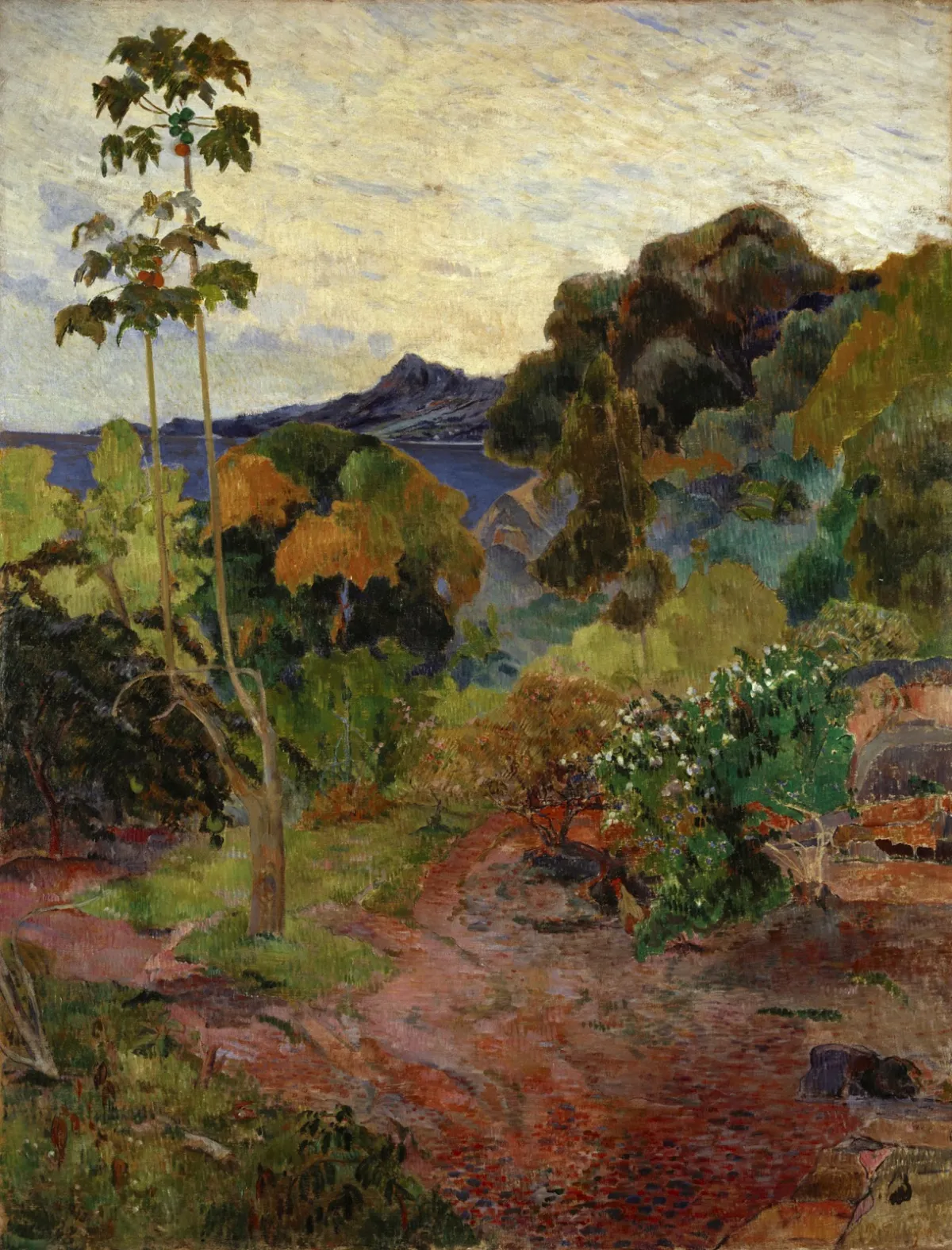
Owning "Parahi te marae" is a unique opportunity for collectors seeking a significant hand-painted oil painting from the Post-Impressionism movement. Paul Gauguin’s renowned style and the cultural depth of this work ensure its lasting value. Collectors often pair such masterpieces with related products like "Martinique Landscape" or "Self-portrait with hat," building a rich collection of fine art that celebrates Gauguin’s influential legacy and the enduring appeal of Post-Impressionist art.
When Art Meets History
"Parahi te marae" by Paul Gauguin stands as a testament to the Post-Impressionism movement, capturing the spirit of Tahitian culture with vivid colors and symbolic imagery. This hand-painted oil painting reflects Gauguin’s fascination with exotic themes, much like his contemporaries who produced works such as "Fields with trees in Barbizon" and "Peach Trees in Blossom." Gauguin’s journey to Tahiti brought new perspectives to European art, making this piece a significant milestone in art history.
Techniques That Speak
Paul Gauguin’s "Parahi te marae" showcases mastery in oil on canvas, a preferred medium for many Post-Impressionist artists. His bold color palette and flattened perspective echo the stylistic innovations found in "Still Life with Beer Mug and Fruit" and "Bridges Across The Seine At Asnieres." Gauguin’s brushwork and use of symbolic motifs set his work apart, inviting viewers to explore the deeper meanings and cultural narratives embedded in each stroke.
Emotions on Display
The emotional resonance of "Parahi te marae" lies in its vivid depiction of spiritual and communal life, a hallmark of Gauguin’s Post-Impressionist vision. Through this fine art painting for sale, viewers can sense the tranquility and mystique of Tahitian rituals, much like the contemplative mood found in "A Sunday Afternoon on the Island of La Grande Jatte." Gauguin’s expressive use of color and form evokes a profound sense of connection and wonder.
Coveted by Collectors
Collectors around the world prize "Parahi te marae" for its unique place in Post-Impressionist art. As with other masterpieces by Gauguin and related works like "Fields with trees in Barbizon," this hand-painted oil painting draws attention in galleries and private collections alike. Its vibrant storytelling and historical significance make it a sought-after treasure, appealing to those who appreciate the enduring impact of Gauguin’s creative journey.
Related Post-Impressionism Hand-Painted Oil Paintings by Other Artists
Other Famous Post-Impressionism Artists:
Frequently Asked Questions About Parahi te marae
What is the historical context of "Parahi te marae"?
"Parahi te marae" was created by Paul Gauguin in 1892 during his time in Tahiti, a period marked by his desire to escape European civilization and immerse himself in what he perceived as a more authentic and primitive culture.
What artistic techniques did Gauguin employ in "Parahi te marae"?
Gauguin utilized bold colors, simplified forms, and a flat perspective in "Parahi te marae," which are characteristic of his post-Impressionist style. His use of color was symbolic rather than representational, aiming to evoke emotion rather than depict reality.
What themes are explored in "Parahi te marae"?
The painting explores themes of spirituality, cultural identity, and the relationship between man and nature. It reflects Gauguin's fascination with the Tahitian way of life and his critique of Western civilization.
What is the significance of the title "Parahi te marae"?
The title translates to "The Marae is Sacred," referring to the traditional Tahitian temple or sacred site. This highlights the cultural and spiritual importance of the location depicted in the painting, emphasizing Gauguin's respect for Tahitian traditions.
How does "Parahi te marae" reflect Gauguin's views on colonialism?
The painting serves as a critique of colonialism by idealizing the Tahitian culture and presenting it as a pure and untouched paradise, contrasting sharply with the industrialized and materialistic society of Europe.
What role does color play in "Parahi te marae"?
Color in "Parahi te marae" is used expressively to convey emotion and to symbolize cultural elements. Gauguin's vibrant palette reflects the lushness of the Tahitian landscape and the vitality of its people, enhancing the painting's overall impact.
Who are the figures depicted in "Parahi te marae"?
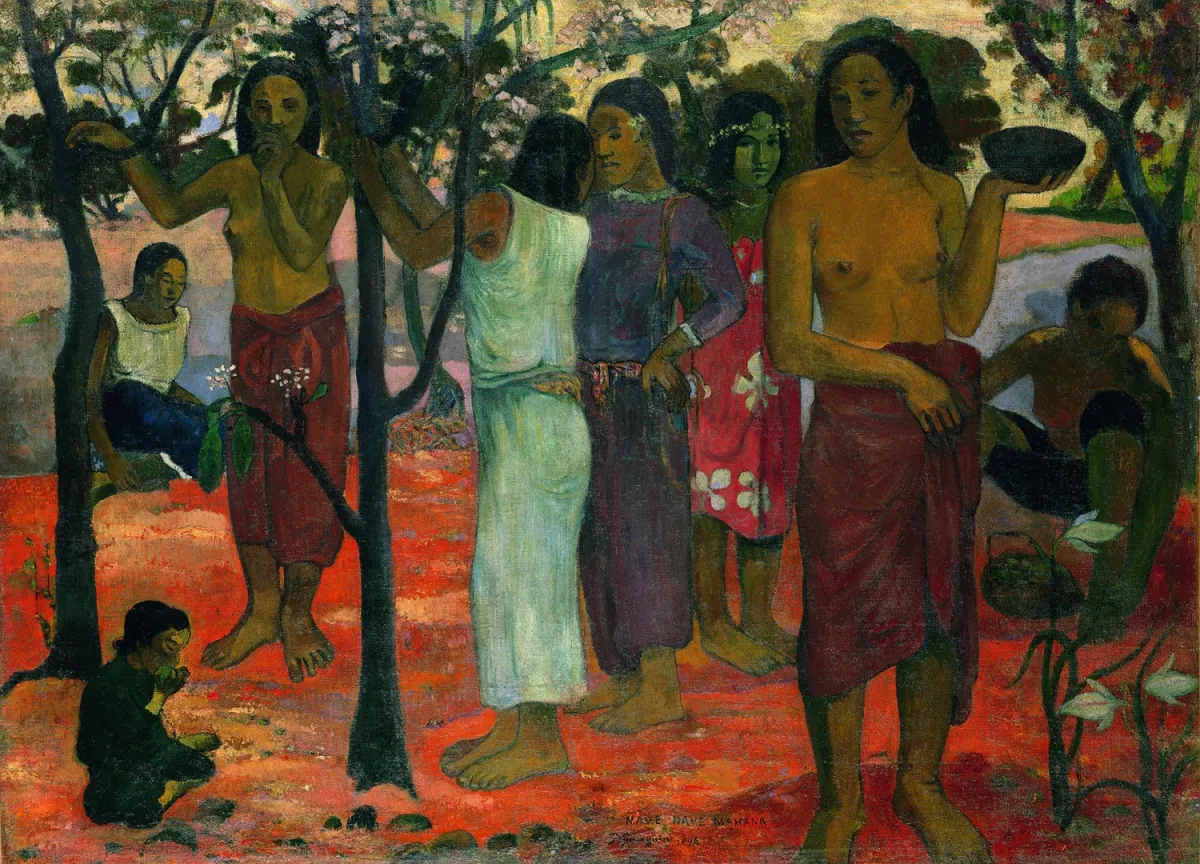
The figures in the painting are likely representations of Tahitian women, embodying the beauty and grace of the local culture. Their poses and expressions suggest a connection to the spiritual and communal aspects of life in Tahiti.
What influences can be seen in Gauguin's style in this painting?
Gauguin's style in "Parahi te marae" is influenced by his exposure to Japanese woodblock prints, as well as his interest in primitive art forms. This is evident in the flatness of the composition and the stylization of the figures.
How does "Parahi te marae" fit into Gauguin's overall body of work?
"Parahi te marae" is a significant work within Gauguin's oeuvre, showcasing his transition towards a more symbolic and expressive approach to art. It exemplifies his quest for a deeper understanding of culture and spirituality through his artistic practice.
What impact did "Parahi te marae" have on modern art?
The painting has had a lasting impact on modern art by influencing subsequent movements such as Fauvism and Expressionism. Gauguin's innovative use of color and form paved the way for artists to explore emotional and symbolic content in their work.






















_GFM_Painting_(1).webp)


 100% Hand-Painted: Finished in 3-6 Weeks

.png)















_(1).webp)