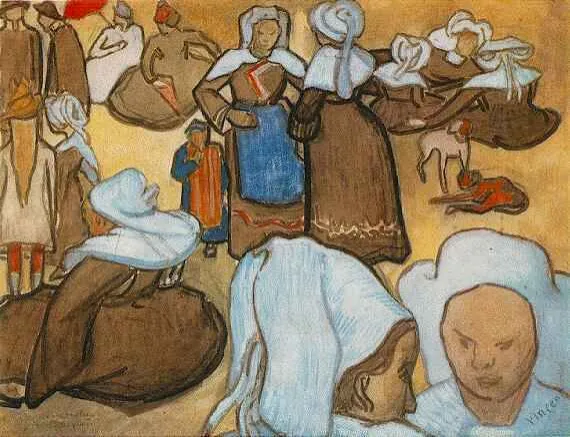
Executed in oil on canvas, “Old Woman Seen from Behind” showcases Van Gogh’s signature brushwork and bold color choices associated with the Post-Impressionism movement. Each stroke breathes life and emotion into the subject, reflecting the artist’s deep empathy and technical prowess. This painting pairs beautifully with fine art pieces like “The Red Vineyard” and “Breton Women and Children,” making it a must-have for those seeking authentic oil on canvas works by Van Gogh.
Van Gogh’s “Old Woman Seen from Behind” offers more than just visual delight; it weaves a narrative that resonates with viewers. The painting’s evocative depiction hints at themes of solitude and resilience, emblematic of the Post-Impressionism era. As with “Vincent’s Boarding House in Hackford Road, Brixton, London,” each figure tells a story, elevating this masterpiece to a cherished fine art painting for sale for thoughtful collectors and enthusiasts alike.
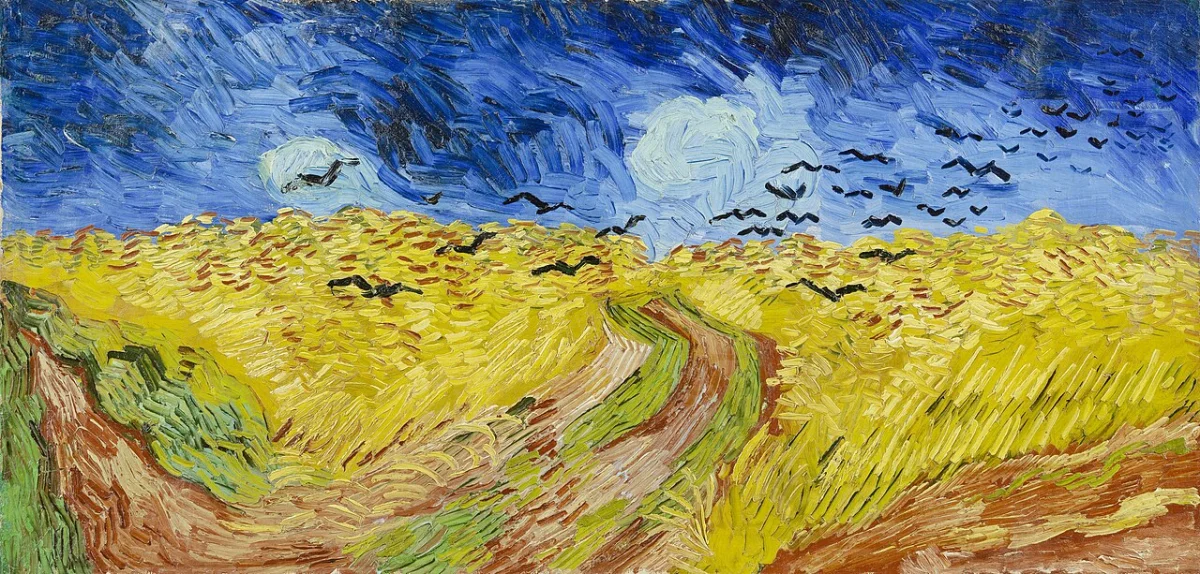
For art collectors, owning “Old Woman Seen from Behind” by Vincent Van Gogh means possessing a remarkable piece of Post-Impressionism history. This hand-painted oil painting stands alongside treasures like “Wheat Field with a Lark,” offering a unique glimpse into Van Gogh’s world. Its availability as a fine art painting for sale makes it a coveted addition to any serious collection, ensuring the legacy of Van Gogh’s genius continues to inspire future generations.
When Art Meets History
"Old Woman Seen from Behind" by Vincent Van Gogh is a remarkable hand-painted oil painting, emblematic of the Post-Impressionism movement. Created during a pivotal period in Van Gogh’s life, this work captures the essence of daily life and humanity. Like related paintings such as "End of the pier, Honfleur" and "Vase of Flowers," it reflects both the era’s artistic innovation and Van Gogh’s unique perspective, making it a significant piece in art history.
Techniques That Speak
Van Gogh’s "Old Woman Seen from Behind" showcases his mastery of oil on canvas, with expressive brushwork and a bold color palette. This technique, also found in works like "Morning Mist on the Orwell" and "Nave Nave Mahana," brings vitality and texture to the painting. The visible brushstrokes and layered paint create depth and movement, hallmarks of the Post-Impressionism movement that set Van Gogh apart from his contemporaries.
Emotions on Display
The emotional depth in "Old Woman Seen from Behind" is undeniable, with the figure’s posture and muted tones evoking solitude and reflection. Vincent Van Gogh’s ability to convey complex feelings through a fine art painting for sale is evident here, much like in "Christ Church Ferry." The painting’s atmosphere invites viewers to connect with the subject’s world, highlighting Van Gogh’s sensitivity and the movement’s focus on personal expression.
Coveted by Collectors
As a sought-after hand-painted oil painting, "Old Woman Seen from Behind" holds great appeal for collectors of Vincent Van Gogh’s art. Its connection to the Post-Impressionism movement and relation to pieces like "Vase of Flowers" and "End of the pier, Honfleur" enhance its desirability. The painting’s unique style and historical significance make it a prized addition to any collection, underscoring the enduring allure of Van Gogh’s masterpieces.
Related Post-Impressionism Hand-Painted Oil Paintings by Other Artists
Other Famous Post-Impressionism Artists:
Frequently Asked Questions About Old Woman Seen from Behind
What is the historical context of "Old Woman Seen from Behind"?
"Old Woman Seen from Behind" was painted by Vincent Van Gogh in 1885, during a period when he was deeply influenced by the social conditions of the working class in the Netherlands. This work reflects his empathy for the struggles of rural life and the dignity of labor.
What artistic techniques did Van Gogh employ in this painting?
Van Gogh utilized bold brush strokes and a muted color palette to convey emotion and depth. The use of impasto, where paint is laid on the canvas thickly, adds texture and a sense of immediacy to the figure of the old woman.
What is the significance of the subject in "Old Woman Seen from Behind"?
The painting depicts an elderly woman, symbolizing the passage of time and the wisdom that comes with age. By portraying her from behind, Van Gogh invites viewers to reflect on her life experiences and the stories untold.
How does this painting reflect Van Gogh's style?
This work is emblematic of Van Gogh's early style, characterized by dark tones and a focus on peasant subjects. It showcases his ability to blend realism with emotional expression, a hallmark of his later works.
What emotions does "Old Woman Seen from Behind" evoke?
The painting evokes feelings of solitude and introspection. The positioning of the figure suggests a sense of contemplation, allowing viewers to connect with the themes of aging and reflection.
What was Van Gogh's intention in painting this piece?
Van Gogh aimed to highlight the dignity and resilience of the elderly, particularly those from the working class. He sought to capture the essence of their lives and struggles through a simple yet profound portrayal.
How does "Old Woman Seen from Behind" compare to Van Gogh's other works?
Compared to his later works, this painting is more subdued in color and emotion. It serves as a bridge between his early focus on realism and his later explorations of color and form, showcasing his evolving artistic journey.
What role does color play in this painting?
The color palette is dominated by earthy tones, which reinforces the themes of humility and the everyday life of the subject. The muted colors also evoke a sense of nostalgia and melancholy.
What influence did this painting have on future artists?
"Old Woman Seen from Behind" has influenced numerous artists by emphasizing the importance of portraying everyday subjects with dignity and respect. It has inspired subsequent generations to explore themes of social realism and the human condition.
Where can I view "Old Woman Seen from Behind"?
This painting is part of the collection at the Van Gogh Museum in Amsterdam, where it is displayed alongside many of the artist's other significant works, allowing visitors to appreciate his artistic evolution.






















_GFM_Painting_(1).webp)


 100% Hand-Painted: Finished in 3-6 Weeks

.png)
















_(1).webp)