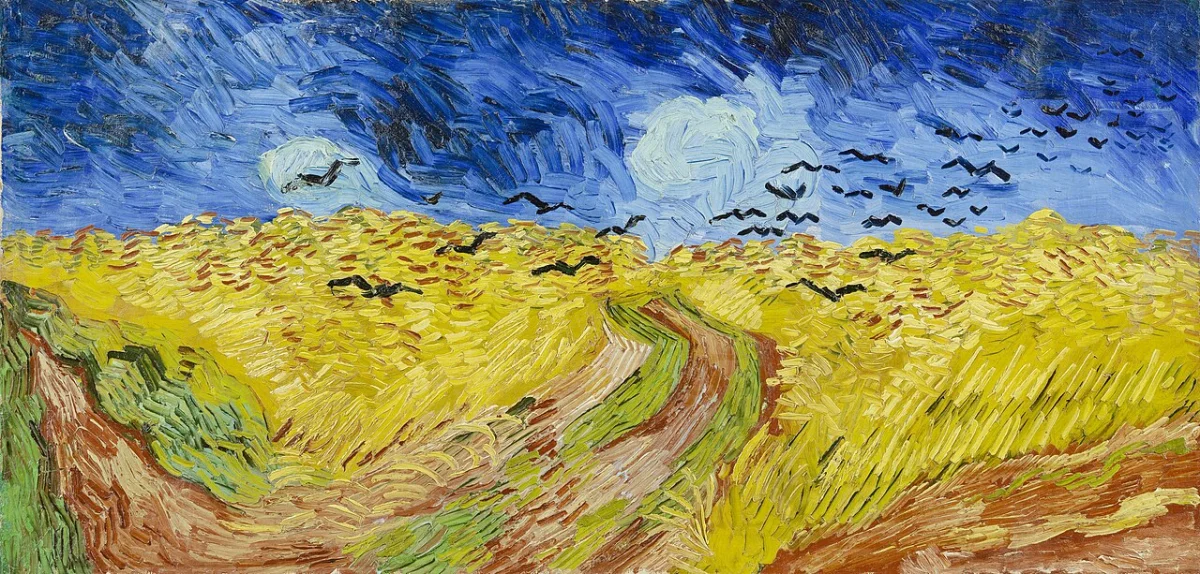
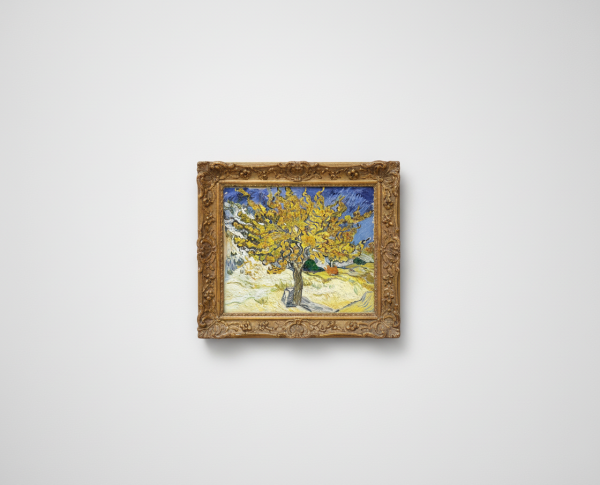
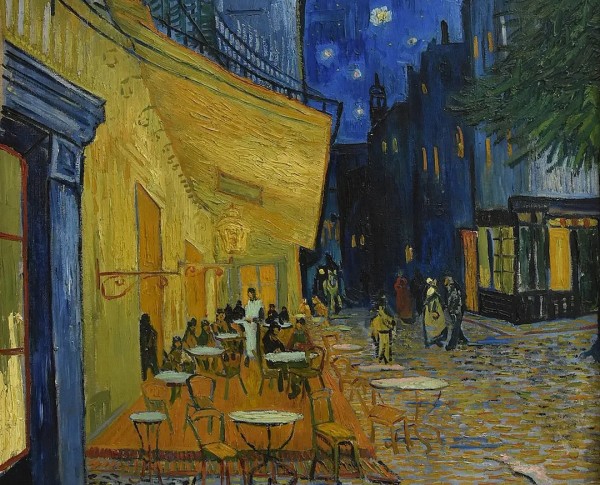
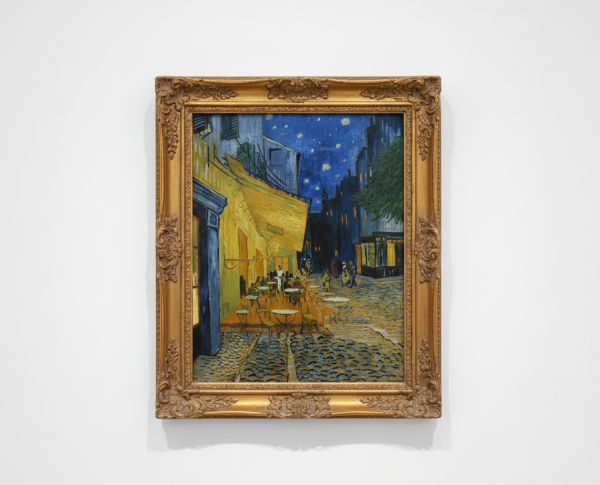
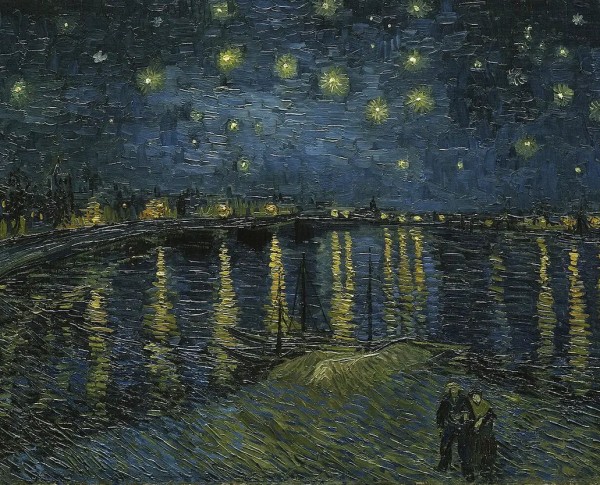
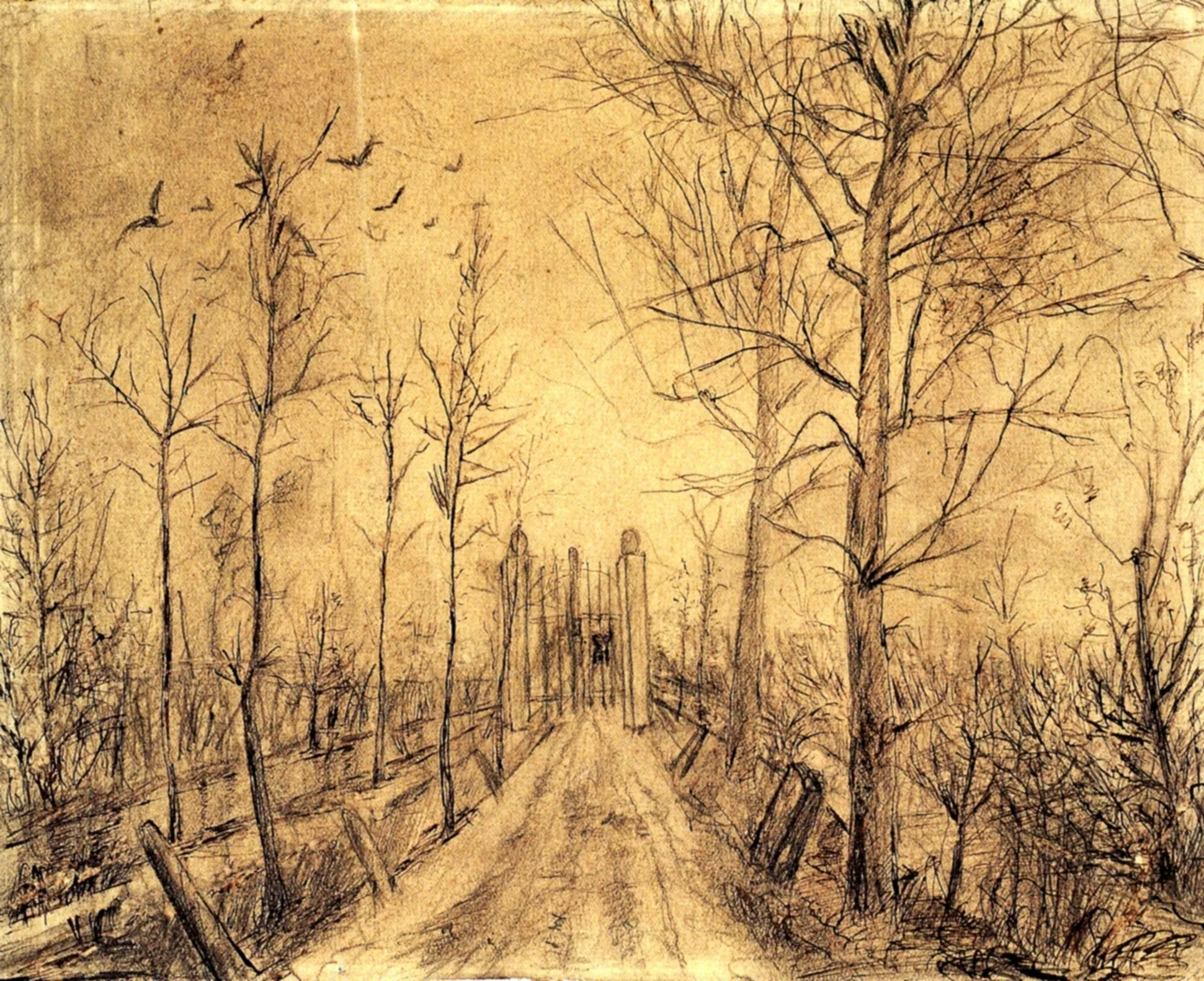
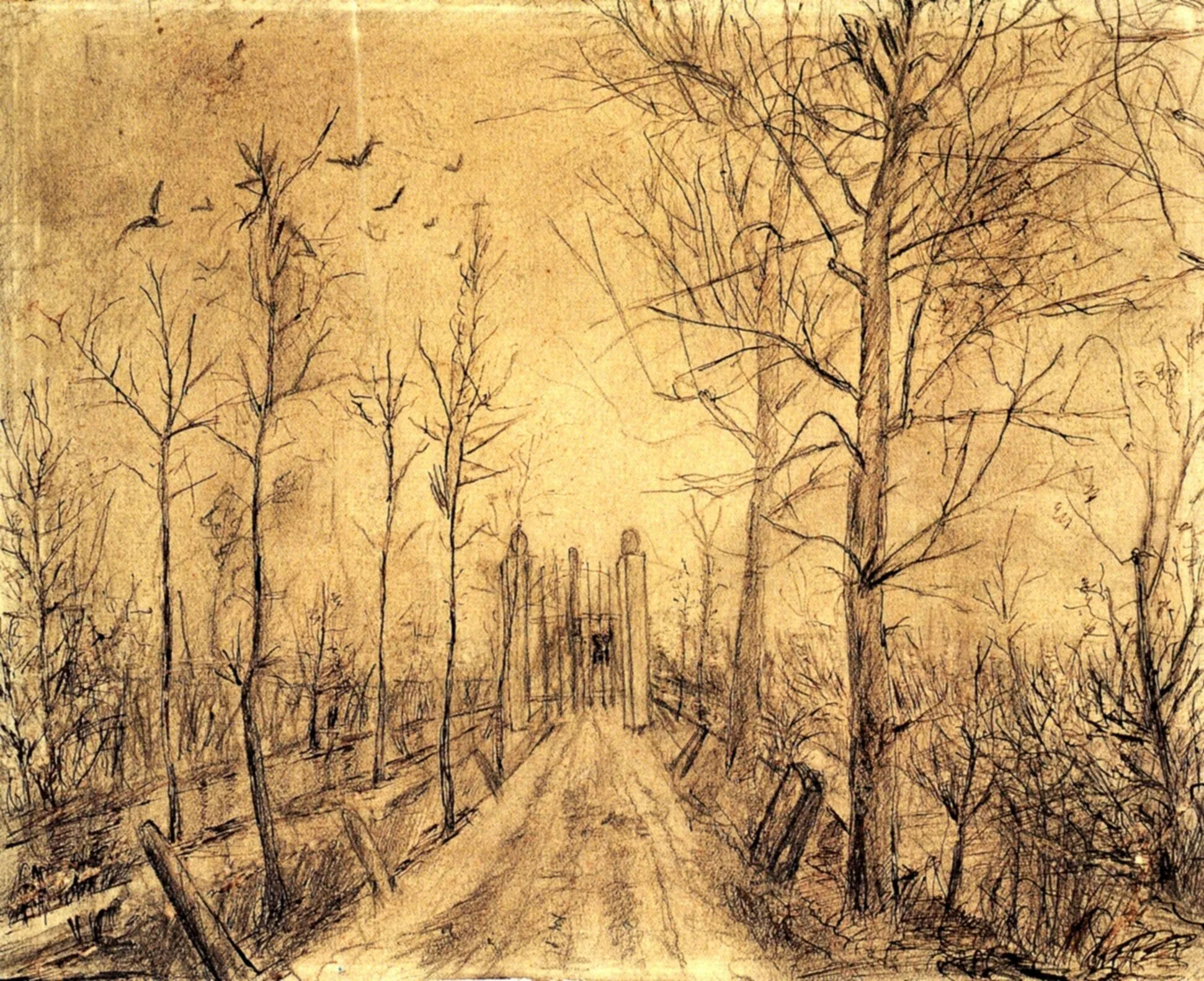
Vincent Van Gogh’s technique in "Driveway" reveals his unparalleled skill with oil on canvas. Through expressive brushwork and bold color choices, Van Gogh brings the scene to life, embodying the core principles of Post-Impressionism. Art lovers comparing this piece with "Branches with Almond Blossom" or "Boats on the Beach of Saintes-Maries" will appreciate the artist's consistent mastery and the timeless appeal of his oil on canvas artworks.
In "Driveway," Van Gogh infuses symbolic elements that invite viewers to interpret the narrative behind the scene, a hallmark of fine art painting for sale in the Post-Impressionism era. The pathway may represent life’s journey, while the surrounding environment echoes themes found in other works like "The 'Laakmolen' near The Hague." Each detail enriches the painting’s story, making it a compelling addition to any collection.
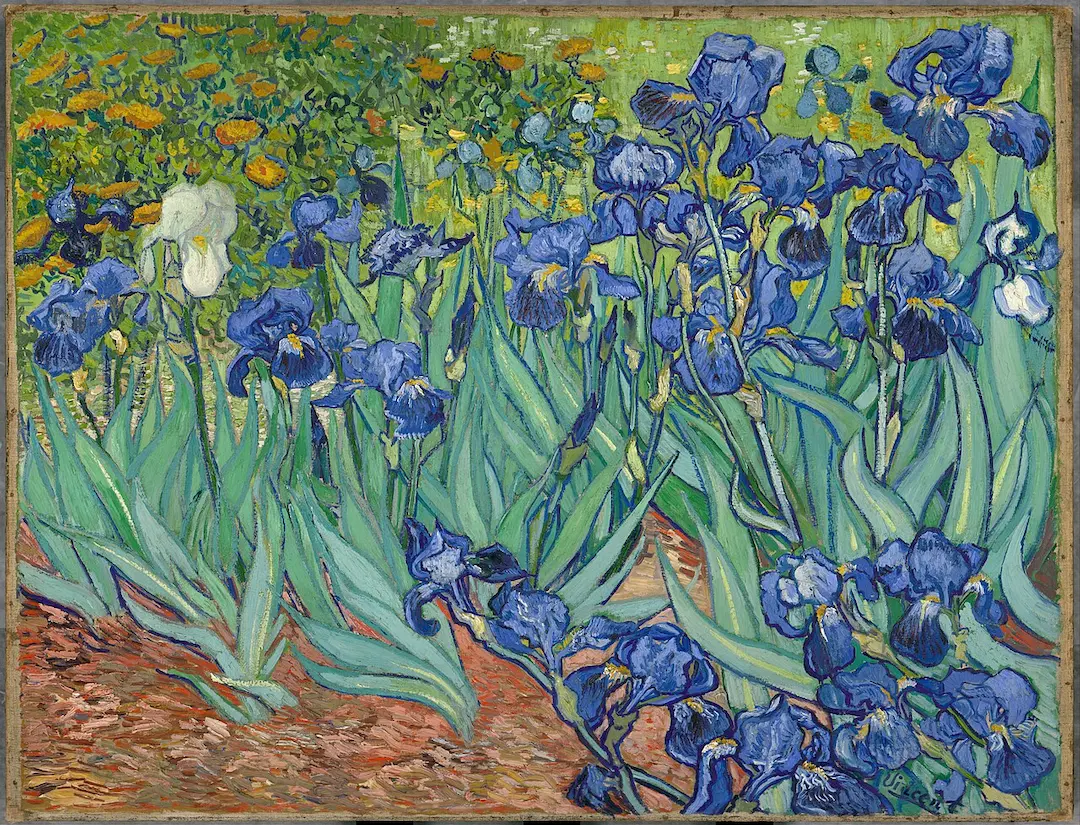
For those seeking a fine art painting for sale, Van Gogh’s "Driveway" is a coveted piece that embodies the spirit of Post-Impressionism and the artist’s creative genius. Collectors often pair such masterpieces with related products like "Dog" and "Irises" to enhance their galleries. The enduring value and beauty of Van Gogh’s work ensure that "Driveway" remains a treasured investment for art enthusiasts worldwide.
When Art Meets History
Vincent Van Gogh’s "Driveway" stands as a testament to the enduring legacy of the Post-Impressionism movement. This hand-painted oil painting encapsulates the artist’s fascination with everyday scenes, transforming the mundane into the extraordinary. "Driveway" finds its place among other notable works like "The Green Christ" and "One Of The Family," reflecting Van Gogh’s unique perspective. The historical context enriches the narrative, making it a remarkable piece for art enthusiasts and historians alike.
Techniques That Speak
In "Driveway," Van Gogh’s signature brushwork and use of vibrant colors create a dynamic oil on canvas masterpiece. His innovative techniques, seen also in "The Painter of Sunflowers" and "Te Poipoi," emphasize bold lines and swirling textures. These methods, characteristic of Post-Impressionism, invite viewers to experience depth and movement. The artist’s ability to manipulate oil on canvas elevates "Driveway" to a celebrated example of expressive technique within the movement.
Emotions on Display
"Driveway" by Vincent Van Gogh captures a spectrum of emotions, using color and form to evoke a sense of nostalgia and tranquility. This fine art painting for sale resonates with viewers, much like "Nave Nave Mahana," drawing them into a world of introspective beauty. The emotional intensity that Van Gogh infuses into his Post-Impressionism works sets them apart, making "Driveway" a compelling piece for those who appreciate evocative storytelling through art.
Coveted by Collectors
Collectors are consistently drawn to Van Gogh’s masterpieces, and "Driveway" is no exception. As a hand-painted oil painting within the Post-Impressionism movement, it stands alongside renowned works such as "The Painter of Sunflowers" and "The Green Christ." Its rarity and historical significance contribute to its desirability, making it a sought-after fine art painting for sale. Acquiring "Driveway" means owning a piece of art history, cherished by connoisseurs around the world.
Related Post-Impressionism Hand-Painted Oil Paintings by Other Artists
Other Famous Post-Impressionism Artists:
Frequently Asked Questions About Driveway
What is the historical context of "Driveway"?
"Driveway" was painted by Vincent Van Gogh in 1889 during his stay at the Saint-Paul-de-Mausole asylum in Saint-Rémy-de-Provence, France. This period was marked by intense emotional turmoil for Van Gogh, yet it also produced some of his most celebrated works.
What artistic techniques did Van Gogh use in "Driveway"?
In "Driveway," Van Gogh employed his signature impasto technique, where paint is applied thickly to create texture. The swirling brushstrokes and vibrant colors reflect his emotional state and convey a sense of movement and dynamism.
What symbolism can be found in "Driveway"?
The driveway in the painting symbolizes a journey or pathway, possibly reflecting Van Gogh's own struggles and search for peace. The contrasting colors and forms may represent the duality of hope and despair in his life.
How does "Driveway" fit into Van Gogh's overall body of work?
"Driveway" is representative of Van Gogh's later style, characterized by bold colors and emotional intensity. It showcases his evolution as an artist, moving towards more expressive and abstract forms.
What influences can be seen in "Driveway"?
The painting reflects the influence of Impressionism, particularly in its use of light and color. Additionally, Van Gogh's fascination with Japanese art is evident in the composition and the way he captures the natural environment.
What emotions does "Driveway" evoke?
"Driveway" evokes a sense of solitude and introspection. The winding path invites viewers to contemplate their own journeys, while the vibrant colors suggest an underlying hope amidst the artist's struggles.
What was Van Gogh's intention behind painting "Driveway"?
Van Gogh intended to express his emotional state and connection to nature through "Driveway." The painting serves as a reflection of his inner turmoil while simultaneously celebrating the beauty of the world around him.
How does "Driveway" compare to other works from the same period?
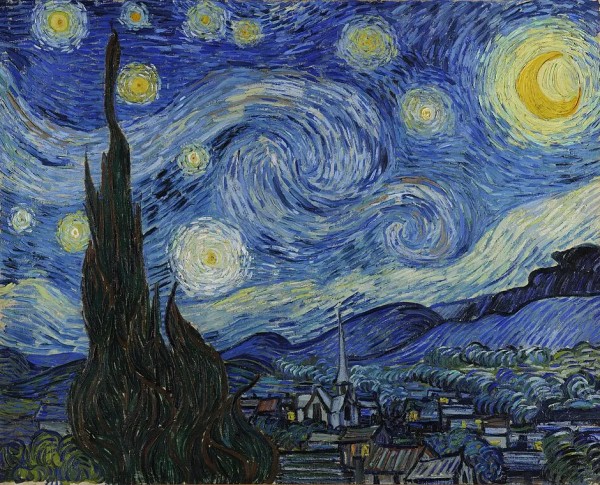
Compared to other works from the same period, "Driveway" stands out for its vibrant color palette and emotional depth. It shares thematic similarities with pieces like "Starry Night," where Van Gogh explores the interplay between nature and emotion.
What is the significance of the colors used in "Driveway"?
The colors in "Driveway" are significant as they convey mood and emotion. The use of bright yellows and deep blues creates a striking contrast, symbolizing the tension between light and darkness in Van Gogh's life.
What impact did "Driveway" have on the art world?
"Driveway" contributed to the recognition of Van Gogh as a pioneer of modern art. Its innovative use of color and form influenced subsequent generations of artists, paving the way for movements such as Expressionism and Abstract art.






















_GFM_Painting_(1).webp)


 100% Hand-Painted: Finished in 3-6 Weeks

.png)
















_(1).webp)