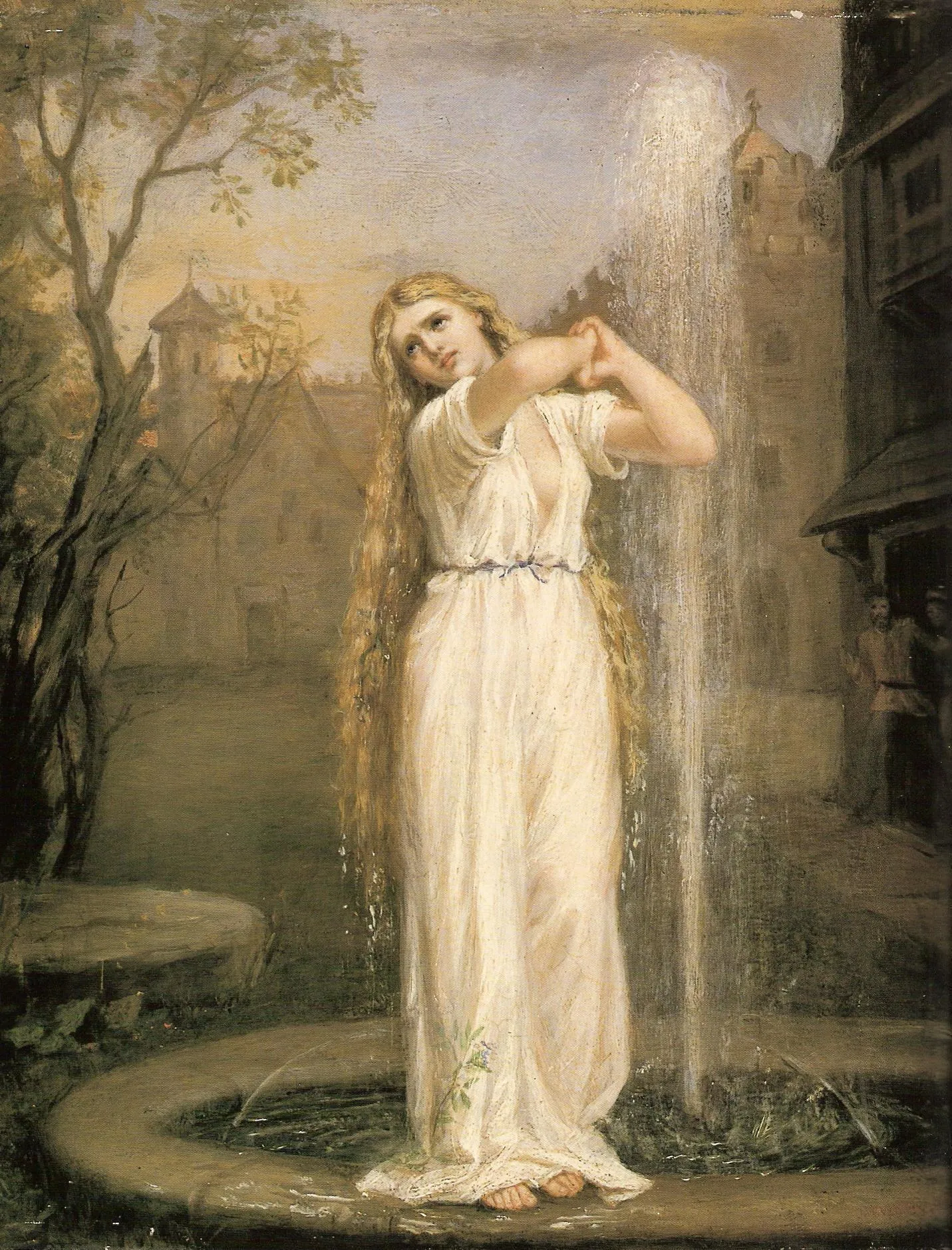
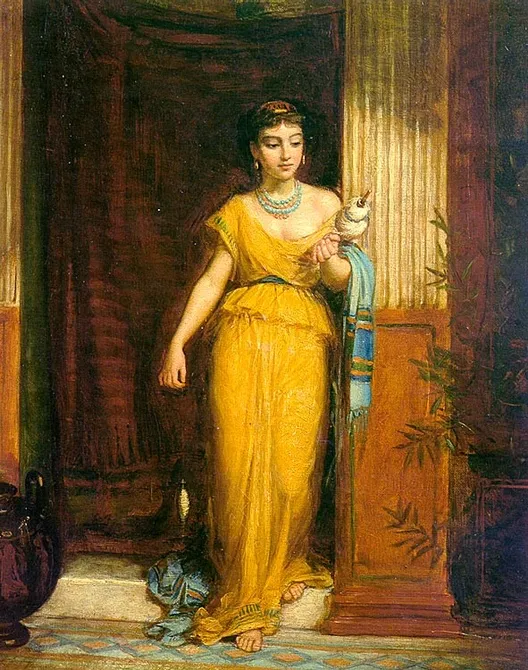
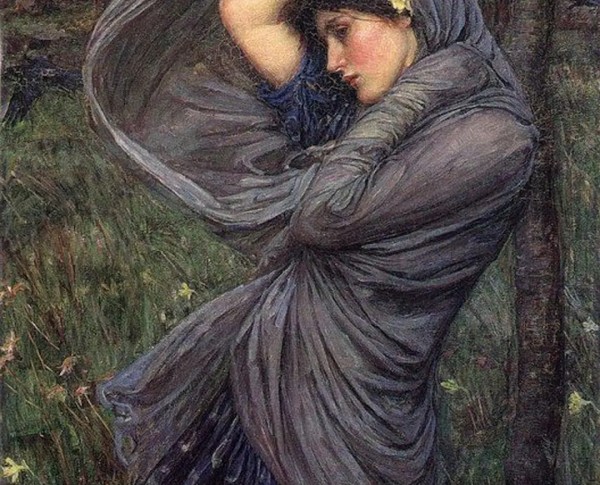
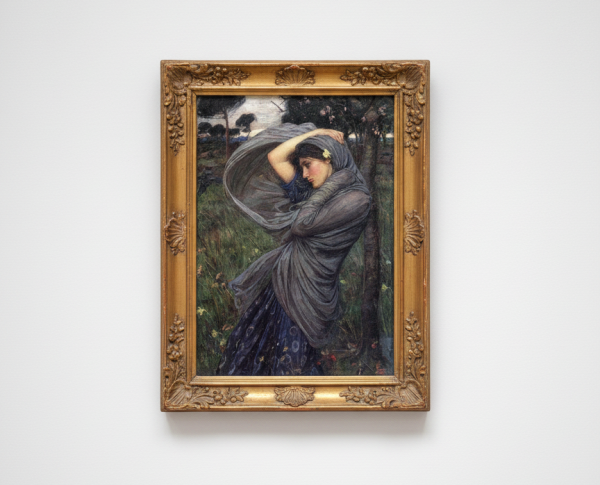
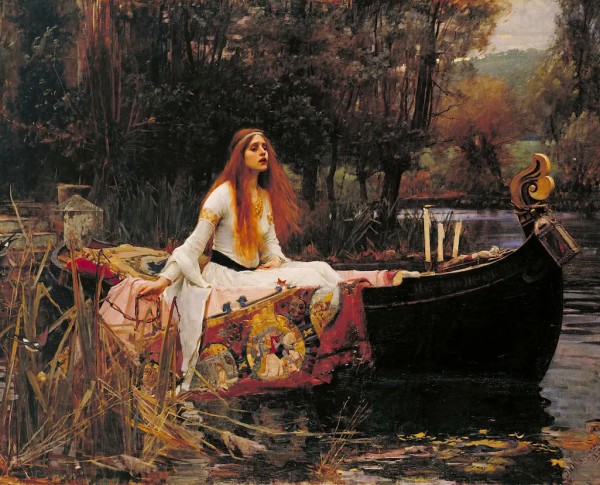
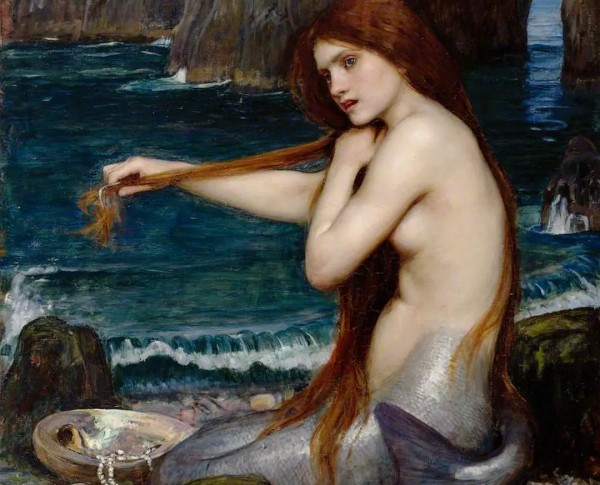
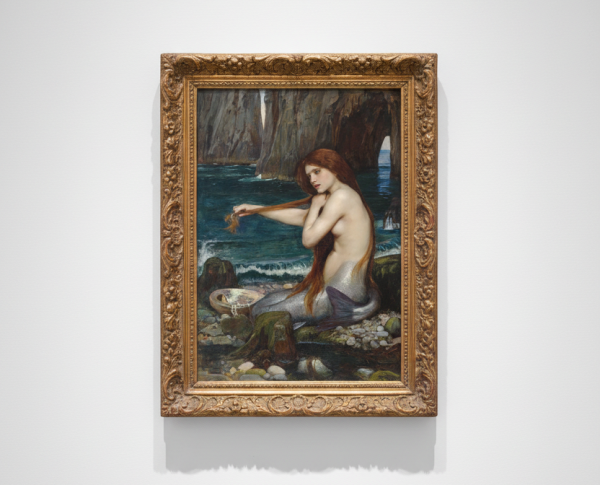
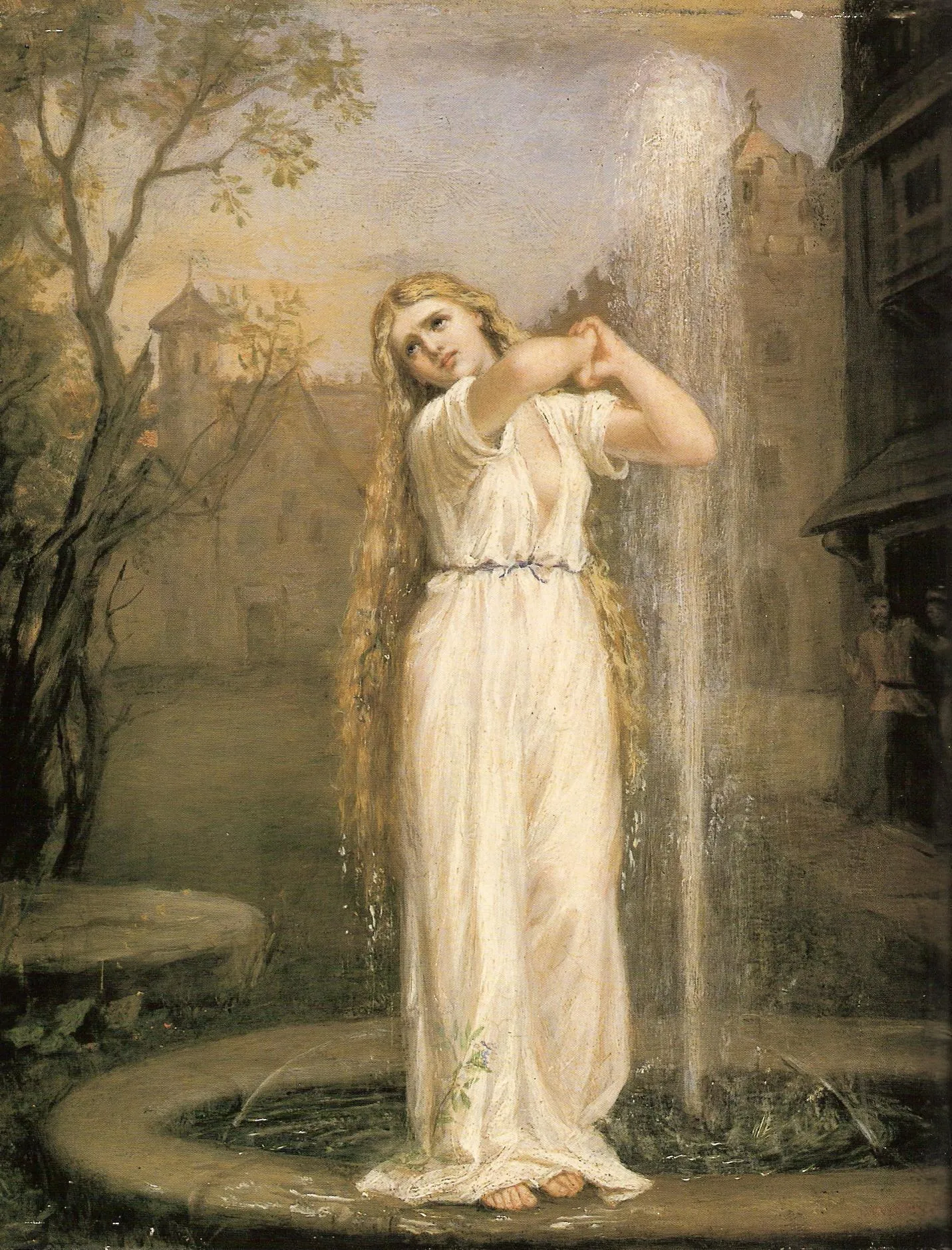
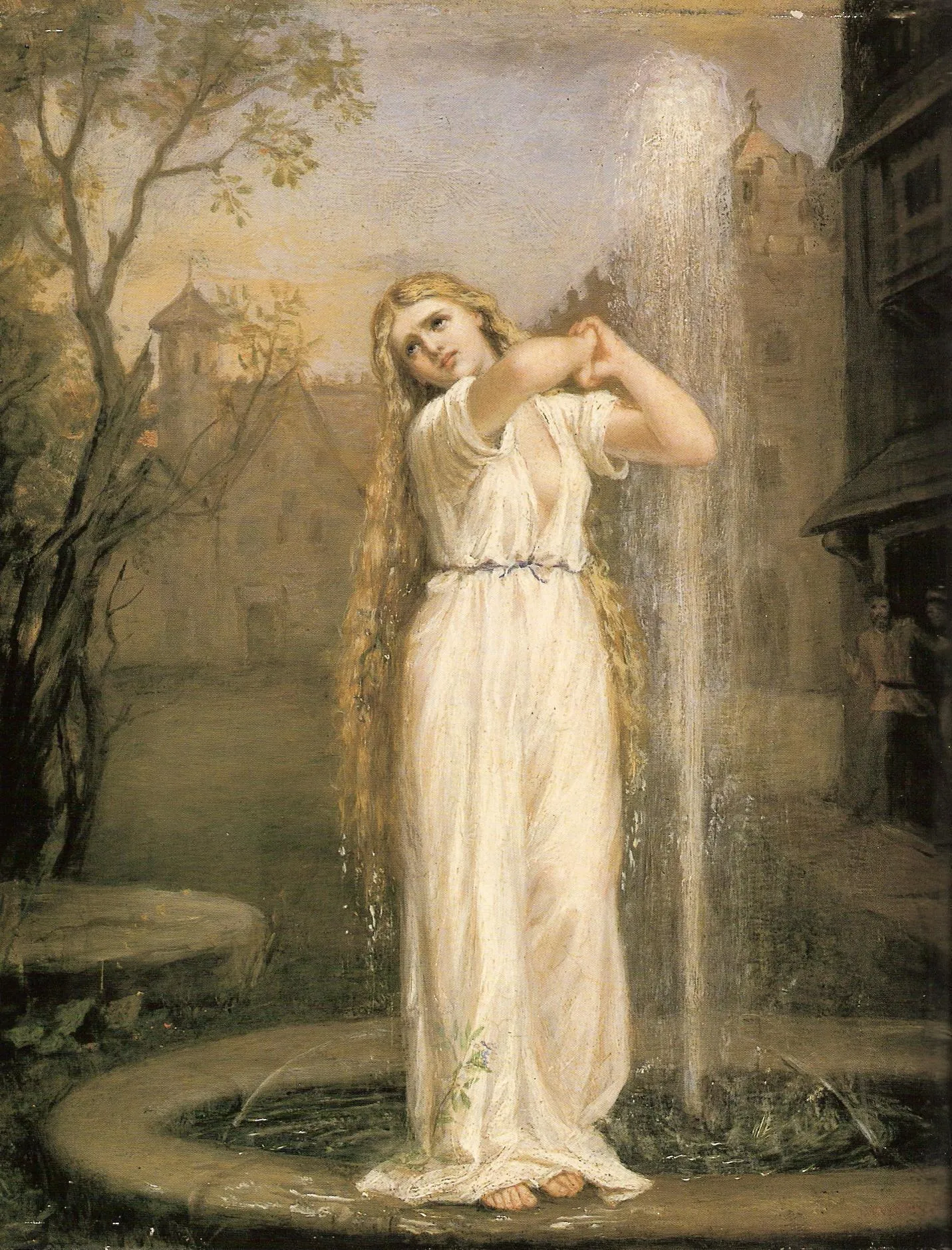
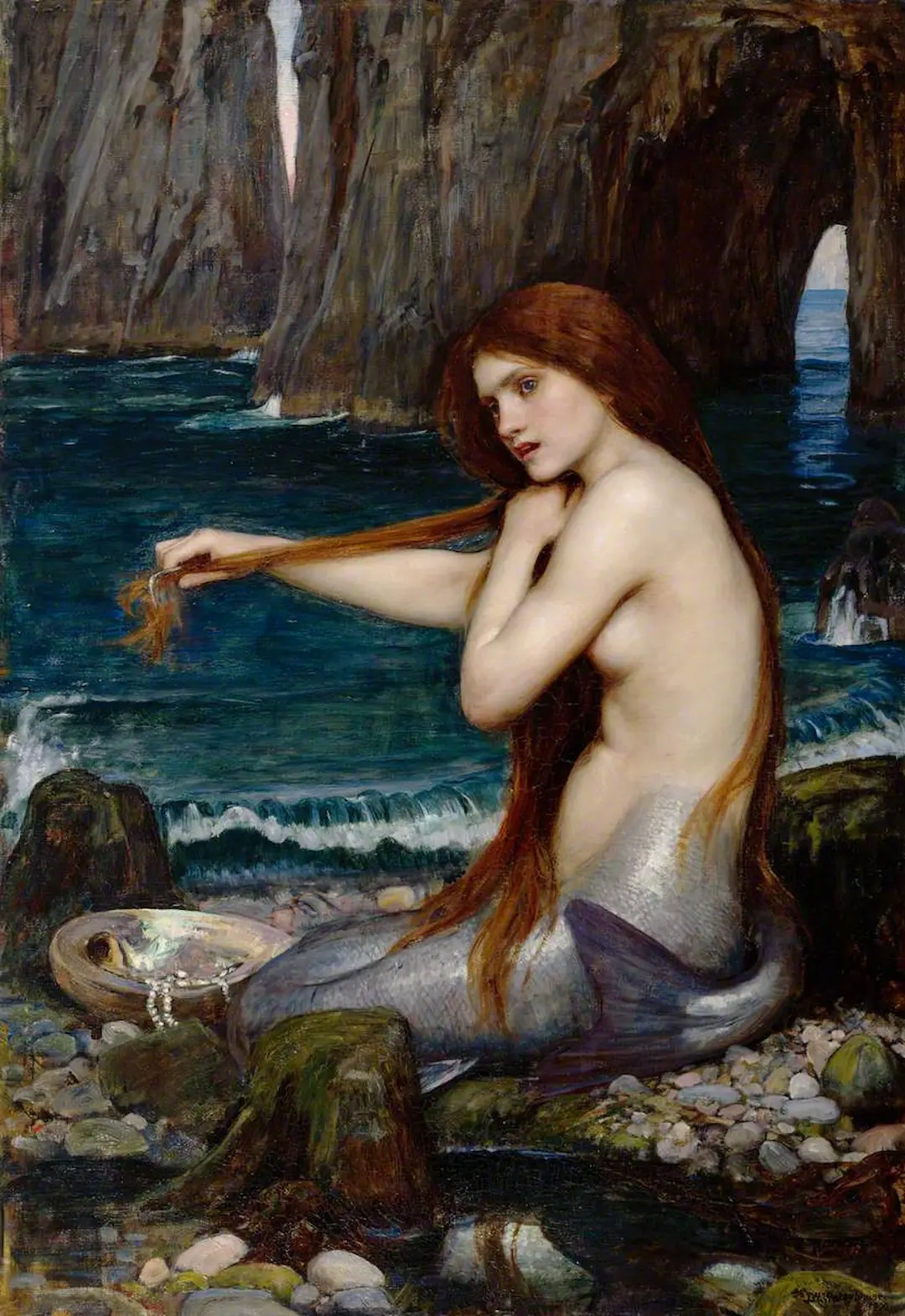
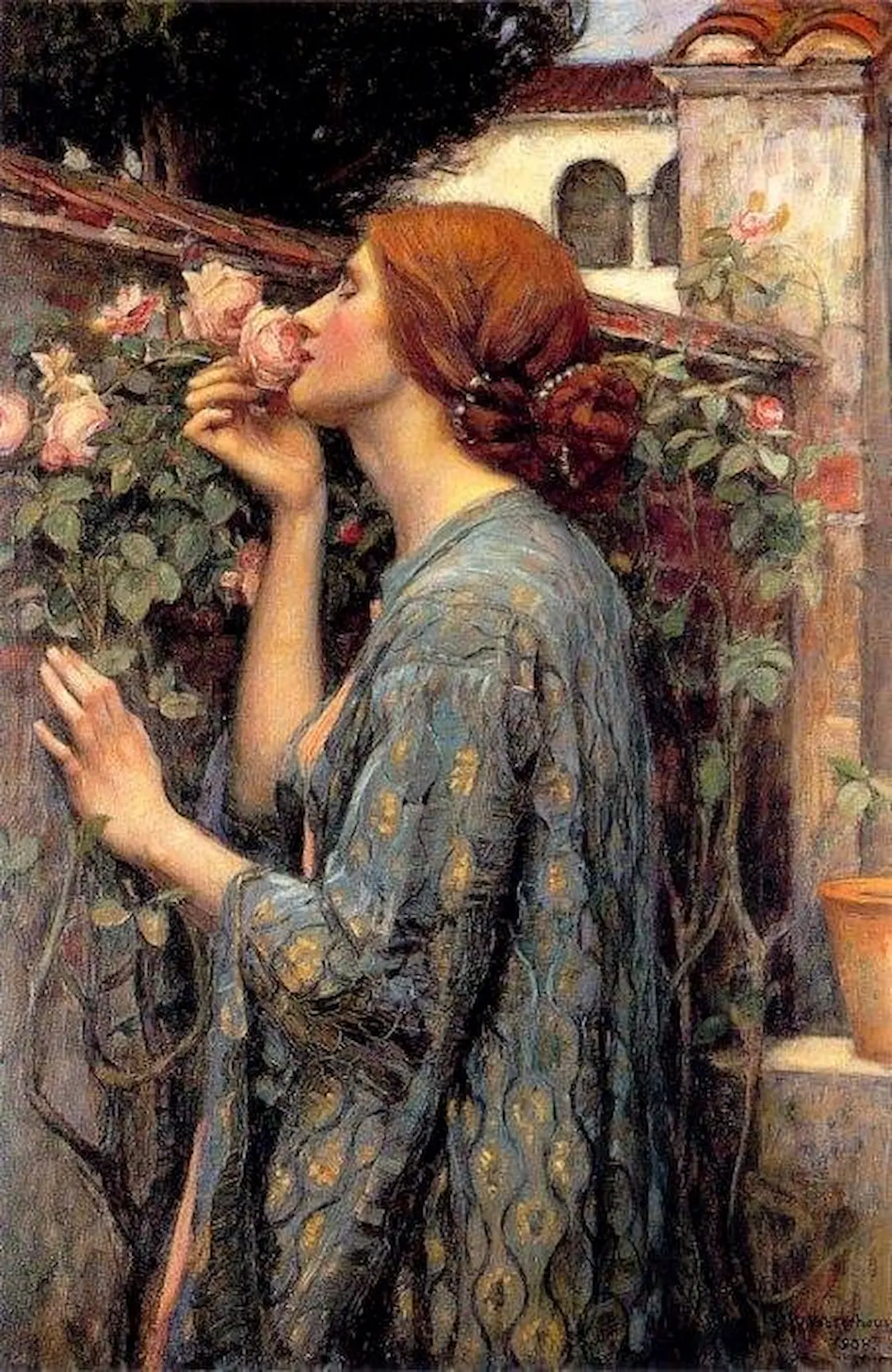
Waterhouse’s technique in "Undine" reveals the exquisite detail and vibrant color that define his oil on canvas masterpieces. Every brushstroke contributes to the dreamlike atmosphere, blending Pre-Raphaelite realism with a touch of fantasy. Collectors and admirers of fine art painting for sale often seek out Waterhouse’s pieces, including "A Mermaid 1900" and "The Soul of the Rose 1908," for their unparalleled craftsmanship and emotional depth.
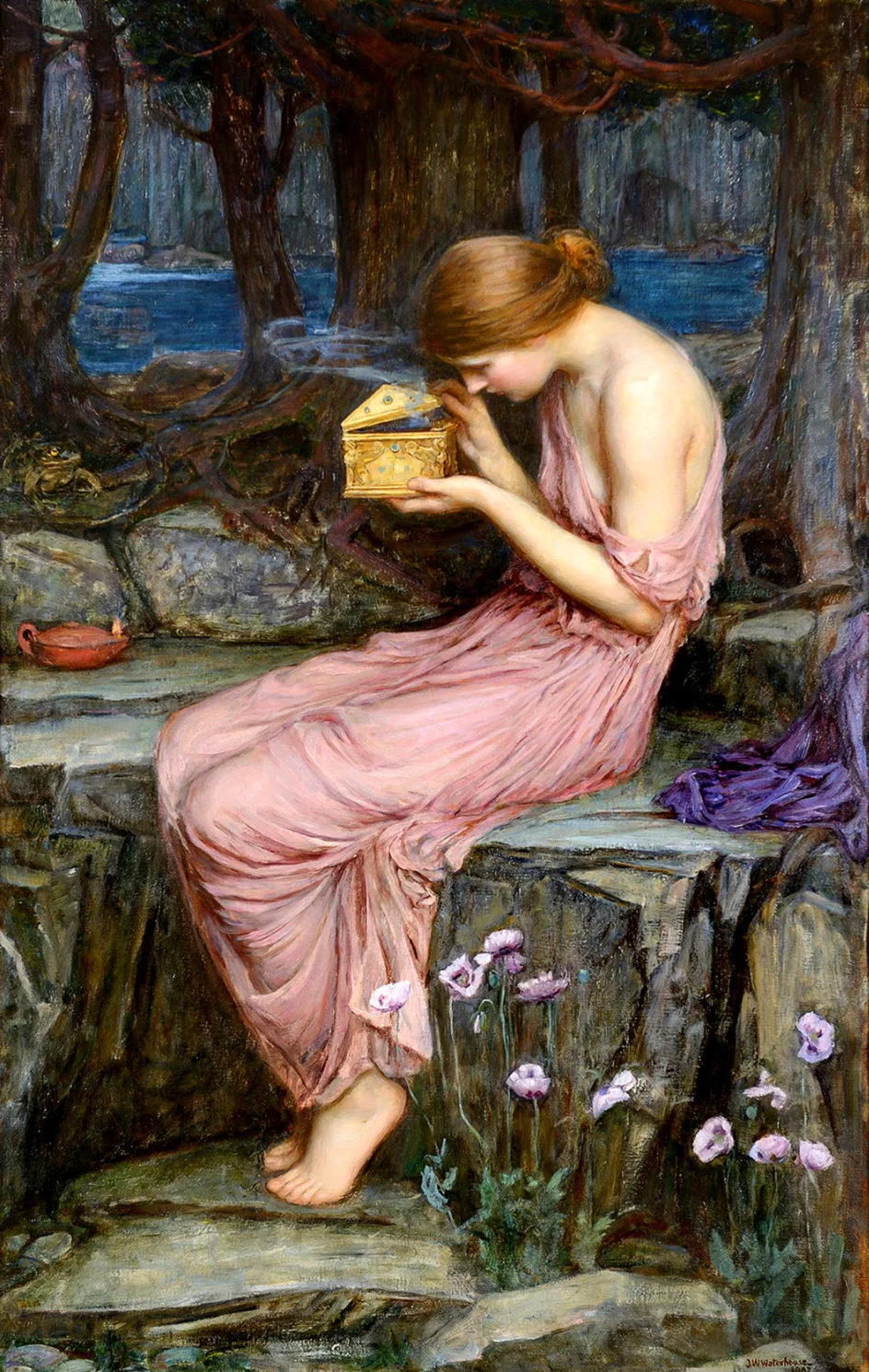
"Undine" delves into myth and legend, portraying the water nymph’s tragic romantic tale through symbolic elements carefully rendered in oil on canvas. Waterhouse’s artistry invites viewers to explore themes of love and transformation, a hallmark of the Pre-Raphaelites. Those enchanted by this narrative may also appreciate related works such as "Psyche Opening the Golden Box 1903" and "The Slave," each offering a unique window into mythological storytelling.
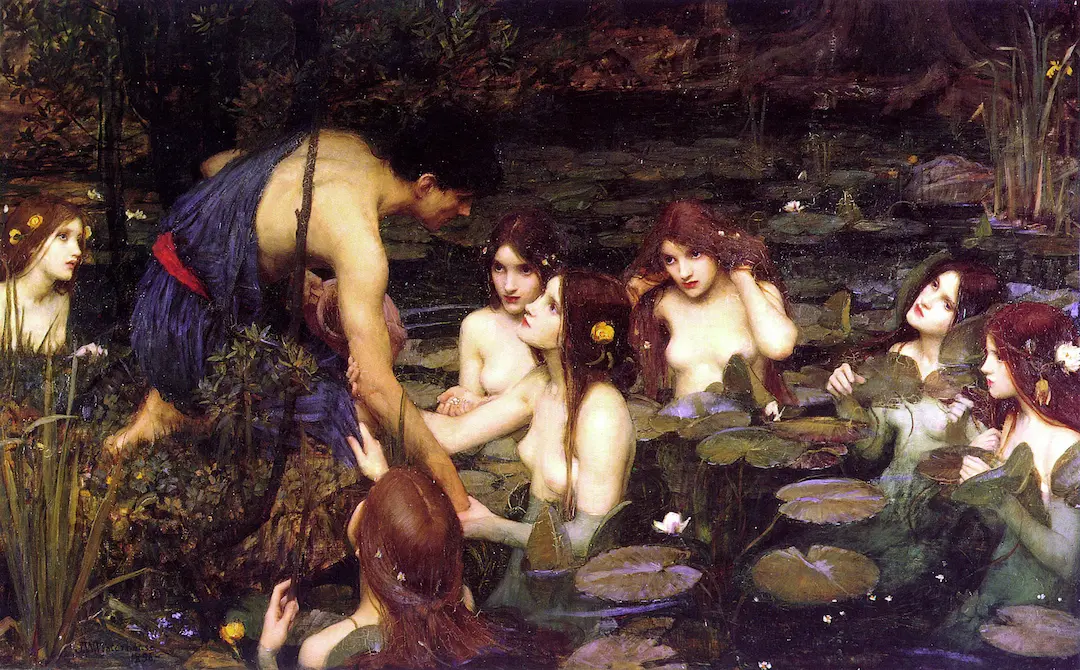
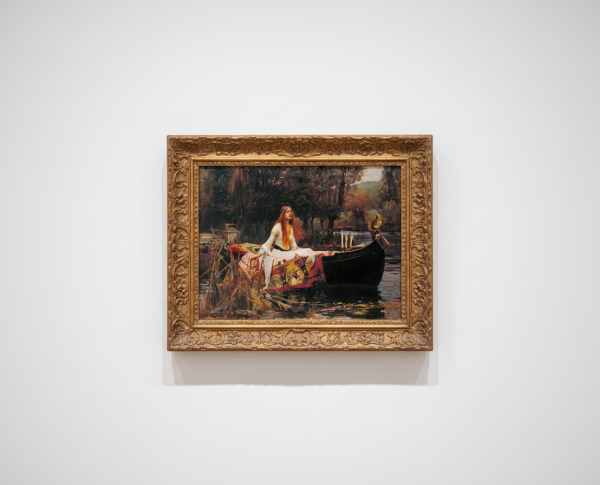
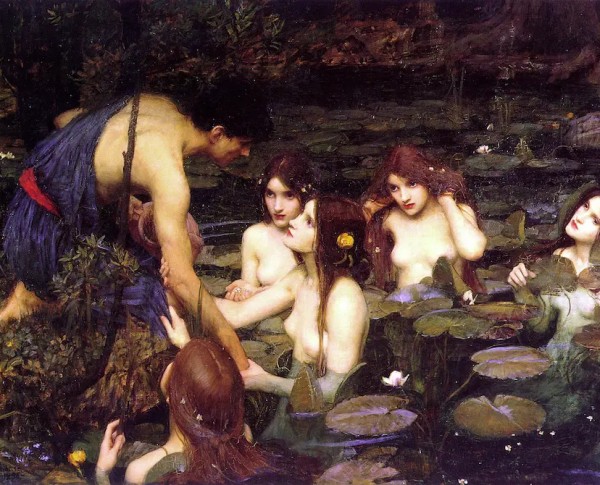
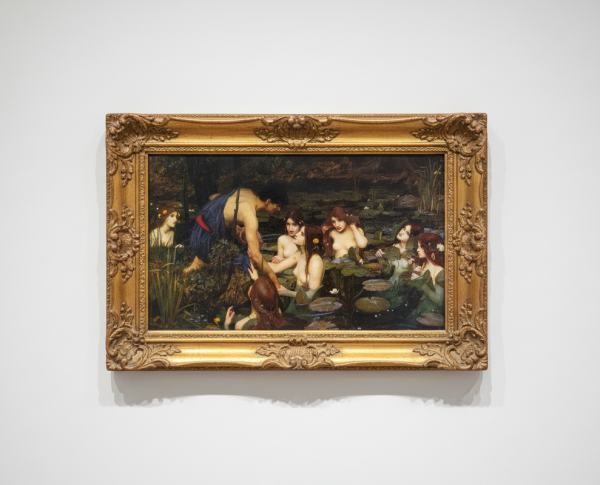
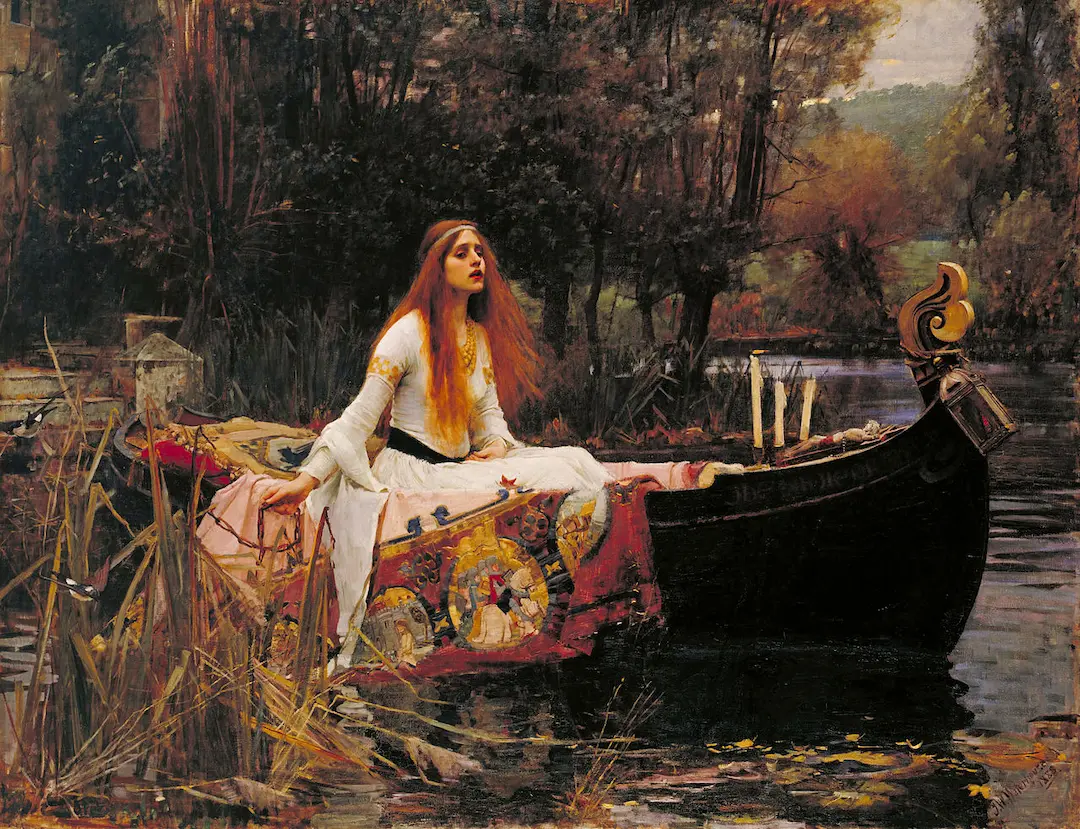
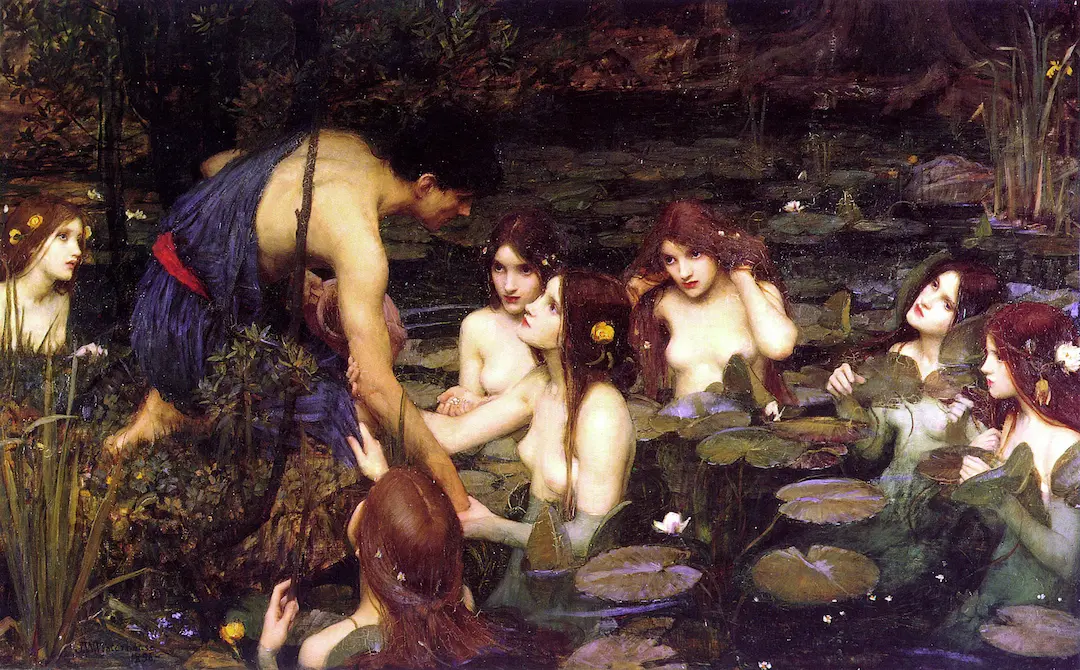
For collectors, owning "Undine" by John William Waterhouse signifies more than just acquiring a fine art painting for sale; it is an investment in historical and artistic legacy. The painting’s connection to the Pre-Raphaelites and its association with masterpieces like "Hylas and the Nymphs 1896" and "The Lady of Shalott 1888" enhances its desirability. Waterhouse’s enduring influence ensures "Undine" remains a coveted highlight in any distinguished art collection.
When Art Meets History
"Undine" by John William Waterhouse stands as a remarkable example of the Pre-Raphaelites movement, capturing myth and romance in a single hand-painted oil painting. Created during a period when artists sought to revive the detail and vibrancy of early Renaissance art, this masterpiece reflects a fascination with literary and mythical subjects. Waterhouse, known for works like "Eve" and "Night with her Train of Stars," brought history and legend together in a way that continues to inspire art lovers today.
Techniques That Speak
John William Waterhouse’s "Undine" showcases his exceptional skill with oil on canvas, a medium favored by the Pre-Raphaelites for its richness and versatility. The meticulous attention to detail, delicate brushwork, and vibrant color palette are hallmarks of his style. These techniques connect "Undine" to related paintings such as "Landscape with Trees" and "War," highlighting the movement’s dedication to realism and emotional depth, while making each scene come alive with luminous clarity.
Emotions on Display
The emotional resonance of "Undine" is palpable, as Waterhouse weaves longing and mystery into every brushstroke of this fine art painting for sale. The subject’s ethereal beauty and introspective gaze invite viewers into her world, a characteristic shared with pieces like "Eve" and "Night with her Train of Stars." Through the lens of the Pre-Raphaelites, Waterhouse evokes a sense of enchantment and melancholy, making "Undine" a timeless exploration of the human spirit.
Coveted by Collectors
Collectors and art enthusiasts alike are drawn to "Undine" for its enchanting narrative and masterful execution as a hand-painted oil painting. As a significant work by John William Waterhouse within the Pre-Raphaelites movement, it stands alongside notable pieces such as "William Boxall" and "War." The rarity and allure of such paintings make them highly sought-after, ensuring "Undine" maintains its status as a treasured fine art painting for sale in the global art market.
Related Pre-Raphaelites Hand-Painted Oil Paintings by Other Artists
Other Famous Pre-Raphaelites Artists:
Frequently Asked Questions About Undine
What is the historical context of "Undine"?
"Undine," painted by John William Waterhouse in 1872, reflects the Pre-Raphaelite movement's fascination with mythological and literary themes, drawing inspiration from the German fairy tale "Undine" by Friedrich de la Motte Fouqué, which explores themes of love, sacrifice, and the human condition.
What artistic techniques did Waterhouse employ in "Undine"?
Waterhouse utilized a combination of vibrant color palettes, intricate detailing, and a focus on naturalistic forms to create a sense of movement and emotion in "Undine." His use of light and shadow enhances the ethereal quality of the subject.
What is the significance of the figure of Undine in the painting?
The figure of Undine represents the duality of nature and humanity, embodying both beauty and tragedy. Her portrayal as a water nymph symbolizes the connection between the natural world and human emotions, particularly in the context of love and longing.
How does "Undine" reflect the themes of the Pre-Raphaelite Brotherhood?
The painting aligns with Pre-Raphaelite ideals by emphasizing romanticism, emotional depth, and an appreciation for nature. It also showcases a narrative quality, inviting viewers to engage with the story behind the character of Undine.
What role does color play in "Undine"?
Color in "Undine" serves to evoke mood and atmosphere, with soft blues and greens suggesting the aquatic environment, while warm tones in the figure's skin create a contrast that highlights her presence. This use of color enhances the emotional resonance of the painting.
What symbolism is present in the painting?
Symbolism in "Undine" includes water as a representation of the unconscious and emotional depth, while the figure's flowing hair and garments suggest fluidity and transformation. The painting captures the essence of longing and the interplay between desire and sacrifice.
How does "Undine" compare to other works by Waterhouse?
Compared to other works by Waterhouse, "Undine" showcases his signature style of merging mythological themes with a focus on female figures. It shares similarities with paintings like "The Lady of Shalott," where narrative and emotional depth are central to the composition.
What influence did "Undine" have on later artists?
"Undine" has influenced later artists by reinforcing the romantic portrayal of mythological subjects and the exploration of emotional narratives. Its impact can be seen in the works of artists who followed the Pre-Raphaelite movement, continuing to explore themes of love and nature.
What is the current location of "Undine"?
"Undine" is part of the collection at the Manchester Art Gallery in England, where it continues to be appreciated for its artistic and historical significance, attracting visitors interested in the Pre-Raphaelite movement and Waterhouse's oeuvre.
What can viewers learn from "Undine"?
Viewers can learn about the intersection of art, literature, and mythology through "Undine." The painting serves as a reminder of the emotional complexities of love and the human experience, encouraging reflection on the themes of sacrifice and desire present in the narrative.























_GFM_Painting_(1).webp)


 100% Hand-Painted: Finished in 3-6 Weeks

.png)















_(1).webp)