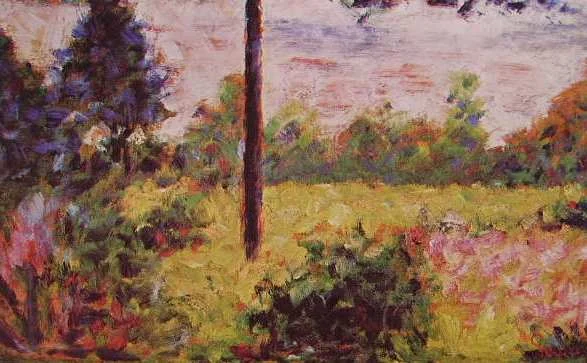
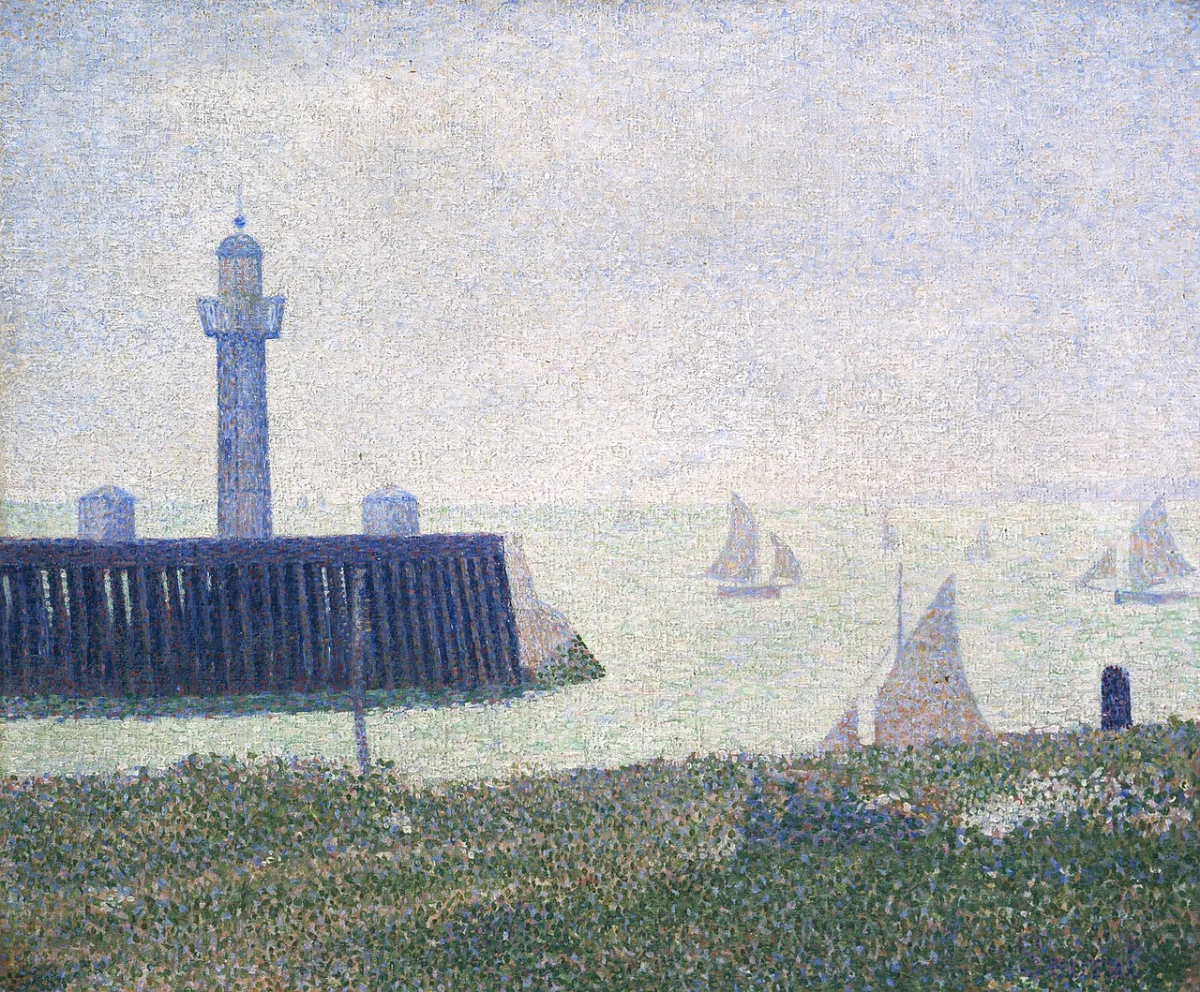
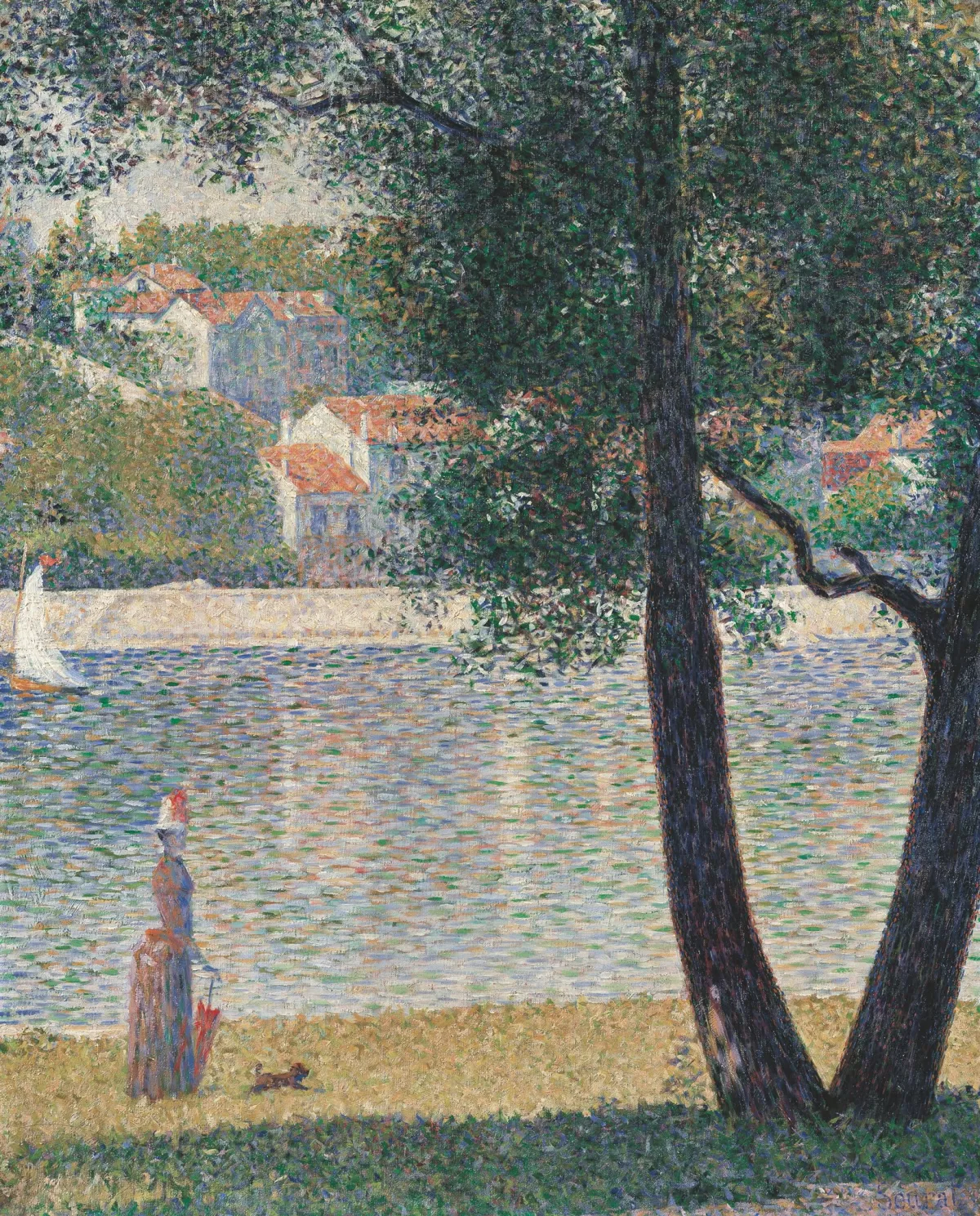
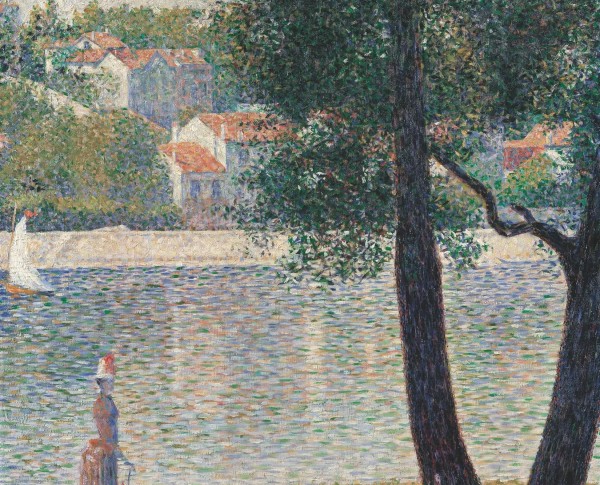
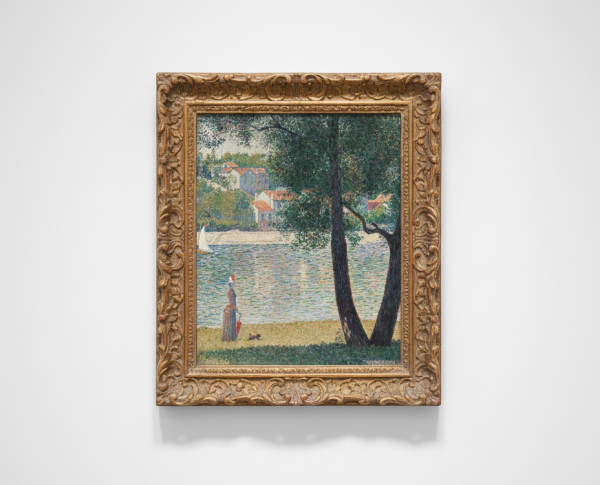
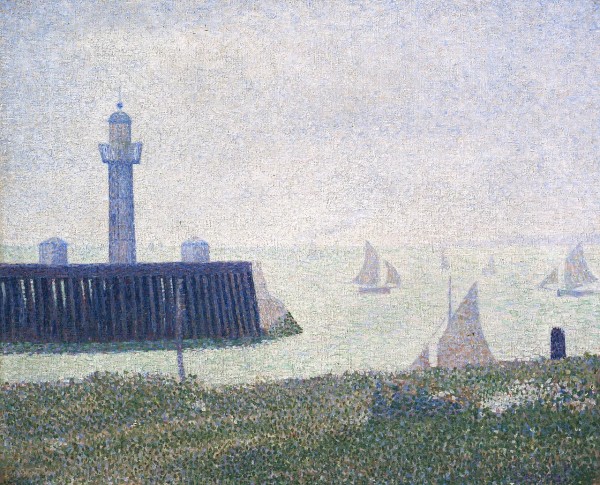
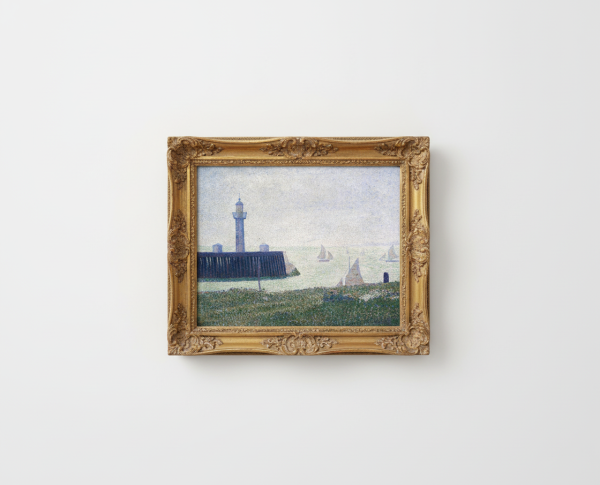
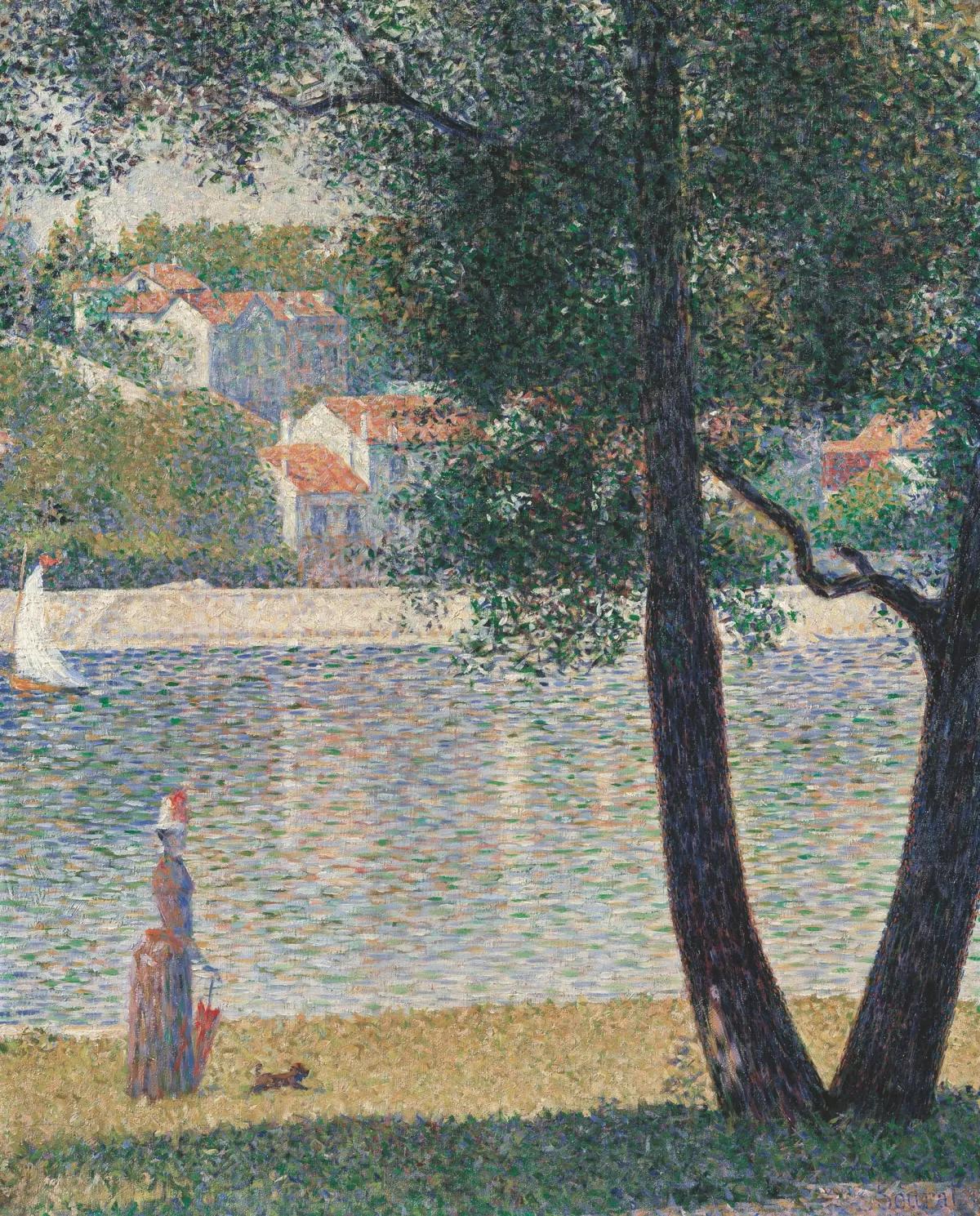
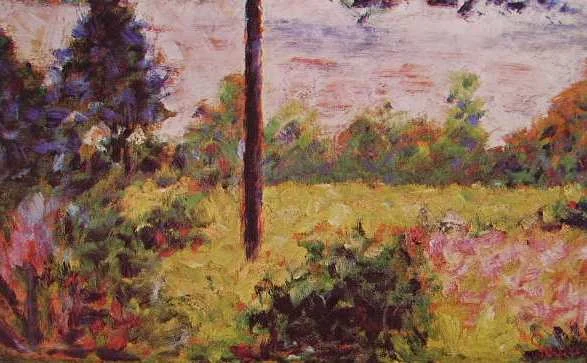
The brilliance of "Winter" lies in Seurat’s meticulous technique, using oil on canvas to render every detail with precision. His mastery of pointillism brings a unique texture and vibrancy to the scene, making it an essential piece for any art enthusiast. Collectors often pair this work with related paintings like "Clothes on the Grass" or "The Seine at Courbevoie" to celebrate the diversity of Seurat’s Post-Impressionism portfolio.
Within "Winter," Georges Seurat weaves subtle stories and symbols that invite viewers to reflect on the season’s quietude and transformation. This fine art painting for sale embodies the Post-Impressionism movement’s focus on mood and meaning. Complementing pieces such as "Fields with trees in Barbizon" and "The Stone Breaker III" echo similar themes, making them excellent choices for collectors seeking narrative-rich artworks.
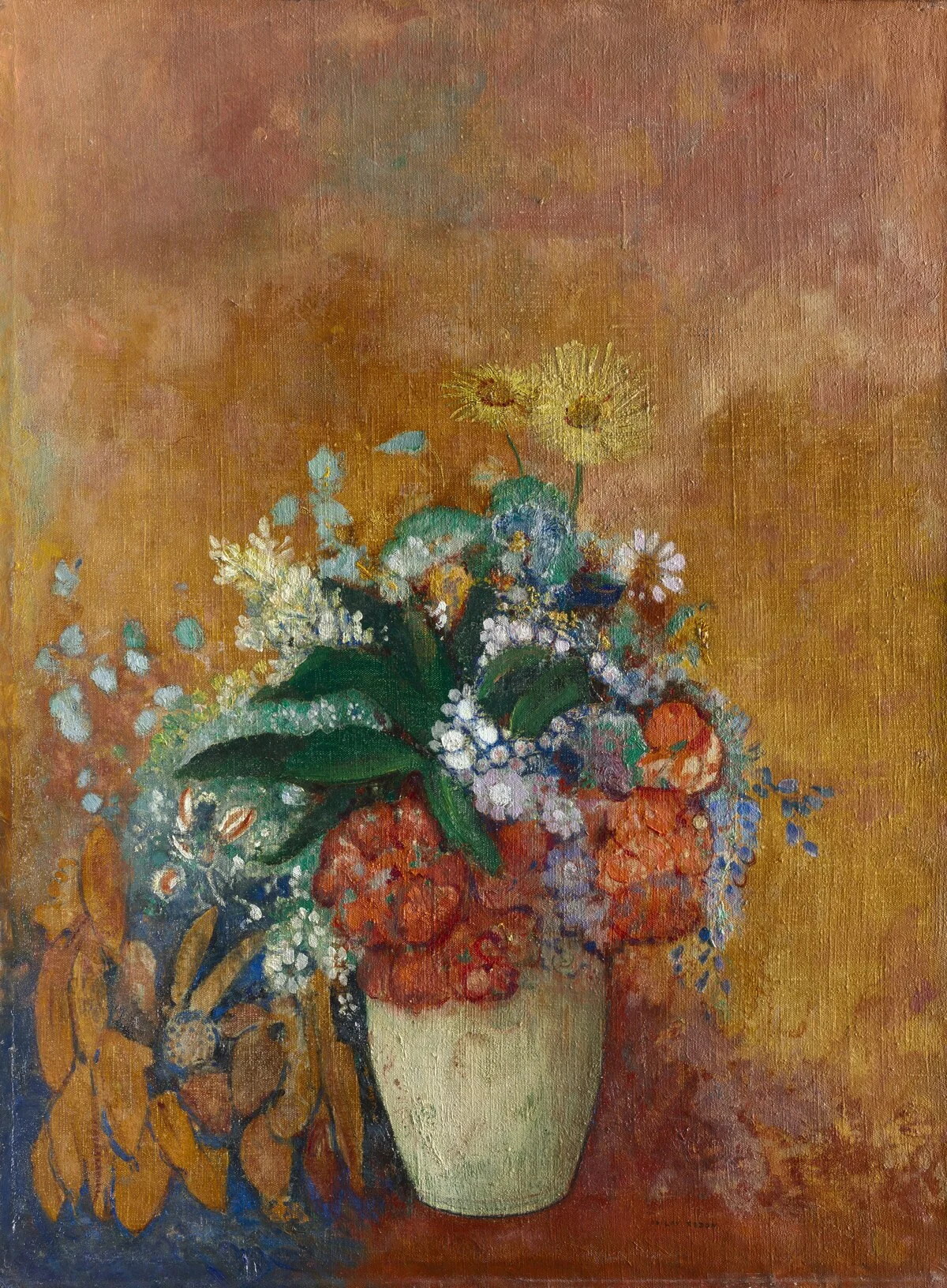
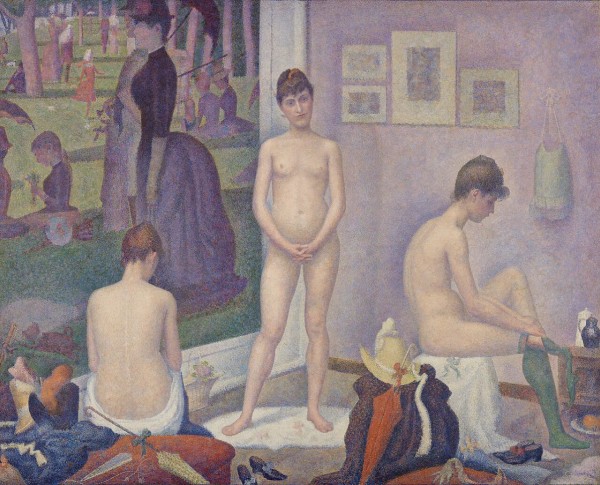
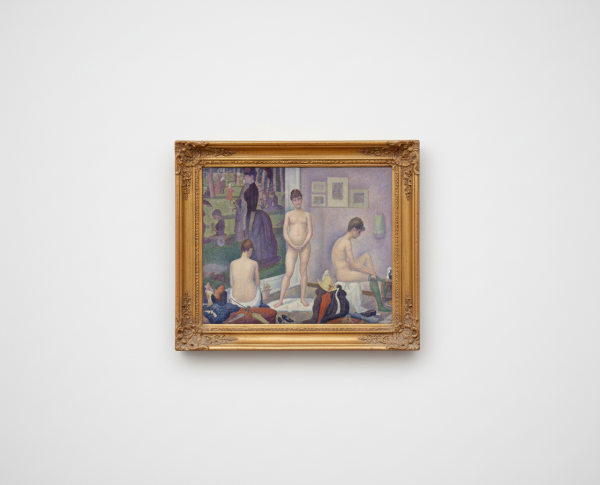
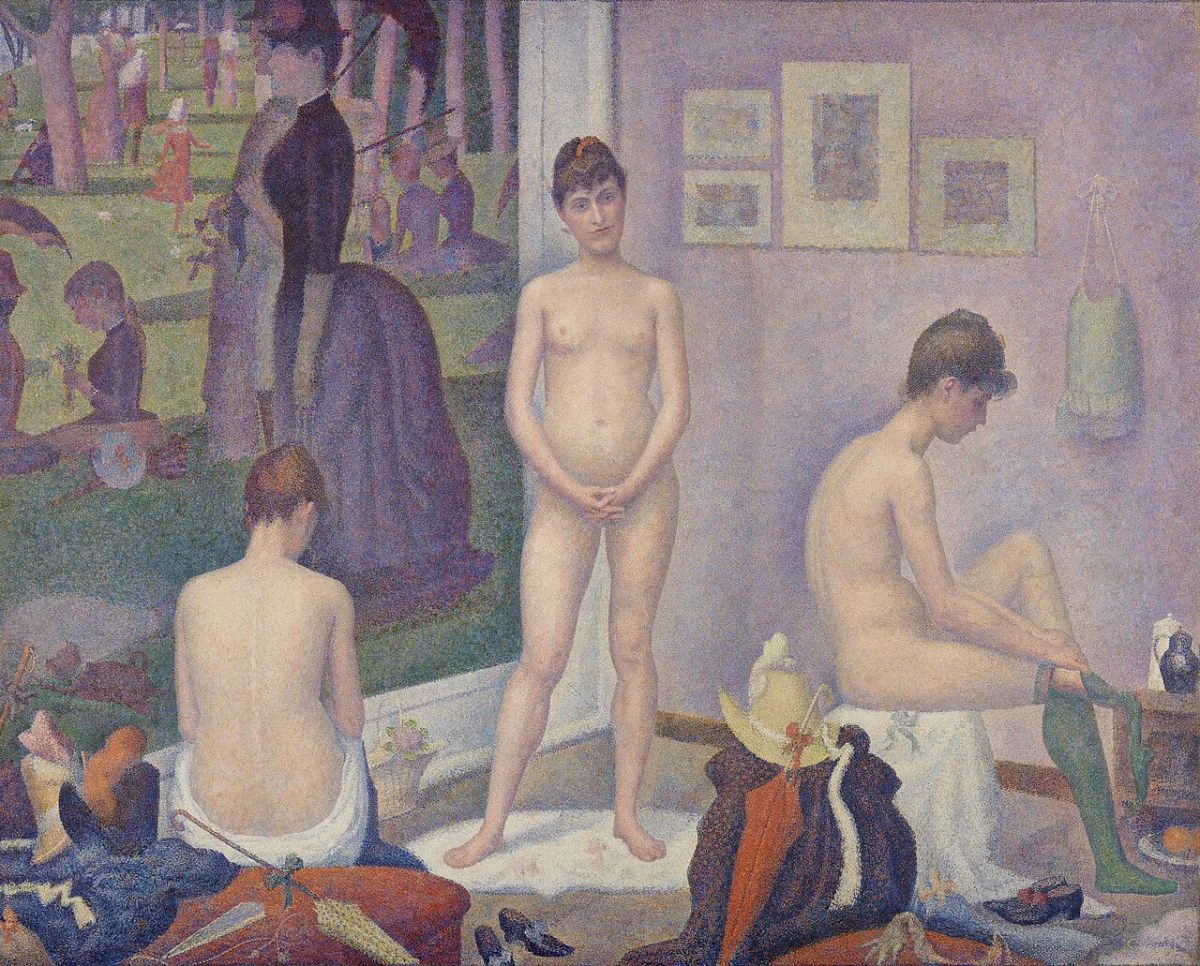
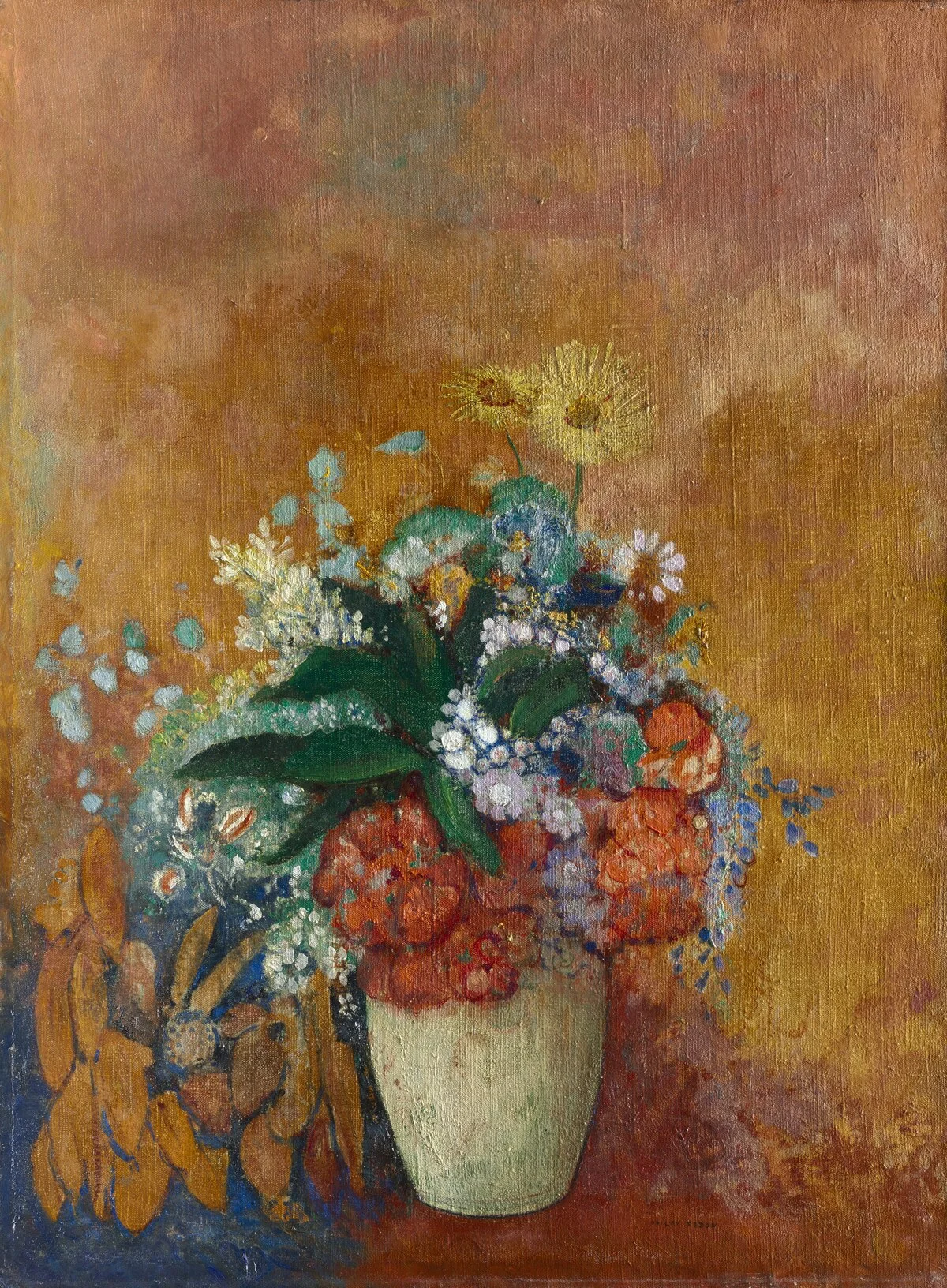
For collectors, "Winter" by Georges Seurat is more than just a painting—it’s a hand-painted oil painting that exemplifies the innovation of Post-Impressionism. Owning such a masterpiece, along with related products like "Vase of Flowers" or "The Models," elevates any fine art collection. Seurat’s enduring legacy ensures that each of these works remains a prized possession for those who appreciate the evolution of modern art.
When Art Meets History
"Winter" by Georges Seurat stands as a testament to the Post-Impressionism movement, capturing a unique moment where art and history intertwine. This hand-painted oil painting reflects Seurat's innovative approach, echoing the transformative period of late 19th-century art. Like related works such as "Vase With Twelve Sunflowers II" and "In the forest Saint Cloud," "Winter" offers a window into the era’s evolving artistic landscape, making it a valued piece for enthusiasts and historians alike.
Techniques That Speak
Georges Seurat’s "Winter" showcases his mastery of oil on canvas, utilizing the signature pointillist technique that defines much of his work within the Post-Impressionism movement. The meticulous application of color dots creates vibrant texture and depth, a hallmark shared with related paintings like "Woman on Her Deathbed." Seurat’s technical prowess in "Winter" demonstrates how oil on canvas can be transformed into a dynamic visual experience, captivating viewers with every carefully placed stroke.
Emotions on Display
The evocative nature of Seurat’s "Winter" conveys a sense of quiet introspection, drawing viewers into its serene yet contemplative atmosphere. This fine art painting for sale resonates with the emotional undertones often found in the Post-Impressionism movement, paralleling works such as "Morning Mist on the Orwell" and "Bowl With Peonies And Roses." Through subtle shifts in light and color, Seurat invites us to reflect on the stillness and beauty of the winter season.
Coveted by Collectors
"Winter" remains highly coveted by collectors who appreciate the enduring influence of Georges Seurat and the Post-Impressionism movement. As a hand-painted oil painting, it represents both artistic innovation and historical significance, much like its related counterparts. Collectors seeking a fine art painting for sale recognize "Winter" as a valuable addition to any collection, offering a blend of aesthetic appeal and cultural heritage that continues to inspire admiration worldwide.
Related Post-Impressionism Hand-Painted Oil Paintings by Other Artists
Other Famous Post-Impressionism Artists:
Frequently Asked Questions About Winter
What is the historical context of Georges Seurat's painting "Winter"?
"Winter" was created during the late 19th century, a period marked by the rise of Impressionism and the exploration of new artistic techniques. Seurat, a pivotal figure in the Post-Impressionist movement, sought to capture the essence of light and color through his innovative pointillist technique.
What artistic techniques did Seurat employ in "Winter"?
In "Winter," Seurat utilized pointillism, a method involving the application of small dots of color to create a cohesive image. This technique allows for a vibrant interplay of colors and light, enhancing the overall atmosphere of the painting.
How does "Winter" reflect the themes of the Post-Impressionist movement?
"Winter" embodies the Post-Impressionist focus on emotional expression and the exploration of color theory. Seurat's meticulous approach contrasts with the spontaneous brushwork of Impressionists, emphasizing structure and form while still conveying the mood of the season.
What symbolism is present in "Winter"?
The painting symbolizes the tranquility and stillness of winter, capturing the essence of the season through its serene color palette and composition. The use of cool tones evokes a sense of calm, while the depiction of figures suggests the quietude often associated with winter landscapes.
What influences can be seen in Seurat's "Winter"?
Seurat was influenced by the scientific study of color and light, particularly the theories of color juxtaposition. Additionally, the work reflects the influence of Impressionism, while also paving the way for future movements such as Neo-Impressionism.
How does "Winter" compare to Seurat's other works?
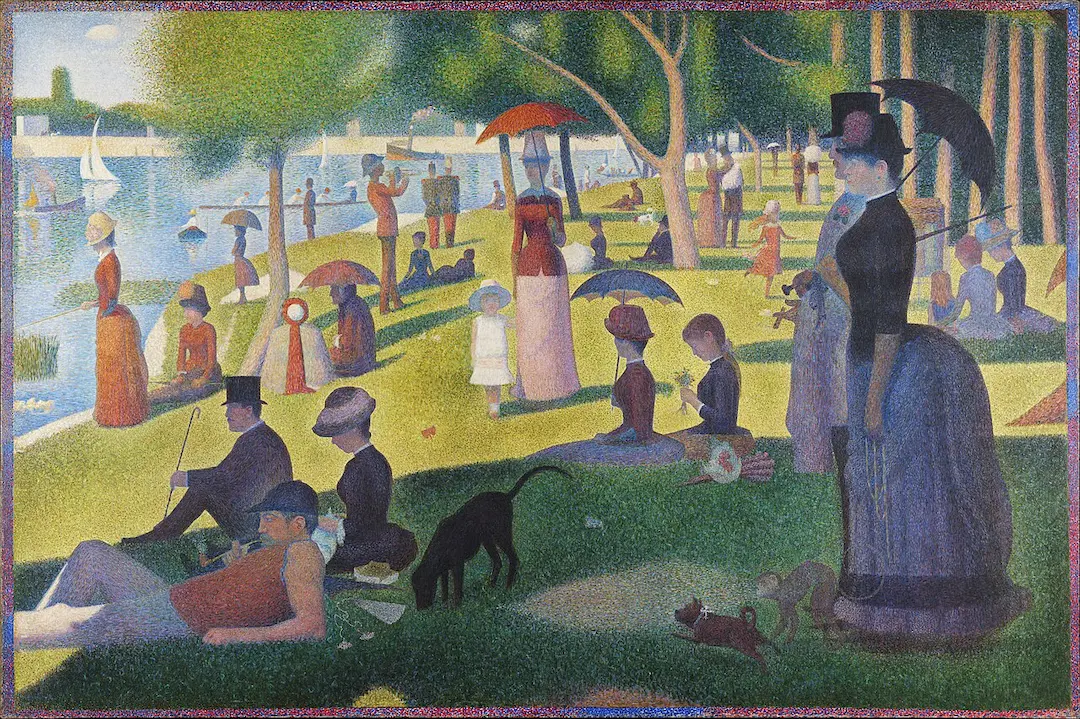
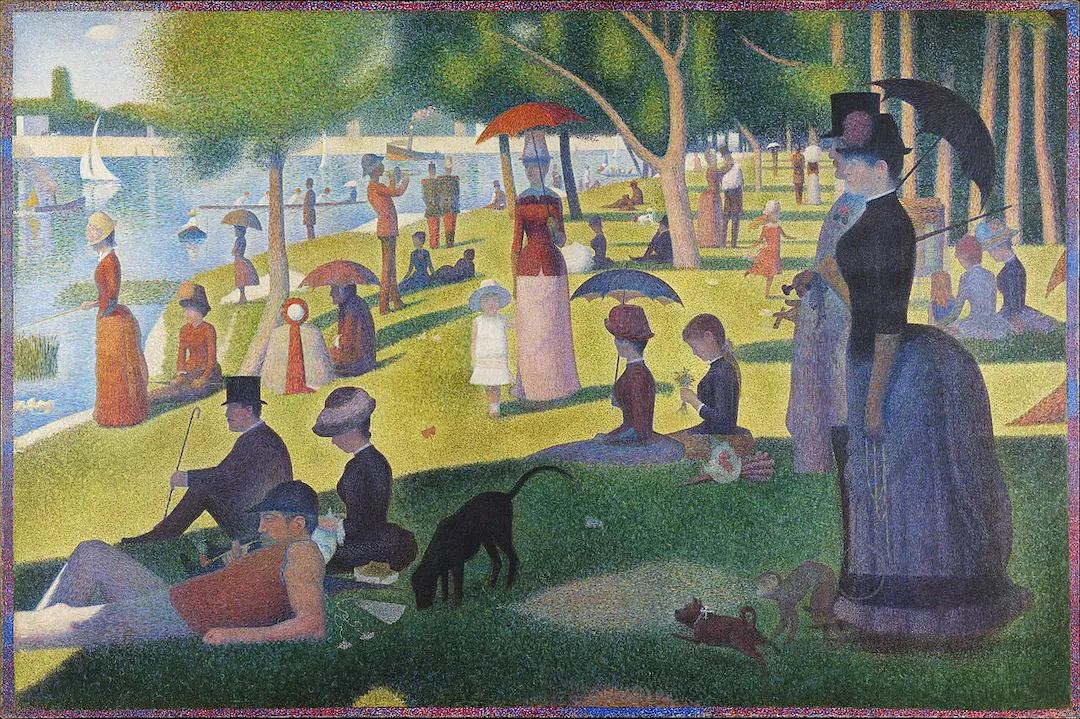
Compared to Seurat's more famous work, "A Sunday Afternoon on the Island of La Grande Jatte," "Winter" showcases a more subdued palette and a focus on the serene aspects of nature. This contrast highlights Seurat's versatility as an artist and his ability to convey different moods through color and composition.
What role does light play in "Winter"?
Light is a central element in "Winter," as Seurat carefully manipulates color to create a sense of luminosity. The interplay of light and shadow enhances the three-dimensionality of the figures and landscape, inviting viewers to experience the scene as if they were present in the winter environment.
What is the significance of the figures depicted in "Winter"?
The figures in "Winter" represent the human experience within the natural world, embodying themes of solitude and reflection. Their placement within the landscape emphasizes the relationship between humanity and nature, a recurring theme in Seurat's oeuvre.
What impact did "Winter" have on the art community?
"Winter" contributed to the evolution of modern art by showcasing the potential of color theory and pointillism. Seurat's innovative techniques inspired subsequent generations of artists to explore new methods of representation and expression in their work.
How is "Winter" perceived in contemporary art discussions?
In contemporary art discussions, "Winter" is often examined for its technical mastery and emotional depth. It serves as a pivotal example of how color and form can be manipulated to evoke feelings and convey complex themes, solidifying Seurat's legacy as a transformative figure in art history.























_GFM_Painting_(1).webp)


 100% Hand-Painted: Finished in 3-6 Weeks

.png)















_(1).webp)