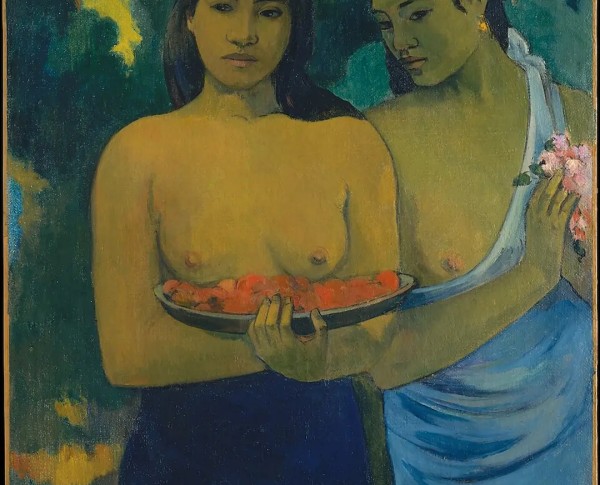
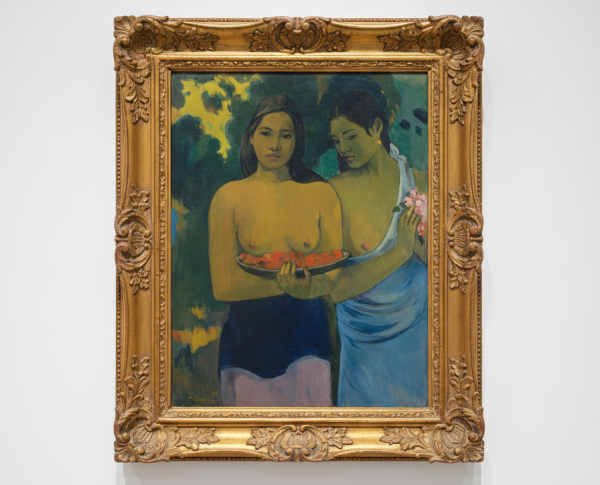
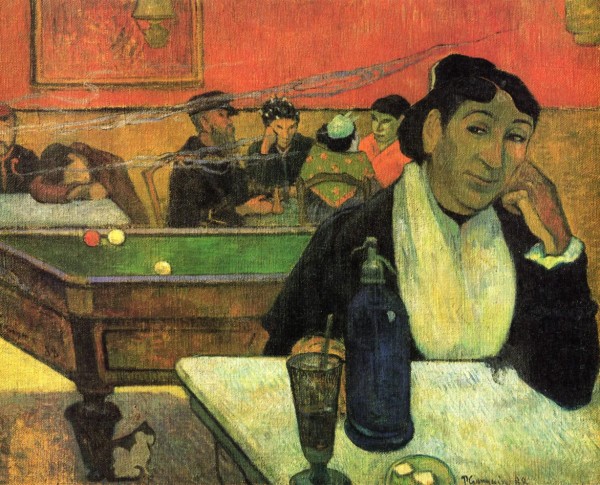
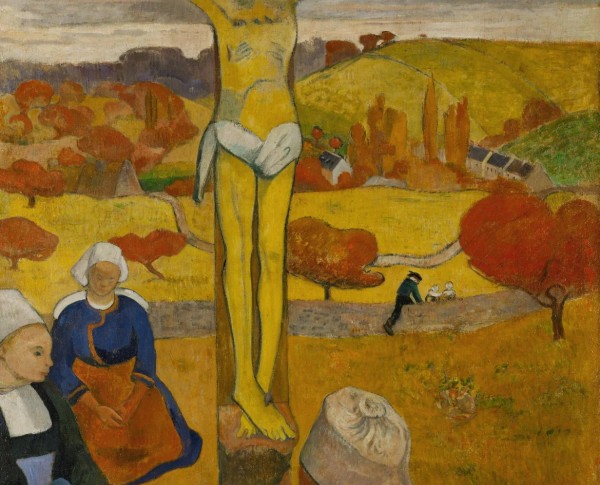
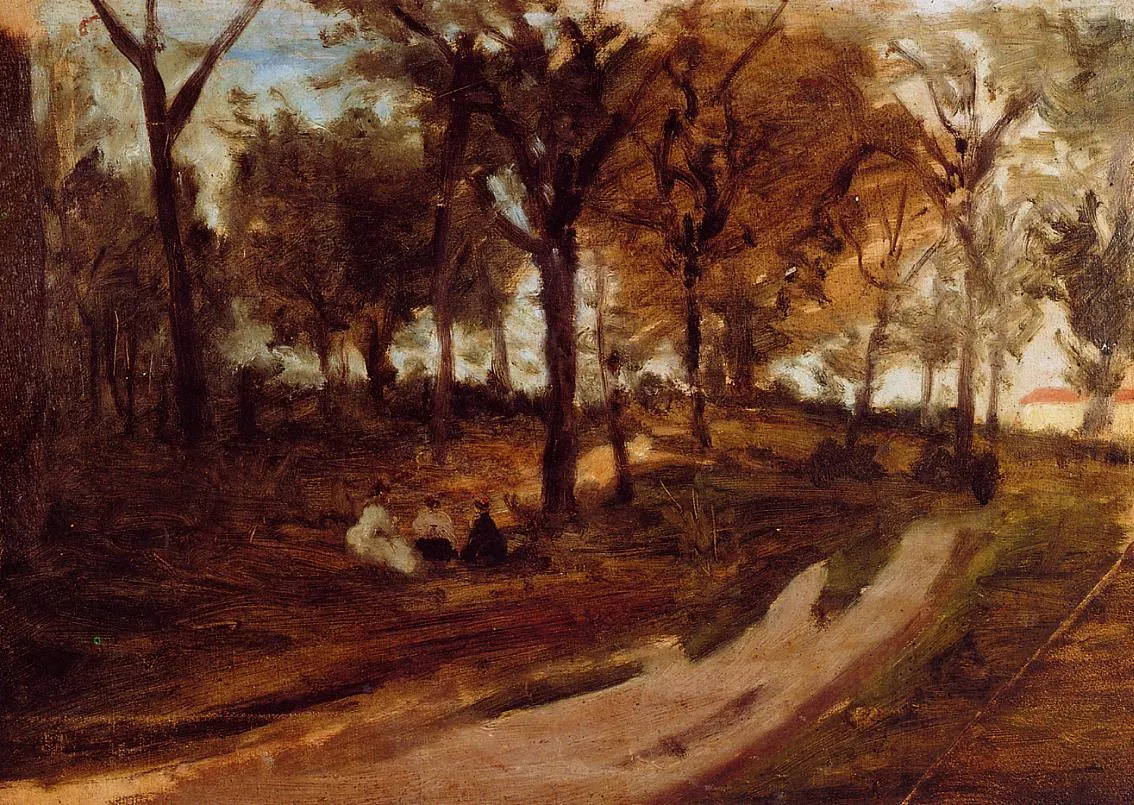
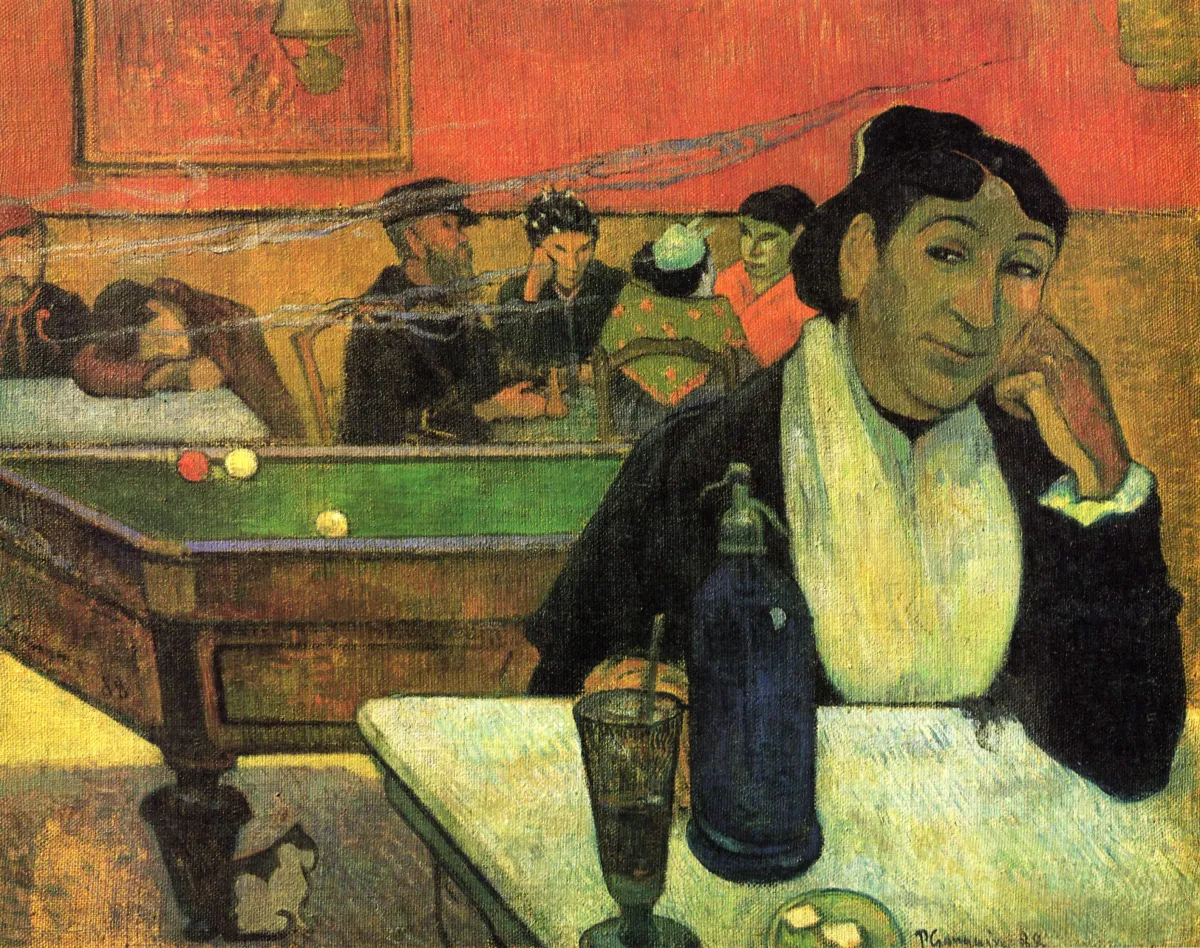
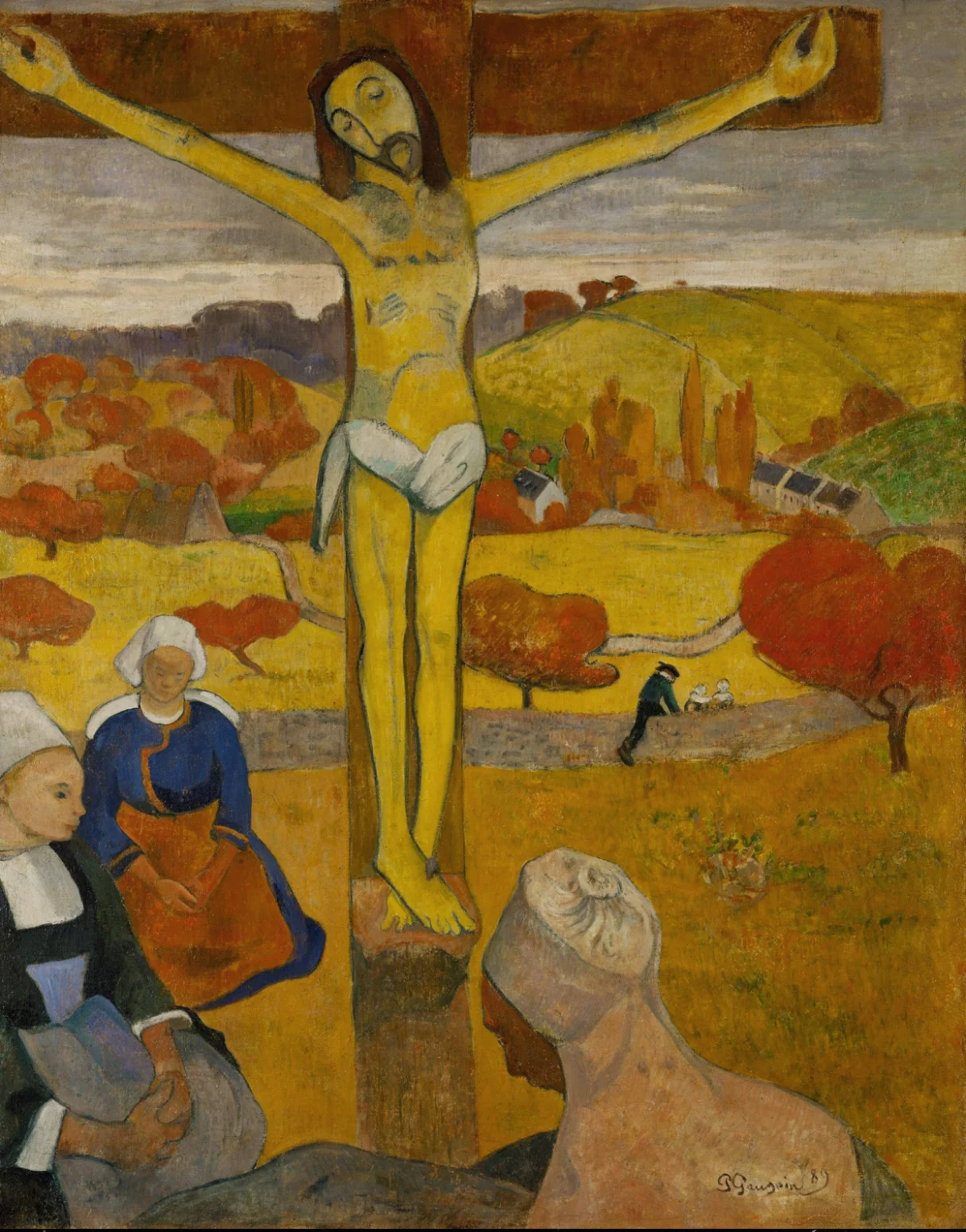
Paul Gauguin’s exceptional technique is vividly displayed in "In the forest Saint Cloud," where every brushstroke contributes to a harmonious composition. The use of oil on canvas allows for a depth of color and texture that defines the Post-Impressionism era. Gauguin’s mastery is comparable to other renowned works such as "The Night Café in Arles" and "The Green Christ," making this piece a standout example of his artistic evolution.
"In the forest Saint Cloud" invites viewers to explore the subtle narratives and symbolic elements woven into Gauguin’s landscape. As a fine art painting for sale, it offers a glimpse into the artist’s fascination with nature and spiritual meaning, a hallmark of the Post-Impressionism movement. Collectors may also appreciate similar themes in works like "Manaò tupapaú" and "The Woodcutter," which share Gauguin’s unique storytelling approach.
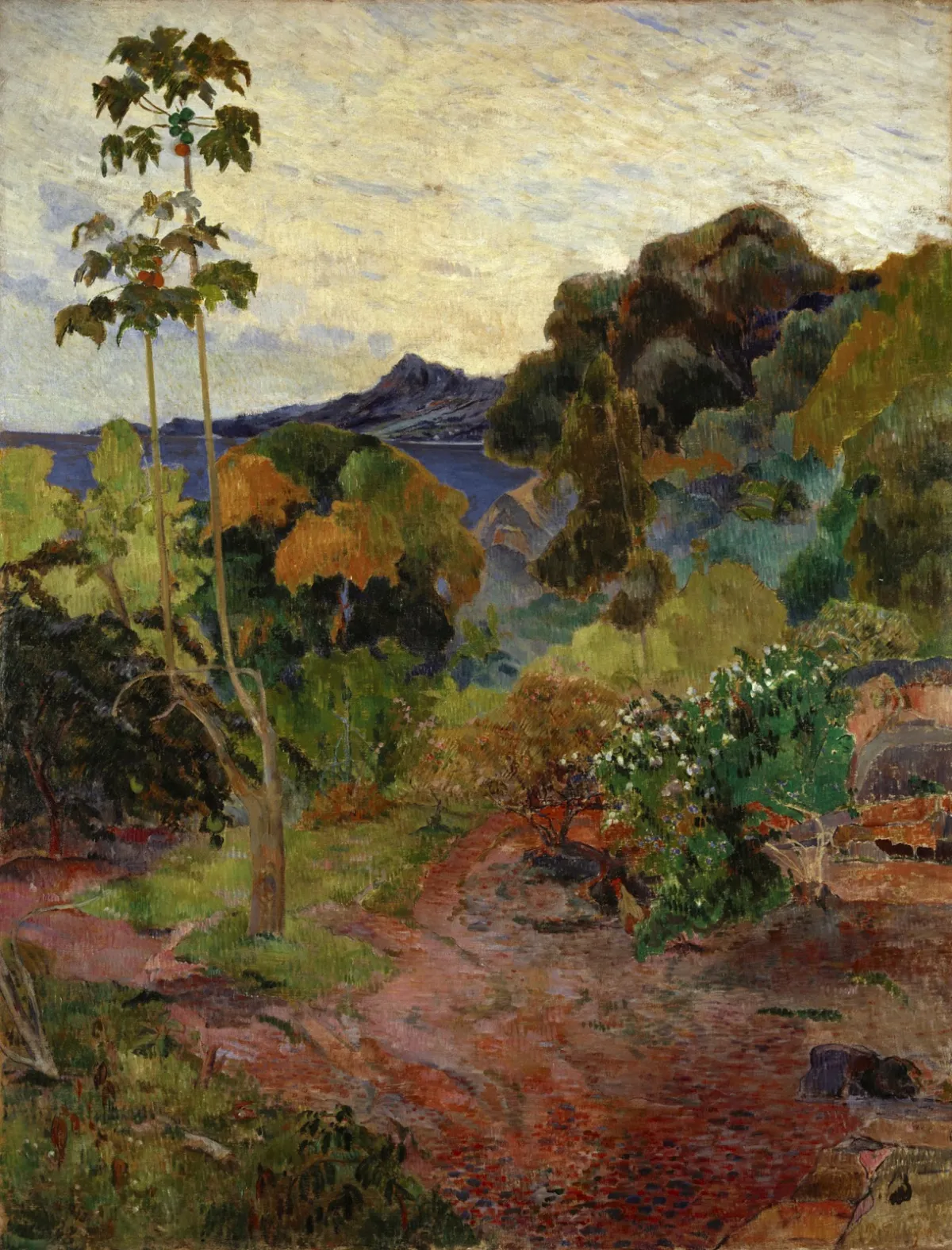
Owning "In the forest Saint Cloud" by Paul Gauguin means possessing a piece of Post-Impressionist history. This hand-painted oil painting is highly sought after by collectors who value distinctive oil on canvas masterpieces. Pairing it with related products such as "Breton Landscape" or "The Green Christ" enhances any collection, showcasing the enduring appeal and investment value of Gauguin’s fine art painting for sale.
When Art Meets History
Paul Gauguin's "In the forest Saint Cloud" stands as a remarkable example of the Post-Impressionism movement. Created during a transformative period in art history, this hand-painted oil painting captures the serene beauty of nature while reflecting Gauguin's evolving style. Alongside works like "Landscape with a Carriage and a Train" and "Vase With Red Poppies," this piece tells a story of innovation, bridging tradition and modernity and inspiring generations of artists and collectors alike.
Techniques That Speak
Gauguin's mastery is evident in his use of oil on canvas, a medium that allows for rich textures and vibrant colors. In "In the forest Saint Cloud," bold brushstrokes and an experimental palette evoke depth and emotion, characteristic of Post-Impressionism. Similar techniques can be seen in "The White Orchard" and "Austin Friars Church, London," where Gauguin’s distinct approach to light and form invites viewers to experience the landscape in a new, immersive way.
Emotions on Display
"In the forest Saint Cloud" radiates a deep sense of tranquility and introspection, hallmarks of Gauguin’s finest work. The painting’s composition and color choices elicit feelings of solitude and contemplation, drawing viewers into the artist’s inner world. This fine art painting for sale is reminiscent of the emotive power found in "Wheatfield with Crows," offering a window into both nature’s serenity and the artist’s soul, making it highly sought after among art enthusiasts.
Coveted by Collectors
Collectors prize "In the forest Saint Cloud" for its historical significance and artistic innovation within the Post-Impressionism movement. As with other renowned works by Paul Gauguin, this hand-painted oil painting captures a unique moment in art history. Its connection to related masterpieces like "Vase With Red Poppies" and "The White Orchard" further enhances its desirability, ensuring its place as a treasured piece in any collection dedicated to fine art and cultural heritage.
Related Post-Impressionism Hand-Painted Oil Paintings by Other Artists
Other Famous Post-Impressionism Artists:
Frequently Asked Questions About In the forest Saint Cloud
What is the historical context of "In the forest Saint Cloud"?
"In the forest Saint Cloud" was painted by Paul Gauguin in 1886, during a period when he was exploring the use of color and form in a more expressive manner. This work reflects the Post-Impressionist movement, which sought to convey emotional depth through artistic innovation.
What artistic techniques did Gauguin employ in this painting?
Gauguin utilized bold colors and simplified forms to create a sense of depth and emotion. His use of non-naturalistic colors and strong outlines is characteristic of his style, which aimed to evoke feelings rather than simply represent reality.
What is the significance of the forest setting in the painting?
The forest setting in "In the forest Saint Cloud" symbolizes a retreat into nature, a common theme in Gauguin's work. It reflects his fascination with the spiritual and emotional connections humans have with the natural world.
How does "In the forest Saint Cloud" relate to Gauguin's other works?
This painting shares thematic elements with Gauguin's other works, particularly his exploration of exoticism and the human experience. It serves as a bridge between his earlier Impressionist influences and his later, more symbolic and abstract styles.
What emotions does Gauguin aim to evoke in this painting?
Gauguin seeks to evoke a sense of tranquility and introspection through the serene forest landscape. The vibrant colors and dynamic composition invite viewers to reflect on their own emotional responses to nature.
What role does color play in "In the forest Saint Cloud"?
Color plays a pivotal role in this painting, as Gauguin uses it to convey mood and atmosphere. The juxtaposition of warm and cool tones creates a sense of harmony and tension, enhancing the emotional impact of the scene.
How does this painting reflect Gauguin's philosophy on art?
Gauguin believed that art should transcend mere representation and express deeper truths. "In the forest Saint Cloud" embodies this philosophy by focusing on the emotional resonance of the landscape rather than its realistic depiction.
What influences can be seen in "In the forest Saint Cloud"?
The painting shows influences from Impressionism, particularly in its brushwork and light effects, while also foreshadowing Gauguin's later Symbolist tendencies. His interest in non-Western cultures and spirituality is also evident in the work's thematic depth.
What is the significance of the title "In the forest Saint Cloud"?
The title refers to the location near Paris where Gauguin painted this work. Saint Cloud was a popular retreat for artists seeking inspiration from nature, and the title emphasizes the connection between the landscape and the artistic experience.
How has "In the forest Saint Cloud" been received by critics and art historians?
Critics and art historians have praised "In the forest Saint Cloud" for its innovative use of color and form, recognizing it as a significant work in Gauguin's oeuvre. It is often discussed in the context of his evolution as an artist and his contributions to modern art.






















_GFM_Painting_(1).webp)


 100% Hand-Painted: Finished in 3-6 Weeks

.png)















_(1).webp)