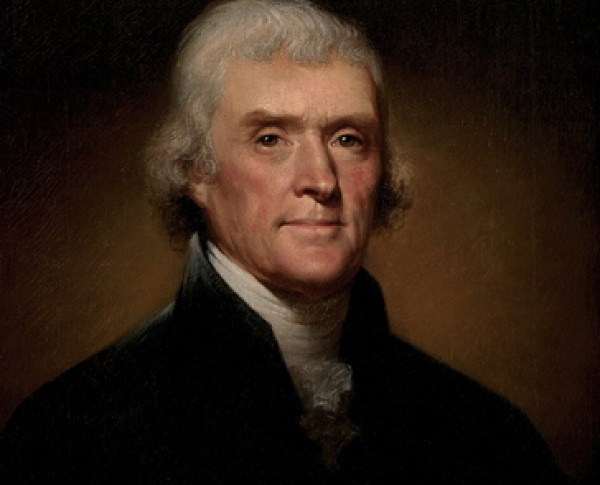
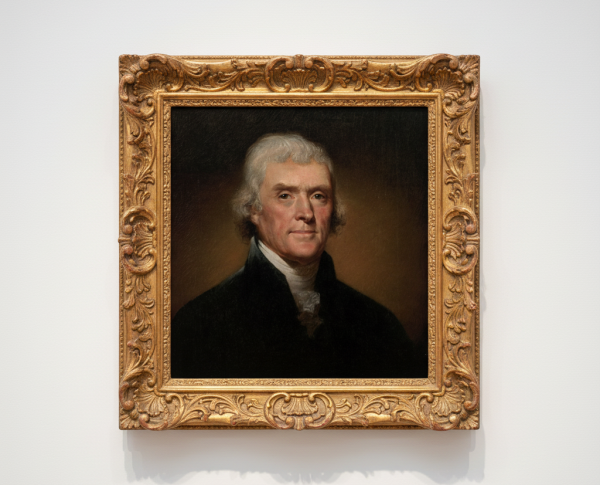
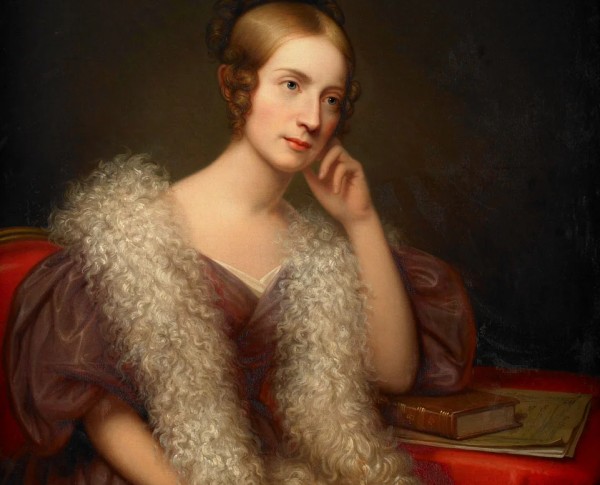
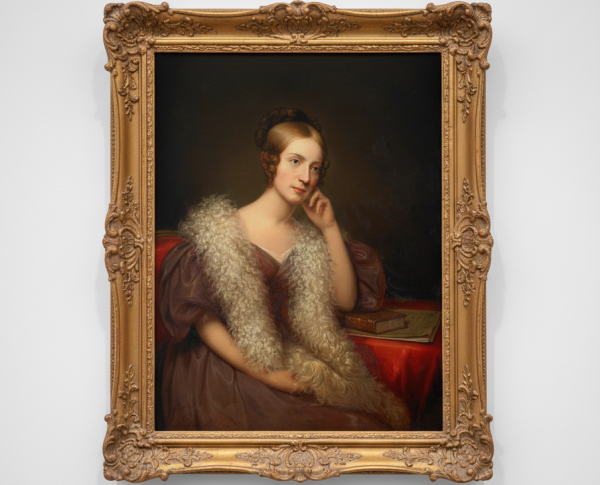
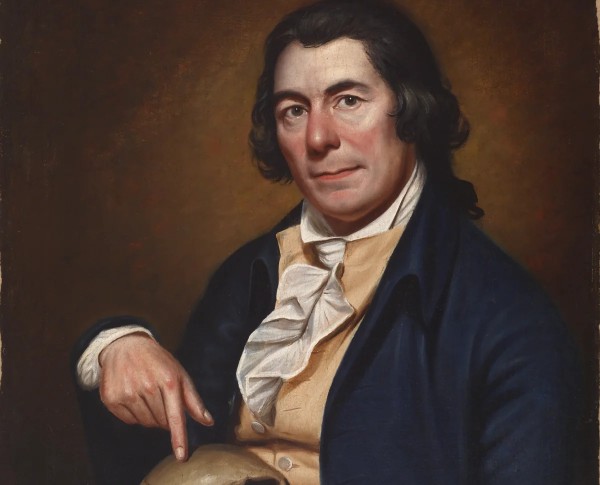
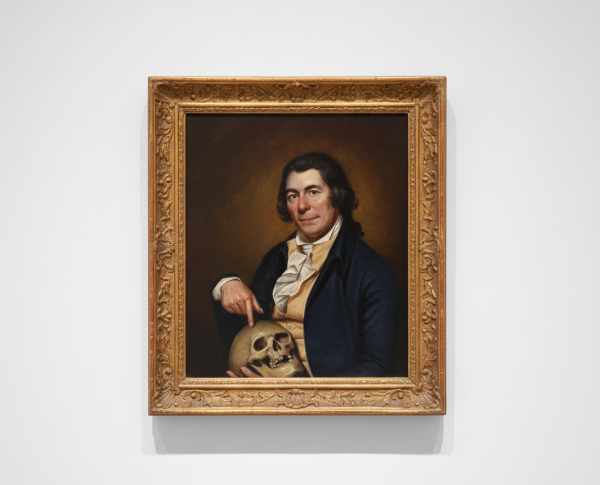
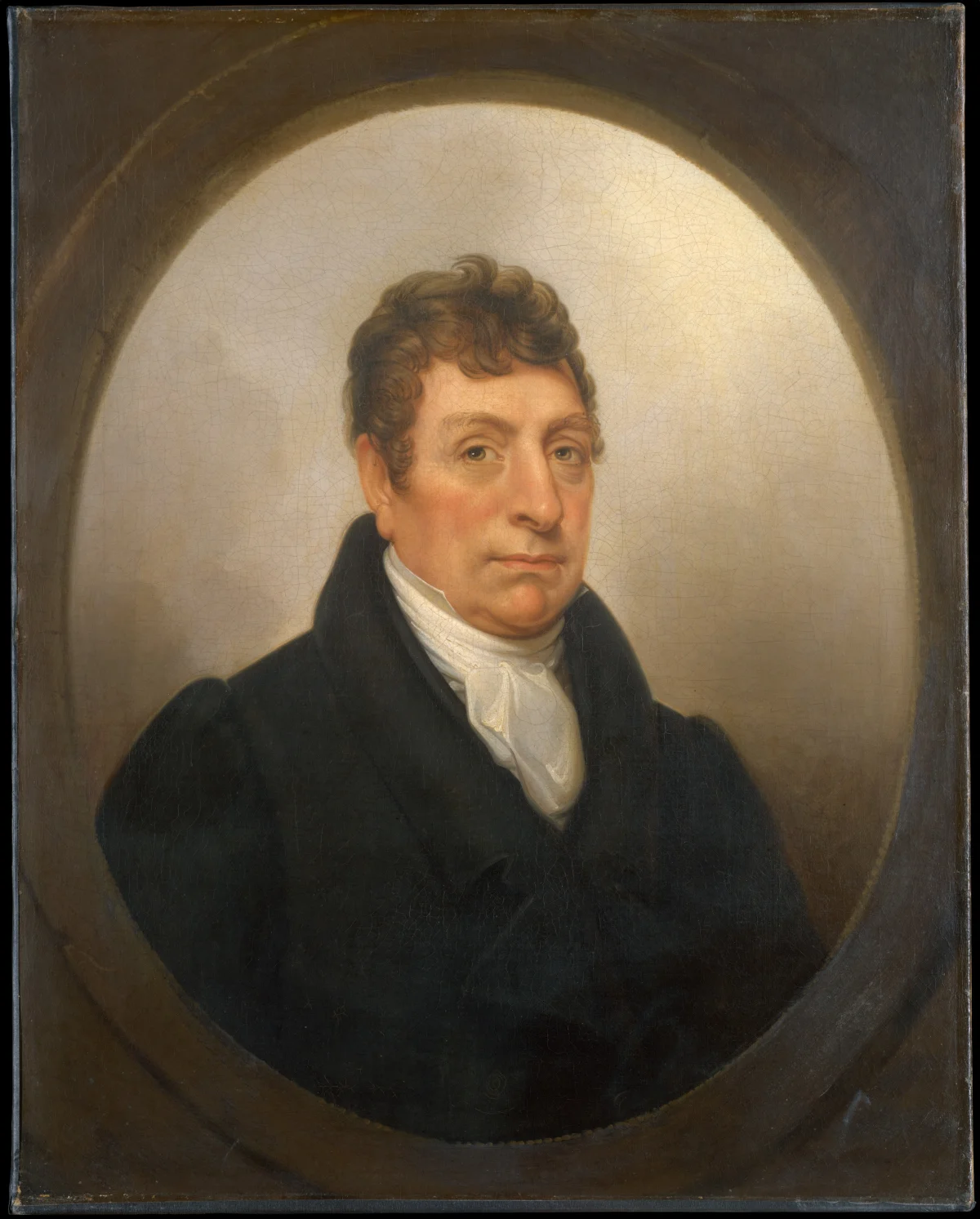
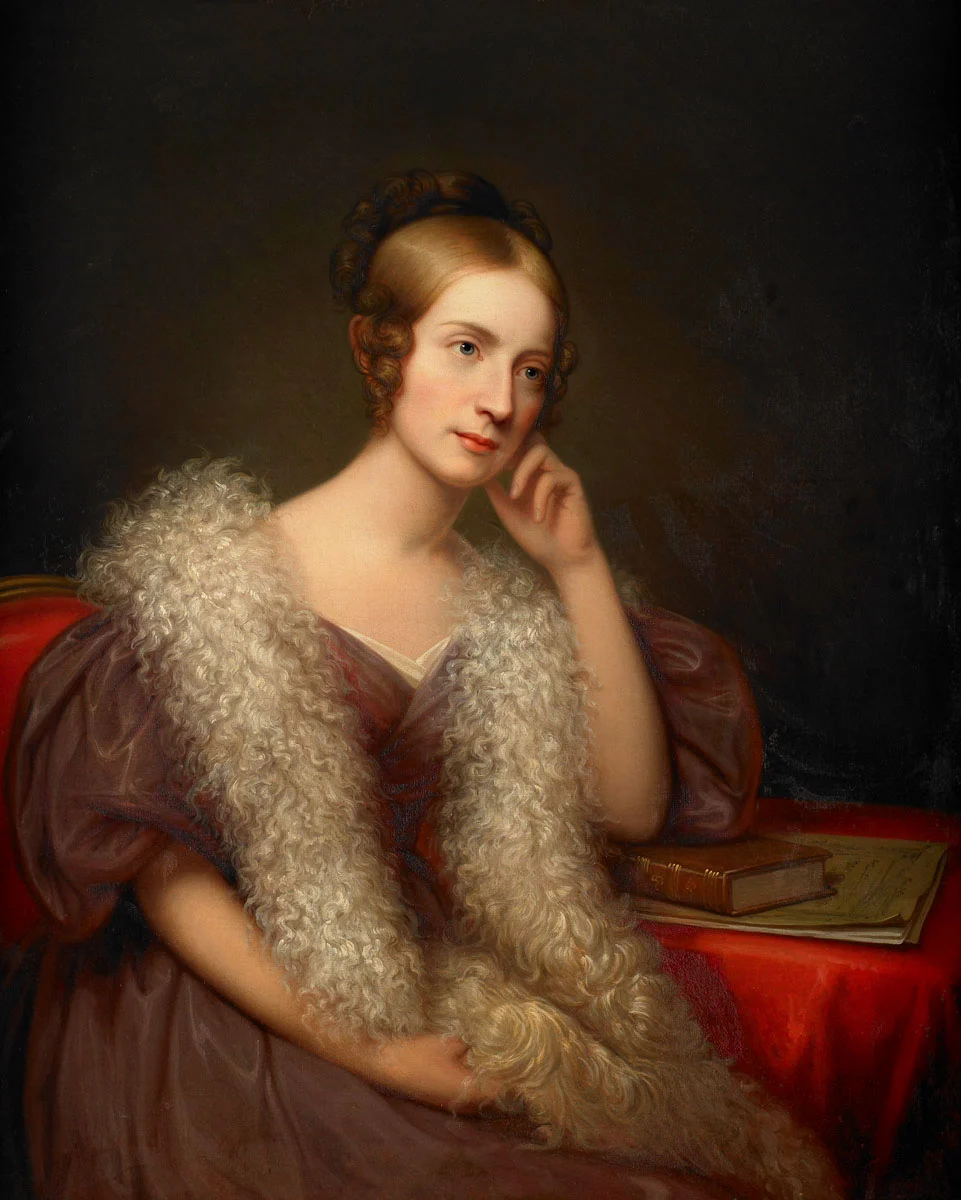
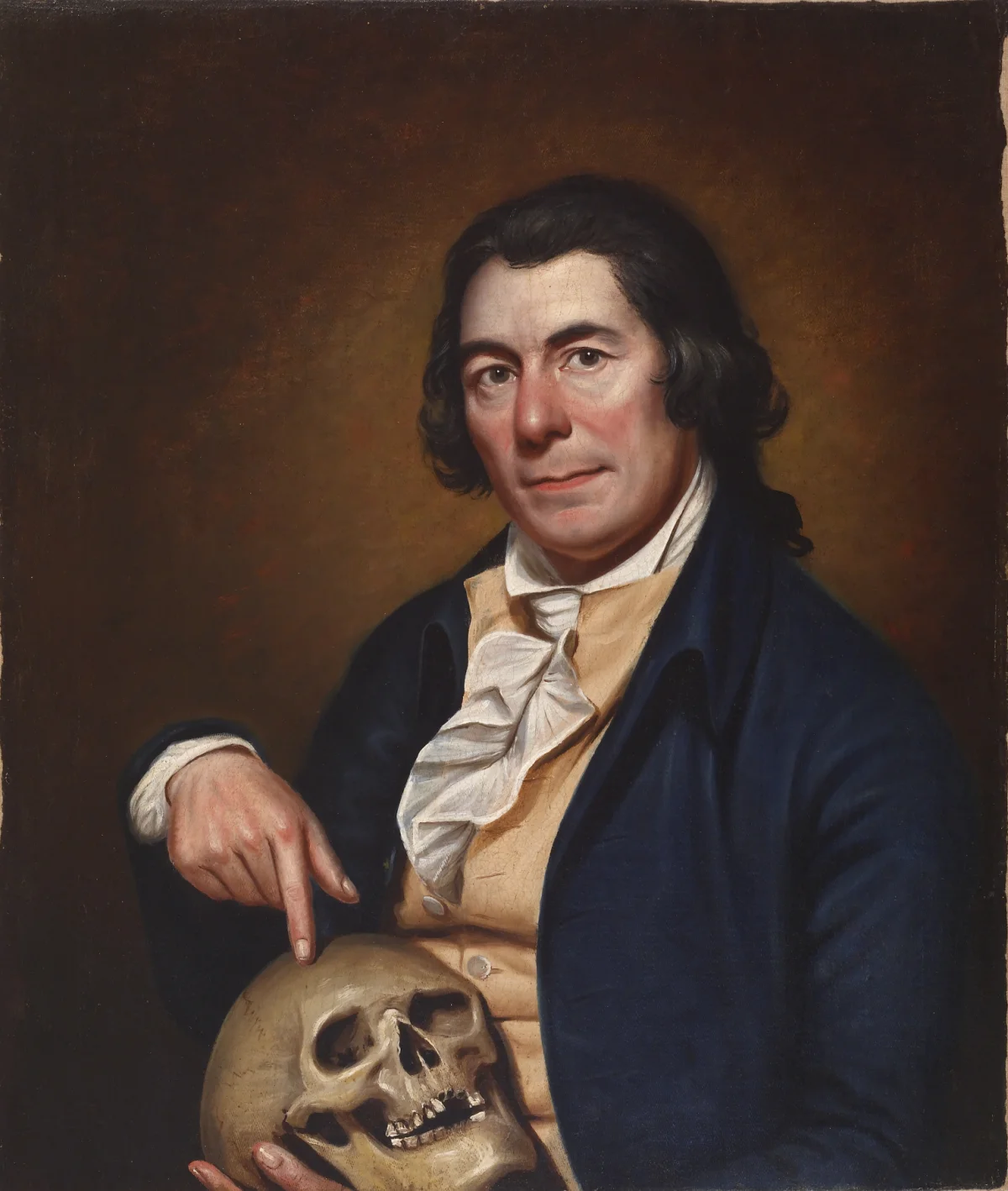
Rembrandt Peale’s "The Marquis de Lafayette" exemplifies the precision and elegance characteristic of Neo-Classical art. The artist’s technique, using oil on canvas, brings out the depth and realism of Lafayette’s features. This approach is echoed in Peale’s other portraits, including "Caroline Louisa Pratt Bartlett" and "Portrait of Dr. Meer." The skillful use of light and shadow in this fine art painting for sale highlights Peale’s mastery and dedication to his craft.
Every detail in "The Marquis de Lafayette" tells a story, from the subject’s dignified pose to the subtle background elements. Rembrandt Peale infused symbolic references to liberty and leadership, hallmarks of the Neo-Classical movement. This hand-painted oil painting resonates with viewers, much like "Timothy Matlack" and "Caroline Louisa Pratt Bartlett," inviting them to explore the narratives woven into each brushstroke. The painting serves as both a historical document and an artistic marvel.
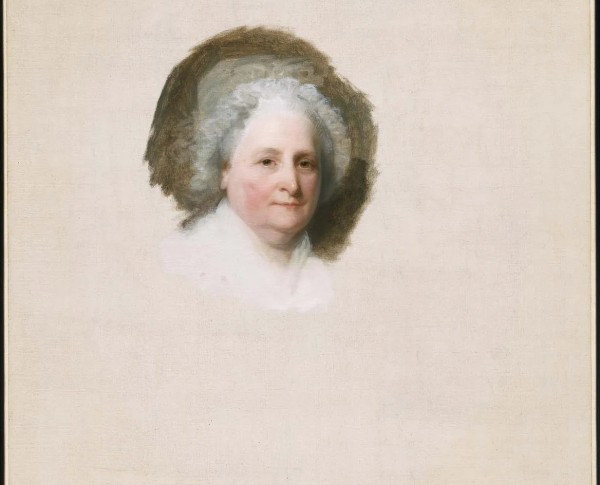
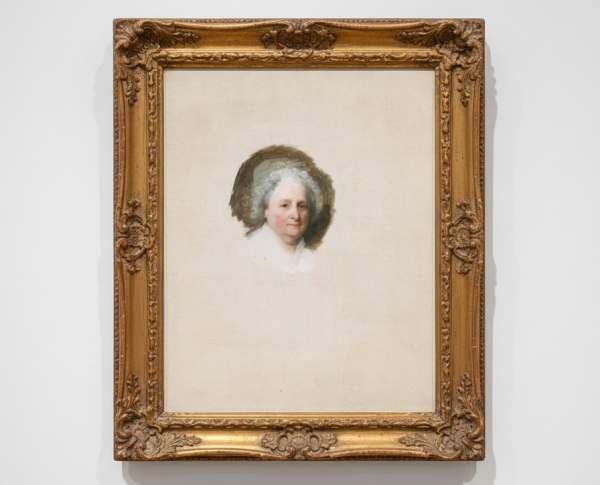
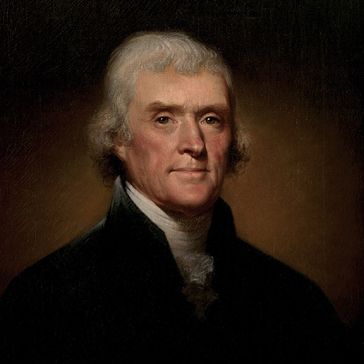
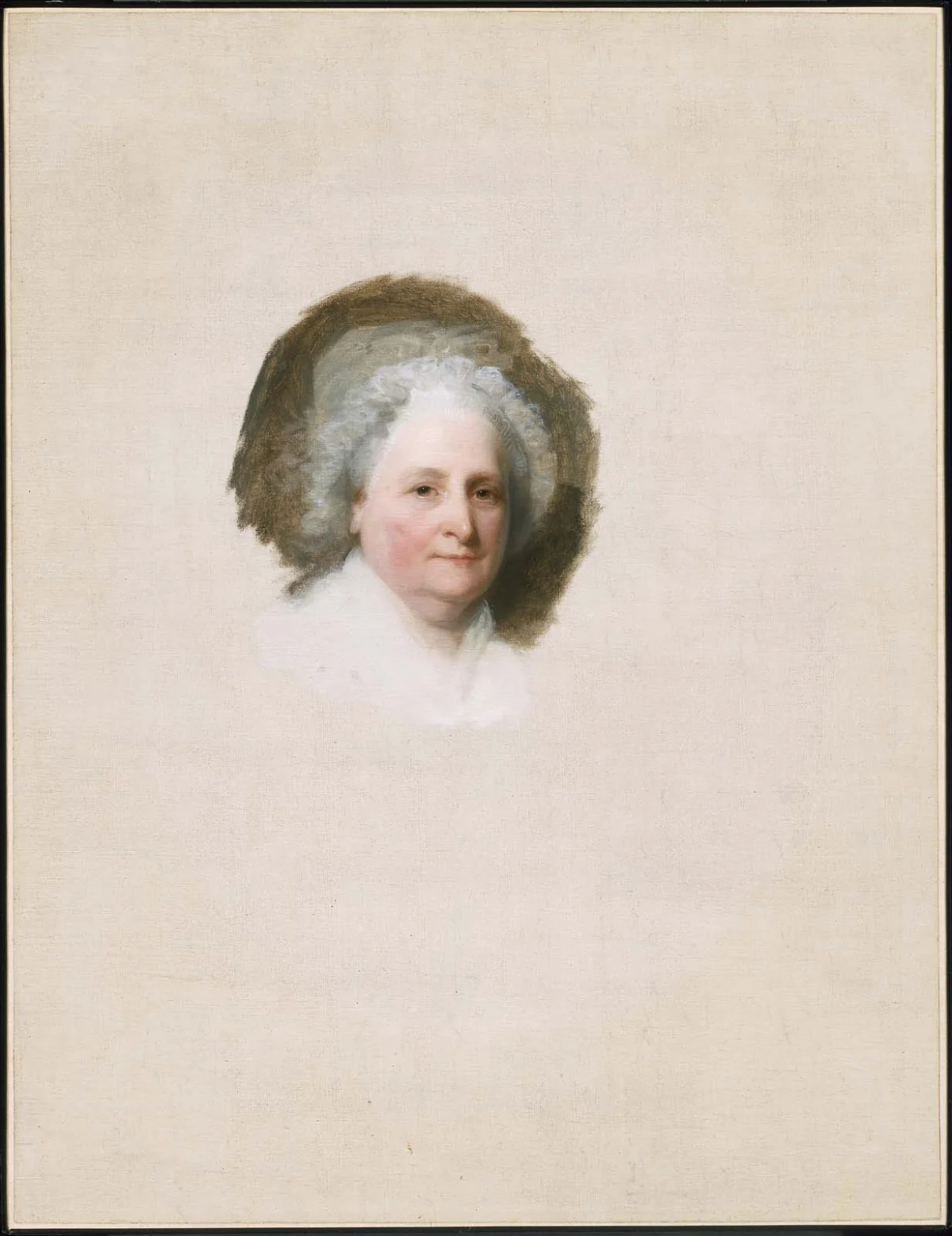
For art collectors, "The Marquis de Lafayette" by Rembrandt Peale represents a prized addition to any collection. This oil on canvas masterpiece stands alongside other sought-after works like "Portrait of Thomas Jefferson" and "Martha Washington." Its status as a fine art painting for sale underscores its desirability and value. The painting’s Neo-Classical roots and renowned artist make it a true treasure, perfect for those who appreciate history and exceptional artistry.
When Art Meets History
Rembrandt Peale’s "The Marquis de Lafayette" is a remarkable hand-painted oil painting that captures a defining moment in both art and history. Created during the Neo-Classical movement, this masterpiece reflects Peale’s deep admiration for the celebrated French hero. Like his contemporaries, Peale drew inspiration from historical figures, as seen in related paintings such as "Lake Fucino and the Abruzzi Mountains" and "The Bridge at La Cava, Kingdom of Naples." This work bridges the worlds of fine art and historical legacy.
Techniques That Speak
Utilizing oil on canvas, Rembrandt Peale masterfully employs the refined techniques characteristic of the Neo-Classical era. His brushwork in "The Marquis de Lafayette" demonstrates meticulous attention to detail and clarity, echoing the stylistic approach found in related pieces like "Still-Life 1810" and "Running Stream at San Cosimato." The smooth blending and luminous skin tones highlight Peale’s dedication to realism, making this oil on canvas a testament to the artist’s technical prowess.
Emotions on Display
In "The Marquis de Lafayette," Rembrandt Peale channels the dignified spirit and noble presence of his subject, infusing the hand-painted oil painting with a sense of reverence and admiration. The Neo-Classical movement’s emphasis on rationality and heroism is evident, yet Peale’s portrait radiates warmth and humanity. Collectors often compare the emotional depth in this work to that found in "The Bridge at La Cava, Kingdom of Naples" and "Lake Fucino and the Abruzzi Mountains."
Coveted by Collectors
As a fine art painting for sale, "The Marquis de Lafayette" by Rembrandt Peale is highly sought after by collectors who appreciate the Neo-Classical movement’s blend of history and artistry. The painting’s association with other celebrated works, including "Still-Life 1810" and "Running Stream at San Cosimato," only increases its desirability. Peale’s enduring legacy ensures that this fine art painting for sale remains a prized addition to any prestigious collection.
Related Neo-Classical Hand-Painted Oil Paintings by Other Artists
Other Famous Neo-Classical Artists:
Frequently Asked Questions About The Marquis de Lafayette
Who is the subject of the painting "The Marquis de Lafayette"?
The painting depicts Gilbert du Motier, Marquis de Lafayette, a prominent French general and political figure who played a crucial role in both the American and French revolutions.
What is the historical significance of Lafayette in American history?
Lafayette is celebrated for his contributions to the American Revolutionary War, where he served as a major-general in the Continental Army and became a close associate of George Washington.
What artistic techniques did Rembrandt Peale use in this painting?
Peale employed a combination of chiaroscuro to create depth and realism, along with a detailed rendering of textures, particularly in Lafayette's clothing, to convey his status and character.
What is the symbolism behind Lafayette's attire in the painting?
Lafayette is depicted in a military uniform, symbolizing his leadership and valor, while the colors and embellishments reflect his noble status and commitment to the ideals of liberty and democracy.
How does the composition of the painting contribute to its impact?
The composition centers Lafayette, drawing the viewer's eye to his confident posture and expression, which conveys authority and determination, enhancing the overall narrative of heroism.
What influences can be seen in Peale's portrayal of Lafayette?
Peale's portrayal is influenced by classical portraiture traditions, emphasizing dignity and nobility, while also reflecting the Enlightenment ideals of reason and virtue associated with Lafayette's character.
In what year was "The Marquis de Lafayette" painted?
The painting was completed in 1825, during a period when Lafayette was celebrated as a hero in both America and France, following his return to the United States for a grand tour.
What role did Rembrandt Peale play in American art history?
Rembrandt Peale was a significant figure in early American art, known for his portraits and his role in establishing a national artistic identity, as well as his contributions to the promotion of American artists.
How does this painting reflect the relationship between France and the United States?
The painting symbolizes the enduring friendship and alliance between France and the United States, particularly through Lafayette's contributions to American independence and his subsequent advocacy for liberty in France.
What is the current location of "The Marquis de Lafayette" painting?
The painting is part of the collection at the National Portrait Gallery in Washington, D.C., where it continues to be a significant representation of both Lafayette's legacy and Peale's artistic achievements.






















_GFM_Painting_(1).webp)


 100% Hand-Painted: Finished in 3-6 Weeks

.png)















_(1).webp)