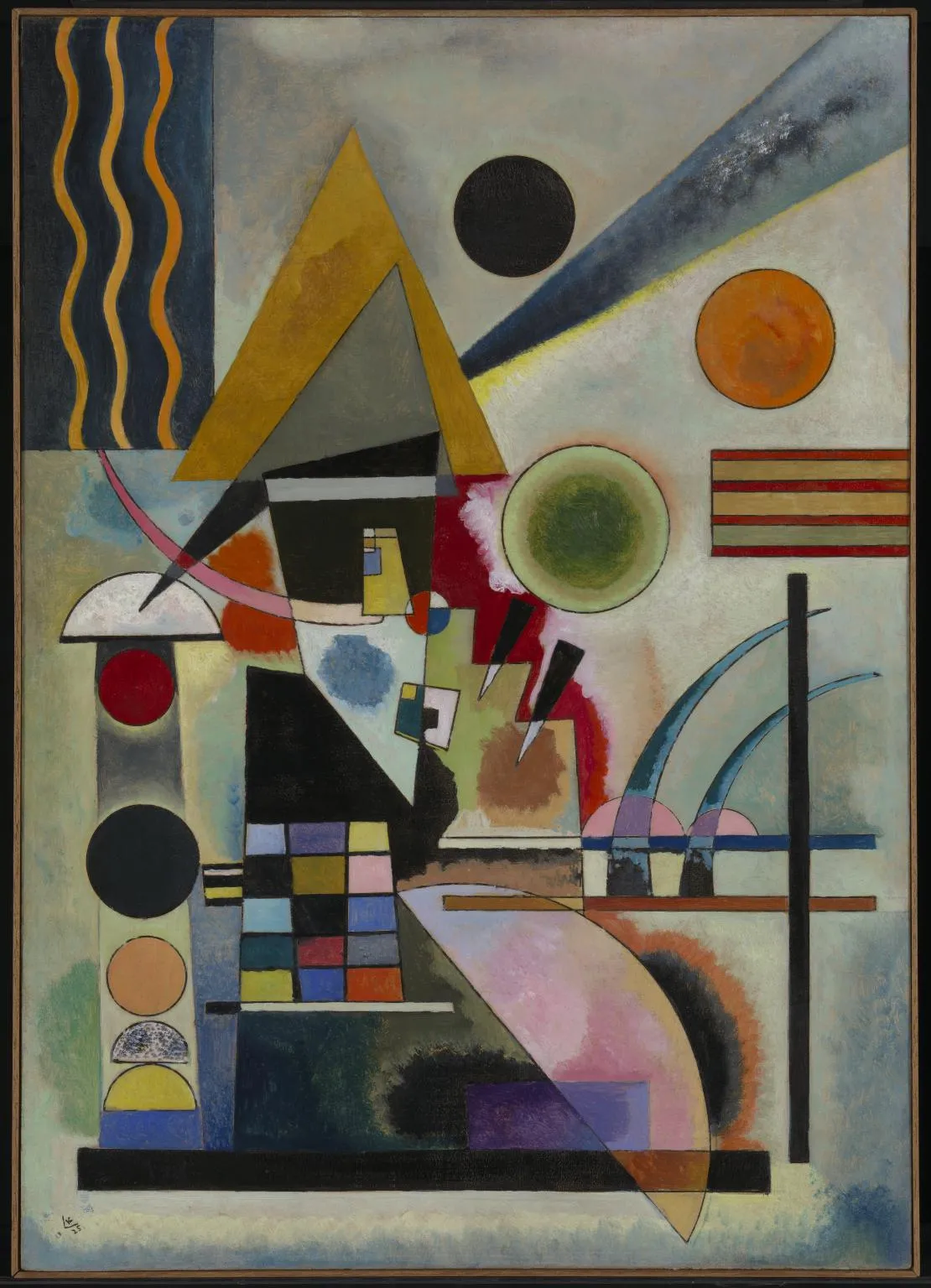
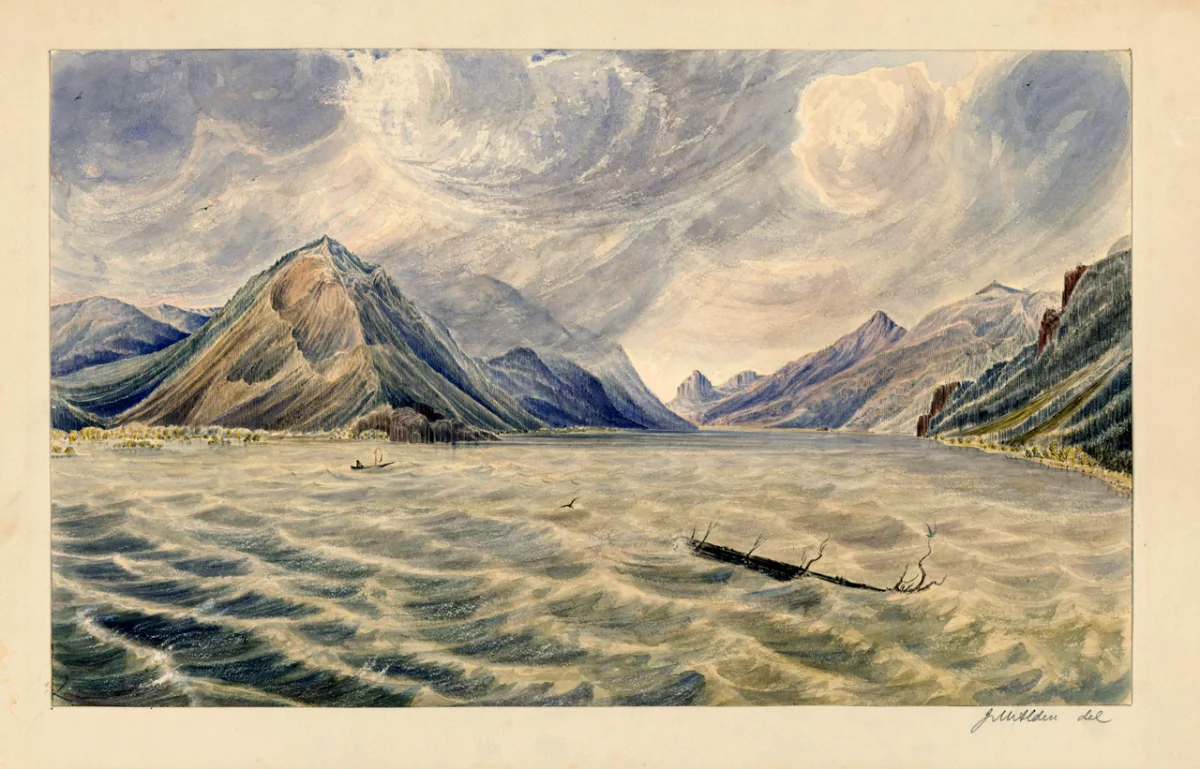
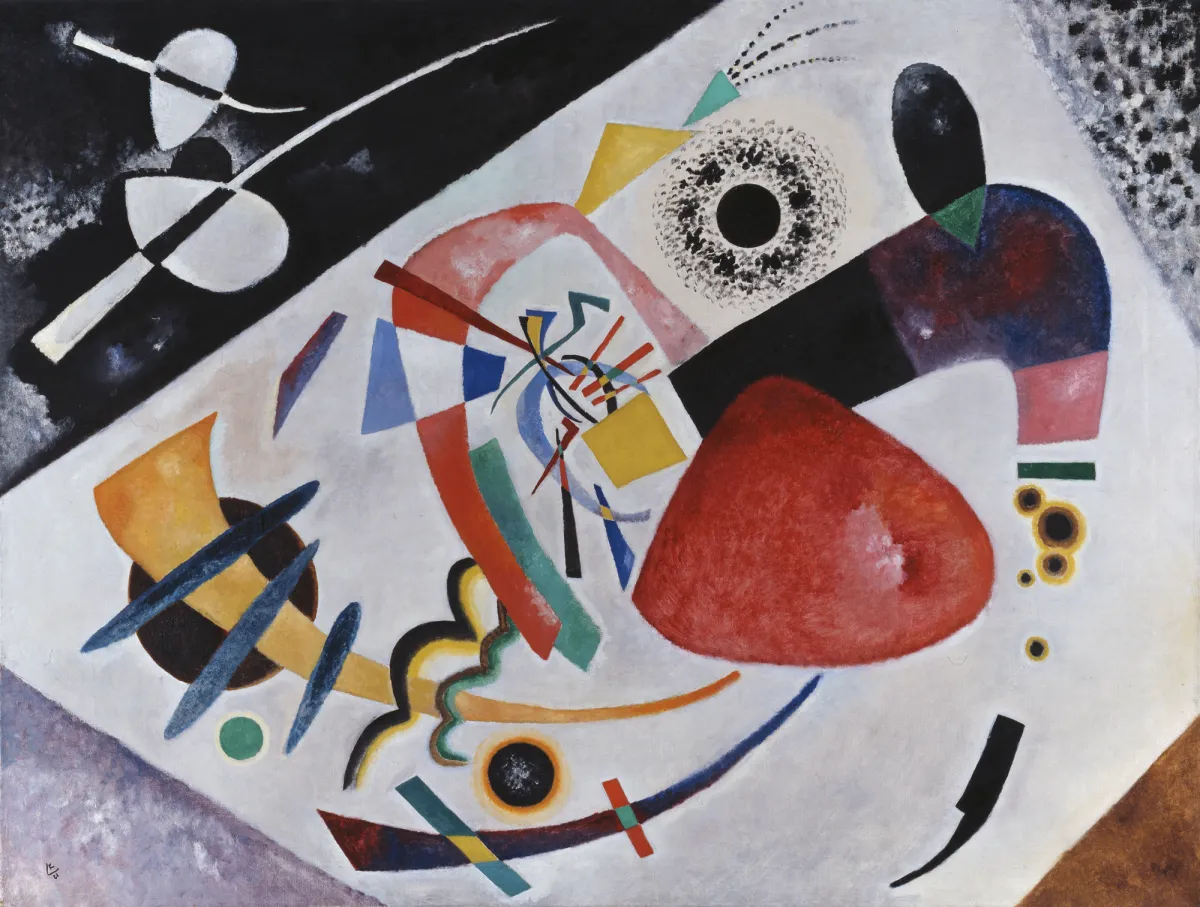
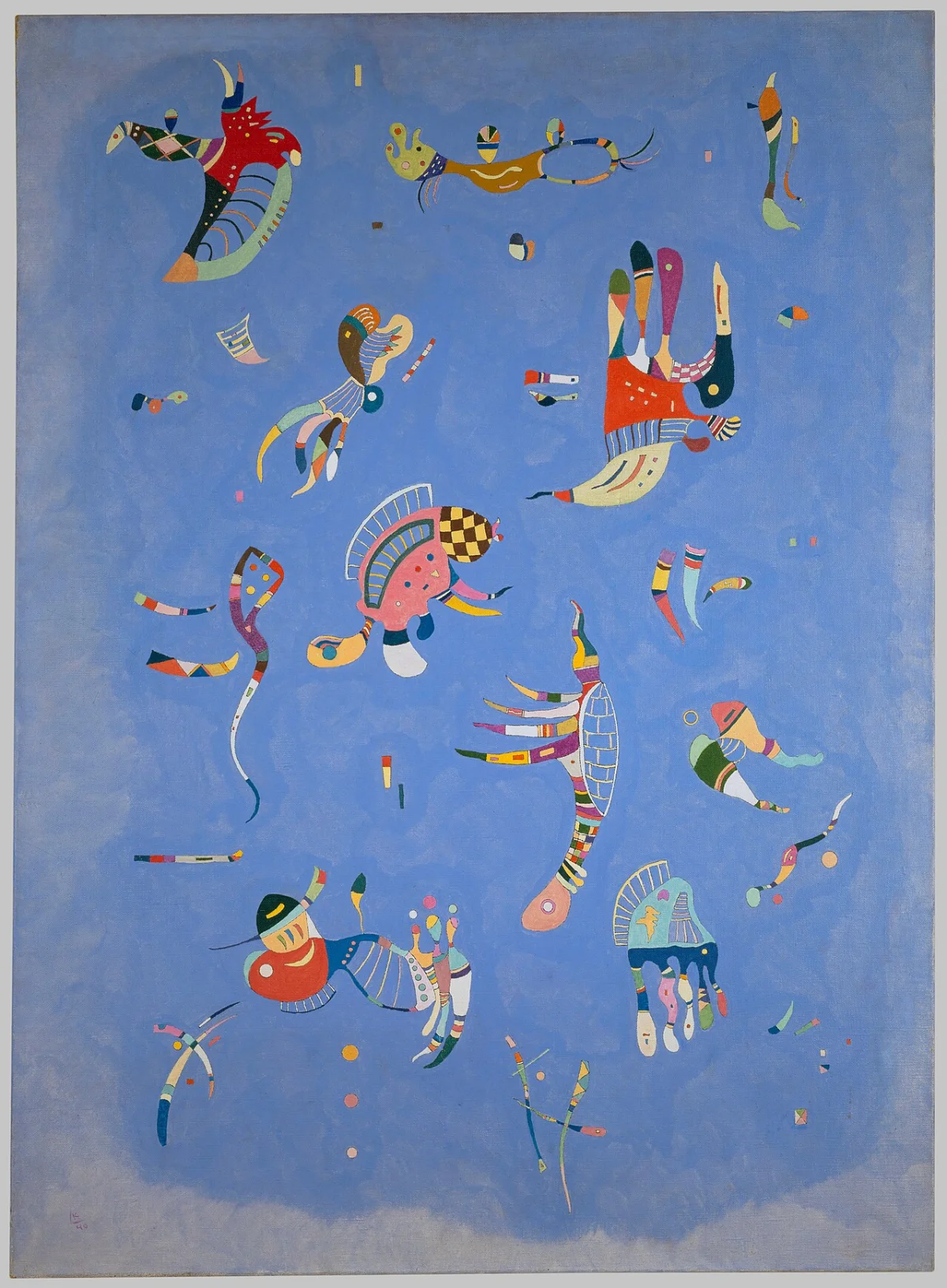
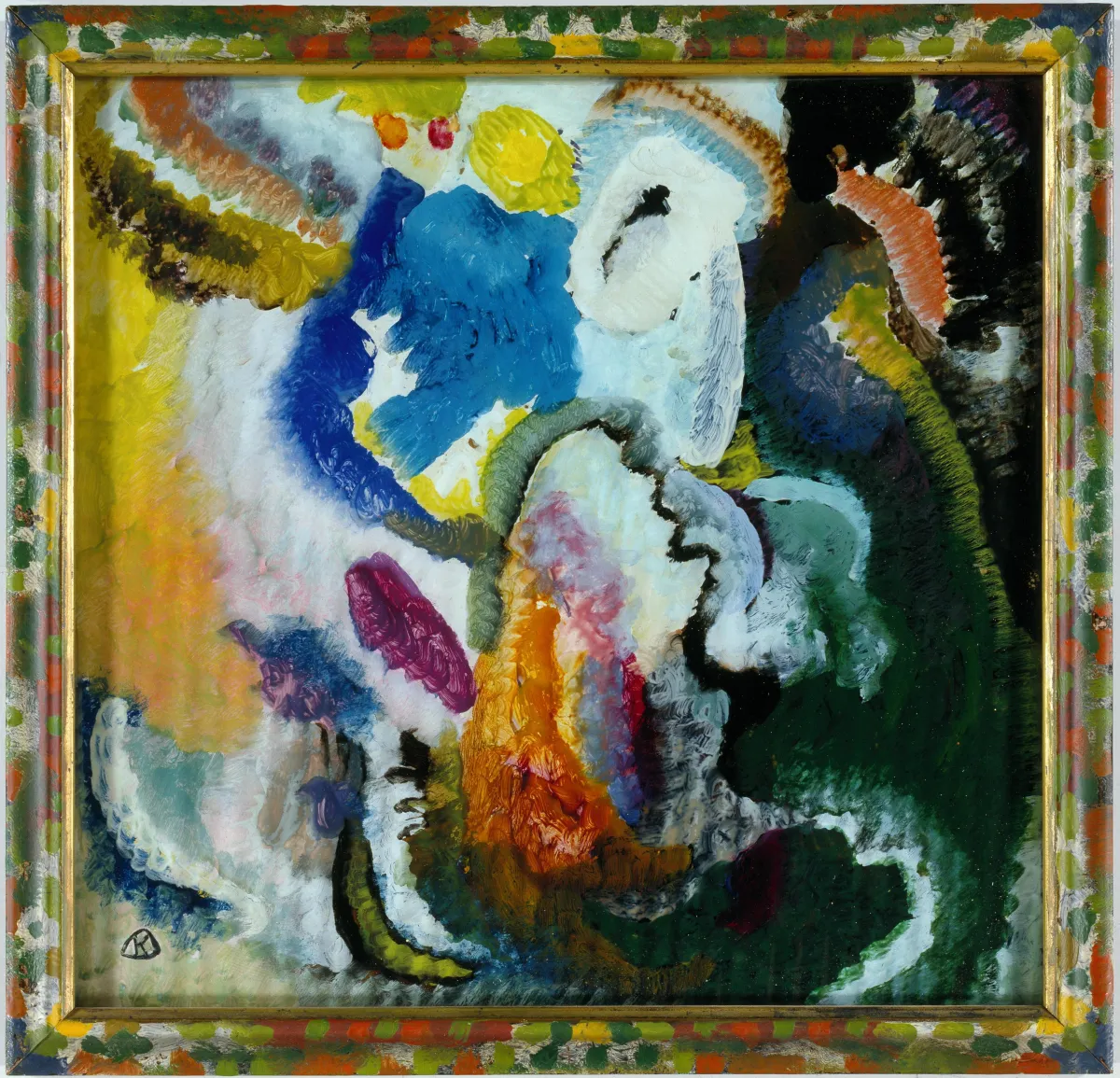
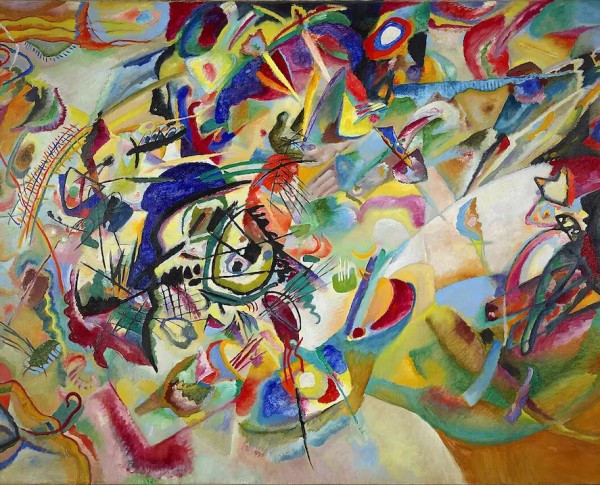
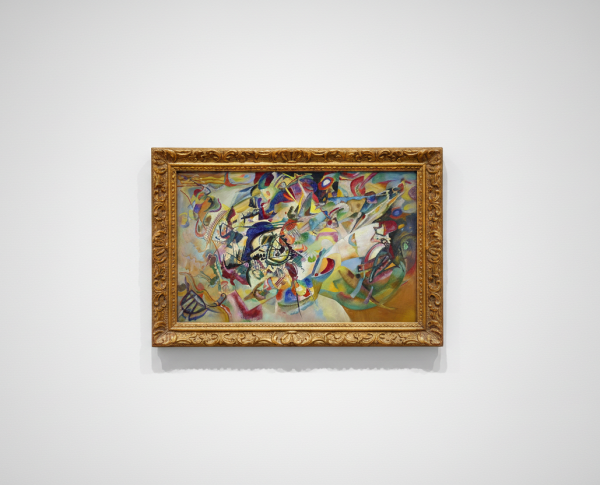
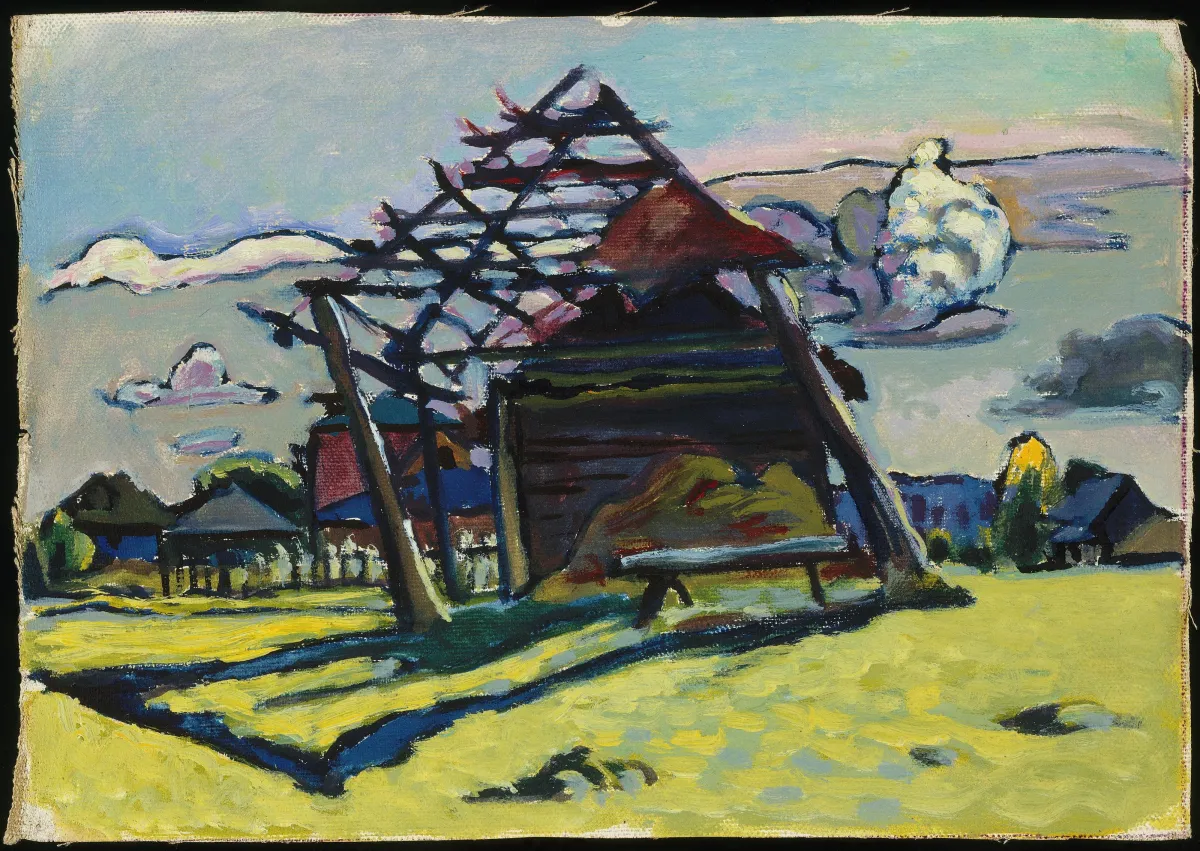
Each brushstroke in this oil on canvas reveals Kandinsky’s unrivaled mastery of color and form. The interplay of abstract shapes and vibrant hues embodies the core principles of Abstract Expressionism. As with other fine art painting for sale by Kandinsky, such as "Red Spot II" and "Picture with Pince-nez," this piece demonstrates how oil on canvas can evoke deep emotion and intellectual curiosity, making it a prized possession for any art enthusiast or collector.
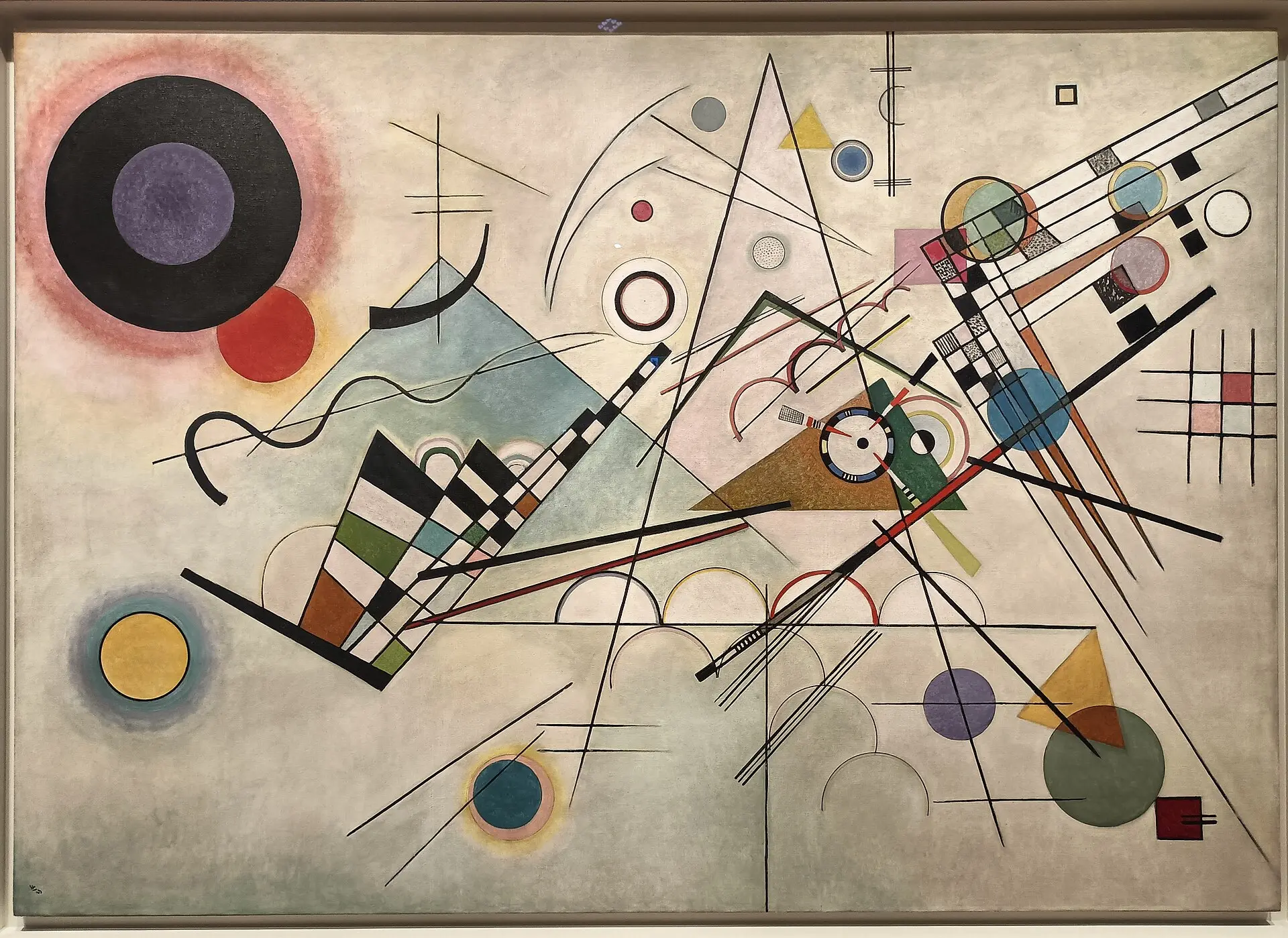
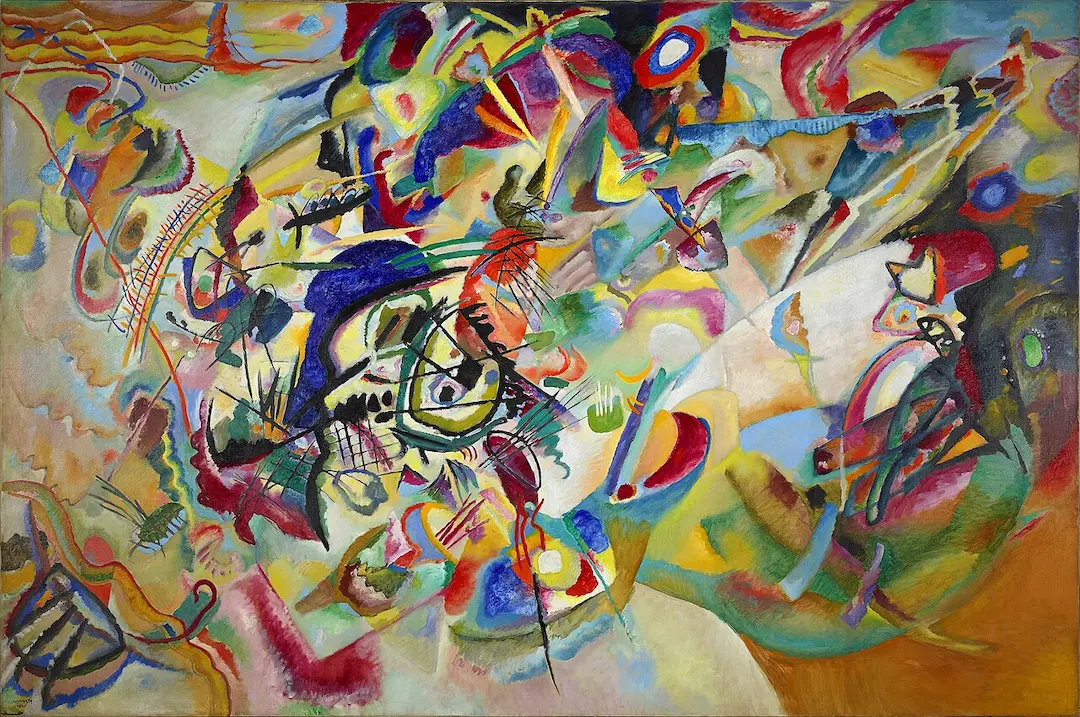
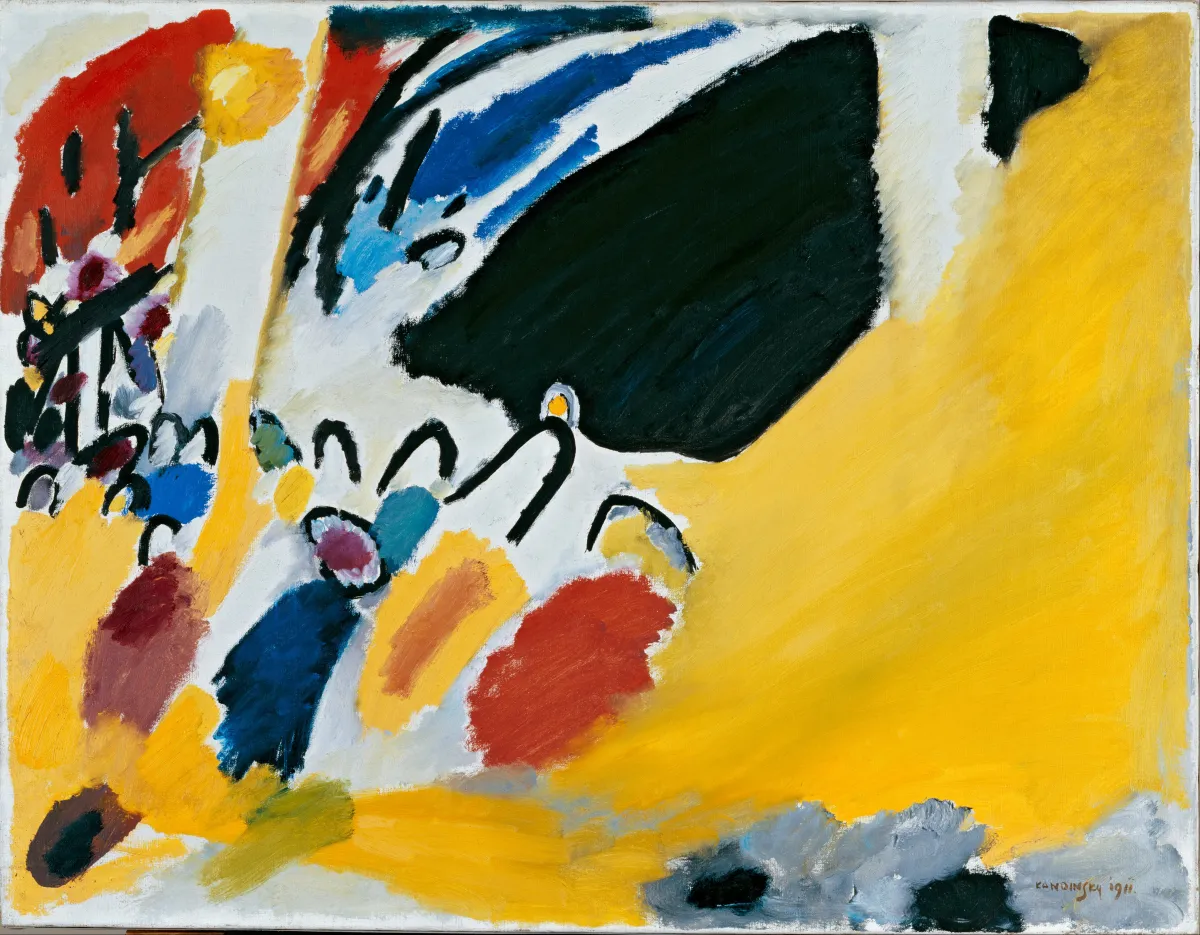
"Akhtyrka, Framework for a Pile of Hay and Farm" is more than a fine art painting for sale; it is a visual narrative rich with symbolism. Kandinsky’s abstract approach invites viewers to interpret the farm scene through their own lens, much like in "Impression III (Concert)" and "Composition VII." The painting’s enigmatic forms and dynamic composition reflect the artist’s belief in the spiritual power of art, a hallmark of the Abstract Expressionism movement.
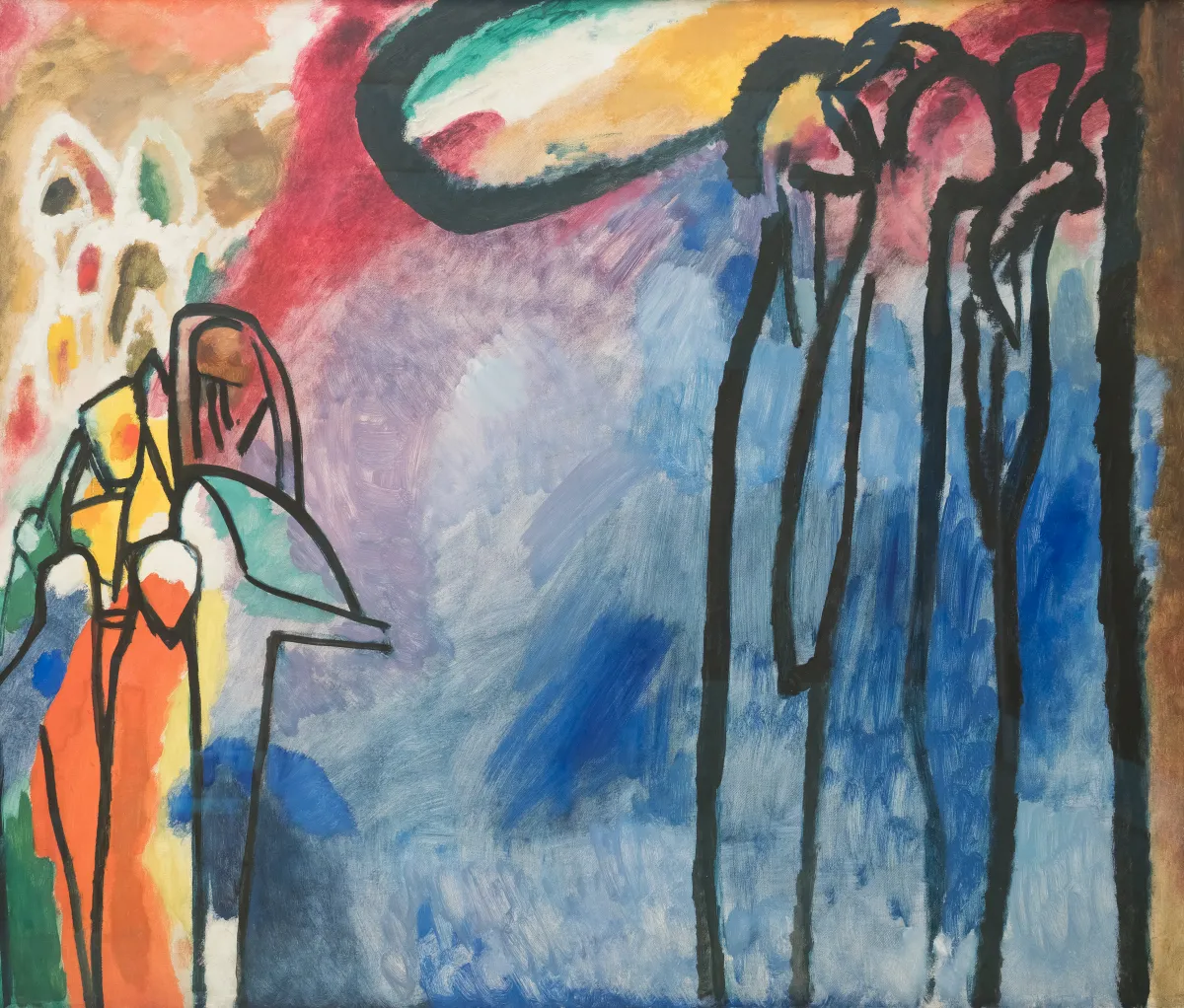
Owning a hand-painted oil painting by Wassily Kandinsky, such as "Akhtyrka, Framework for a Pile of Hay and Farm," is a rare opportunity for collectors. This artwork, rooted in Abstract Expressionism, complements collections featuring related masterpieces like "Painting with a Red Stain" and "Red Spot II." Each acquisition not only enhances the value of a collection but also preserves a piece of art history, making it a truly exceptional fine art painting for sale.
When Art Meets History
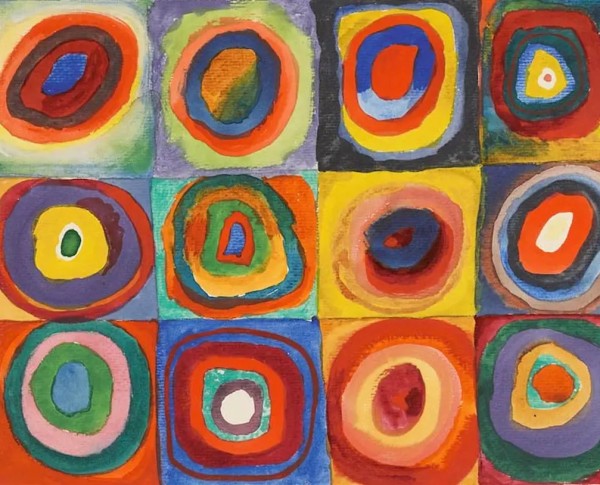
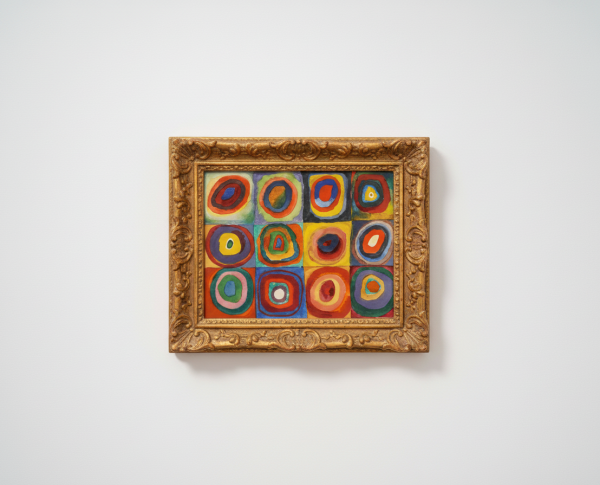
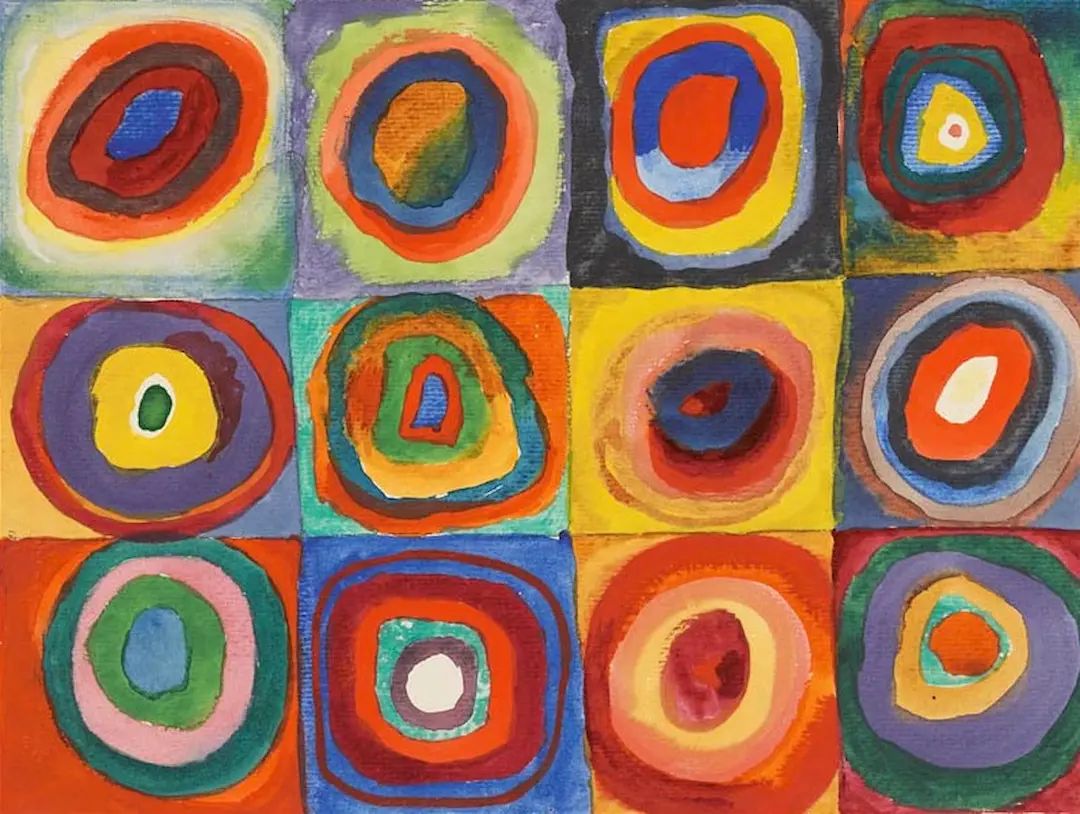
Wassily Kandinsky’s "Akhtyrka, Framework for a Pile of Hay and Farm" stands as a remarkable example of the Abstract Expressionism movement. Created during a pivotal era in art history, this hand-painted oil painting reflects Kandinsky’s innovative spirit. The work not only showcases his unique style but also resonates with the historical evolution of modern art. Related paintings, such as "Untitled (Violet, Black, Orange, Yellow on White and Red), 1949," further highlight the period’s experimental approach.
Techniques That Speak
Kandinsky’s mastery of oil on canvas is evident in "Akhtyrka, Framework for a Pile of Hay and Farm." His technique involves bold brushstrokes and dynamic color contrasts, hallmark traits of Abstract Expressionism. The textured surfaces and layered hues create a sense of depth and movement. This approach links the painting to other avant-garde works of the era, including "Untitled (Violet, Black, Orange, Yellow on White and Red), 1949," and demonstrates why Kandinsky’s methods remain influential.
Emotions on Display
In "Akhtyrka, Framework for a Pile of Hay and Farm," Wassily Kandinsky channels a vibrant emotional landscape through abstract forms and striking colors. The fine art painting for sale invites viewers to experience a range of feelings, from tranquility to excitement, echoing the expressive intent of Abstract Expressionism. Kandinsky’s ability to evoke emotion through non-representational imagery aligns with other works like "Untitled (Violet, Black, Orange, Yellow on White and Red), 1949."
Coveted by Collectors
As a distinguished piece within the Abstract Expressionism movement, "Akhtyrka, Framework for a Pile of Hay and Farm" by Wassily Kandinsky is highly sought after by art collectors. The painting’s historical significance and innovative style contribute to its desirability as a hand-painted oil painting. Alongside related masterpieces such as "Untitled (Violet, Black, Orange, Yellow on White and Red), 1949," it represents an invaluable addition to any serious fine art collection.
Related Abstract Expressionism Hand-Painted Oil Paintings by Other Artists
Other Famous Abstract Expressionism Artists:
Frequently Asked Questions About Akhtyrka, Framework for a Pile of Hay and Farm
What is the historical context of "Akhtyrka, Framework for a Pile of Hay and Farm"?
This painting was created during a period when Wassily Kandinsky was exploring the relationship between color and form, reflecting the socio-political changes in early 20th-century Russia.
What artistic movements influenced Kandinsky's work in this painting?
Kandinsky was influenced by Expressionism and Abstract art, which is evident in his use of vibrant colors and abstract forms to convey emotion and spirituality.
How does "Akhtyrka" reflect Kandinsky's philosophy of art?
Kandinsky believed that art should transcend the physical world and evoke emotional responses. This painting embodies his philosophy by using abstract forms to represent the essence of rural life.
What symbols can be found in the painting, and what do they represent?
The hay and farm elements symbolize the connection to nature and the agrarian lifestyle, while the abstract forms suggest a deeper spiritual and emotional resonance with the landscape.
What techniques did Kandinsky employ in "Akhtyrka"?
Kandinsky utilized bold brushstrokes, vibrant colors, and geometric shapes to create a dynamic composition that captures the viewer's attention and evokes a sense of movement.
How does the color palette in "Akhtyrka" contribute to its meaning?
The color palette is rich and varied, with warm earth tones juxtaposed against cooler hues, symbolizing the harmony and tension found in rural life and nature.
In what ways does "Akhtyrka" reflect Kandinsky's interest in spirituality?
Kandinsky often sought to express spiritual truths through art. In "Akhtyrka," the abstract forms and vibrant colors can be interpreted as a representation of the spiritual energy inherent in the natural world.
What role does abstraction play in this painting?
Abstraction allows Kandinsky to move beyond literal representation, enabling him to convey emotions and ideas that resonate on a more universal level, inviting personal interpretation from the viewer.
How does "Akhtyrka" compare to Kandinsky's other works?
Compared to his earlier works, "Akhtyrka" showcases a more mature understanding of abstraction and color theory, reflecting his evolution as an artist and his commitment to exploring the emotional power of art.
What impact did "Akhtyrka" have on the art world?
"Akhtyrka" contributed to the development of abstract art and influenced future generations of artists by demonstrating the potential of non-representational forms to convey complex emotional and spiritual experiences.























_GFM_Painting_(1).webp)


 100% Hand-Painted: Finished in 3-6 Weeks

.png)















_(1).webp)