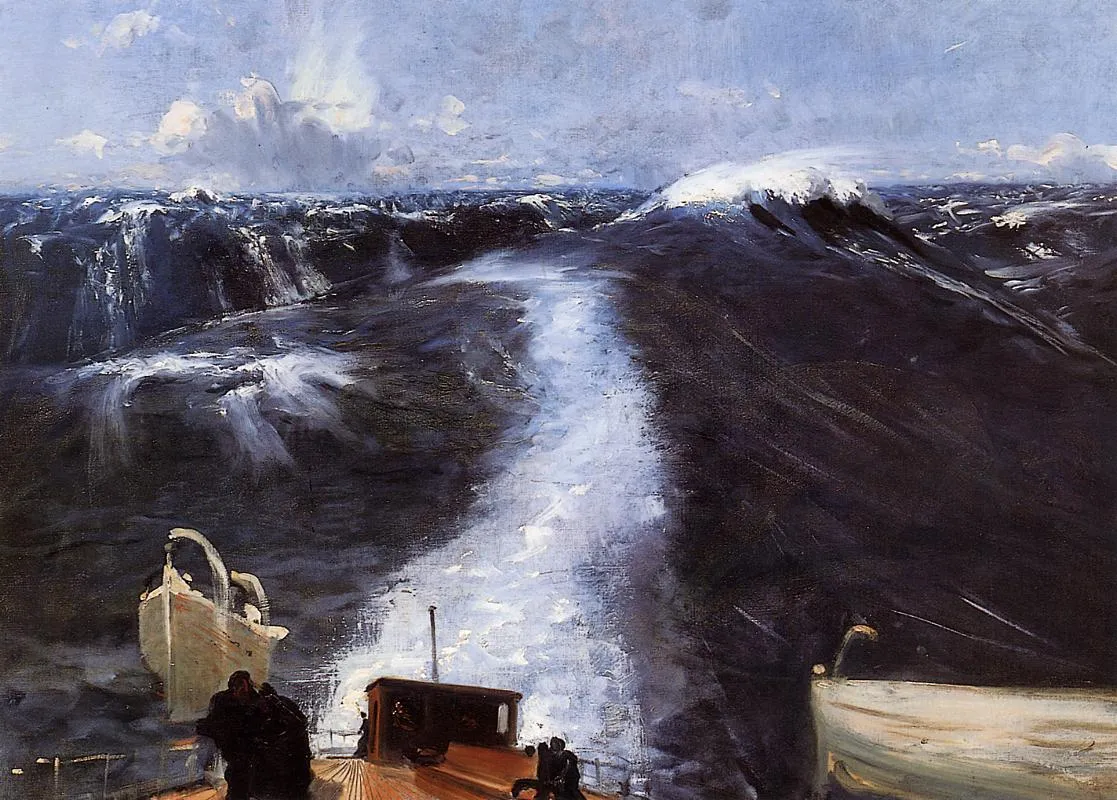
In "Atlantic Storm," Sargent utilizes his renowned oil on canvas technique to evoke the raw drama of nature. Each brushstroke demonstrates his profound understanding of light and movement, hallmarks of the American Impressionism movement. The painting’s dynamic energy pairs beautifully with Sargent’s other works, such as "Deer" and "Château De Blérancourt," making it a must-see for those who appreciate the evocative power of a masterfully rendered oil on canvas.
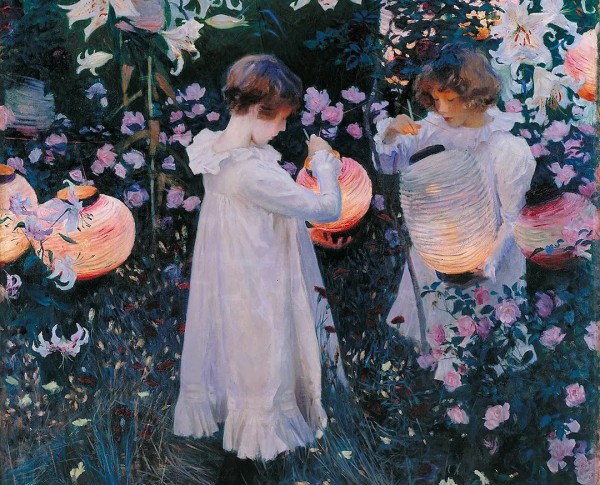
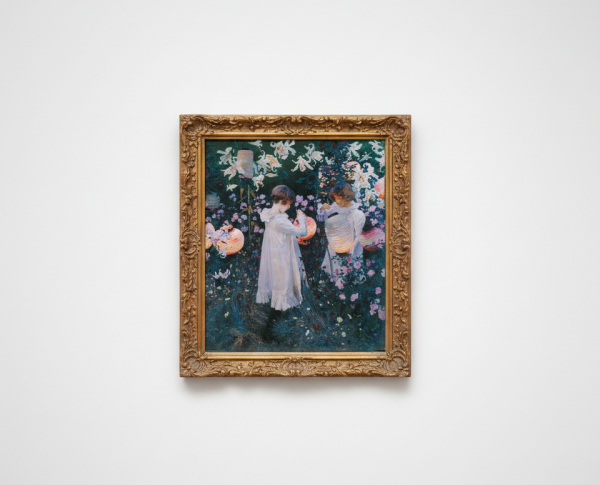
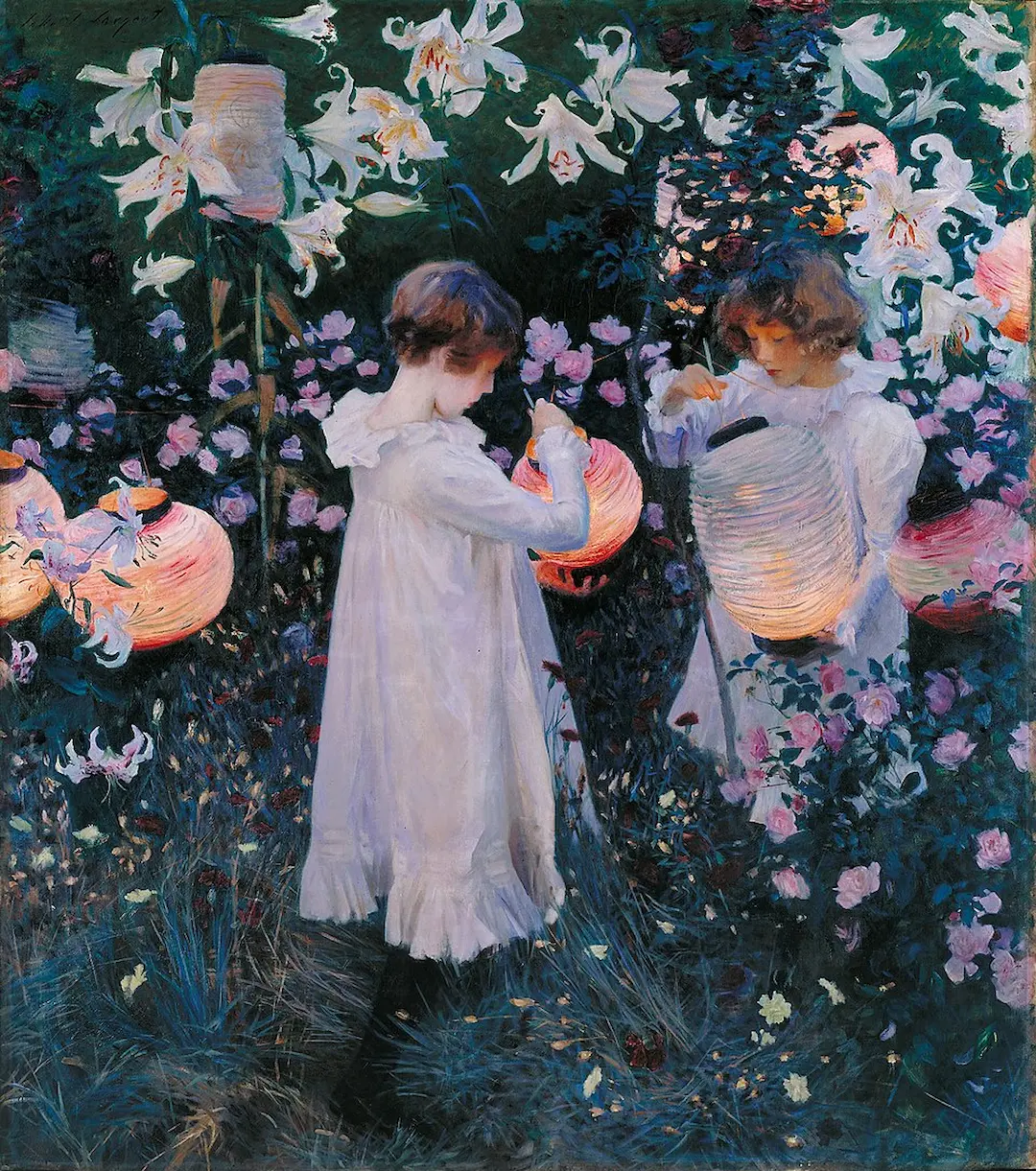
Every element in "Atlantic Storm" tells a story, from the swirling clouds to the restless waves, symbolizing the unpredictability of nature. John Singer Sargent’s ability to infuse narrative within his hand-painted oil painting draws viewers into a contemplative experience. Art lovers often explore similar symbolism in related pieces like "Carnation, Lily, Lily, Rose," underscoring the depth and emotional resonance that define both Sargent’s work and the American Impressionism movement.
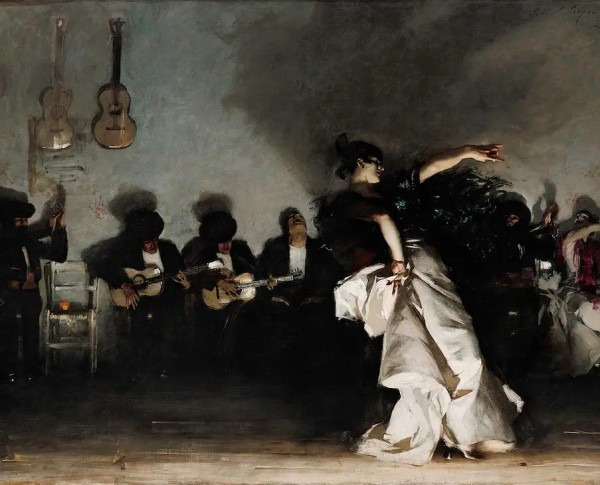
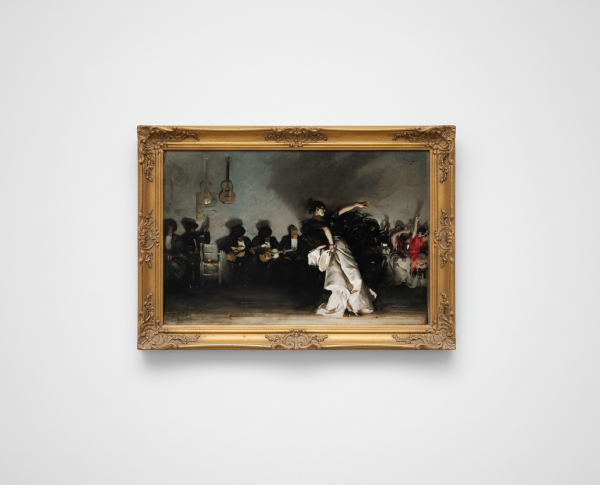
For collectors, "Atlantic Storm" by John Singer Sargent represents a premier fine art painting for sale, prized for its historical and artistic significance. As part of the American Impressionism movement, this masterpiece is often displayed alongside related works such as "El Jaleo" and "The Model." Its compelling composition and the artist’s signature style make it a standout addition to any collection, capturing the essence of Sargent’s celebrated oil on canvas artistry.
When Art Meets History
"Atlantic Storm" by John Singer Sargent stands as a testament to the American Impressionism movement, capturing the power and grandeur of nature. Painted during a period when artists sought to represent fleeting moments, this hand-painted oil painting reflects the era's fascination with light and atmosphere. Sargent, renowned for works like "Provincetown" and "Building the Schooner," brings historical context to his seascape, blending tradition with innovation in every brushstroke.
Techniques That Speak
Sargent’s mastery is evident in "Atlantic Storm," where his use of oil on canvas brings the tempestuous sea to life. The artist’s bold brushwork and attention to shifting light exemplify the hallmarks of American Impressionism. Like his contemporaries who created "Buffalo Hunt" and "Voyageurs," Sargent’s technique involves layering colors to evoke movement and emotion. The resulting effect immerses viewers in the storm’s drama, showcasing his technical prowess and unique artistic voice.
Emotions on Display
"Atlantic Storm" channels the raw power of nature, evoking awe and reverence through its dynamic composition. John Singer Sargent masterfully captures the tension between sea and sky, inviting viewers to experience the storm’s intensity firsthand. This fine art painting for sale resonates with the emotive qualities found in related works such as "When the Land Belonged to God" and "Spearing a Buffalo," making it a significant piece within the American Impressionism movement.
Coveted by Collectors
Collectors and art enthusiasts highly prize "Atlantic Storm" for its historical significance and artistic excellence. As a remarkable oil on canvas, the painting’s provenance and connection to Sargent’s oeuvre boost its desirability. Alongside his other celebrated works like "Provincetown" and "Building the Schooner," this masterpiece continues to attract attention in galleries and auctions, solidifying its reputation as a coveted example of American Impressionism.
Related American Impressionism Hand-Painted Oil Paintings by Other Artists
Other Famous American Impressionism Artists:
Frequently Asked Questions About Atlantic Storm
What is the historical context of "Atlantic Storm"?
"Atlantic Storm" was painted by John Singer Sargent in the early 20th century, a time marked by rapid changes in artistic styles and the advent of modernism. The painting reflects Sargent's fascination with the sea and his experiences during his travels, particularly the tumultuous nature of the Atlantic Ocean.
What artistic techniques did Sargent employ in "Atlantic Storm"?
Sargent utilized his signature loose brushwork and bold color palette to convey the dynamic movement of the sea and sky. The painting showcases his mastery of light and shadow, creating a dramatic contrast that enhances the sense of turbulence and energy in the scene.
What themes are explored in "Atlantic Storm"?
The painting explores themes of nature's power and the sublime, capturing the awe-inspiring and often terrifying aspects of the ocean. It reflects humanity's vulnerability in the face of nature's might, a common theme in Romantic and post-Romantic art.
How does "Atlantic Storm" reflect Sargent's artistic style?
What symbolic meanings can be derived from "Atlantic Storm"?
The stormy sea can symbolize turmoil and conflict, both external and internal. It may represent the struggles of the human condition, while also embodying the beauty and ferocity of nature, inviting viewers to reflect on their relationship with the environment.
How does "Atlantic Storm" compare to other works by Sargent?
What influence did "Atlantic Storm" have on later artists?
The painting has influenced subsequent generations of artists who explore themes of nature and emotion in their work. Sargent's approach to capturing the essence of a moment has inspired many landscape painters and impressionists who seek to convey similar feelings of movement and atmosphere.
What materials did Sargent use for "Atlantic Storm"?
Sargent typically worked with oil paints on canvas, a medium that allowed him to achieve the rich textures and vibrant colors seen in "Atlantic Storm." His choice of materials contributed to the painting's dynamic quality and depth.
Where is "Atlantic Storm" currently displayed?
"Atlantic Storm" is part of the collection at the Museum of Fine Arts in Boston. It is often featured in exhibitions that highlight Sargent's contributions to American art and his exploration of landscape painting.
What impact did Sargent's travels have on "Atlantic Storm"?
Sargent's extensive travels, particularly along the coastlines of Europe and America, greatly influenced "Atlantic Storm." His experiences with different seascapes informed his understanding of light, color, and the emotional resonance of the ocean, which is vividly captured in this work.






















_GFM_Painting_(1).webp)


 100% Hand-Painted: Finished in 3-6 Weeks

.png)













.webp)



_(1).webp)