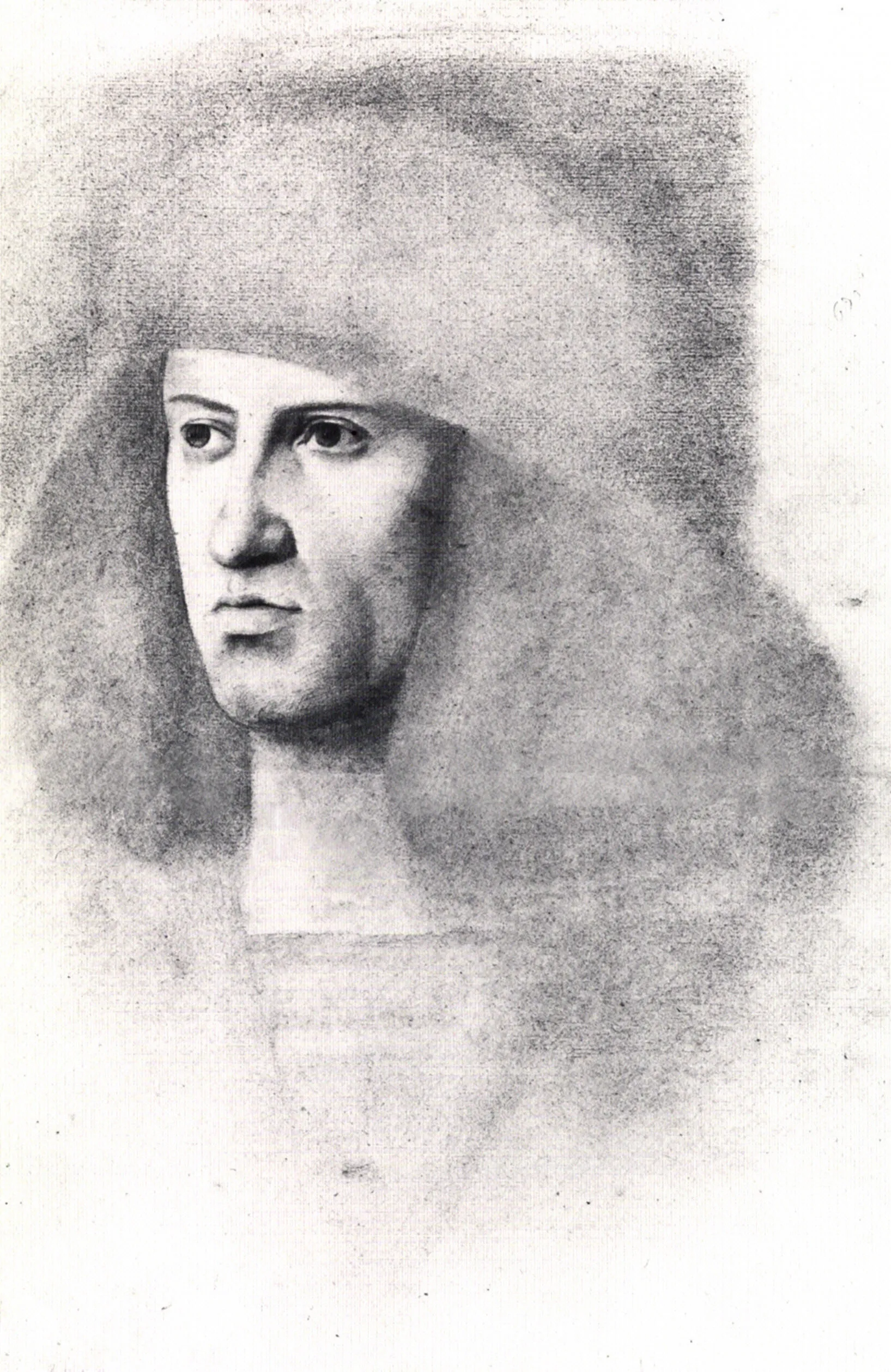
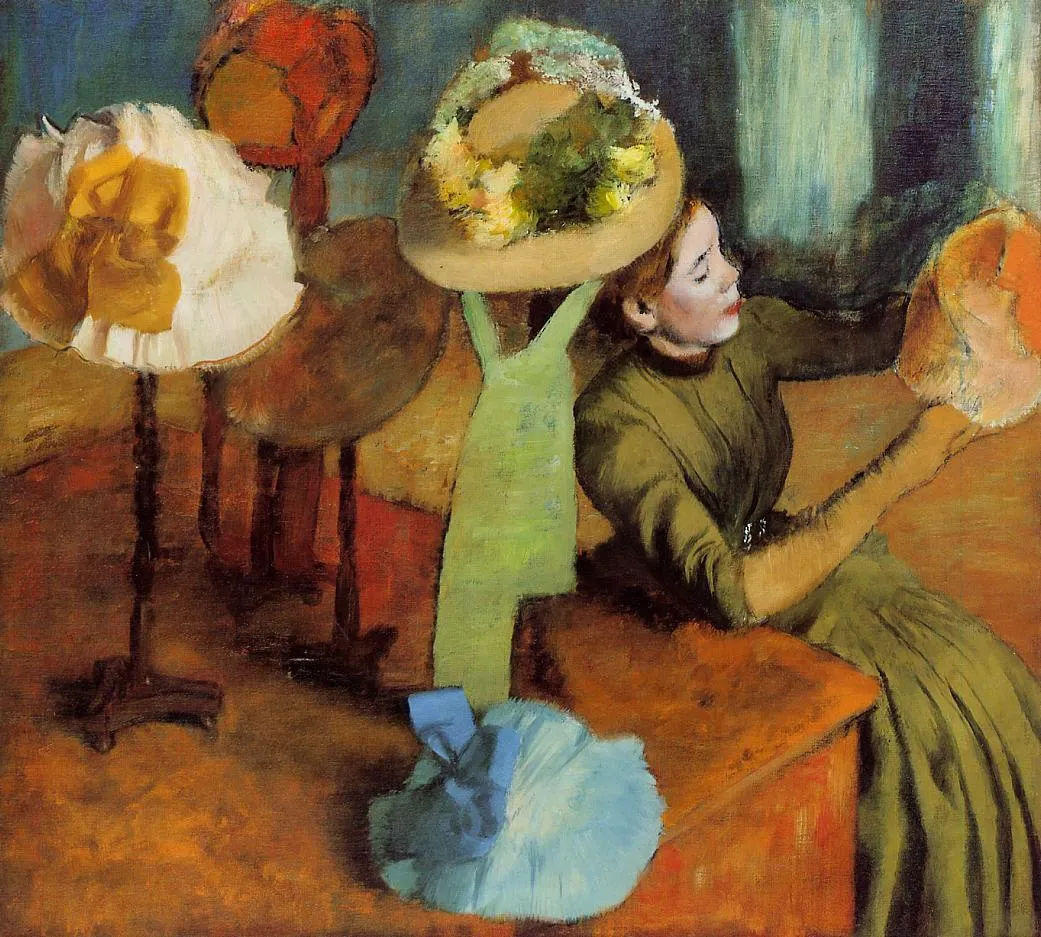
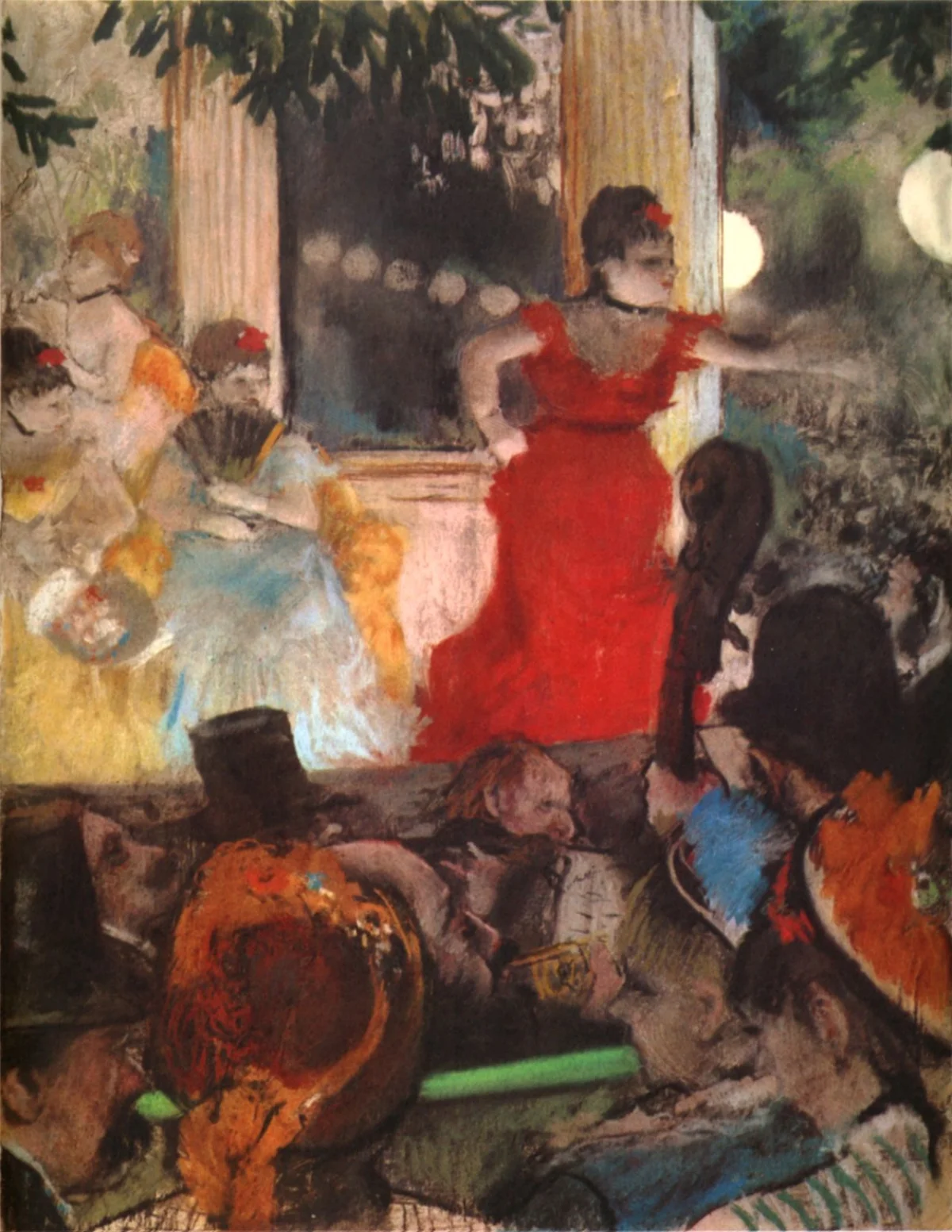
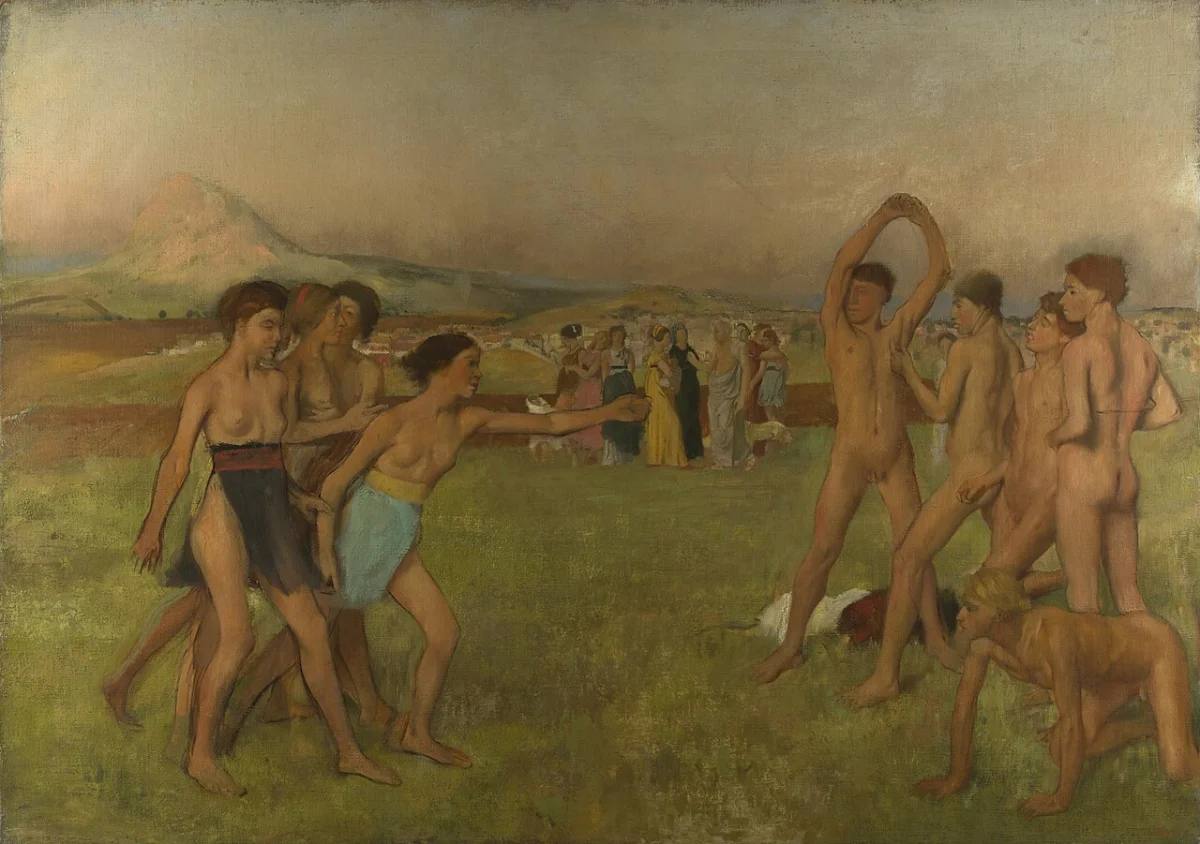
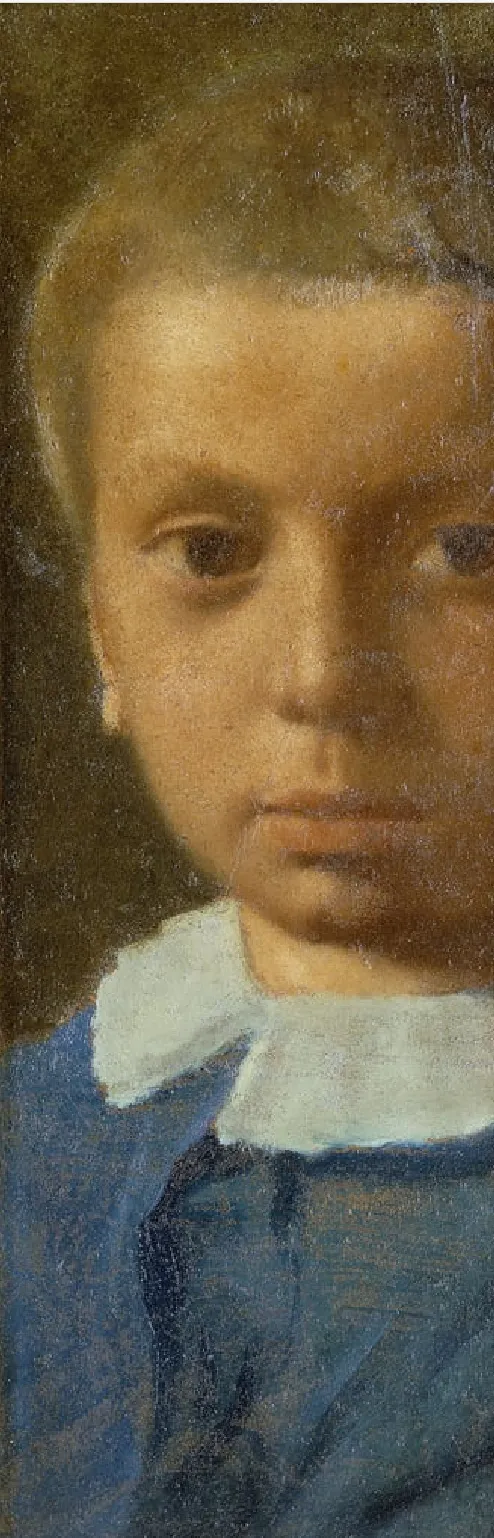
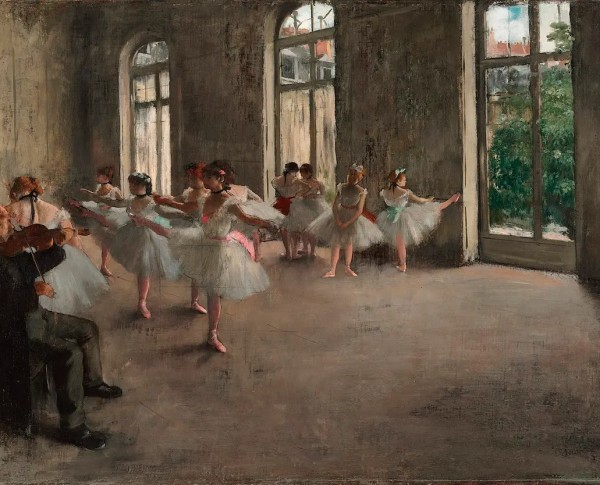
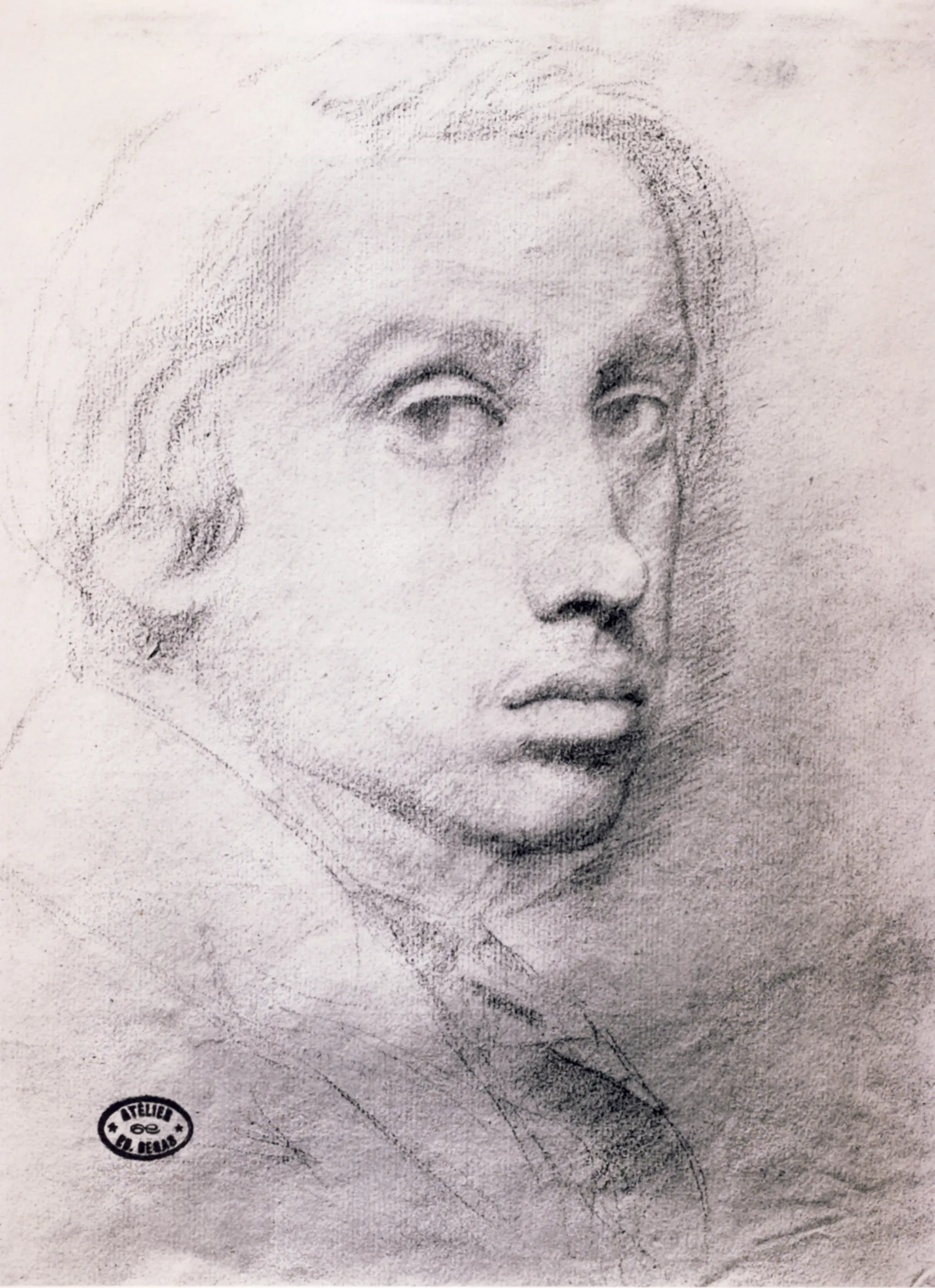
"Study for the Self Portrait" exemplifies Degas’s technical brilliance in oil on canvas. His brushwork, typical of the Impressionism era, brings a sense of immediacy and vitality to the subject. Similar to "After a Bath. Woman Drying the Back of her Neck." and "Racehorses at Longchamp," this painting showcases how Degas’s mastery elevates everyday scenes into extraordinary works. Each stroke in this oil on canvas piece invites viewers to appreciate the subtlety and expertise of Degas’s artistry.
Every fine art painting for sale by Edgar Degas tells a story, and "Study for the Self Portrait" is no exception. This work delves into the artist’s personal narrative, reflecting themes of self-exploration and identity. Like "The Child in Blue" and "Portrait of René de Gas," Degas uses symbolism and nuanced expression to connect with viewers. Collectors seeking a fine art painting for sale often choose Degas for his ability to blend storytelling with remarkable visual technique.
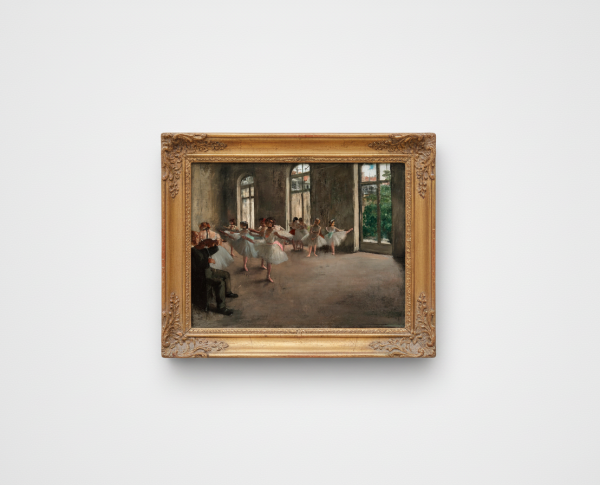
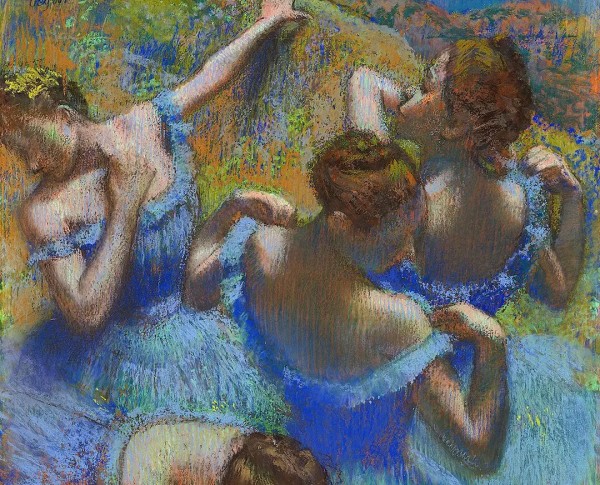
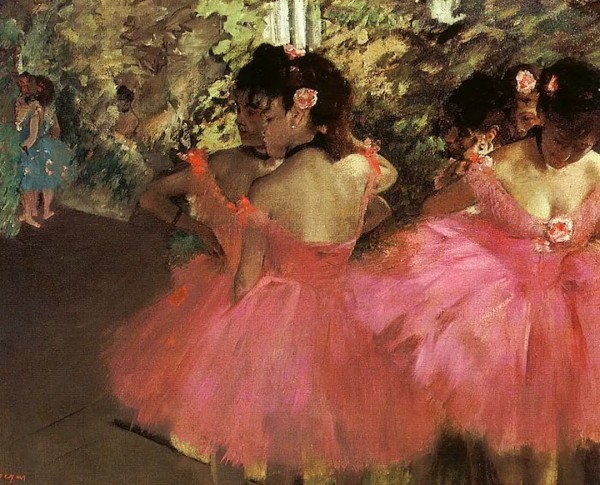
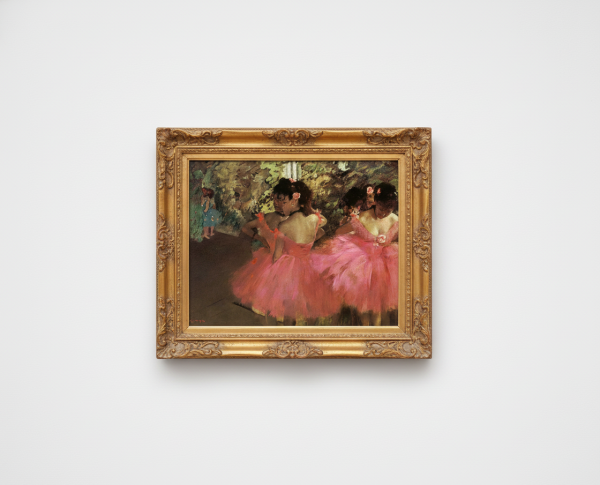
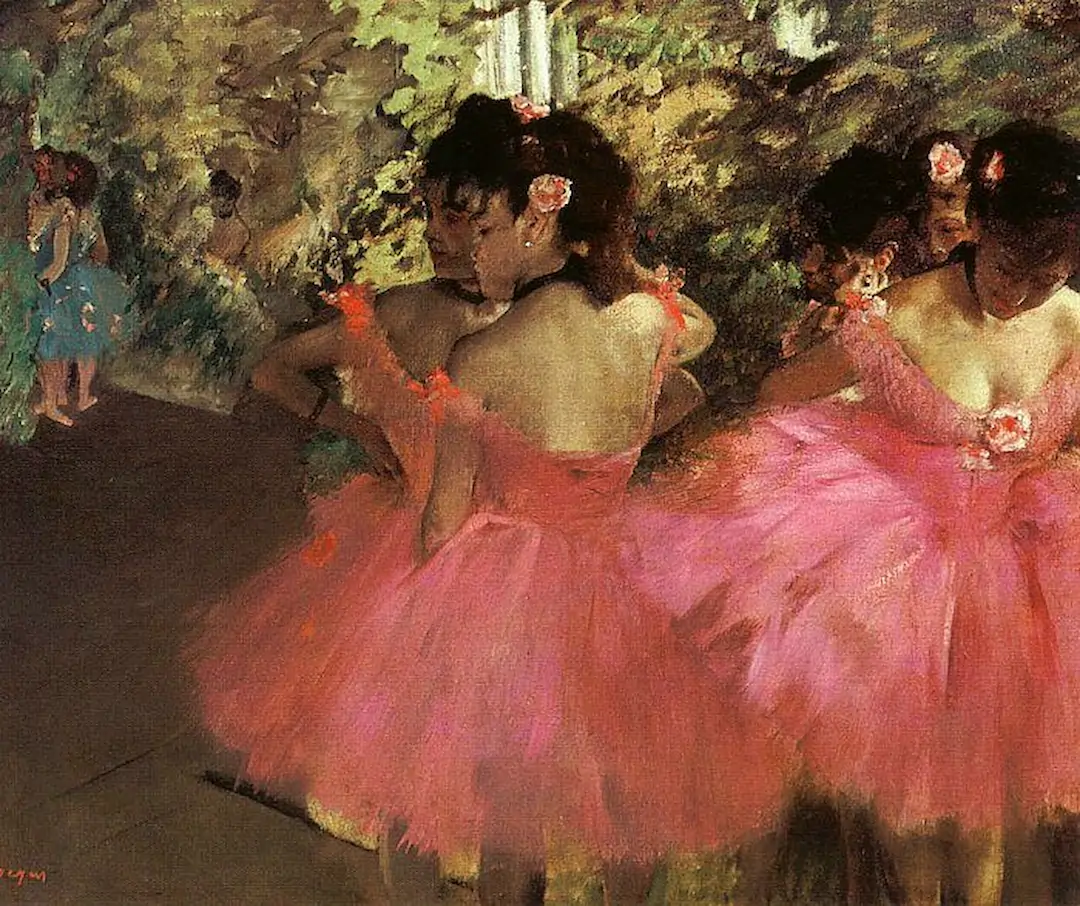
Owning a hand-painted oil painting like "Study for the Self Portrait" by Edgar Degas is a true collector’s delight. As a prominent figure in Impressionism, Degas’s works, including related products such as "Dancers In Pink" and "Portrait of René de Gas," are highly sought after. This fine art painting for sale offers not only aesthetic beauty but also a piece of art history, making it a valuable addition to any collection of masterworks.
When Art Meets History
"Study for the Self Portrait" by Edgar Degas stands as a remarkable example of the Impressionism movement, capturing a pivotal moment in art history. This hand-painted oil painting not only reflects Degas' mastery but also the evolution of artistic expression during the late 19th century. Like related works such as "Crown of Roses" and "Wild Poppies," this piece bridges tradition and innovation, making it a significant chapter in the story of Impressionist art.
Techniques That Speak
Degas' "Study for the Self Portrait" showcases his exceptional use of oil on canvas, a medium favored by many Impressionists. His brushwork reveals a delicate balance between precision and spontaneity, echoing the techniques seen in "Near Argenteuil" and "Madame Georges Charpentier and her Children." The painting’s layered textures and subtle color transitions draw viewers in, highlighting Degas' technical prowess and his contribution to the Impressionism movement’s visual language.
Emotions on Display
In "Study for the Self Portrait," Edgar Degas masterfully conveys emotion through nuanced expressions and thoughtful composition. This fine art painting for sale delves into the artist's introspective side, inviting viewers to connect with his inner world. The emotional depth resonates with the sensitivity found in works like "Hauling a Boat Ashore" and "Honfleur," making it a compelling piece for admirers of Impressionism seeking a personal and evocative connection.
Coveted by Collectors
Collectors prize "Study for the Self Portrait" not only for its artistic merit but also for its historical significance. As with prized pieces like "A Farmyard in Normandy," this hand-painted oil painting represents a unique opportunity to own a work by Edgar Degas, a leading figure of the Impressionism movement. Its rarity and the prestige associated with Degas’ name ensure that this masterpiece remains a sought-after addition to any distinguished art collection.
Related Impressionism Hand-Painted Oil Paintings by Other Artists
Other Famous Impressionism Artists:
Frequently Asked Questions About Study for the Self Portrait
What is the historical context of Edgar Degas' "Study for the Self Portrait"?
"Study for the Self Portrait" was created during a period when Degas was exploring the complexities of identity and self-representation, reflecting the broader artistic movements of the late 19th century, including Impressionism and Realism.
What techniques did Degas use in "Study for the Self Portrait"?
Degas employed a combination of pastels and charcoal in this work, showcasing his mastery of drawing and his ability to convey texture and depth, which were hallmarks of his artistic style.
How does "Study for the Self Portrait" reflect Degas' artistic philosophy?
The painting illustrates Degas' belief in the importance of capturing the human experience and the subtleties of emotion, as he often sought to portray the inner life of his subjects.
What symbolism can be found in "Study for the Self Portrait"?
The self-portrait serves as a reflection of Degas' introspection and his struggle with the concept of self, symbolizing the artist's quest for authenticity in a rapidly changing world.
How does "Study for the Self Portrait" compare to other self-portraits of the time?
Unlike many self-portraits of his contemporaries that often depicted idealized versions of the artist, Degas' work is characterized by a raw and honest representation, emphasizing the artist's individuality and vulnerability.
What influence did "Study for the Self Portrait" have on later artists?
This work influenced subsequent generations of artists by challenging traditional notions of self-portraiture and encouraging a more personal and introspective approach to representation.
What can we learn about Degas' life from "Study for the Self Portrait"?
The painting provides insight into Degas' personal struggles and his complex relationship with his identity, revealing the artist's contemplative nature and his critical view of himself.
How does "Study for the Self Portrait" fit into Degas' broader body of work?
This piece is a significant part of Degas' oeuvre, as it encapsulates his exploration of the human figure and his innovative approach to composition, which are prevalent themes throughout his career.
What role did self-portraiture play in the art movements of the 19th century?
Self-portraiture became a vital means of expression for artists in the 19th century, allowing them to explore their identities and philosophies, as well as to engage with the evolving perceptions of the artist's role in society.
Why is "Study for the Self Portrait" considered a significant work in Degas' portfolio?
The painting is significant as it encapsulates Degas' innovative spirit and his ability to blend traditional techniques with modern themes, marking it as a pivotal moment in his artistic development.






















_GFM_Painting_(1).webp)


 100% Hand-Painted: Finished in 3-6 Weeks

.png)















_(1).webp)