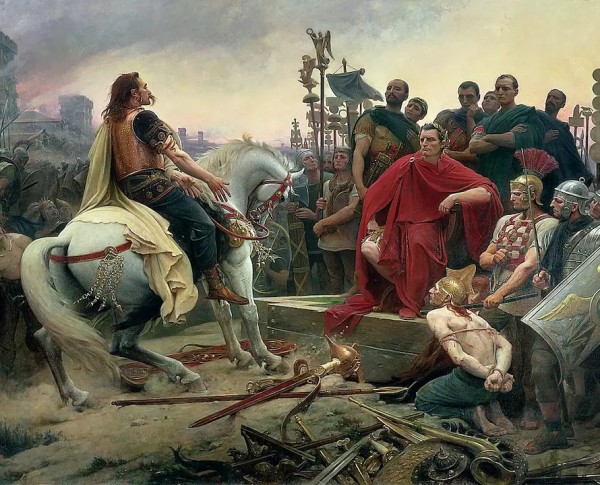
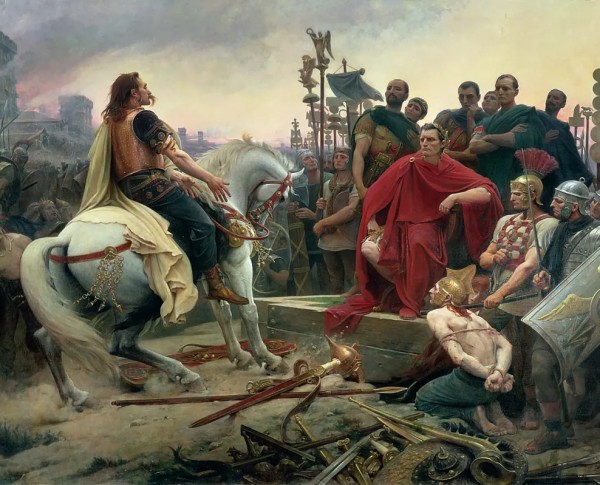
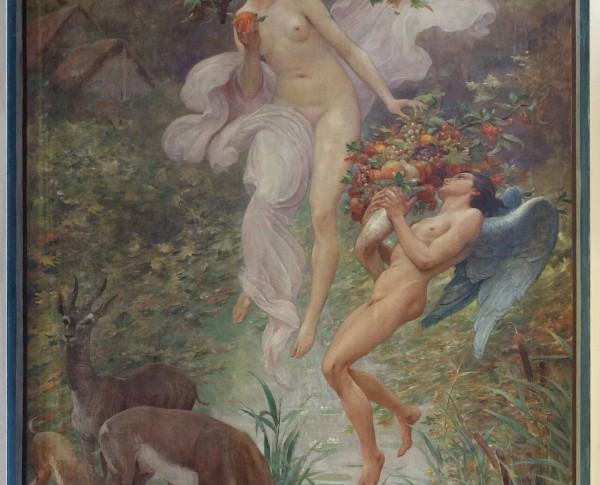
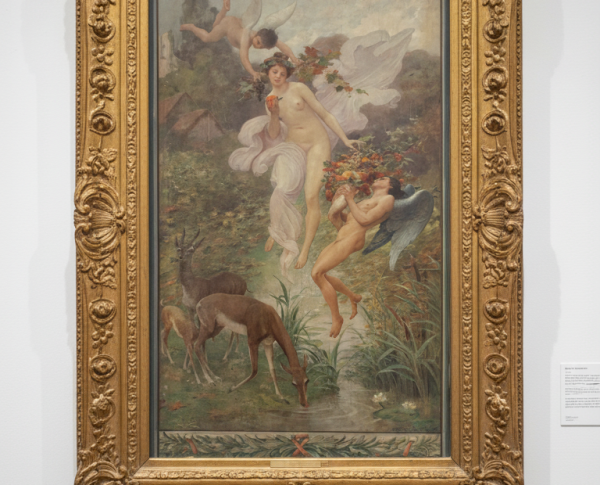
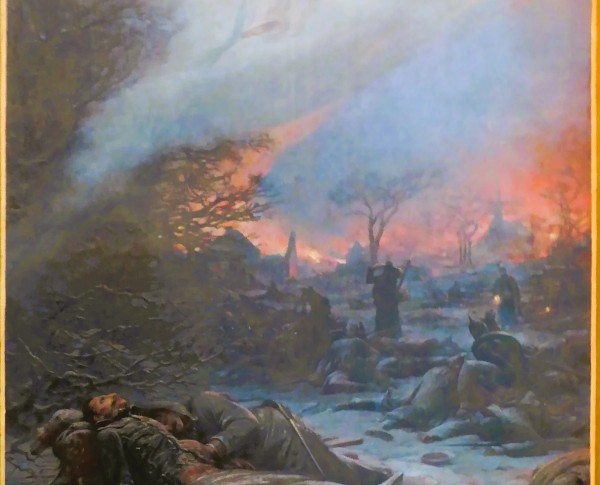
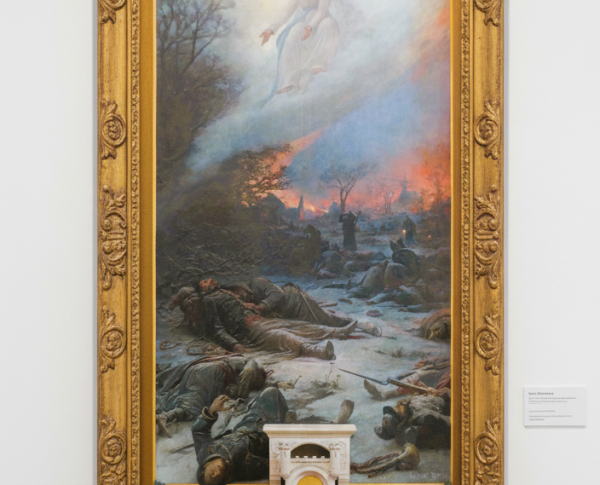
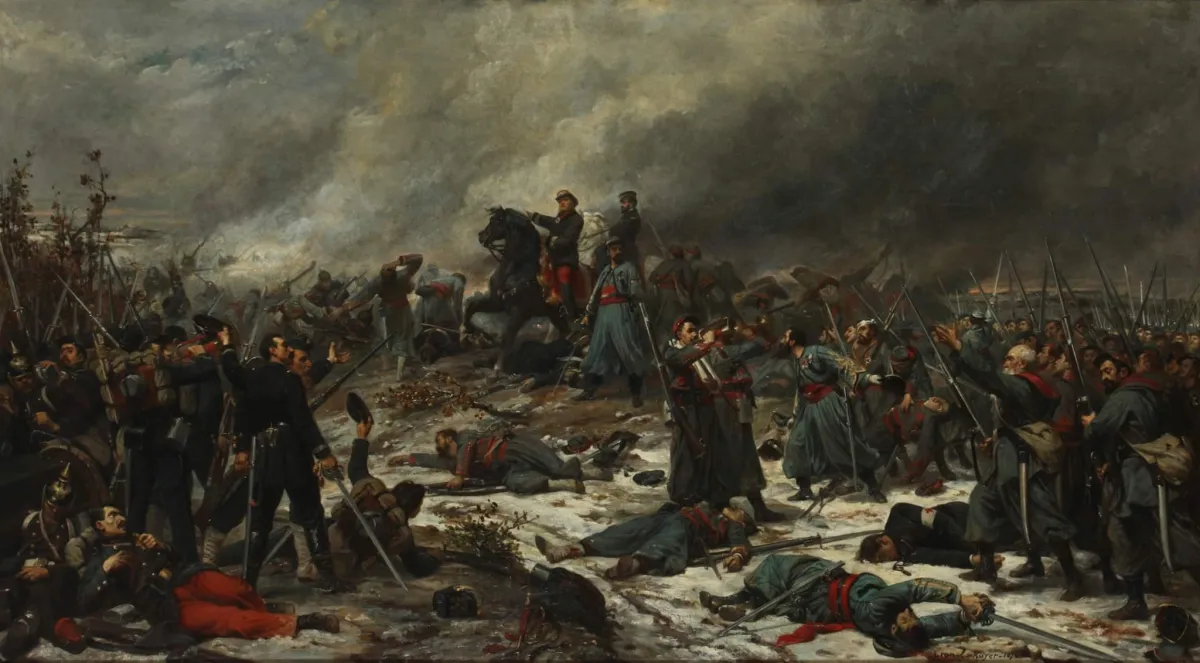
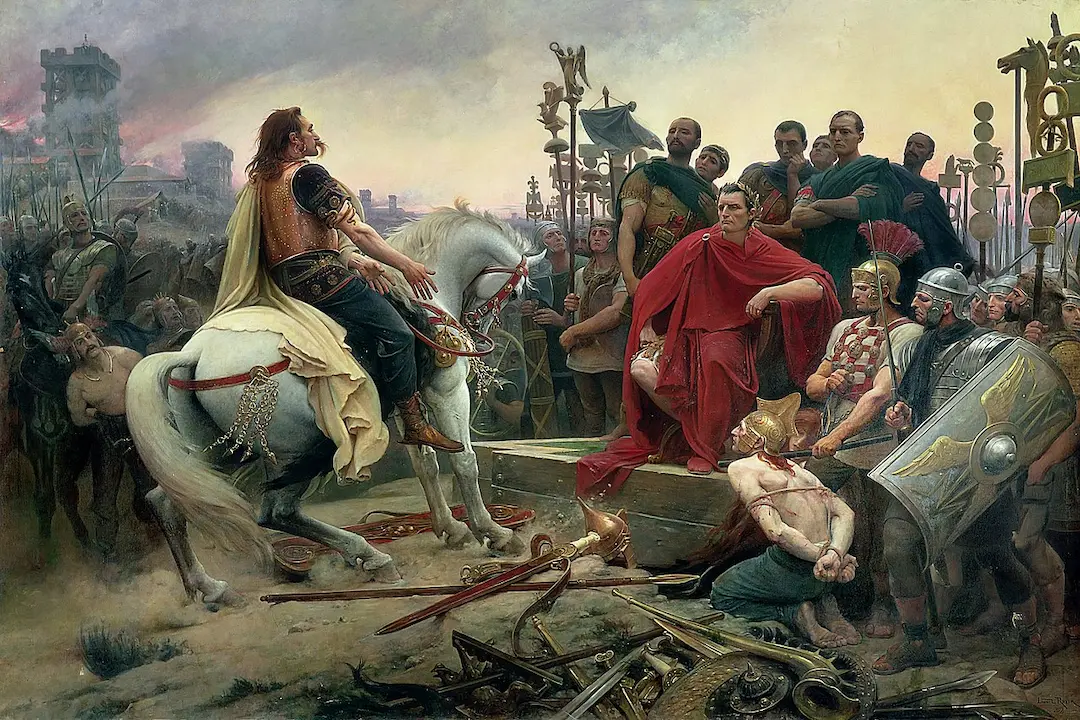
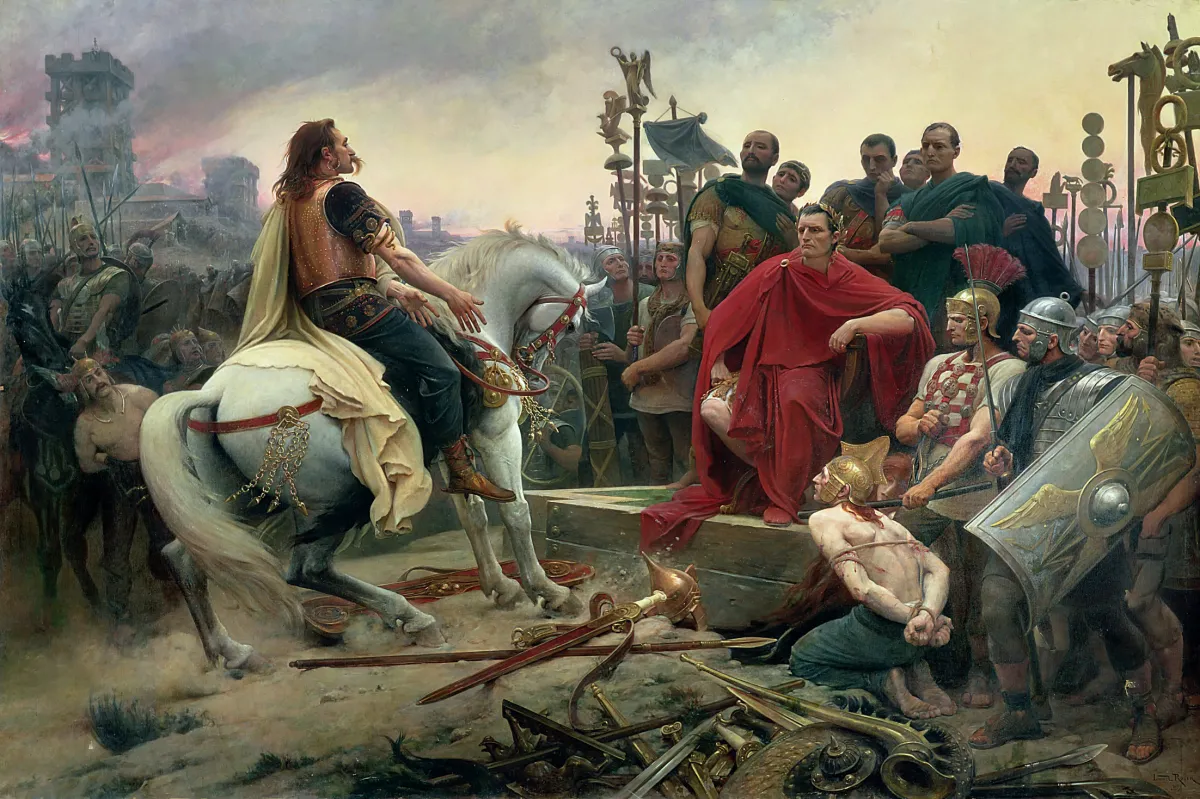
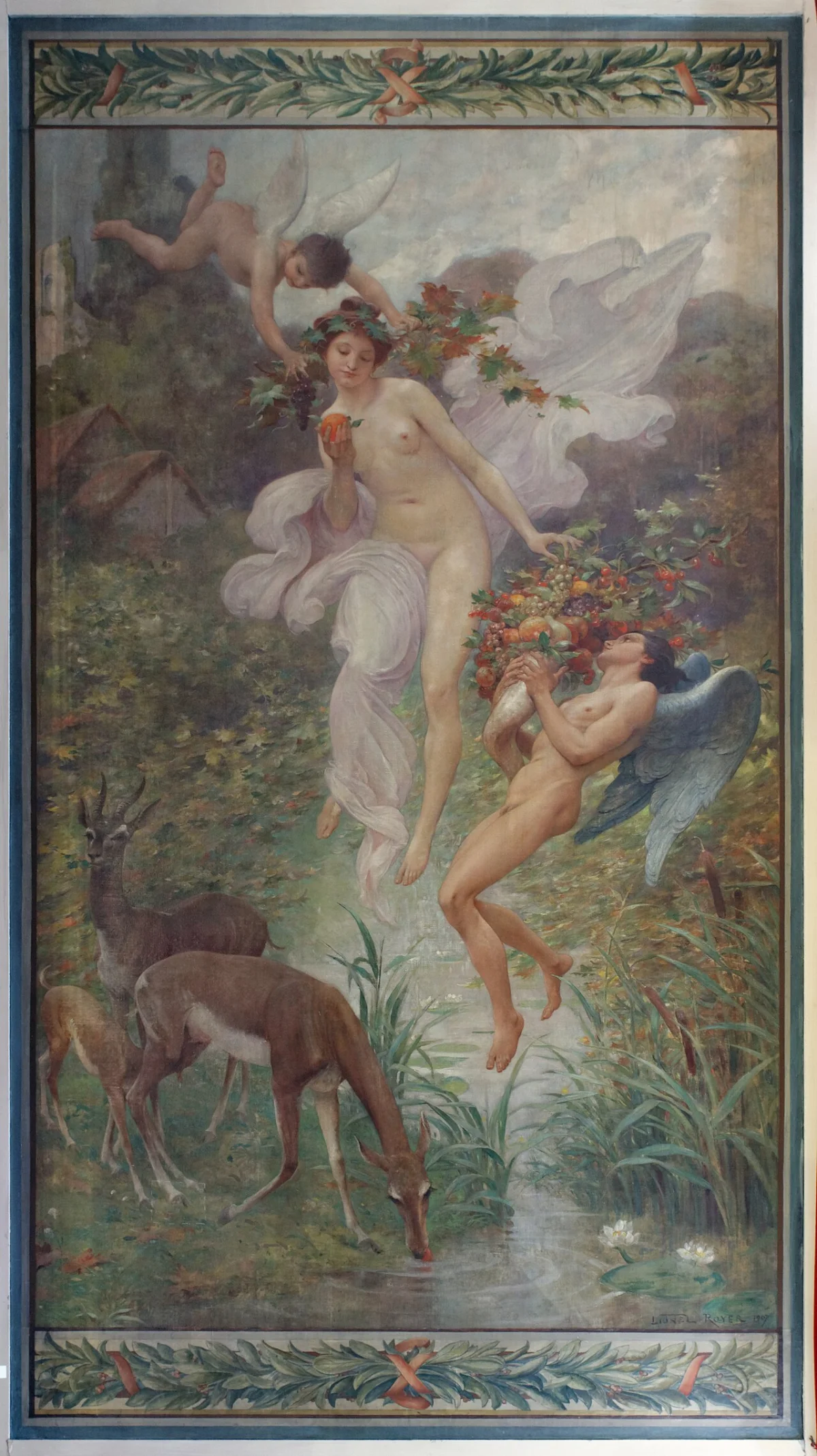
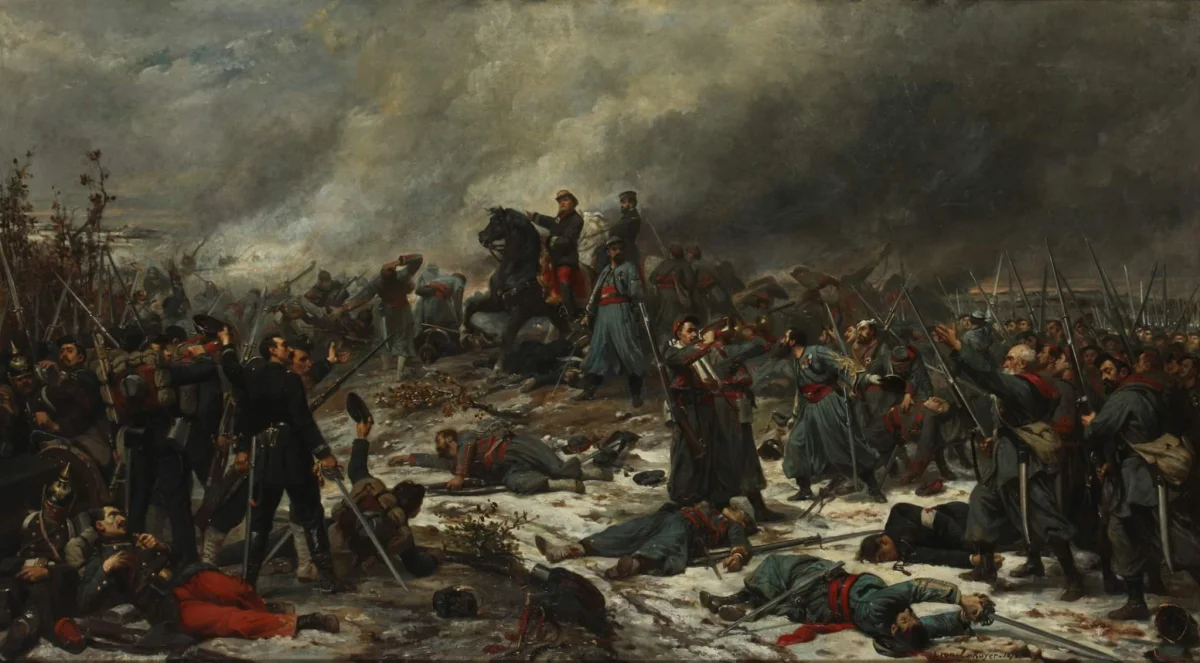
Lionel Noel Royer’s expert technique in "Battle of Auvours, 10 January" is evident in his meticulous use of oil on canvas. The detailed brushwork and lifelike figures bring the scene to life, immersing viewers in the chaos and valor of battle. For collectors, Royer's "Allegory of Summer" and "Vercingetorix throws down his arms at the feet of Julius Caesar, 1899" represent similar dedication to the craft, making them sought-after pieces for any fine art collection.
Each element in "Battle of Auvours, 10 January" tells a story, with symbols of courage and sacrifice woven throughout the composition. This fine art painting for sale resonates with fans of Academic Art, who appreciate the narrative depth and historical context Royer provides. Art lovers may also enjoy related works like "La Bataille De Conte La Prusse" and "Champ De Bataille D'Auvours, À Quelques Kilomètres Du Mans," which echo these powerful themes.
Owning "Battle of Auvours, 10 January" offers more than just visual appeal—it’s a piece of history rendered in exquisite oil on canvas. Lionel Noel Royer’s work is highly prized among collectors of Academic Art, with related pieces such as "La Esmeralda Et Sa Chèvre Djali" frequently sought after. This painting is a testament to Royer’s legacy and a valuable addition for anyone seeking a distinguished fine art painting for sale.
When Art Meets History
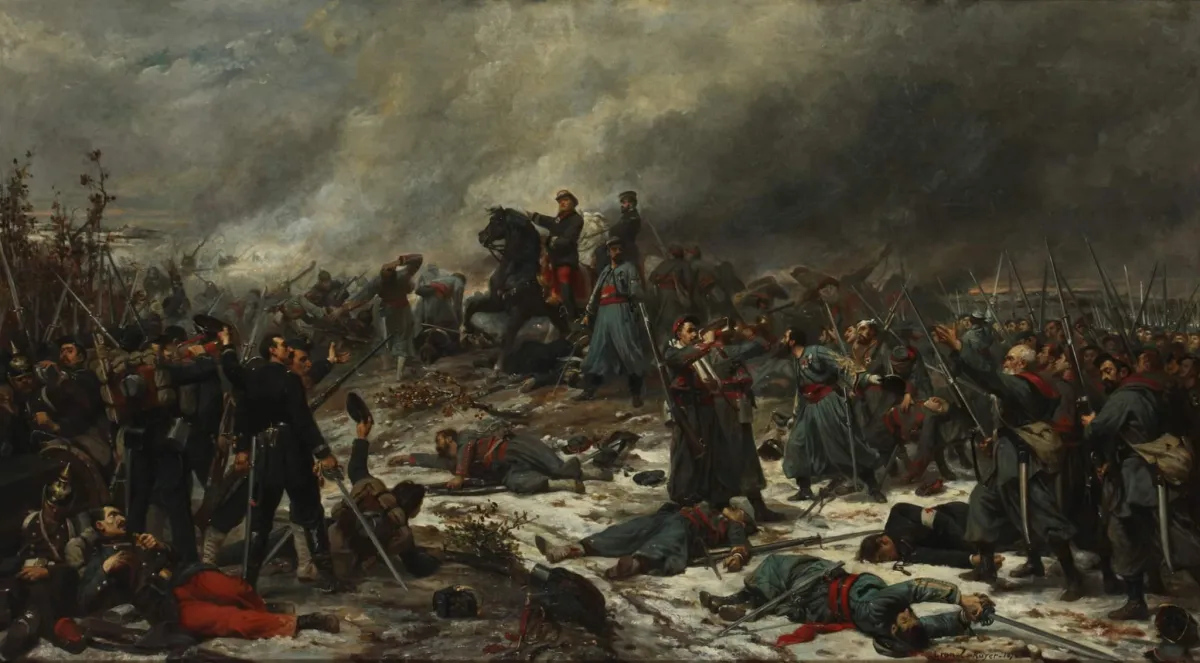
"Battle of Auvours, 10 January" by Lionel Noel Royer is a remarkable hand-painted oil painting that captures a pivotal moment in French military history. Created in the Academic Art movement, this work demonstrates Royer’s dedication to historical accuracy and dramatic storytelling. Like his contemporaries, Royer meticulously researched uniforms and settings, much as seen in related paintings such as "Interior with a green tiled stove" and "The Wave," offering viewers a vivid window into the past.
Techniques That Speak
Royer’s mastery of oil on canvas is evident in the dynamic composition and lifelike details of "Battle of Auvours, 10 January." The Academic Art movement valued technical precision, and Royer’s brushwork exemplifies this tradition. His use of light and shadow enhances the painting’s realism, much as in "Crystal Vase" or "On Lake Brienz." Each stroke contributes to a sense of immediacy, making the viewer feel present at the heart of the conflict.
Emotions on Display
This fine art painting for sale is more than a historical record; it’s an emotional narrative. Royer’s depiction of soldiers in the heat of battle brings forth themes of courage, sacrifice, and turmoil, resonating with the viewer on a personal level. Comparable to the emotional depth found in "Love’s Offering," the painting invites reflection on the human cost of war, making it a poignant addition to any collection of Academic Art.
Coveted by Collectors
Collectors highly prize "Battle of Auvours, 10 January" for its artistic excellence and historical significance. As a hand-painted oil painting by Lionel Noel Royer, it stands alongside masterpieces like "The Wave" and "Crystal Vase" within the Academic Art movement. The combination of compelling subject matter and technical brilliance makes this work a sought-after treasure, perfect for those seeking a distinguished fine art painting for sale that embodies both artistry and heritage.
Related Academic Art Hand-Painted Oil Paintings by Other Artists
Other Famous Academic Art Artists:
Frequently Asked Questions About Battle of Auvours, 10 January
What historical event does "Battle of Auvours, 10 January" depict?
The painting illustrates the Battle of Auvours, a significant conflict during the French Wars of Religion, which took place on January 10, 1562, between the forces of the Catholic League and the Huguenots.
Who was Lionel Noel Royer and what is his significance in art history?
Lionel Noel Royer was a French painter known for his historical and military scenes. His works often reflect a deep understanding of historical context and a commitment to realism, making him an important figure in 19th-century French art.
What artistic techniques did Royer employ in this painting?
Royer utilized a combination of dramatic lighting, dynamic composition, and meticulous attention to detail to convey the intensity of battle, enhancing the emotional impact of the scene.
What symbolism is present in "Battle of Auvours, 10 January"?
The painting symbolizes the struggle between faiths during the French Wars of Religion, representing not only the physical battle but also the ideological conflicts of the time.
How does Royer portray the characters in the painting?
Royer captures the expressions and postures of the soldiers, conveying a range of emotions from valor to despair, thus humanizing the historical figures and making the viewer empathize with their plight.
What role does color play in "Battle of Auvours, 10 January"?
The use of color in the painting serves to enhance the drama of the scene, with contrasting hues highlighting the chaos of battle and the emotional states of the combatants.
In what way does this painting reflect the artistic trends of its time?
The painting reflects the Romantic movement's emphasis on emotion and individual experience, as well as a fascination with historical subjects, which were prevalent in 19th-century European art.
What can we learn about the social context of the time from this painting?
The painting provides insight into the societal divisions and conflicts of 16th-century France, illustrating how art can serve as a commentary on the political and religious tensions of its era.
How has "Battle of Auvours, 10 January" been received by critics and historians?
The painting has been praised for its historical accuracy and emotional depth, with critics noting Royer's ability to capture the essence of a pivotal moment in French history.
What is the significance of the composition in this artwork?
The composition of the painting, with its dynamic arrangement of figures and movement, draws the viewer's eye into the heart of the battle, effectively immersing them in the chaos and urgency of the scene.























_GFM_Painting_(1).webp)


 100% Hand-Painted: Finished in 3-6 Weeks

.png)















_(1).webp)