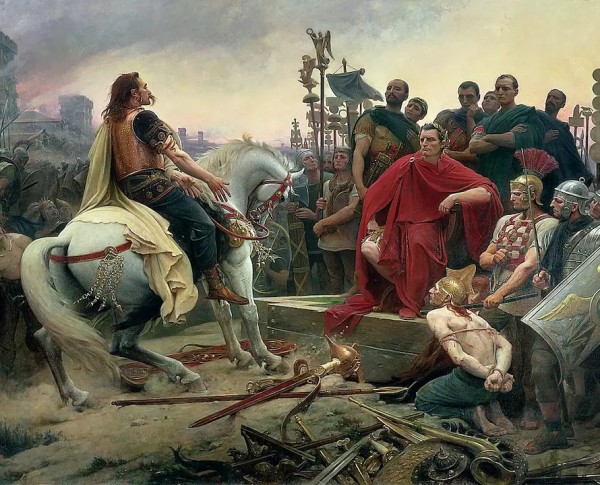
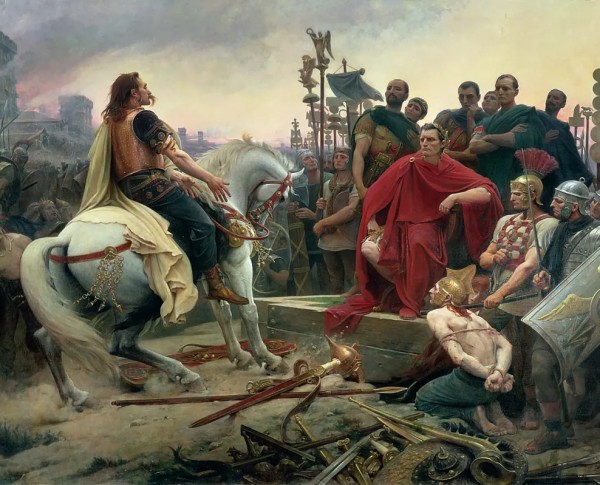
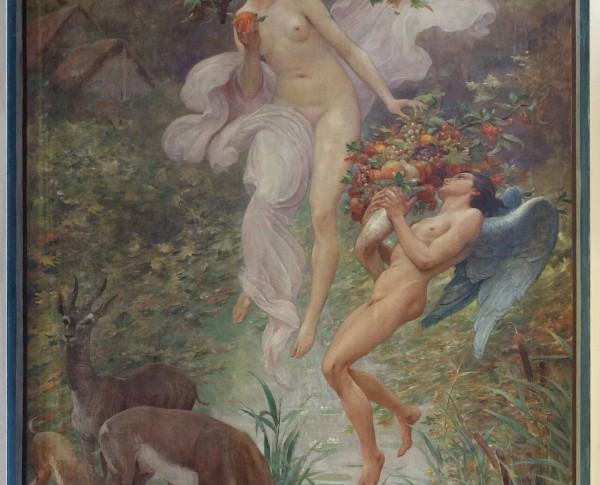
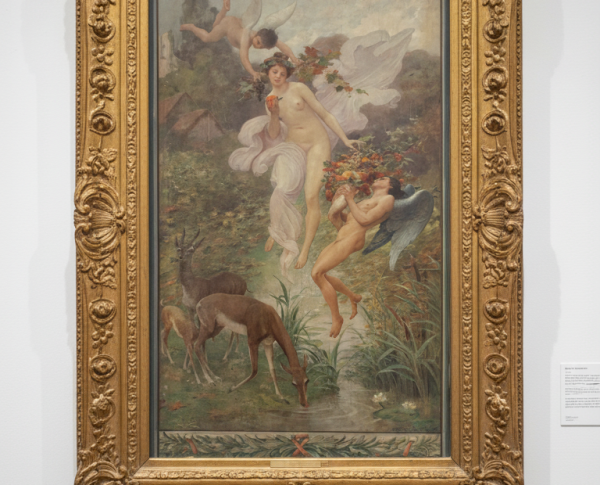
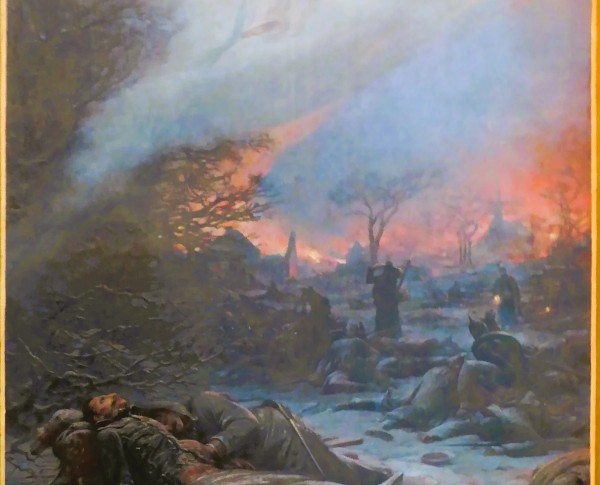
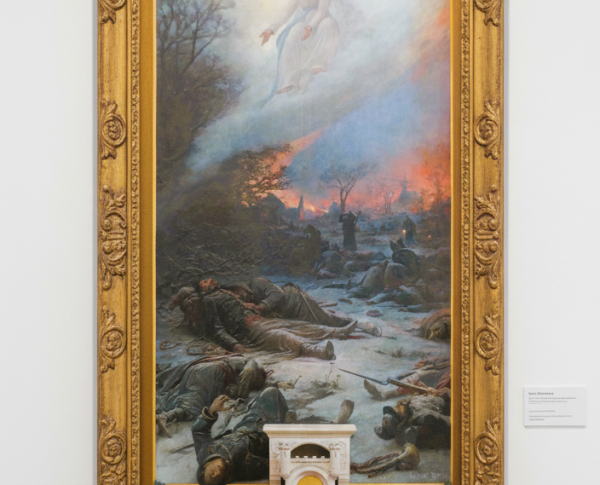
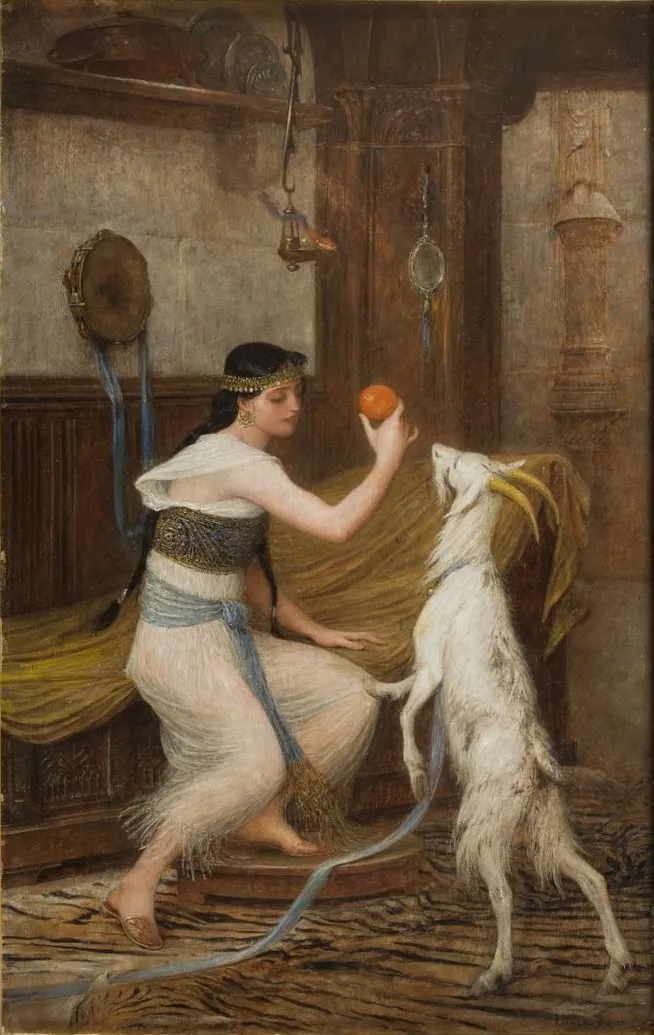
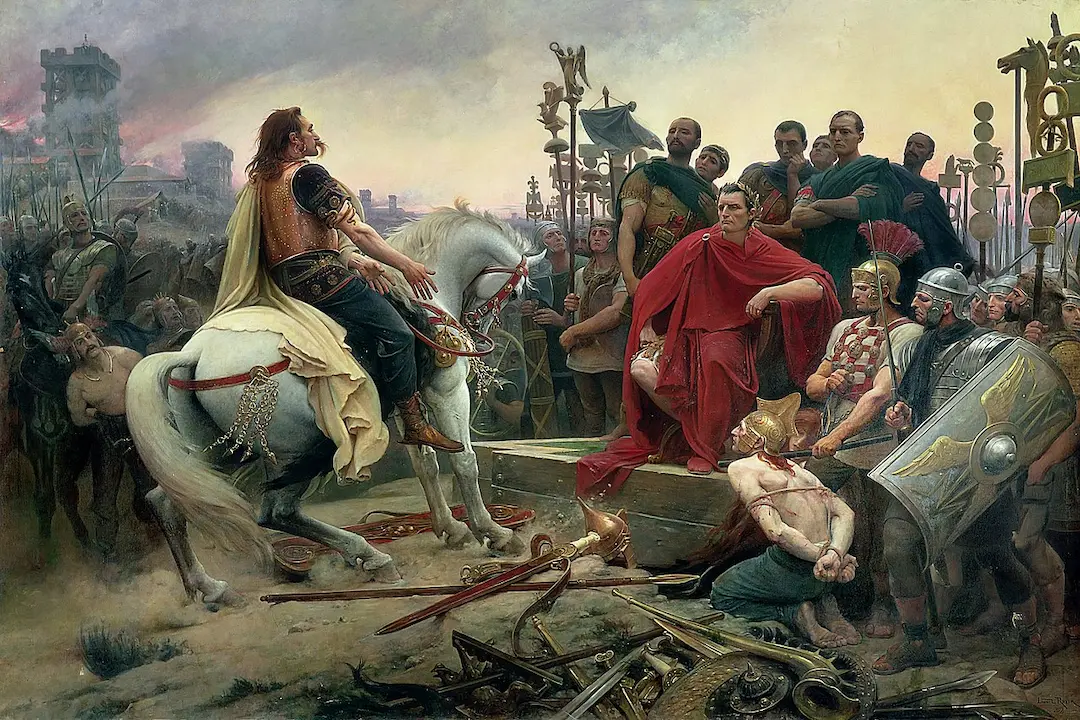
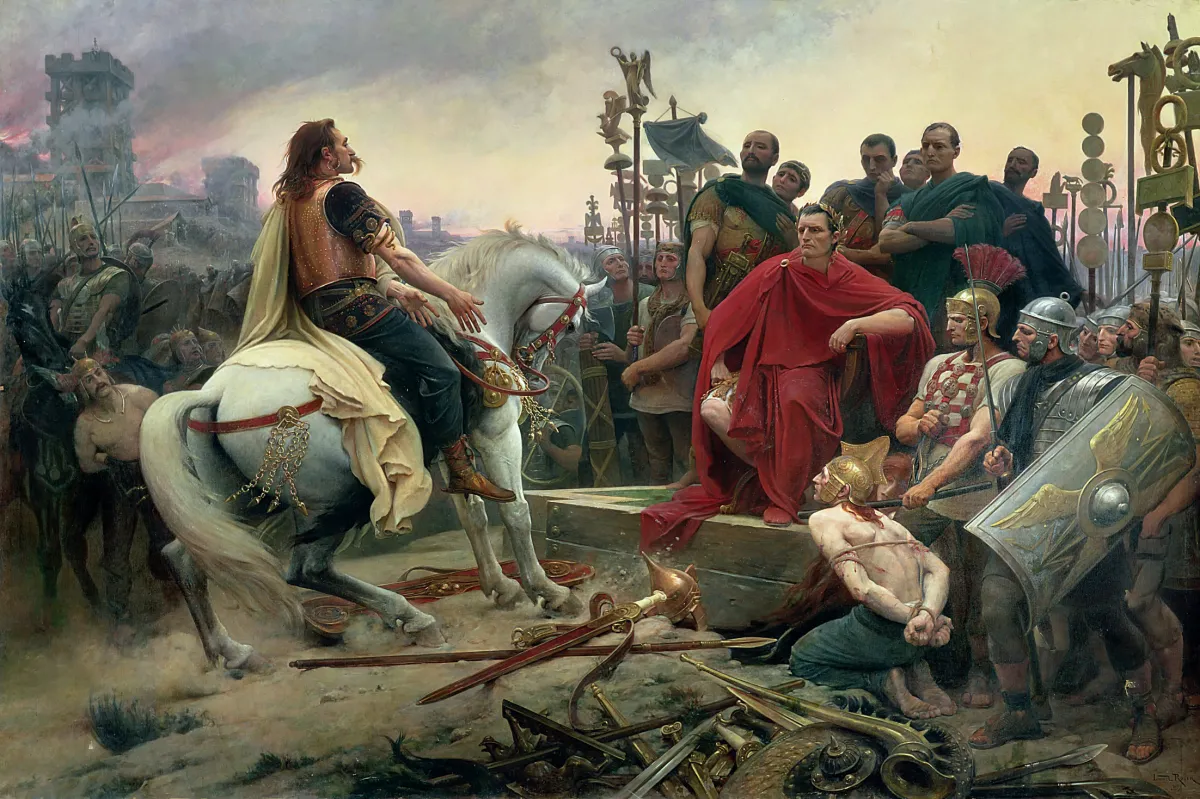
Lionel Noel Royer’s technique in "La Esmeralda Et Sa Chèvre Djali" showcases his command of oil on canvas, a hallmark of Academic Art. The subtle gradations, lifelike textures, and luminous color palette are evident, matching the finesse seen in "Vercingetorix Throws down His Arms at the Feet of Julius Caesar" and "Auguste Au Tombeau D'Alexandre." Each brushstroke in this painting reveals Royer’s precision and deep understanding of classical composition.
This fine art painting for sale brings to life the poignant narrative of Esmeralda and Djali, symbolizing innocence and resilience. Royer weaves storytelling into the visual, much like he does in works such as "Champ De Bataille D'Auvours" and "Battle of Auvours, 10 January 1871." Through expressive gestures and careful attention to detail, the painting invites viewers to explore the layers of meaning behind the subjects and their enduring bond.
Owning "La Esmeralda Et Sa Chèvre Djali" is a privilege for any art connoisseur seeking a hand-painted oil painting by Lionel Noel Royer. This piece, rooted in the Academic Art movement, complements collections that feature related works like "À Quelques Kilomètres Du Mans" and "La Bataille De Conte La Prusse." Its historical significance and masterful execution make it a notable addition to any gallery or private collection.
When Art Meets History
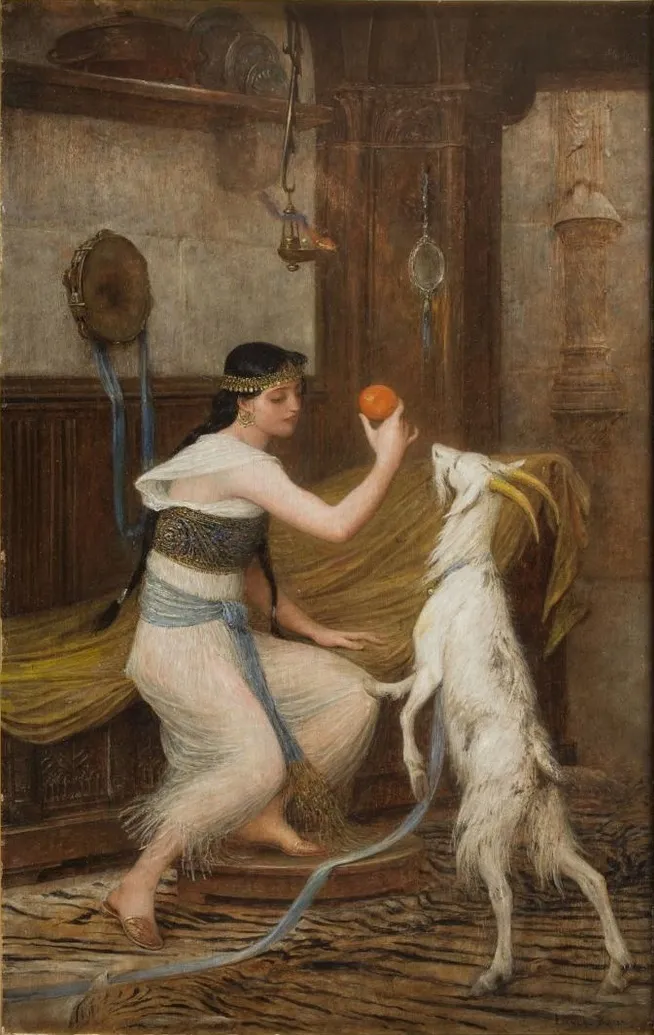
Lionel Noel Royer’s masterpiece, "La Esmeralda Et Sa Chèvre Djali," is a testament to the Academic Art movement’s fascination with historical narratives and literary subjects. Painted in the tradition of classic oil on canvas techniques, this work vividly brings to life Victor Hugo’s beloved character Esmeralda and her goat Djali. Like "Double portrait of the artist's daughters" and "At the Louvre," Royer’s painting captures a moment where art and history intertwine, offering a hand-painted oil painting rich in storytelling.
Techniques That Speak
Royer’s "La Esmeralda Et Sa Chèvre Djali" exemplifies the meticulous techniques characteristic of Academic Art. The artist’s masterful brushwork and attention to realistic detail are hallmarks of the oil on canvas tradition. Each stroke reveals Royer’s dedication to lifelike representation, much like seen in "Study for the Head of an Angel in Saint Isidore" and "A Nymph by a Fountain." The fine art painting for sale showcases refined skills that define the genre’s technical excellence.
Emotions on Display
In "La Esmeralda Et Sa Chèvre Djali," Lionel Noel Royer conveys a spectrum of emotions through expressive gestures and nuanced facial expressions. The Academic Art movement prized emotional depth, and Royer’s hand-painted oil painting brings empathy and warmth to the foreground. The connection between Esmeralda and Djali evokes compassion, similar to the emotive qualities found in "BRIC-À-BRAC" and other related paintings. This emotional resonance is a hallmark of Royer’s celebrated style.
Coveted by Collectors
"La Esmeralda Et Sa Chèvre Djali" remains a fine art painting for sale that appeals to discerning collectors worldwide. Lionel Noel Royer’s reputation, combined with the enduring popularity of Academic Art, makes this oil on canvas highly sought after. Alongside works like "Double portrait of the artist's daughters" and "A Nymph by a Fountain," this painting is a prized addition to any collection, reflecting both historical significance and exquisite artistry.
Related Academic Art Hand-Painted Oil Paintings by Other Artists
Other Famous Academic Art Artists:
Frequently Asked Questions About La Esmeralda Et Sa Chèvre Djali
What is the historical context of "La Esmeralda Et Sa Chèvre Djali"?
This painting, created by Lionel Noel Royer in the late 19th century, reflects the Romantic movement's fascination with exoticism and the dramatic narratives of literature, particularly Victor Hugo's "The Hunchback of Notre-Dame."
Who is the central figure in the painting?
The central figure is Esmeralda, a Romani woman known for her beauty and compassion, symbolizing freedom and the struggle against societal oppression, as depicted in Hugo's narrative.
What role does the goat Djali play in the artwork?
Djali, Esmeralda's pet goat, serves as a symbol of innocence and loyalty, enhancing the emotional depth of the painting and highlighting Esmeralda's nurturing character.
How does Lionel Noel Royer use color in this painting?
Royer employs a vibrant color palette to evoke the warmth and vitality of the Romani culture, while also contrasting light and shadow to create a dramatic atmosphere that draws the viewer into the scene.
What artistic techniques are evident in "La Esmeralda Et Sa Chèvre Djali"?
The painting showcases Royer's mastery of realism and detail, particularly in the textures of clothing and the expressions of the characters, which contribute to the overall narrative and emotional impact of the piece.
What themes are explored in this artwork?
The painting explores themes of love, freedom, and societal marginalization, reflecting the Romantic ideal of the misunderstood outsider, as represented by Esmeralda and her connection to nature through Djali.
How does this painting relate to the Romantic movement in art?
"La Esmeralda Et Sa Chèvre Djali" embodies key characteristics of the Romantic movement, including an emphasis on emotion, individualism, and the glorification of nature, as well as a focus on dramatic narratives and exotic subjects.
What is the significance of the setting in the painting?
The setting, often inspired by the architecture of Paris, serves as a backdrop that enhances the narrative, symbolizing the clash between the beauty of nature and the harsh realities of urban life during the 19th century.
How has "La Esmeralda Et Sa Chèvre Djali" influenced contemporary art?
This work has influenced contemporary artists by highlighting the importance of narrative and emotional depth in visual art, encouraging modern interpretations of historical and cultural themes.
What is the current status of "La Esmeralda Et Sa Chèvre Djali" in art history?
The painting is recognized as a significant work within the canon of 19th-century French art, celebrated for its emotional resonance and technical skill, and continues to be studied for its cultural and historical implications.























_GFM_Painting_(1).webp)


 100% Hand-Painted: Finished in 3-6 Weeks

.png)















_(1).webp)