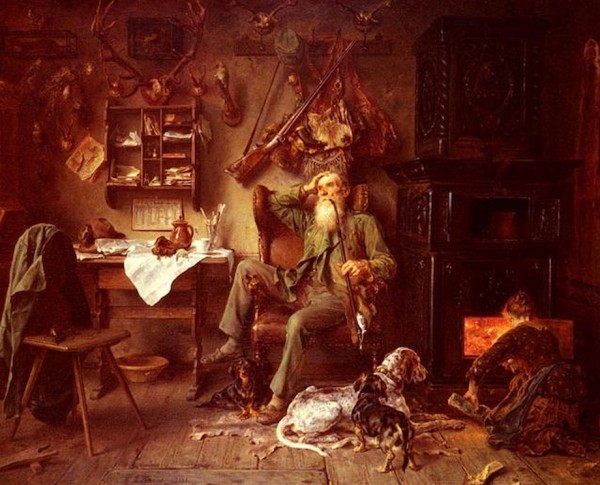
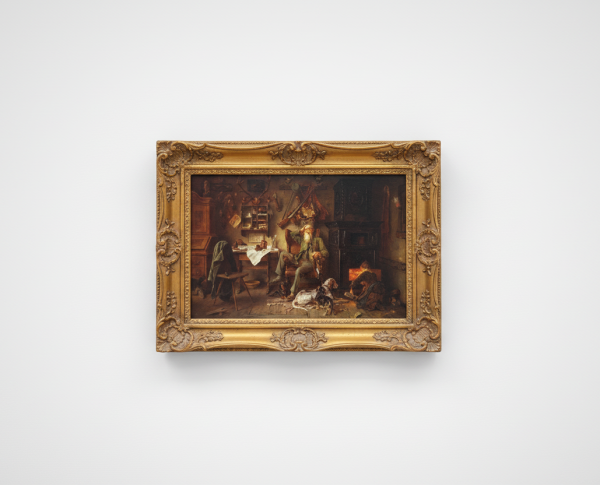
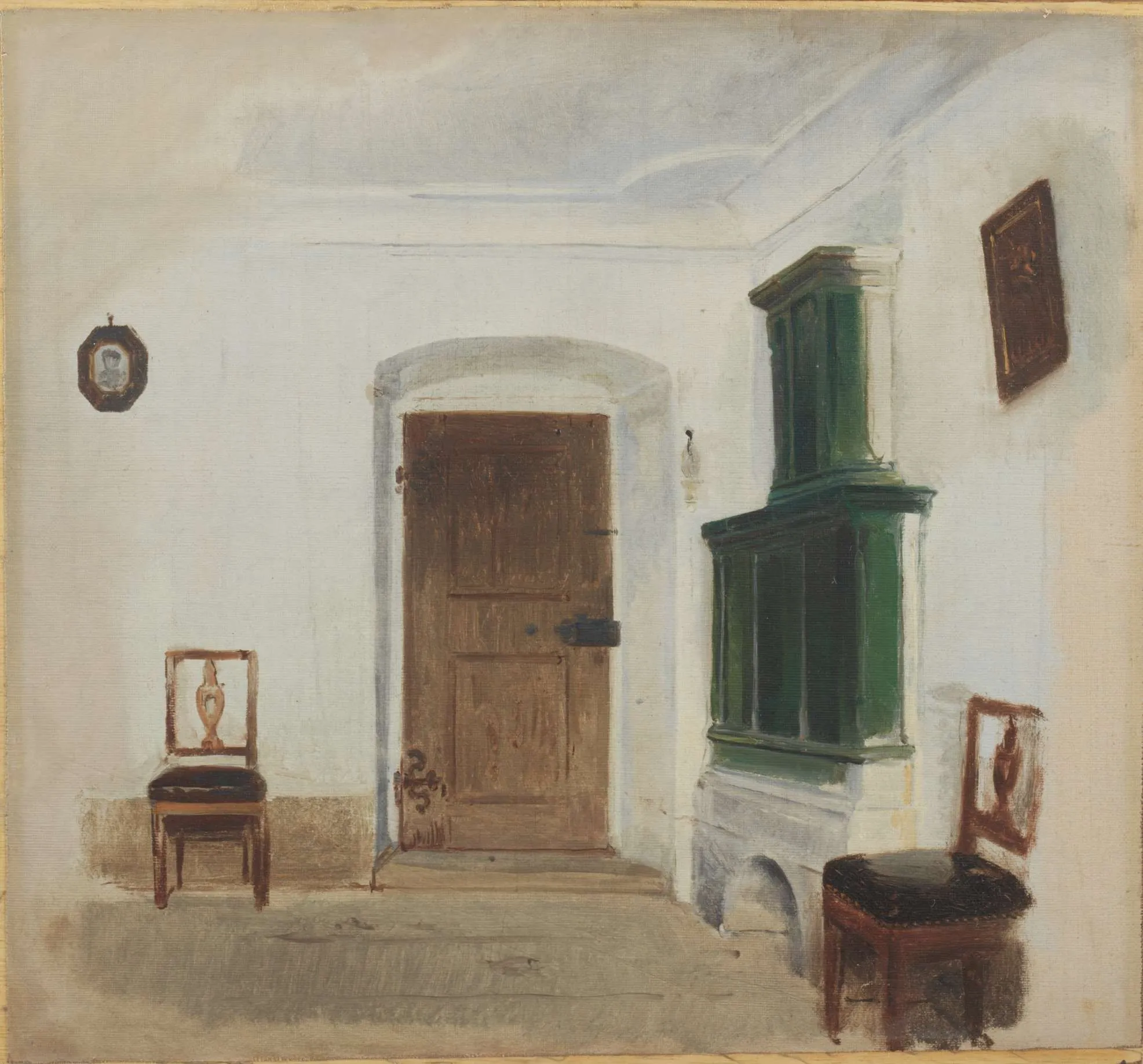
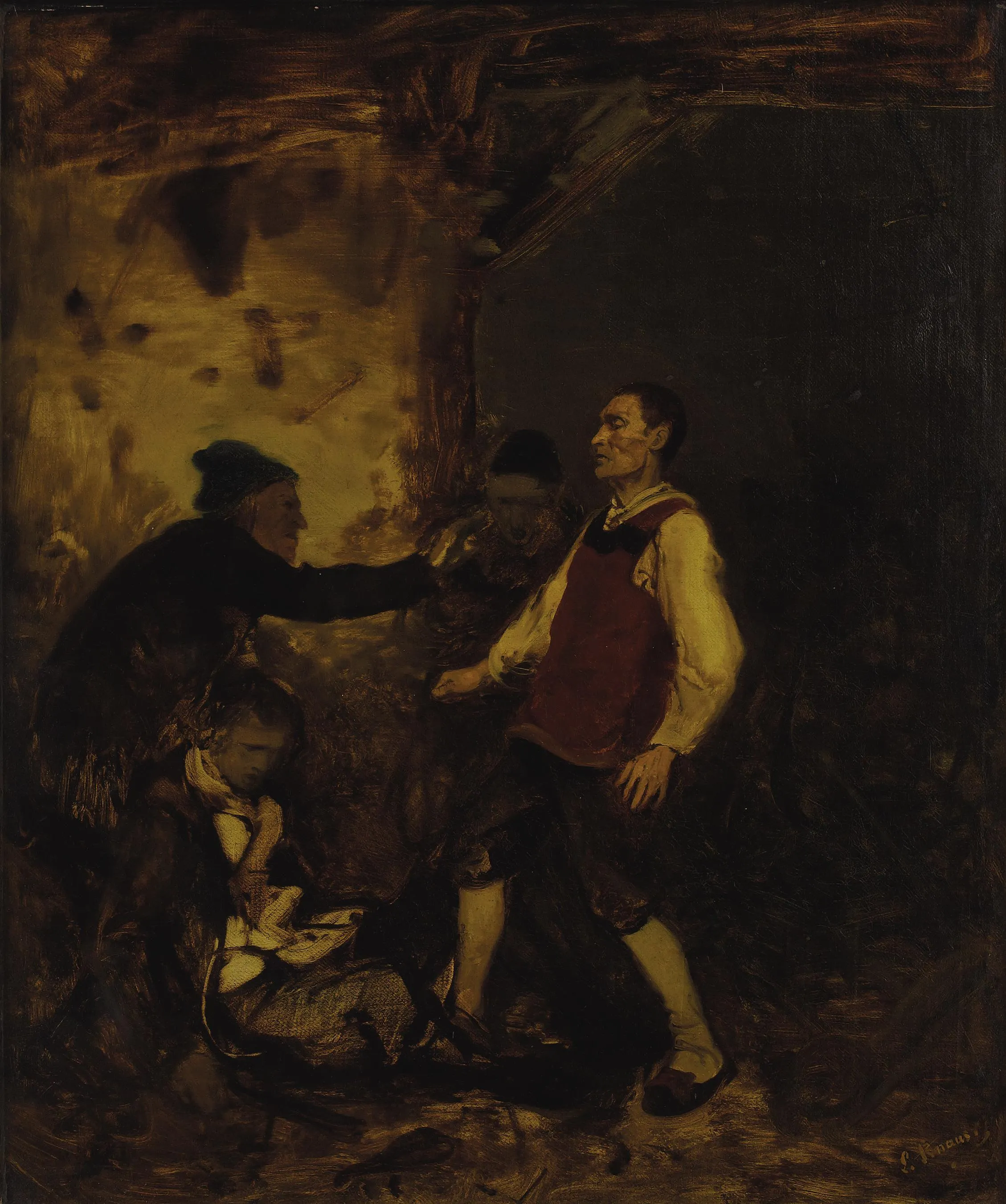
Ludwig Knaus’s "Interior with a green tiled stove" demonstrates the exceptional technique characteristic of oil on canvas. The meticulous brushwork and nuanced lighting highlight Knaus’s dedication to realism, a hallmark of the Academic Art movement. The lush textures and harmonious composition invite viewers into a tranquil, lived-in space. Collectors searching for similar works can explore related pieces such as "Death of a gentleman" and "The cheater," which also showcase his expertise in oil on canvas.
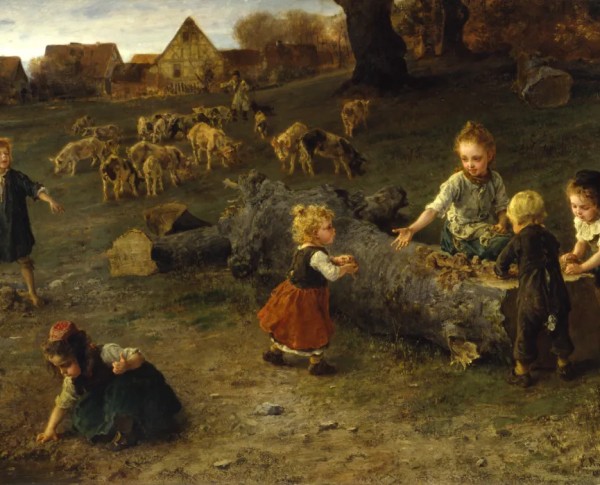
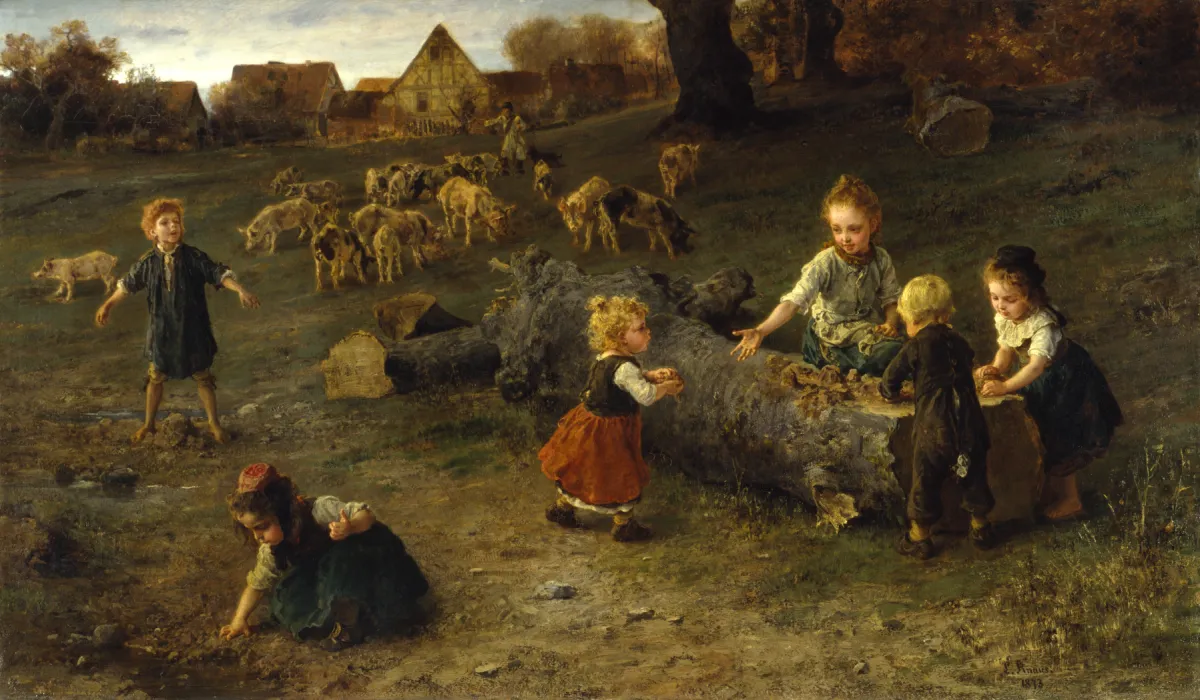
This fine art painting for sale is more than a beautiful scene; it is rich with narrative and symbolism. "Interior with a green tiled stove" by Ludwig Knaus invites viewers to imagine the daily rituals and quiet moments of its inhabitants. The prominent stove symbolizes warmth and family, central themes in Academic Art. For those interested in similar storytelling, paintings like "Mud Pies" and "Boy in Hessian costume from the Schwalm area near Ziegenhain" offer additional glimpses into 19th-century life.
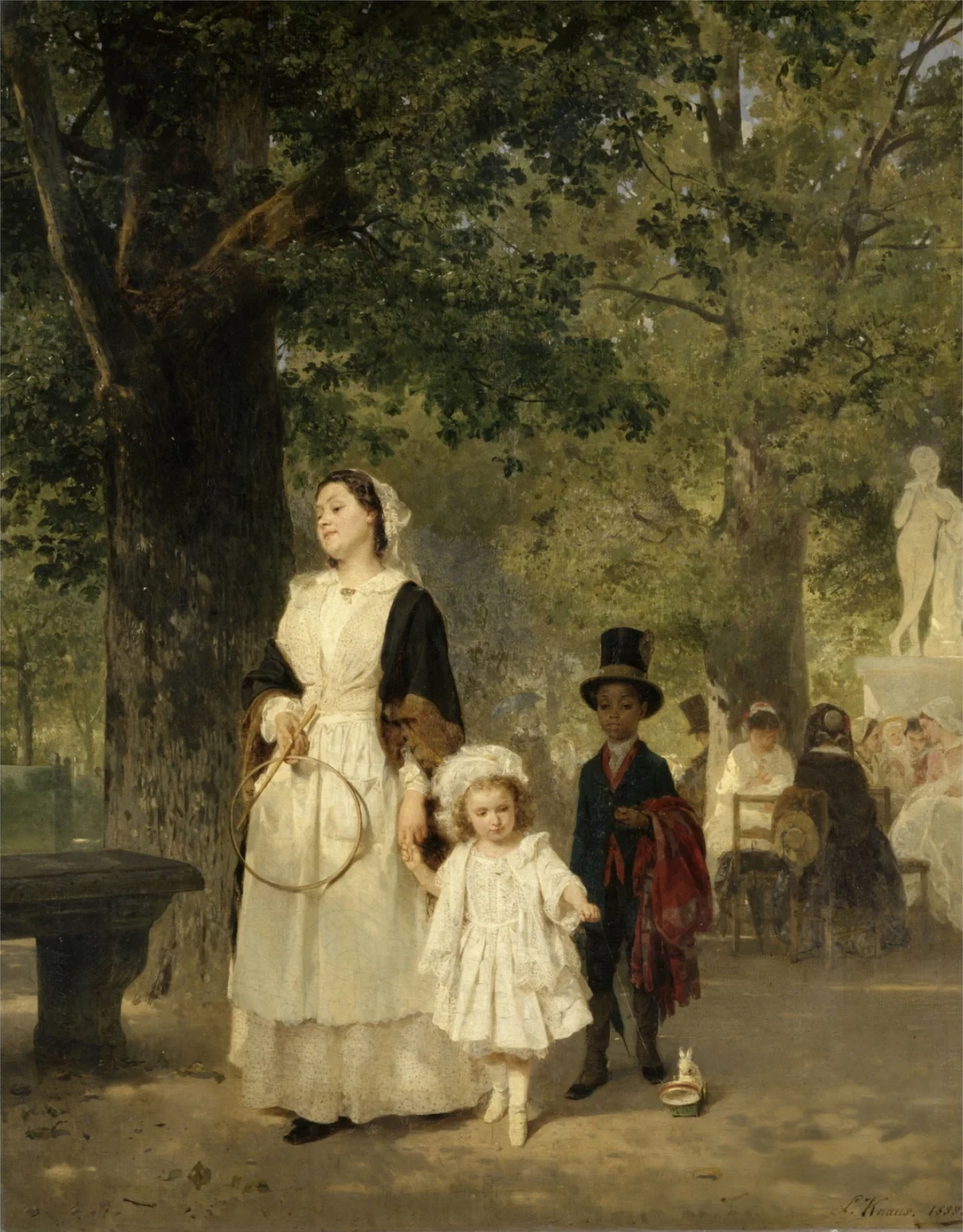
"Interior with a green tiled stove" stands out as an exceptional hand-painted oil painting, highly sought after by collectors of Academic Art. Ludwig Knaus’s signature style, evident in this and works like "Promenade," ensures lasting value and aesthetic appeal. Owning this masterpiece not only enriches a collection but also connects one to a tradition of fine art painting for sale that bridges history and artistry, alongside other notable works such as "The Truant" and "The cheater."
When Art Meets History
"Interior with a Green Tiled Stove" by Ludwig Knaus is a remarkable example of Academic Art, capturing the domestic interiors of 19th-century Europe with meticulous detail. This hand-painted oil painting reflects the era's fascination with realism and everyday life. Knaus, known for his narrative skill, brings the scene to life much like related paintings such as "STILL LIFE WITH EWER AND ACCOUTREMENTS ON GILT MOUNTED BUREAU PLAT" and "The Communion of Zouaves," making history tangible through art.
Techniques That Speak
Ludwig Knaus masterfully uses oil on canvas to create depth and warmth in "Interior with a Green Tiled Stove." The Academic Art movement prized technical excellence, and Knaus’s brushwork and color palette demonstrate this beautifully. His attention to texture and light echoes in works like "Love's Offering" and "The Hunchback of Notre-Dame," showing how oil on canvas can elevate everyday moments into timeless masterpieces, admired by both critics and art lovers alike.
Emotions on Display
The emotional resonance of "Interior with a Green Tiled Stove" is evident in every detail, inviting viewers to step into a serene domestic scene. Ludwig Knaus excels at depicting subtle human interactions, a hallmark of Academic Art. This fine art painting for sale captures a moment of quiet intimacy, reminiscent of the emotional depth found in "The Awakening of Psyche" and other related works, making it a compelling addition to any art collection.
Coveted by Collectors
Collectors are drawn to "Interior with a Green Tiled Stove" for its combination of historical significance and artistic mastery. Ludwig Knaus's reputation within the Academic Art movement ensures that each hand-painted oil painting is a valuable investment. As with related masterpieces like "Love's Offering" and "The Hunchback of Notre-Dame," this work’s provenance and craftsmanship make it a fine art painting for sale that continues to be highly sought after in galleries and private collections worldwide.
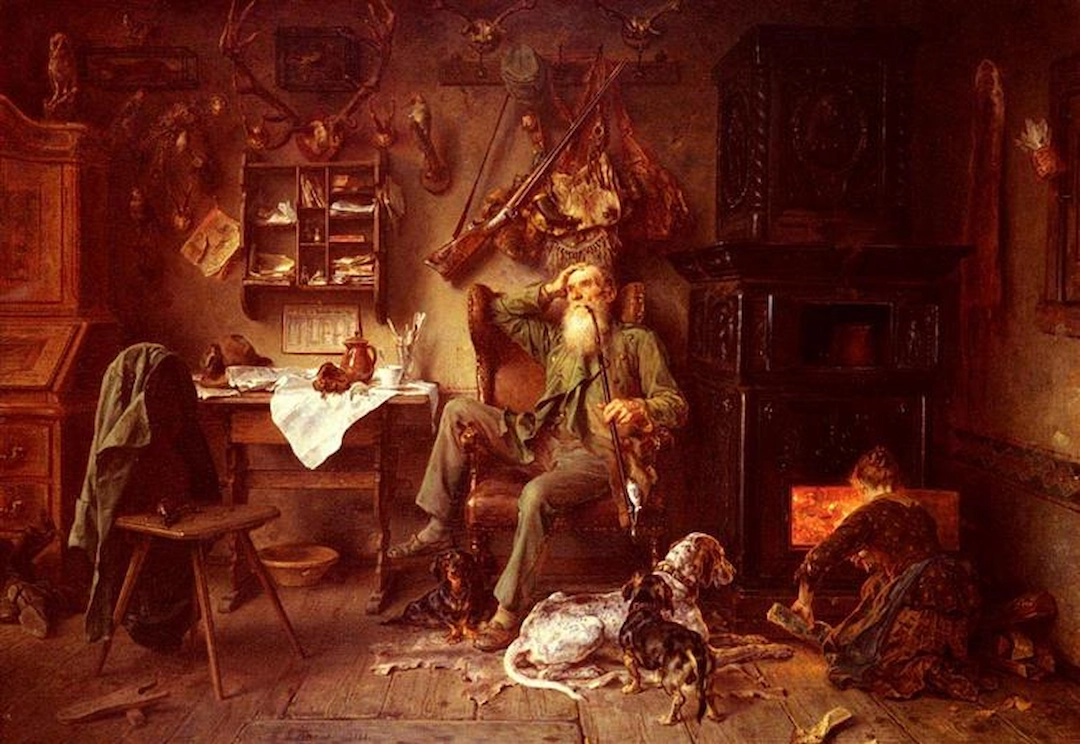
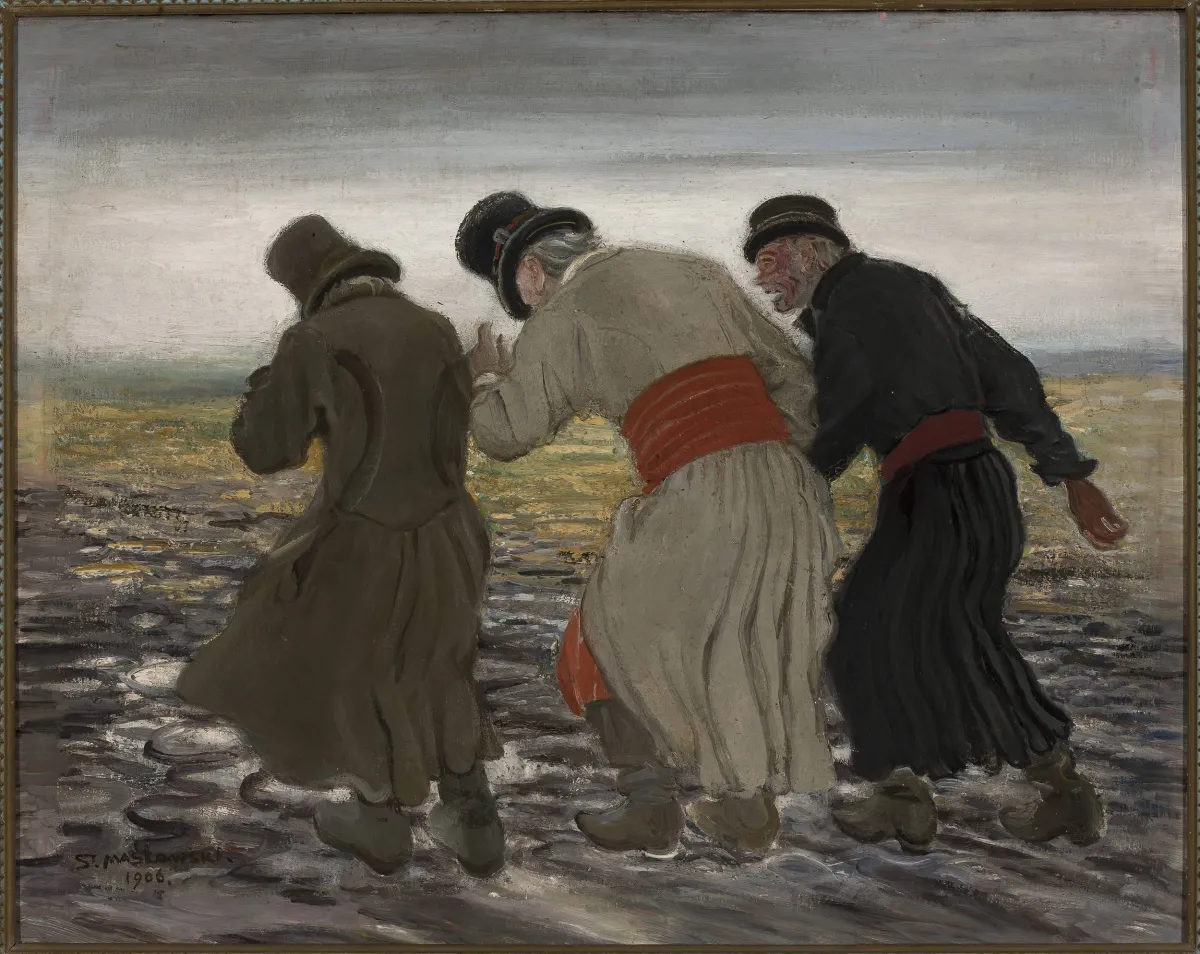
Related Academic Art Hand-Painted Oil Paintings by Other Artists
Other Famous Academic Art Artists:
Frequently Asked Questions About Interior with a green tiled stove
What is the historical context of "Interior with a green tiled stove"?
"Interior with a green tiled stove" was painted by Ludwig Knaus during the 19th century, a time characterized by significant changes in European society, including the rise of the middle class and the advent of industrialization. This painting reflects the domestic life and the aesthetic values of that era.
What artistic techniques did Ludwig Knaus employ in this painting?
Knaus utilized a realistic style, emphasizing detail and naturalism. His use of light and shadow creates depth, while the careful arrangement of objects within the interior enhances the sense of space and intimacy.
What is the significance of the green tiled stove in the painting?
The green tiled stove serves as a focal point in the composition, symbolizing warmth and domestic comfort. It represents the hearth as the heart of the home, reflecting the importance of family life during the period.
How does Knaus depict the theme of domesticity in this artwork?
Knaus captures the essence of domestic life through the arrangement of everyday objects and the portrayal of figures engaged in routine activities. This focus on the intimate aspects of home life invites viewers to reflect on their own experiences of domesticity.
What role does color play in "Interior with a green tiled stove"?
The color palette is dominated by warm tones, which evoke a sense of coziness and tranquility. The green tiles of the stove contrast with the surrounding colors, drawing attention and symbolizing prosperity and comfort in the home.
What can we learn about 19th-century German society from this painting?
This painting provides insight into the values and lifestyles of 19th-century German society, particularly the emphasis on family, home, and the emerging middle class. It reflects the cultural shift towards valuing domestic spaces as sites of personal and social identity.
Who were the primary influences on Ludwig Knaus's artistic style?
Knaus was influenced by the Realist movement, which sought to depict everyday life and ordinary people with authenticity. He was also inspired by earlier Dutch genre painters, whose focus on domestic scenes can be seen in his work.
What is the significance of the figures depicted in the painting?
The figures in the painting represent the ordinary individuals of the time, emphasizing the dignity of daily life. Their interactions and expressions convey a sense of warmth and familiarity, inviting viewers to connect with their shared humanity.
How does "Interior with a green tiled stove" compare to other works by Ludwig Knaus?
This painting is characteristic of Knaus's focus on domestic interiors and everyday life. Compared to his other works, it showcases his mastery of light and texture, as well as his ability to evoke emotion through simple, relatable scenes.
What legacy did Ludwig Knaus leave in the art world?
Ludwig Knaus is remembered for his contributions to the genre of Realism, particularly in his depictions of domestic life. His work paved the way for future artists to explore themes of everyday existence, influencing the portrayal of ordinary people in art.























_GFM_Painting_(1).webp)


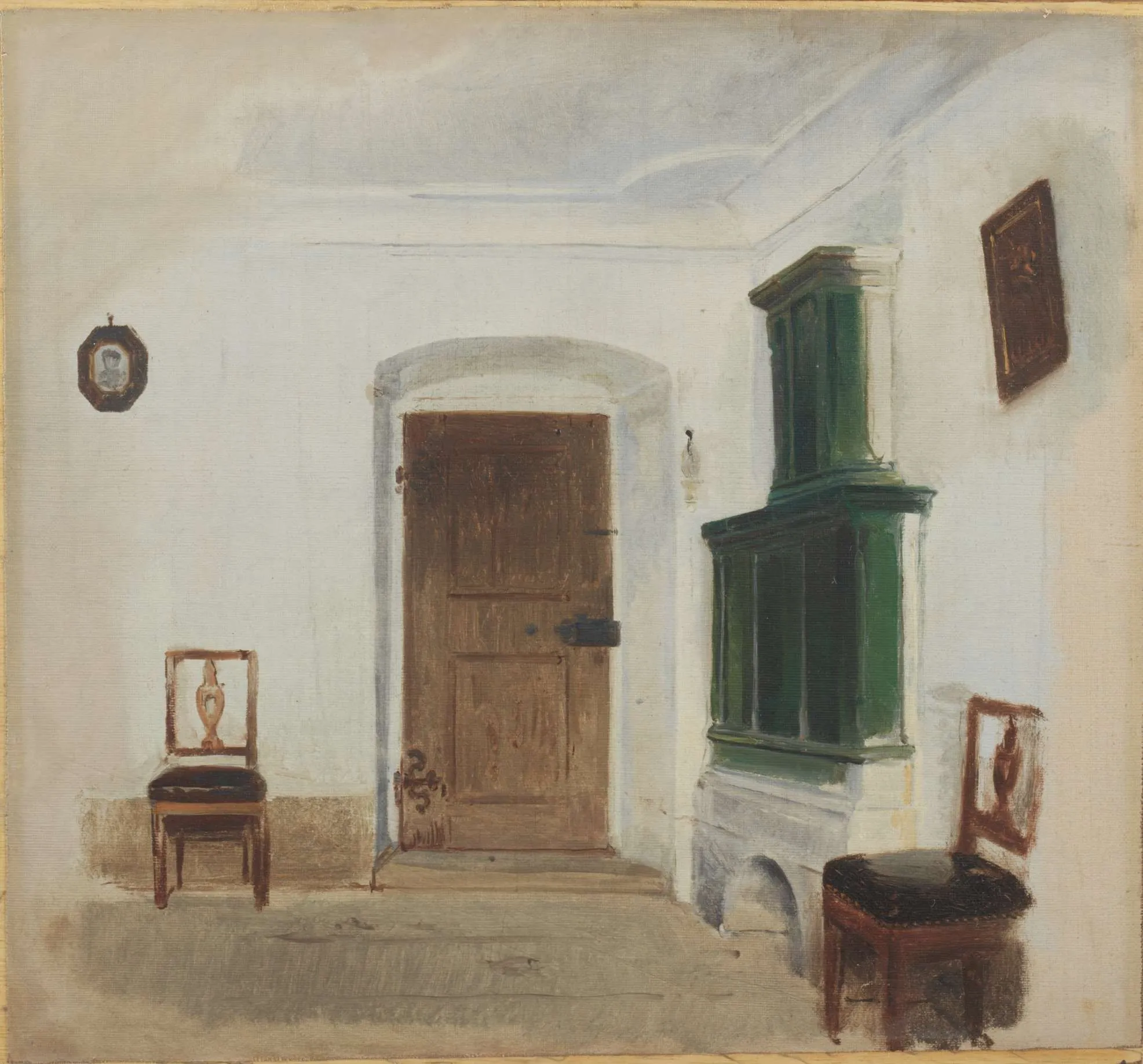
 100% Hand-Painted: Finished in 3-6 Weeks

.png)















_(1).webp)