Caspar David Friedrich’s "Boy Sleeping on a Grave" showcases his unparalleled technique in oil on canvas. Each brushstroke is meticulously applied, creating a haunting yet serene atmosphere typical of the Romanticism movement. This oil on canvas painting demonstrates Friedrich’s ability to blend light, shadow, and emotion seamlessly. Collectors and art enthusiasts may also appreciate related masterpieces like "Adolf Gottlieb Friedrich, Reading" and "Wolves in the Forest in Front of a Cave" for their similar artistry.
Within "Boy Sleeping on a Grave," Friedrich weaves a narrative rich with symbolism, characteristic of Romanticism. The sleeping boy and somber grave evoke themes of innocence, mortality, and spiritual longing. This hand-painted oil painting encourages viewers to ponder life’s transience. Admirers of Friedrich’s symbolic storytelling might also find interest in related fine art painting for sale such as "By the townwall" and "Study of heads, figures, and foliage," which echo similar motifs.
For art collectors, "Boy Sleeping on a Grave" is an exceptional oil on canvas that epitomizes both Caspar David Friedrich’s vision and the Romanticism movement. Its emotional depth and technical brilliance make it a highly sought-after fine art painting for sale. Those looking to expand their collection may consider complementary works like "Mountain Landscape with Rainbow" or "Wolves in the Forest in Front of a Cave," each offering a unique glimpse into Friedrich’s remarkable legacy.
When Art Meets History
"Boy Sleeping on a Grave" by Caspar David Friedrich is a remarkable hand-painted oil painting that captures the essence of the Romanticism movement. Created during a period when artists sought to convey deep emotion and connection to nature, this work stands beside related paintings like "The Wreckers," "Self-Portrait in the Studio," and "The Trapper." Friedrich’s art reflects a historical longing for the sublime, making this piece a testament to the Romantic era's powerful storytelling through visual means.
Techniques That Speak
Caspar David Friedrich's mastery of oil on canvas is evident in "Boy Sleeping on a Grave." The artist uses delicate brushwork, subtle contrasts, and atmospheric perspective to evoke a dreamlike landscape. His technique, similar to works like "Salisbury Cathedral from the Bishop's Grounds," allows viewers to feel the tranquil melancholy of the scene. The careful layering and nuanced light showcase why Friedrich is celebrated for his technical prowess in the Romanticism movement.
Emotions on Display
This fine art painting for sale captures a profound sense of solitude and contemplation. "Boy Sleeping on a Grave" invites viewers to empathize with the young figure’s vulnerability, a hallmark of Romanticism. Like "The Slave Ship 1840," Friedrich’s painting stirs deep emotions, blending sorrow, innocence, and hope. The mood is both haunting and serene, demonstrating the artist’s gift for translating complex human feelings into visual poetry that resonates across centuries.
Coveted by Collectors
Collectors highly value "Boy Sleeping on a Grave" by Caspar David Friedrich for its historical significance and emotional depth. As with other hand-painted oil paintings from the Romanticism era, this work is sought after for its rarity and impact. Art enthusiasts often seek related pieces like "The Wreckers" and "Self-Portrait in the Studio" to complement their collections, recognizing Friedrich’s influence on the evolution of landscape and narrative art within the fine art market.
Related Romanticism Hand-Painted Oil Paintings by Other Artists
Other Famous Romanticism Artists:
Frequently Asked Questions About Boy sleeping on a grave
What is the historical context of "Boy sleeping on a grave"?
"Boy sleeping on a grave," painted by Caspar David Friedrich in 1834, reflects the Romantic era's fascination with nature, mortality, and the sublime. This period was marked by a reaction against the industrial revolution and a renewed interest in the emotional and spiritual dimensions of human experience.
What artistic techniques did Friedrich employ in this painting?
Friedrich utilized a combination of chiaroscuro and atmospheric perspective to create depth and emotion in "Boy sleeping on a grave." The contrast between light and shadow enhances the somber theme, while the soft, muted colors evoke a sense of tranquility and introspection.
What is the significance of the boy in the painting?
The boy symbolizes innocence and the transient nature of life. His peaceful slumber on the grave suggests a connection between childhood and death, inviting viewers to reflect on the cycle of life and the inevitability of mortality.
How does the landscape contribute to the painting's meaning?
The desolate landscape surrounding the boy enhances the themes of isolation and contemplation. The barren trees and muted sky create a melancholic atmosphere, reinforcing the painting's exploration of loss and the human condition.
What role does symbolism play in "Boy sleeping on a grave"?
Symbolism is central to Friedrich's work. The grave represents death and the passage of time, while the boy embodies purity and the innocence of youth. Together, they evoke a poignant meditation on life, death, and the enduring nature of memory.
In what ways does this painting reflect Romantic ideals?
This painting encapsulates Romantic ideals by emphasizing emotion, nature, and the individual experience. Friedrich's focus on the sublime and the exploration of existential themes resonate with the Romantic movement's quest for deeper understanding and connection to the world.
What influence did Caspar David Friedrich have on later artists?
Friedrich's exploration of themes such as nature, spirituality, and introspection significantly influenced later artists, particularly those in the Symbolist and Expressionist movements. His ability to convey deep emotional resonance through landscape has inspired countless painters in their own explorations of similar themes.
How does "Boy sleeping on a grave" compare to other works by Friedrich?
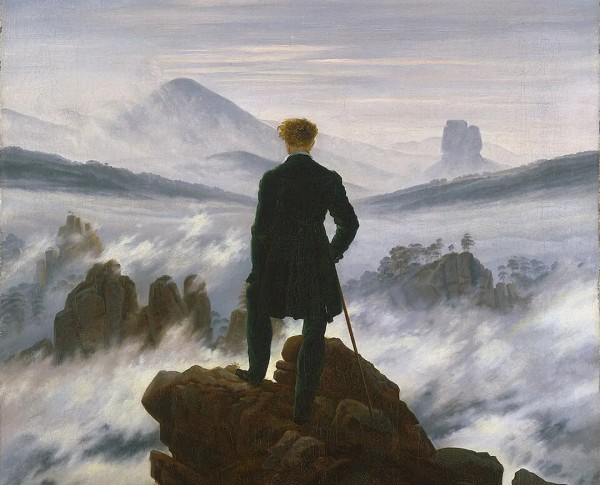
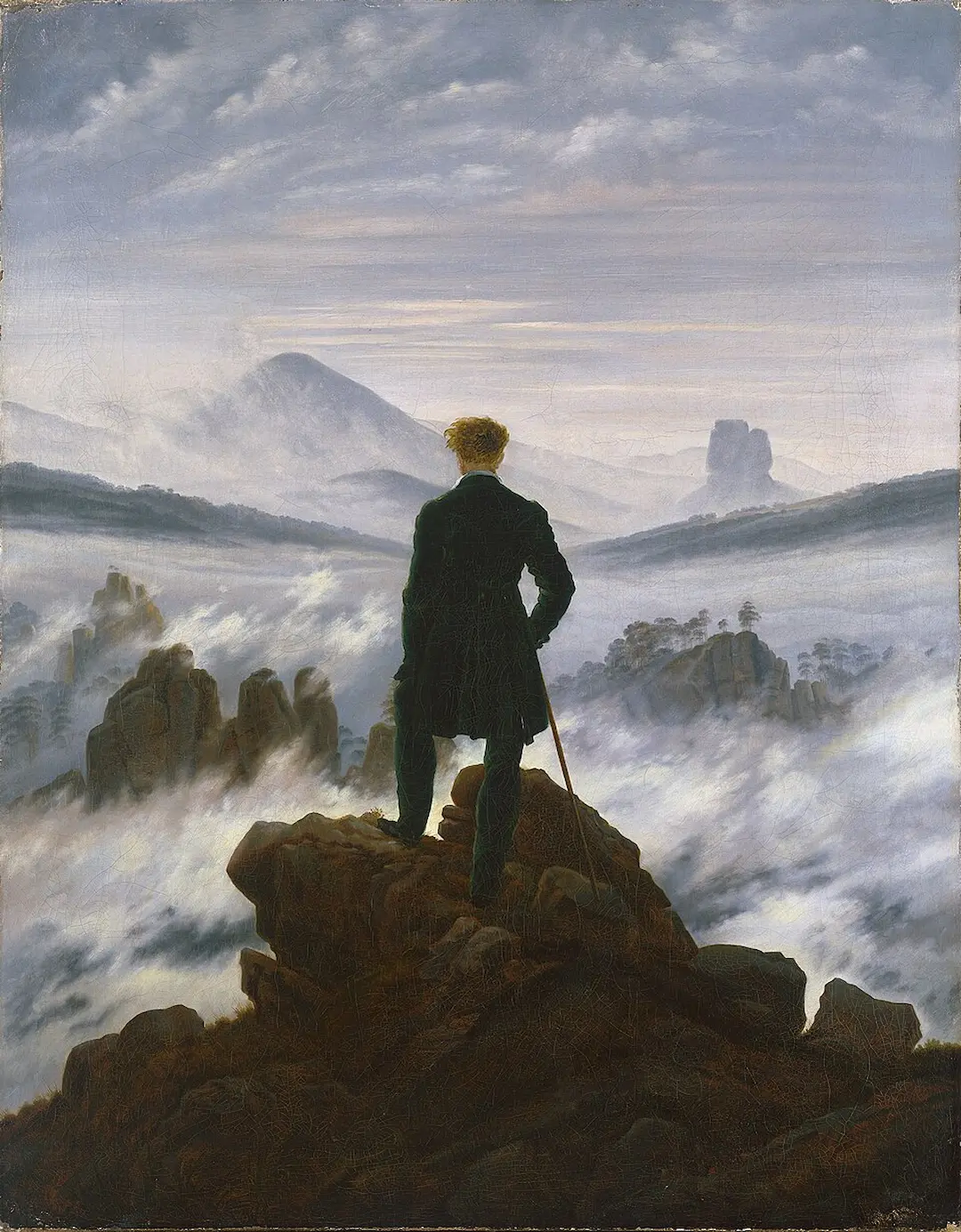
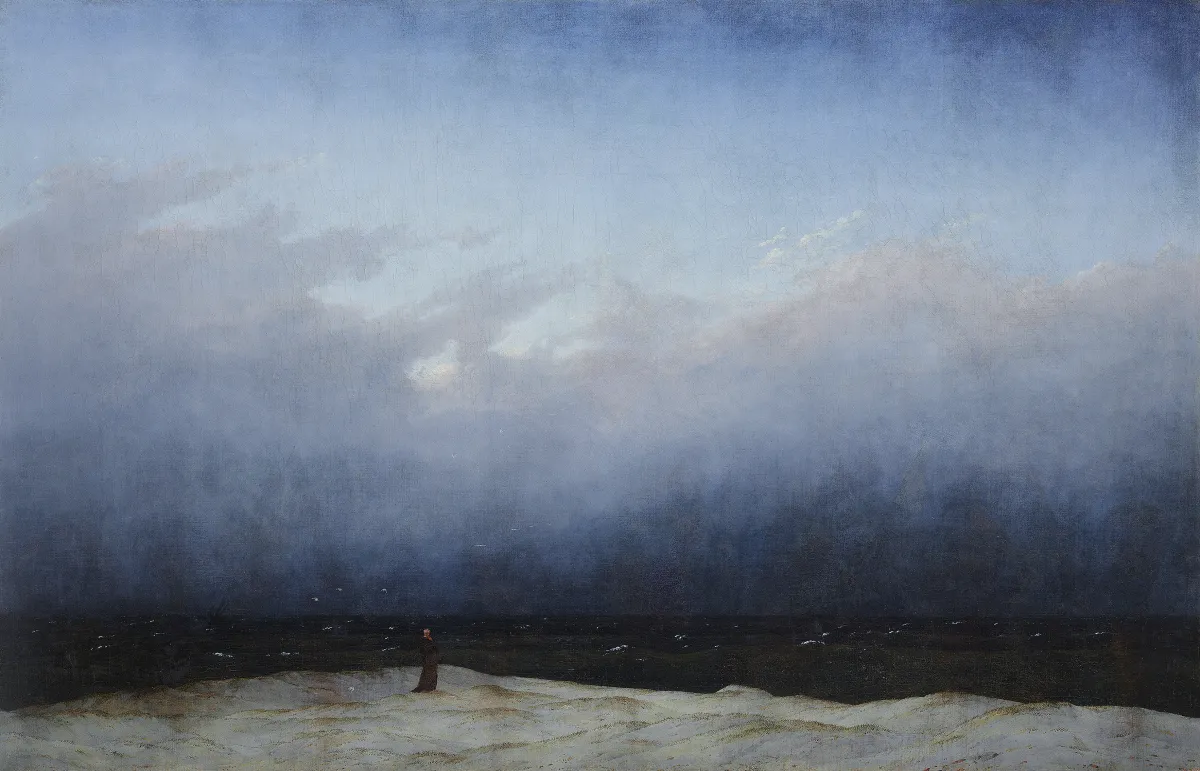
This painting shares thematic similarities with other works by Friedrich, such as "The Monk by the Sea" and "Wanderer above the Sea of Fog." All these pieces reflect his preoccupation with nature, solitude, and the human experience, while employing his signature style of dramatic landscapes and emotional depth.
What was the public reception of "Boy sleeping on a grave" during Friedrich's time?
Upon its completion, "Boy sleeping on a grave" received mixed reviews. While some appreciated its emotional depth and innovative approach to landscape painting, others found its themes of death and melancholy challenging. Over time, however, it has come to be regarded as a significant work within Friedrich's oeuvre.
What can contemporary viewers learn from "Boy sleeping on a grave"?
Contemporary viewers can glean insights into the human experience of grief, memory, and the passage of time from this painting. It encourages reflection on our own mortality and the importance of cherishing moments of innocence and beauty amidst life's inevitable transience.























_GFM_Painting_(1).webp)



 100% Hand-Painted: Finished in 3-6 Weeks


.png)
















_(1).webp)