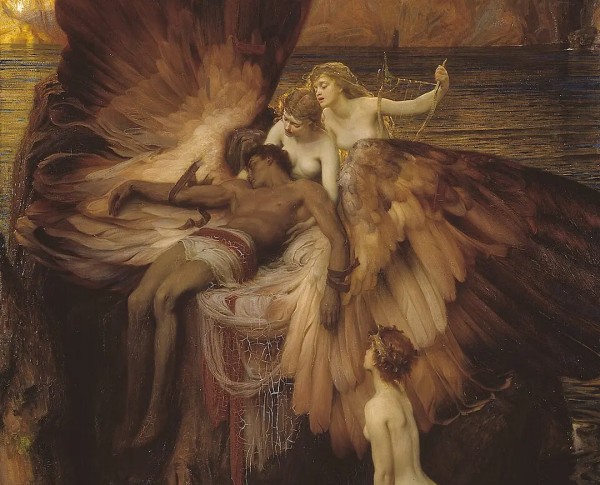
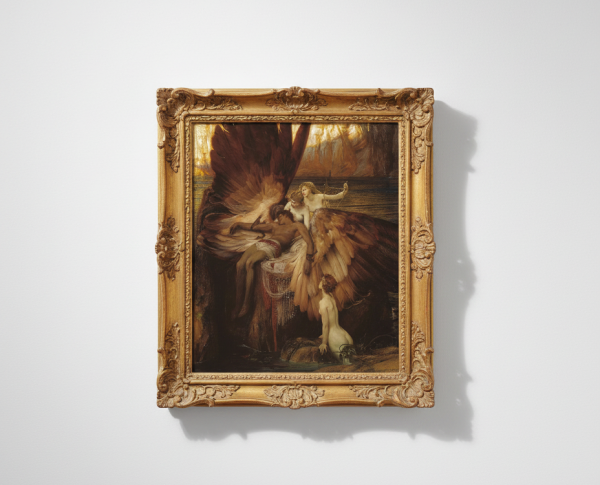
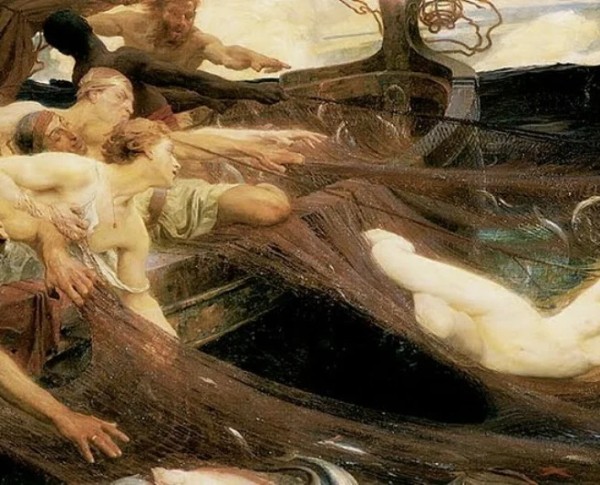
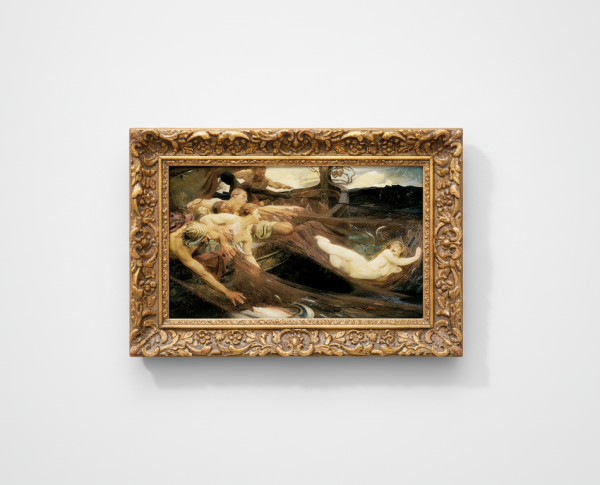
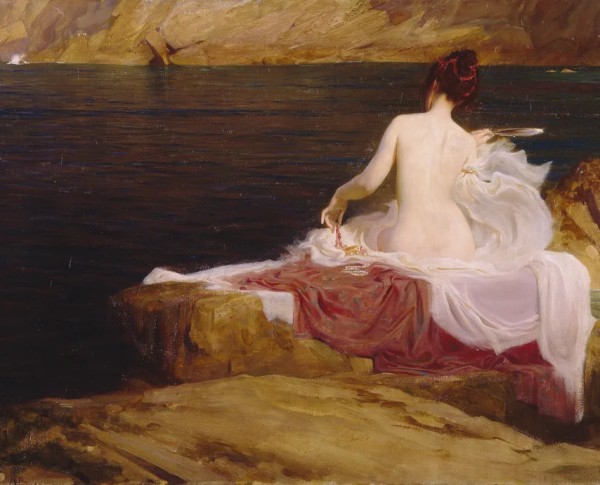
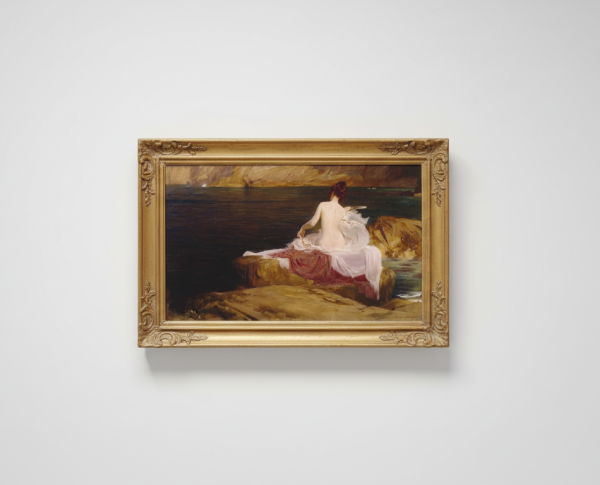
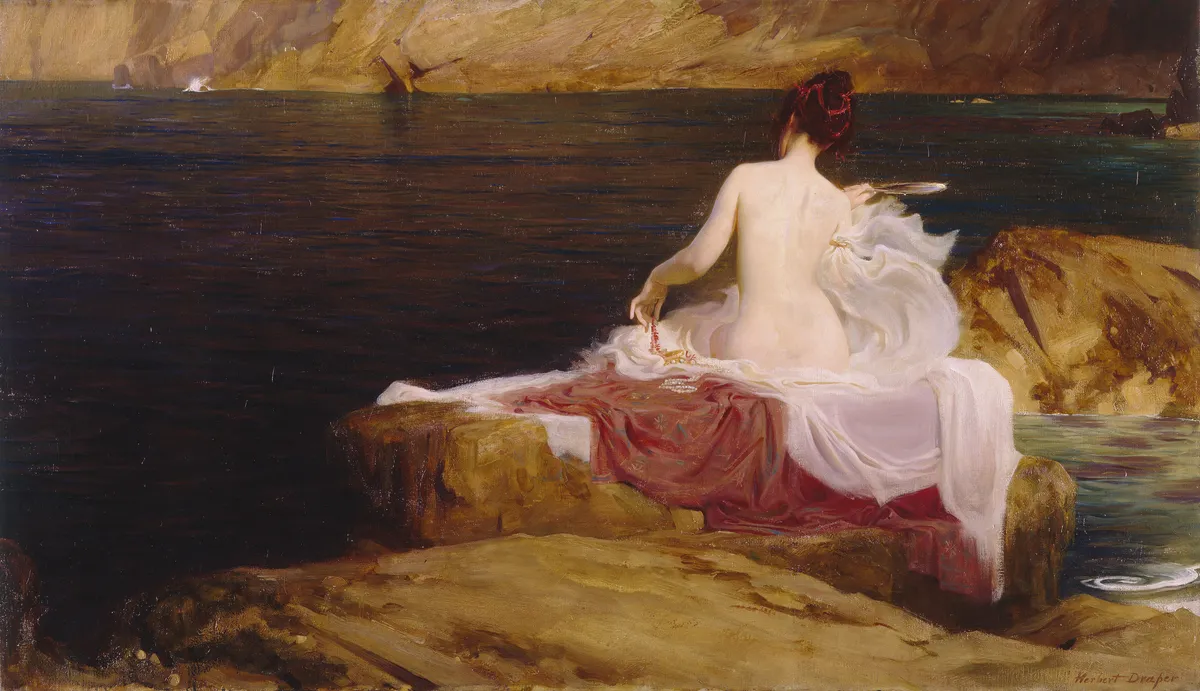
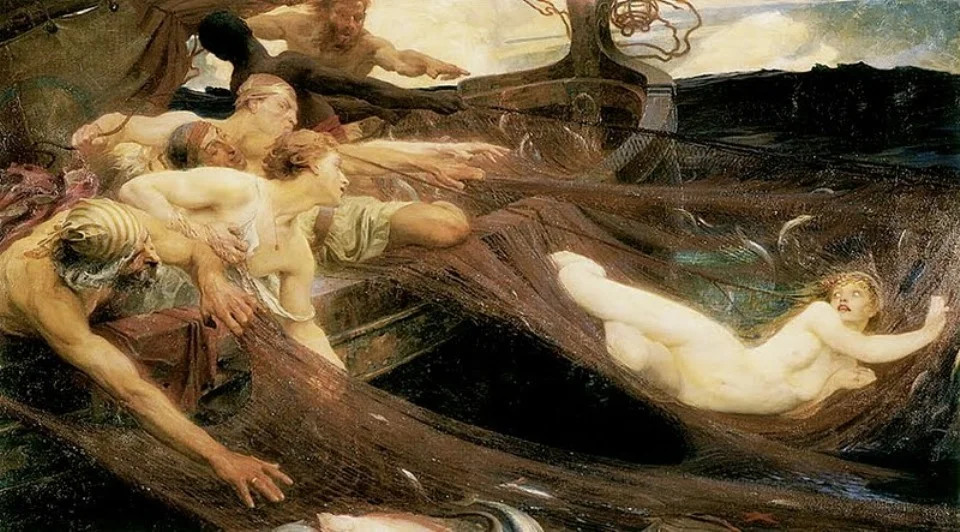
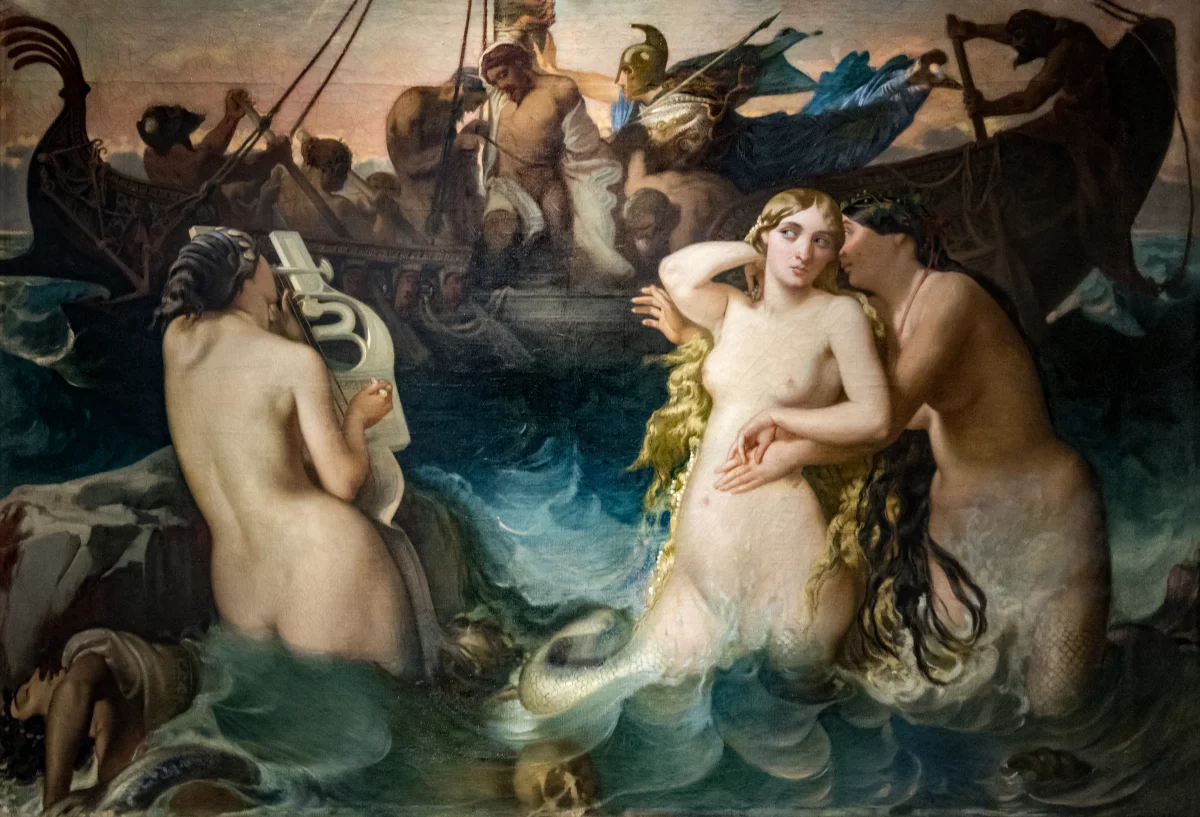
The remarkable technique displayed in "L'île De Calypso" highlights Draper’s prowess with oil on canvas. Each brushstroke reveals the artist’s dedication to detail, from the flowing drapery to the ethereal landscape. As a leading figure in the Neo-Classical movement, Draper’s works, including "Study for The Sea Maiden" and "Ulysses and the Sirens," showcase a commitment to technical excellence and evocative storytelling, making each painting a true masterpiece in oil on canvas.
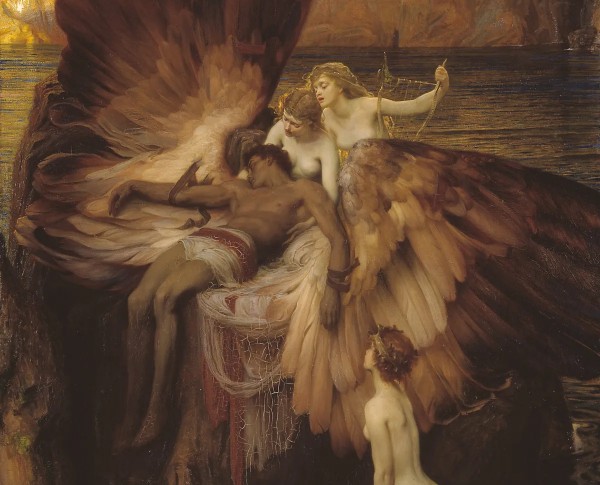
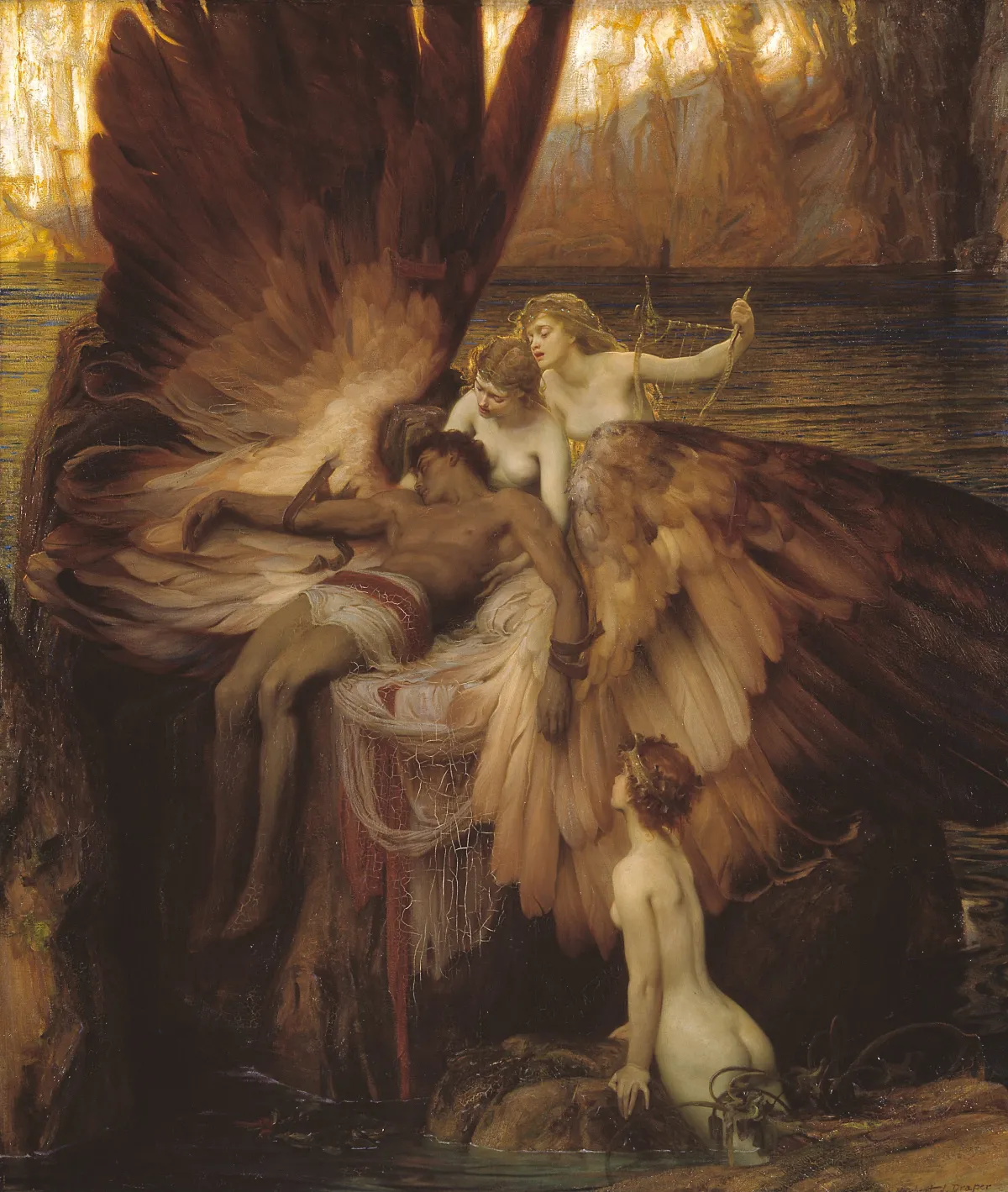
"L'île De Calypso" is more than a fine art painting for sale; it weaves myth and meaning through carefully chosen symbols. Draper captures the longing and allure of Calypso’s island, drawing inspiration from classical mythology. The painting resonates with viewers, much like his other works "The Foam Sprite" and "Lament for Icarus," inviting interpretation and admiration. Each element reflects the depth and narrative power inherent in the Neo-Classical movement and Draper’s unique vision.
For collectors seeking a fine art painting for sale, "L'île De Calypso" by Herbert James Draper represents a prized acquisition. Its place within the Neo-Classical movement and its connection to related works like "Bather" and "Lancelot and Guinevere" make it a standout piece. Draper’s hand-painted oil painting technique ensures that each canvas holds lasting value and aesthetic appeal, making it a treasure for both seasoned collectors and new enthusiasts alike.
When Art Meets History
Herbert James Draper’s "L'île De Calypso" stands as a luminous example of the Neo-Classical movement, harmonizing mythological themes with technical mastery. This hand-painted oil painting transports viewers to the era of Homer’s "Odyssey," capturing the mystique of Calypso’s island. Like Draper's other works, such as "Portrait of William Short" and "Divina Commedia, Purgatorio, Canto Xxx," the painting bridges the gap between ancient narrative and modern artistry, inviting art lovers to experience history through an evocative lens.
Techniques That Speak
Draper’s expertise in oil on canvas is vividly evident in "L'île De Calypso." He employs delicate brushwork to render the soft textures of skin and fabric, while his use of light and shadow brings the mythological landscape to life. These techniques, reminiscent of his approach in "Still-Life 1810" and "Portrait of Dewitt Clinton," are hallmarks of Neo-Classical fine art. The result is a composition that exemplifies the highest standard of oil on canvas works from his era.
Emotions on Display
"L'île De Calypso" captures the profound longing and solitude experienced by its mythic subject, an emotional resonance that defines Draper’s artistry. The painting’s subtle expressions and evocative setting draw viewers into Calypso’s world, much like his "Dr. Noble Wimberly Jones" portrait. This fine art painting for sale not only portrays myth but also explores the universal themes of desire and isolation, making it a deeply moving piece within the Neo-Classical tradition.
Coveted by Collectors
Collectors and connoisseurs highly prize "L'île De Calypso" for its remarkable craftsmanship and historical significance. Its status as a hand-painted oil painting by Herbert James Draper places it alongside sought-after works like "Divina Commedia, Purgatorio, Canto Xxx" and "Portrait of William Short." The appeal of owning such a fine art painting for sale lies in its timeless beauty and connection to the celebrated Neo-Classical movement, making it a coveted treasure in any art collection.
Related Neo-Classical Hand-Painted Oil Paintings by Other Artists
Other Famous Neo-Classical Artists:
Frequently Asked Questions About L'île De Calypso
What is the historical context of L'île De Calypso?
L'île De Calypso was painted by Herbert James Draper in the early 20th century, a period marked by a resurgence of interest in classical mythology and themes. This painting reflects the Romantic ideals of the time, emphasizing beauty, nature, and the allure of mythological narratives.
Who is Calypso in mythology?
In Greek mythology, Calypso is a nymph who resides on the island of Ogygia. She is known for her role in Homer's "Odyssey," where she captivates the hero Odysseus and offers him immortality in exchange for his love. Draper's painting captures this enchanting figure, embodying themes of desire and longing.
What artistic style is L'île De Calypso associated with?
Draper's L'île De Calypso is often associated with the Symbolist movement, which emphasizes emotional experience and the use of symbolic imagery. The painting showcases Draper's skill in blending realism with idealized forms, creating a dreamlike quality that invites viewers to explore deeper meanings.
What techniques did Herbert James Draper use in this painting?
Draper employed a combination of oil painting techniques, utilizing rich colors and dynamic brushwork to create depth and texture. His meticulous attention to detail, particularly in the depiction of the human form and natural elements, enhances the overall ethereal quality of the work.
What are the key themes represented in L'île De Calypso?
The painting explores themes of love, temptation, and the intersection of reality and fantasy. Calypso's portrayal as both alluring and melancholic reflects the duality of desire—captivating yet ultimately unattainable, resonating with the human experience of longing.
How does Draper depict the figure of Calypso?
Draper portrays Calypso as a serene and enchanting figure, draped in flowing garments that accentuate her beauty and grace. Her expression conveys a sense of yearning, inviting viewers to contemplate her emotional state and the narrative of her relationship with Odysseus.
What role does the landscape play in L'île De Calypso?
The landscape in L'île De Calypso serves as a vital backdrop that enhances the painting's mood and symbolism. The lush vegetation and tranquil waters evoke a sense of paradise, reinforcing the themes of escapism and the allure of the mythical world that Calypso inhabits.
How has L'île De Calypso been received by critics and art historians?
Critics and art historians have praised L'île De Calypso for its technical proficiency and emotional depth. The painting is often regarded as a significant work within Draper's oeuvre, showcasing his ability to fuse classical themes with contemporary artistic sensibilities of his time.
What is the significance of the title, L'île De Calypso?
The title, L'île De Calypso, directly references the mythological island associated with the character Calypso. It emphasizes the painting's focus on themes of isolation, enchantment, and the seductive nature of the myth, inviting viewers to explore the narrative beyond the visual representation.
In what ways does L'île De Calypso reflect the artist's personal style?
L'île De Calypso reflects Draper's personal style through his adept use of color, light, and composition. His affinity for mythological subjects and the human form is evident, showcasing his ability to convey complex emotions and narratives through visual art, a hallmark of his broader body of work.























_GFM_Painting_(1).webp)


 100% Hand-Painted: Finished in 3-6 Weeks

.png)

















_(1).webp)