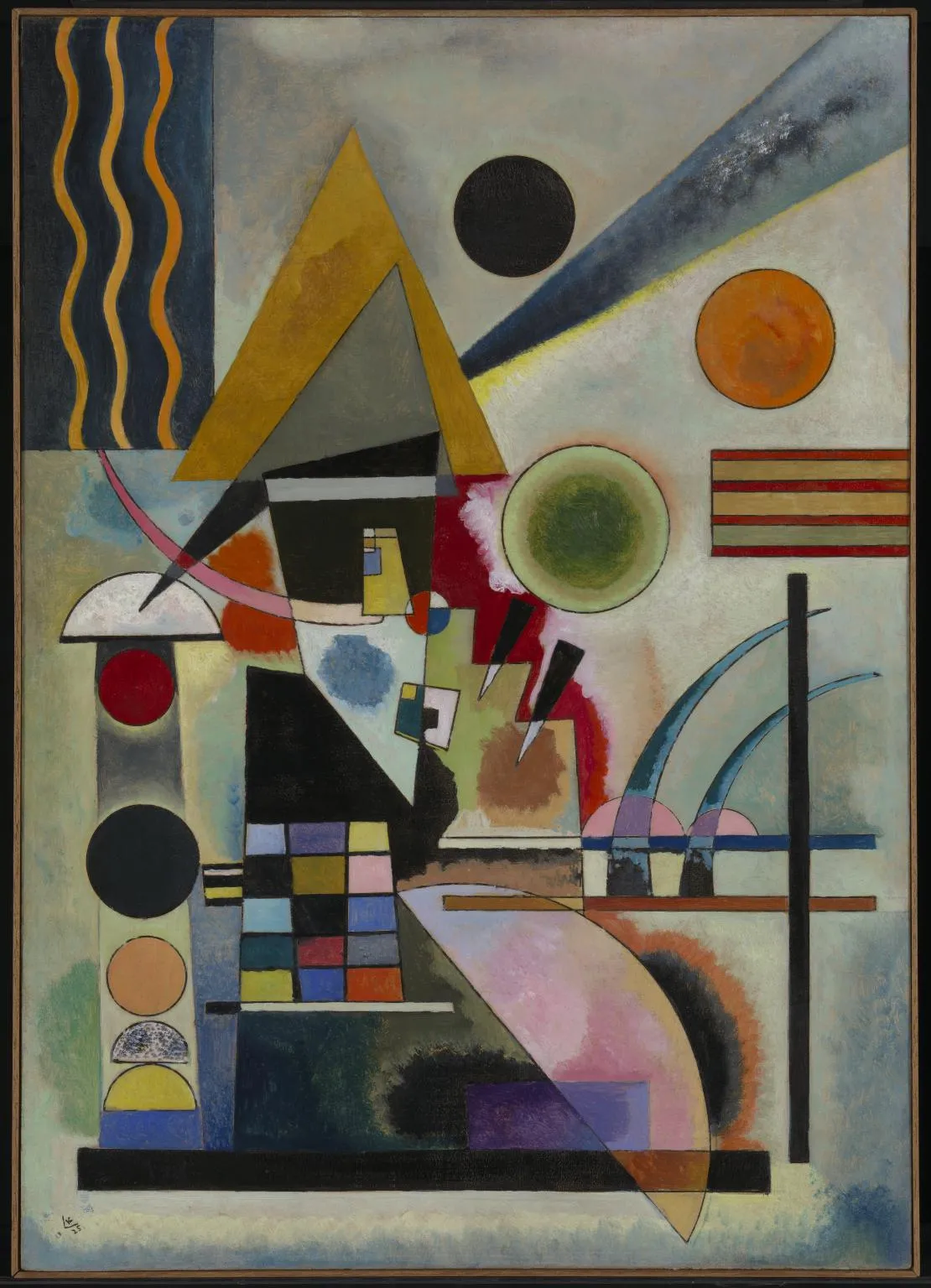
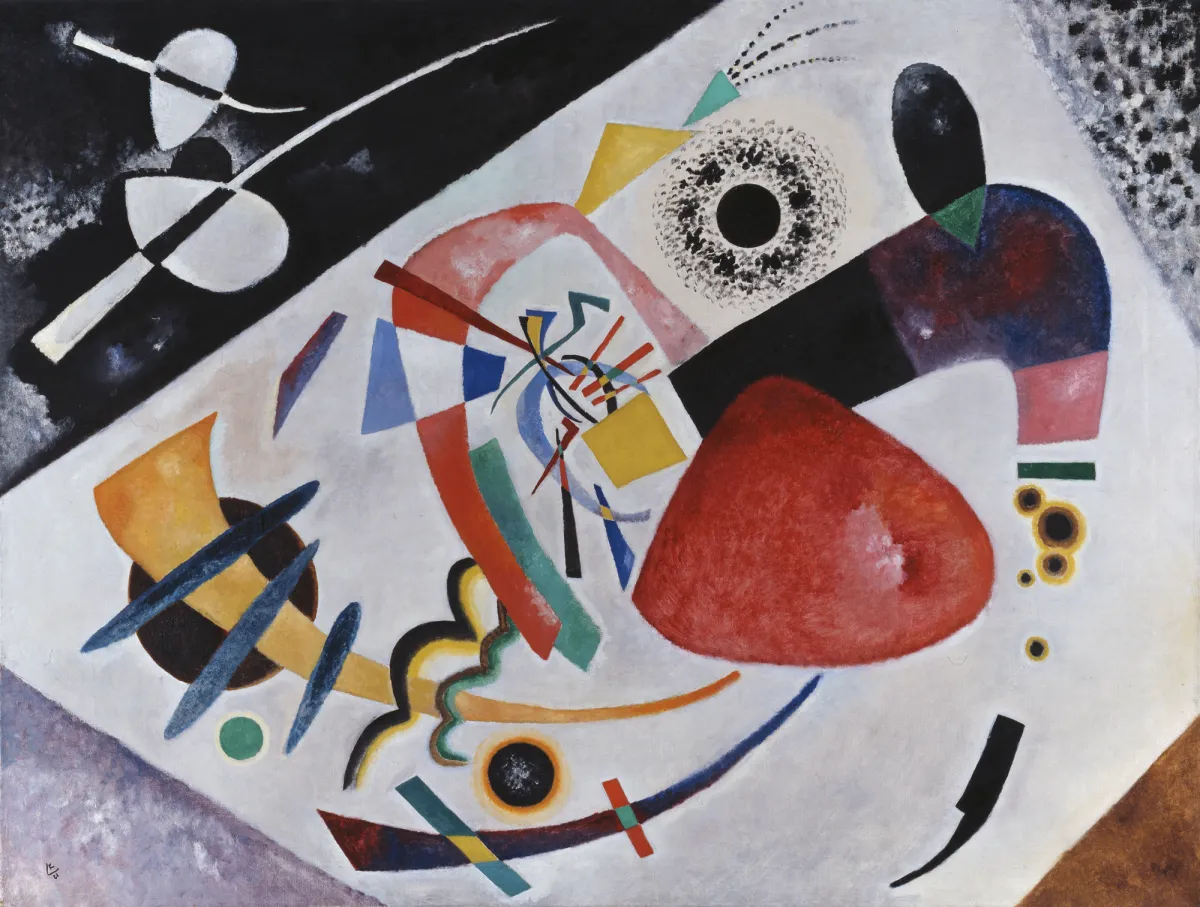
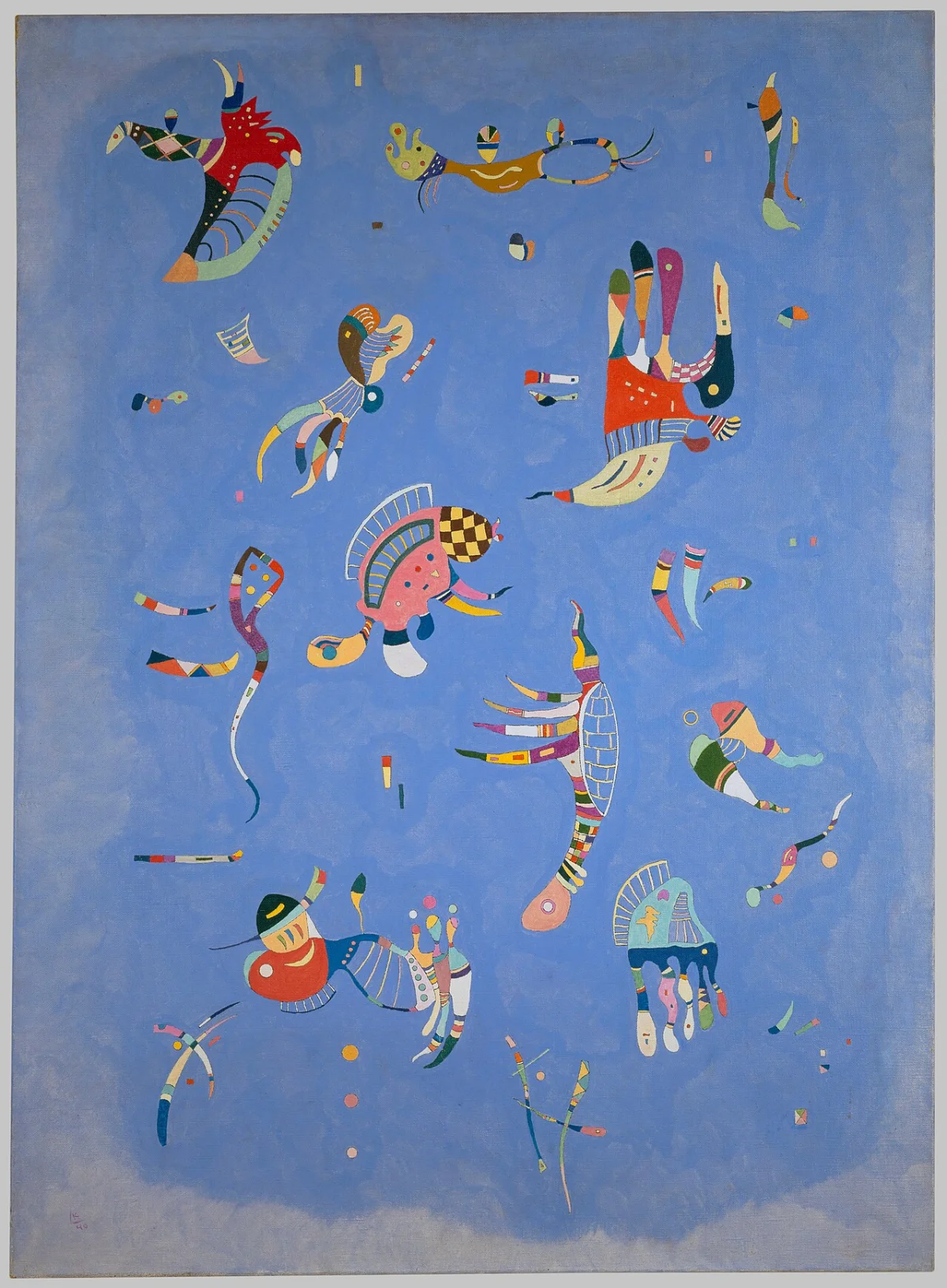
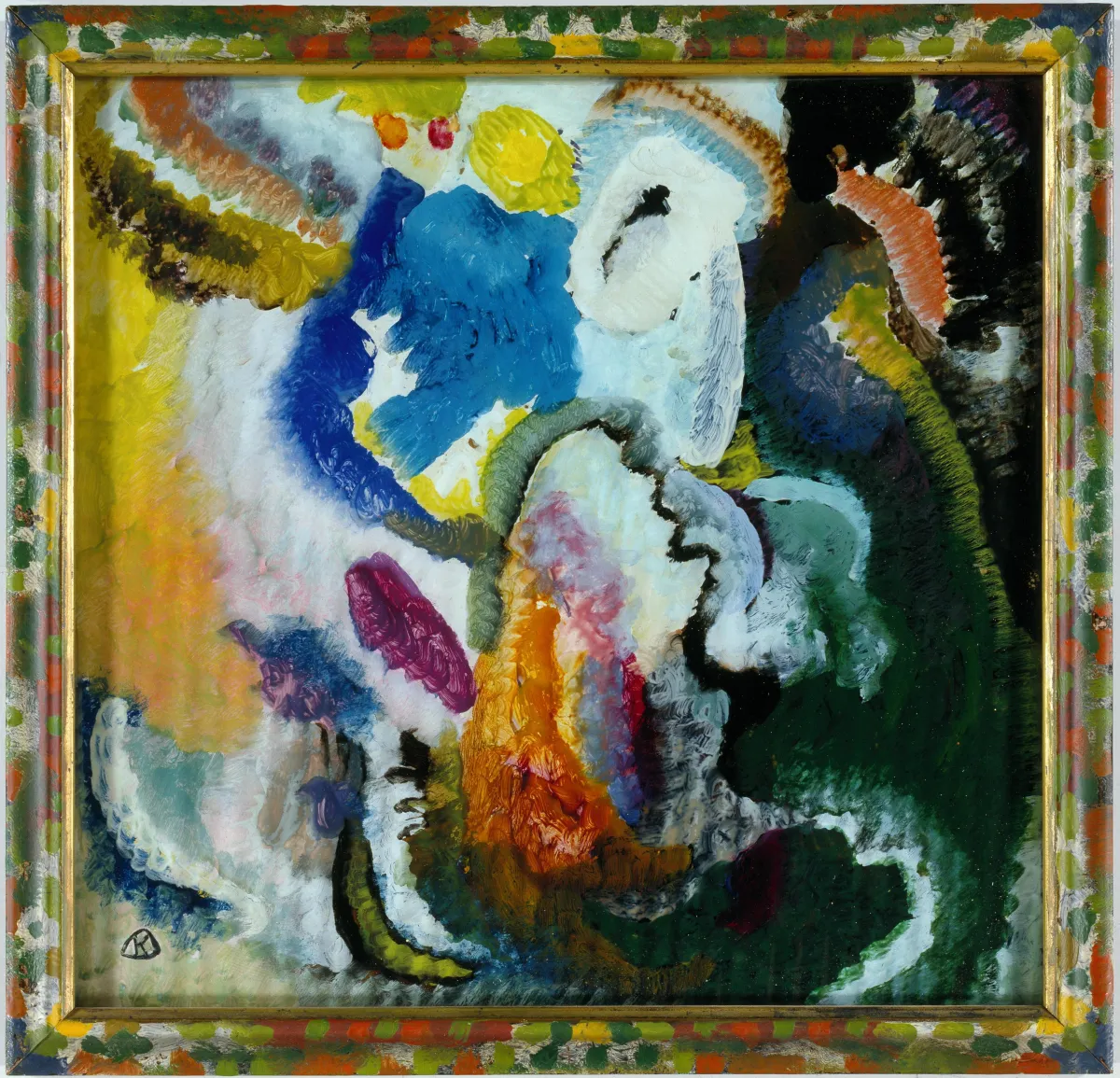
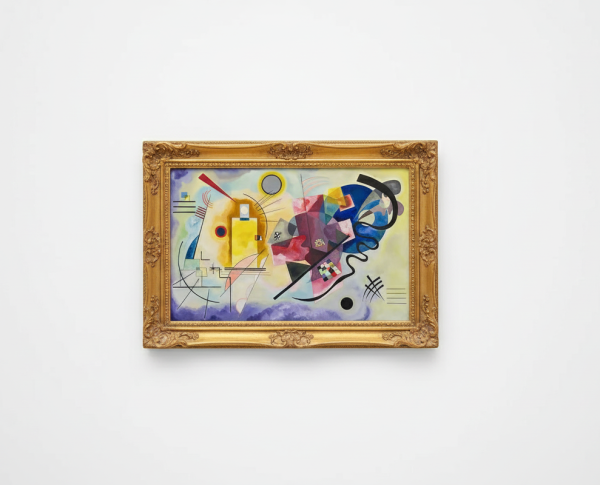
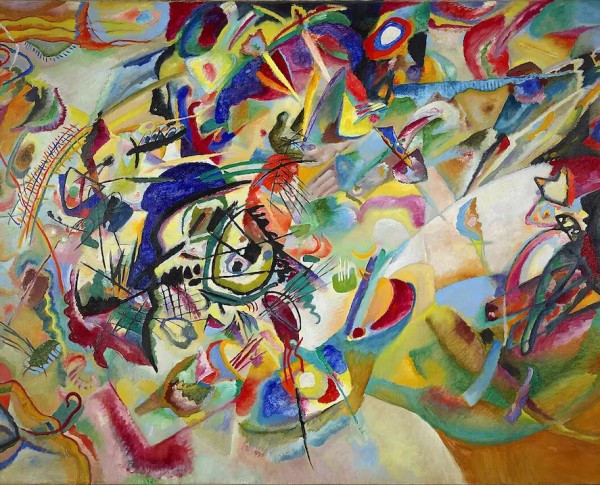
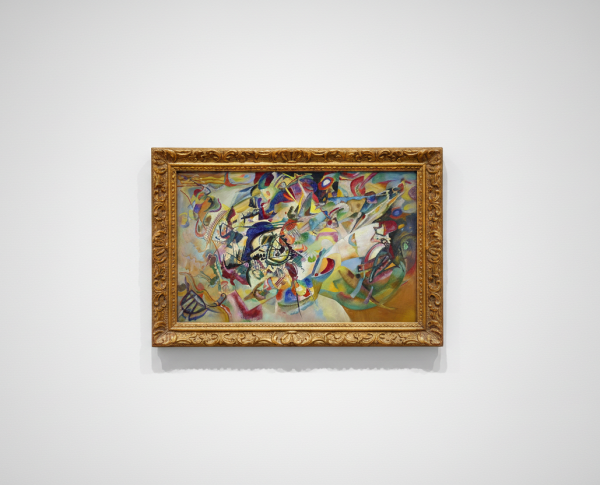
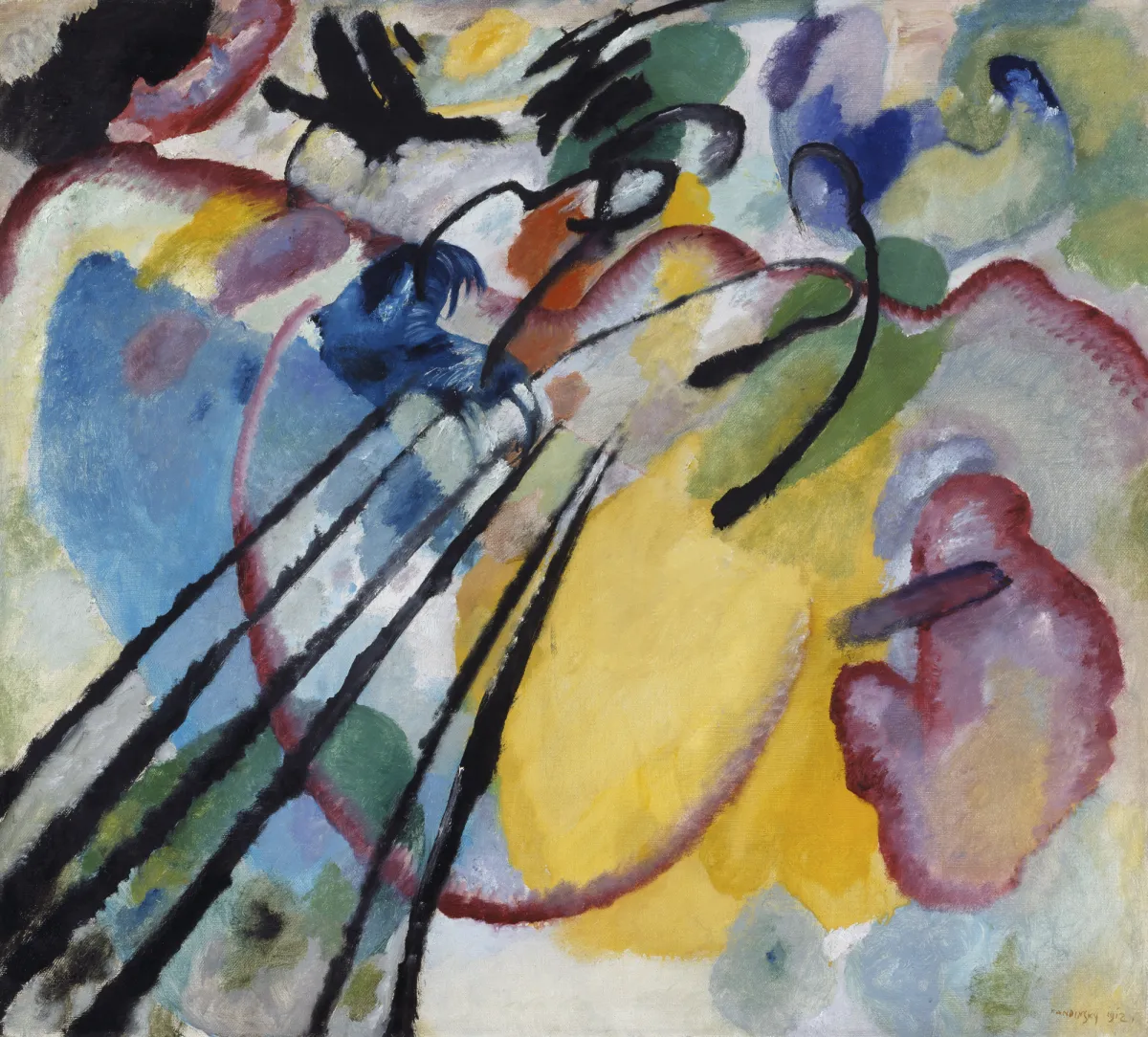
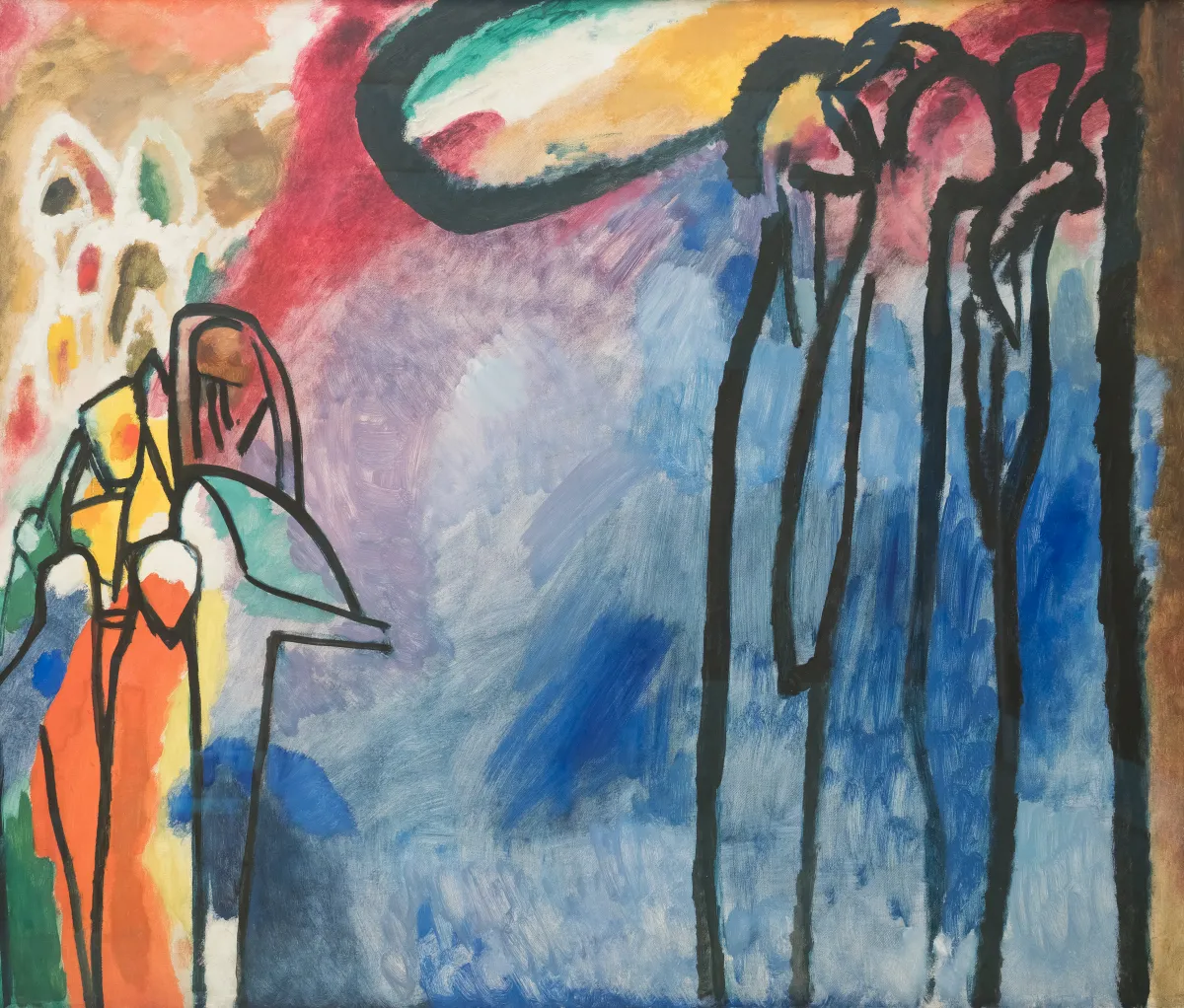
Wassily Kandinsky’s "Improvisation 26" showcases his exceptional skill with oil on canvas, employing bold colors and dynamic lines to evoke emotion. The painting’s energetic strokes and harmonious composition make it a celebrated example of Abstract Expressionism. Those drawn to Kandinsky’s artistry may also admire related pieces such as "Improvisation 19" and "Improvisation 11," which further display his unique mastery of the medium and his contributions to the evolution of modern art.
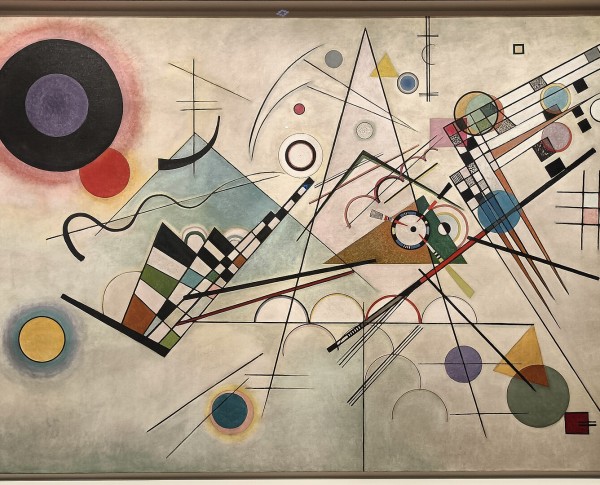
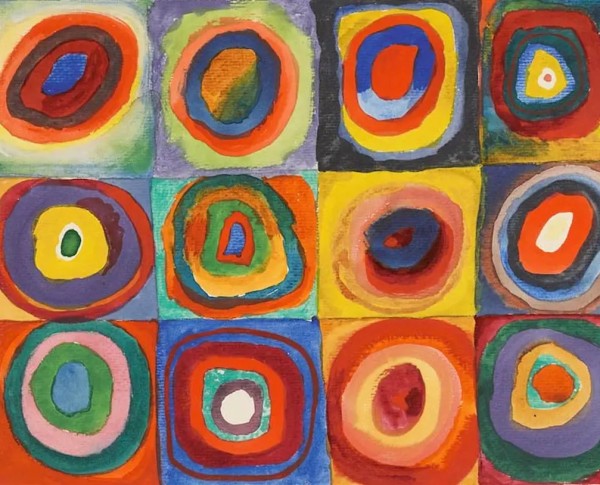
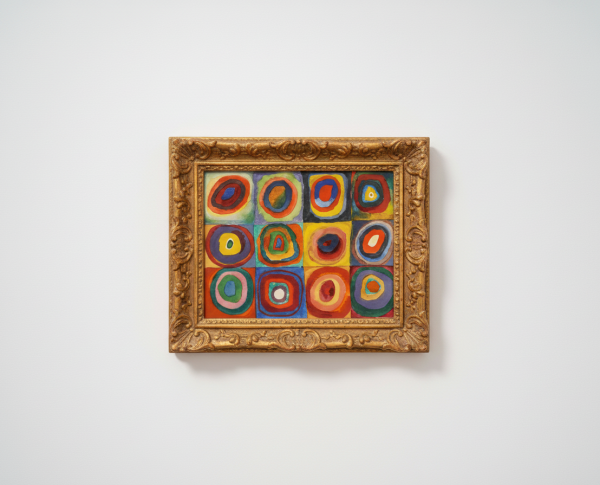
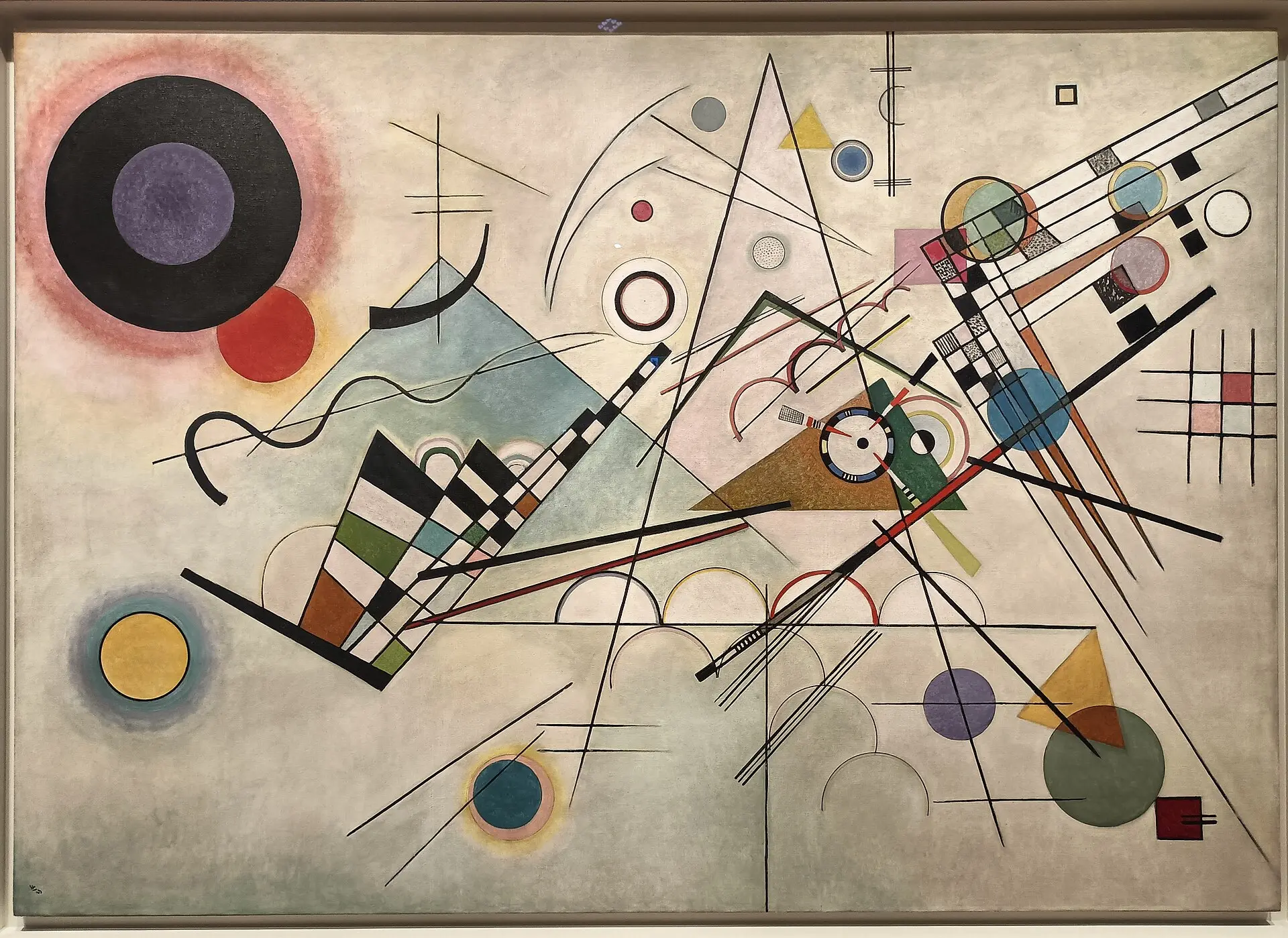
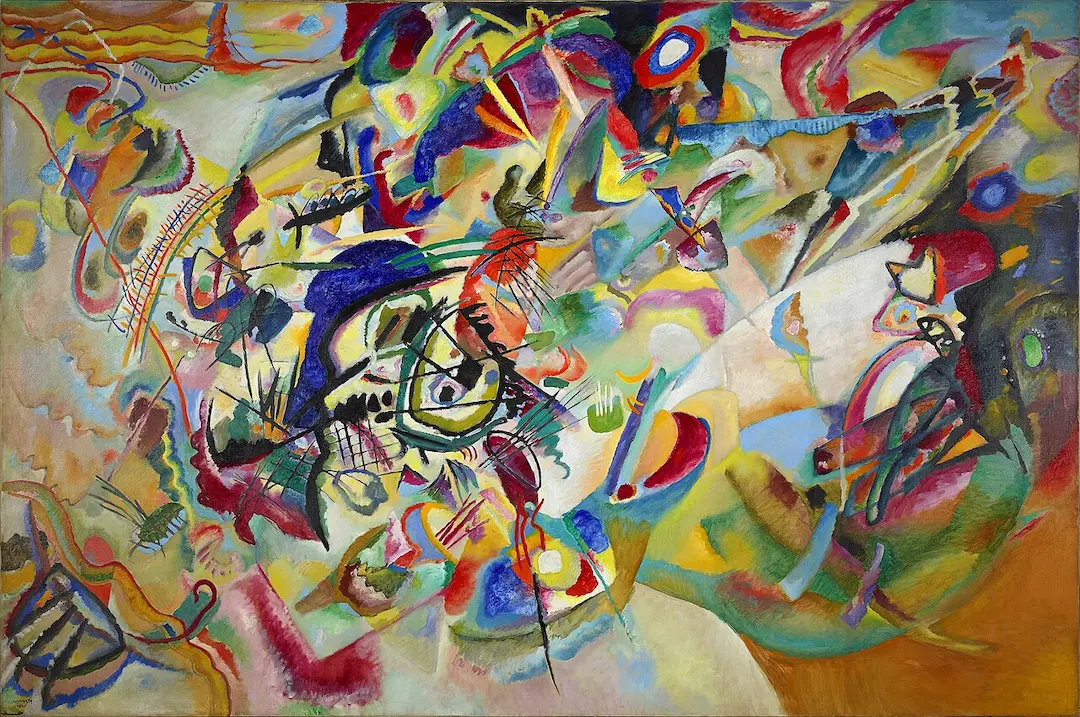
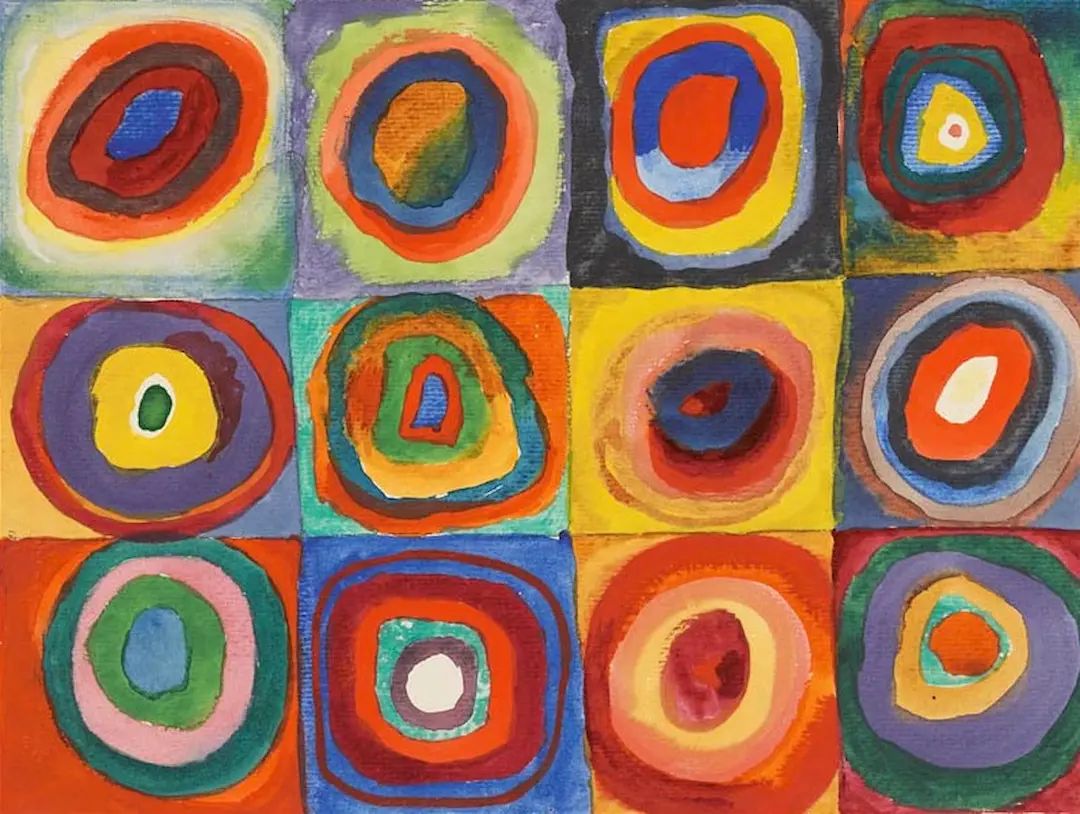
Deep within "Improvisation 26," Kandinsky weaves a tapestry of symbols and abstract forms, encouraging viewers to interpret their own stories. The fine art painting for sale invites contemplation, as every shape and color holds potential meaning within the context of Abstract Expressionism. This mysterious quality also connects it to other works by Kandinsky, such as "Squares with Concentric Rings" and "The Composition V111," both renowned for their symbolic depth and vibrant energy.
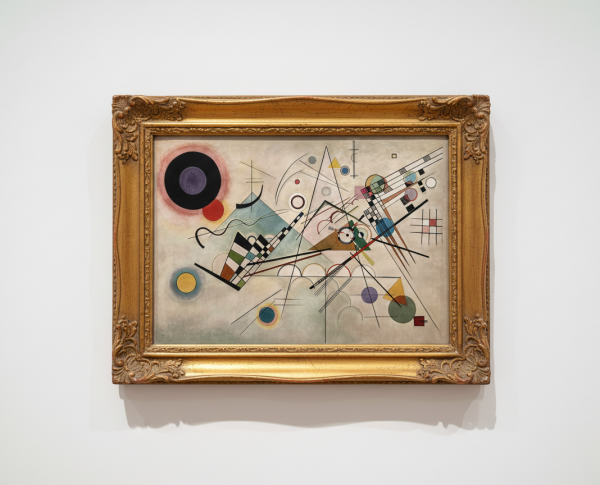
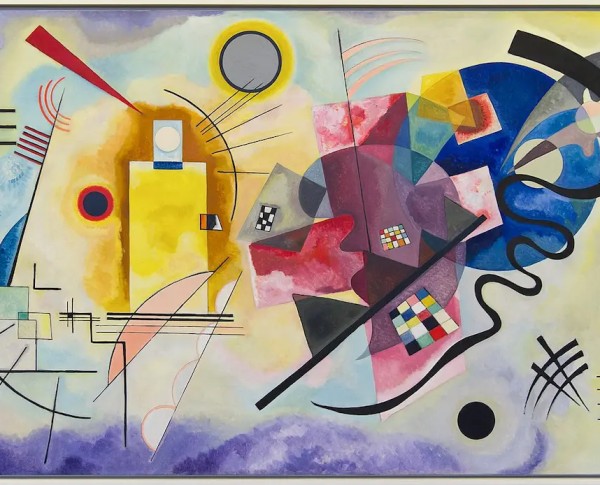
For art collectors and admirers of Abstract Expressionism, "Improvisation 26" by Wassily Kandinsky is a prized acquisition. This hand-painted oil painting enriches any collection, reflecting the artist’s innovative spirit and mastery. When paired with related products like "Composition VII" or "Improvisation 19," the painting’s impact is magnified, offering a cohesive exploration of Kandinsky’s influential legacy and the enduring allure of abstract fine art.
When Art Meets History
"Improvisation 26" by Wassily Kandinsky stands as a pivotal work within the Abstract Expressionism movement. Created during a time of artistic innovation, this hand-painted oil painting captures the energy and spirit of early 20th-century abstraction. Kandinsky’s approach paved the way for future masterpieces, such as "Untitled (Violet, Black, Orange, Yellow on White and Red), 1949." The painting’s historical context reveals a transition from representational art to expressive, non-objective forms, making it a landmark in modern art history.
Techniques That Speak
Kandinsky’s "Improvisation 26" utilizes oil on canvas to achieve dynamic movement and vibrant color contrasts. His brushwork and layering techniques bring a sense of depth and spontaneity, hallmarks of Abstract Expressionism. By manipulating the medium, Kandinsky evokes both chaos and harmony, inviting viewers to interpret his visual language. The painting’s innovative use of oil on canvas connects it to other influential works, such as "Untitled (Violet, Black, Orange, Yellow on White and Red), 1949," emphasizing the evolution of abstract techniques.
Emotions on Display
"Improvisation 26" is a fine art painting for sale that powerfully channels emotion through abstract forms and bold color choices. Kandinsky’s mastery in conveying feeling without clear subject matter set new standards within the Abstract Expressionism movement. This painting, much like "Untitled (Violet, Black, Orange, Yellow on White and Red), 1949," invites viewers to experience a personal emotional journey. The interplay of shapes and hues stimulates the imagination, making each viewing a unique and evocative experience.
Coveted by Collectors
Collectors highly seek "Improvisation 26" by Wassily Kandinsky for its historical significance and artistic innovation within Abstract Expressionism. As a hand-painted oil painting, it exemplifies the expressive possibilities of the medium and the artist’s pioneering spirit. Works like "Untitled (Violet, Black, Orange, Yellow on White and Red), 1949" share a similar allure among art enthusiasts. Owning such a masterpiece is not only an investment but also a celebration of abstract art’s enduring legacy.
Related Abstract Expressionism Hand-Painted Oil Paintings by Other Artists
Other Famous Abstract Expressionism Artists:
Frequently Asked Questions About Improvisation 26
What is the historical context of "Improvisation 26"?
"Improvisation 26" was created in 1912, a period marked by significant artistic experimentation and the rise of abstract art. This work reflects the broader movements of Expressionism and the avant-garde in Europe, where artists sought to convey emotional experiences rather than representational forms.
What artistic movements influenced Kandinsky in creating this piece?
Kandinsky was influenced by various movements, including Expressionism and Fauvism. He sought to express the spiritual and emotional resonance of color and form, moving away from traditional representation towards abstraction, which was a hallmark of his work and the broader modernist movement.
What techniques did Kandinsky use in "Improvisation 26"?
Kandinsky employed a technique of spontaneous brushwork and vibrant color contrasts in "Improvisation 26." He utilized a non-representational approach, allowing colors and forms to interact freely, which was intended to evoke emotional responses from the viewer.
What is the significance of the title "Improvisation 26"?
The title "Improvisation 26" suggests a sense of spontaneity and freedom in the creative process. The number indicates that this was the 26th work in a series of improvisational pieces, emphasizing Kandinsky's exploration of abstract expression and his belief in the power of art to convey deep emotions.
How does "Improvisation 26" reflect Kandinsky's theories on color?
Kandinsky believed that colors had inherent emotional and spiritual qualities. In "Improvisation 26," he uses a dynamic palette to evoke feelings and moods, demonstrating his theory that colors could resonate with the viewer's inner experiences and transcend mere visual representation.
What symbols can be interpreted in "Improvisation 26"?
The painting contains abstract forms that can be interpreted as symbols of various emotions and spiritual states. The interplay of shapes and colors invites viewers to find personal meanings, reflecting Kandinsky's belief that art should be a means of personal expression and connection to the spiritual world.
In what ways did "Improvisation 26" contribute to the development of abstract art?
"Improvisation 26" is a pivotal work in the evolution of abstract art, showcasing the potential of non-representational forms to convey complex emotions. Kandinsky's approach influenced subsequent generations of artists, encouraging them to explore abstraction as a legitimate and powerful form of artistic expression.
What role did music play in Kandinsky's artistic process?
Kandinsky was deeply influenced by music, which he believed shared a fundamental connection with visual art. He often described his paintings in musical terms, seeking to create a visual symphony in "Improvisation 26" that resonated with the viewer's emotions, akin to how music evokes feelings through sound.
How does "Improvisation 26" exemplify Kandinsky's concept of "inner necessity"?
Kandinsky's concept of "inner necessity" refers to the instinctive drive to create art that expresses one's inner feelings and spiritual truths. "Improvisation 26" exemplifies this idea, as it is a spontaneous expression of Kandinsky's emotional state, unbound by external reality or traditional artistic constraints.
What impact did "Improvisation 26" have on future art movements?
The impact of "Improvisation 26" on future art movements is profound, as it laid the groundwork for developments in Abstract Expressionism and other modern art movements. Kandinsky's exploration of abstraction and emotional expression influenced artists seeking to break away from traditional forms and embrace innovative approaches to art.























_GFM_Painting_(1).webp)


 100% Hand-Painted: Finished in 3-6 Weeks

.png)















_(1).webp)