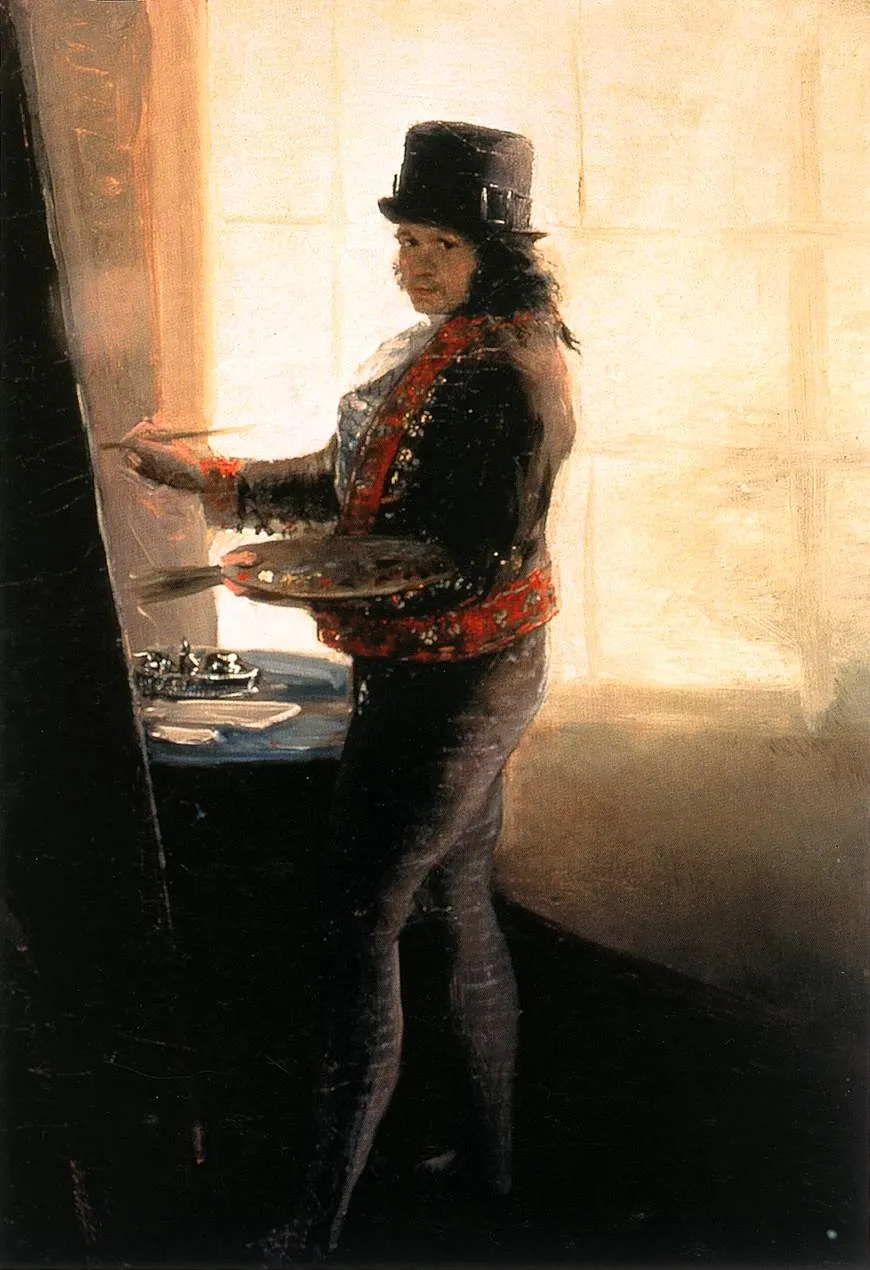
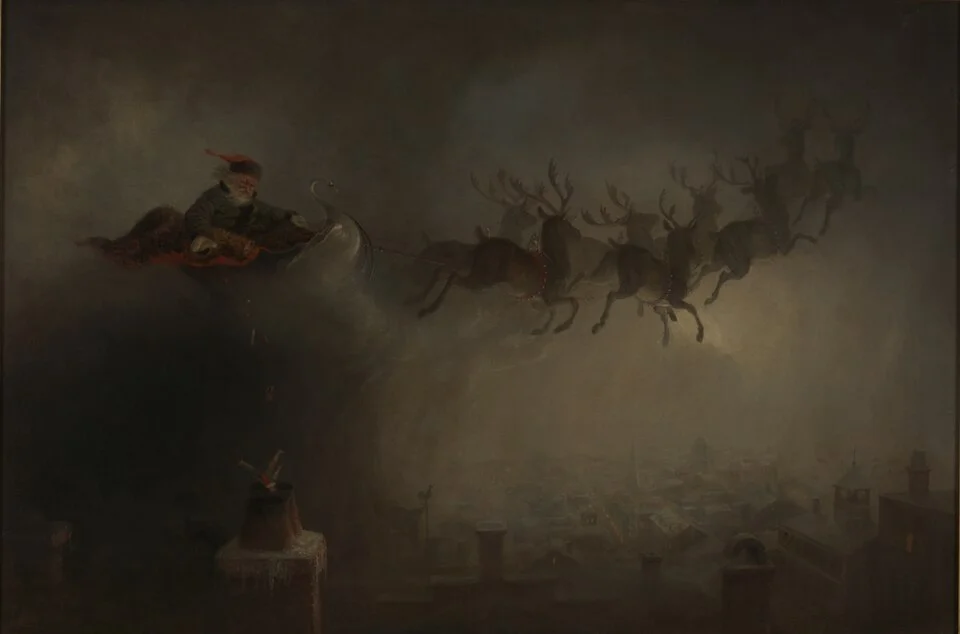
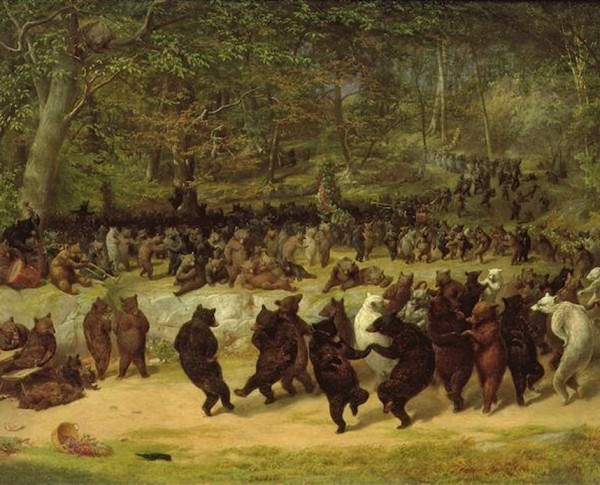
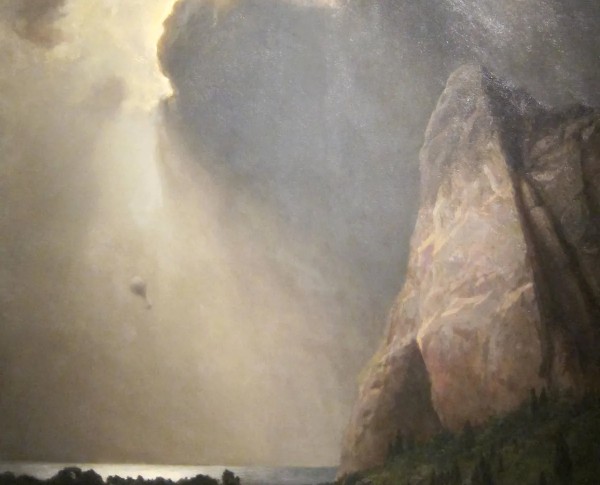
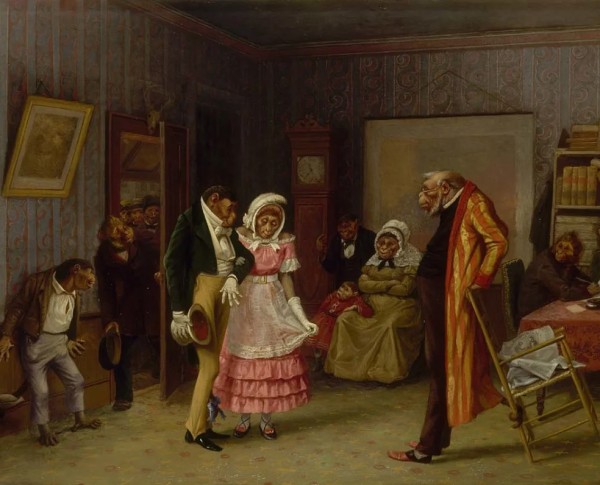
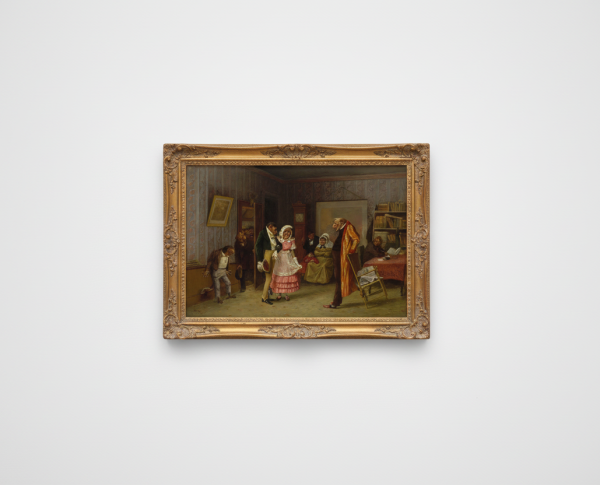
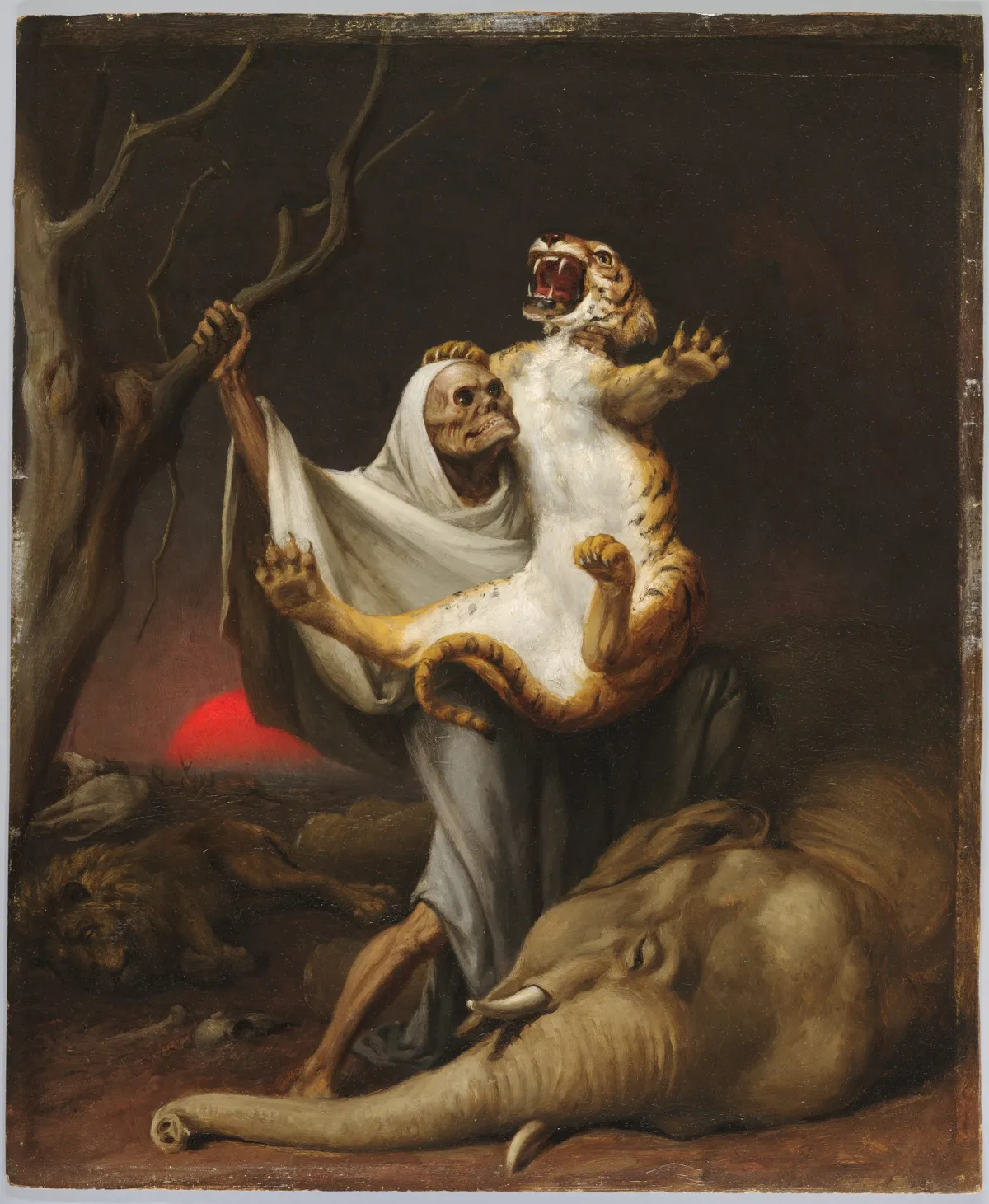
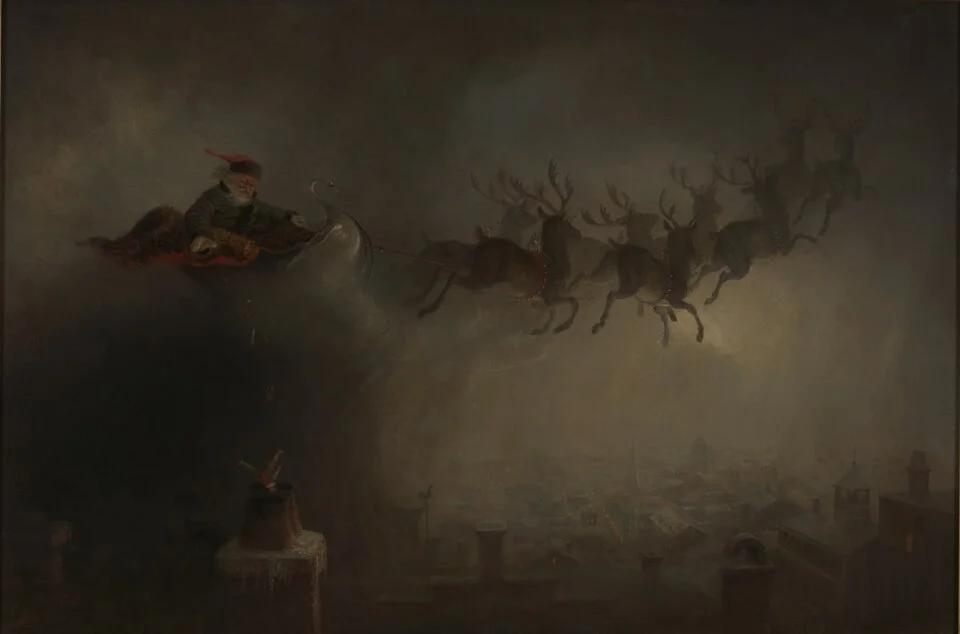
William Holbrook Beard’s "Power of Death" showcases his technical brilliance and emotive storytelling through oil on canvas. Each brushstroke reveals his dedication to detail and his mastery over the medium. The painting’s rich textures and lifelike forms are reminiscent of Beard’s other acclaimed works, such as "Self-Portrait in the Studio" and "Lightning Struck a Flock of Witches." Collectors value the authenticity and craftsmanship of this exceptional oil on canvas.
"Power of Death" by William Holbrook Beard weaves a narrative filled with allegory and symbolism, hallmarks of Romanticism. The painting explores profound themes of mortality and the human condition, inviting viewers to ponder deeper meanings. This hand-painted oil painting stands alongside other evocative works like "The Bulls and Bears in the Market" and "Scientists At Work by 0005," each offering a unique glimpse into the Romantic imagination and its fascination with storytelling.
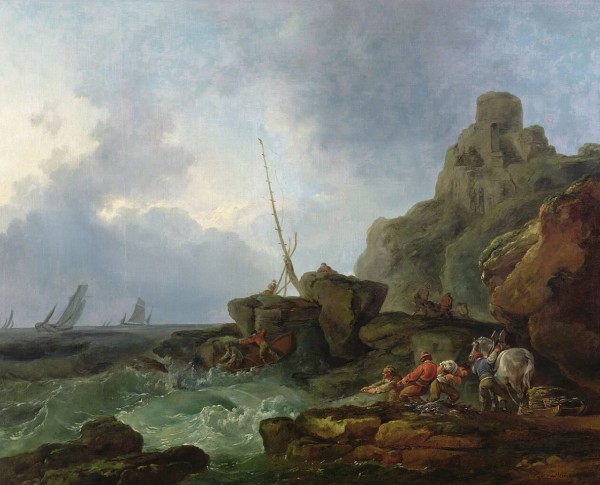
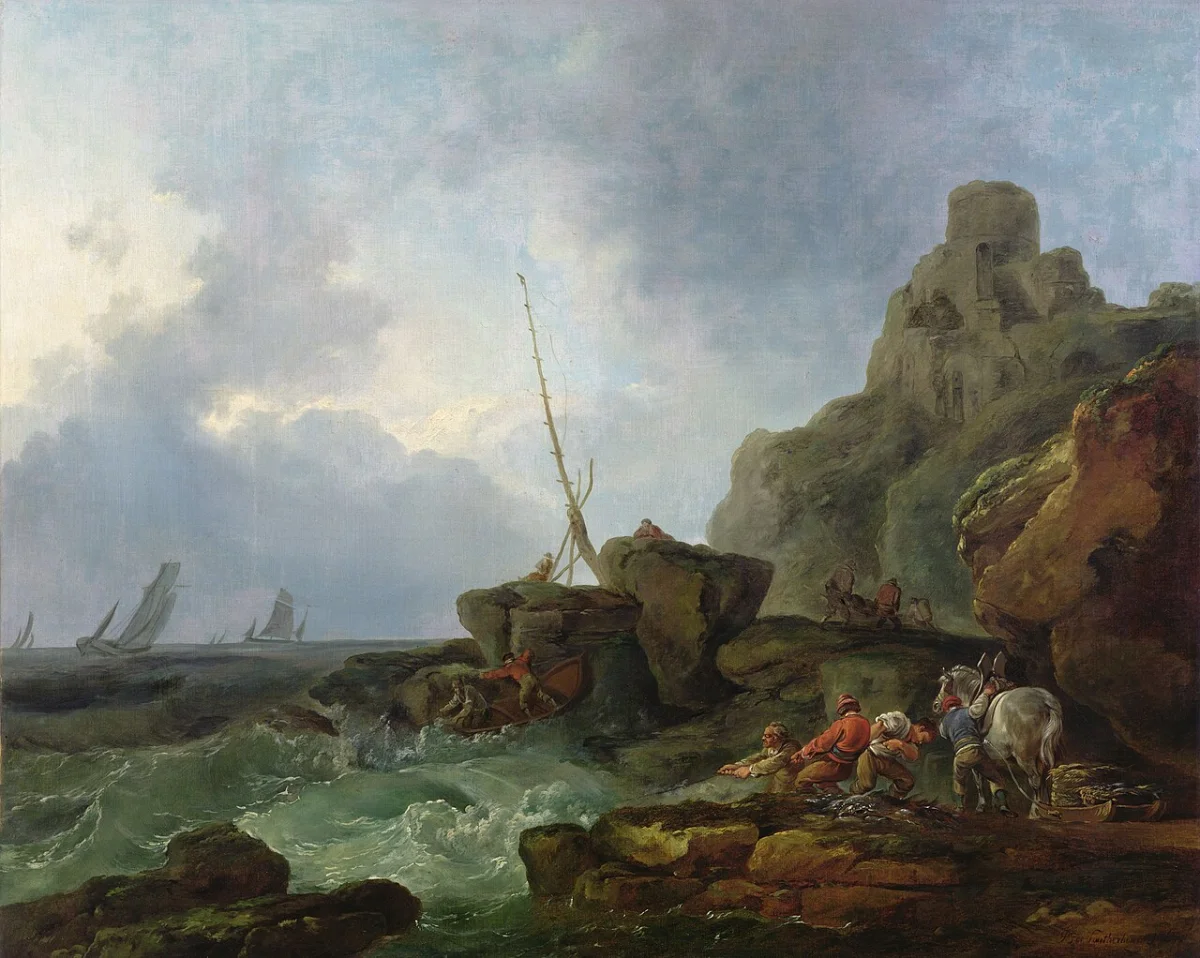
For art collectors, acquiring "Power of Death" is an opportunity to own a piece of Romanticism’s legacy. This fine art painting for sale exemplifies William Holbrook Beard’s enduring appeal and artistic vision. Alongside related masterpieces such as "For What Was I Created?" and "The Wreckers," it holds a special place in any curated collection. Lovers of hand-painted oil paintings appreciate the historical significance and emotional resonance embedded in Beard’s celebrated works.
When Art Meets History
"Power of Death" by William Holbrook Beard stands as a profound testament to the Romanticism movement's fascination with drama and emotion. This hand-painted oil painting captures a pivotal moment in art history, echoing the narrative depth found in related works like "Washington Crossing the Delaware" and "The Battle of Nazareth." Beard's masterpiece continues to inspire collectors and historians alike, representing a significant chapter in the evolution of narrative-driven oil paintings during the nineteenth century.
Techniques That Speak
William Holbrook Beard’s mastery shines through in the meticulous detail and dynamic composition of "Power of Death." Utilizing oil on canvas, Beard creates a vivid interplay of light and shadow, typical of Romanticism’s expressive style. The artist’s technique is reminiscent of those seen in "Dedham Lock and Mill" and "Portrait of Christine Boyer," where brushwork and color palette evoke intense emotion. Such technical prowess makes this painting a standout among nineteenth-century oil on canvas artworks.
Emotions on Display
The emotional resonance of "Power of Death" is unmistakable, with William Holbrook Beard channeling the Romanticism movement’s emphasis on feeling and imagination. Scenes within the painting evoke contemplation and awe, similar to the evocative impact of "The Battle of Nazareth" or "Washington Crossing the Delaware." Collectors seeking a fine art painting for sale are often drawn to such emotionally charged works, which continue to captivate audiences with their expressive storytelling and atmospheric depth.
Coveted by Collectors
"Power of Death" remains highly sought after by art enthusiasts and collectors, particularly those interested in nineteenth-century Romanticism. The painting’s dramatic composition and historical significance position it alongside masterpieces such as "Dedham Lock and Mill" and "Portrait of Christine Boyer." As a hand-painted oil painting, its rarity and artistic value make it a prized acquisition, frequently featured among fine art painting for sale offerings at esteemed galleries and auctions around the world.
Related Romanticism Hand-Painted Oil Paintings by Other Artists
Other Famous Romanticism Artists:
Frequently Asked Questions About Power of Death
What is the historical context of "Power of Death"?
"Power of Death" was created during the late 19th century, a period marked by significant changes in American society, including industrialization and shifts in cultural values. This painting reflects the era's fascination with mortality and the human condition.
What themes are explored in "Power of Death"?
The painting explores themes of mortality, the inevitability of death, and the duality of life and death. It serves as a reminder of the transient nature of existence and the power that death holds over life.
What artistic techniques did William Holbrook Beard employ in "Power of Death"?
Beard utilized a combination of realism and symbolism in "Power of Death." His meticulous attention to detail and use of dramatic lighting enhance the emotional impact of the piece, drawing viewers into its somber narrative.
How does "Power of Death" reflect the artistic movements of its time?
The painting reflects the Realist movement, which sought to depict subjects truthfully without idealization. Beard's work also incorporates elements of Romanticism, particularly in its emotional depth and exploration of existential themes.
What symbols are present in "Power of Death" and what do they represent?
Key symbols in the painting include skulls, which represent mortality, and dark, shadowy figures that embody the concept of death itself. These elements work together to convey the overarching theme of the power and inevitability of death.
What was the public's reaction to "Power of Death" upon its release?
Upon its release, "Power of Death" elicited a range of reactions, from intrigue to discomfort. Viewers were often struck by its stark portrayal of death, which was a departure from the more romanticized depictions commonly seen in art at the time.
In what ways does "Power of Death" challenge societal views on death?
The painting challenges societal views by confronting the viewer with the raw reality of death, urging them to reflect on their own mortality. It serves as a counter-narrative to the often sanitized representations of death in contemporary culture.
How does "Power of Death" fit into William Holbrook Beard's body of work?
"Power of Death" is a significant work within Beard's oeuvre, showcasing his ability to blend humor and horror. It exemplifies his interest in the macabre and his exploration of the darker aspects of human existence, which are recurrent themes in his art.
What influences can be seen in Beard's style in "Power of Death"?
Beard's style in "Power of Death" shows influences from both American and European art traditions. His use of vivid colors and dramatic compositions can be traced back to the Baroque period, while his focus on realism aligns with the principles of the 19th-century Realist movement.
What is the significance of the title "Power of Death"?
The title "Power of Death" underscores the central theme of the painting, emphasizing death's omnipresence and its ultimate authority over life. It invites viewers to contemplate the profound impact that death has on the human experience.






















_GFM_Painting_(1).webp)


 100% Hand-Painted: Finished in 3-6 Weeks

.png)















_(1).webp)