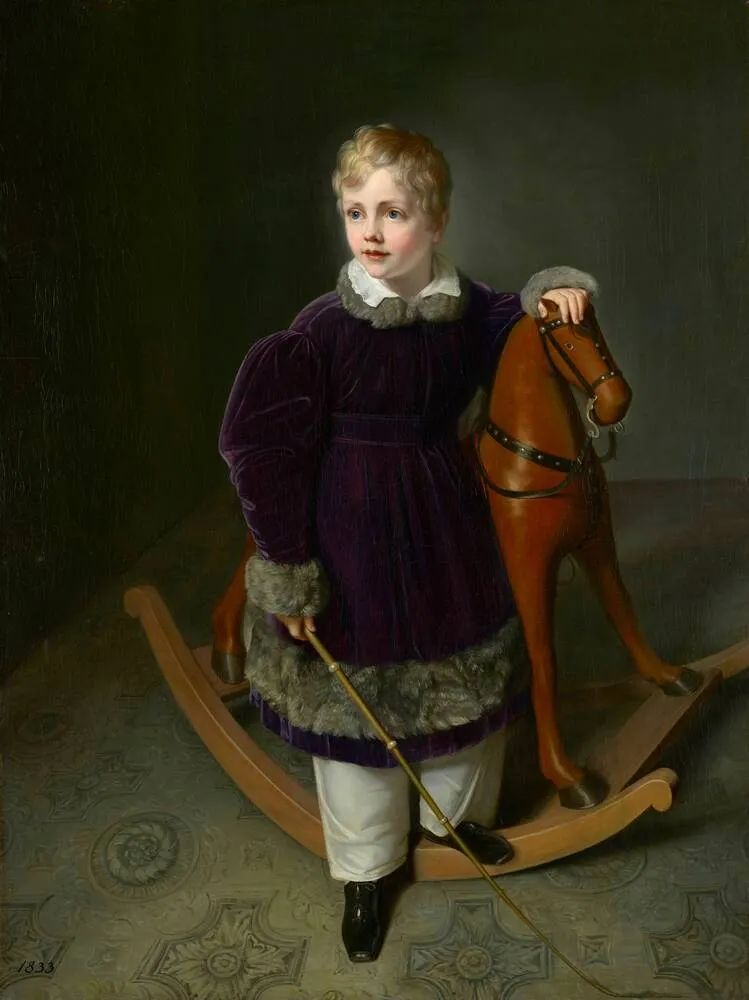
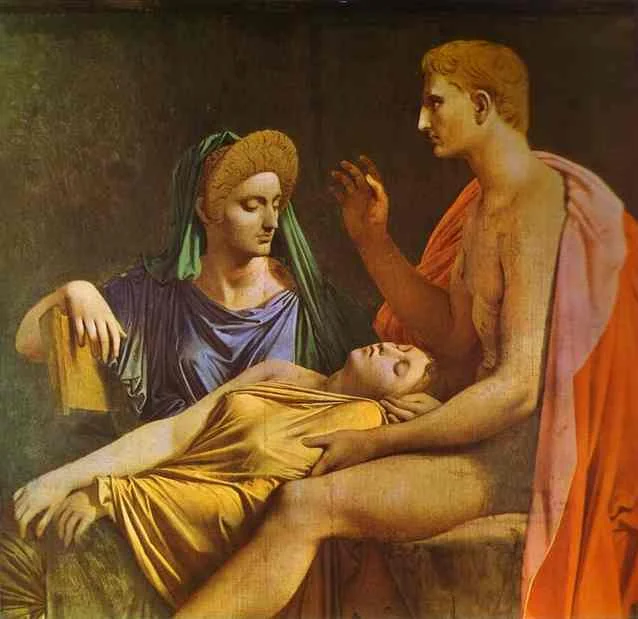
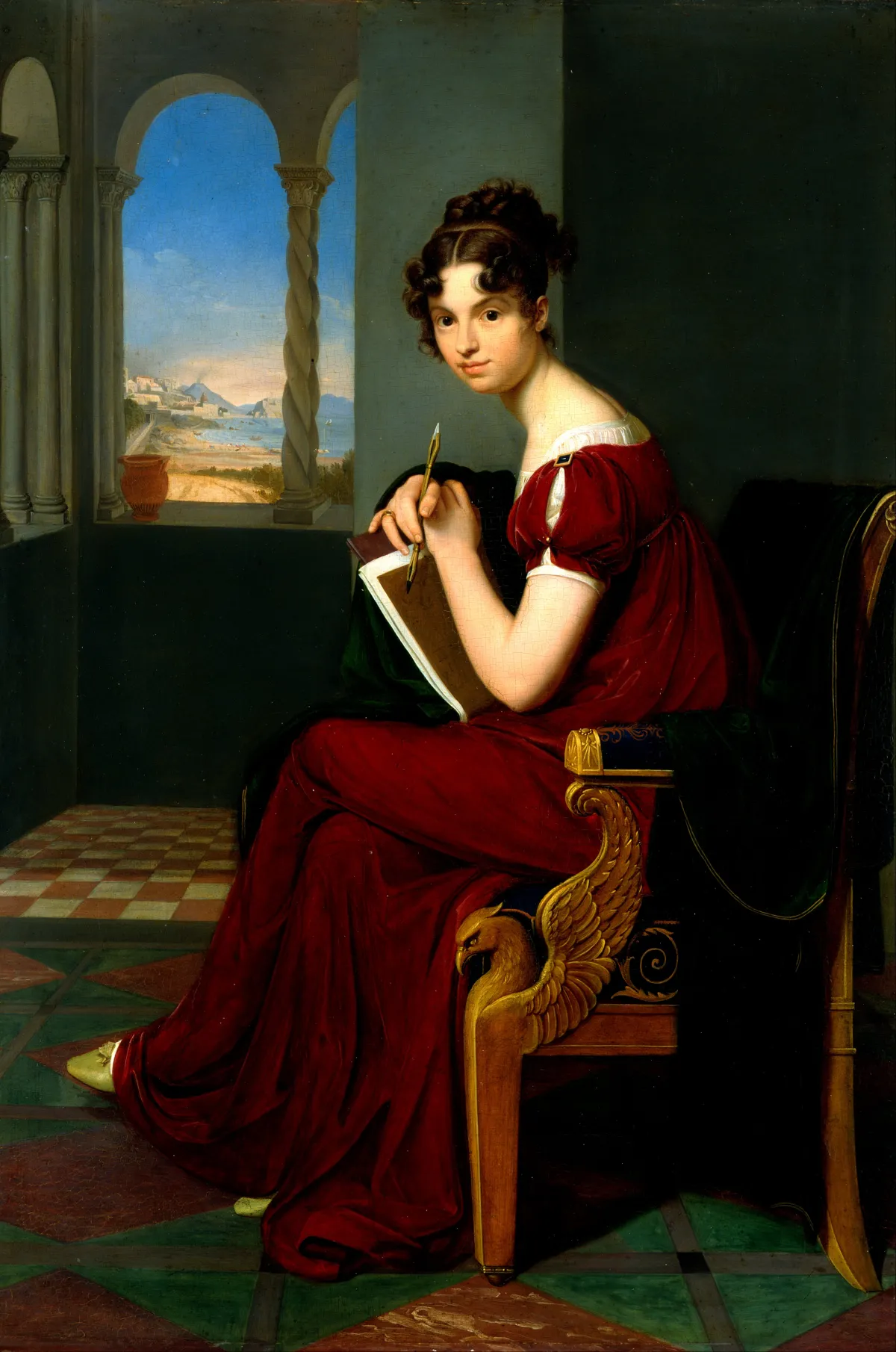
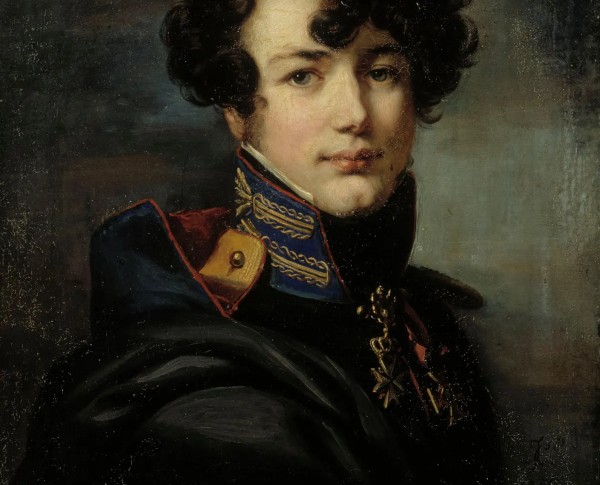
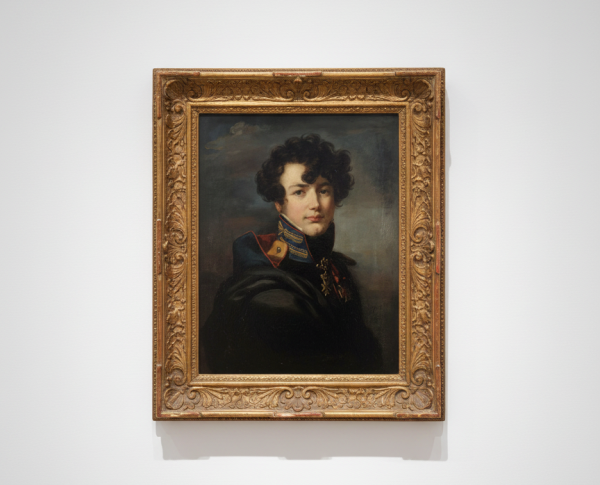
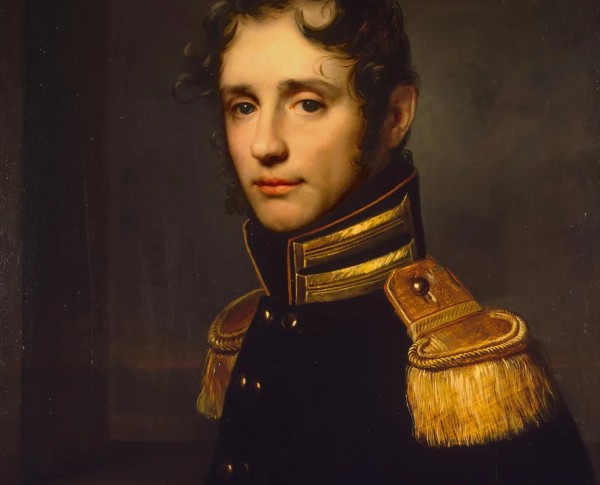
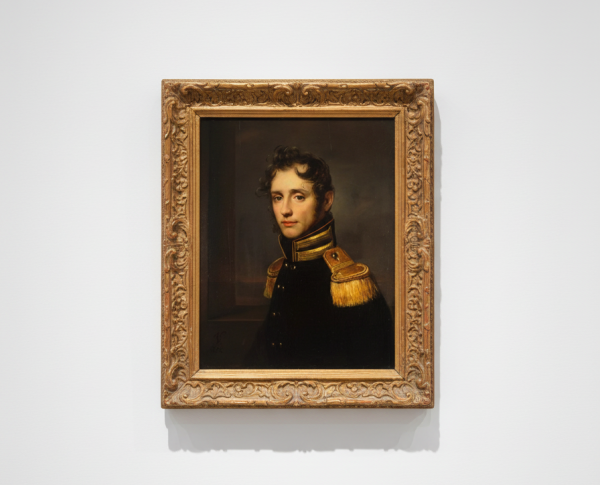
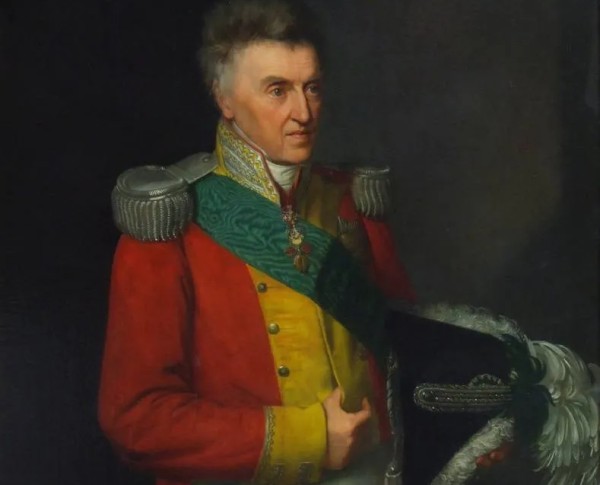
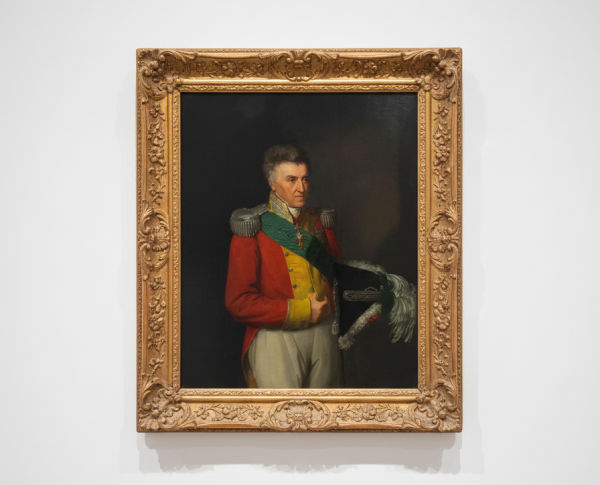
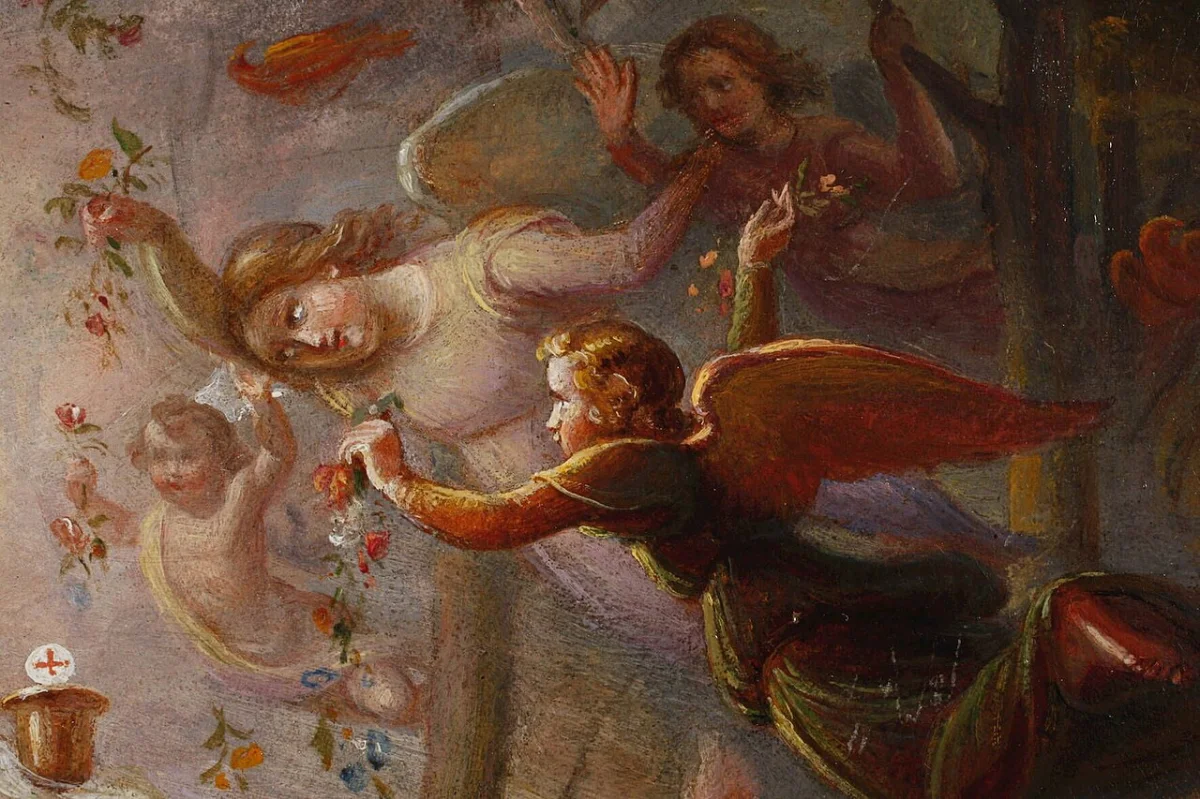
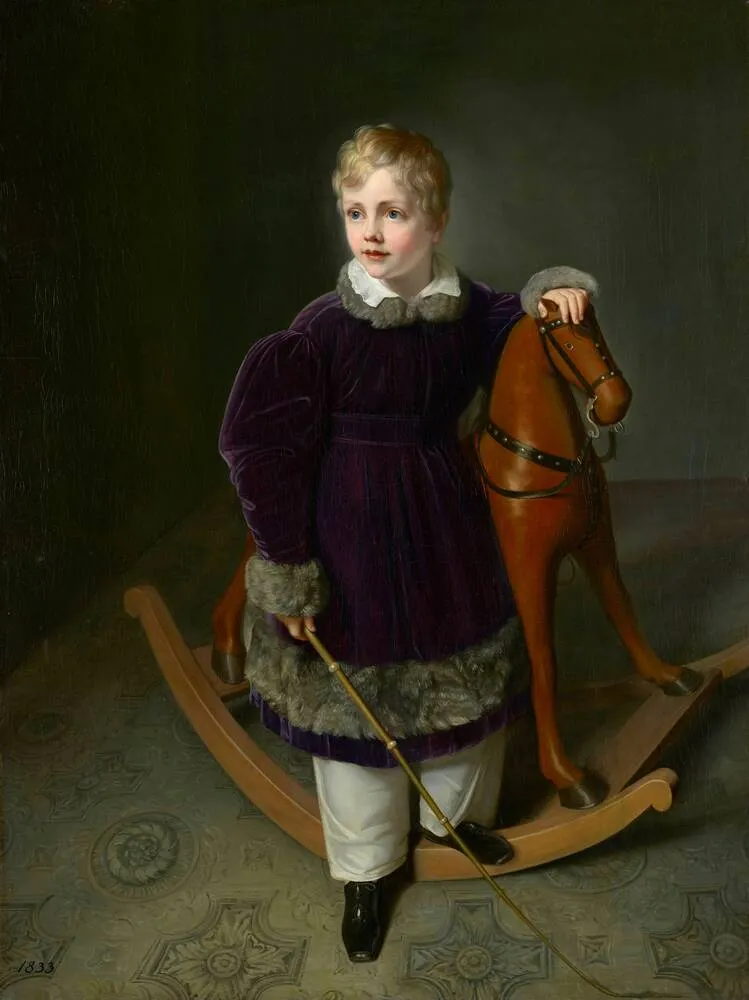
As an exceptional example of oil on canvas artistry, "Divina Commedia, Purgatorio, Canto Xxx" showcases Vogel von Vogelstein’s meticulous technique and deep understanding of form and composition. The Neo-Classical movement is celebrated for its precision and clarity, and this painting exemplifies those ideals. Collectors interested in similar oil on canvas works may also appreciate "Portrait of Prince Albert of Saxony as a boy," which share a dedication to technical excellence.
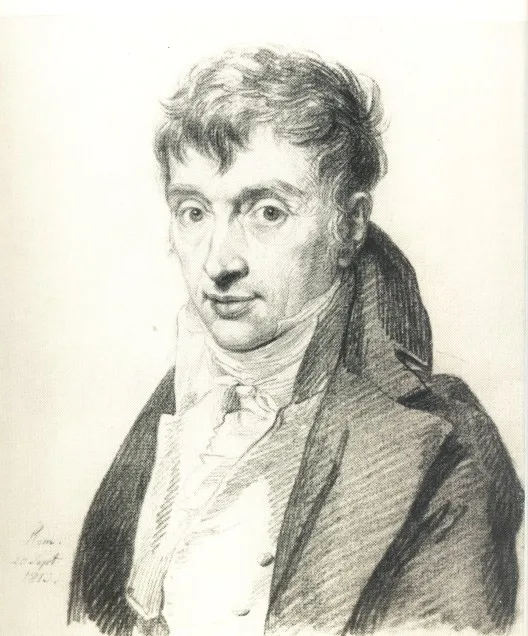
Within "Divina Commedia, Purgatorio, Canto Xxx," Carl Christian Vogel von Vogelstein weaves a rich narrative through symbolic imagery and expressive figures. This fine art painting for sale invites viewers to explore Dante’s journey of redemption, rendered with Neo-Classical restraint and elegance. Art enthusiasts often pair this masterpiece with related products like "Bildnis Des Aquasie Boachi", seeking to create a collection that tells a story through visual symbolism.
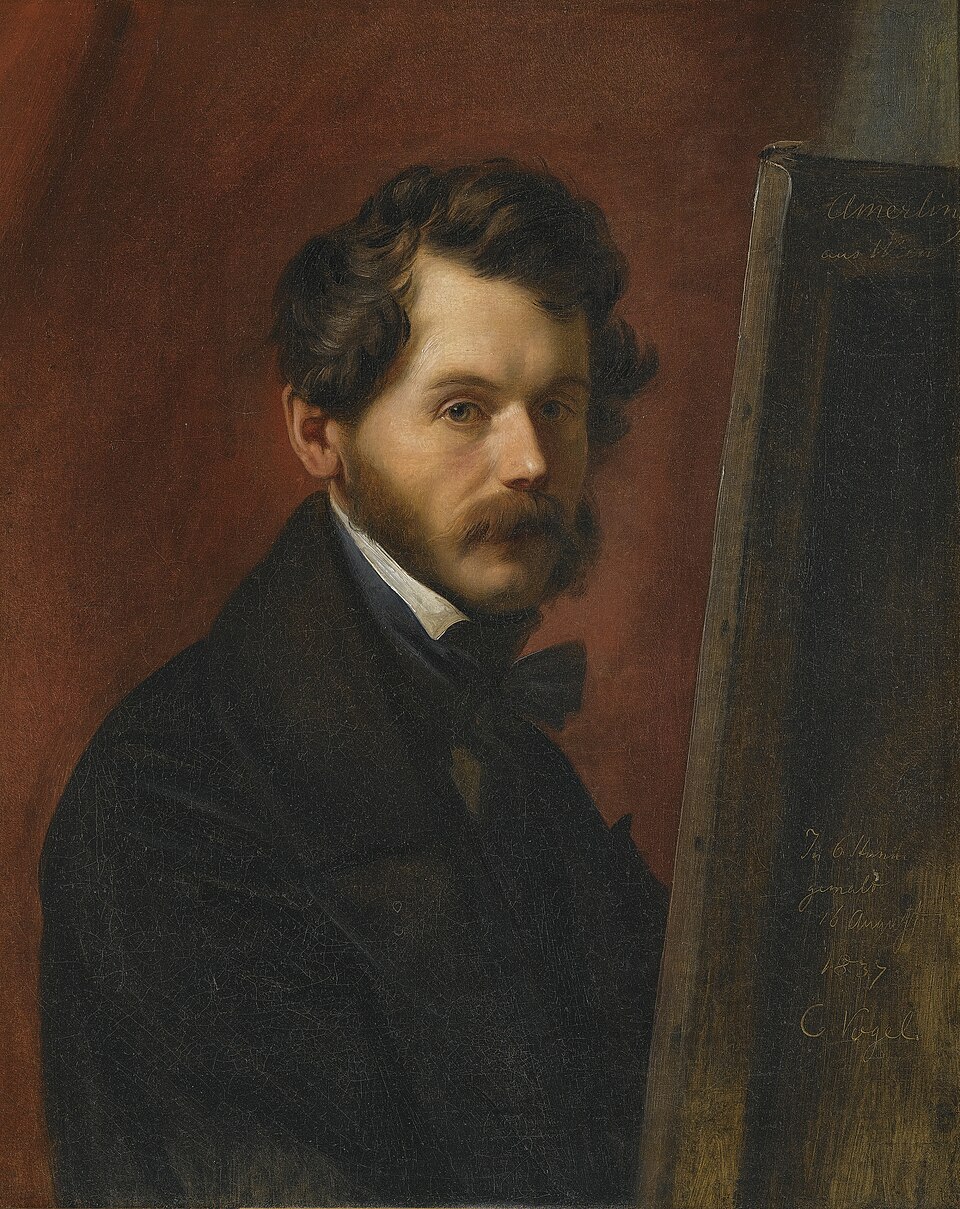
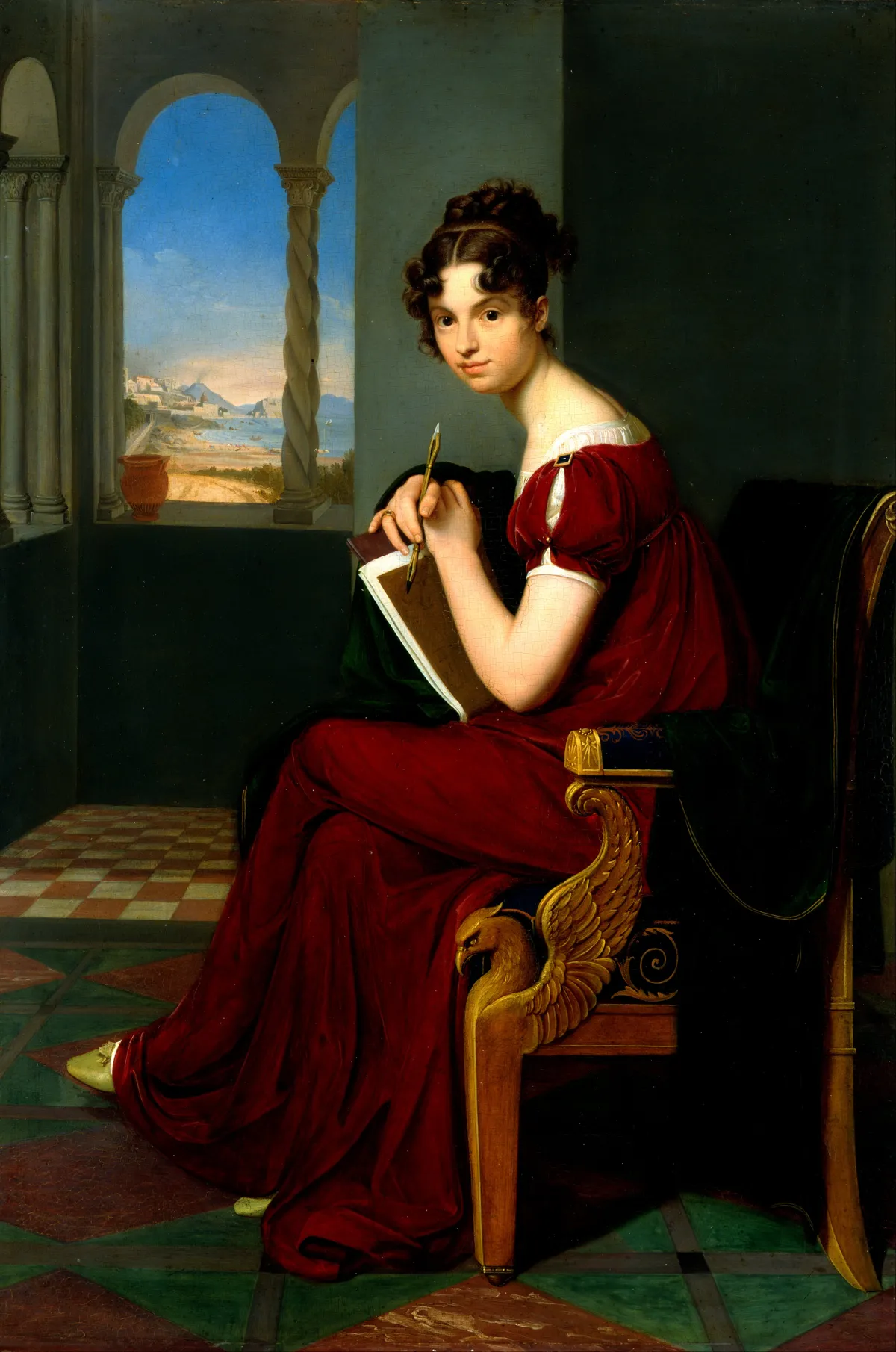
Owning "Divina Commedia, Purgatorio, Canto Xxx" by Carl Christian Vogel von Vogelstein is more than acquiring a beautiful piece; it is investing in a hand-painted oil painting that embodies the spirit of the Neo-Classical movement. This artwork, along with related products such as "Amerling" and "Portrait of Prince Albert of Saxony as a boy," is highly sought after by collectors who value timeless elegance and historical significance in their fine art collections.
When Art Meets History
"Divina Commedia, Purgatorio, Canto Xxx" by Carl Christian Vogel von Vogelstein stands as a remarkable testament to the Neo-Classical movement. This hand-painted oil painting captures a pivotal moment inspired by Dante’s literary masterpiece, blending historical narrative with artistic brilliance. Vogel von Vogelstein’s expertise is also evident in related works like "Declaration of Independence" and "Gorge at Cività Castellana," each echoing the grandeur and precision characteristic of Neo-Classical fine art.
Techniques That Speak
Vogel von Vogelstein’s mastery of oil on canvas shines through in "Divina Commedia, Purgatorio, Canto Xxx." The artist employs delicate brushwork and balanced composition, hallmarks of Neo-Classical technique, to convey both drama and serenity. Subtle gradations of light and shadow reveal his dedication to realism. Similar techniques are found in his other pieces, such as "Romantic Landscape" and "View of the Isle of Sora," which showcase his commitment to the highest standards of oil on canvas artistry.
Emotions on Display
The emotional depth of "Divina Commedia, Purgatorio, Canto Xxx" is palpable, as Carl Christian Vogel von Vogelstein invites viewers into a realm of hope and redemption. Through expressive faces and dynamic gestures, this fine art painting for sale channels the spiritual journey depicted in Dante’s work. The artist’s sensitivity, seen in related paintings like "The Declaration of Independence," allows each figure to resonate with viewers, making the narrative both intimate and universally compelling.
Coveted by Collectors
As a prime example of Neo-Classical excellence, "Divina Commedia, Purgatorio, Canto Xxx" is highly sought after by collectors of hand-painted oil paintings. Carl Christian Vogel von Vogelstein’s reputation, bolstered by masterpieces like "View of the Isle of Sora," ensures that his works remain in demand. Collectors value his ability to combine historical themes with technical skill, making this painting and its related counterparts cherished additions to any distinguished art collection.
Related Neo-Classical Hand-Painted Oil Paintings by Other Artists
Other Famous Neo-Classical Artists:
Frequently Asked Questions About Divina Commedia, Purgatorio, Canto Xxx
What is the historical context of "Divina Commedia, Purgatorio, Canto Xxx"?
This painting was created during the early 19th century, a period marked by Romanticism, which emphasized emotion and individualism. It reflects the influence of Dante Alighieri's "Divine Comedy," a foundational text of Italian literature.
Who is the artist behind this painting?
Carl Christian Vogel von Vogelstein was a German painter known for his historical and literary themes. His works often illustrate significant narratives, and he was influenced by the Neoclassical style.
What themes are explored in this artwork?
The painting explores themes of redemption, spiritual purification, and the journey of the soul, as depicted in Dante's "Purgatorio," which is the second part of the "Divine Comedy."
What artistic techniques are employed in this painting?
Vogelstein utilizes a combination of chiaroscuro and detailed realism to create depth and emotion. The careful rendering of figures and landscapes enhances the narrative quality of the scene.
How does this painting relate to Dante's "Divine Comedy"?
The painting illustrates a specific moment from "Purgatorio," capturing the essence of Dante's exploration of sin, penance, and the hope of salvation, thereby bringing the literary work to life visually.
What symbols are present in the painting?
Key symbols include the mountain representing Purgatory, the figures of souls in various states of penance, and the light that signifies divine grace and hope, all integral to understanding the spiritual journey depicted.
What is the significance of the composition in this artwork?
The composition is carefully arranged to guide the viewer's eye through the narrative, with a foreground of penitent souls and a background that suggests the ascent towards divine light, symbolizing the journey of purification.
How does "Divina Commedia, Purgatorio, Canto Xxx" reflect Romantic ideals?
The painting embodies Romantic ideals through its emotional depth, focus on the individual experience of the soul, and the dramatic portrayal of the struggle between sin and redemption.
What impact did this painting have on later artists?
This work influenced subsequent artists who sought to depict literary themes through visual art, encouraging a deeper exploration of narrative and emotion in painting.
Where can I view "Divina Commedia, Purgatorio, Canto Xxx"?
The painting is part of the collection at our gallery, where it is displayed to highlight its historical and artistic significance within the context of Romantic and Neoclassical art.






















_GFM_Painting_(1).webp)


 100% Hand-Painted: Finished in 3-6 Weeks

.png)















_(1).webp)