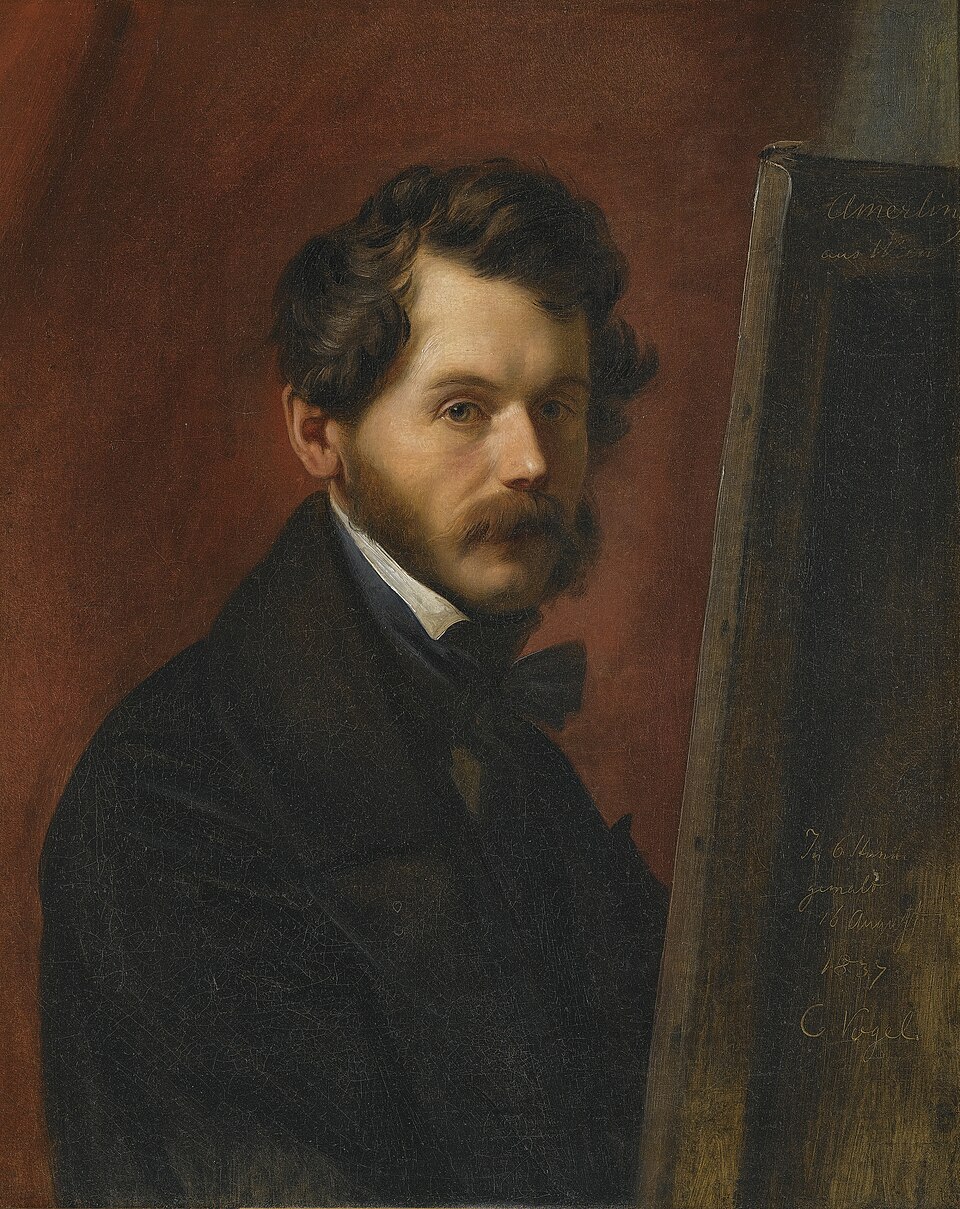
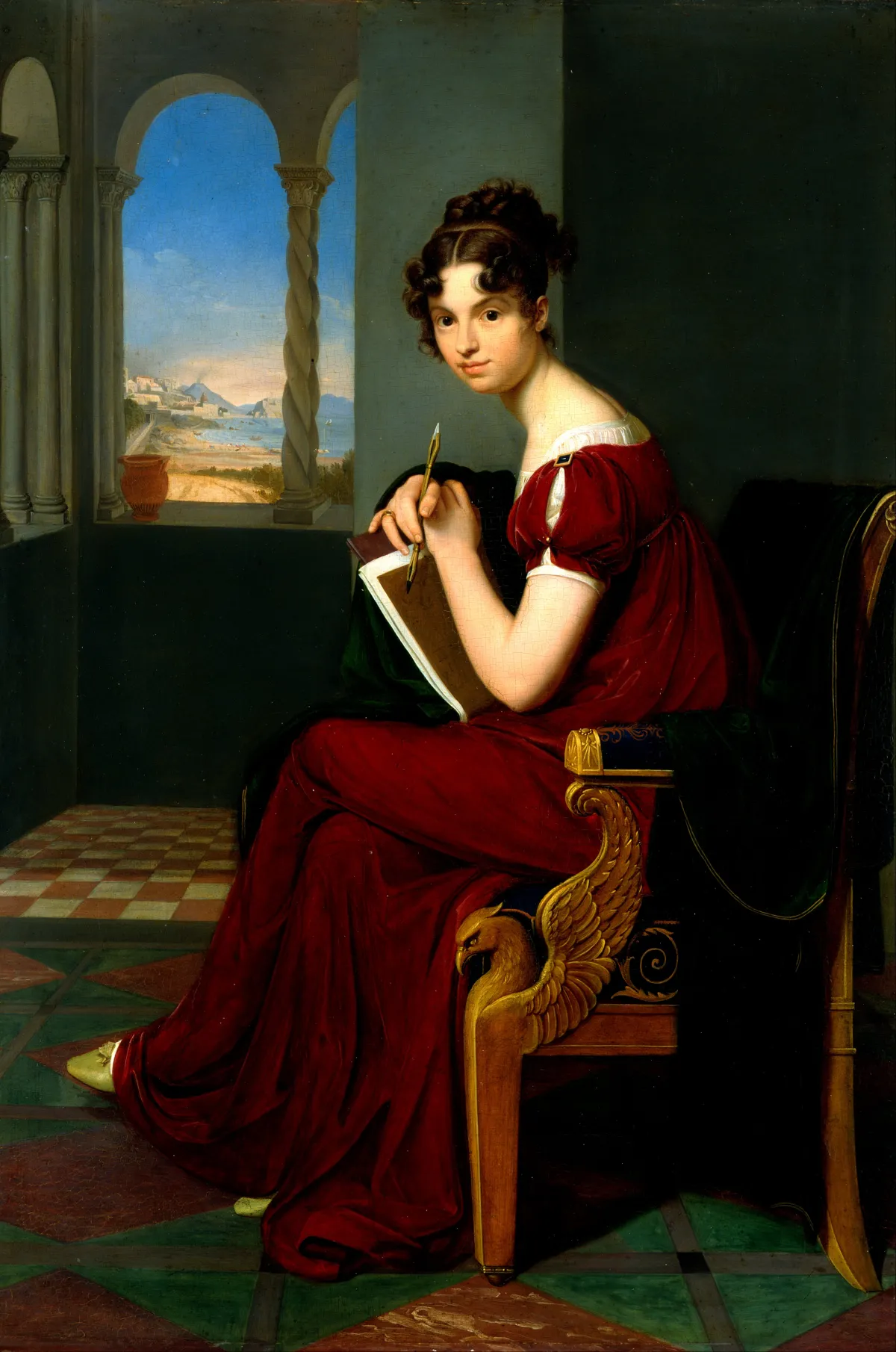
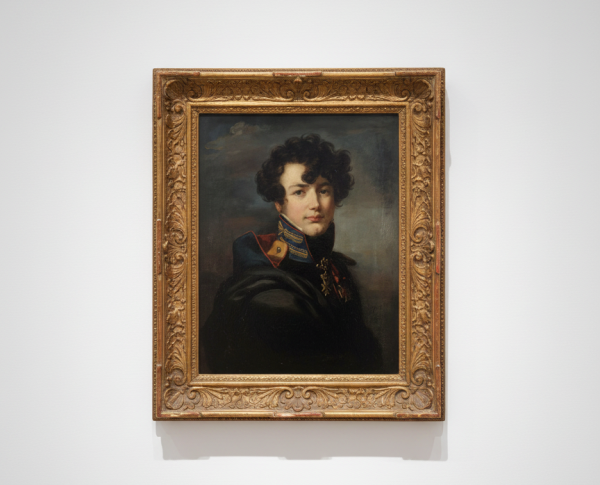
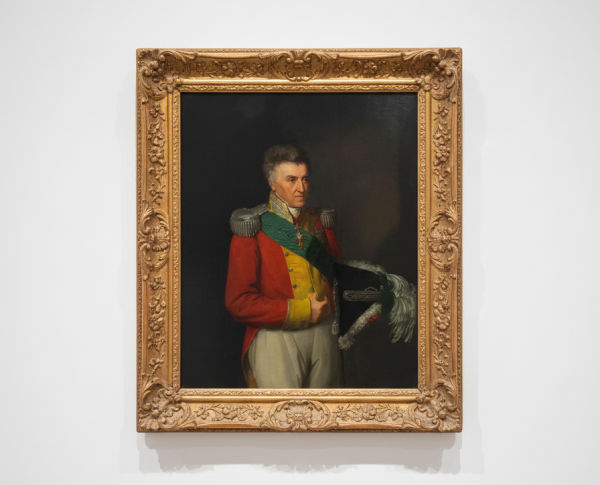
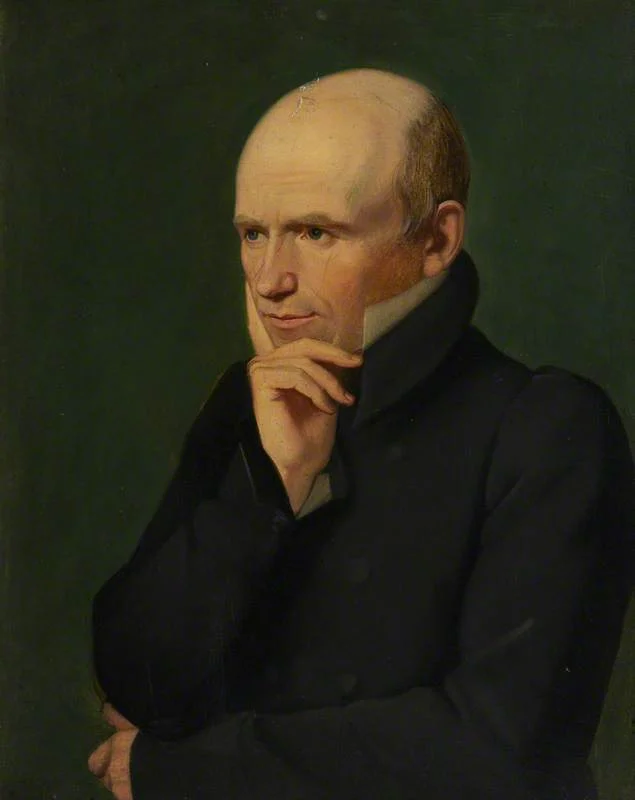
Carl Christian Vogel von Vogelstein’s technique in "Bildnis Des Dresdner Professors Karl Förster" reveals the refined skills characteristic of Neo-Classical masters. The oil on canvas medium allows for exquisite detail and a depth of color that brings the professor’s character to life. This painting exemplifies the movement’s dedication to realism and classical ideals. Related fine art pieces, Portrait of Burchard Ch. Richter", showcase similar attention to detail.
Every element in "Bildnis Des Dresdner Professors Karl Förster" tells a story, from the professor’s thoughtful gaze to the careful pose orchestrated by Carl Christian Vogel von Vogelstein. As a fine art painting for sale, it’s more than a portrait—it’s a narrative wrapped in Neo-Classical symbolism. Art enthusiasts exploring Neo-Classical themes may also appreciate related works, others from the era, each offering layers of meaning and historical context.
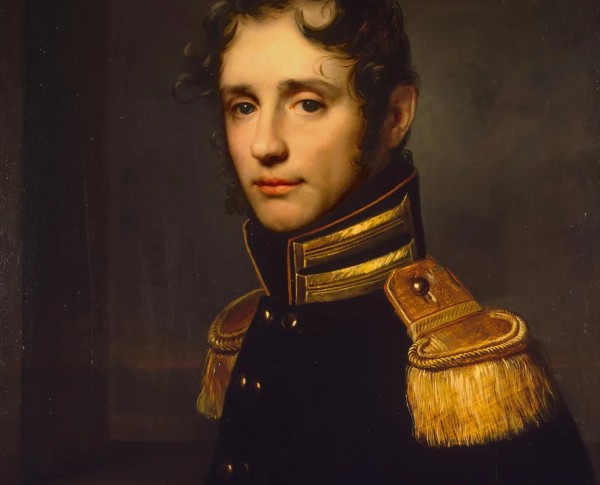
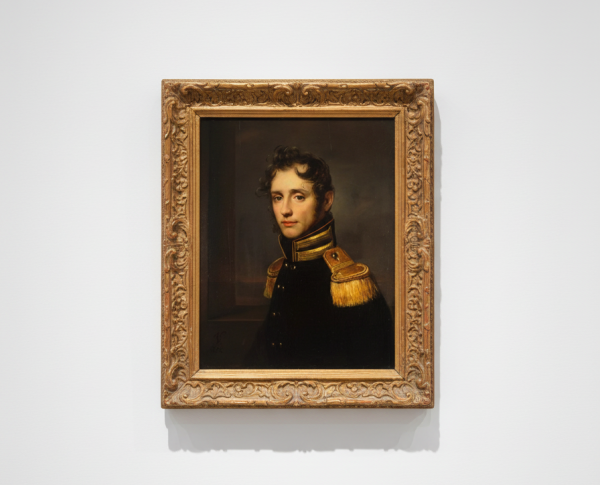
For collectors, "Bildnis Des Dresdner Professors Karl Förster" is a prized example of Neo-Classical excellence by Carl Christian Vogel von Vogelstein. This hand-painted oil painting is not only a visual delight but also a valuable asset in any art collection. Its connection to similar masterpieces—such as "Robert Watson, 1746 - . Adventurer" —enhances its desirability for those seeking distinguished fine art painting for sale from this influential period.
When Art Meets History
Carl Christian Vogel von Vogelstein’s "Bildnis Des Dresdner Professors Karl Förster" stands as a remarkable hand-painted oil painting from the Neo-Classical movement. Created during an era that revered classical ideals, this portrait captures the intellectual spirit of its subject—Professor Karl Förster. Similar to other works like "Lament for Icarus" and "Romantic Landscape," Vogel von Vogelstein’s painting bridges the world of academia and art, making it a significant piece for collectors and enthusiasts alike.
Techniques That Speak
The artist’s mastery of oil on canvas is evident in the lifelike texture and subtle coloration of "Bildnis Des Dresdner Professors Karl Förster." Vogel von Vogelstein’s Neo-Classical technique shines through his precise brushwork and careful attention to detail, reminiscent of contemporaries who created pieces such as "The Bridge at La Cava" and "Kingdom of Naples." This painting’s technical brilliance elevates it as a prime example of the period’s dedication to classical forms and refined execution.
Emotions on Display
"Bildnis Des Dresdner Professors Karl Förster" is more than just a fine art painting for sale; it is a window into the soul of its subject. Through nuanced expression and posture, Vogel von Vogelstein channels the professor’s intellect and dignity, echoing the emotional depth found in "Clyties of the Mist" and "Caroline Louisa Pratt Bartlett." The portrait’s emotive impact invites viewers to connect with the subject, making it a timeless representation of Neo-Classical portraiture.
Coveted by Collectors
Collectors seeking a distinguished addition to their galleries often turn to works like this hand-painted oil painting by Carl Christian Vogel von Vogelstein. "Bildnis Des Dresdner Professors Karl Förster" is highly prized alongside notable pieces such as "Lament for Icarus" and "Romantic Landscape." As an enduring example of the Neo-Classical movement, it appeals to those who appreciate the intersection of historical significance and artistic mastery, making it a sought-after treasure in the world of fine art.
Related Neo-Classical Hand-Painted Oil Paintings by Other Artists
Other Famous Neo-Classical Artists:
Frequently Asked Questions About Bildnis Des Dresdner Professors Karl Förster
Who is depicted in the painting "Bildnis Des Dresdner Professors Karl Förster"?
The painting depicts Karl Förster, a notable professor from Dresden, who was recognized for his contributions to the field of botany and natural sciences.
What artistic style is employed in "Bildnis Des Dresdner Professors Karl Förster"?
The artwork is created in the Neoclassical style, characterized by its emphasis on realism, clarity of form, and a focus on the subject's intellectual stature.
What is the significance of the attire worn by Karl Förster in the painting?
Förster is depicted in formal academic attire, symbolizing his status as a learned individual and reflecting the values of education and scholarship during the early 19th century.
How does the background contribute to the overall meaning of the painting?
The background features elements that suggest an academic environment, reinforcing Förster's identity as a professor and his connection to the world of science and knowledge.
What techniques did Carl Christian Vogel von Vogelstein use in this portrait?
Vogelstein utilized meticulous brushwork and a careful attention to detail, particularly in the rendering of facial expressions and textures, to convey the personality and intellect of Förster.
What role does light play in "Bildnis Des Dresdner Professors Karl Förster"?
The use of light in the painting highlights Förster's face and upper body, drawing the viewer's attention to his expression and emphasizing his contemplative nature.
What is the historical context of the painting?
This portrait was created during a time when portraiture was a popular means of commemorating influential figures in academia, reflecting the societal value placed on education and intellectual achievement.
How does this painting reflect the values of the time period in which it was created?
The painting reflects the Enlightenment ideals of reason, knowledge, and the importance of education, showcasing the intellectual pursuits that were highly regarded in early 19th-century Europe.
What emotions or themes are conveyed through the expression of Karl Förster?
Förster's expression conveys a sense of thoughtfulness and introspection, suggesting a deep engagement with his academic work and a commitment to the pursuit of knowledge.
What impact did "Bildnis Des Dresdner Professors Karl Förster" have on the art community?
This painting is regarded as an important example of academic portraiture, influencing subsequent artists in their portrayal of intellectual figures and contributing to the tradition of commemorative portraiture in art history.






















_GFM_Painting_(1).webp)

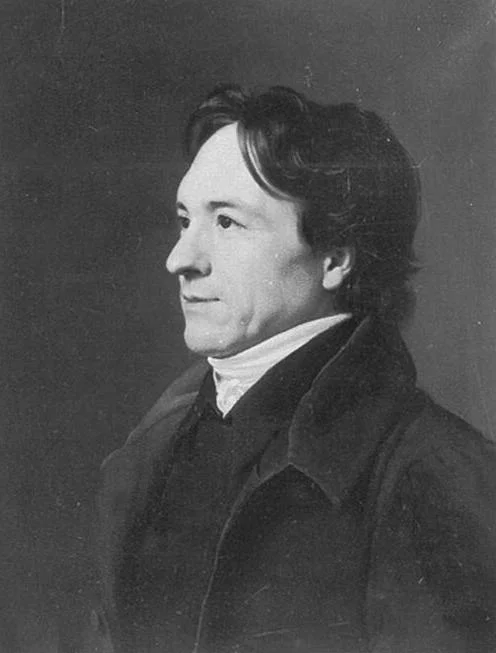

 100% Hand-Painted: Finished in 3-6 Weeks

.png)















_(1).webp)